Complete sourcing guide for Handmade & Ethnic Anklets including supplier directory, FOB pricing, product specifications, and market validation.
FOB Price Range
$8 - $90
Verified Suppliers
0
Sourcing Strategies
2
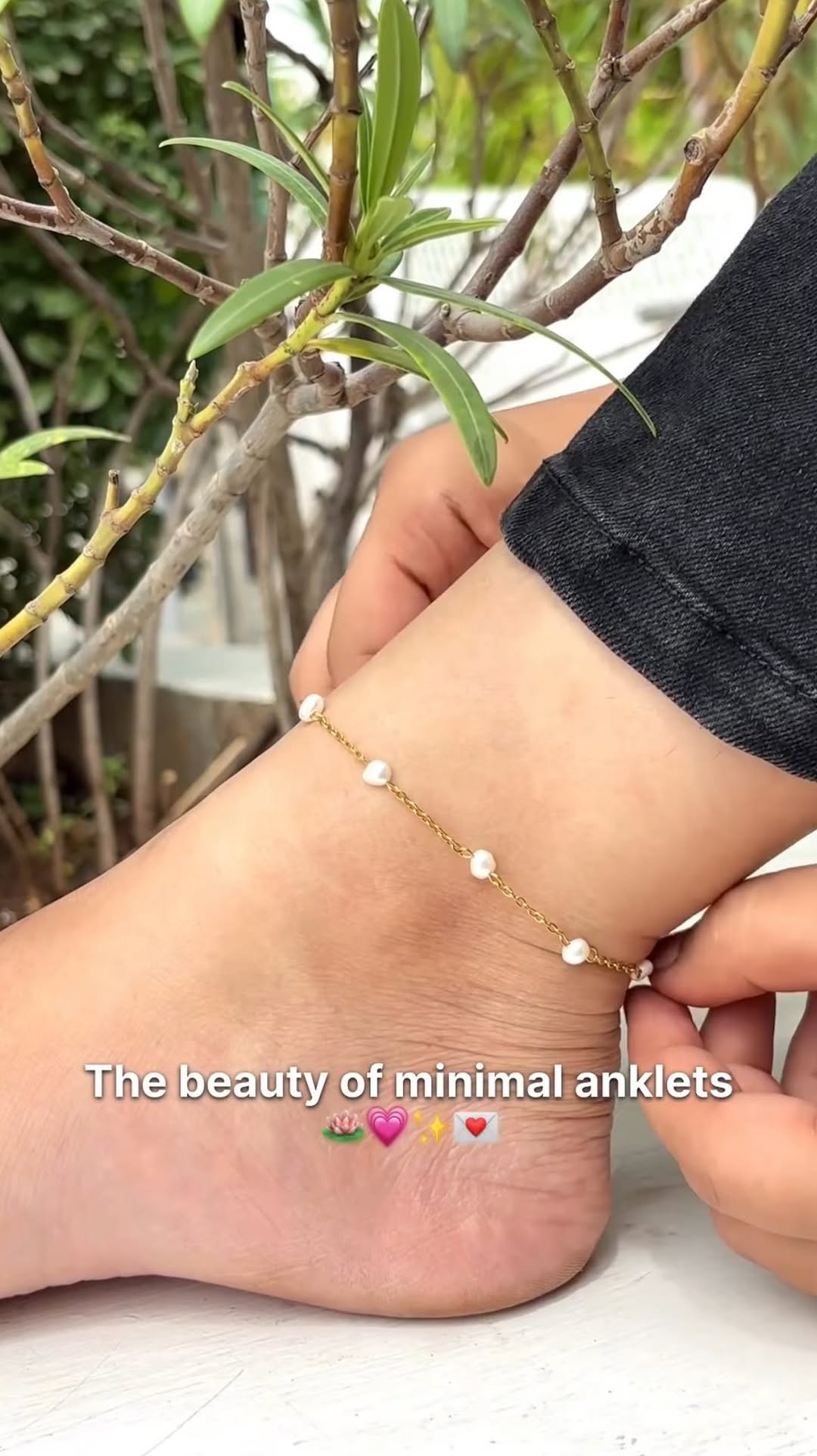
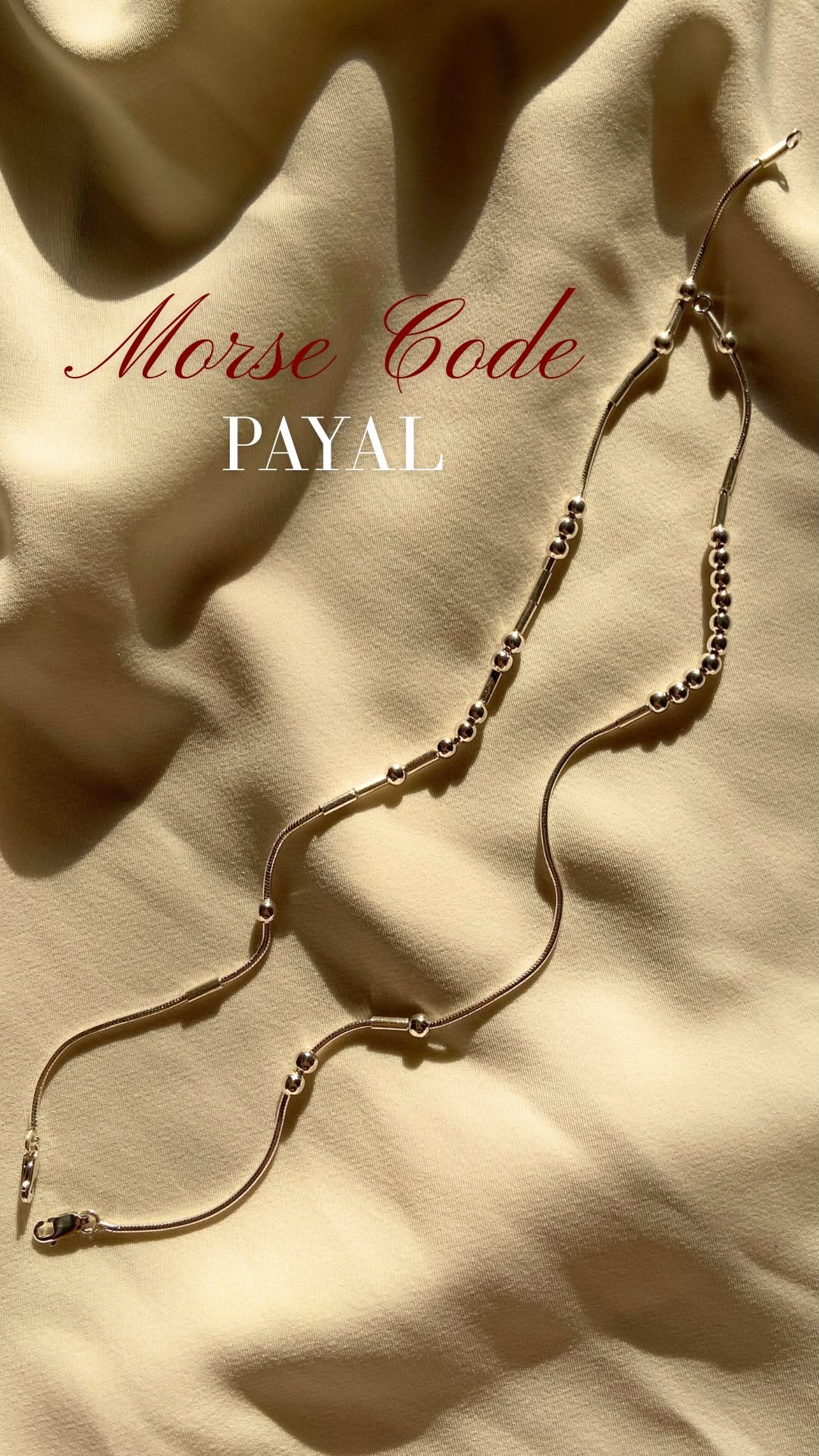
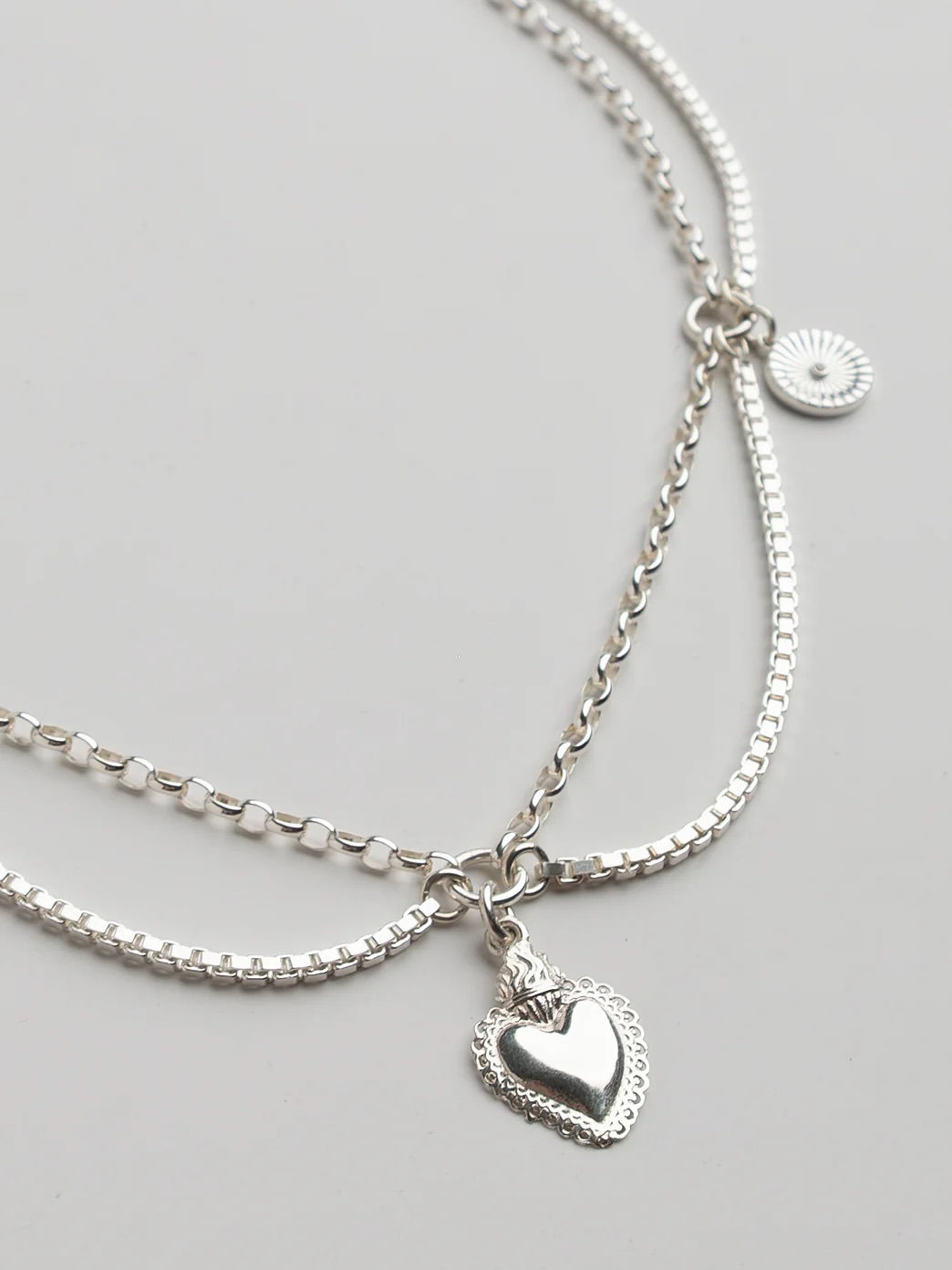
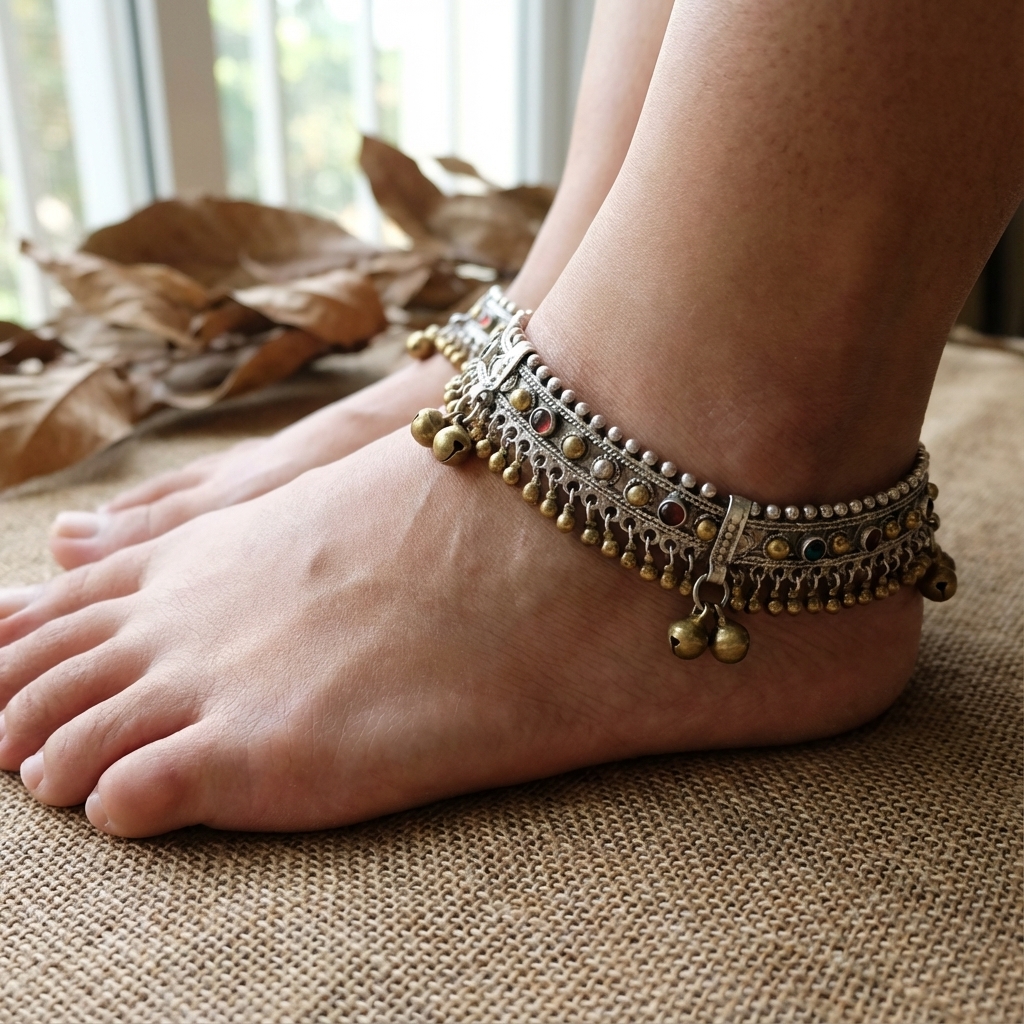
AI-generated product visualizations for Handmade & Ethnic Anklets
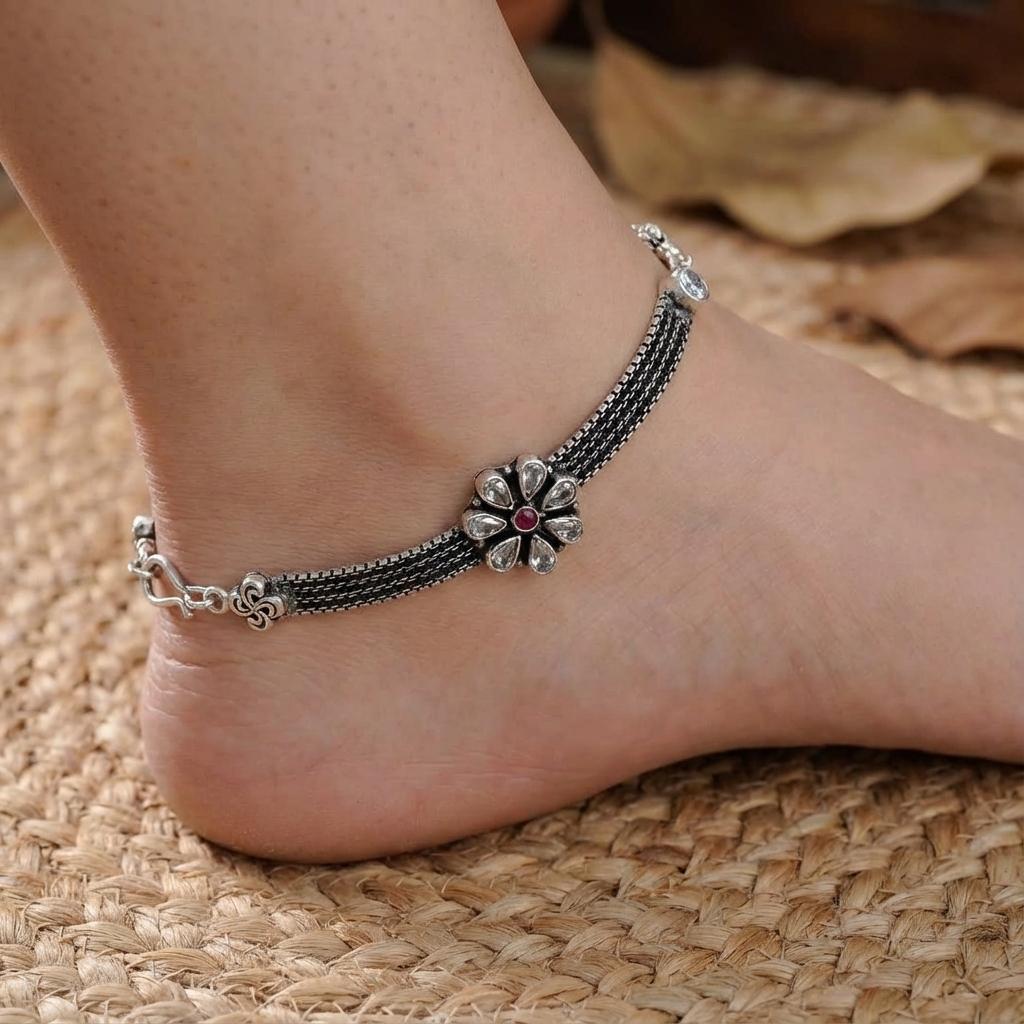
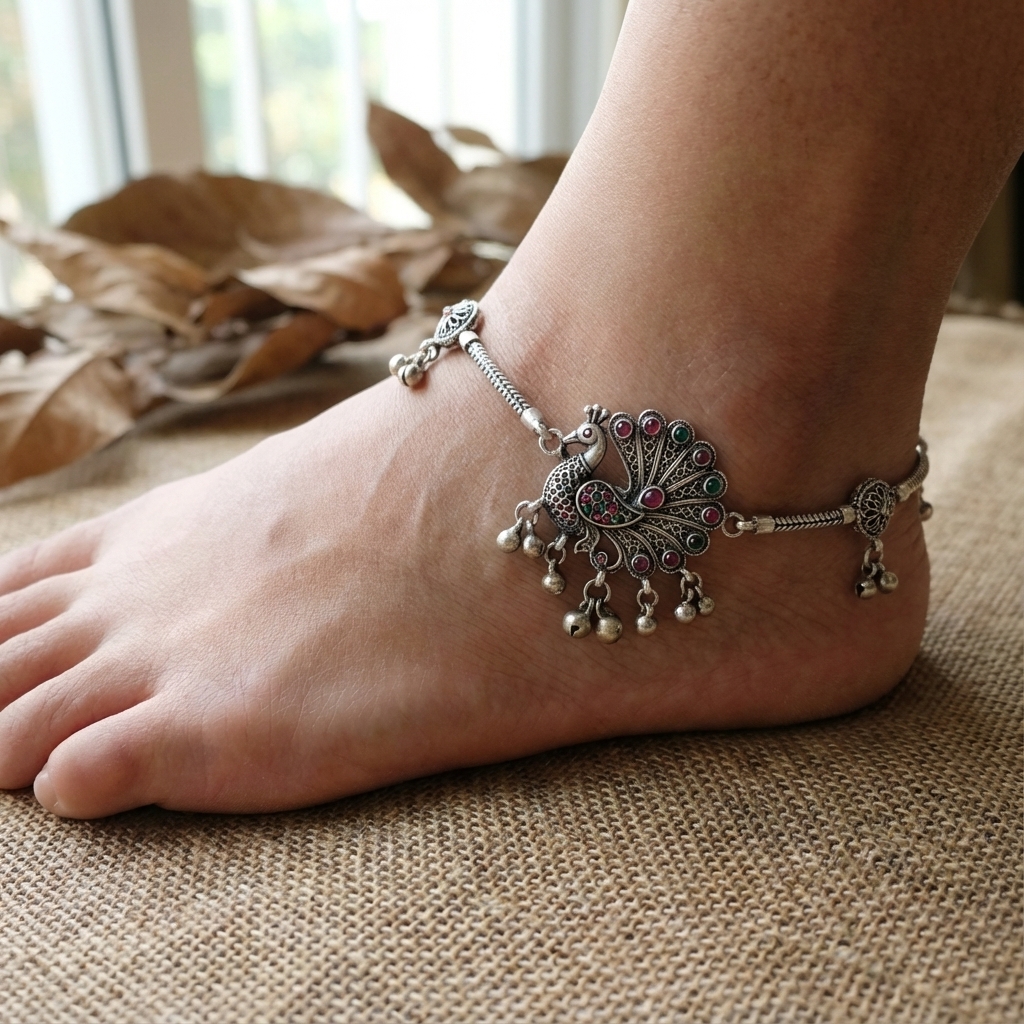
A quick preview of supplier standards, production requirements, and sourcing intelligence from our verified network.
The primary cost drivers for handmade anklets are the bead and charm materials, followed by the complexity of the hand-labor involved in braiding and beading. To optimize for price, focus on substituting premium materials like glass beads and brass charms with cost-effective alternatives like acrylic or wood, and simplify the construction to reduce labor time.
Confidence: High| Pricing Lever | Cost Impact | Quality Risk | MOQ Impact | Lead Time | Notes |
|---|---|---|---|---|---|
| Switch bead material (Glass → Acrylic/Wood → Plastic) | ↓ High | Medium | - None | - None | Affects weight, feel, and perceived value. High-grade acrylic can mimic glass well. |
| Switch closure (Lobster Clasp → Sliding Knot) | ↓ Medium | Medium | - None | ↓ Low | Positions the product in the 'value' segment. Knots can loosen over time if not made well. |
| Simplify construction (e.g., reduce bead density, simpler braid) | ↓ Medium | Low | - None | ↓ Low | Directly reduces labor minutes per piece. Can make the product look sparse if overdone. |
| Downgrade charm material (Brass → Zinc Alloy) | ↓ Low–Medium | High | - None | - None | Risk of tarnishing or skin irritation if low-quality alloy is used. Affects premium feel. |
| Use standard/stock charms instead of custom designs | ↓ Low | Low | ↓ Low | ↓ Medium | Eliminates mold fees and development time but reduces brand differentiation. |
| Increase MOQ (to 500+) | ↓ Low–Medium | Low | ↑ High | - None | Allows for better price breaks on bulk-purchased beads, threads, and hardware. |
Ready to create your anklet collection? Submit a sourcing request with your design ideas and target cost, and we'll connect you with the right artisans and manufacturers.
The most common quality issues stem from the handmade nature of the product. Focus on the durability of the closure (knot or clasp), the consistency of the beading pattern, and the quality of the materials to prevent breakage, fading, and tarnishing.
Confidence: HighRoot Cause
Poorly tied sliding knot; weak thread; low-quality spring in lobster clasp.
What to Specify / Ask Supplier
Specify closure type, thread material (e.g., waxed polyester), and clasp quality. Ask for pull test on samples.
QC Check (What "Good" Looks Like)
Tug firmly on the clasp and extender chain. For sliding knots, adjust multiple times to ensure it holds position but is not too difficult to move.
Root Cause
Low-quality thread (e.g., unwaxed cotton); sharp edges on beads; ends not properly sealed.
What to Specify / Ask Supplier
Specify waxed cotton or polyester thread for durability and water resistance. Check that bead holes are smooth.
QC Check (What "Good" Looks Like)
Inspect the entire length of the thread for fraying. Pull test the anklet to check for weak points, especially near the clasp or knots.
Root Cause
Surface-dyed or painted beads (especially wood/plastic) instead of solid color material; low-grade dye.
What to Specify / Ask Supplier
Specify bead material and coloring method (e.g., solid color acrylic, dyed-through glass). Request colorfastness.
QC Check (What "Good" Looks Like)
Rub a bead with a damp white cloth to check for color transfer. Visually inspect for chips or inconsistent color.
Root Cause
Cheap base metal (e.g., iron) with thin plating; use of alloys prone to oxidation like low-grade zinc alloy.
What to Specify / Ask Supplier
Specify base metal (e.g., brass, nickel-free zinc alloy) and desired finish (e.g., bronze-finished).
QC Check (What "Good" Looks Like)
Visually inspect for any signs of early oxidation or inconsistent plating on pre-production samples. Check for a 'green' reaction after wearing.
Root Cause
Lack of a standardized jig or template for assembly; poor training for handmade production.
What to Specify / Ask Supplier
Provide a clear, to-scale design mock-up with exact length, bead sequence, and acceptable tolerance (e.g., ±0.5cm).
QC Check (What "Good" Looks Like)
Measure a random sample of anklets against the specified length. Visually compare the bead pattern against the approved design.
Root Cause
Use of nickel or lead in metal charms and clasps.
What to Specify / Ask Supplier
Require all metal components to be nickel-free and lead-free. Request material compliance declarations if selling in regulated markets (EU/CA).
QC Check (What "Good" Looks Like)
Review supplier documentation. For high-volume orders, send a sample for third-party lab testing.
Root Cause
Supplier misinterpreting or genericizing a specific ethnic pattern (e.g., Lumad design).
What to Specify / Ask Supplier
Provide high-resolution, clear reference images for the pattern. Ask about their experience with the specific craft style.
QC Check (What "Good" Looks Like)
Compare the production sample directly against the original reference image, paying close attention to pattern details and color sequence.
Don't let quality issues tarnish your brand. Source with us and receive a comprehensive QC checklist tailored to your specific anklet design.
Use this data to create your product specifications, reach out to suppliers, and validate your pricing strategy. Start with small sample orders to test quality.
Choose from 2 pricing strategies based on your target market
This sourcing playbook provides actionable guidance for importing Handmade & Ethnic Ankletsproducts. Our data-driven approach combines supplier intelligence with market validation to help you make informed purchasing decisions and minimize sourcing risks.
First orders typically require 30-50% deposit with balance before shipment (T/T). As relationships develop, suppliers may offer 30/70 splits or even open terms for established buyers. Letter of Credit (L/C) is available for larger orders but involves additional fees.
Document issues with photos immediately upon receipt. Most suppliers offer replacement or credit for legitimate defects within agreed AQL limits. Having clear quality specifications in your purchase order strengthens your position in disputes.
Third-party inspection is recommended for first orders and orders over $10,000. Services like SGS or Bureau Veritas cost $200-400 per inspection and can prevent costly quality issues. Pre-shipment inspection is most common; in-line inspection adds additional assurance.
Navigation: All Categories → Anklets → Handmade & Ethnic Anklets → Sourcing