Complete sourcing guide for Maximalist Body Chains including supplier directory, FOB pricing, product specifications, and market validation.
FOB Price Range
$2 - $152
Verified Suppliers
0
Sourcing Strategies
2
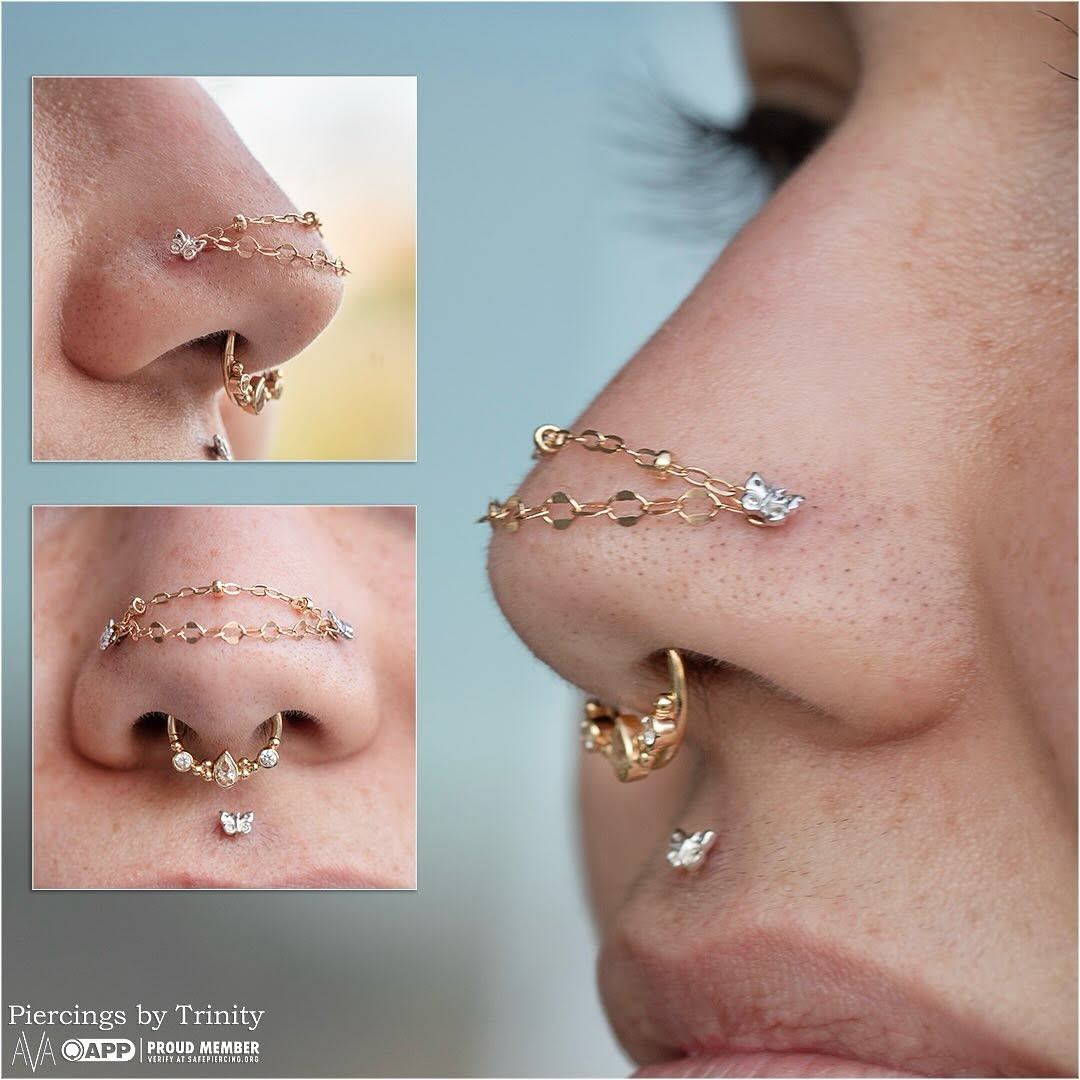
AI-generated product visualizations for Maximalist Body Chains
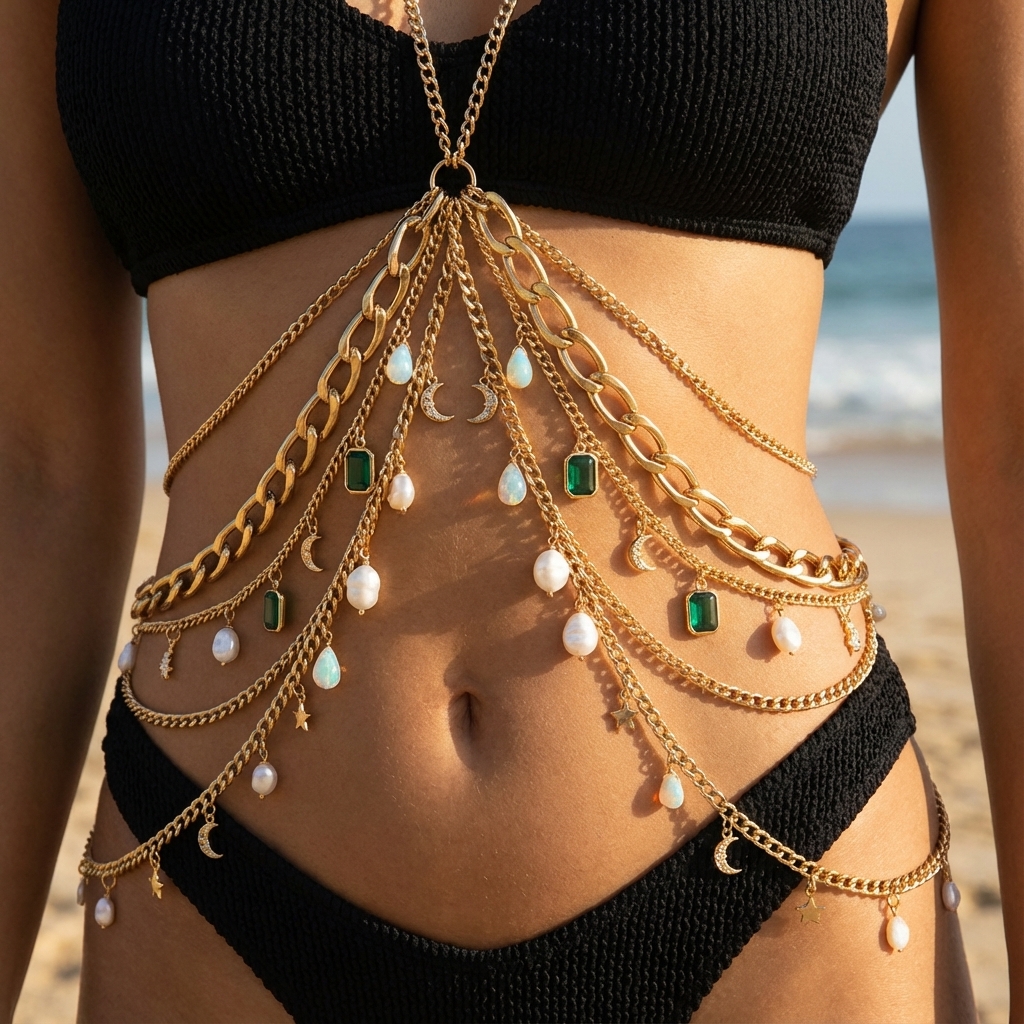
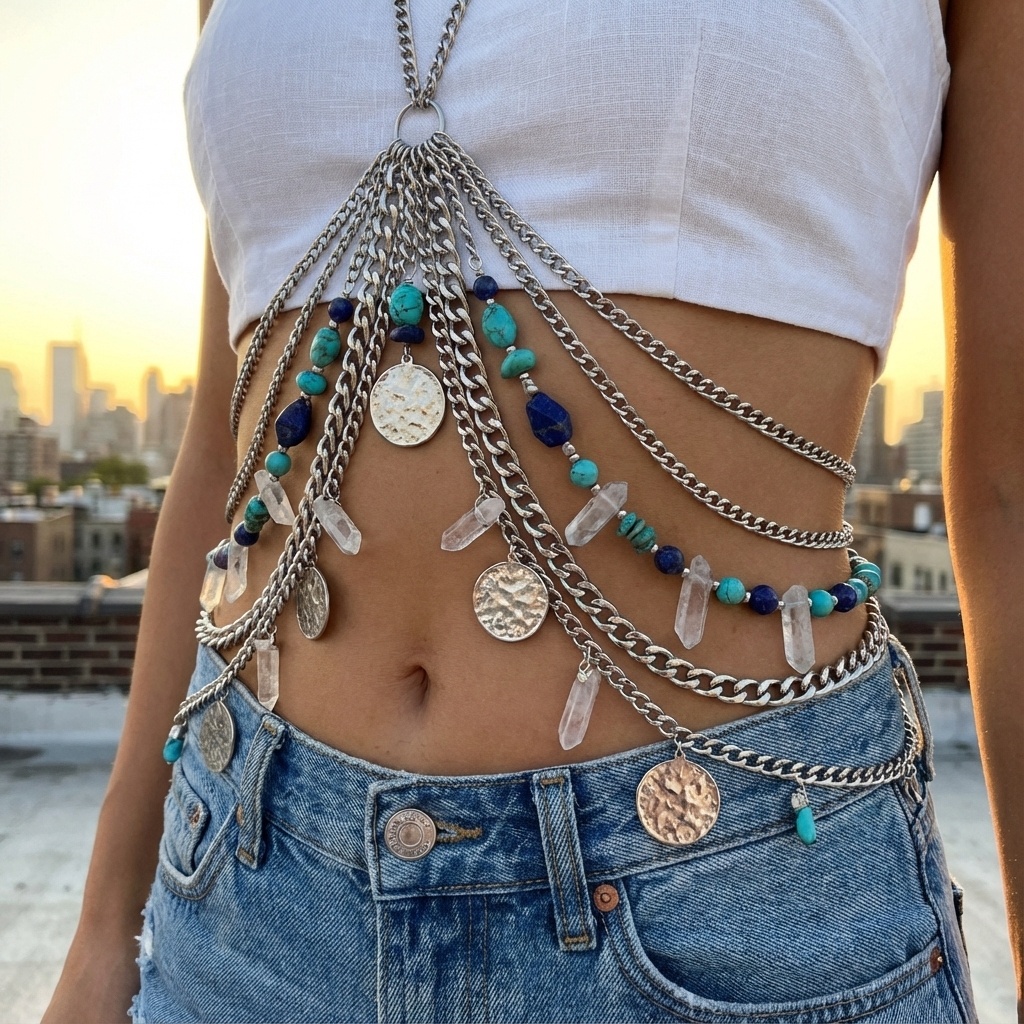
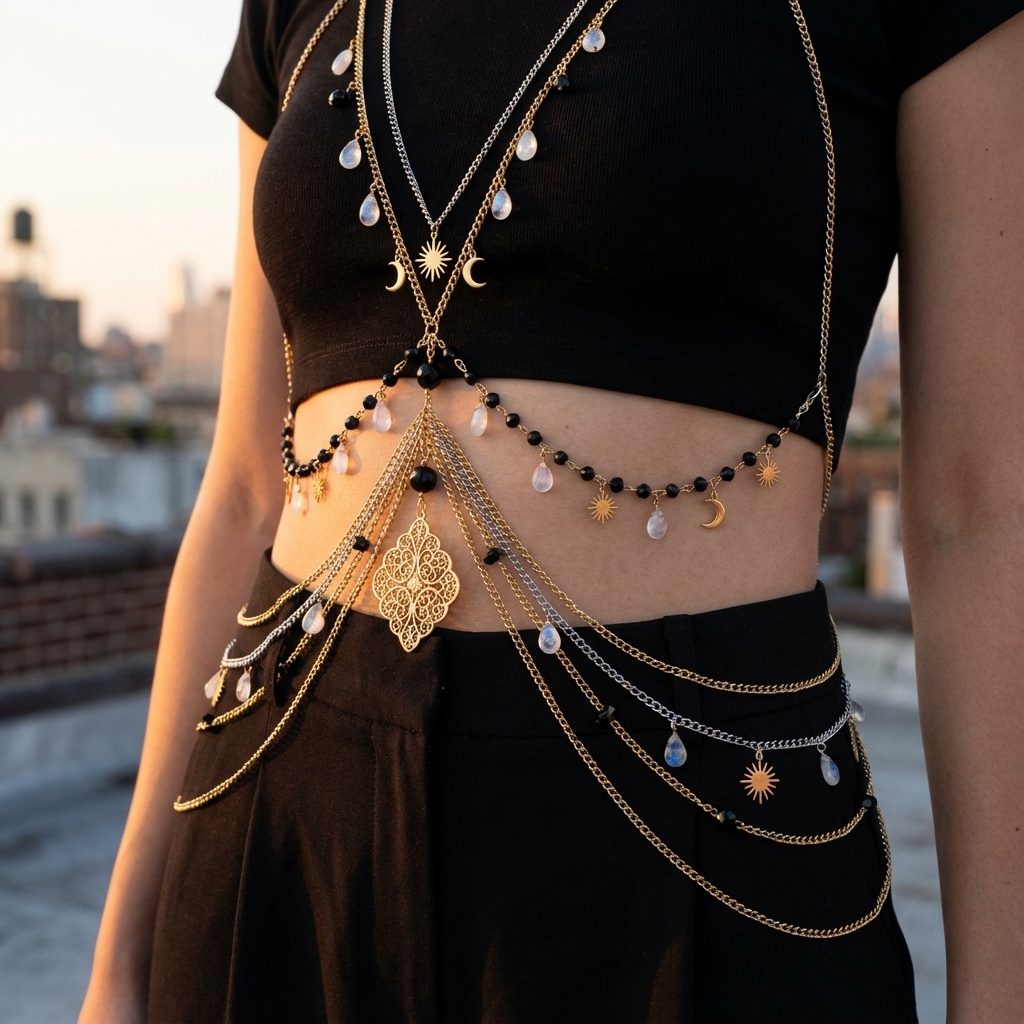
A quick preview of supplier standards, production requirements, and sourcing intelligence from our verified network.
The final cost of a body chain is primarily driven by the base metal, plating thickness, and the complexity of the design. To optimize for price, start by selecting a cost-effective base metal like zinc alloy, then adjust the plating from PVD to standard flash plating, and finally simplify the design by reducing layers or the density of embellishments.
Confidence: High| Pricing Lever | Cost Impact | Quality Risk | MOQ Impact | Lead Time | Notes |
|---|---|---|---|---|---|
| Switch base metal from Brass/Steel to Zinc Alloy/Iron | ↓ High | High | ↓ Low | - None | Significantly lowers perceived weight and value. High risk of tarnish, breakage, and skin irritation (nickel content). |
| Reduce plating from 1.0μ PVD to standard flash plating | ↓ High | High | - None | - None | Drastically reduces tarnish resistance and lifespan. Not recommended for premium products. May require an anti-tarnish e-coating as a minimum. |
| Switch from Glass Rhinestones to Acrylic Sequins/Stones | ↓ Medium–High | Medium | - None | - None | Reduces sparkle and perceived value. Acrylic is prone to scratching and can look cheap. |
| Simplify design (e.g., full harness → multi-strand waist chain) | ↓ Medium–High | Low | - None | ↓ Medium | Reduces material (chain length) and labor (assembly time) costs significantly. |
| Reduce embellishment density or remove fringe | ↓ Medium | Low | - None | ↓ Low | Lowers cost by reducing stone count and the labor-intensive process of stone setting or attaching fringe. |
| Use unsoldered jump rings instead of soldered | ↓ Low–Medium | High | - None | ↓ Low | Major risk of chains being pulled apart. A common point of failure and customer complaints. |
| Utilize stock components (chains, charms) vs. custom molds | ↓ Low–Medium | Low | ↓ Medium | ↓ High | Avoids mold fees and development time. Product will be less unique. |
| Increase MOQ (e.g., from 300 to 1000 units) | ↓ Medium | Low | ↑ High | - None | Allows for better price breaks on raw materials and more efficient production runs. |
Ready to launch your body chain collection? Submit your design, target price, and quantity, and we'll connect you with vetted manufacturers that fit your budget and quality needs.
The most frequent complaints for body jewelry stem from plating that tarnishes or causes skin irritation, chains breaking at weak connection points (jump rings and clasps), and embellishments like rhinestones falling off. Proactive specification and targeted QC checks are essential.
Confidence: HighRoot Cause
Plating is too thin (<0.1 micron); no protective e-coating; poor surface preparation on base metal.
What to Specify / Ask Supplier
Specify plating method (e.g., PVD), thickness in microns (e.g., 0.5μ-1.0μ for premium), and require an anti-tarnish clear e-coating.
QC Check (What "Good" Looks Like)
Perform a salt spray test on samples. For production, use a white cloth to rub the item firmly; no color should transfer. Visually check for consistent color.
Root Cause
Unsoldered jump rings; weak, low-quality clasps; chain gauge too thin for the design's weight.
What to Specify / Ask Supplier
Require soldered jump rings on all connection points. Specify clasp type/size (e.g., 12mm reinforced lobster clasp). Ask for pull test data.
QC Check (What "Good" Looks Like)
Gently but firmly pull on all connections, especially where chains meet clasps and pendants. The jump rings should not open.
Root Cause
Weak glue; poorly formed prong settings; stones not seated correctly.
What to Specify / Ask Supplier
Specify setting method (prong-set is better than glue). If glued, ask for the specific industrial-grade glue used.
QC Check (What "Good" Looks Like)
Run a finger over embellished areas; no stones should feel loose. Gently tap the item on a hard surface; no stones should fall out. Check for excess glue marks.
Root Cause
Use of nickel in the base metal or plating, which is a common allergen. Cadmium and lead in cheap alloys.
What to Specify / Ask Supplier
Require 'Nickel-free', 'Lead-free', and 'Cadmium-free' materials. Request material composition test reports (e.g., XRF scan results).
QC Check (What "Good" Looks Like)
Cannot be checked visually. Requires lab testing for verification. Wear-testing samples for 8+ hours is a practical alternative.
Root Cause
Complex, multi-layered chains bulk-packed without individual protection.
What to Specify / Ask Supplier
Specify individual packaging. For complex items, require them to be wrapped around a card or placed in a separate polybag.
QC Check (What "Good" Looks Like)
Open 5-10 retail packages. The product should be easy to remove and wear without minutes of untangling.
Root Cause
Poor communication of specs; no tolerance range defined; inconsistent production.
What to Specify / Ask Supplier
Provide a detailed diagram with all chain lengths (including extender) and a tolerance (e.g., ±1cm).
QC Check (What "Good" Looks Like)
Measure a sample of units against the spec sheet. Check that the extender chain provides the intended range of fit.
Root Cause
Poor handling during assembly (e.g., using rough pliers); inadequate polishing; items rubbing against each other in transit.
What to Specify / Ask Supplier
Specify a 'no visible scratches or tool marks' standard. Define packaging requirements to prevent abrasion.
QC Check (What "Good" Looks Like)
Inspect surfaces under good lighting. There should be no visible scratches, dents, or plier marks on chains or clasps.
Don't let poor quality tarnish your brand. Submit a sourcing request and we'll provide a comprehensive QC checklist and connect you with factories that meet strict durability and safety standards.
Use this data to create your product specifications, reach out to suppliers, and validate your pricing strategy. Start with small sample orders to test quality.
Choose from 2 pricing strategies based on your target market
This sourcing playbook provides actionable guidance for importing Maximalist Body Chainsproducts. Our data-driven approach combines supplier intelligence with market validation to help you make informed purchasing decisions and minimize sourcing risks.
First orders typically require 30-50% deposit with balance before shipment (T/T). As relationships develop, suppliers may offer 30/70 splits or even open terms for established buyers. Letter of Credit (L/C) is available for larger orders but involves additional fees.
Document issues with photos immediately upon receipt. Most suppliers offer replacement or credit for legitimate defects within agreed AQL limits. Having clear quality specifications in your purchase order strengthens your position in disputes.
Third-party inspection is recommended for first orders and orders over $10,000. Services like SGS or Bureau Veritas cost $200-400 per inspection and can prevent costly quality issues. Pre-shipment inspection is most common; in-line inspection adds additional assurance.
Navigation: All Categories → Body Jewelry → Maximalist Body Chains → Sourcing