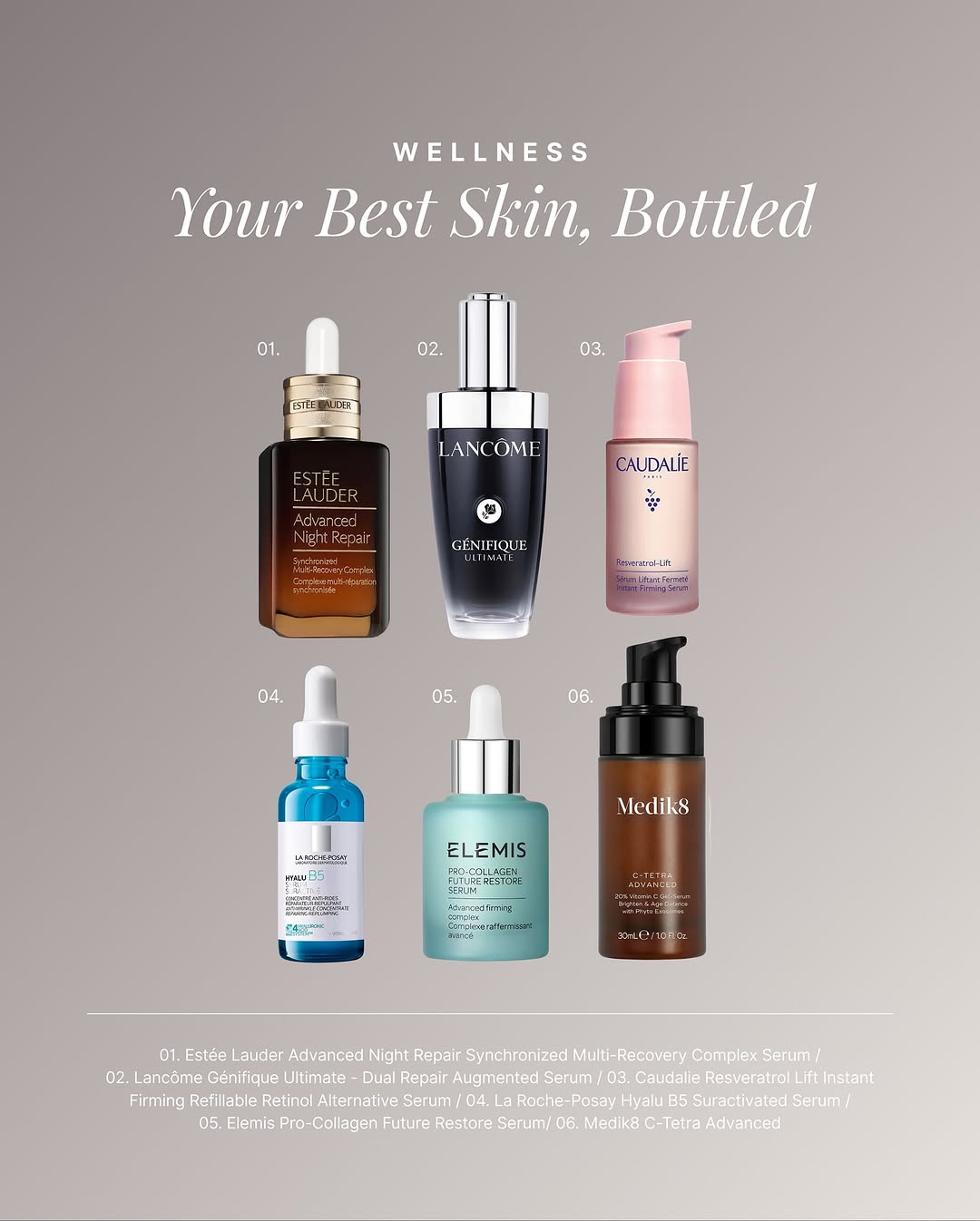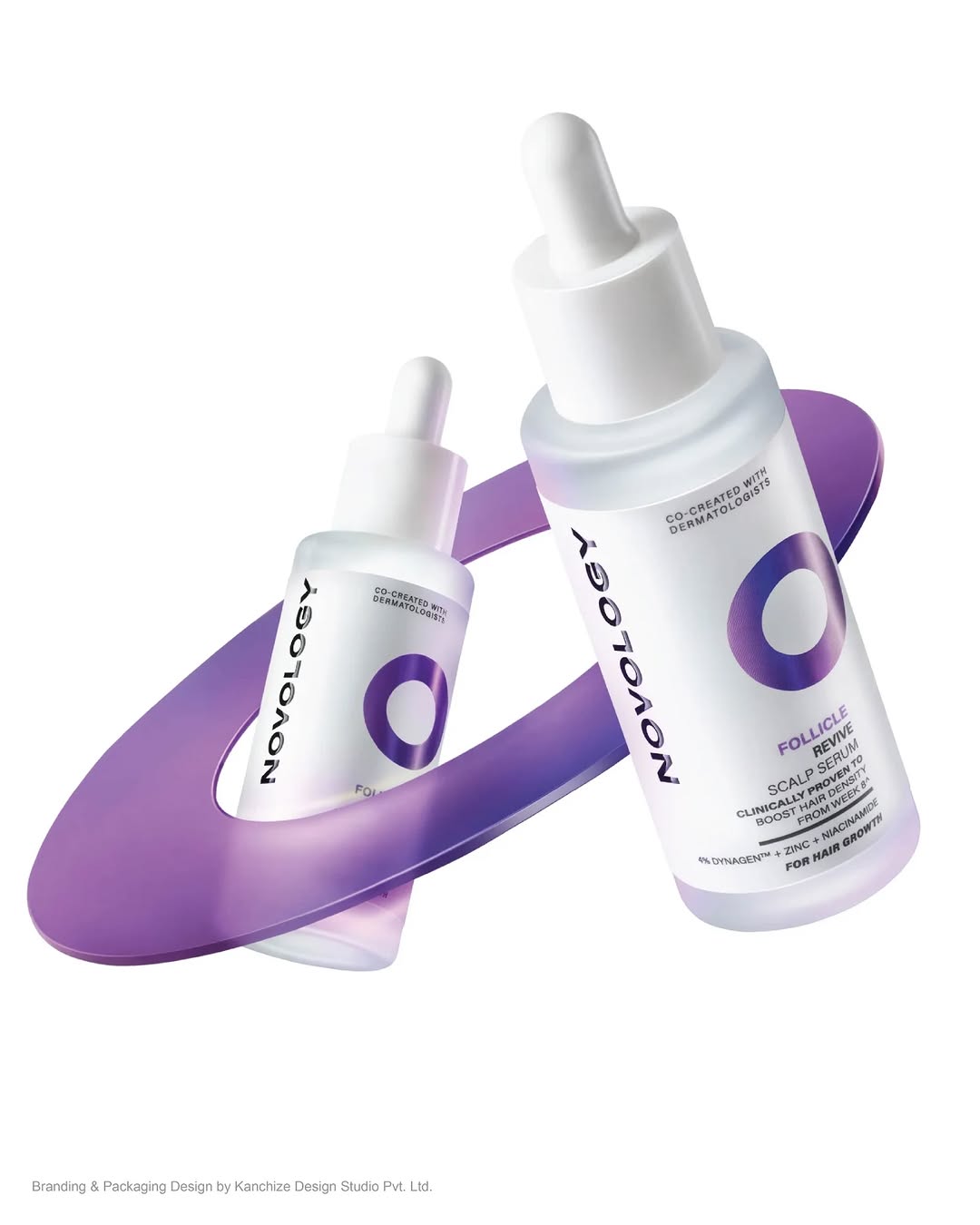
Complete sourcing guide for Smart & Interactive Bottles including supplier directory, FOB pricing, product specifications, and market validation.
Verified Suppliers
0
Sourcing Strategies
0
AI-generated product visualizations for Smart & Interactive Bottles
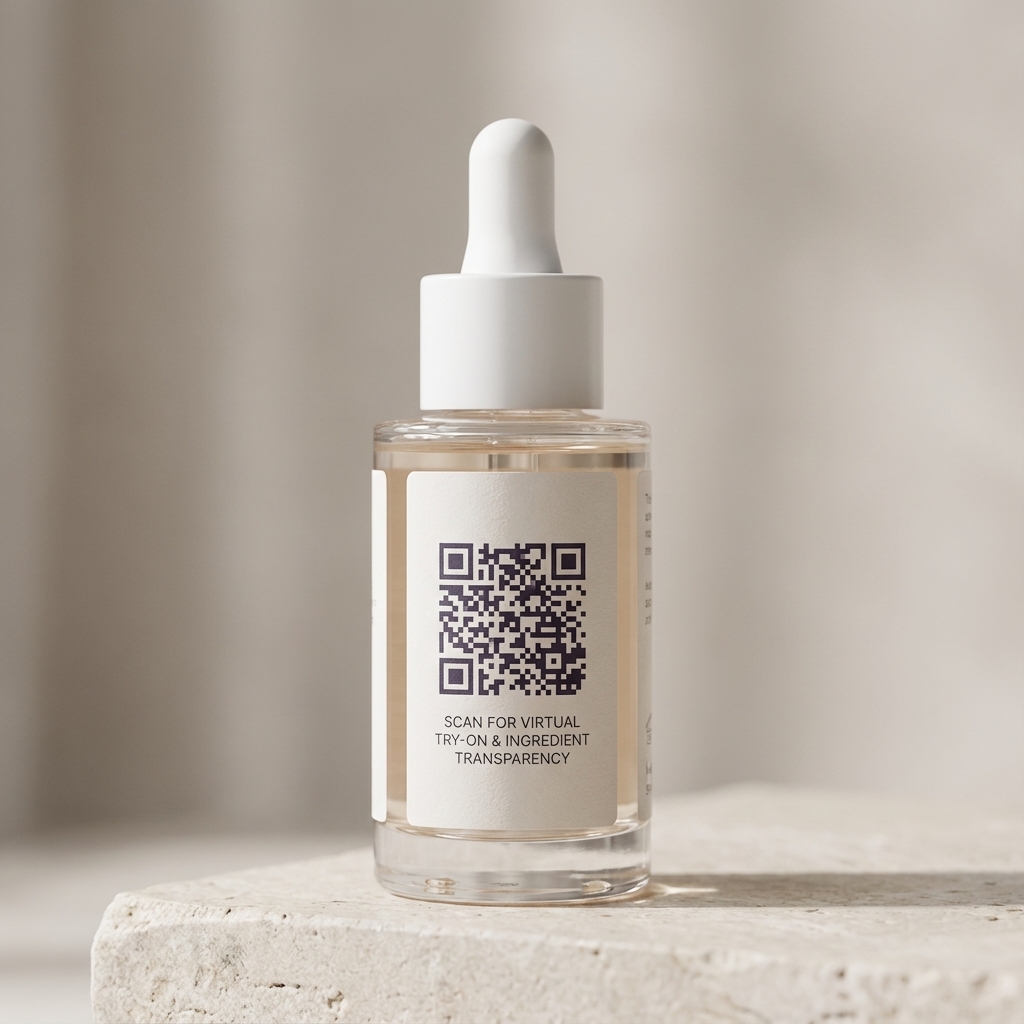
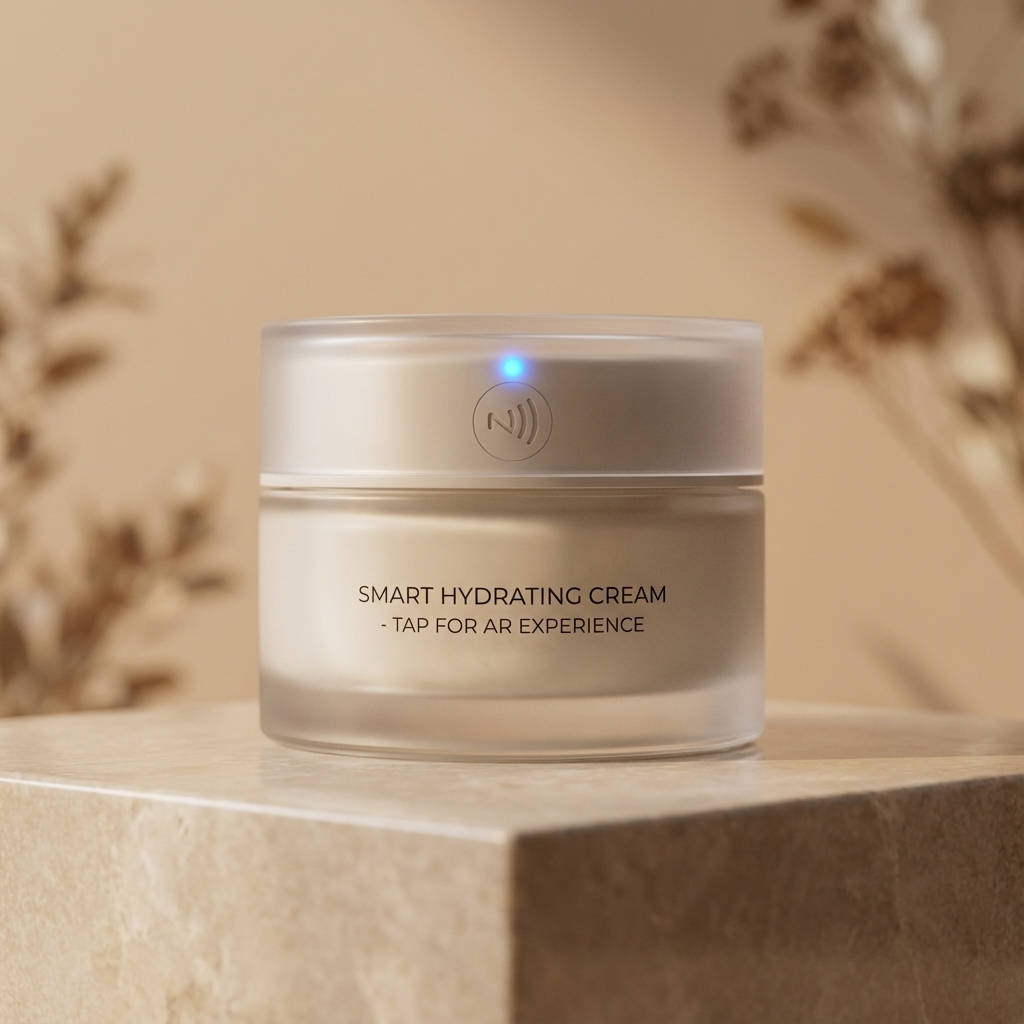
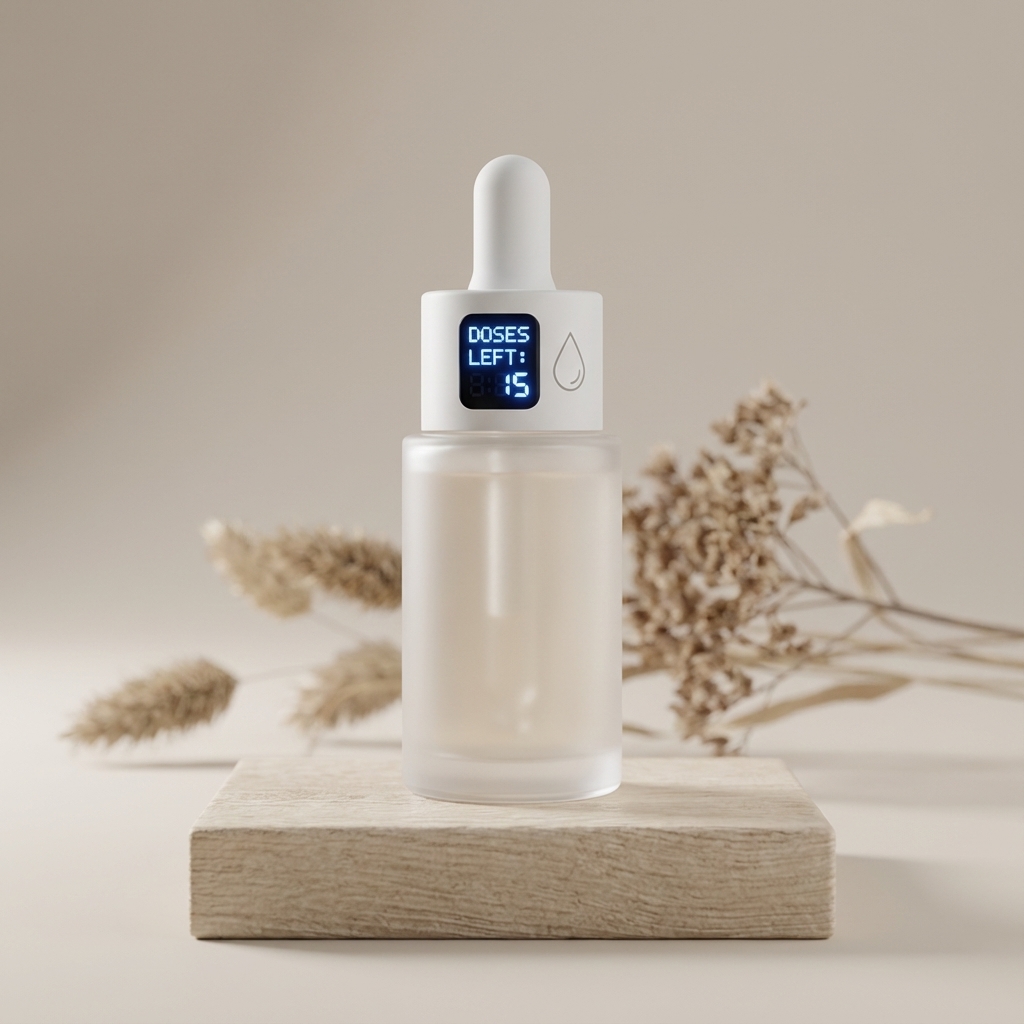
A quick preview of supplier standards, production requirements, and sourcing intelligence from our verified network.
The primary cost driver for smart bottles is the technology choice, with QR codes being the most affordable and Bluetooth-enabled sensors being the most expensive. After technology, the base bottle's material, mold customization, and dispenser type are the next most significant factors. Optimizing these elements in tandem is key to managing the final unit price.
Confidence: High| Pricing Lever | Cost Impact | Quality Risk | MOQ Impact | Lead Time | Notes |
|---|---|---|---|---|---|
| Switch from Bluetooth/Sensors to NFC/QR | ↓ High | Low | ↓ Medium | ↓ Medium | Drastically reduces electronic component cost, complexity, and eliminates battery requirements. |
| Use stock mold instead of custom shape | ↓ High | Low | ↓ High | ↓ High | Avoids mold development fees ($5k-$20k+) and shortens project timeline by 4-8 weeks. |
| Use standard PET/PP instead of glass/aluminum | ↓ Medium–High | Medium | - None | - None | Reduces material cost and shipping weight, but may affect perceived luxury and formula compatibility. |
| Opt for standard pump/cap over airless system | ↓ Medium | High | - None | - None | Lowers component cost but sacrifices product protection from oxidation, risky for sensitive formulas. |
| Simplify decoration (e.g., 1-color print vs. full-wrap hot stamping) | ↓ Low–Medium | Low | - None | ↓ Low | Reduces printing passes and setup fees, lowering labor and material costs. |
| Increase MOQ (to 20k+ units) | ↓ Medium | Low | ↑ High | - None | Provides access to better price breaks on raw materials and electronic components. |
| Reduce PCR (Post-Consumer Recycled) content | ↓ Low | Medium | - None | - None | Impacts sustainability claims. High-grade, clear PCR can be more expensive than virgin PET. |
Ready to innovate your packaging? Submit a sourcing request with your tech and bottle specs, and we'll connect you with suppliers who can bring your smart bottle concept to life.
Quality control for smart bottles must cover both the physical container and the integrated technology. The most common and costly failures involve non-functional electronics (NFC/Bluetooth), leaks from complex dispensers, and incompatibility between the cosmetic formula and the bottle material.
Confidence: HighRoot Cause
Poor QR print resolution; incorrect NFC tag placement/encoding; interference from bottle material (e.g., foil/metal).
What to Specify / Ask Supplier
Specify scannability success rate (e.g., 99.9%). Request in-line testing protocol for all smart components.
QC Check (What "Good" Looks Like)
Test scan a percentage of units with various popular smartphones. Verify NFC tag is readable through the bottle wall.
Root Cause
Low-quality chipset, poor soldering, firmware bugs, or premature battery failure.
What to Specify / Ask Supplier
Specify required chipset brand, battery life expectations (e.g., 2 years standby), and certifications (RoHS, CE).
QC Check (What "Good" Looks Like)
Perform functional tests on a sample set: pairing speed, connection stability, sensor accuracy, and battery drain test.
Root Cause
Poor tolerance between bottle neck and cap/pump; incorrect gasket material; damage during assembly.
What to Specify / Ask Supplier
Specify cap application torque. Require a vacuum leak test report for each production batch.
QC Check (What "Good" Looks Like)
Fill sample bottles, close them, and place them in a vacuum chamber at -20 to -40 kPa for 5 minutes. No leaks should appear.
Root Cause
Bottle plastic or inner coating reacting with cosmetic formula ingredients (oils, alcohols, acids).
What to Specify / Ask Supplier
Provide your formula's ingredient list or MSDS. Request a material compatibility test from the supplier.
QC Check (What "Good" Looks Like)
Fill pre-production samples with your actual product and conduct an aging test (e.g., 4 weeks at 45°C) to check for deformation, discoloration, or formula changes.
Root Cause
Clogging due to formula viscosity; defective pump spring; dip tube wrong length; airless engine failure.
What to Specify / Ask Supplier
Specify required dosage per actuation (e.g., 0.5ml ±10%) and pump life cycle (e.g., >500 actuations).
QC Check (What "Good" Looks Like)
Prime and actuate the pump on 20-30 sample units to check for consistency, clogging, and sticking.
Root Cause
Poor ink adhesion; incorrect curing; color mismatch against standard.
What to Specify / Ask Supplier
Specify Pantone color codes. Require adhesion to pass a 3M 610 tape test.
QC Check (What "Good" Looks Like)
Visually compare color to Pantone swatch. Firmly apply and rip off a specified tape from the printed surface; no ink should come off.
Root Cause
Dust, fibers, or particles from a non-clean assembly environment.
What to Specify / Ask Supplier
Ask for the cleanroom class or dust-control measures used during assembly, especially for pumps.
QC Check (What "Good" Looks Like)
Inspect the interior of empty bottles against a bright light source to check for any foreign particles.
Don't let a faulty chip or a leaky pump ruin your launch. We can help you build a robust QC checklist that covers both the bottle and its brains. Submit a sourcing request to learn more.
Use this data to create your product specifications, reach out to suppliers, and validate your pricing strategy. Start with small sample orders to test quality.
This sourcing playbook provides actionable guidance for importing Smart & Interactive Bottlesproducts. Our data-driven approach combines supplier intelligence with market validation to help you make informed purchasing decisions and minimize sourcing risks.
First orders typically require 30-50% deposit with balance before shipment (T/T). As relationships develop, suppliers may offer 30/70 splits or even open terms for established buyers. Letter of Credit (L/C) is available for larger orders but involves additional fees.
Document issues with photos immediately upon receipt. Most suppliers offer replacement or credit for legitimate defects within agreed AQL limits. Having clear quality specifications in your purchase order strengthens your position in disputes.
Third-party inspection is recommended for first orders and orders over $10,000. Services like SGS or Bureau Veritas cost $200-400 per inspection and can prevent costly quality issues. Pre-shipment inspection is most common; in-line inspection adds additional assurance.
Navigation: All Categories → Cosmetic Bottlles → Smart & Interactive Bottles → Sourcing