Complete sourcing guide for Brazilian Flavors Electrolyte Powder including supplier directory, FOB pricing, product specifications, and market validation.
FOB Price Range
$8.37 - $46.22
Verified Suppliers
0
Sourcing Strategies
2
AI-generated product visualizations for Brazilian Flavors Electrolyte Powder
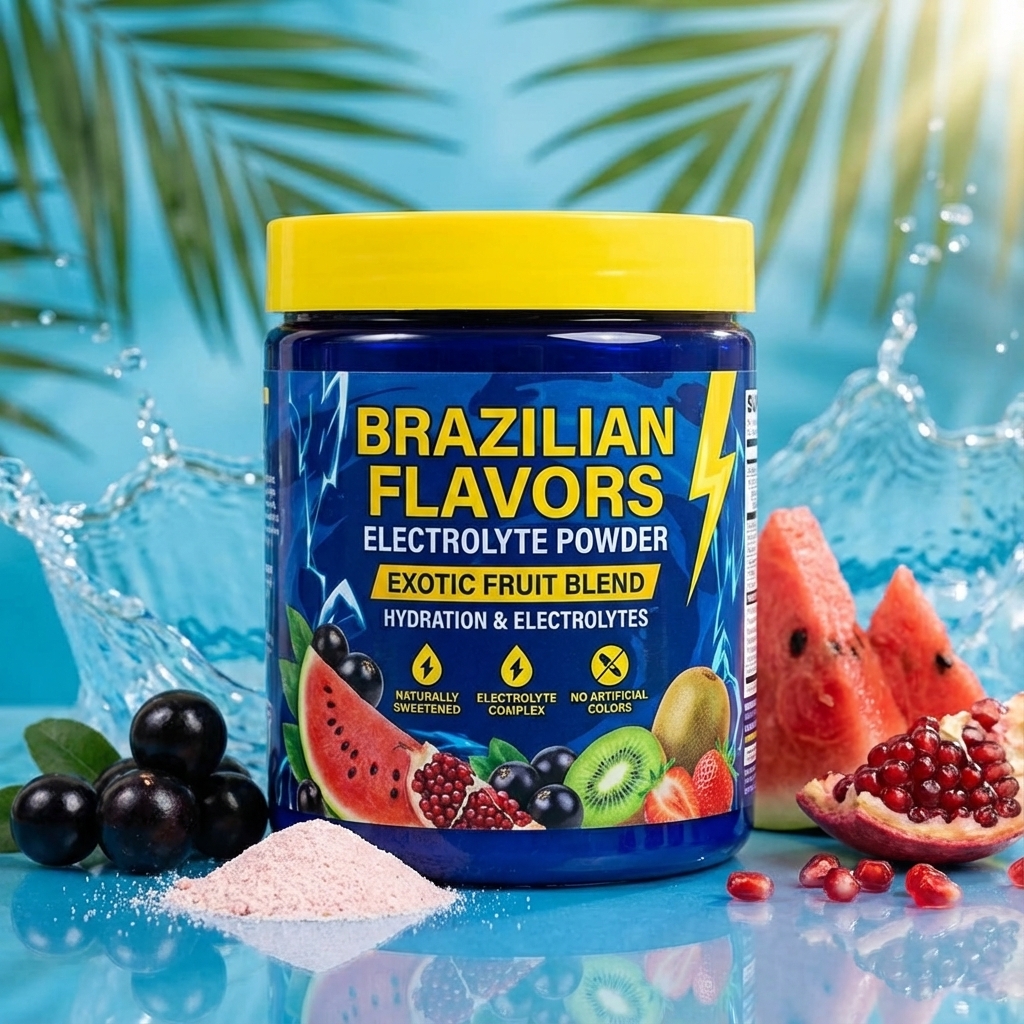
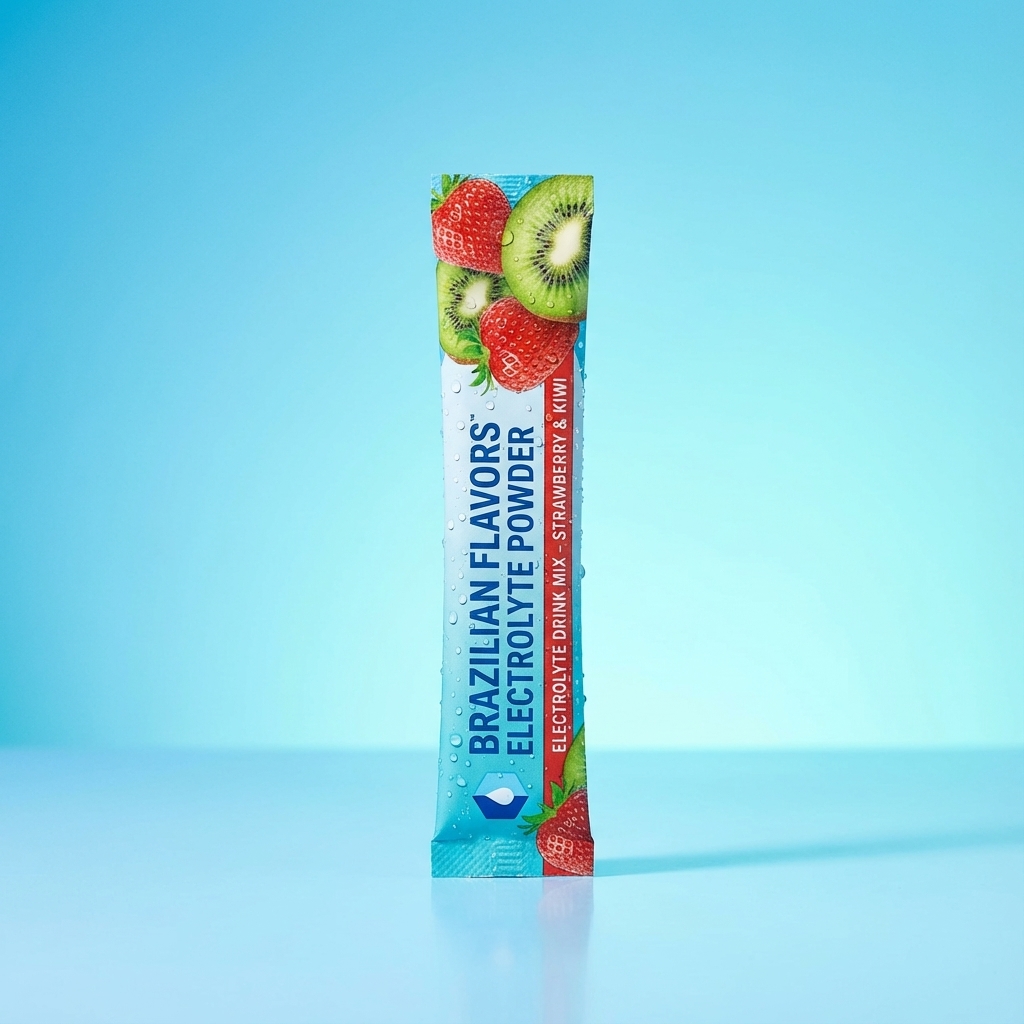
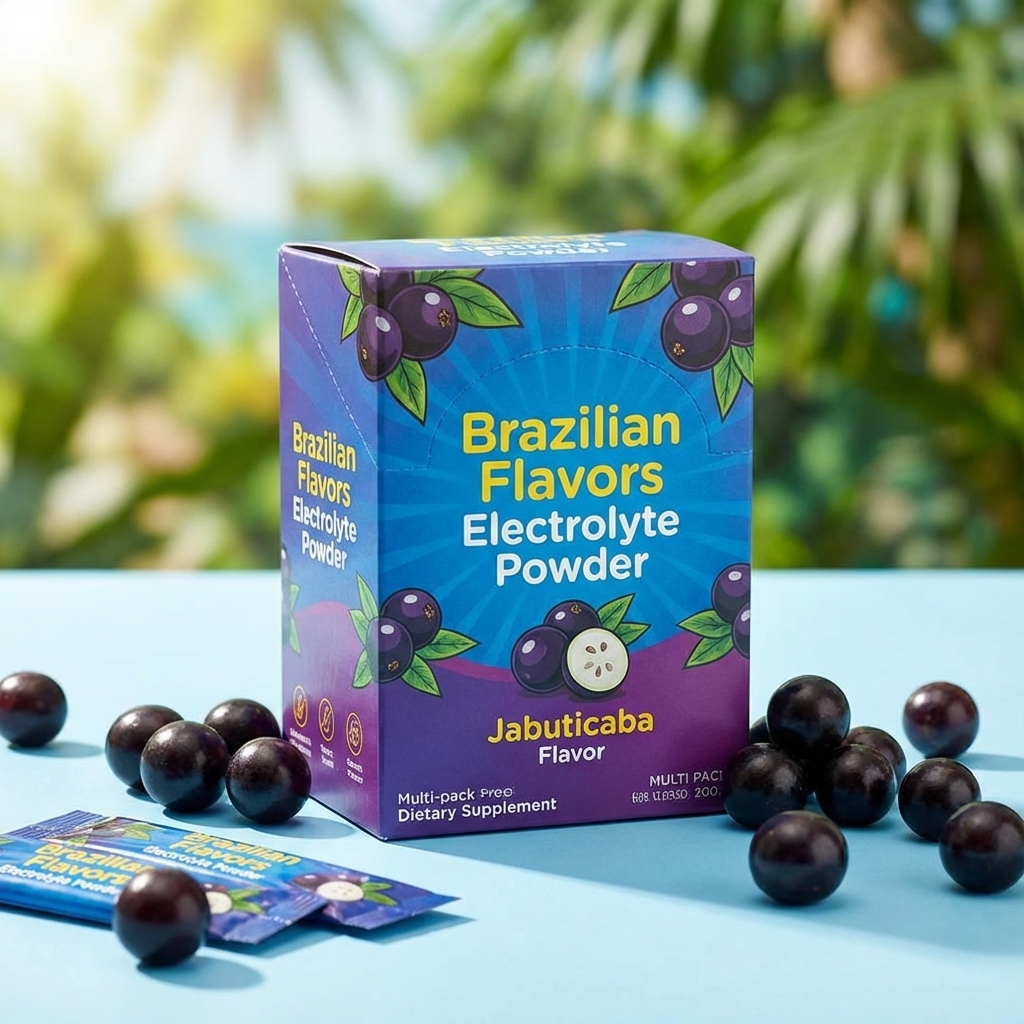
A quick preview of supplier standards, production requirements, and sourcing intelligence from our verified network.
The final sourcing price is most significantly influenced by the formula's ingredient selection, particularly the carbohydrate and mineral sources. Secondary major cost drivers are the packaging format (bulk tubs vs. individual sachets) and the complexity of the flavor system.
Confidence: High| Pricing Lever | Cost Impact | Quality Risk | MOQ Impact | Lead Time | Notes |
|---|---|---|---|---|---|
| Switch carbohydrate source from Palatinose to Dextrose/Maltodextrin | ↓ High | Medium | - None | - None | Affects glycemic index and sustained energy claims. A key lever for value vs. premium positioning. |
| Switch from individual sachets to bulk tubs | ↓ High | Low | ↓ Low | ↓ Low | Fundamentally changes the product's use case from 'on-the-go' to 'at-home'. Reduces packaging material and filling labor. |
| Use standard/artificial flavors instead of custom/natural blends | ↓ Medium | Medium | ↓ Low | ↓ Medium | Reduces flavor development costs and lead times. May impact 'clean label' appeal. |
| Use standard mineral salts (e.g., oxides) instead of chelated forms | ↓ Low–Medium | Medium | - None | - None | Reduces cost but may lower bioavailability, affecting premium performance claims. |
| Simplify secondary packaging (remove embossing, use standard box finish) | ↓ Low | Low | - None | ↓ Low | Reduces cost-of-goods for premium products without affecting the formula. Impacts unboxing experience. |
| Increase MOQ (e.g., from 1k to 5k units) | ↓ Medium | Low | ↑ High | - None | Allows manufacturer to secure better pricing on raw materials and optimize production runs. |
| Remove 'nice-to-have' functional additives (e.g., B-Vitamins, L-Theanine) | ↓ Low–Medium | Low | - None | - None | Simplifies formula and reduces cost, but removes a key differentiation point. |
Ready to formulate your electrolyte powder? Submit your project brief and let our experts help you balance cost, quality, and performance to hit your target price.
The most critical quality risks for electrolyte powders are formula-related (potency, solubility, clumping) and fulfillment-related (sending wrong flavors). Strict process control in both manufacturing and warehousing is essential.
Confidence: HighRoot Cause
Hygroscopic ingredients absorbing moisture; inadequate drying; poor packaging seal.
What to Specify / Ask Supplier
Specify max moisture content (e.g., <5%). Require use of anti-caking agents (e.g., silicon dioxide). Specify induction seal for tubs.
QC Check (What "Good" Looks Like)
Visually inspect powder for clumps. Shake container and check if powder flows freely. Check for intact inner seal.
Root Cause
Incorrect ingredient particle size/grade; poor blending; formula imbalance.
What to Specify / Ask Supplier
Define a solubility standard (e.g., '1 scoop dissolves in 500ml water in 30s with stirring'). Request samples from different batches.
QC Check (What "Good" Looks Like)
Perform the defined solubility test. Powder should dissolve completely with no grit or sediment at the bottom.
Root Cause
Raw material variance between batches; inconsistent blending ratios; no approved standard.
What to Specify / Ask Supplier
Provide a physical 'golden sample' as the standard for taste/smell/color. Use Pantone codes for target color.
QC Check (What "Good" Looks Like)
Conduct organoleptic testing (taste, smell, look) comparing production sample against the golden sample under consistent lighting.
Root Cause
Incorrect ingredient weighing; poor mixing (hot spots); calculation errors for nutrition panel.
What to Specify / Ask Supplier
Require a Certificate of Analysis (CoA) for every production batch verifying ingredient amounts. Specify acceptable variance (e.g., +/- 5%).
QC Check (What "Good" Looks Like)
Review the CoA. For high-risk launches, send a sample to a 3rd-party lab to verify the CoA's claims.
Root Cause
Poor warehouse management; similar packaging across SKUs; no barcode scanning during picking.
What to Specify / Ask Supplier
Require unique EAN/UPC barcodes for each flavor SKU. Mandate barcode scanning for all items during order fulfillment.
QC Check (What "Good" Looks Like)
Audit the fulfillment center's pick-and-pack process. Place test orders for multiple flavors to verify accuracy.
Root Cause
Incorrect machine settings (heat/pressure); poor quality sachet film or tub liners.
What to Specify / Ask Supplier
Specify seal strength requirements. Require 100% induction seal integrity for tubs.
QC Check (What "Good" Looks Like)
Squeeze sachets to check for air leaks. For tubs, remove the cap and ensure the foil seal is fully adhered to the rim.
Root Cause
Poor GMP (Good Manufacturing Practices); contaminated raw materials; high water activity in final product.
What to Specify / Ask Supplier
Require supplier to be GMP certified. Demand microbial testing results (e.g., for E.coli, Salmonella) on the CoA.
QC Check (What "Good" Looks Like)
Review the microbial section of the CoA to ensure all results are 'Pass' or 'Not Detected'.
Don't leave quality to chance. Source with us and receive a comprehensive QC checklist tailored for food-grade supplements to protect your brand and your customers.
Use this data to create your product specifications, reach out to suppliers, and validate your pricing strategy. Start with small sample orders to test quality.
Choose from 2 pricing strategies based on your target market
This sourcing playbook provides actionable guidance for importing Brazilian Flavors Electrolyte Powderproducts. Our data-driven approach combines supplier intelligence with market validation to help you make informed purchasing decisions and minimize sourcing risks.
First orders typically require 30-50% deposit with balance before shipment (T/T). As relationships develop, suppliers may offer 30/70 splits or even open terms for established buyers. Letter of Credit (L/C) is available for larger orders but involves additional fees.
Document issues with photos immediately upon receipt. Most suppliers offer replacement or credit for legitimate defects within agreed AQL limits. Having clear quality specifications in your purchase order strengthens your position in disputes.
Third-party inspection is recommended for first orders and orders over $10,000. Services like SGS or Bureau Veritas cost $200-400 per inspection and can prevent costly quality issues. Pre-shipment inspection is most common; in-line inspection adds additional assurance.
Navigation: All Categories → Electrolyte Powder → Brazilian Flavors Electrolyte Powder → Sourcing