
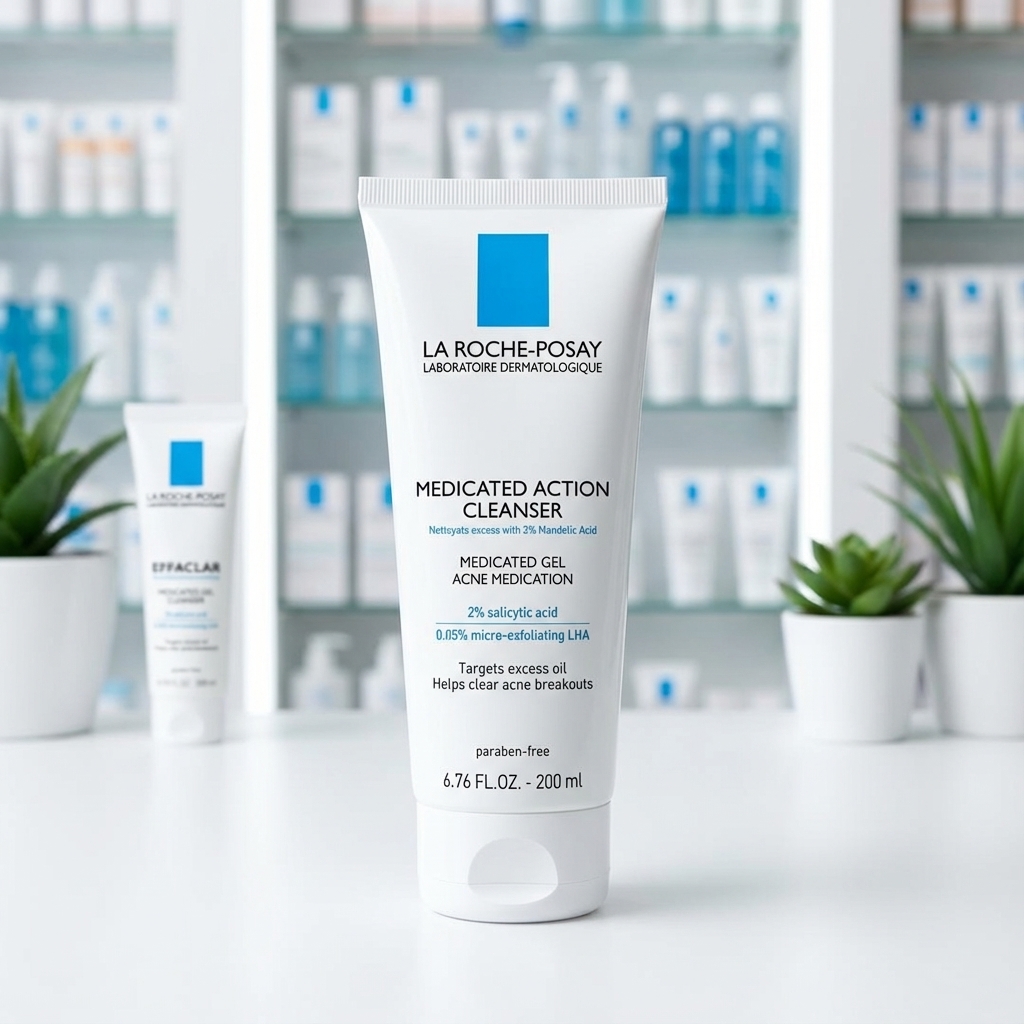
 TikTok Views
—
 Trend InterestCloser to 50 = very trending
9
 Avg Price
R$155
 Suppliers
9
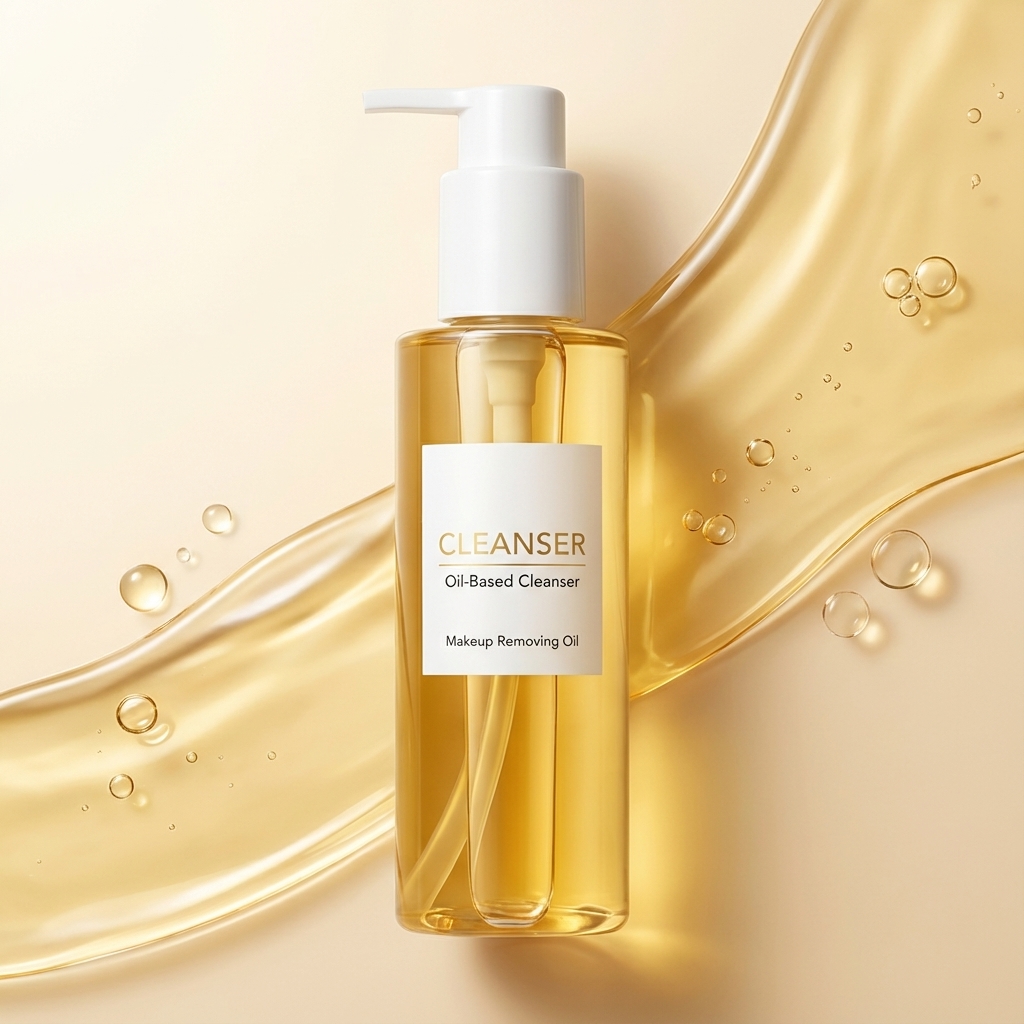 Social Views
33.8M
Trend InterestCloser to 50 = very trending24
Avg PriceR$76
Suppliers19
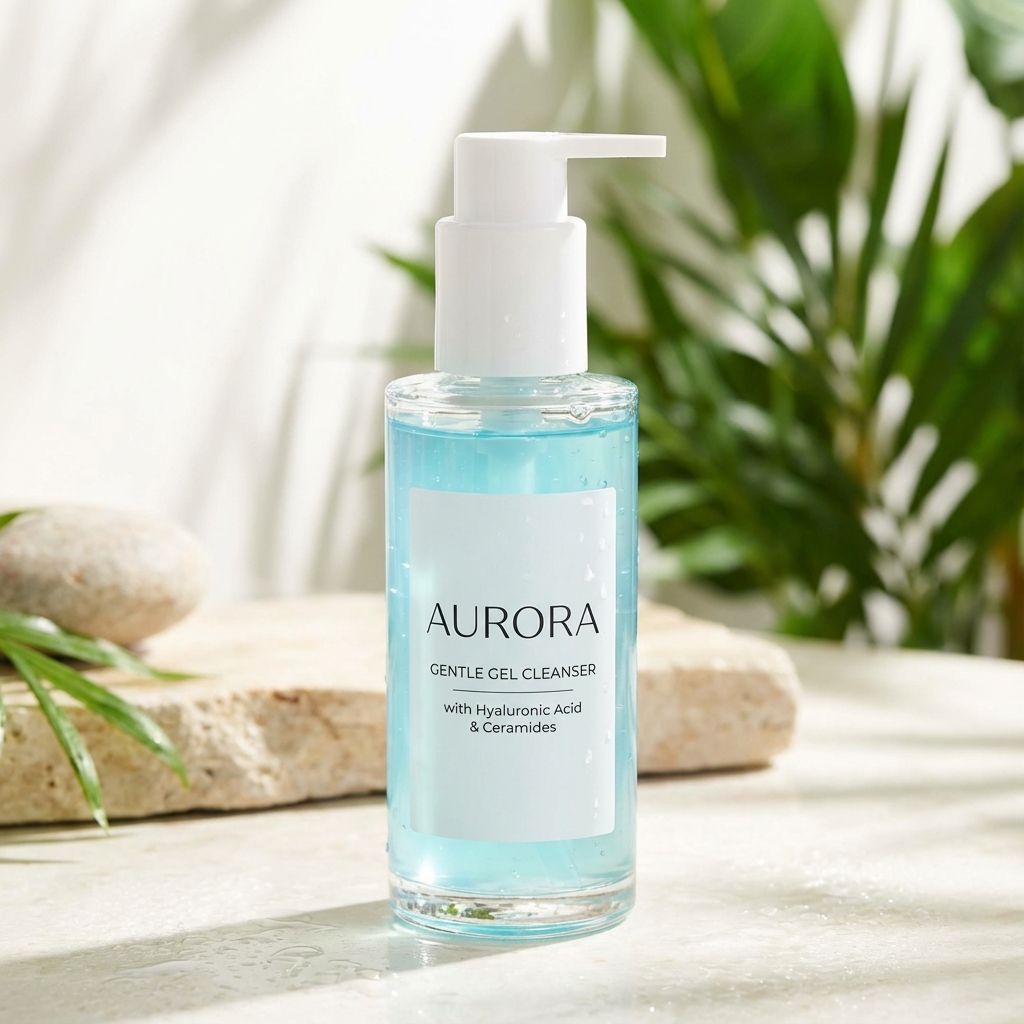 TikTok Views
31.9M
Trend InterestCloser to 50 = very trending27
Avg PriceR$49
Suppliers19
 TikTok Views
1.4M
Trend InterestCloser to 50 = very trending1
Avg PriceR$35
Suppliers14
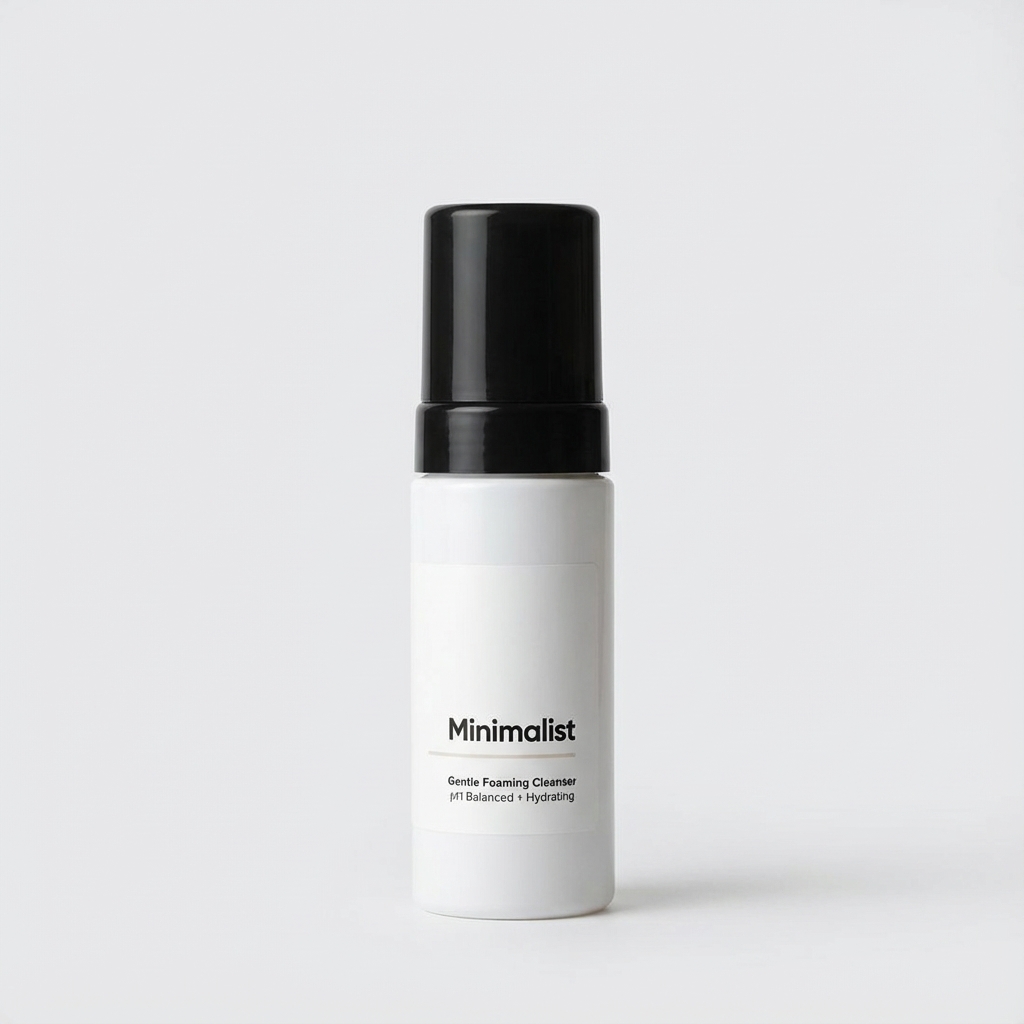 TikTok Views
—
Trend InterestCloser to 50 = very trending29
Avg PriceR$81
Suppliers16
The Brazilian cleanser market in 2026 is moving towards a "skinimalism" approach, where consumers prefer simple, effective routines with multi-functional products. There is a significant trend towards cleansers that not only purify the skin but also treat specific concerns, such as oiliness and acne, with active ingredients like salicylic and glycolic acid. The demand for gentle, yet deep cleaning formulations is rising, with gel and oil-based cleansers being particularly popular for their ability to remove impurities without stripping the skin's natural barrier. Sustainability and conscious consumerism are becoming paramount, influencing purchasing decisions towards brands with transparent practices and eco-friendly packaging. As consumers seek a more natural and authentic look, often referred to as "quiet beauty," there is a growing preference for cleansers that promote a healthy, radiant complexion as the foundation for a minimalist makeup look. This reflects a broader shift towards products that are both effective and ethically produced. The upcoming summer season will further boost the demand for lightweight cleansers that can manage increased oiliness and sweat while providing a fresh feel. This seasonal need reinforces the popularity of gel textures and medicated formulas that address common climate-related skin issues. Overall, the market is solidifying its direction towards effective, conscious, and minimalist skincare solutions that deliver visible results without complexity.
The cleanser category in Brazil presents a dynamic and lucrative market, characterized by a clear division between value-driven and premium segments. Across all product types—from medicated and oil-based to gentle gels and minimalist formulas—consumers demand effective cleansing that doesn't strip the skin's moisture barrier. Key opportunities lie in addressing specific consumer needs: fragrance-free, pH-balanced formulas are standard, while leak-proof packaging and clear instructions in Portuguese are critical trust-builders. Brands can capture market share by either targeting the value segment with larger formats, such as a bulk facial cleanser, to enhance cost-per-use, or by entering the premium space with sophisticated, science-backed ingredients and luxury packaging like airless pumps. Sustainability is also a growing influence, with refill pouches and recyclable materials offering a key point of differentiation.
The market data and sourcing advantages that make this trend worth pursuing.
Typical range
$5.35–$25.99
Typical range
$27.46–$60.00
132K views • 9% engagement
Strong organic resonance
53 suppliers
MOQ flexibility & scale options
High-margin candidate for boutique retail.
Premium Suede Backpack
High-margin candidate for boutique retail.
Top-selling entry-level SKU on Amazon.
Supplier Examples
Supplier 1
MOQ 100 • 5+ yrs
Supplier 2
MOQ 100 • 5+ yrs
Supplier 3
MOQ 100 • 5+ yrs
Supplier 4
MOQ 100 • 5+ yrs
Supplier 5
MOQ 100 • 5+ yrs
Add or customize product features and we'll match you with verified suppliers.
Feature Matching
Find suppliers with matching capabilities
Quote Comparison
Compare pricing and lead times
Sampling & Production
Request samples and begin production
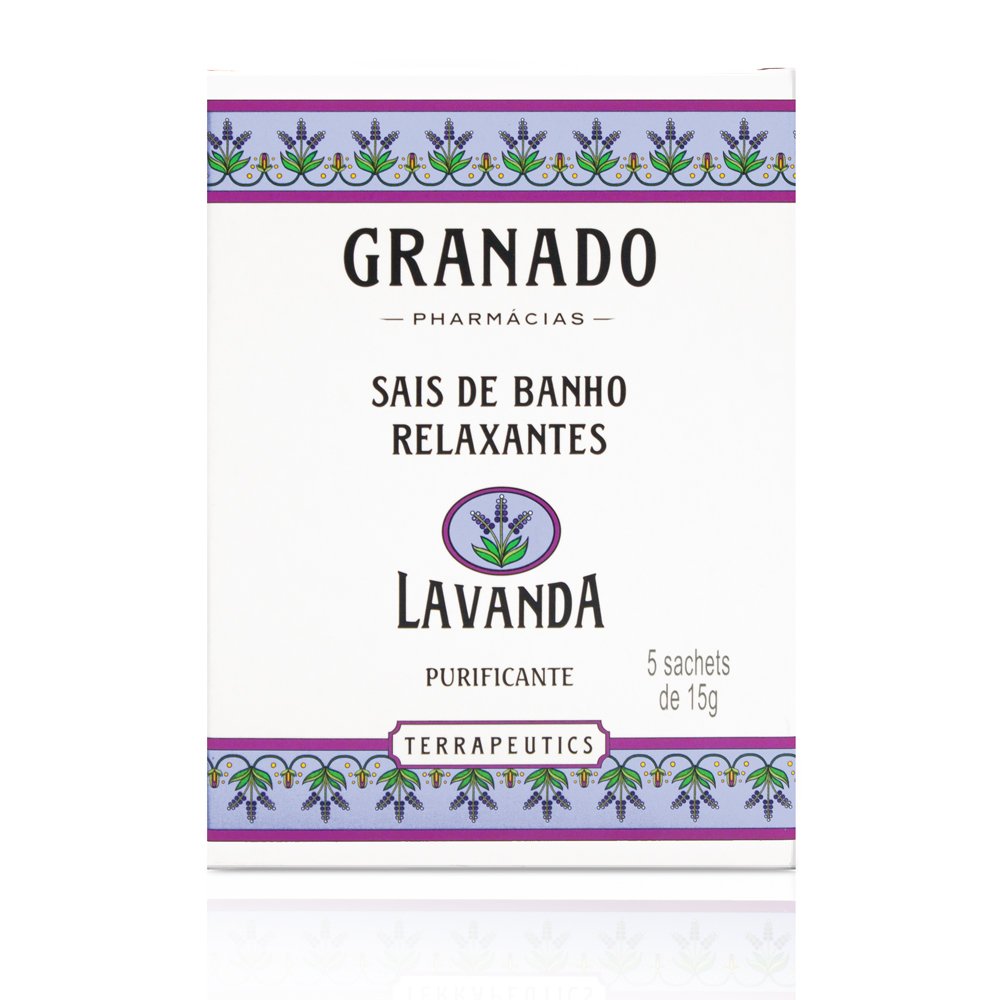
Explore Bath Salts trends and sourcing opportunities
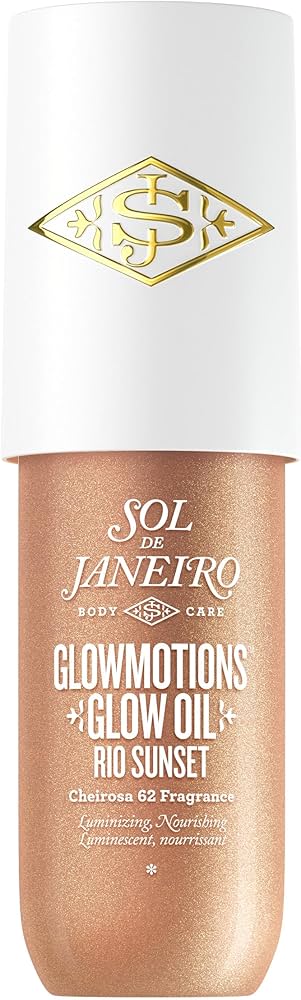
Explore Body Lotion trends and sourcing opportunities
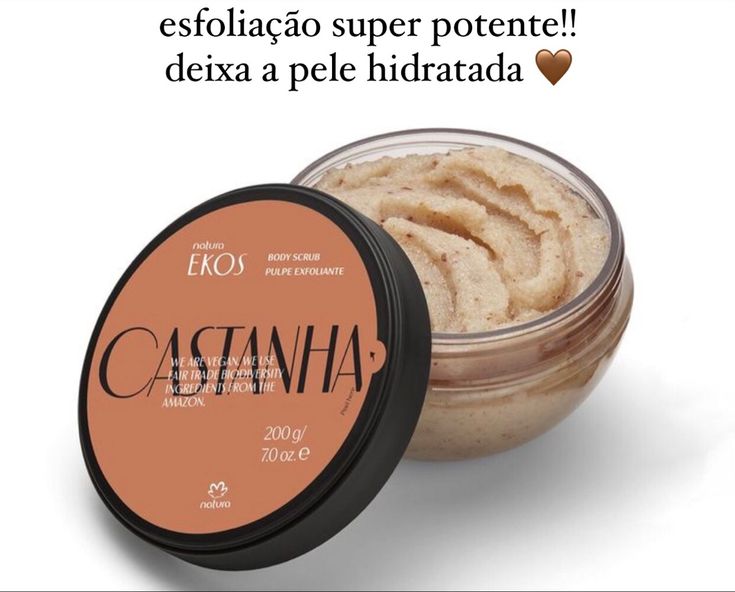
Explore Body Scrub trends and sourcing opportunities
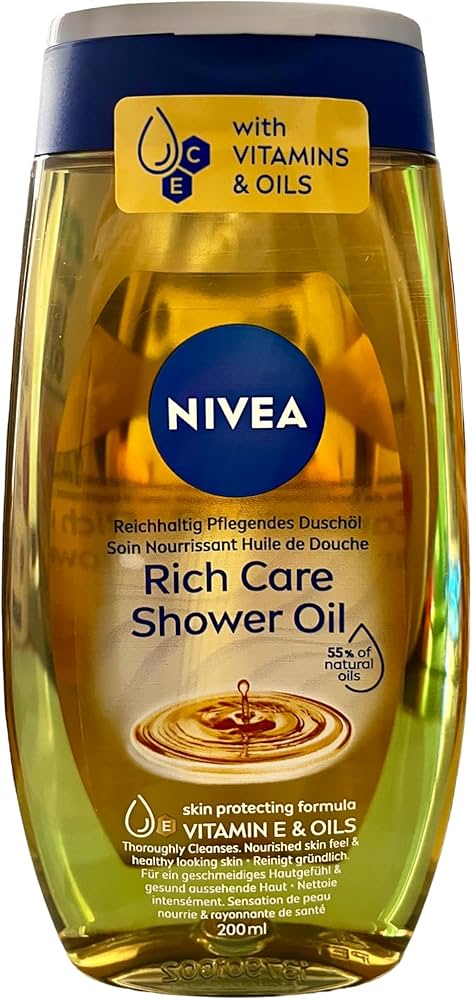
Explore Body Wash trends and sourcing opportunities
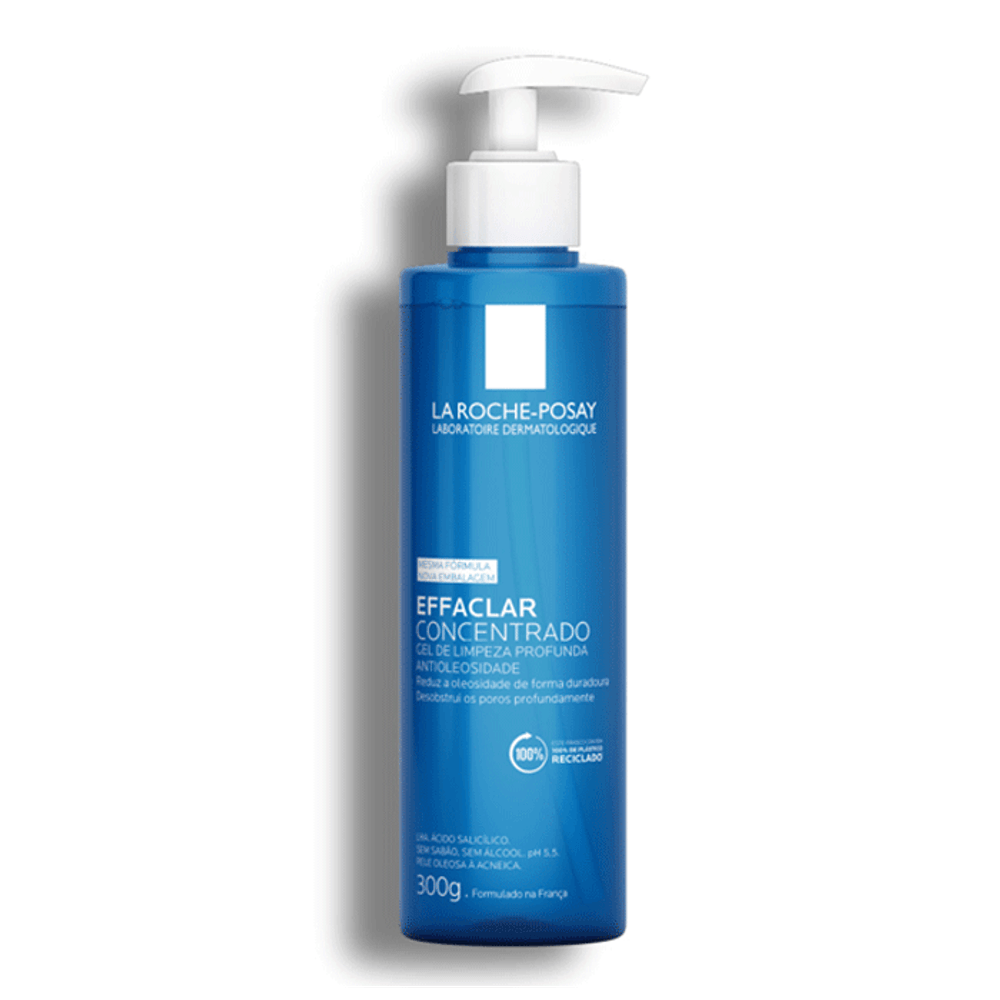
Explore Face Gel trends and sourcing opportunities
Minimum order quantities vary by supplier tier and product complexity. Value segment suppliers typically require 500-1,000 pieces per style/color, while premium manufacturers may accept 200-300 pieces for higher-value orders. Customization options like private labeling often increase MOQ requirements.
Common materials include cotton, polyester, modal, bamboo viscose, and various blends. Performance variants often incorporate spandex/elastane for stretch, while premium options may use pima cotton or Tencel. Material choice significantly impacts both FOB pricing and end-consumer appeal.
Request product samples before bulk orders, verify supplier certifications (ISO, BSCI, OEKO-TEX), check factory audit reports, and review trade history on B2B platforms. Our verified supplier ratings consider response rates, dispute history, and quality scores from verified transactions.
Standard production lead times range from 25-45 days depending on order complexity and supplier capacity. Rush orders may be possible at premium rates. Add 15-30 days for sea freight shipping to US ports, or 5-7 days for air freight on urgent orders.