
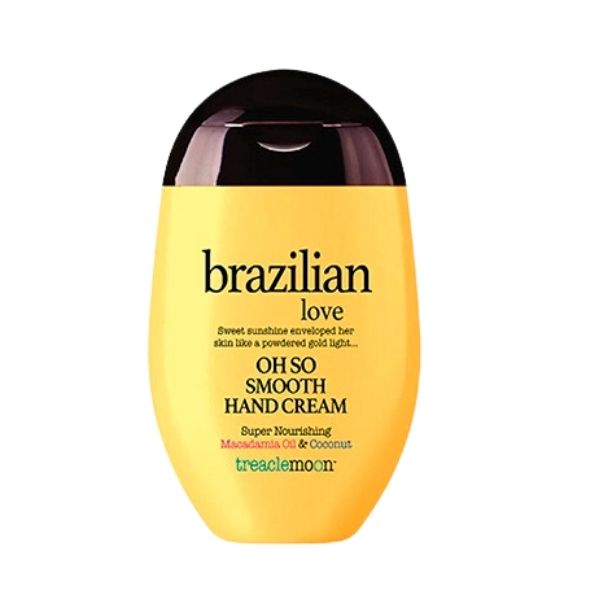
 TikTok Views
—
 Trend InterestCloser to 50 = very trending
33
 Avg Price
R$66
 Suppliers
13
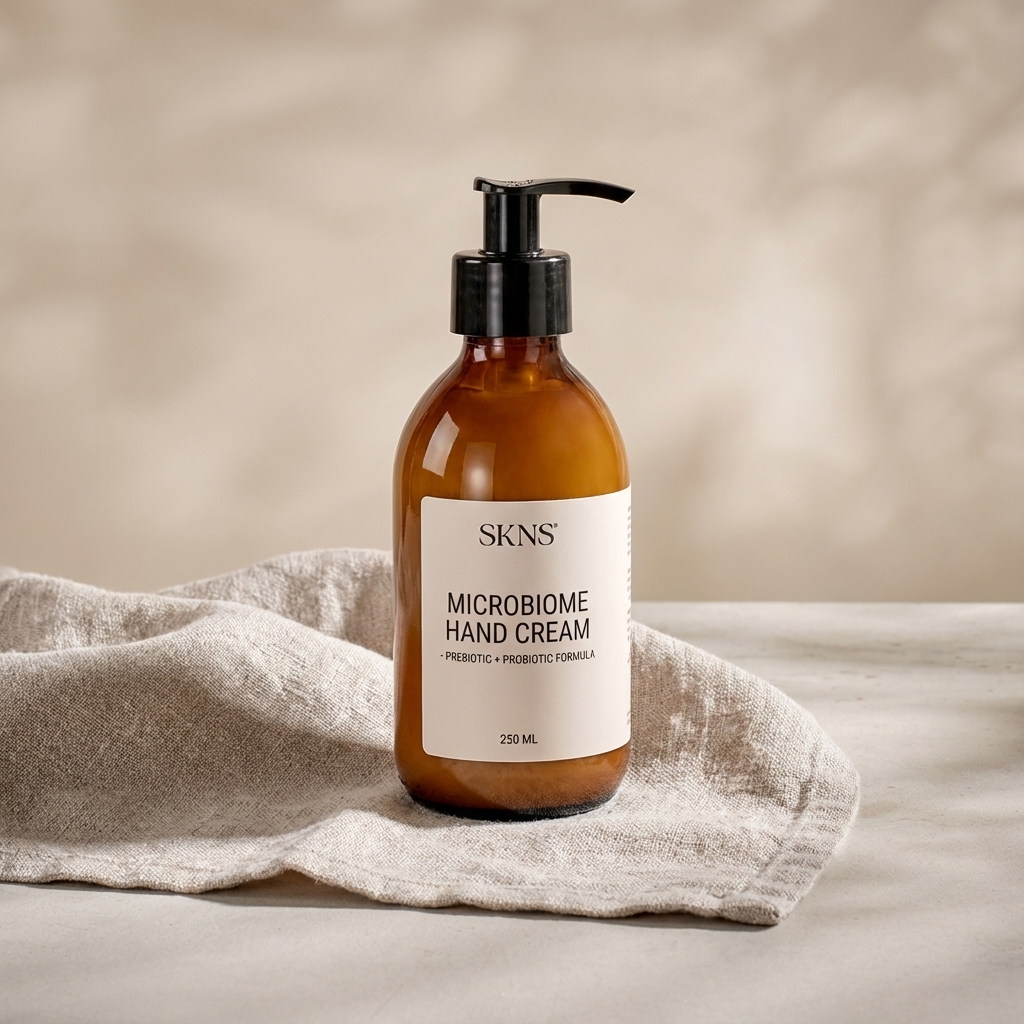 TikTok Views
—
Trend InterestCloser to 50 = very trending34
Avg PriceR$61
Suppliers11
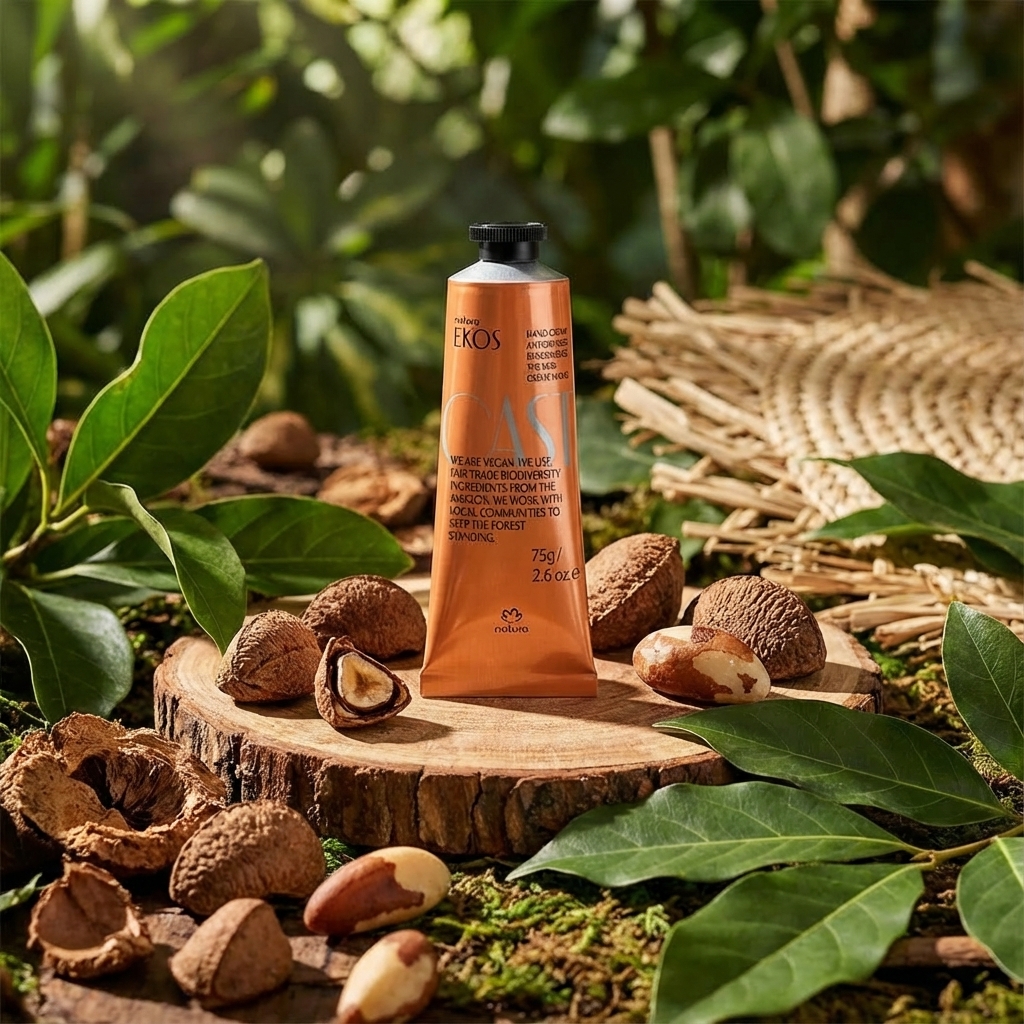 TikTok Views
—
Trend InterestCloser to 50 = very trending9
Avg PriceR$24
Suppliers2
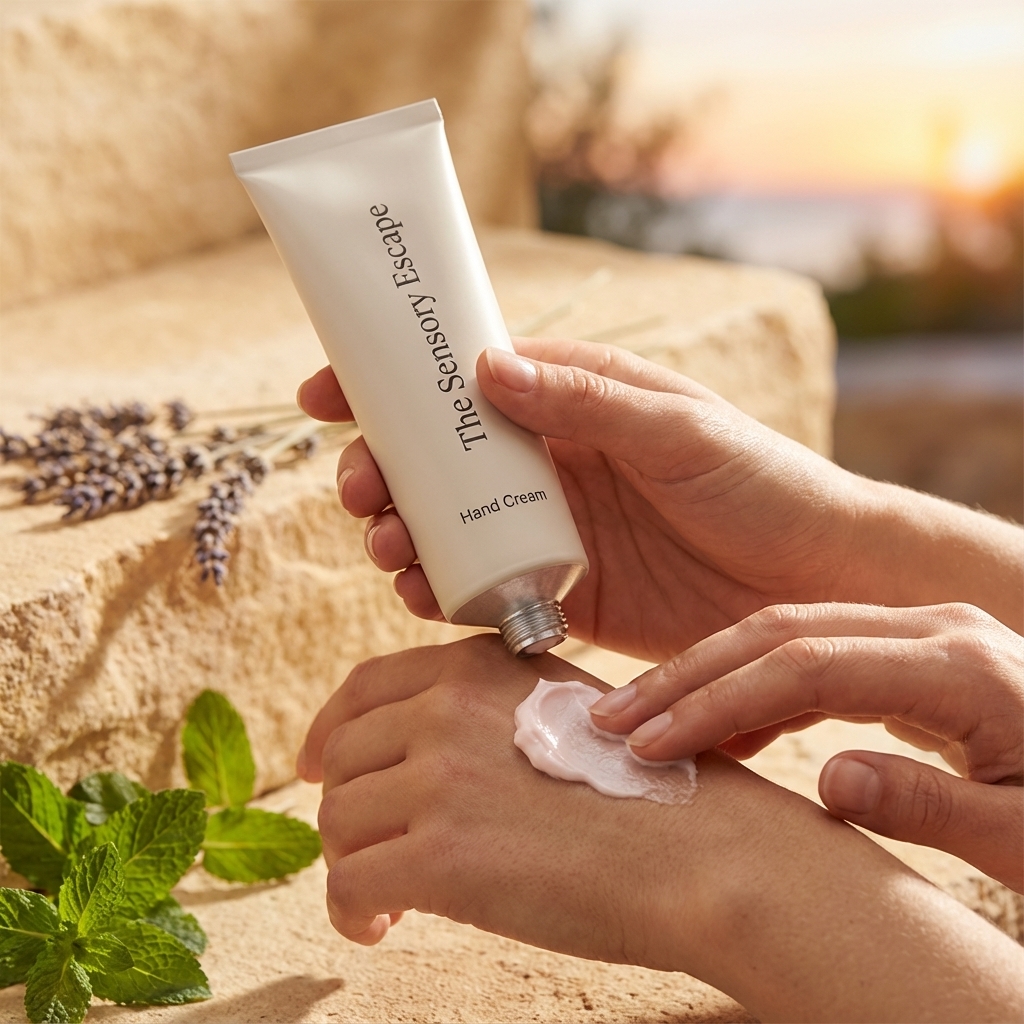 TikTok Views
—
Trend InterestCloser to 50 = very trending3
 Avg Price
—
Suppliers—
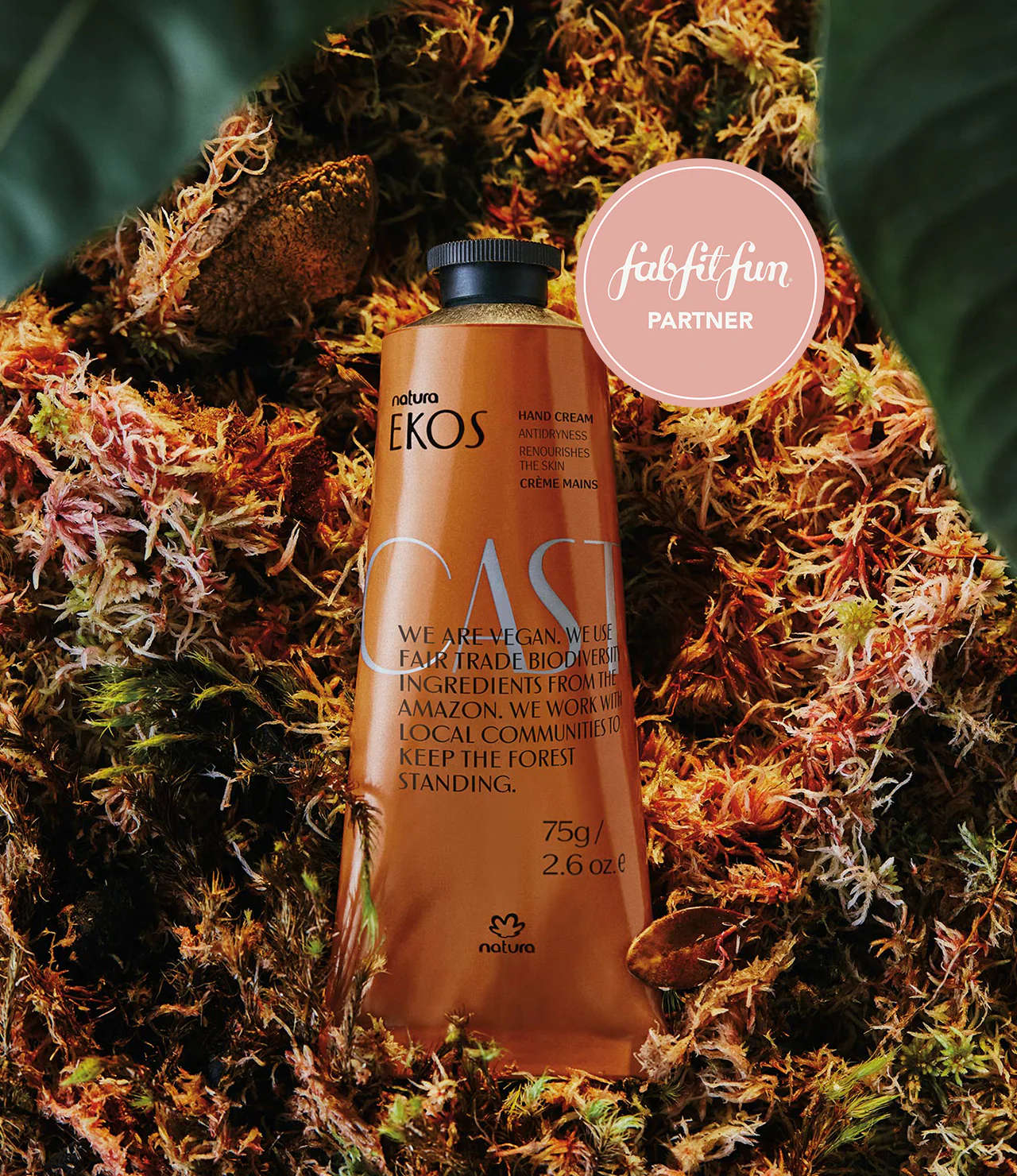 TikTok Views
181.4K
Trend InterestCloser to 50 = very trending7
Avg PriceR$83
Suppliers13
The Brazilian hand cream market is evolving far beyond simple hydration, presenting a significant opportunity for brands to meet diverse and sophisticated consumer demands. Key trends are shaping this category, focusing on multi-functional formulas with SPF, science-backed solutions for microbiome health and advanced repair, and a celebration of Brazil's rich botanical heritage. Consumers are seeking products that offer not just results but also an indulgent sensory experience, with a strong preference for clean, vegan, and cruelty-free formulations. This has created distinct sourcing avenues, from accessible value products perfect for the bulk hand cream market to luxurious premium treatments. Brands can capitalize on this by sourcing wholesale hand cream that aligns with these trends, such as fast-absorbing protector creams, barrier-repairing formulas, or fragrant nectars featuring local ingredients. Offering formats like a travel size hand cream bulk pack is a strategic way to encourage trial and capture on-the-go consumers. Acting now allows brands to secure a strong position in this growing and dynamic category.
The market data and sourcing advantages that make this trend worth pursuing.
Typical range
$5.35–$25.99
Typical range
$27.46–$60.00
132K views • 9% engagement
Strong organic resonance
53 suppliers
MOQ flexibility & scale options
High-margin candidate for boutique retail.
Premium Suede Backpack
High-margin candidate for boutique retail.
Top-selling entry-level SKU on Amazon.
Supplier Examples
Supplier 1
MOQ 100 • 5+ yrs
Supplier 2
MOQ 100 • 5+ yrs
Supplier 3
MOQ 100 • 5+ yrs
Supplier 4
MOQ 100 • 5+ yrs
Supplier 5
MOQ 100 • 5+ yrs
Add or customize product features and we'll match you with verified suppliers.
Feature Matching
Find suppliers with matching capabilities
Quote Comparison
Compare pricing and lead times
Sampling & Production
Request samples and begin production
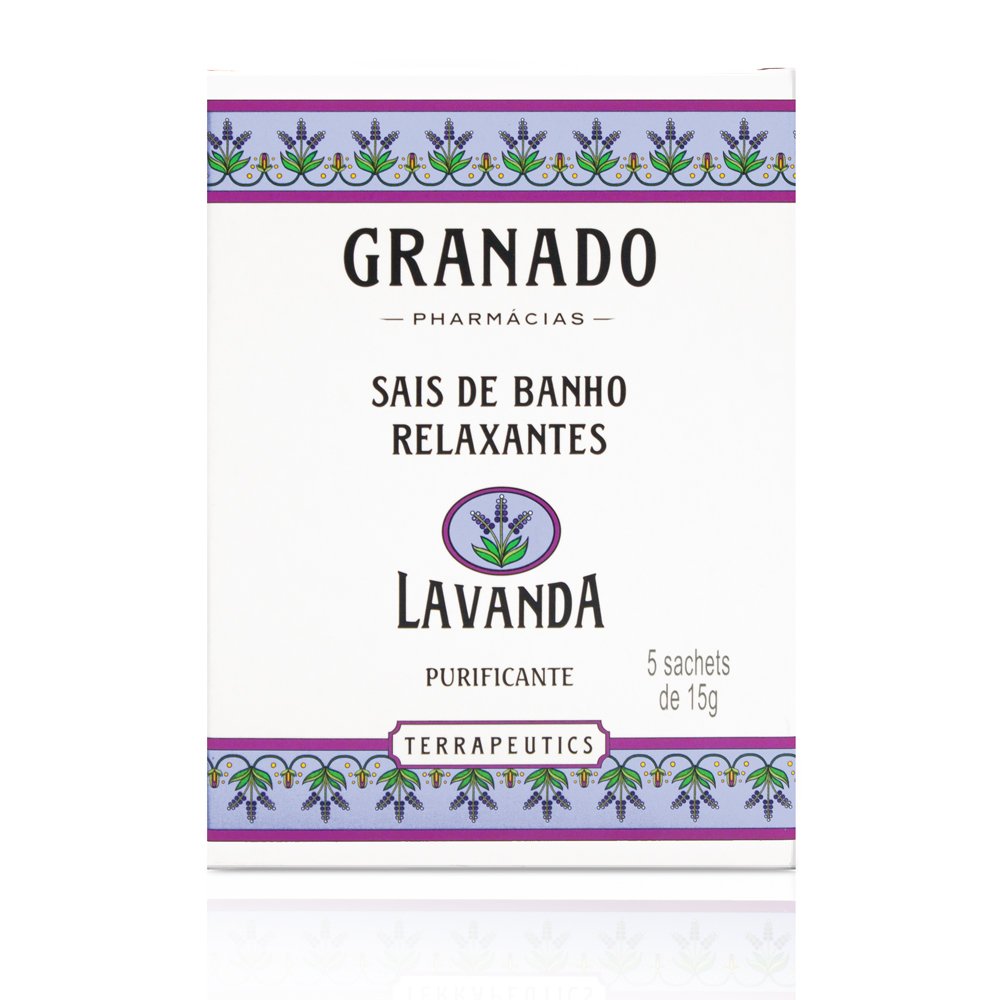
Explore Bath Salts trends and sourcing opportunities
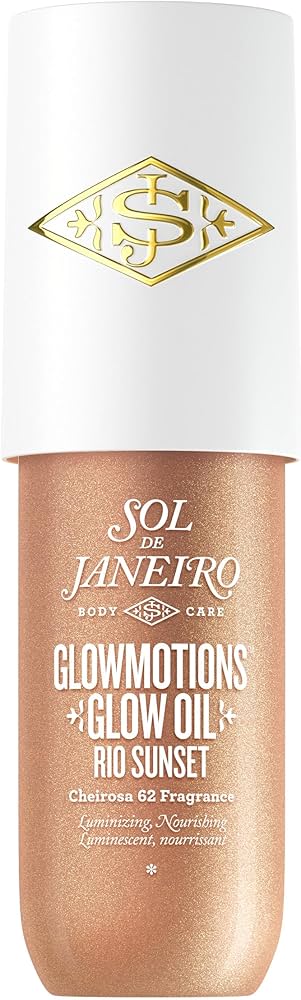
Explore Body Lotion trends and sourcing opportunities
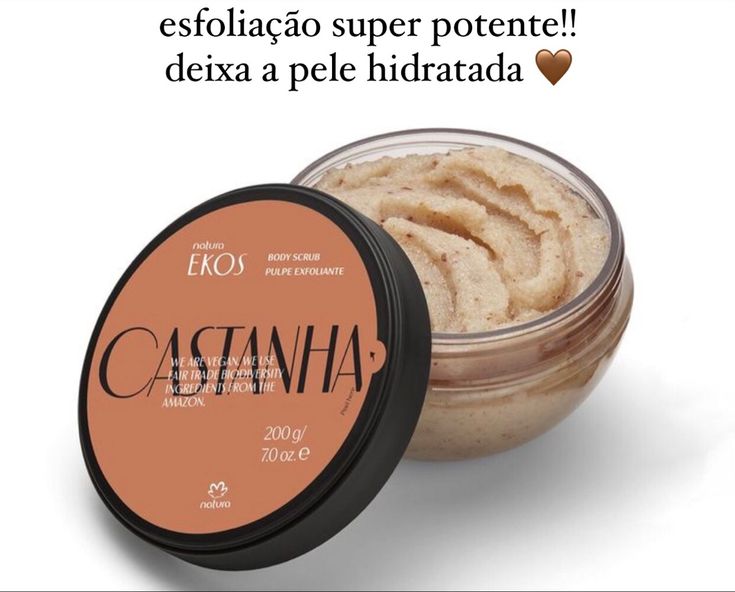
Explore Body Scrub trends and sourcing opportunities
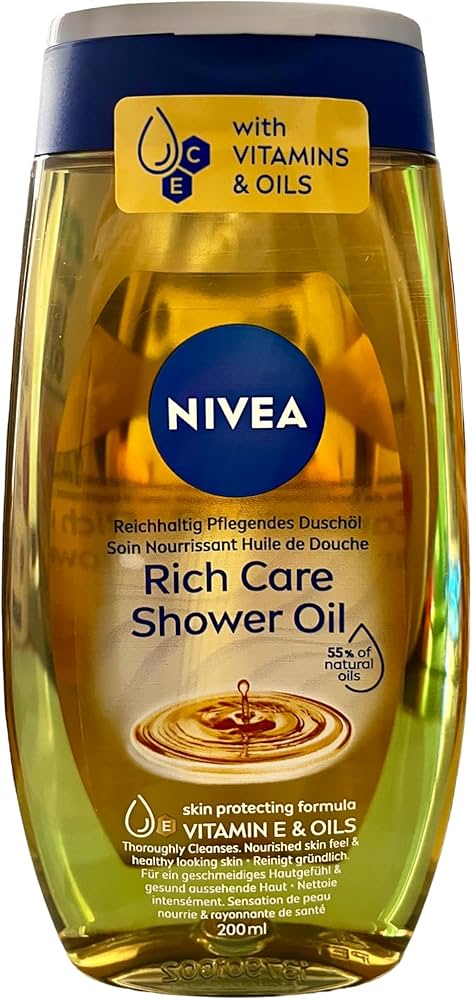
Explore Body Wash trends and sourcing opportunities

Explore Cleanser trends and sourcing opportunities
Minimum order quantities vary by supplier tier and product complexity. Value segment suppliers typically require 500-1,000 pieces per style/color, while premium manufacturers may accept 200-300 pieces for higher-value orders. Customization options like private labeling often increase MOQ requirements.
Common materials include cotton, polyester, modal, bamboo viscose, and various blends. Performance variants often incorporate spandex/elastane for stretch, while premium options may use pima cotton or Tencel. Material choice significantly impacts both FOB pricing and end-consumer appeal.
Request product samples before bulk orders, verify supplier certifications (ISO, BSCI, OEKO-TEX), check factory audit reports, and review trade history on B2B platforms. Our verified supplier ratings consider response rates, dispute history, and quality scores from verified transactions.
Standard production lead times range from 25-45 days depending on order complexity and supplier capacity. Rush orders may be possible at premium rates. Add 15-30 days for sea freight shipping to US ports, or 5-7 days for air freight on urgent orders.