
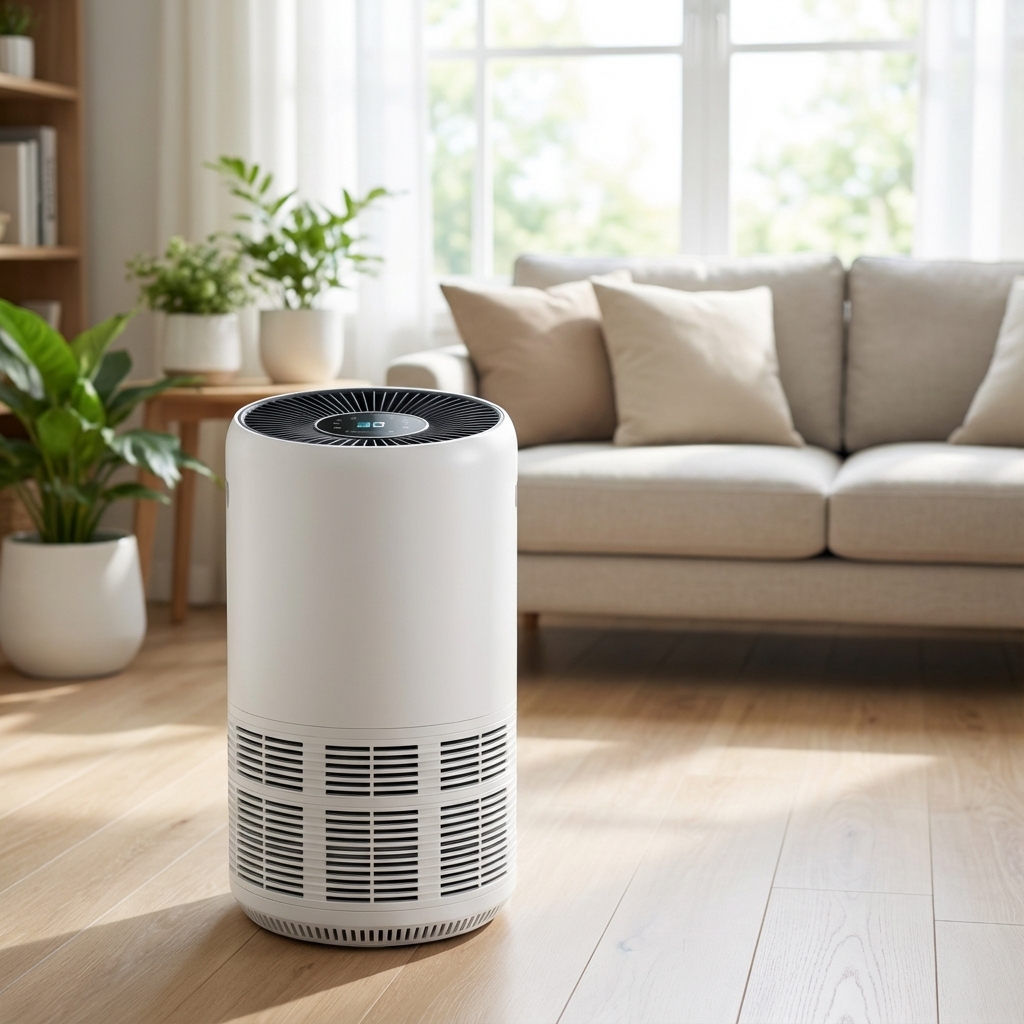
 TikTok Views
7.7M
 Trend InterestCloser to 50 = very trending
38
 Avg Price
$2654
 Suppliers
20
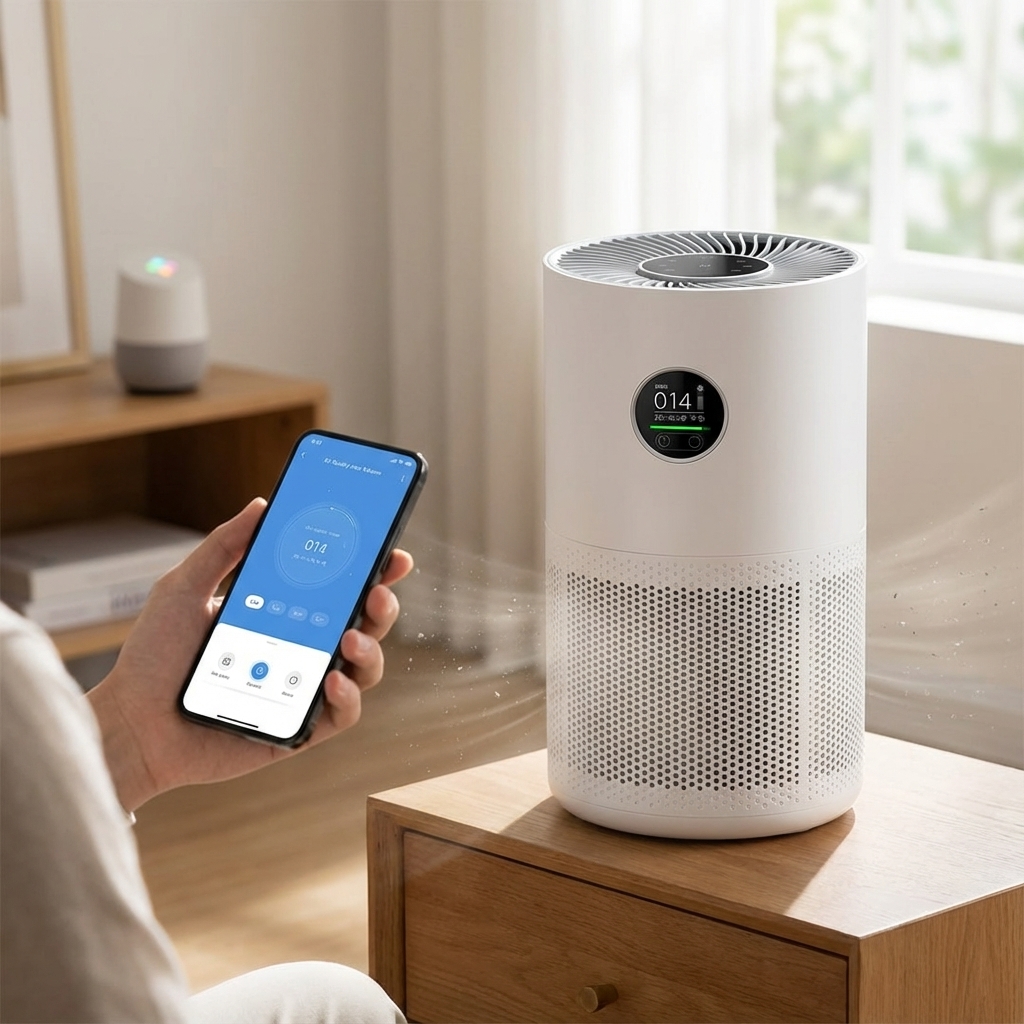 TikTok Views
10.8M
Trend InterestCloser to 50 = very trending34
Avg Price$7150
Suppliers1
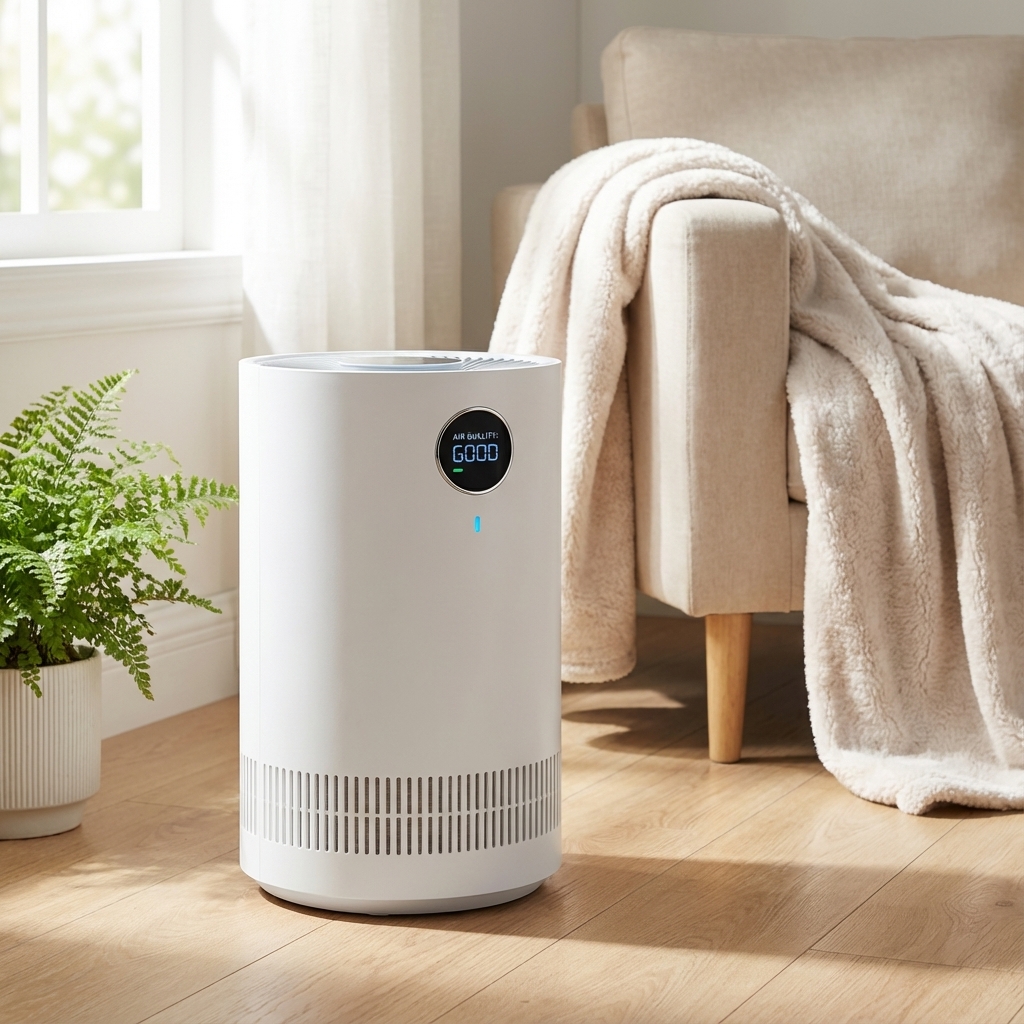 TikTok Views
10.8M
Trend InterestCloser to 50 = very trending13
Avg Price$2461
Suppliers19
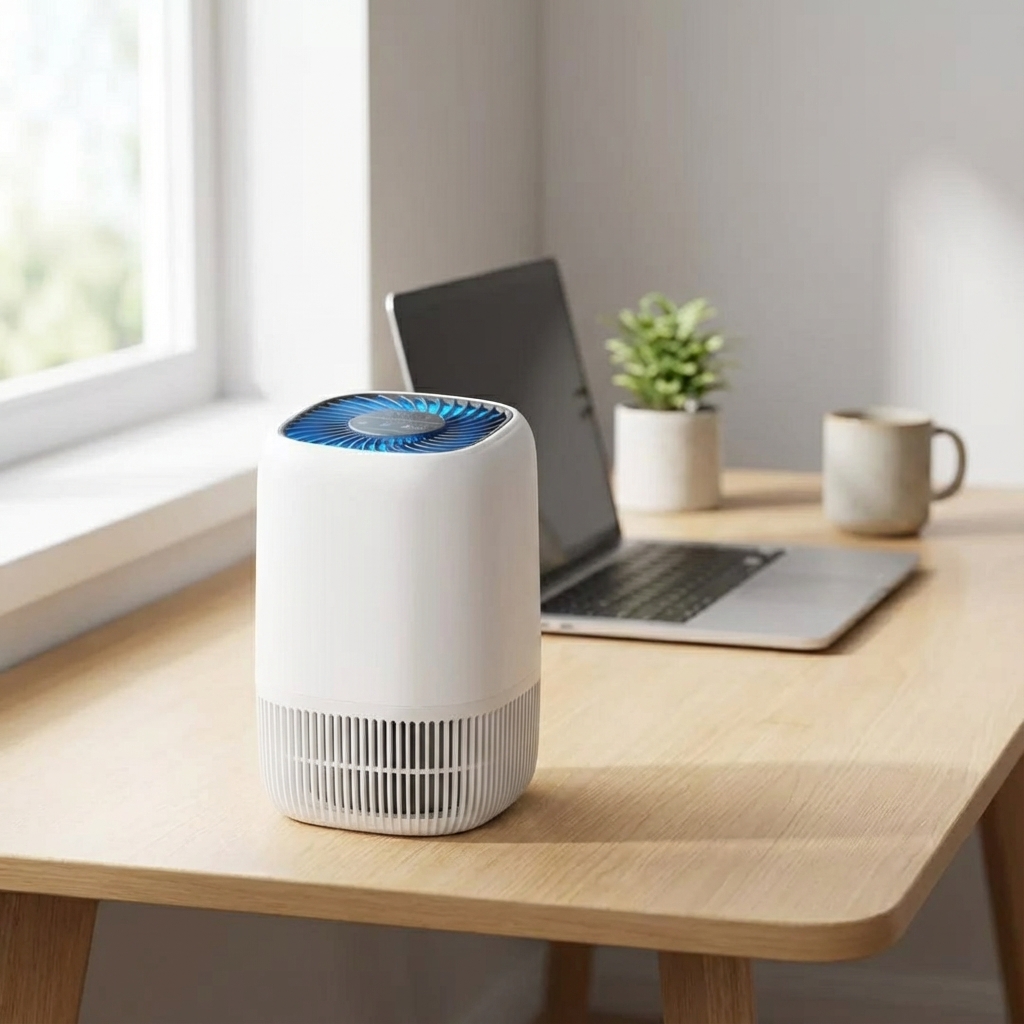 TikTok Views
—
Trend InterestCloser to 50 = very trending5
Avg Price$1923
Suppliers13
 TikTok Views
381.4K
Trend InterestCloser to 50 = very trending30
Avg Price$2189
Suppliers9
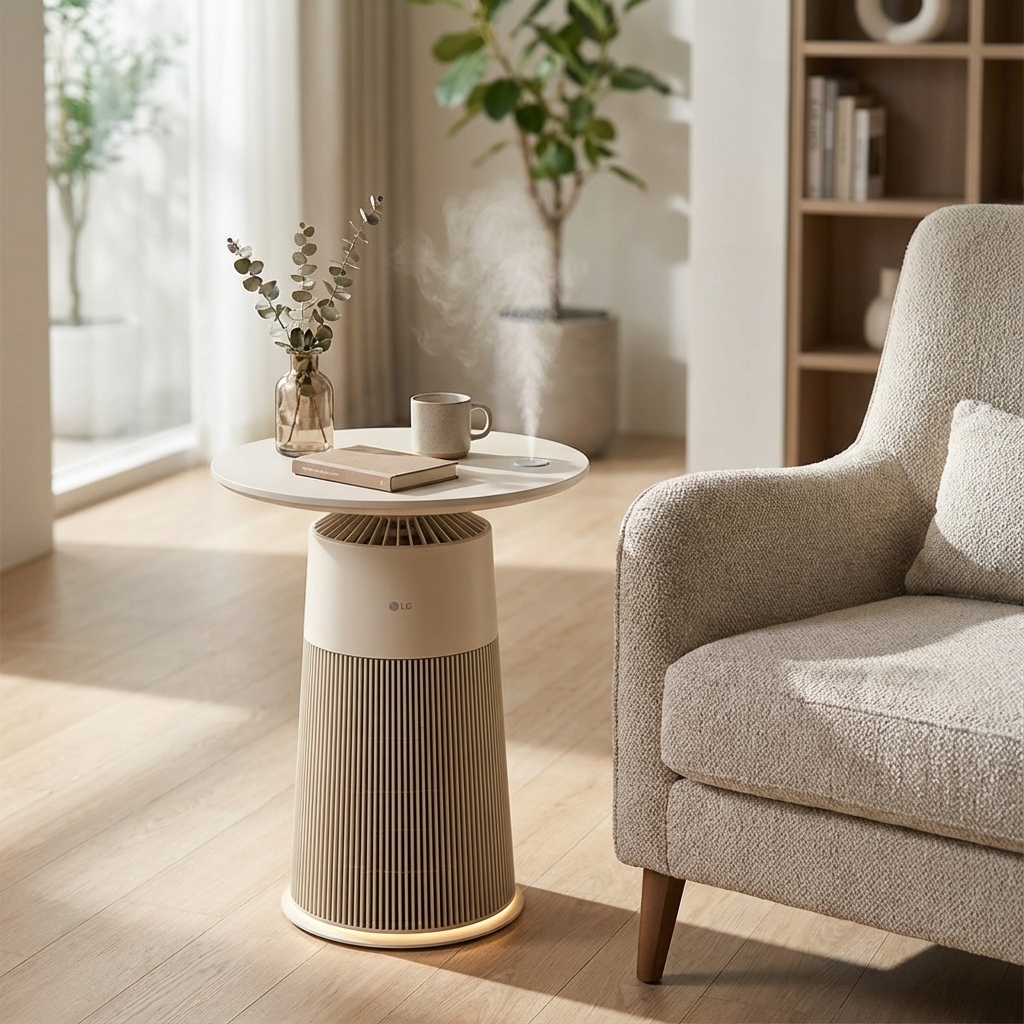
In early 2026, the Mexican market for air purifiers is experiencing a significant boom driven by pressing environmental and health concerns. Worsening air quality in major urban centers, coupled with the implementation of stricter government air quality standards and seasonal pollution spikes during the dry-cold winter months, has elevated consumer awareness. This has catalyzed a strong market shift towards health and wellness, with individuals actively seeking effective solutions to mitigate the risks of airborne contaminants and protect their families' well-being within their homes. The primary trend is the widespread adoption of High-Efficiency Particulate Air (HEPA) filters, which are now considered the standard for effectively removing dust, pollen, and pet dander. Alongside this demand for high-performance filtration, there is a notable surge in interest for smart air purifiers. These devices offer Wi-Fi connectivity and app-based controls, providing users with unprecedented convenience, real-time air quality monitoring, and integration into smart home ecosystems. Specialized purifiers designed for allergy relief are also in high demand, catering to a large segment of the population with respiratory sensitivities. Furthermore, the market is diversifying to meet various lifestyle needs. Compact and portable air purifiers are gaining popularity among urban dwellers in smaller living spaces and for use in personal areas like offices or vehicles. Simultaneously, multi-functional devices that combine air purification with features like humidification, heating, or cooling are becoming more prevalent. This trend reflects a consumer desire for value, space-saving designs, and holistic wellness solutions that not only perform a function but also complement modern home aesthetics.
The Air Purifier market in Mexico is experiencing significant growth, driven by health-conscious consumers seeking solutions for allergies, dust, pet dander, and smoke. This creates a prime opportunity for brands to source products that meet this demand. The category is diverse, ranging from compact, value-focused units for personal spaces to premium, large-room models with advanced features. Across all segments, success hinges on addressing key consumer needs: effective multi-stage filtration, typically with a True HEPA filter and activated carbon; ultra-quiet operation, especially sleep modes below 28dB with a 'lights off' function; and reliability. The trend towards smart home integration is strong, making a wholesale smart air purifier with a stable companion app and responsive 'Auto Mode' a highly competitive offering. While most units use durable ABS plastic, brands can differentiate through premium materials like wood veneers, fabric wraps, and interchangeable decorative panels. Sourcing a high-quality home air purifier now allows brands to quickly capture a loyal customer base in this expanding market.
The market data and sourcing advantages that make this trend worth pursuing.
Typical range
$5.35–$25.99
Typical range
$27.46–$60.00
132K views • 9% engagement
Strong organic resonance
53 suppliers
MOQ flexibility & scale options
High-margin candidate for boutique retail.
Premium Suede Backpack
High-margin candidate for boutique retail.
Top-selling entry-level SKU on Amazon.
Supplier Examples
Supplier 1
MOQ 100 • 5+ yrs
Supplier 2
MOQ 100 • 5+ yrs
Supplier 3
MOQ 100 • 5+ yrs
Supplier 4
MOQ 100 • 5+ yrs
Supplier 5
MOQ 100 • 5+ yrs
Add or customize product features and we'll match you with verified suppliers.
Feature Matching
Find suppliers with matching capabilities
Quote Comparison
Compare pricing and lead times
Sampling & Production
Request samples and begin production
Explore Airfryer trends and sourcing opportunities
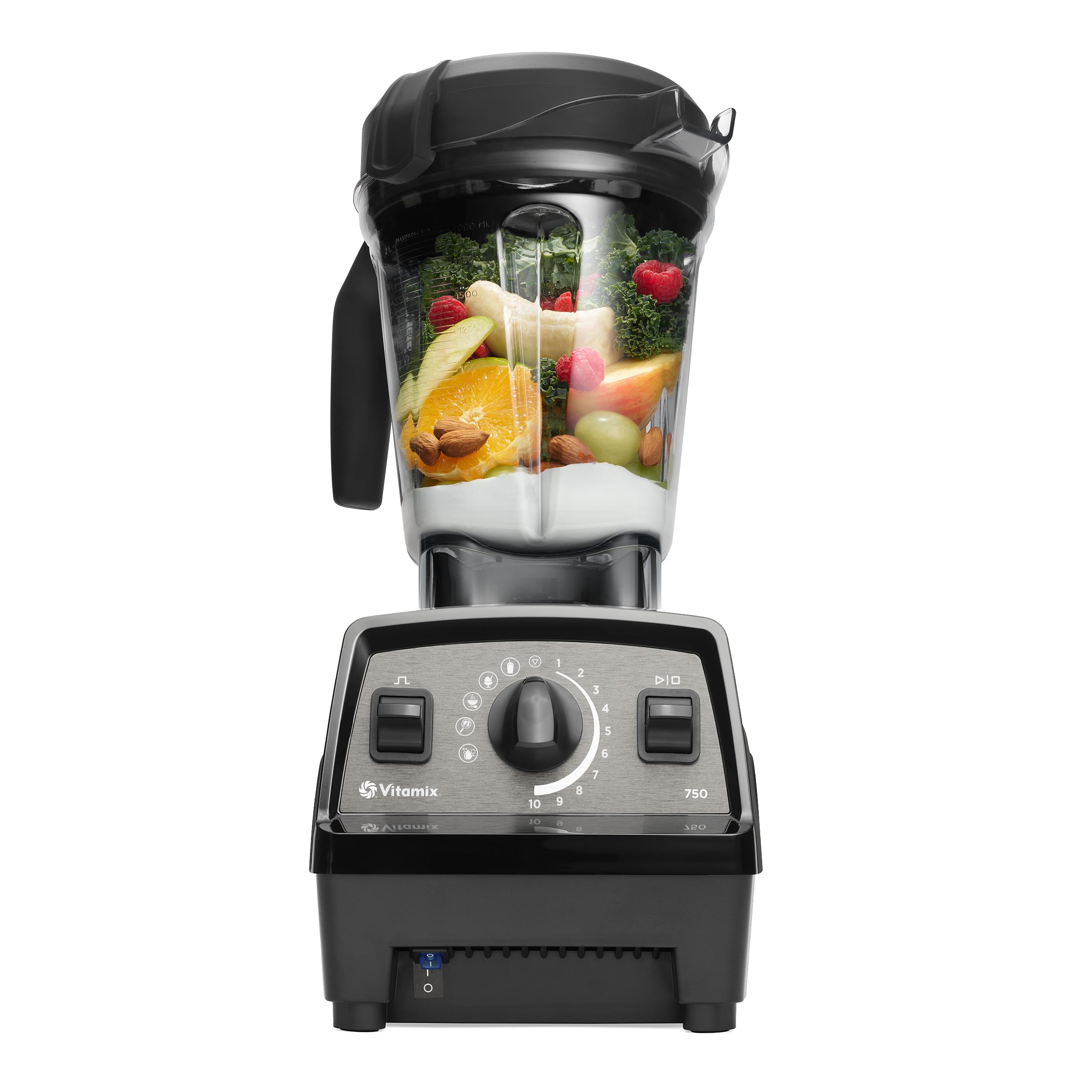
Explore Blender trends and sourcing opportunities
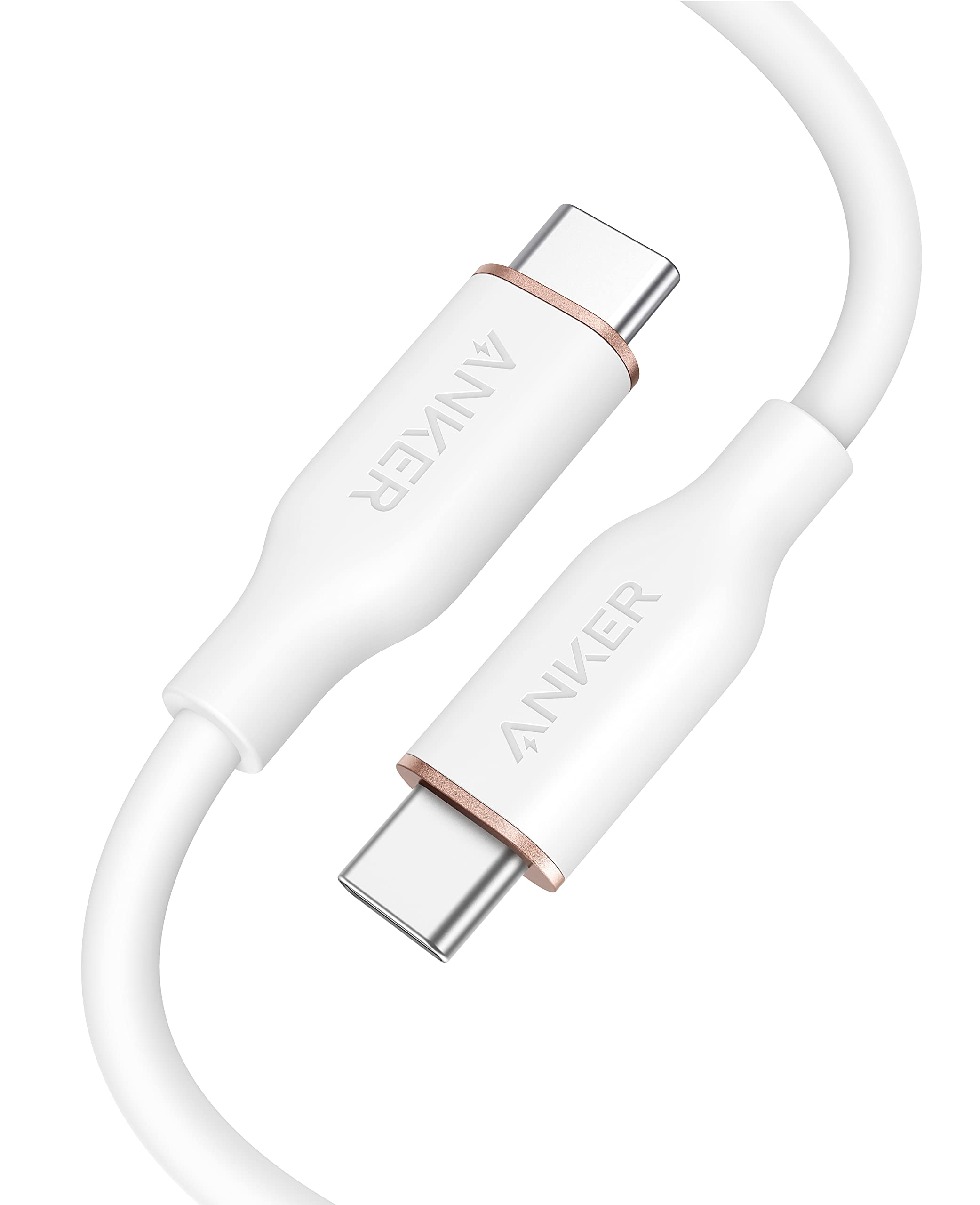
Explore Charging Cable trends and sourcing opportunities
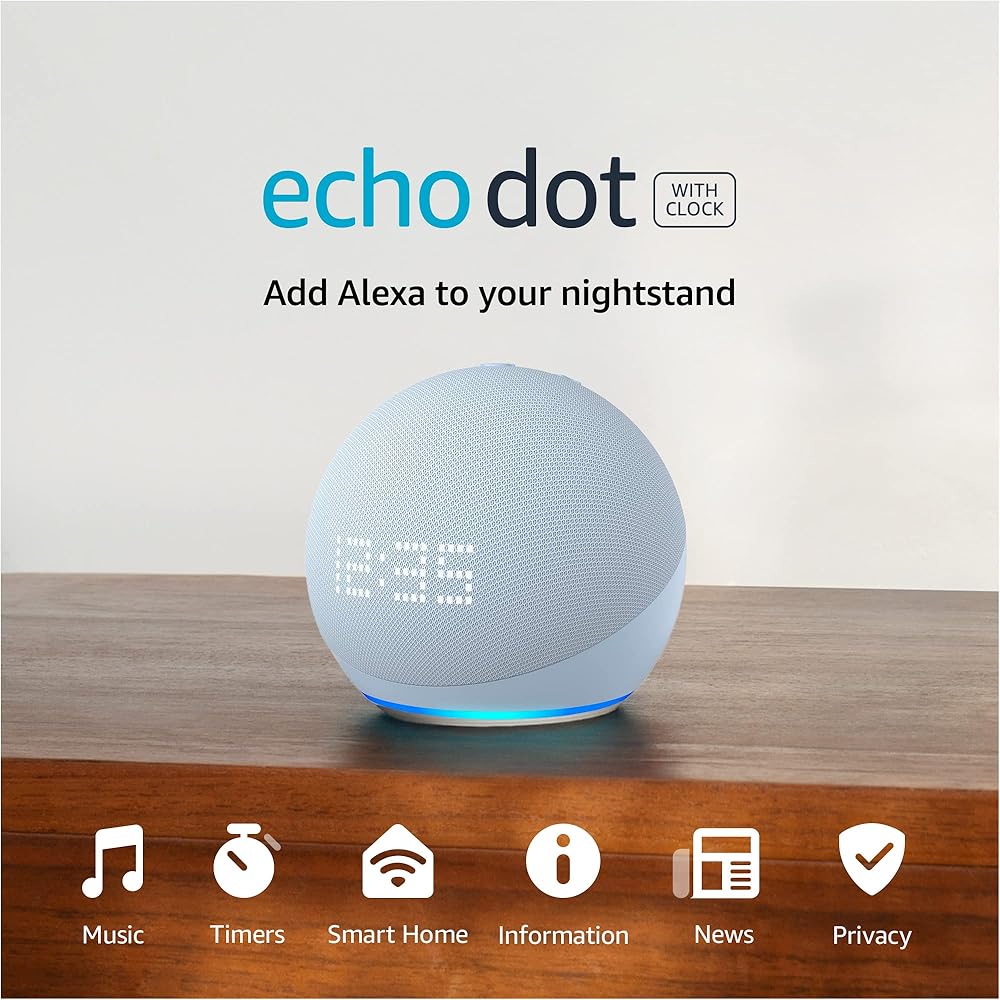
Explore Digital Clocks trends and sourcing opportunities
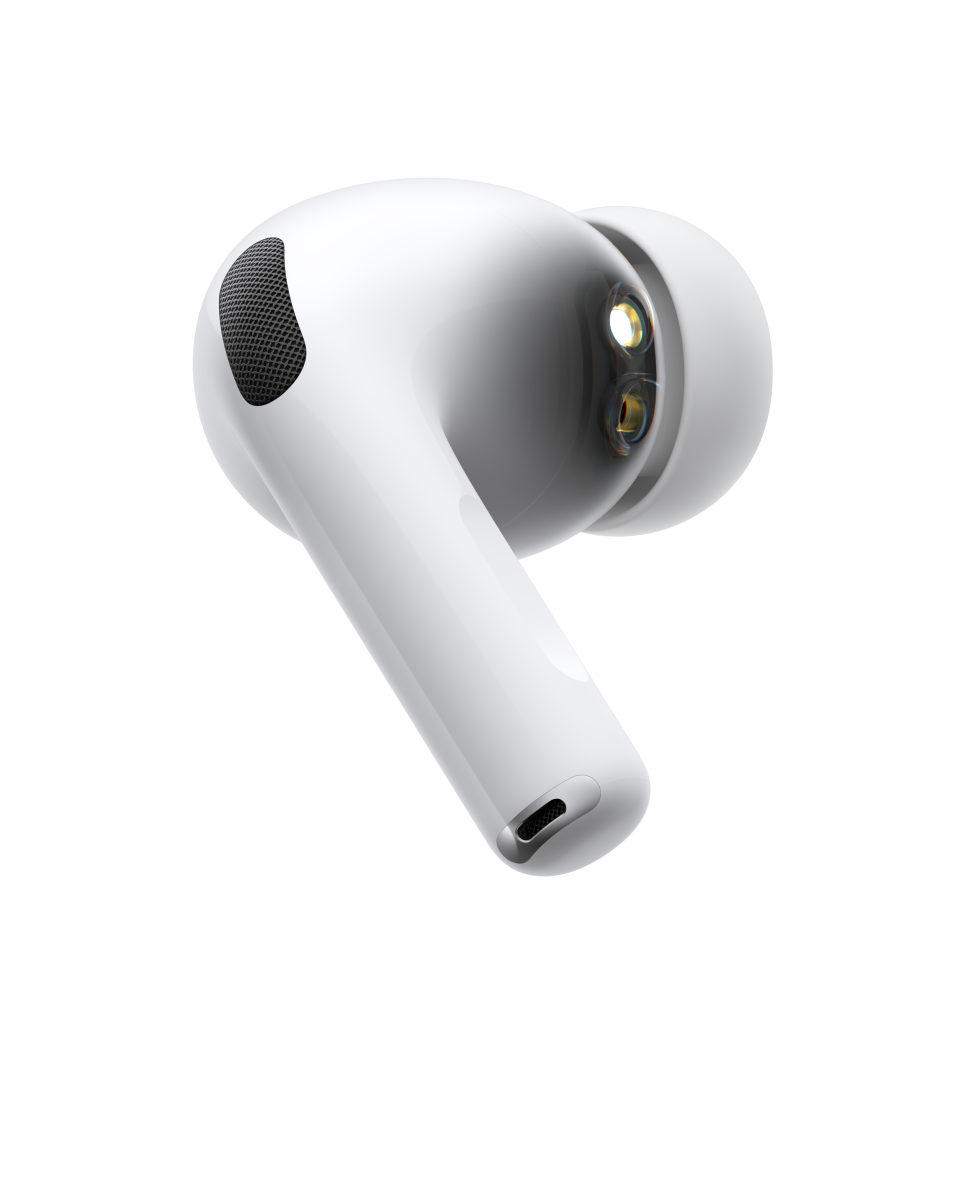
Explore Earbuds trends and sourcing opportunities
Minimum order quantities vary by supplier tier and product complexity. Value segment suppliers typically require 500-1,000 pieces per style/color, while premium manufacturers may accept 200-300 pieces for higher-value orders. Customization options like private labeling often increase MOQ requirements.
Common materials include cotton, polyester, modal, bamboo viscose, and various blends. Performance variants often incorporate spandex/elastane for stretch, while premium options may use pima cotton or Tencel. Material choice significantly impacts both FOB pricing and end-consumer appeal.
Request product samples before bulk orders, verify supplier certifications (ISO, BSCI, OEKO-TEX), check factory audit reports, and review trade history on B2B platforms. Our verified supplier ratings consider response rates, dispute history, and quality scores from verified transactions.
Standard production lead times range from 25-45 days depending on order complexity and supplier capacity. Rush orders may be possible at premium rates. Add 15-30 days for sea freight shipping to US ports, or 5-7 days for air freight on urgent orders.