
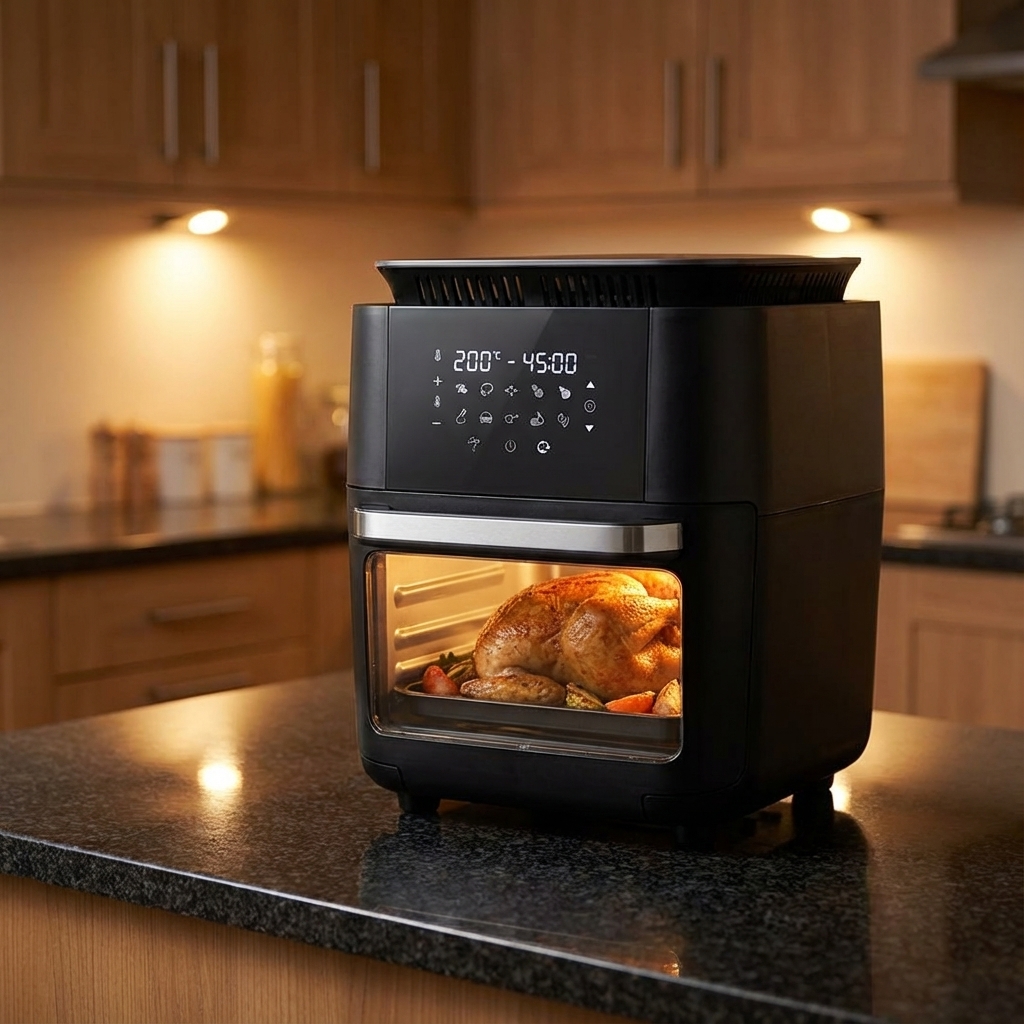
 TikTok Views
—
 Trend InterestCloser to 50 = very trending
22
 Avg Price
$1543
 Suppliers
11
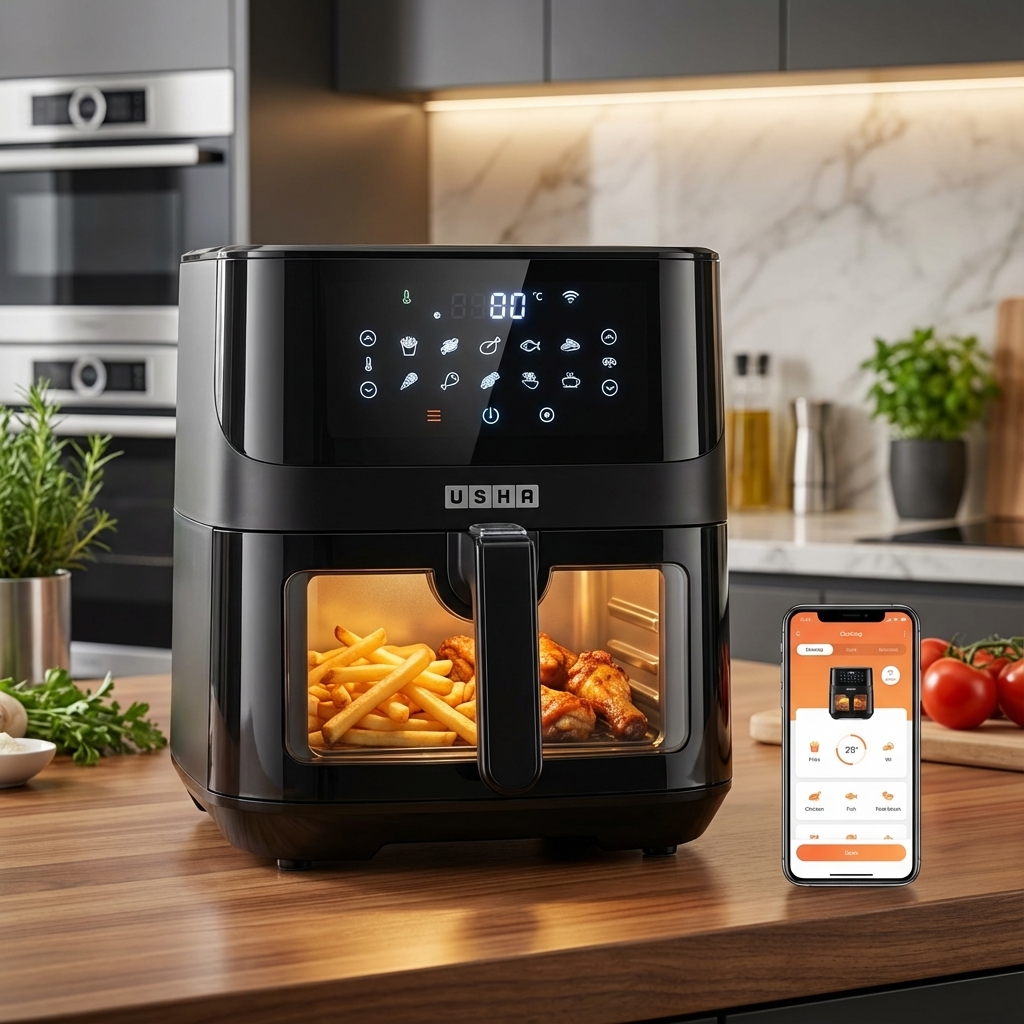 TikTok Views
—
Trend InterestCloser to 50 = very trending12
Avg Price$2574
Suppliers14
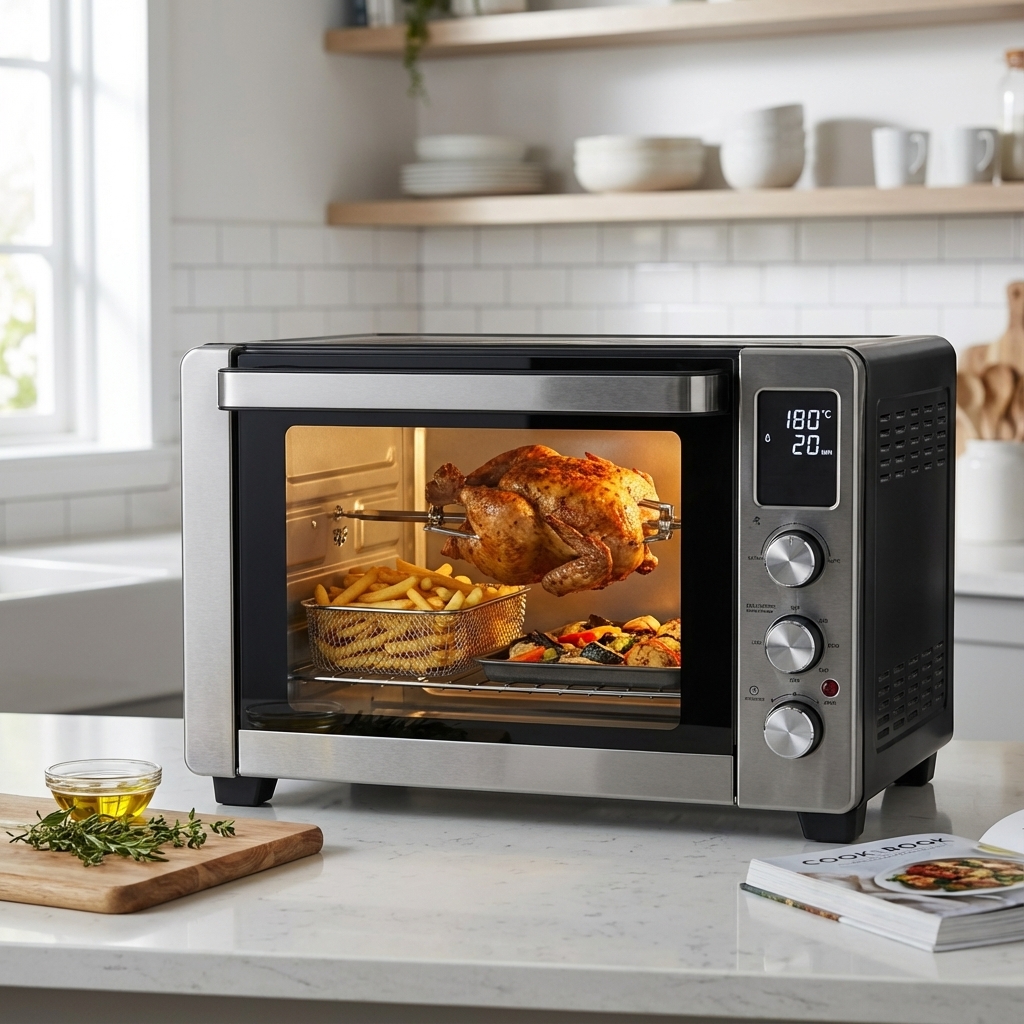
 IG Views
440.3K
Trend InterestCloser to 50 = very trending71
Avg Price$1602
Suppliers10
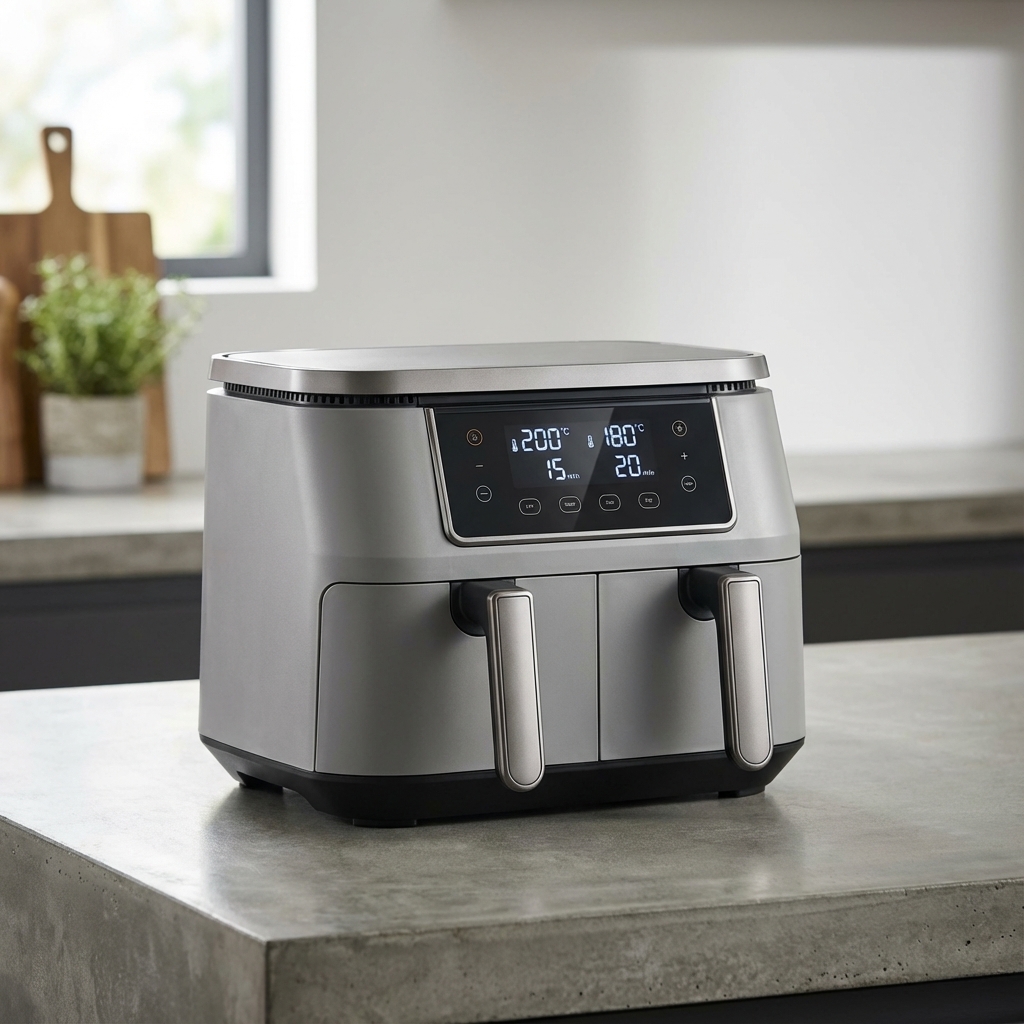 IG Views
5.0K
Trend InterestCloser to 50 = very trending18
Avg Price$3222
Suppliers15
 TikTok Views
—
Trend InterestCloser to 50 = very trending33
Avg Price$1600
Suppliers10
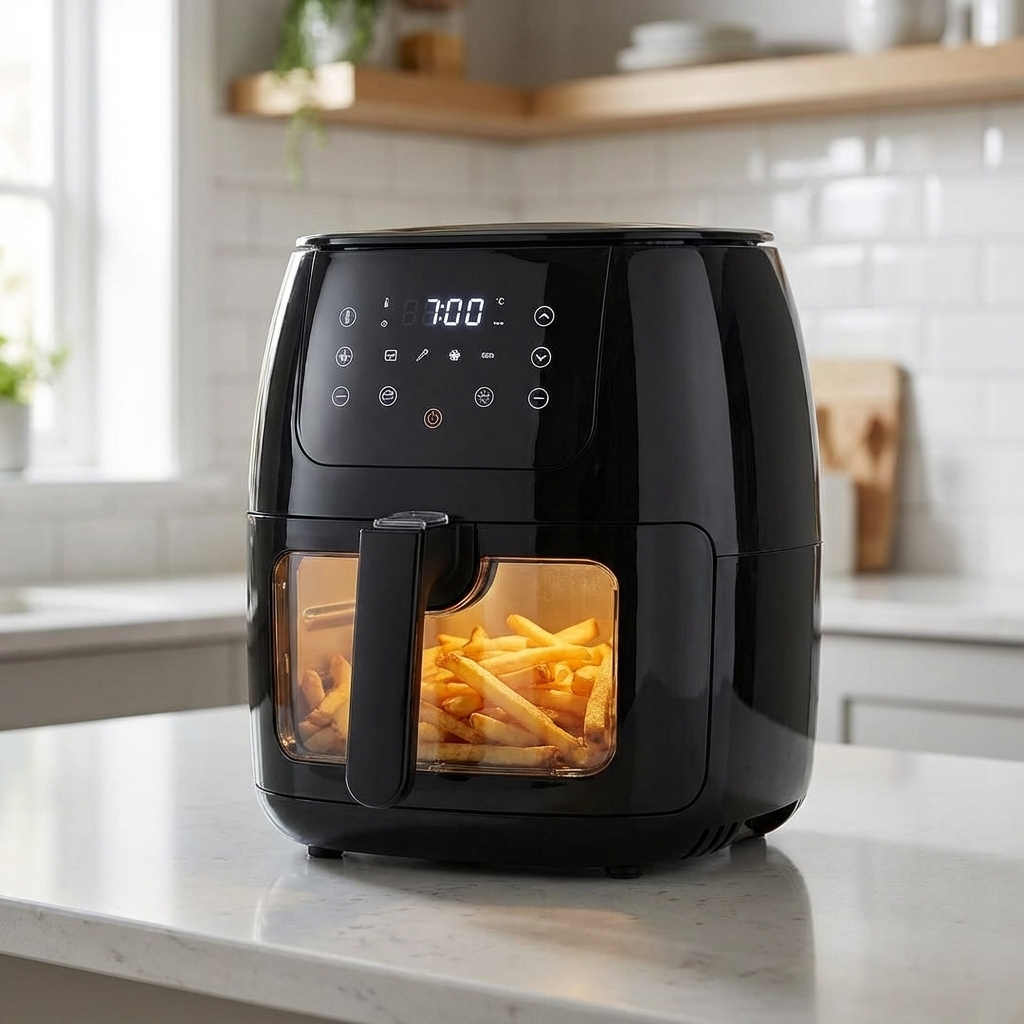
The air fryer market in Mexico is projected to continue its strong growth into 2026, with an expected value of $142 million. This sustained popularity is driven by a consumer desire for healthier cooking options that don't sacrifice flavor, and the convenience these appliances offer. The core appeal lies in achieving crispy, delicious results with significantly less oil, aligning with a global shift towards more health-conscious eating habits. Leading brands such as Oster, T-fal, Ninja, and Chefman are at the forefront of this market, continually innovating with more powerful and versatile models. Upcoming trends point towards larger capacity models to accommodate families, enhanced digital features for precision, and specific design elements that improve user experience. Features like viewing windows, dual cooking baskets for simultaneous cooking, and smart connectivity for remote operation are becoming increasingly common and highly sought after by consumers. The most significant evolution in the air fryer space is the move towards multi-functional, all-in-one devices. These appliances are revolutionizing the modern kitchen by combining the capabilities of an air fryer with those of a traditional oven, grill, dehydrator, and more. This consolidation not only saves valuable counter space but also offers home cooks incredible versatility, encouraging culinary experimentation and providing greater value for money in a single, compact unit.
The Airfryer category in the Mexican market is experiencing significant growth, driven by consumer demand for healthier, faster, and more versatile cooking solutions. This presents a prime opportunity for brands to source high-demand products. The market is defined by several key archetypes, including Large Capacity, Dual Basket, Multi-Functional, and models with Viewing Windows, each catering to specific consumer needs from family-sized meals to all-in-one kitchen convenience. A successful air fryer wholesale strategy requires targeting either the value segment—focusing on durability, true-to-size capacity, and user-friendly controls—or the premium segment, which commands higher prices through superior technology like dual heating elements, smart connectivity, high-end materials like stainless steel, and unique aesthetic designs. Addressing common consumer pain points such as uneven cooking, difficult cleaning, excessive noise, and plastic odors is critical for sourcing a winning product. Brands should act quickly to source a wholesale air fryer that aligns with these clear market trends to capture share.
The market data and sourcing advantages that make this trend worth pursuing.
Typical range
$5.35–$25.99
Typical range
$27.46–$60.00
132K views • 9% engagement
Strong organic resonance
53 suppliers
MOQ flexibility & scale options
High-margin candidate for boutique retail.
Premium Suede Backpack
High-margin candidate for boutique retail.
Top-selling entry-level SKU on Amazon.
Supplier Examples
Supplier 1
MOQ 100 • 5+ yrs
Supplier 2
MOQ 100 • 5+ yrs
Supplier 3
MOQ 100 • 5+ yrs
Supplier 4
MOQ 100 • 5+ yrs
Supplier 5
MOQ 100 • 5+ yrs
Add or customize product features and we'll match you with verified suppliers.
Feature Matching
Find suppliers with matching capabilities
Quote Comparison
Compare pricing and lead times
Sampling & Production
Request samples and begin production
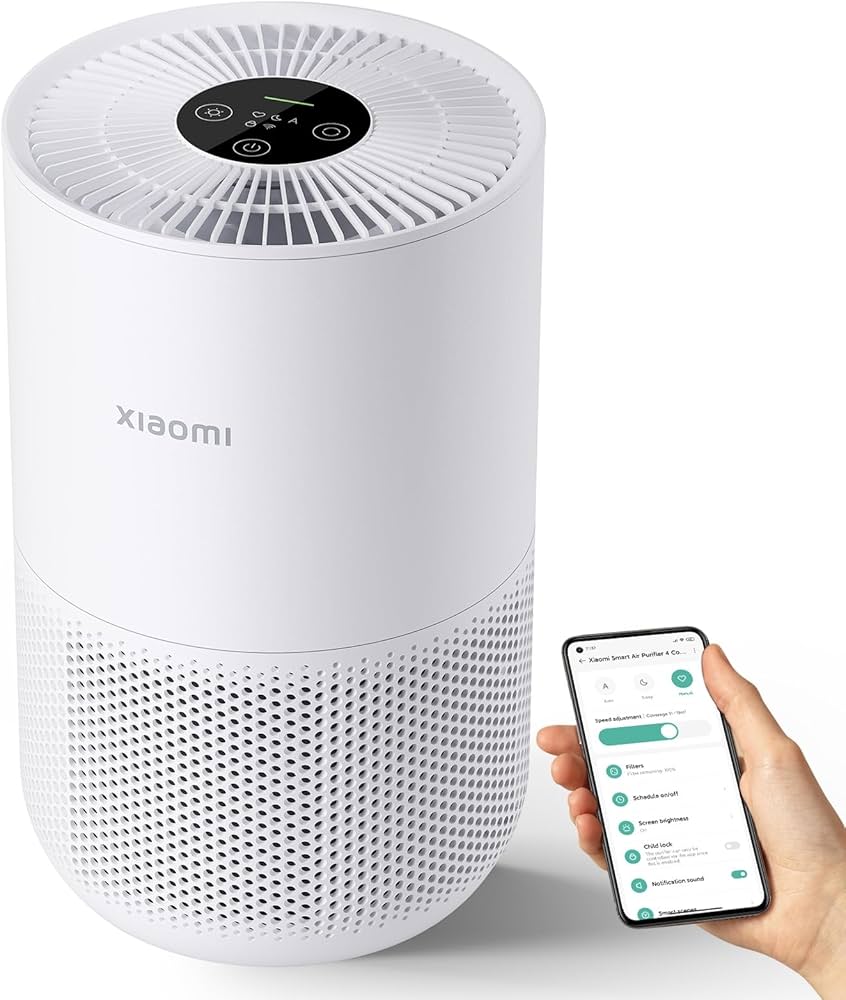
Explore Air Purifier trends and sourcing opportunities
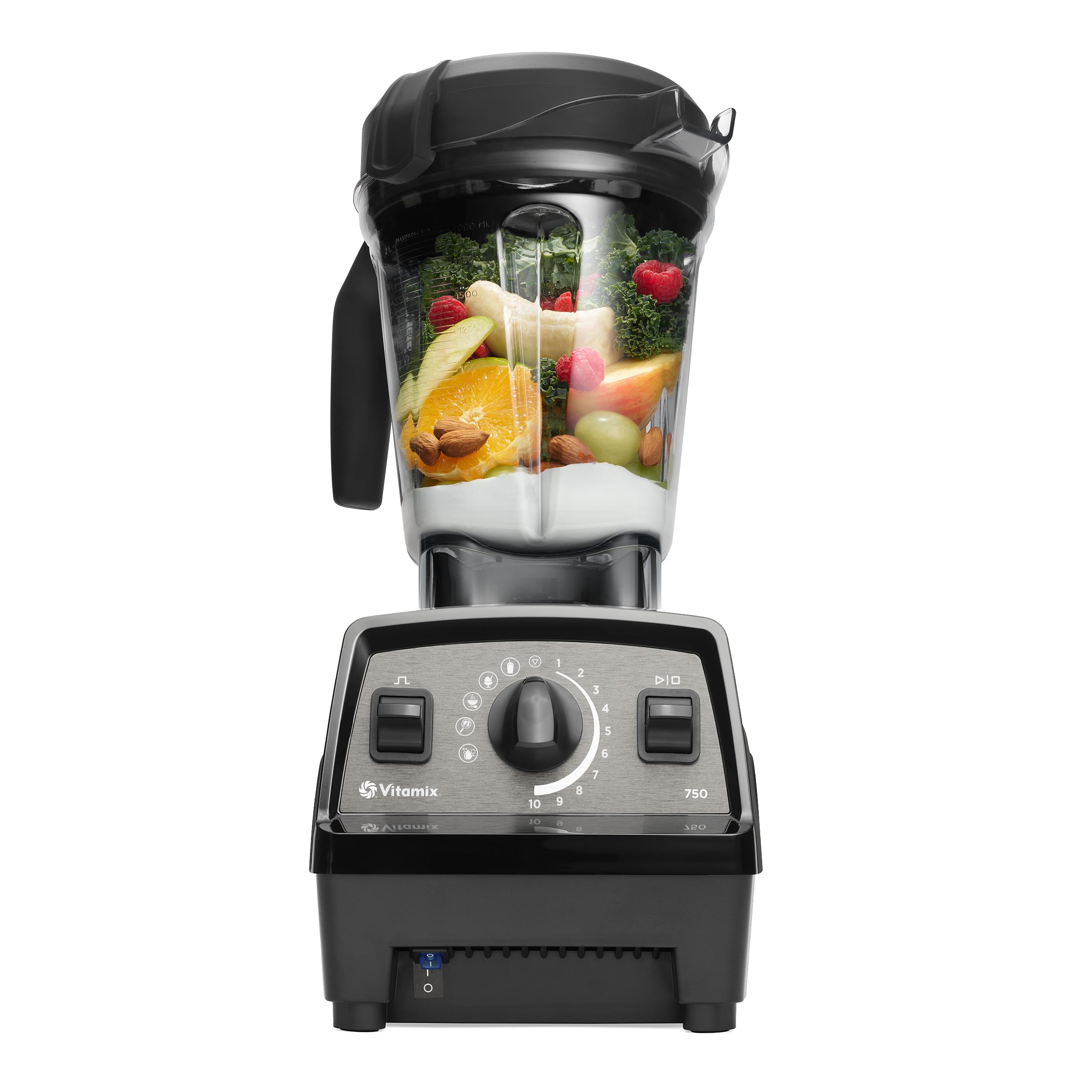
Explore Blender trends and sourcing opportunities
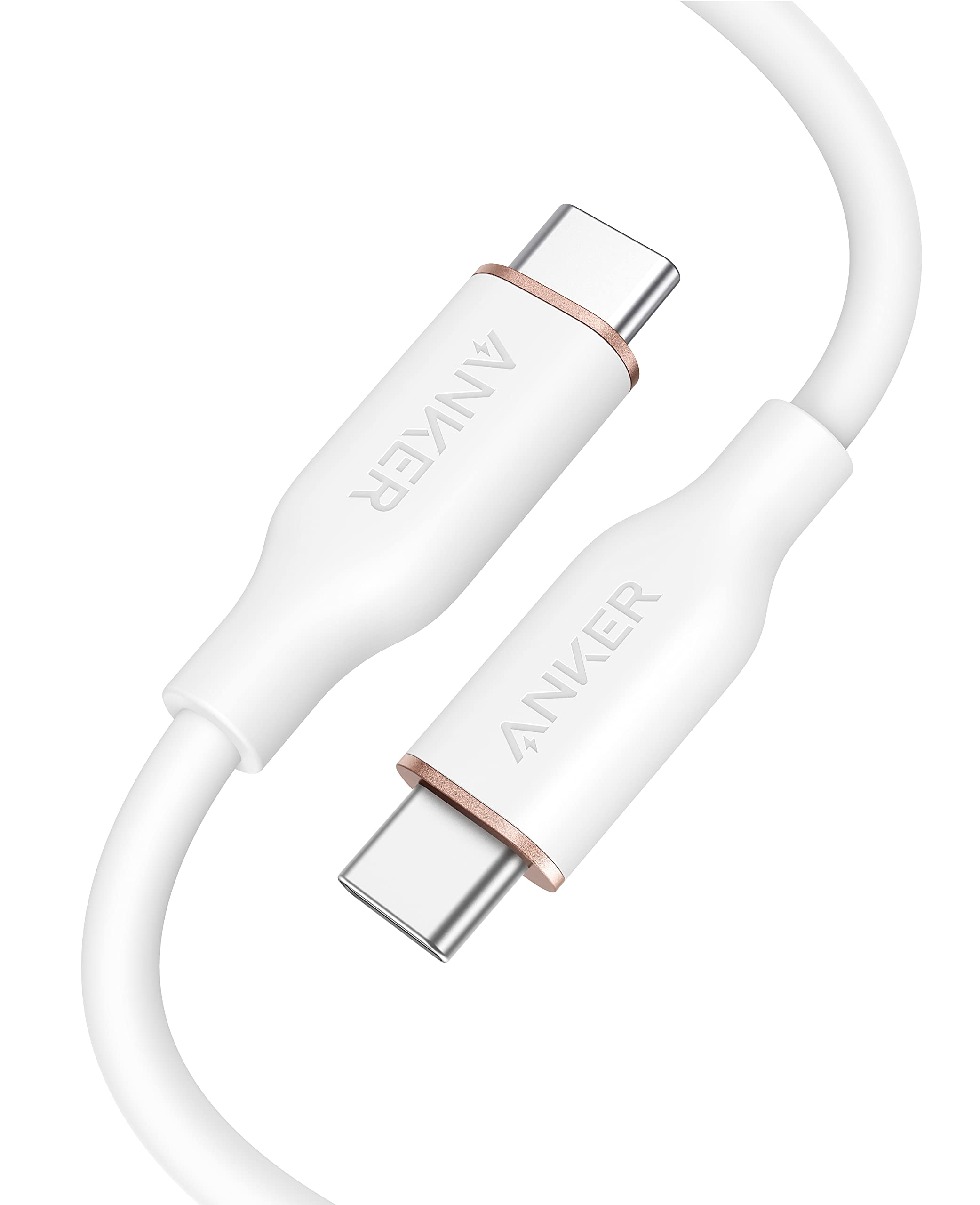
Explore Charging Cable trends and sourcing opportunities

Explore Digital Clocks trends and sourcing opportunities
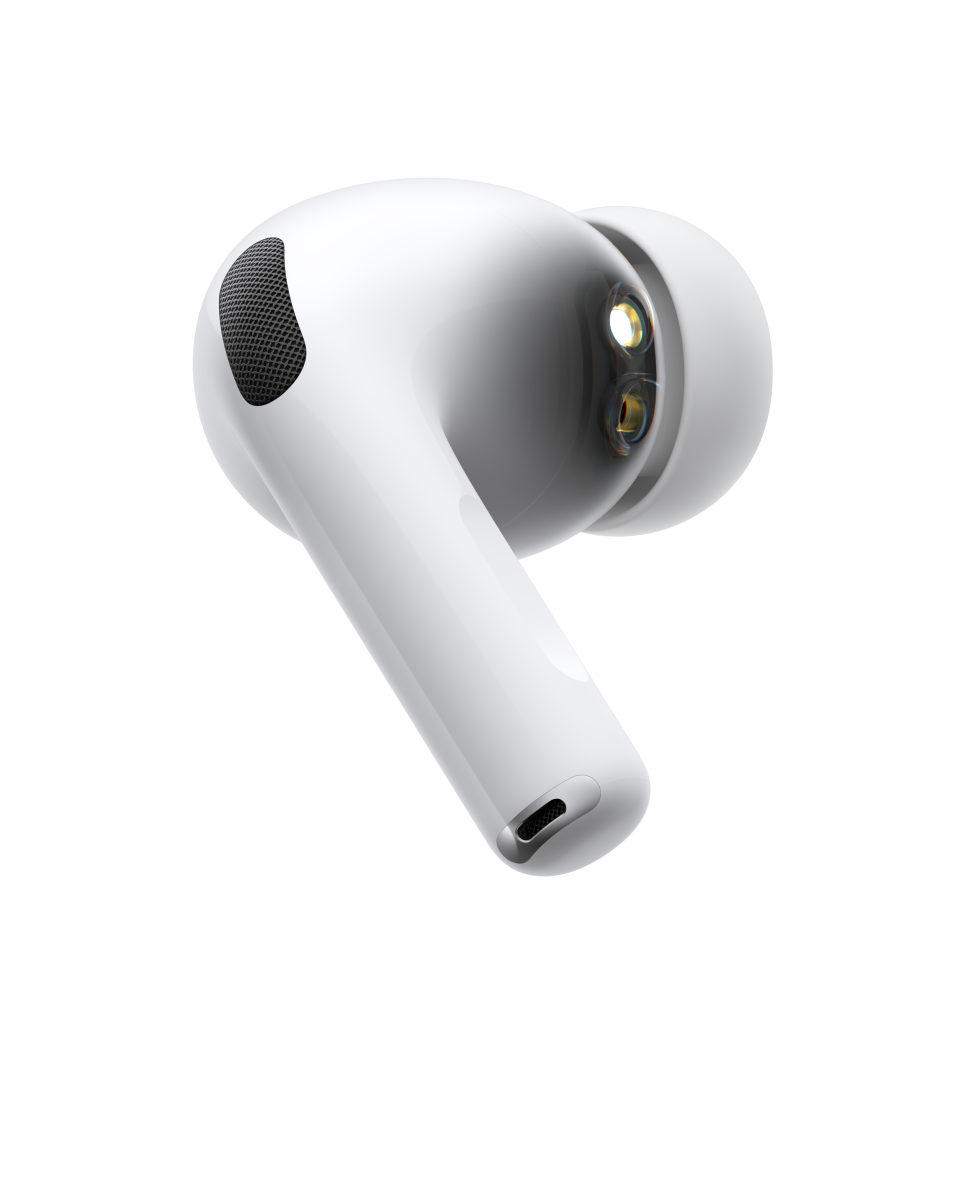
Explore Earbuds trends and sourcing opportunities
Minimum order quantities vary by supplier tier and product complexity. Value segment suppliers typically require 500-1,000 pieces per style/color, while premium manufacturers may accept 200-300 pieces for higher-value orders. Customization options like private labeling often increase MOQ requirements.
Common materials include cotton, polyester, modal, bamboo viscose, and various blends. Performance variants often incorporate spandex/elastane for stretch, while premium options may use pima cotton or Tencel. Material choice significantly impacts both FOB pricing and end-consumer appeal.
Request product samples before bulk orders, verify supplier certifications (ISO, BSCI, OEKO-TEX), check factory audit reports, and review trade history on B2B platforms. Our verified supplier ratings consider response rates, dispute history, and quality scores from verified transactions.
Standard production lead times range from 25-45 days depending on order complexity and supplier capacity. Rush orders may be possible at premium rates. Add 15-30 days for sea freight shipping to US ports, or 5-7 days for air freight on urgent orders.