
 TikTok Views
—
 Trend InterestCloser to 50 = very trending
17
 Avg Price
R$2036
 Suppliers
16
 TikTok Views
4.2M
Trend InterestCloser to 50 = very trending19
Avg PriceR$2011
Suppliers20
 IG Views
14.7K
Trend InterestCloser to 50 = very trending43
Avg PriceR$2306
Suppliers17
 TikTok Views
2.2M
Trend InterestCloser to 50 = very trending7
Avg PriceR$805
Suppliers16
 TikTok Views
2.3M
Trend InterestCloser to 50 = very trending5
Avg PriceR$1057
Suppliers16
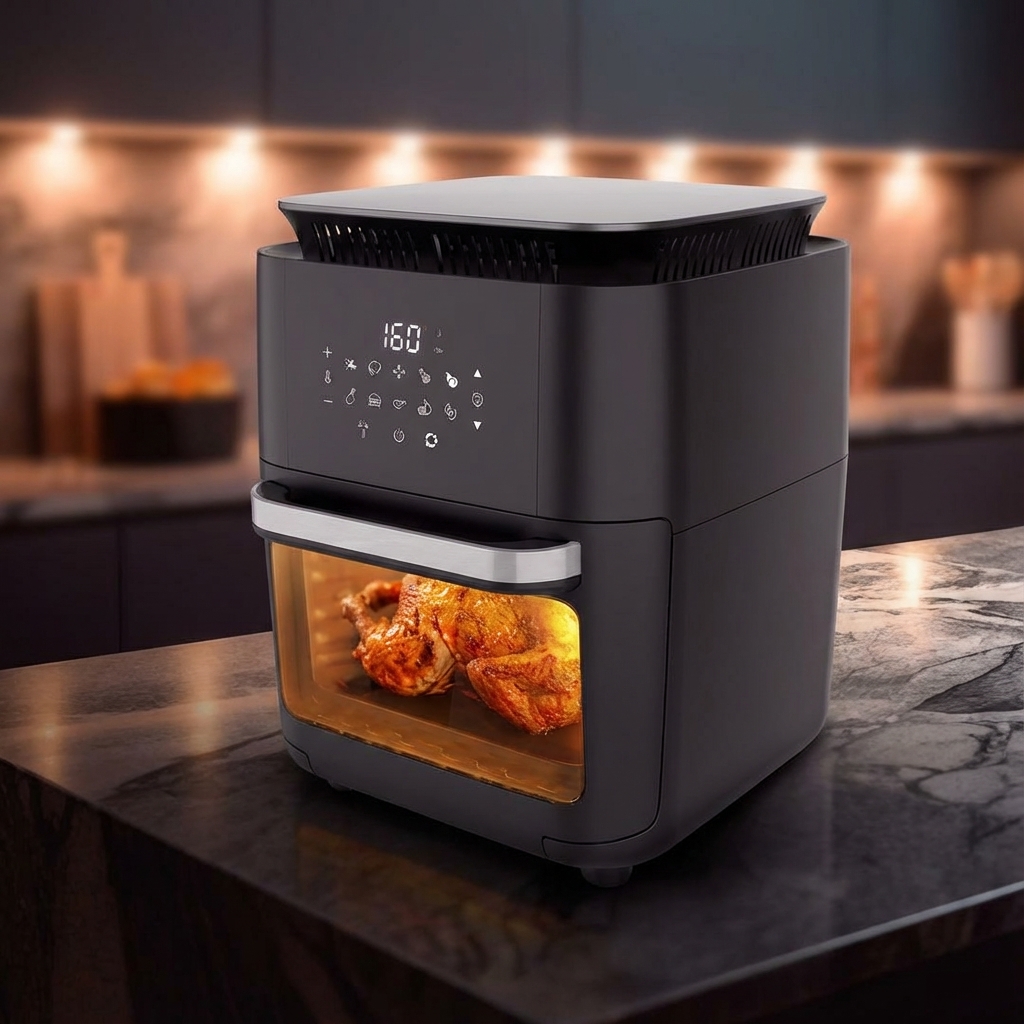
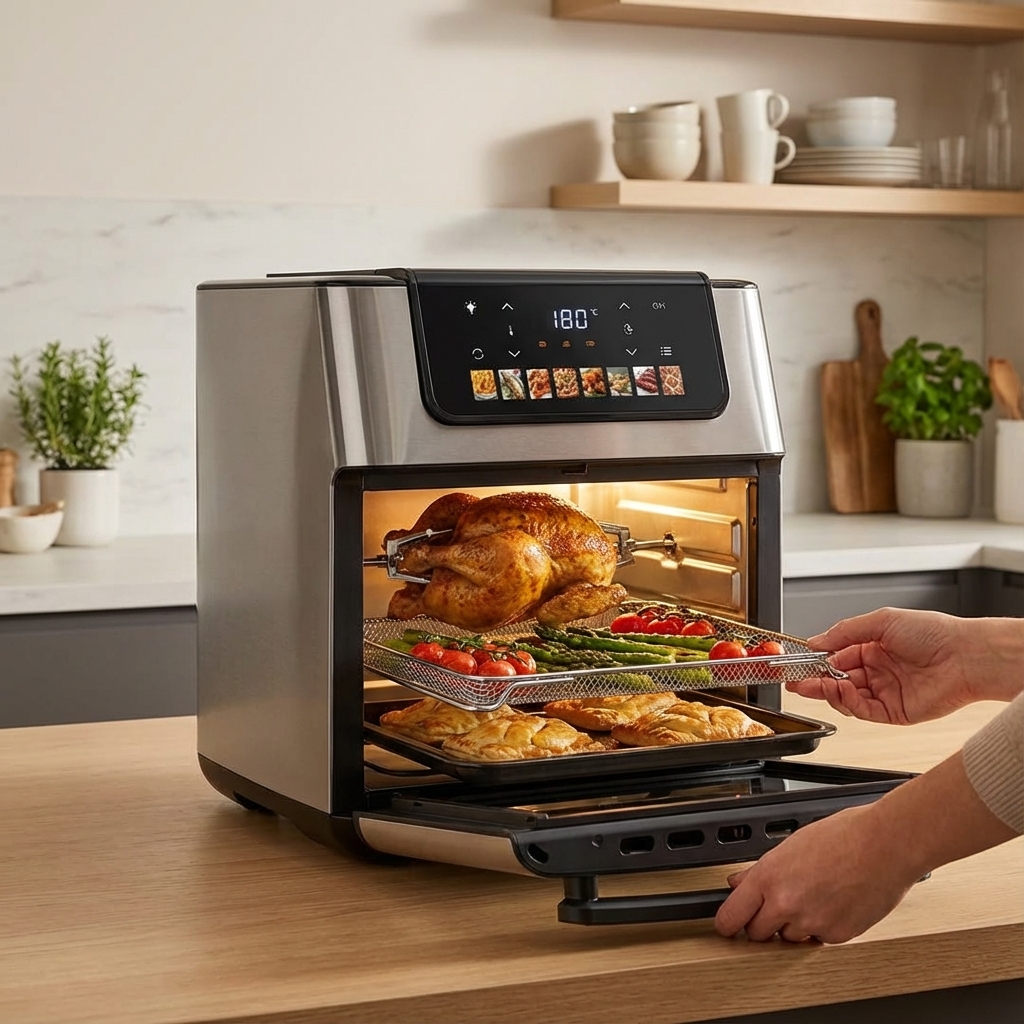
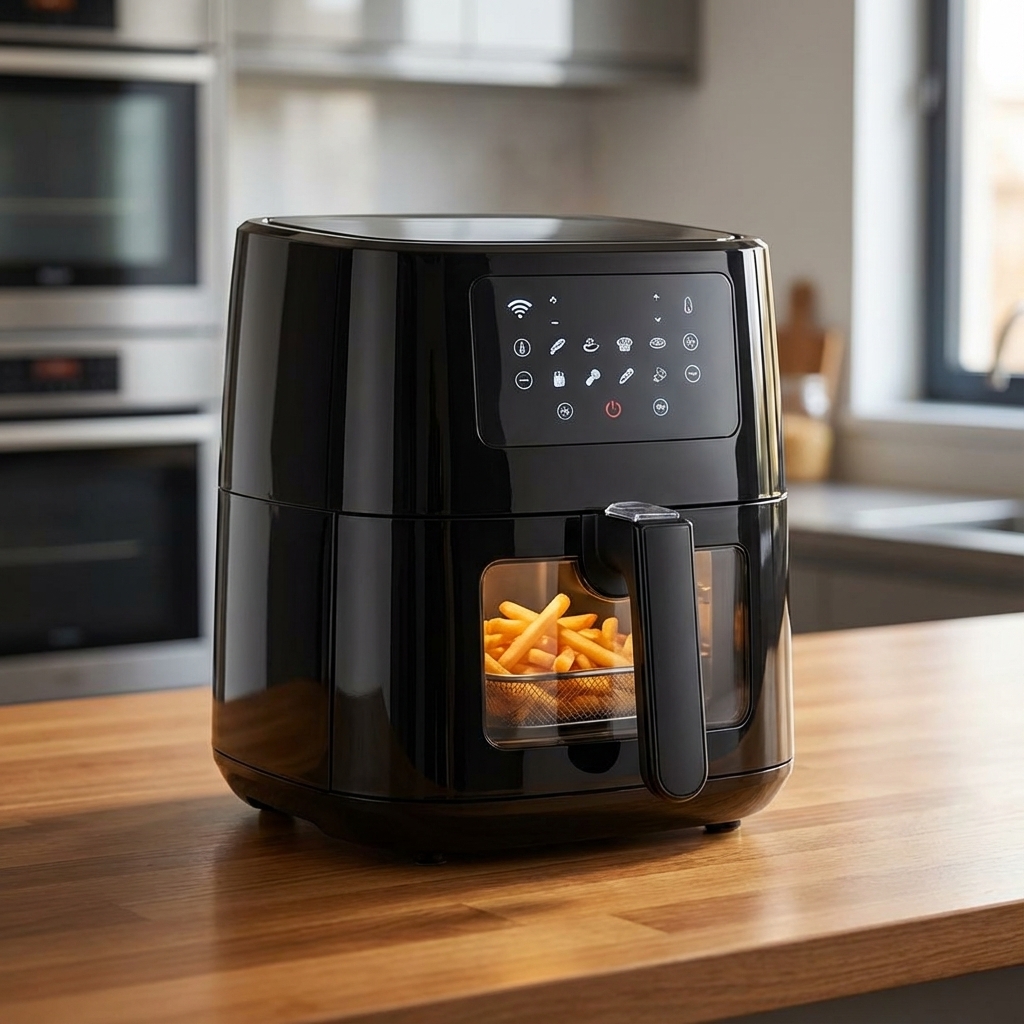
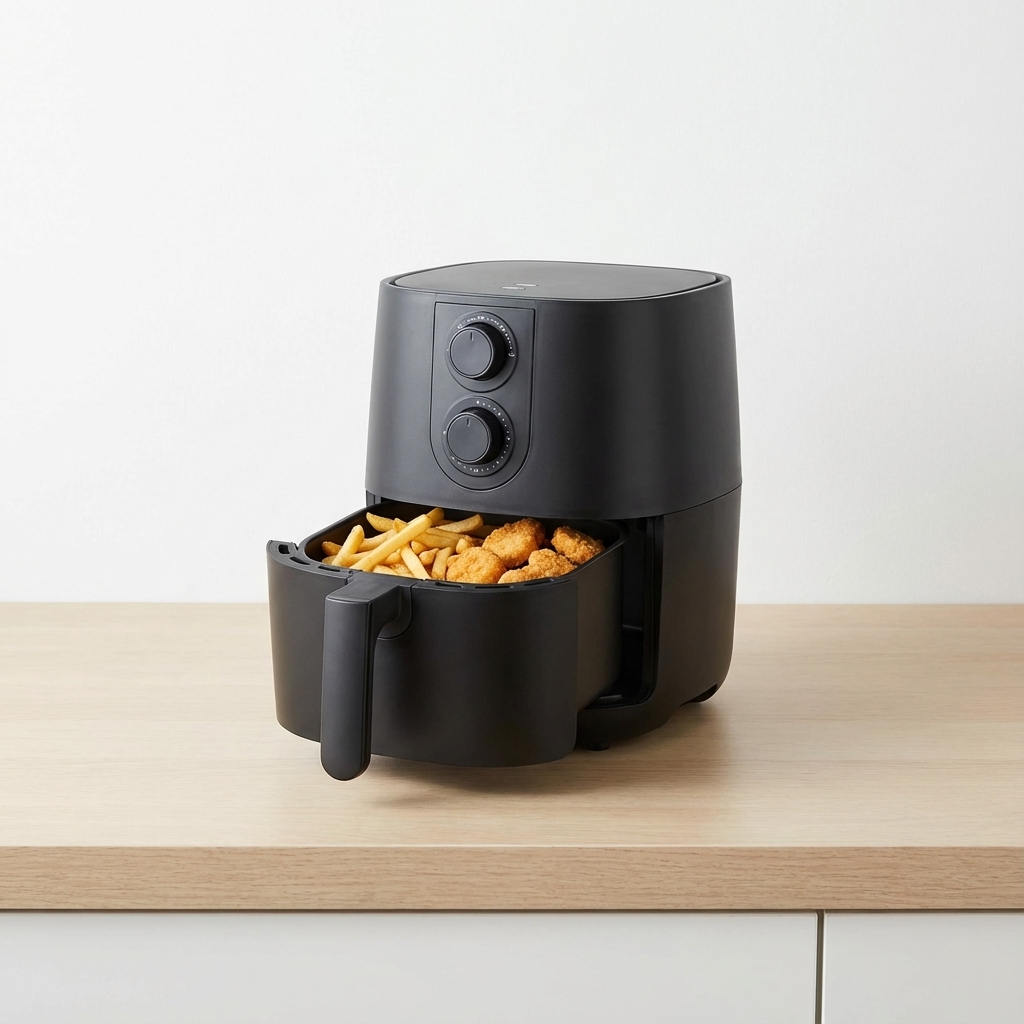
The Airfryer category in the Philippines is a dynamic market with clear opportunities for brands that can strategically address consumer needs. The market is segmented, ranging from budget-friendly models with minimalist aesthetics to premium, multi-functional smart air fryers. Success hinges on delivering superior perceived value, whether through a stylish 4L unit with reliable manual controls for the value-conscious or a large 8L+ model with a transparent glass basket, digital touch screen, and Wi-Fi connectivity for the premium segment. A key strategy for any successful air fryer wholesale program is to proactively solve common customer pain points. This includes verifying true basket capacity, insisting on food-grade materials to eliminate plastic odors, specifying robust packaging to prevent shipping damage, and ensuring all units come with a Philippines-standard power plug. By focusing on these details, brands can source products that meet the high demand for healthy, convenient cooking and build a loyal customer base.
The market data and sourcing advantages that make this trend worth pursuing.
Typical range
$5.35–$25.99
Typical range
$27.46–$60.00
132K views • 9% engagement
Strong organic resonance
53 suppliers
MOQ flexibility & scale options
High-margin candidate for boutique retail.
Premium Suede Backpack
High-margin candidate for boutique retail.
Top-selling entry-level SKU on Amazon.
Supplier Examples
Supplier 1
MOQ 100 • 5+ yrs
Supplier 2
MOQ 100 • 5+ yrs
Supplier 3
MOQ 100 • 5+ yrs
Supplier 4
MOQ 100 • 5+ yrs
Supplier 5
MOQ 100 • 5+ yrs
Add or customize product features and we'll match you with verified suppliers.
Feature Matching
Find suppliers with matching capabilities
Quote Comparison
Compare pricing and lead times
Sampling & Production
Request samples and begin production
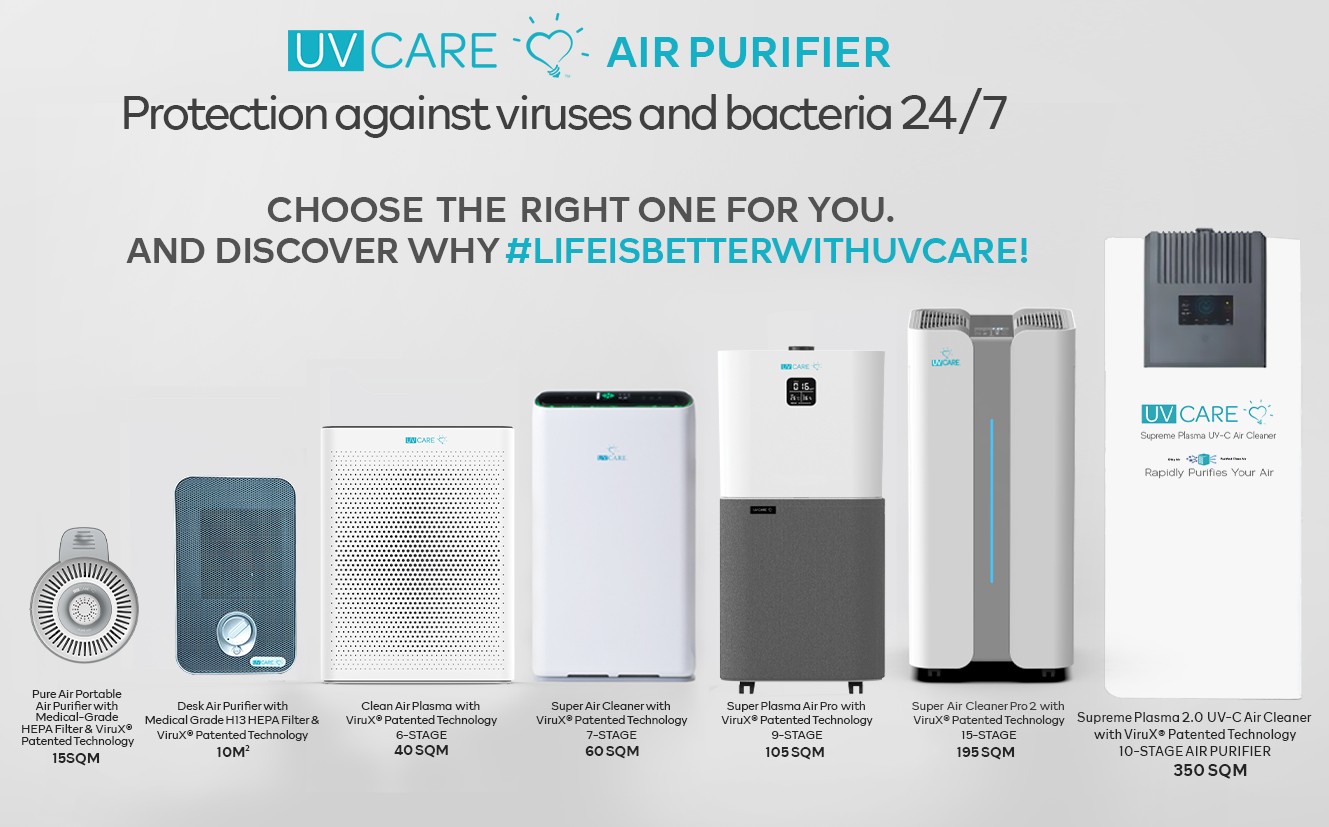
Explore Air Purifier trends and sourcing opportunities
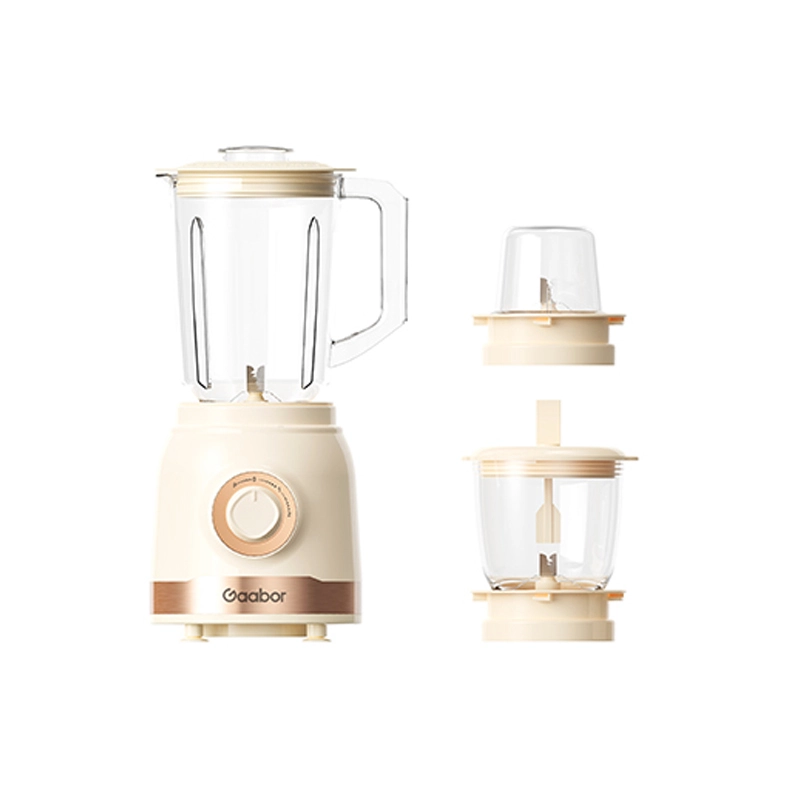
Explore Blender trends and sourcing opportunities
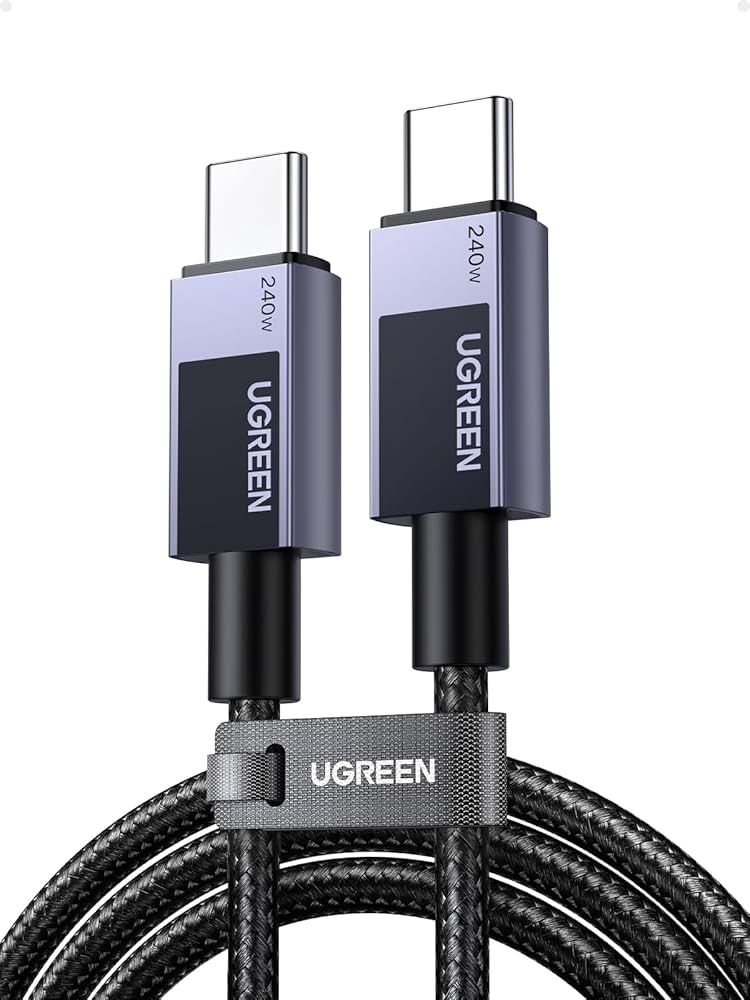
Explore Charging Cable trends and sourcing opportunities
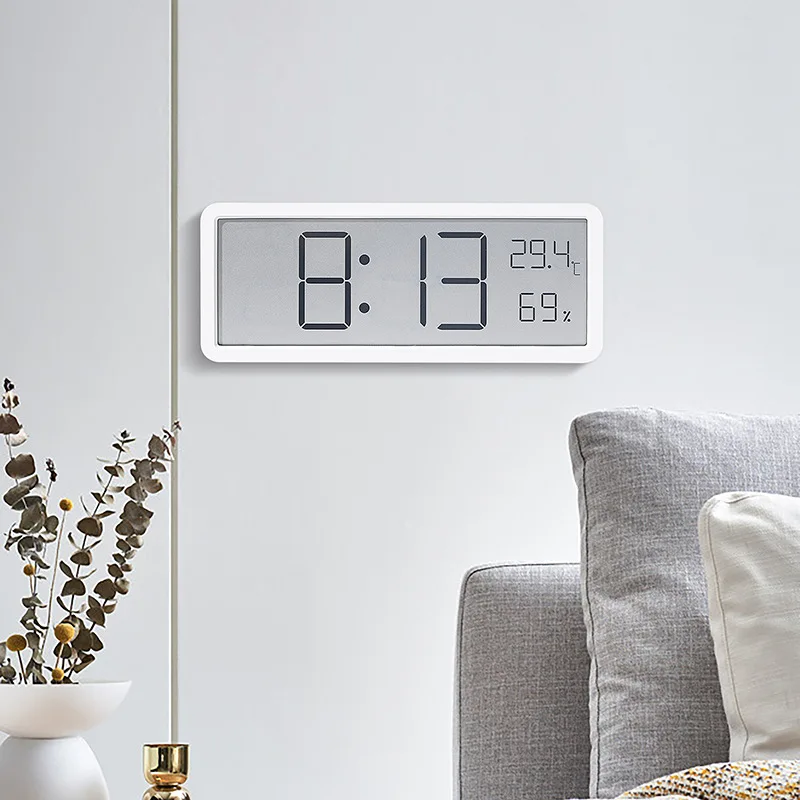
Explore Digital Clocks trends and sourcing opportunities
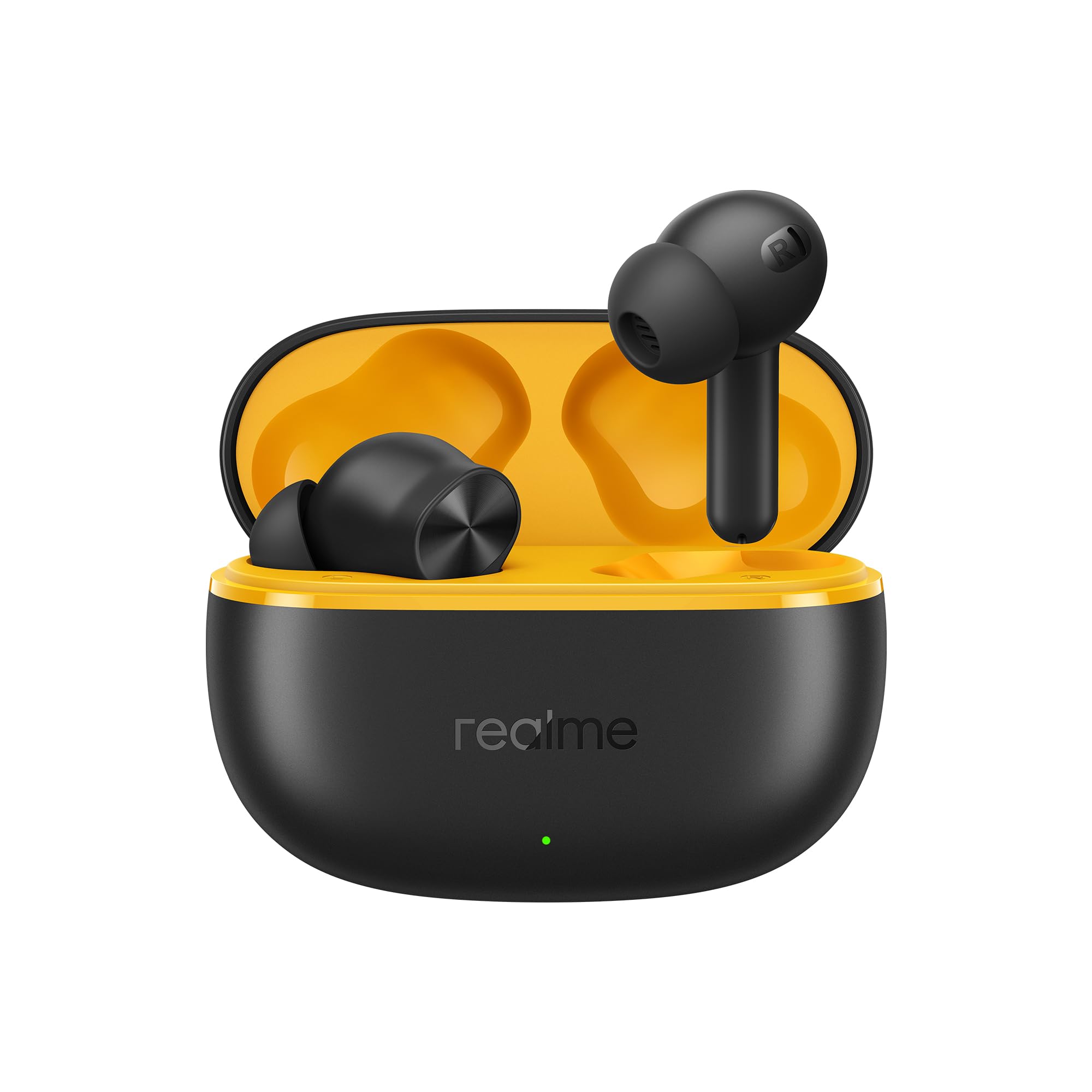
Explore Earbuds trends and sourcing opportunities
Minimum order quantities vary by supplier tier and product complexity. Value segment suppliers typically require 500-1,000 pieces per style/color, while premium manufacturers may accept 200-300 pieces for higher-value orders. Customization options like private labeling often increase MOQ requirements.
Common materials include cotton, polyester, modal, bamboo viscose, and various blends. Performance variants often incorporate spandex/elastane for stretch, while premium options may use pima cotton or Tencel. Material choice significantly impacts both FOB pricing and end-consumer appeal.
Request product samples before bulk orders, verify supplier certifications (ISO, BSCI, OEKO-TEX), check factory audit reports, and review trade history on B2B platforms. Our verified supplier ratings consider response rates, dispute history, and quality scores from verified transactions.
Standard production lead times range from 25-45 days depending on order complexity and supplier capacity. Rush orders may be possible at premium rates. Add 15-30 days for sea freight shipping to US ports, or 5-7 days for air freight on urgent orders.