

 TikTok Views
—
 Trend InterestCloser to 50 = very trending
5
 Avg Price
$4838
 Suppliers
17
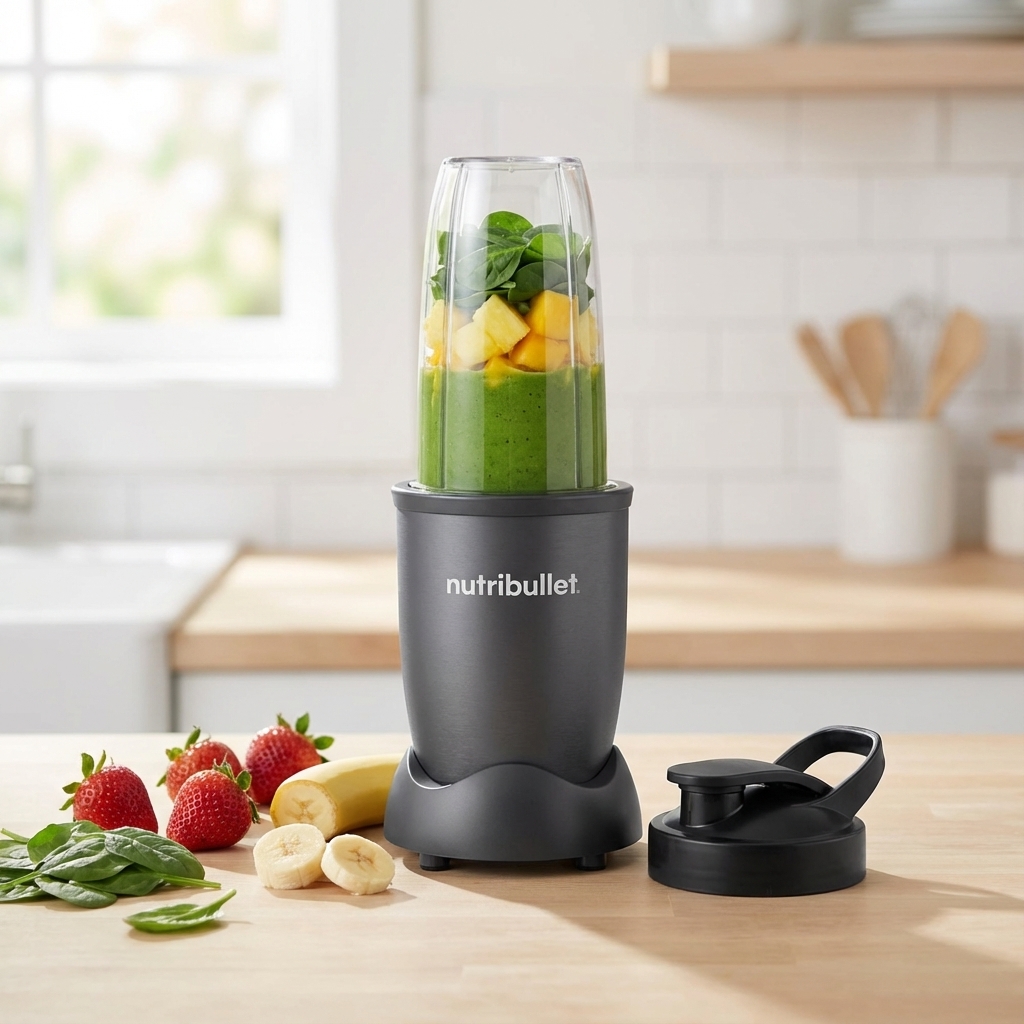 TikTok Views
—
Trend InterestCloser to 50 = very trending17
Avg Price$976
Suppliers17
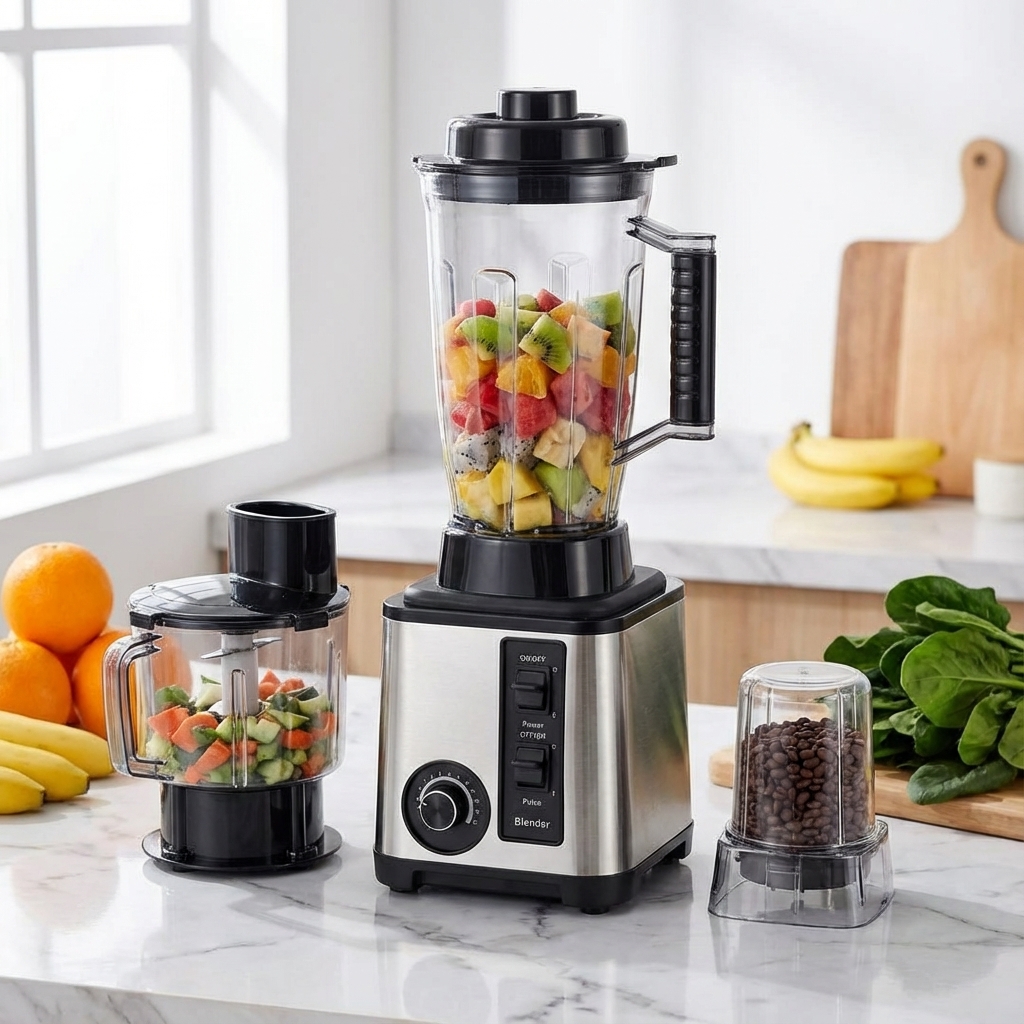 TikTok Views
—
Trend InterestCloser to 50 = very trending10
Avg Price$2297
Suppliers13
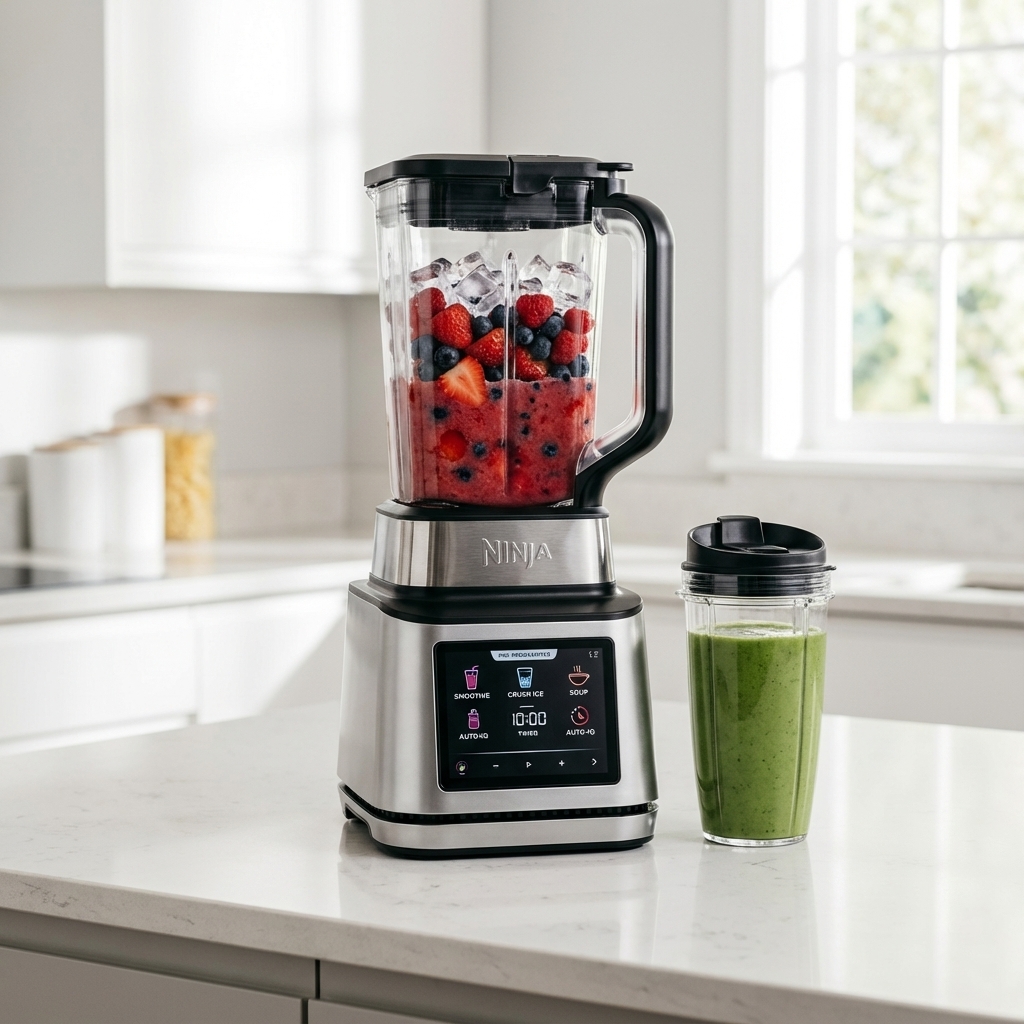 TikTok Views
—
Trend InterestCloser to 50 = very trending8
Avg Price$2757
Suppliers14
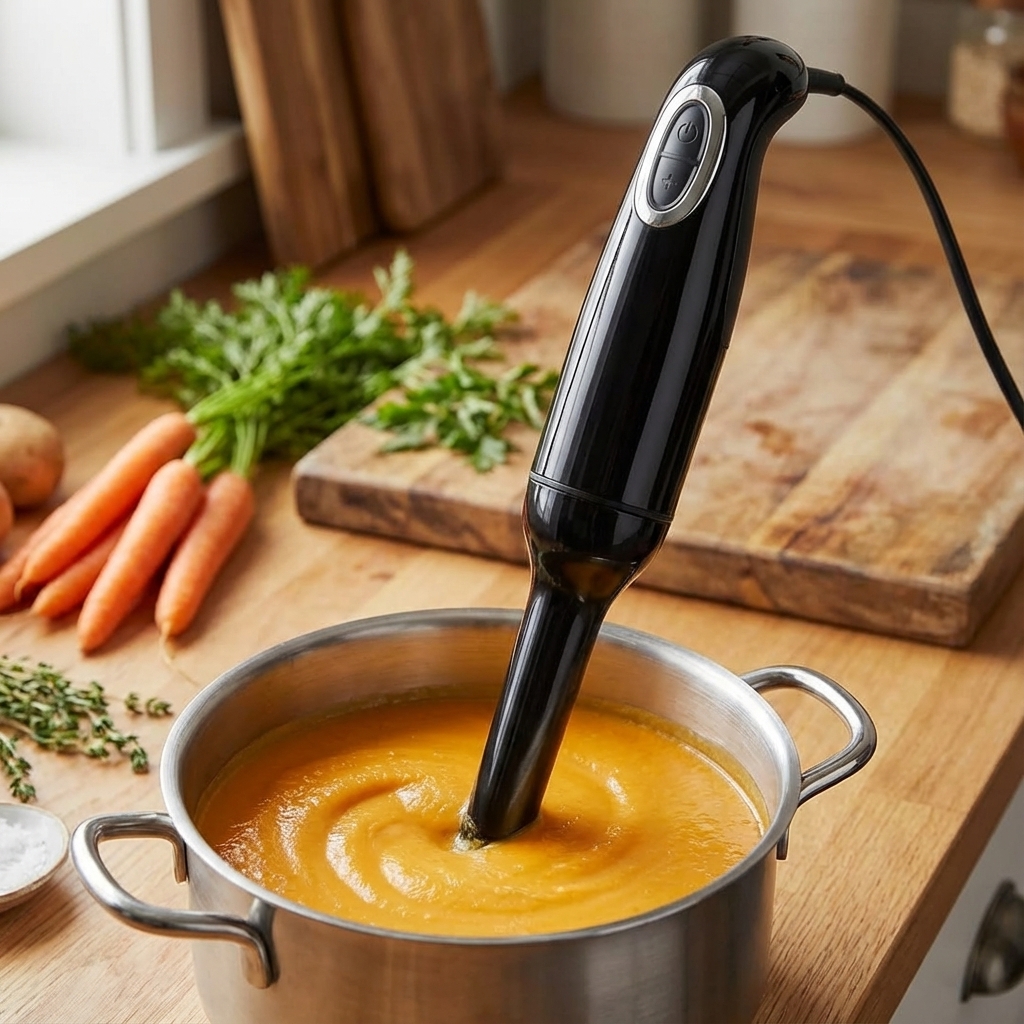 TikTok Views
8.0M
Trend InterestCloser to 50 = very trending64
Avg Price$1097
Suppliers17
The Mexican blender market in 2026 is experiencing a significant transformation, driven by consumer desires for convenience, health, and kitchen efficiency. Traditional blenders are being reimagined as versatile, powerful tools that go far beyond simple blending tasks. This evolution reflects a broader trend of consumers seeking more value and functionality from their home appliances, pushing manufacturers to innovate. Key trends shaping the market include the rise of high-performance, multi-functional systems that can chop, mix, and process food, effectively replacing multiple gadgets. Simultaneously, personal blenders are gaining immense popularity, perfectly suiting fast-paced, health-conscious lifestyles with their on-the-go convenience. Smart technology is also making a notable entrance, with blenders featuring automated programs that deliver consistent, perfect results with minimal user intervention. Leading brands such as Oster, Ninja, and Nutribullet are spearheading these trends, offering a diverse array of products to meet varied consumer needs. Their offerings span from robust, all-in-one kitchen systems designed for complex food preparation to compact, portable blenders for quick, single-serving smoothies. This dynamic landscape ensures that consumers have access to a wide range of options, whether they prioritize power, portability, or intelligent features.
The Blender category is a high-demand segment in the Mexican market, encompassing a range of products from personal and immersion blenders to high-performance and multi-functional kitchen systems. Consumers are actively seeking durable, versatile, and reliable appliances that solve common frustrations like motor burnout, leakage, excessive noise, and difficult cleaning. Success in this market hinges on addressing these pain points. For value-focused brands, the opportunity lies in offering robust features like powerful motors with overload protection and shatter-resistant BPA-free jars. Premium brands can differentiate through superior user experience, incorporating quiet-operation technology, die-cast metal construction, smart features with pre-set programs, and a commitment to serviceability. Partnering with a reputable blender manufacturer is crucial to ensure quality, navigate local compliance like NOM certifications, and accelerate time-to-market. By carefully selecting features and materials, brands can effectively target either segment and capitalize on the trend.
The market data and sourcing advantages that make this trend worth pursuing.
Typical range
$5.35–$25.99
Typical range
$27.46–$60.00
132K views • 9% engagement
Strong organic resonance
53 suppliers
MOQ flexibility & scale options
High-margin candidate for boutique retail.
Premium Suede Backpack
High-margin candidate for boutique retail.
Top-selling entry-level SKU on Amazon.
Supplier Examples
Supplier 1
MOQ 100 • 5+ yrs
Supplier 2
MOQ 100 • 5+ yrs
Supplier 3
MOQ 100 • 5+ yrs
Supplier 4
MOQ 100 • 5+ yrs
Supplier 5
MOQ 100 • 5+ yrs
Add or customize product features and we'll match you with verified suppliers.
Feature Matching
Find suppliers with matching capabilities
Quote Comparison
Compare pricing and lead times
Sampling & Production
Request samples and begin production
Explore Airfryer trends and sourcing opportunities
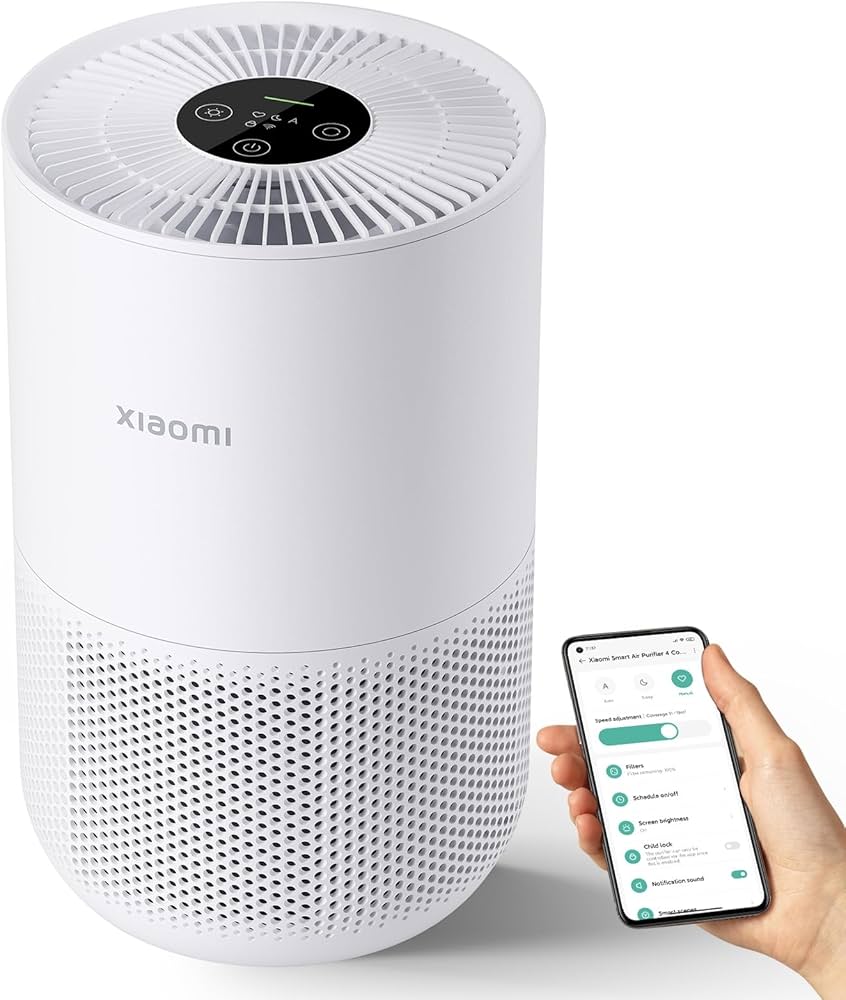
Explore Air Purifier trends and sourcing opportunities
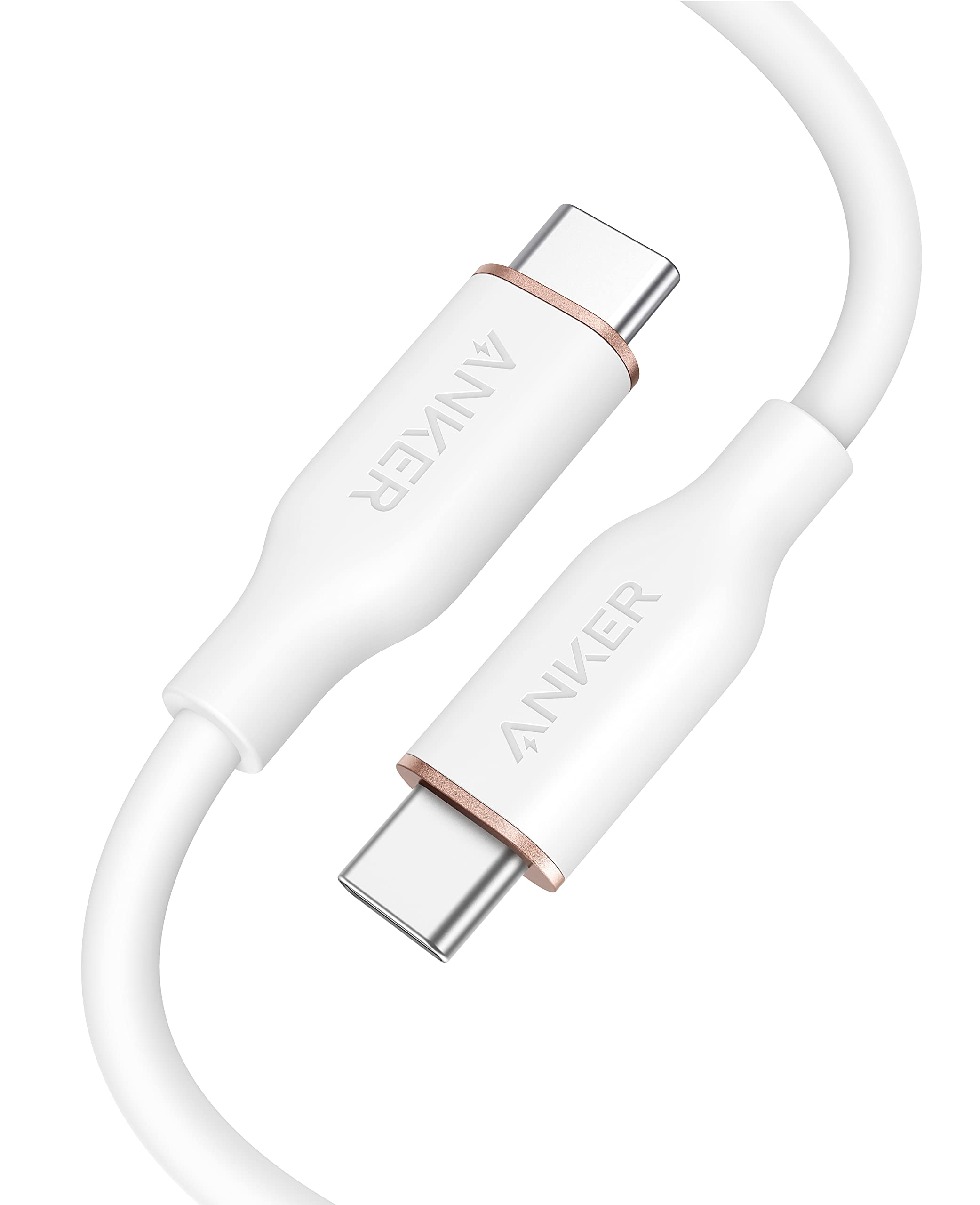
Explore Charging Cable trends and sourcing opportunities
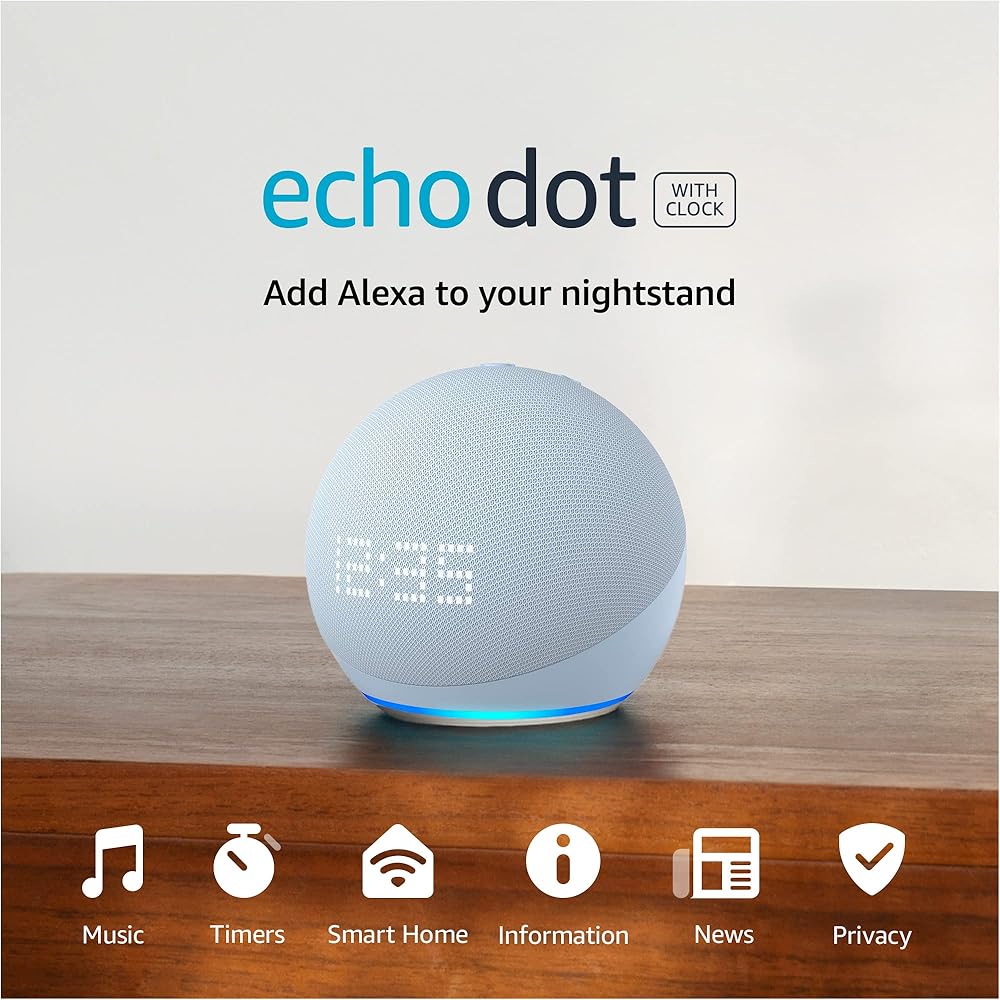
Explore Digital Clocks trends and sourcing opportunities
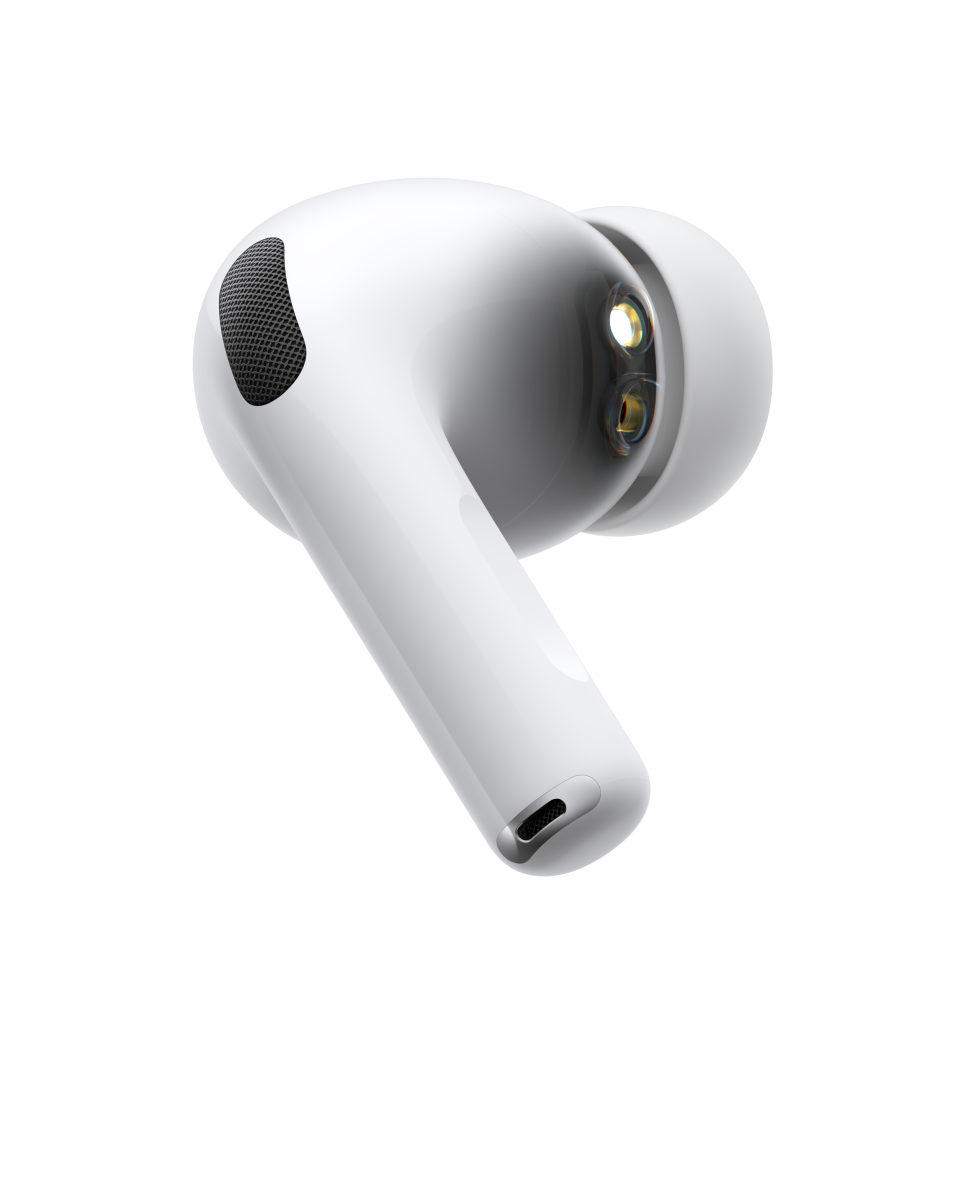
Explore Earbuds trends and sourcing opportunities
Minimum order quantities vary by supplier tier and product complexity. Value segment suppliers typically require 500-1,000 pieces per style/color, while premium manufacturers may accept 200-300 pieces for higher-value orders. Customization options like private labeling often increase MOQ requirements.
Common materials include cotton, polyester, modal, bamboo viscose, and various blends. Performance variants often incorporate spandex/elastane for stretch, while premium options may use pima cotton or Tencel. Material choice significantly impacts both FOB pricing and end-consumer appeal.
Request product samples before bulk orders, verify supplier certifications (ISO, BSCI, OEKO-TEX), check factory audit reports, and review trade history on B2B platforms. Our verified supplier ratings consider response rates, dispute history, and quality scores from verified transactions.
Standard production lead times range from 25-45 days depending on order complexity and supplier capacity. Rush orders may be possible at premium rates. Add 15-30 days for sea freight shipping to US ports, or 5-7 days for air freight on urgent orders.