
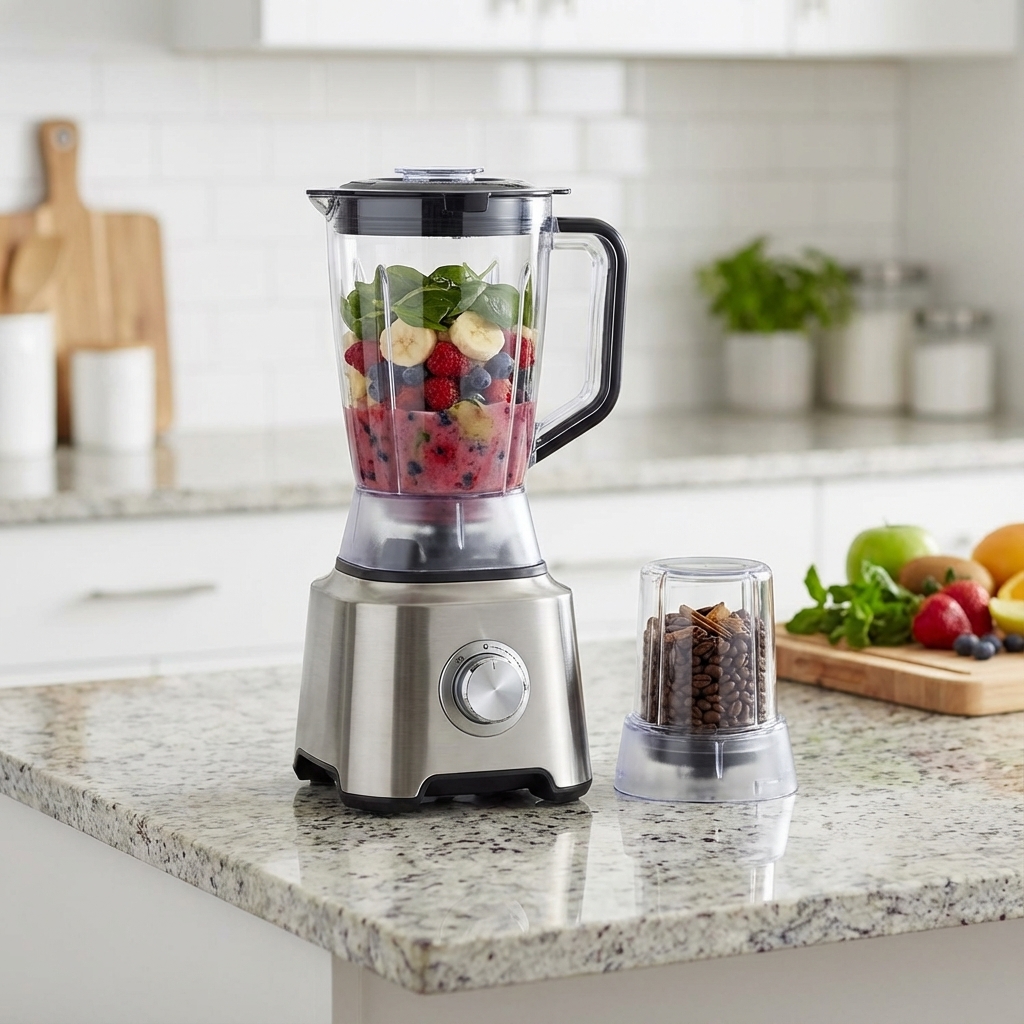
 TikTok Views
—
 Trend InterestCloser to 50 = very trending
6
 Avg Price
R$744
 Suppliers
17
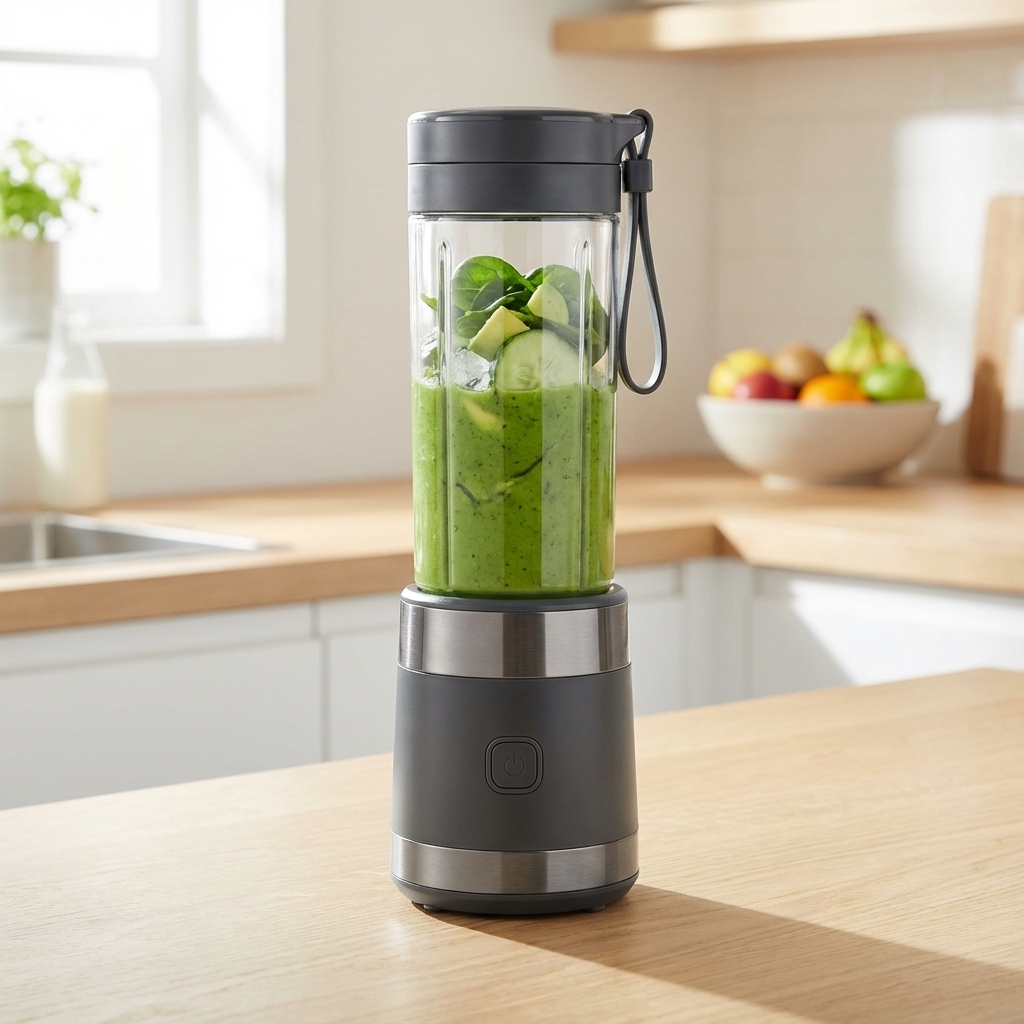 TikTok Views
—
Trend InterestCloser to 50 = very trending71
Avg PriceR$332
Suppliers16
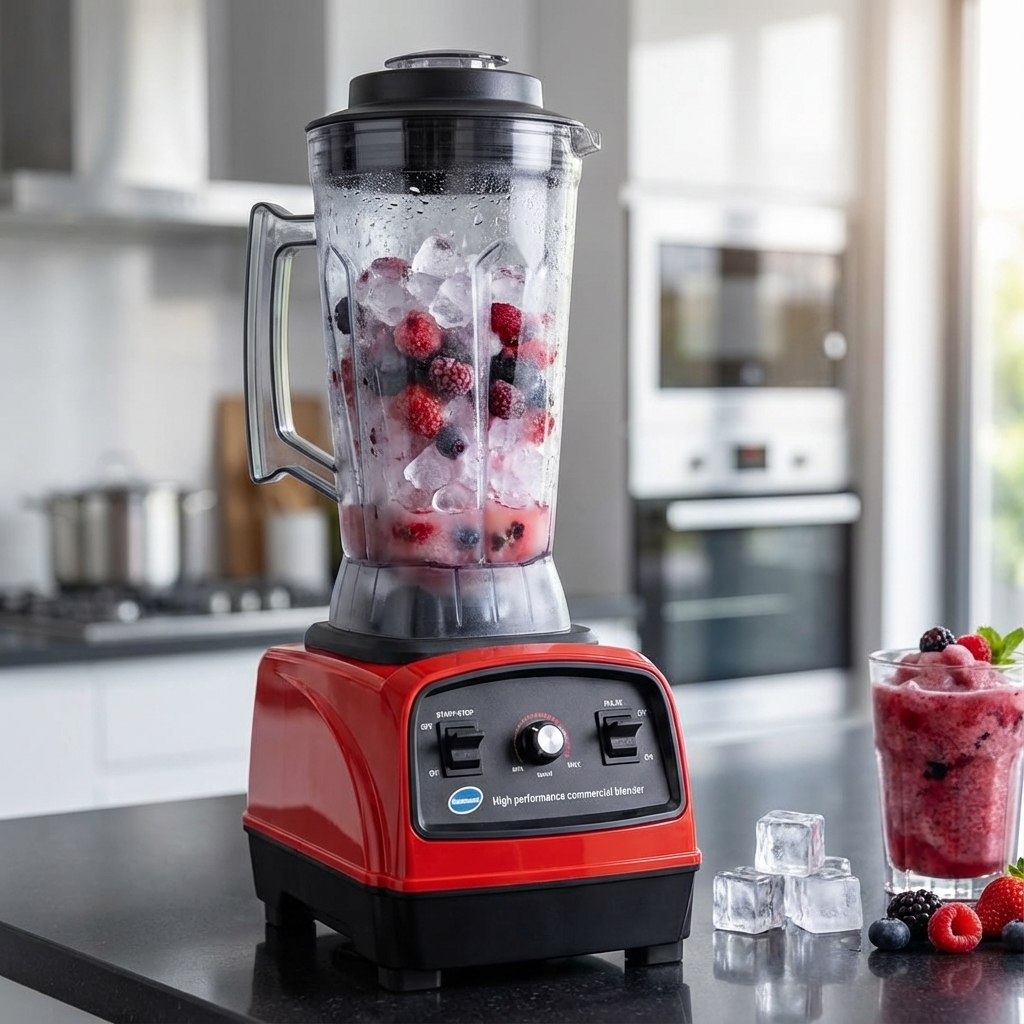 TikTok Views
—
Trend InterestCloser to 50 = very trending11
Avg PriceR$1213
Suppliers15
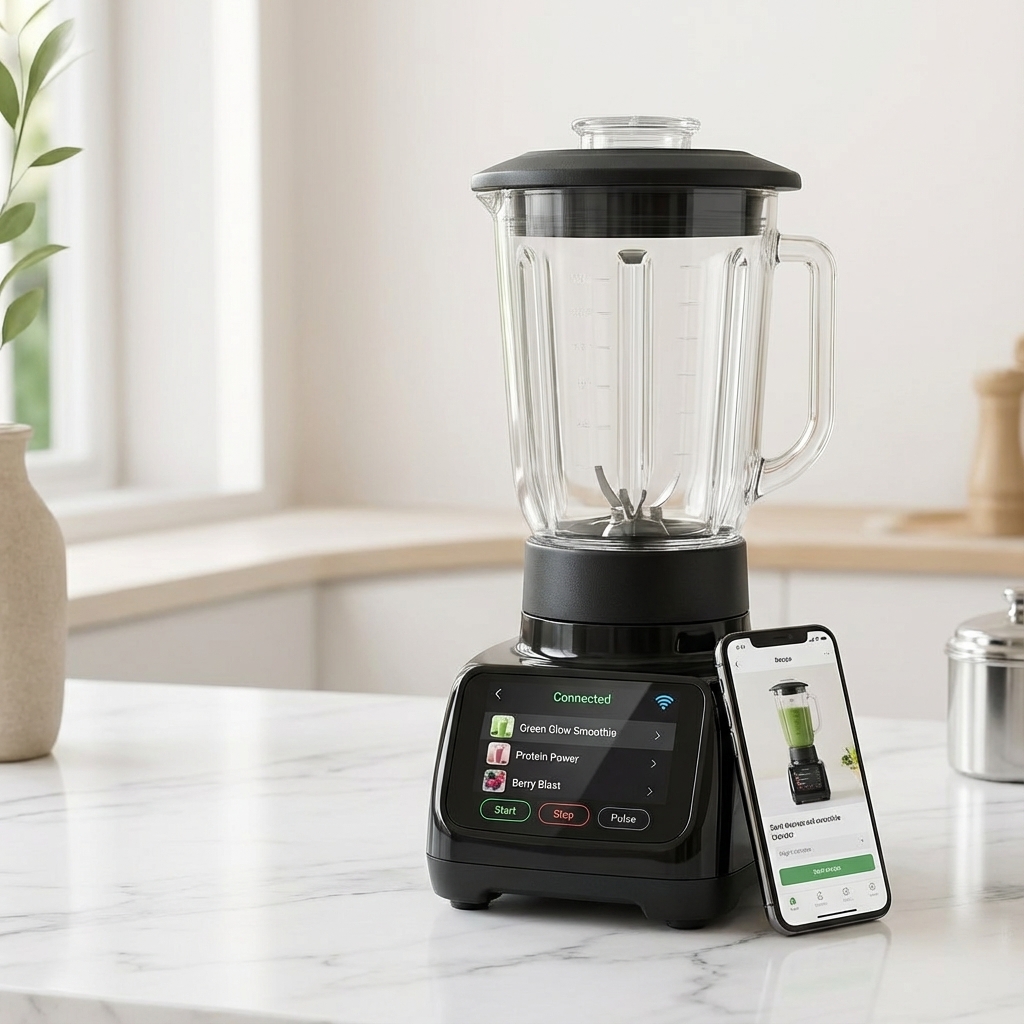 TikTok Views
—
Trend InterestCloser to 50 = very trending10
Avg PriceR$634
Suppliers11
 TikTok Views
5.9M
Trend InterestCloser to 50 = very trending80
Avg PriceR$421
Suppliers14
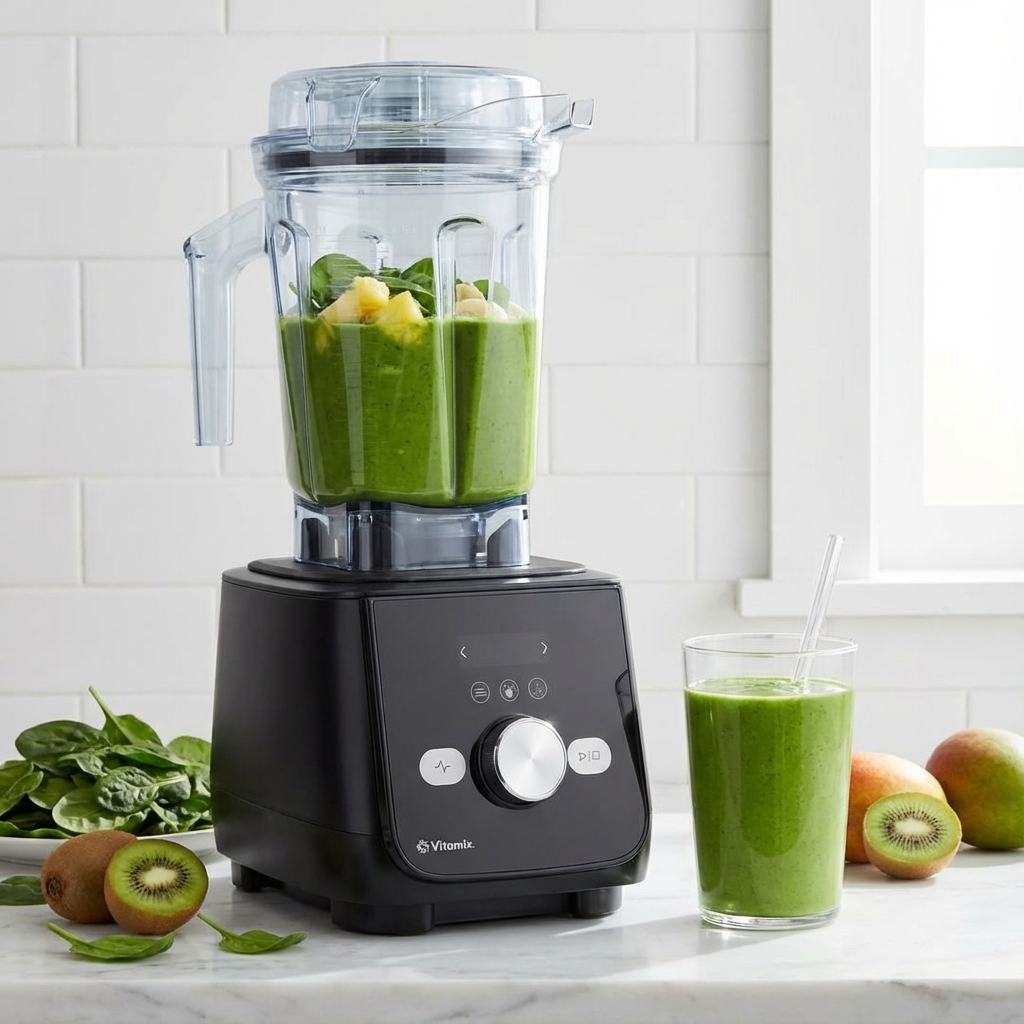
The Philippine blender market is experiencing a significant shift, driven by a consumer base that is increasingly health-conscious and values convenience. For the upcoming season, the focus is moving away from basic appliances towards more versatile and powerful models that support a healthier lifestyle. This trend reflects a broader change in consumer priorities, where kitchen appliances are seen as integral tools for wellness and efficient daily routines. Several key trends are emerging from this shift. Multi-functional blenders, capable of tasks from grinding to juicing, are gaining traction as consumers seek value and space-saving solutions. Portability is another major driver, with compact, USB-rechargeable personal blenders becoming indispensable for individuals with fast-paced, on-the-go lifestyles. Concurrently, the integration of smart technology is beginning to appeal to tech-savvy Filipinos, offering features like remote operation and pre-programmed settings for enhanced convenience. Ultimately, the blenders poised for success in the coming months will be those that successfully combine these trending attributes. The most popular models will offer a blend of high power for demanding tasks like ice-crushing, versatility to handle a wide range of food preparation needs, and convenience through compact design and user-friendly operation. This combination directly addresses the modern Filipino consumer's desire for appliances that are both powerful and practical, fitting seamlessly into their health-focused and busy lives.
The blender market in the Philippines offers a significant opportunity for brands that can deliver on quality and reliability. Across all segments—from portable personal blenders to high-power, multi-functional kitchen appliances—current offerings are plagued by common consumer complaints like weak motors, poor durability, electronic failures, and damage on arrival due to inadequate packaging. By partnering with a reliable blender manufacturer, brands can capture a dissatisfied market by sourcing products with superior components. Key success factors include specifying powerful pure copper motors with thermal protection, durable materials like shatter-resistant Tritan or borosilicate glass, and multi-point stainless steel blades. Addressing packaging with robust, transit-tested solutions is equally critical. Differentiation can be achieved through modern aesthetics like pastel or matte finishes, and advanced features such as hot/cold blending or smart connectivity, allowing brands to quickly establish a reputation for quality.
The market data and sourcing advantages that make this trend worth pursuing.
Typical range
$5.35–$25.99
Typical range
$27.46–$60.00
132K views • 9% engagement
Strong organic resonance
53 suppliers
MOQ flexibility & scale options
High-margin candidate for boutique retail.
Premium Suede Backpack
High-margin candidate for boutique retail.
Top-selling entry-level SKU on Amazon.
Supplier Examples
Supplier 1
MOQ 100 • 5+ yrs
Supplier 2
MOQ 100 • 5+ yrs
Supplier 3
MOQ 100 • 5+ yrs
Supplier 4
MOQ 100 • 5+ yrs
Supplier 5
MOQ 100 • 5+ yrs
Add or customize product features and we'll match you with verified suppliers.
Feature Matching
Find suppliers with matching capabilities
Quote Comparison
Compare pricing and lead times
Sampling & Production
Request samples and begin production
Explore Airfryer trends and sourcing opportunities
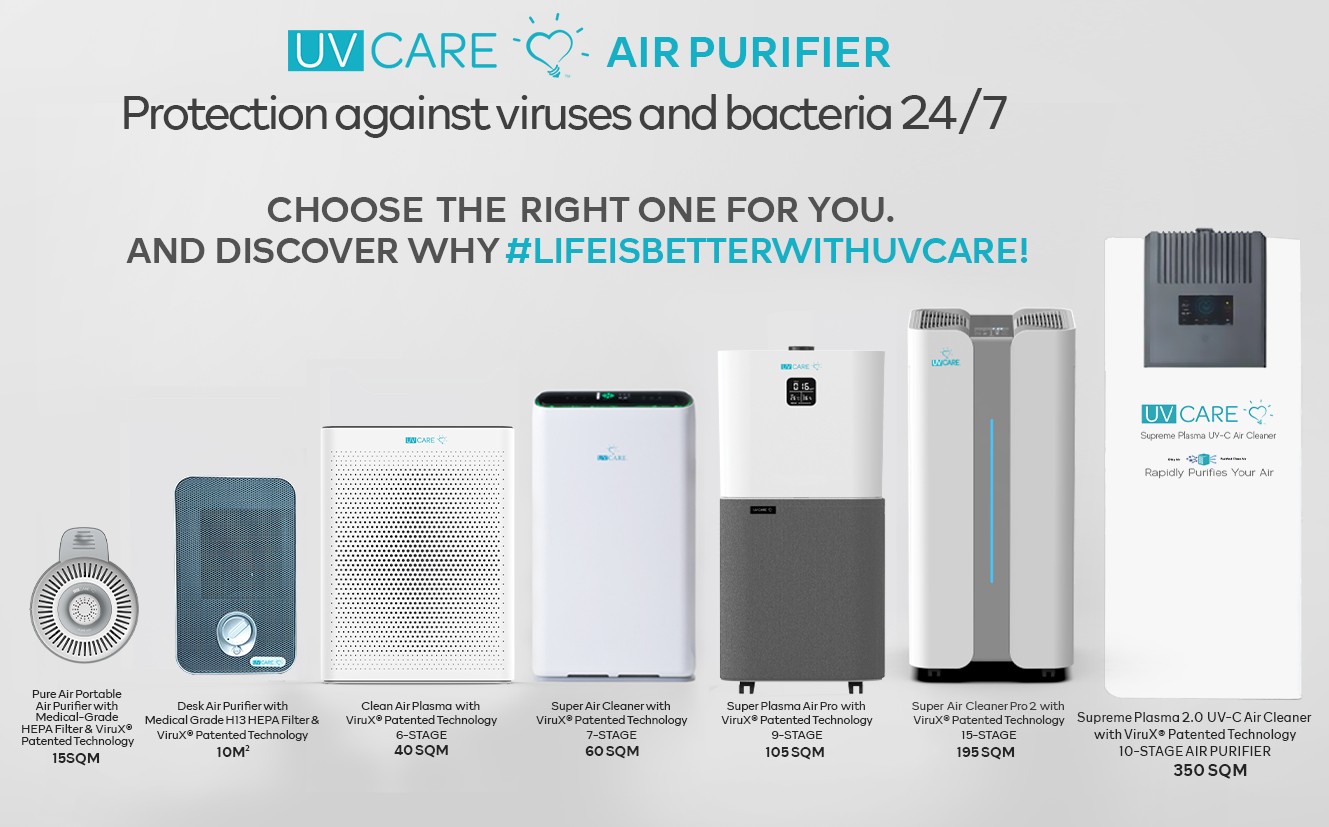
Explore Air Purifier trends and sourcing opportunities
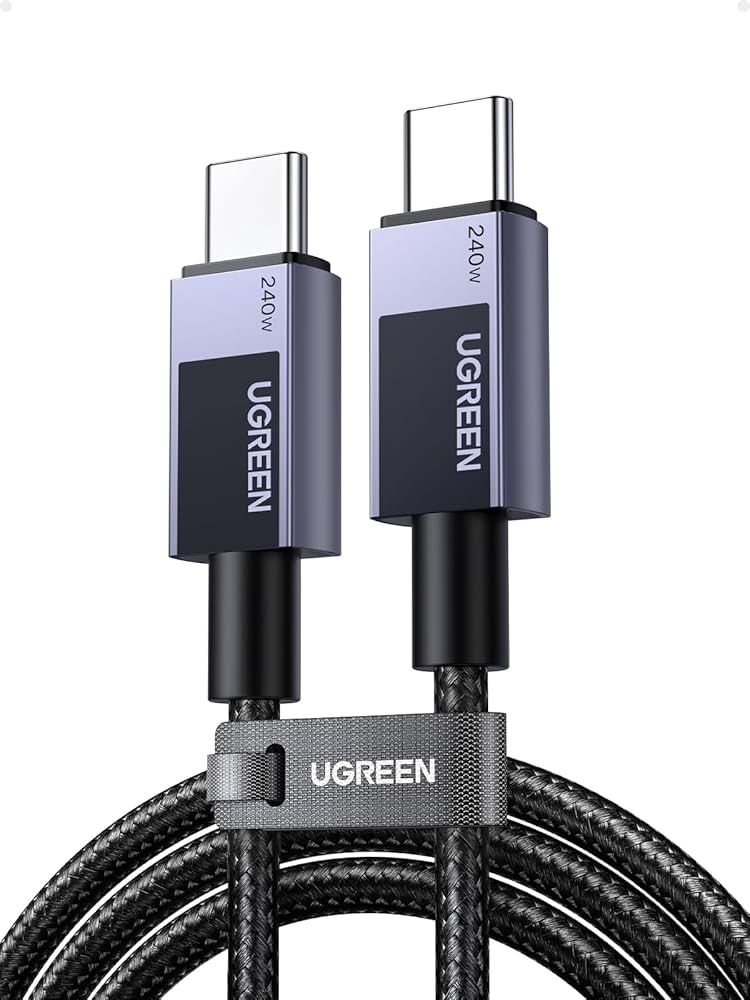
Explore Charging Cable trends and sourcing opportunities
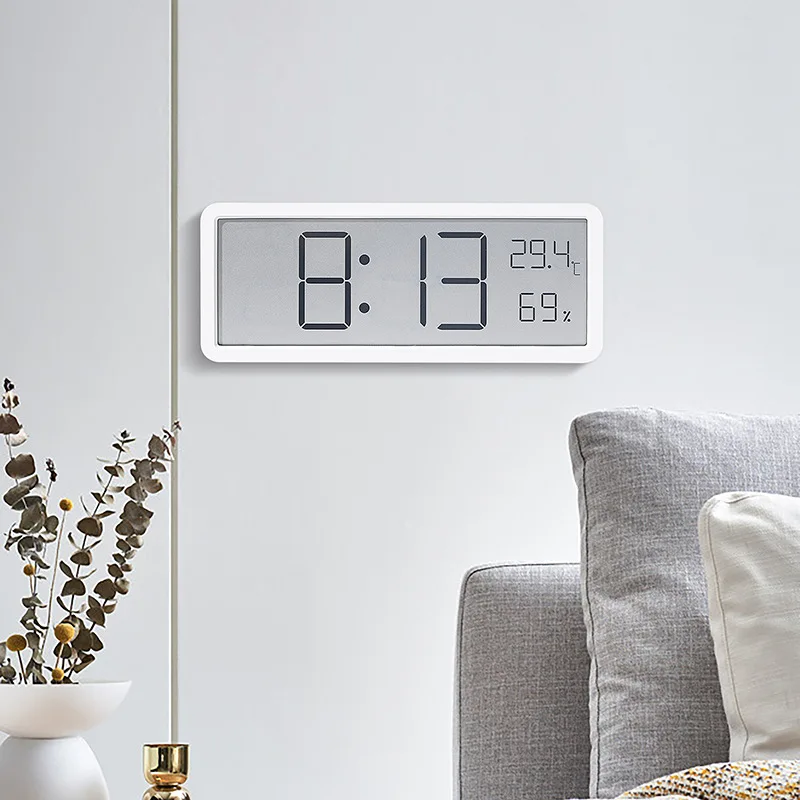
Explore Digital Clocks trends and sourcing opportunities
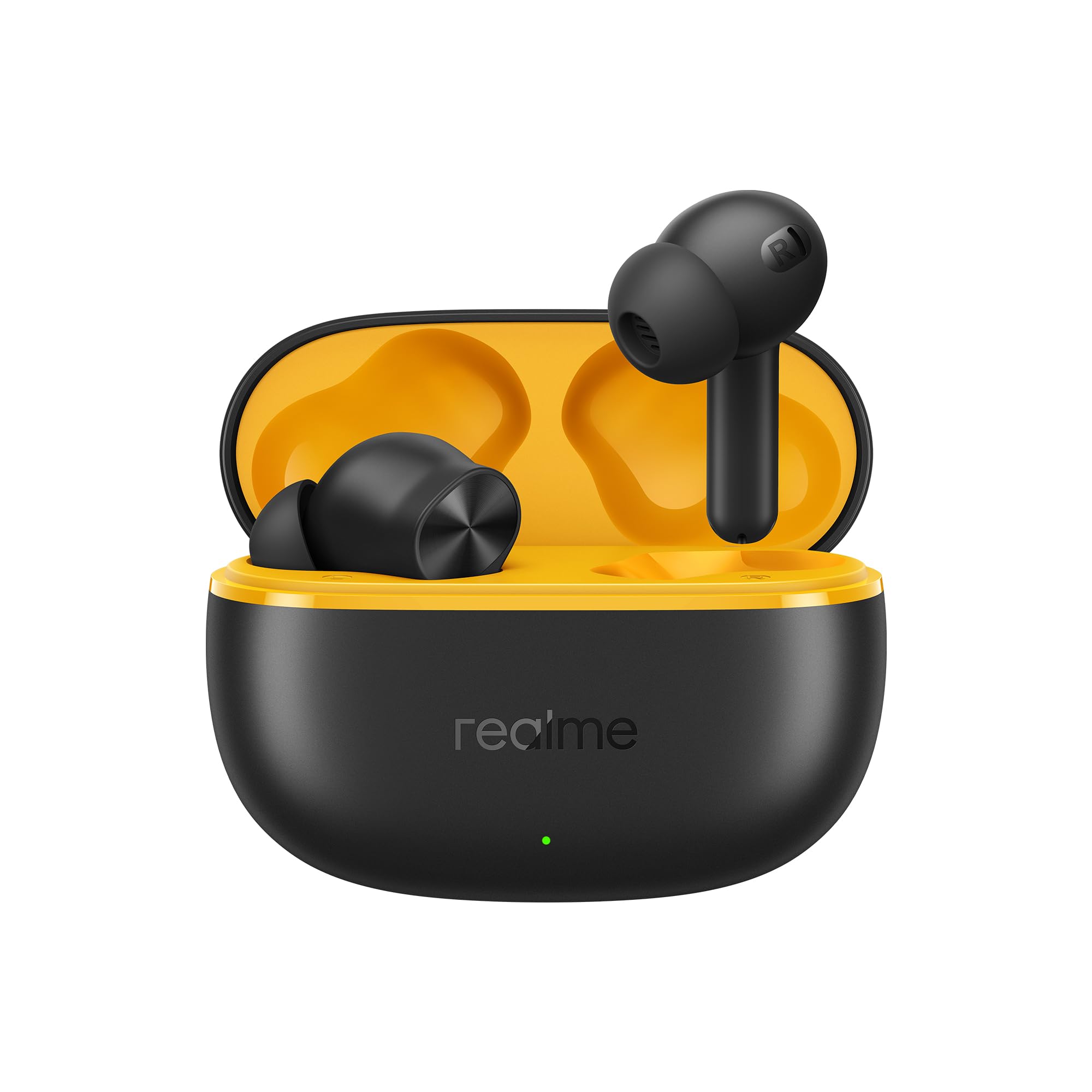
Explore Earbuds trends and sourcing opportunities
Minimum order quantities vary by supplier tier and product complexity. Value segment suppliers typically require 500-1,000 pieces per style/color, while premium manufacturers may accept 200-300 pieces for higher-value orders. Customization options like private labeling often increase MOQ requirements.
Common materials include cotton, polyester, modal, bamboo viscose, and various blends. Performance variants often incorporate spandex/elastane for stretch, while premium options may use pima cotton or Tencel. Material choice significantly impacts both FOB pricing and end-consumer appeal.
Request product samples before bulk orders, verify supplier certifications (ISO, BSCI, OEKO-TEX), check factory audit reports, and review trade history on B2B platforms. Our verified supplier ratings consider response rates, dispute history, and quality scores from verified transactions.
Standard production lead times range from 25-45 days depending on order complexity and supplier capacity. Rush orders may be possible at premium rates. Add 15-30 days for sea freight shipping to US ports, or 5-7 days for air freight on urgent orders.