
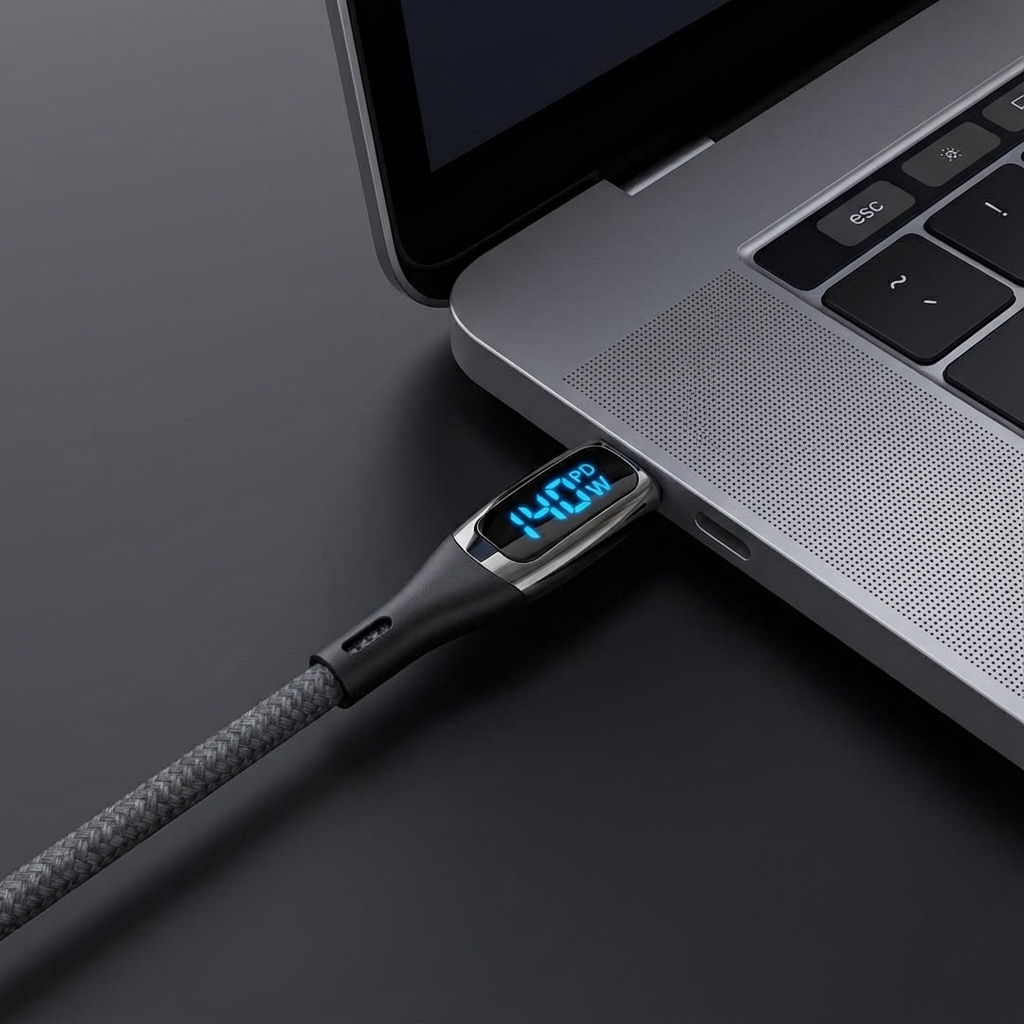
 TikTok Views
—
 Trend InterestCloser to 50 = very trending
19
 Avg Price
R$157
 Suppliers
8
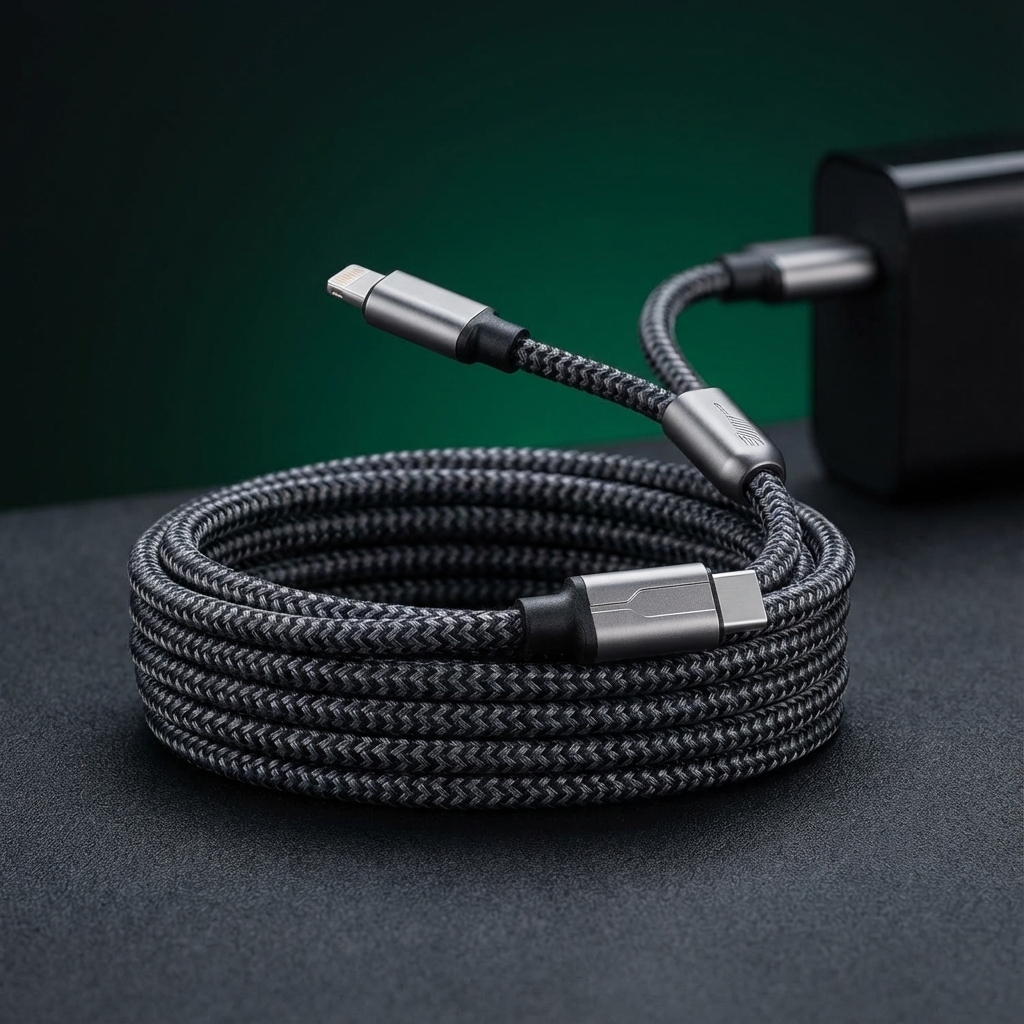 TikTok Views
—
Trend InterestCloser to 50 = very trending12
Avg PriceR$108
Suppliers17
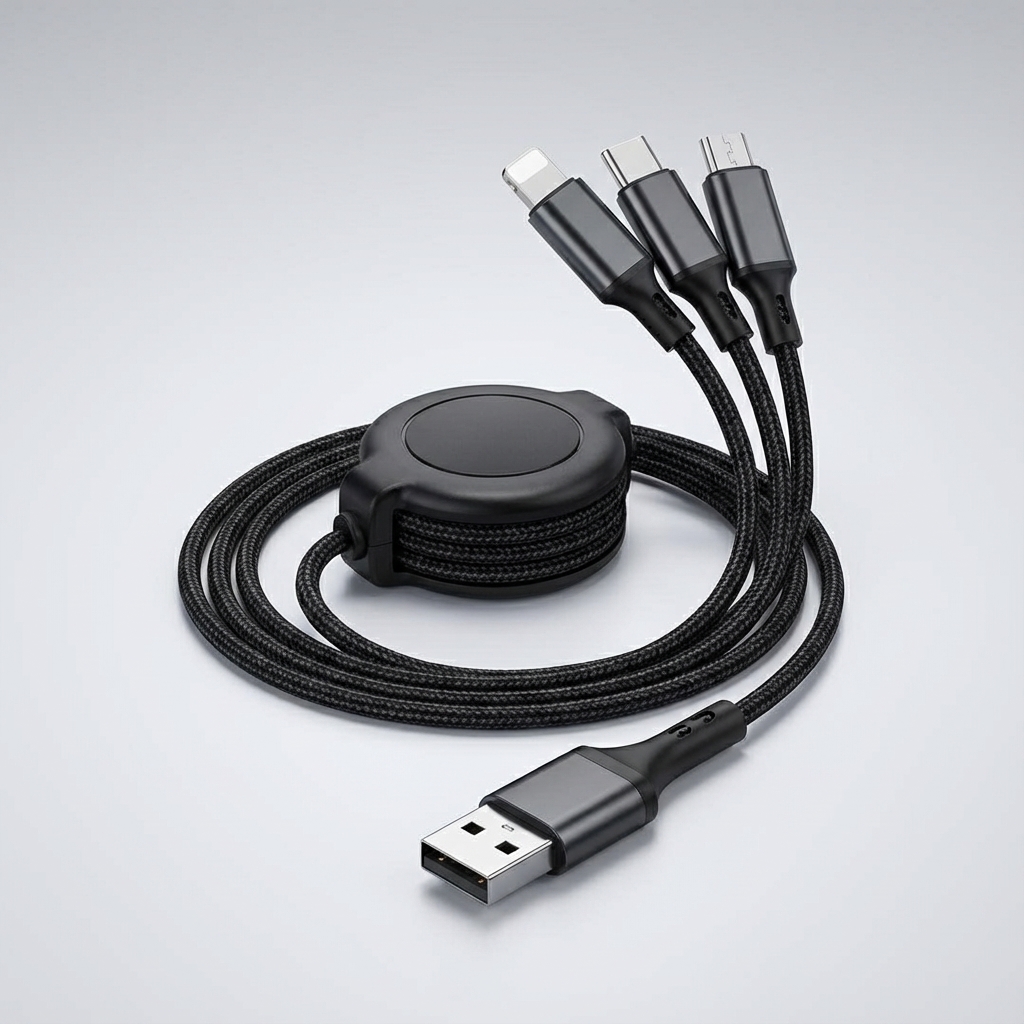 TikTok Views
—
Trend InterestCloser to 50 = very trending11
Avg PriceR$133
Suppliers16
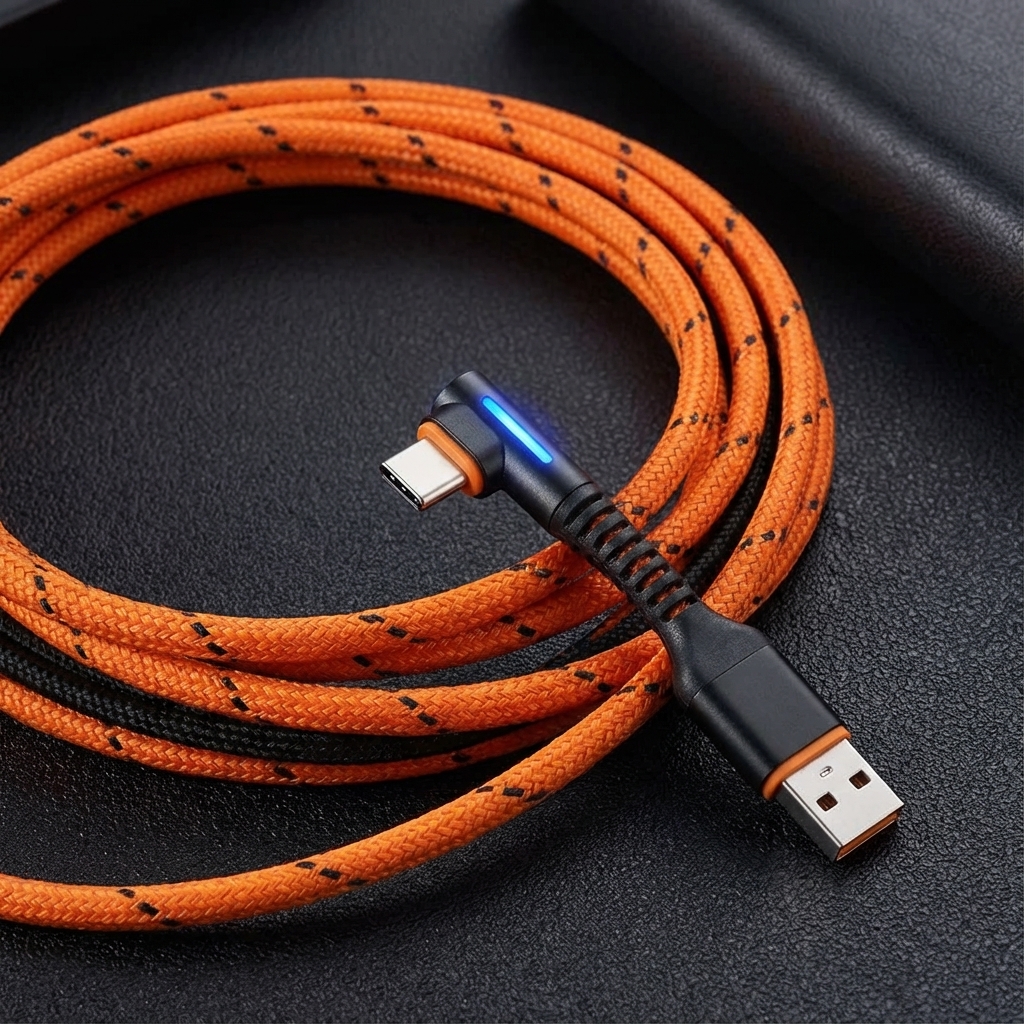 TikTok Views
—
Trend InterestCloser to 50 = very trending6
Avg PriceR$207
Suppliers17
 TikTok Views
—
Trend InterestCloser to 50 = very trending40
Avg PriceR$83
Suppliers18
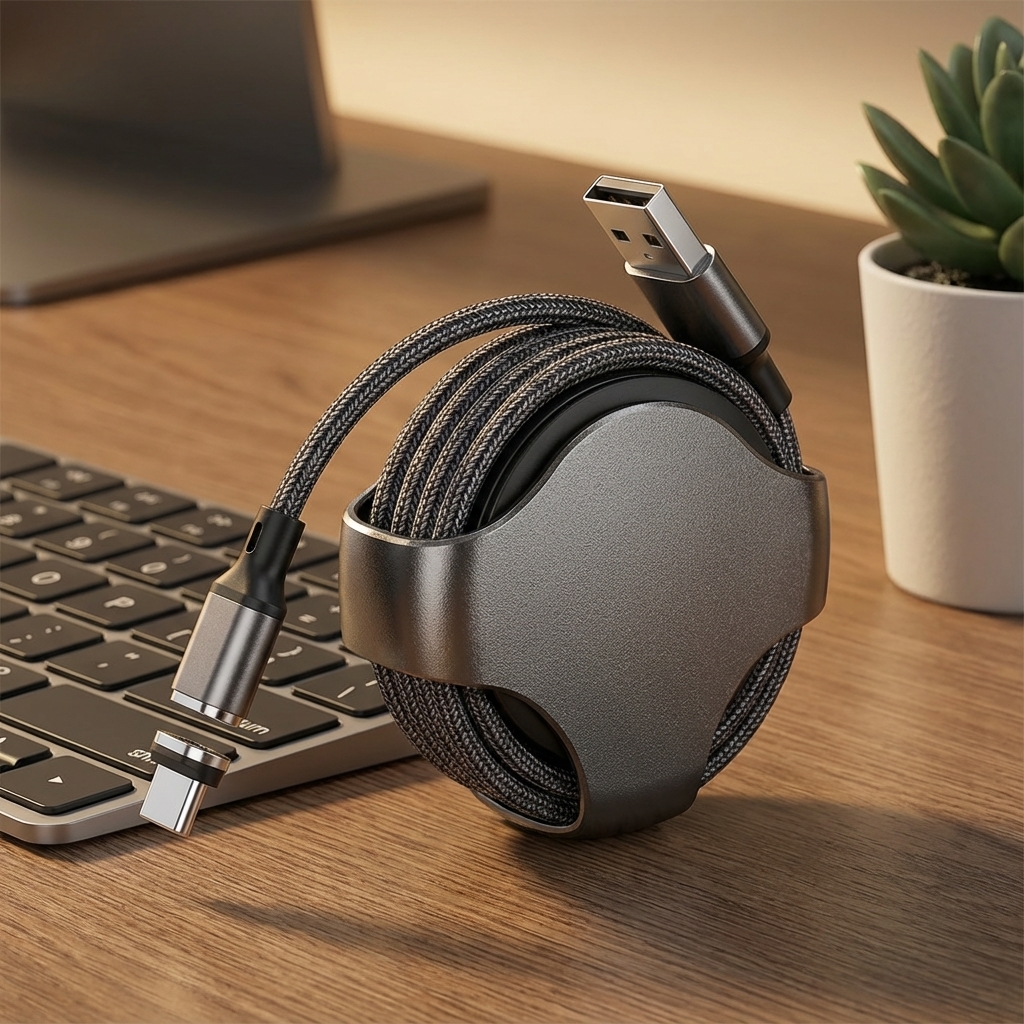
The Philippine charging cable market in 2026 is defined by a major shift towards high-performance and versatile solutions, driven by the universal adoption of USB-C. Consumers are increasingly demanding fast charging cables capable of delivering high wattages, from 100W to 240W, to power a wide array of devices from smartphones to gaming laptops. This push for speed is complemented by a strong preference for durability, making robust construction a key purchasing factor. Several key themes dominate the landscape. High-wattage Power Delivery (PD) cables are essential for power users with modern laptops and tablets, offering ultra-fast charging speeds. Simultaneously, durable braided charging cables are gaining immense popularity among practical consumers who seek longevity and value for money, moving away from standard, flimsy cables. Convenience is another major driver, fueling the demand for multi-connector cables that consolidate Lightning, USB-C, and Micro-USB into a single, clutter-free solution for users with diverse ecosystems. Niche categories are also carving out significant market share by catering to specific lifestyles. Specialized gaming charging cables, with their ergonomic 90-degree connectors and gamer-centric aesthetics like LED lights, are a hit among the country's massive mobile gaming community. Furthermore, innovative designs like magnetic and retractable cables are trending due to the enhanced convenience they offer, reducing port wear and eliminating tangled wires, which appeals to drivers, travelers, and tech-savvy individuals seeking practical lifestyle upgrades.
The charging cable market in the Philippines is a dynamic category ripe with opportunity for brands. The market is clearly segmented into two tiers: a value-focused segment demanding durable, braided cables with reliable fast-charging, and a premium segment for tech-savvy consumers seeking certified high-wattage Power Delivery (PD), superior materials like zinc alloy and ballistic nylon, and innovative features such as digital wattage displays, 90-degree gaming connectors, and magnetic or retractable designs. Success hinges on addressing widespread consumer frustrations with flimsy, slow, and unreliable cables. By sourcing quality-controlled products that solve these pain points, brands can quickly capture market share and build loyalty. A strategic approach to charger cable wholesale is essential to capitalize on this trend.
The market data and sourcing advantages that make this trend worth pursuing.
Typical range
$5.35–$25.99
Typical range
$27.46–$60.00
132K views • 9% engagement
Strong organic resonance
53 suppliers
MOQ flexibility & scale options
High-margin candidate for boutique retail.
Premium Suede Backpack
High-margin candidate for boutique retail.
Top-selling entry-level SKU on Amazon.
Supplier Examples
Supplier 1
MOQ 100 • 5+ yrs
Supplier 2
MOQ 100 • 5+ yrs
Supplier 3
MOQ 100 • 5+ yrs
Supplier 4
MOQ 100 • 5+ yrs
Supplier 5
MOQ 100 • 5+ yrs
Add or customize product features and we'll match you with verified suppliers.
Feature Matching
Find suppliers with matching capabilities
Quote Comparison
Compare pricing and lead times
Sampling & Production
Request samples and begin production
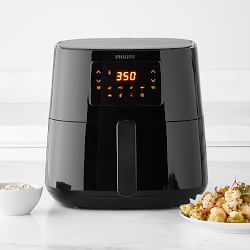
Explore Airfryer trends and sourcing opportunities

Explore Air Purifier trends and sourcing opportunities
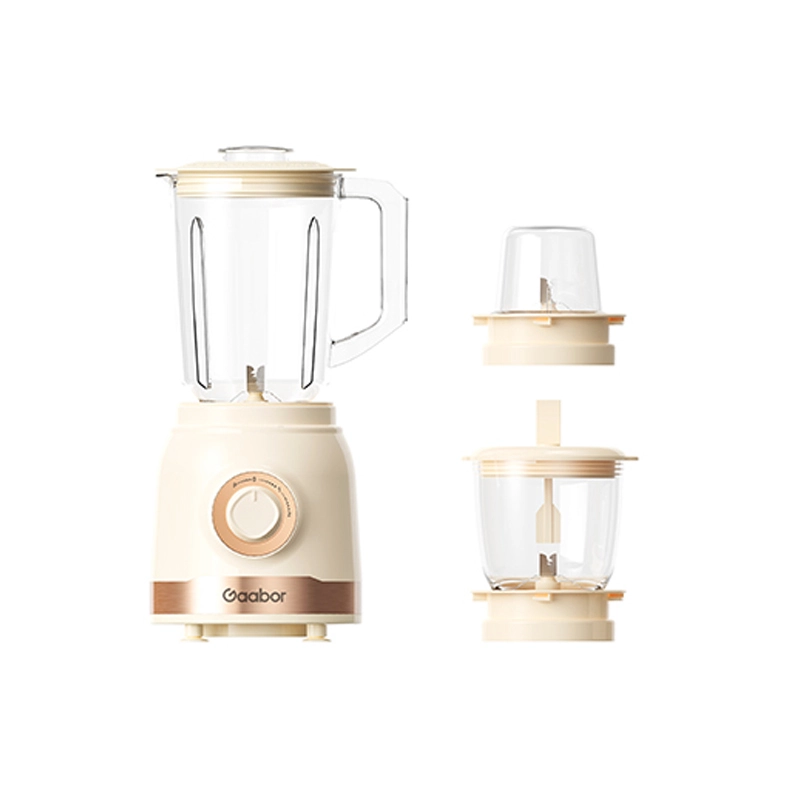
Explore Blender trends and sourcing opportunities
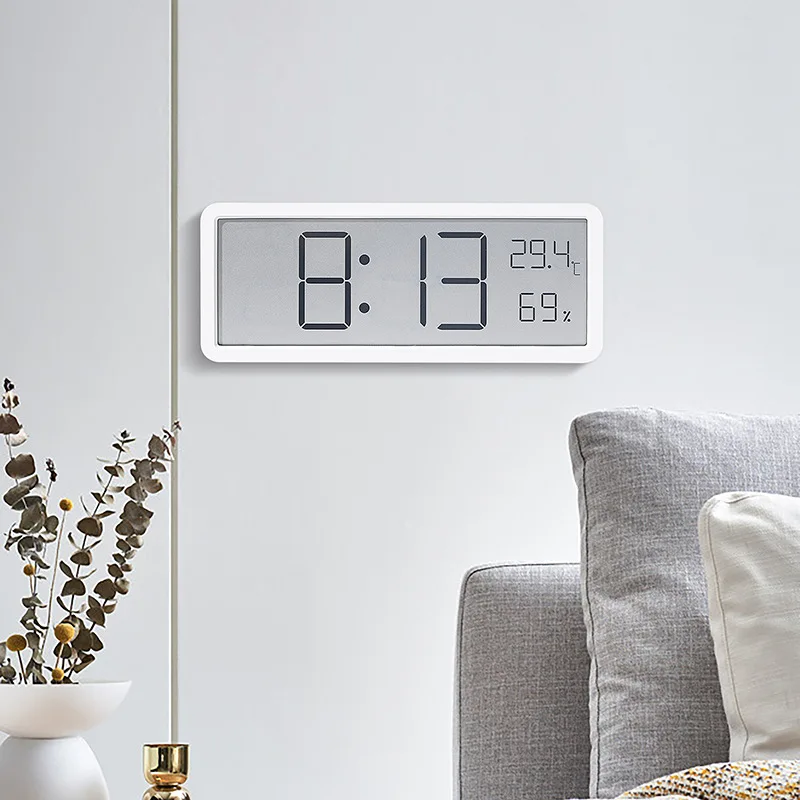
Explore Digital Clocks trends and sourcing opportunities
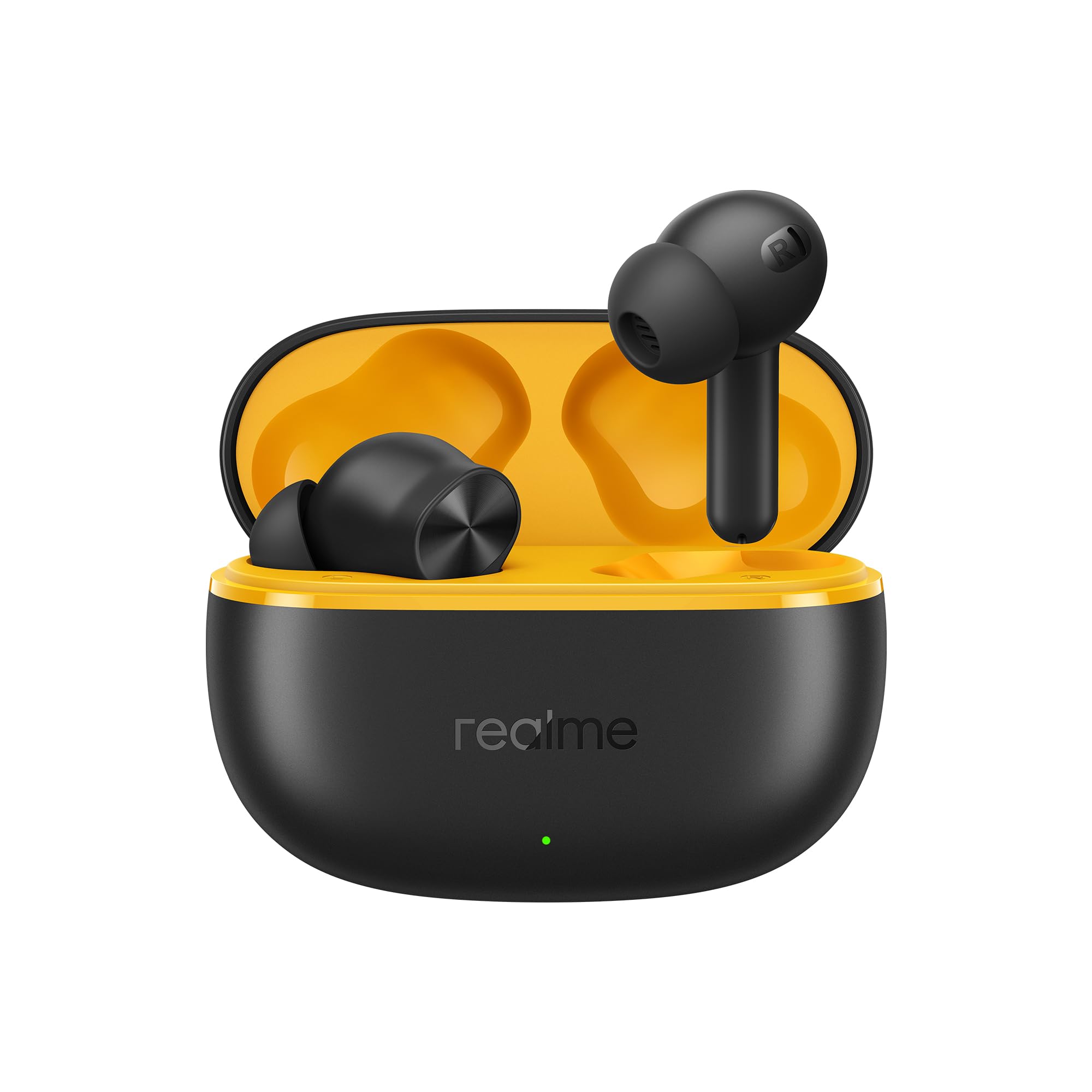
Explore Earbuds trends and sourcing opportunities
Minimum order quantities vary by supplier tier and product complexity. Value segment suppliers typically require 500-1,000 pieces per style/color, while premium manufacturers may accept 200-300 pieces for higher-value orders. Customization options like private labeling often increase MOQ requirements.
Common materials include cotton, polyester, modal, bamboo viscose, and various blends. Performance variants often incorporate spandex/elastane for stretch, while premium options may use pima cotton or Tencel. Material choice significantly impacts both FOB pricing and end-consumer appeal.
Request product samples before bulk orders, verify supplier certifications (ISO, BSCI, OEKO-TEX), check factory audit reports, and review trade history on B2B platforms. Our verified supplier ratings consider response rates, dispute history, and quality scores from verified transactions.
Standard production lead times range from 25-45 days depending on order complexity and supplier capacity. Rush orders may be possible at premium rates. Add 15-30 days for sea freight shipping to US ports, or 5-7 days for air freight on urgent orders.