
 TikTok Views
1.0M
 Trend InterestCloser to 50 = very trending
6
 Avg Price
$13
 Suppliers
18
 TikTok Views
—
Trend InterestCloser to 50 = very trending15
Avg Price$12
Suppliers17
 TikTok Views
—
Trend InterestCloser to 50 = very trending10
Avg Price$14
Suppliers15
 TikTok Views
11.4M
Trend InterestCloser to 50 = very trending50
Avg Price$14
Suppliers1
 TikTok Views
—
Trend InterestCloser to 50 = very trending8
Avg Price$12
Suppliers13
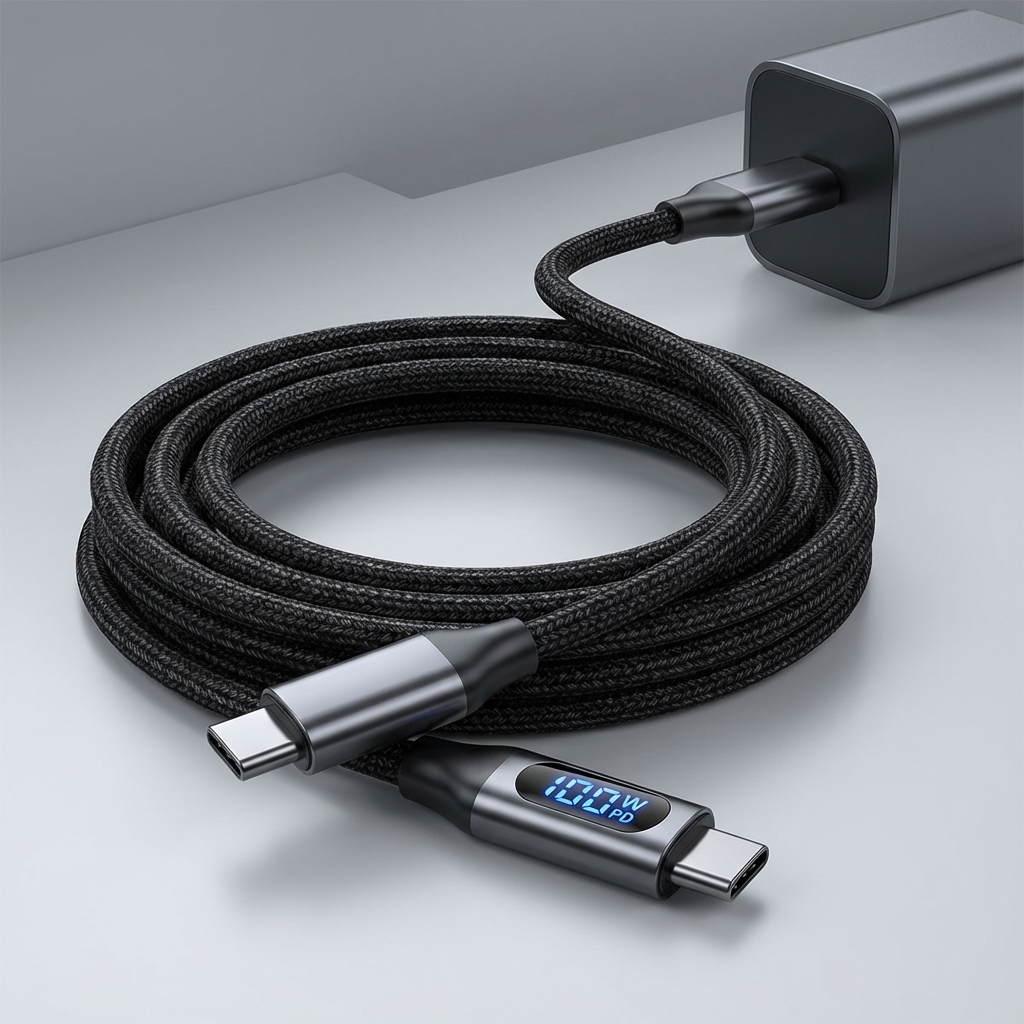
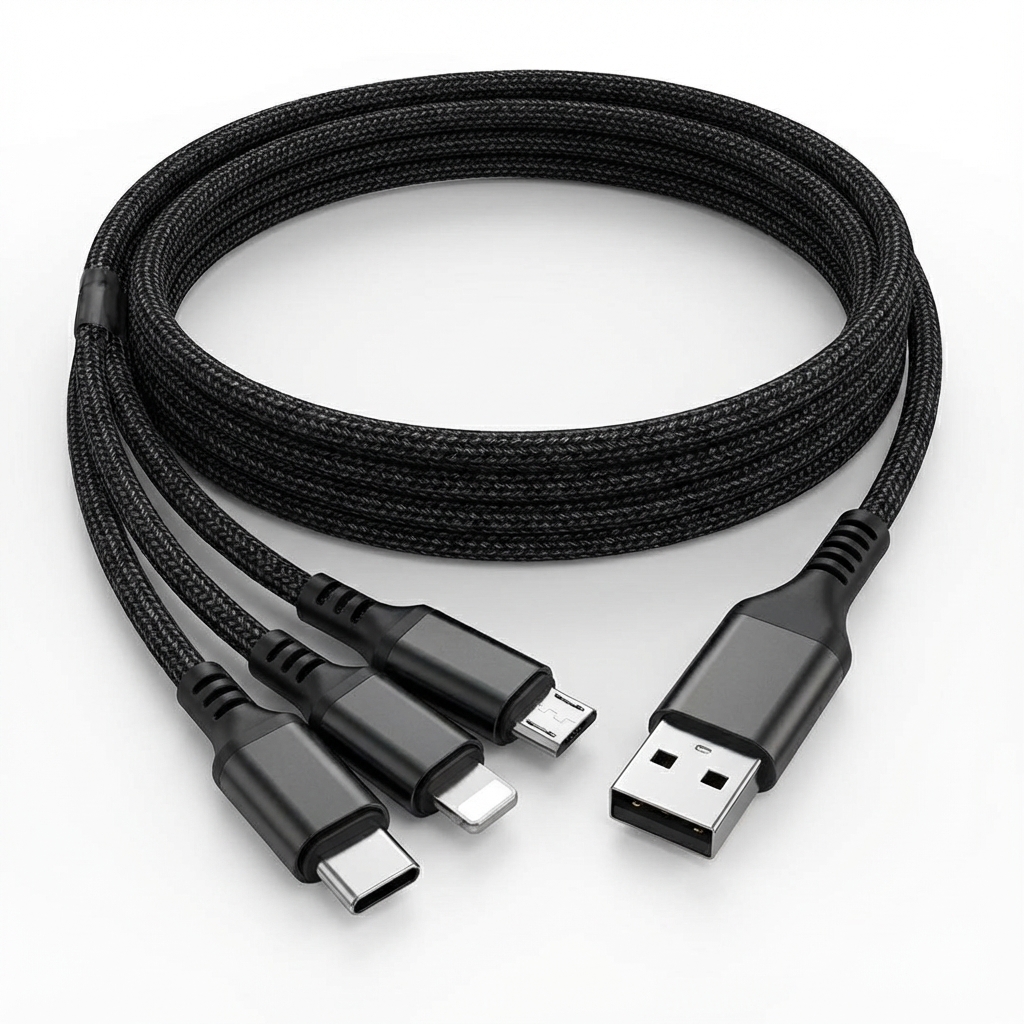
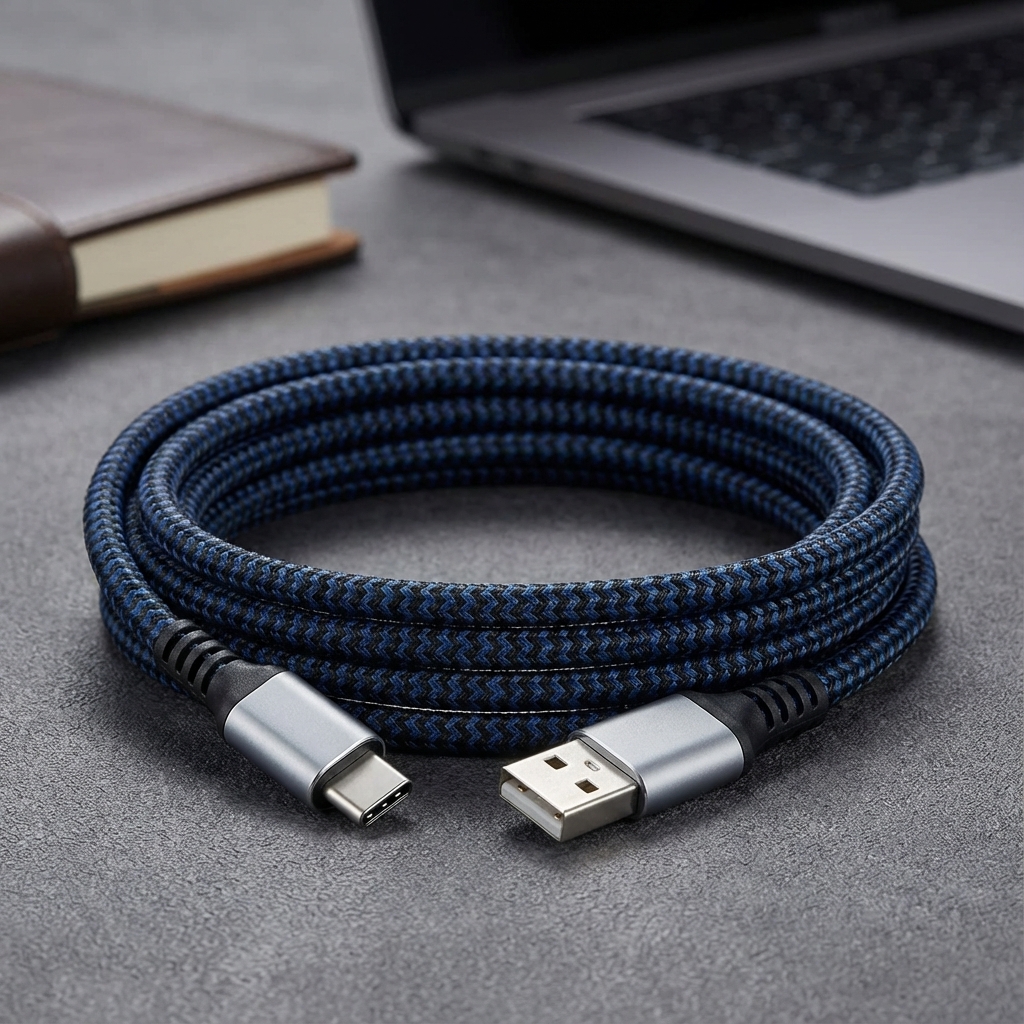
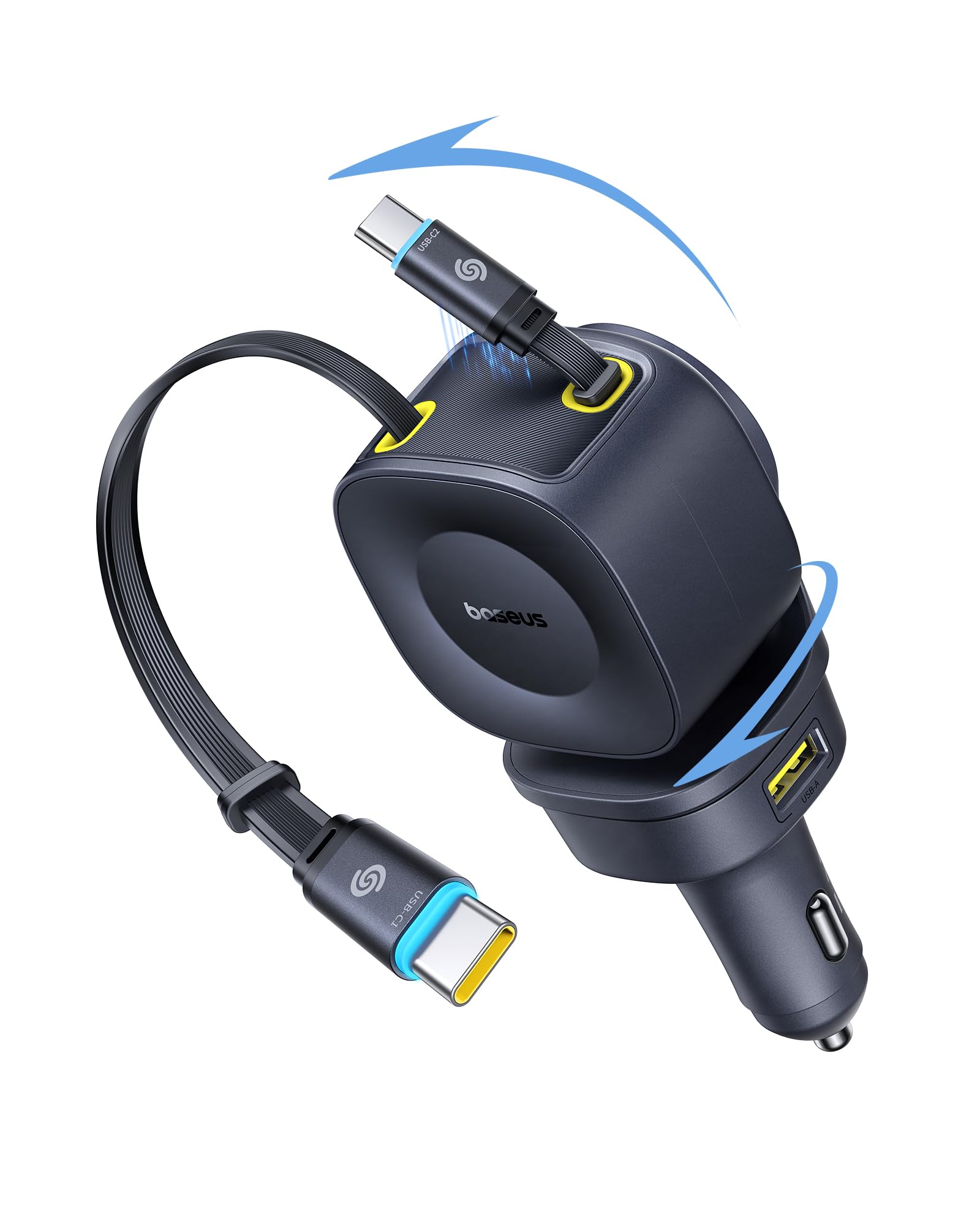
In 2026, the US charging cable market is fundamentally shaped by the near-universal adoption of USB-C. This transition has elevated fast charging from a luxury feature to a standard expectation, with 100W Power Delivery (PD) capabilities becoming commonplace. Consumers now seek powerful cables that can energize a wide array of devices, from smartphones to high-performance laptops, pushing the industry towards higher performance standards and certified safety features like E-Marker chips to manage increased power levels effectively. Alongside performance, durability and convenience have become paramount. Consumers, weary of flimsy and disposable cables, are increasingly investing in premium options made from braided nylon and woven fabrics. These materials not only offer superior longevity and tangle resistance but also position the cable as a lifestyle accessory. Simultaneously, the persistence of older connectors like Lightning and Micro USB has fueled demand for multi-connector cables, which provide an all-in-one solution for users managing a diverse ecosystem of new and legacy devices, making them ideal for families and shared spaces. Niche markets are also experiencing significant growth by catering to specific user needs. For professionals and content creators, high-speed data transfer is crucial, driving the adoption of advanced USB4 and Thunderbolt 4 cables that support both rapid charging and data-intensive tasks like connecting to 4K monitors. On the other end of the spectrum, convenience-focused designs such as magnetic and retractable cables are gaining traction. These innovative solutions address everyday annoyances by offering practical benefits for travel, in-car use, and decluttering, proving that user experience is a key driver of market trends.
The market data and sourcing advantages that make this trend worth pursuing.
Typical range
$5.35–$25.99
Typical range
$27.46–$60.00
132K views • 9% engagement
Strong organic resonance
53 suppliers
MOQ flexibility & scale options
High-margin candidate for boutique retail.
Premium Suede Backpack
High-margin candidate for boutique retail.
Top-selling entry-level SKU on Amazon.
Supplier Examples
Supplier 1
MOQ 100 • 5+ yrs
Supplier 2
MOQ 100 • 5+ yrs
Supplier 3
MOQ 100 • 5+ yrs
Supplier 4
MOQ 100 • 5+ yrs
Supplier 5
MOQ 100 • 5+ yrs
Add or customize product features and we'll match you with verified suppliers.
Feature Matching
Find suppliers with matching capabilities
Quote Comparison
Compare pricing and lead times
Sampling & Production
Request samples and begin production
Minimum order quantities vary by supplier tier and product complexity. Value segment suppliers typically require 500-1,000 pieces per style/color, while premium manufacturers may accept 200-300 pieces for higher-value orders. Customization options like private labeling often increase MOQ requirements.
Common materials include cotton, polyester, modal, bamboo viscose, and various blends. Performance variants often incorporate spandex/elastane for stretch, while premium options may use pima cotton or Tencel. Material choice significantly impacts both FOB pricing and end-consumer appeal.
Request product samples before bulk orders, verify supplier certifications (ISO, BSCI, OEKO-TEX), check factory audit reports, and review trade history on B2B platforms. Our verified supplier ratings consider response rates, dispute history, and quality scores from verified transactions.
Standard production lead times range from 25-45 days depending on order complexity and supplier capacity. Rush orders may be possible at premium rates. Add 15-30 days for sea freight shipping to US ports, or 5-7 days for air freight on urgent orders.