
 TikTok Views
41.4M
 Trend InterestCloser to 50 = very trending
23
 Avg Price
R$404
 Suppliers
17
 TikTok Views
1.4M
Trend InterestCloser to 50 = very trending6
Avg PriceR$238
Suppliers21
 IG Views
389.7K
Trend InterestCloser to 50 = very trending19
Avg PriceR$301
Suppliers18
 TikTok Views
—
Trend InterestCloser to 50 = very trending50
Avg PriceR$430
Suppliers16
 TikTok Views
151.1K
Trend InterestCloser to 50 = very trending30
 Avg Price
—
Suppliers—
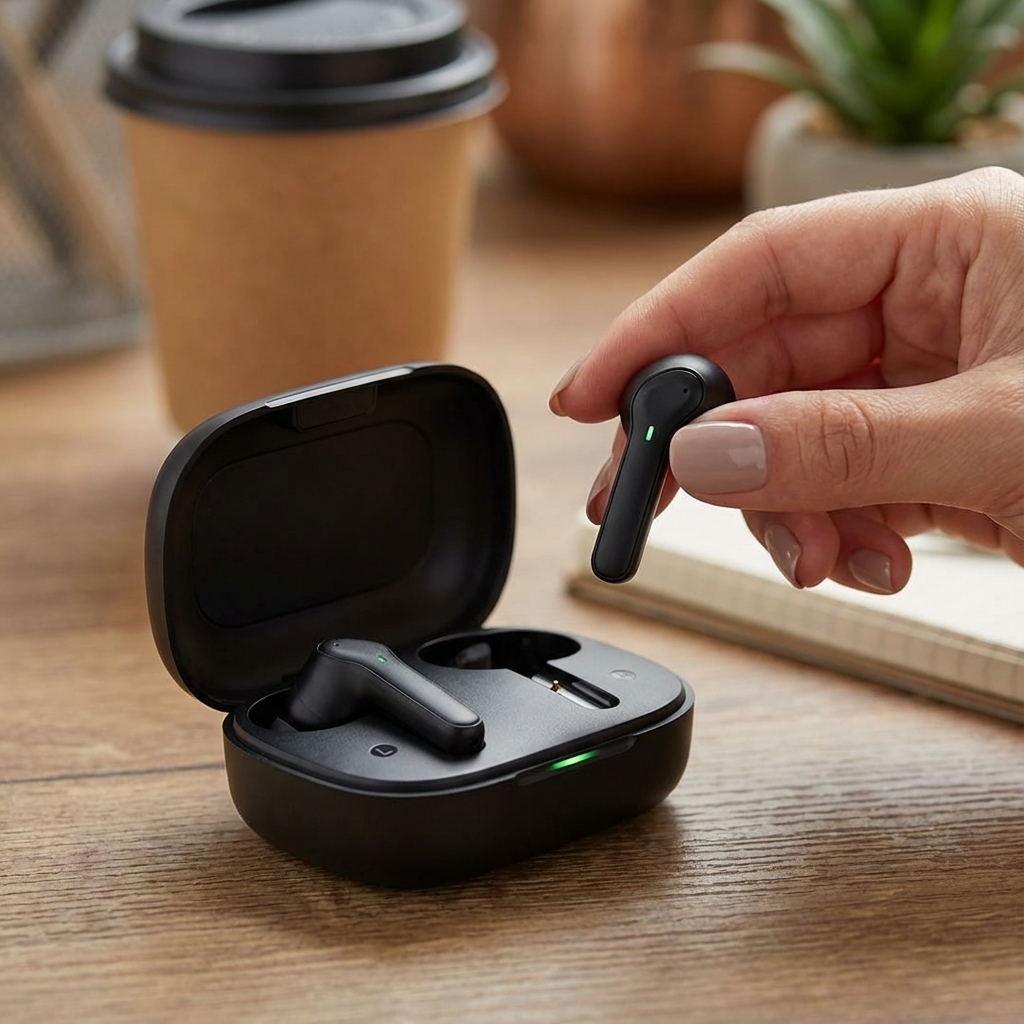
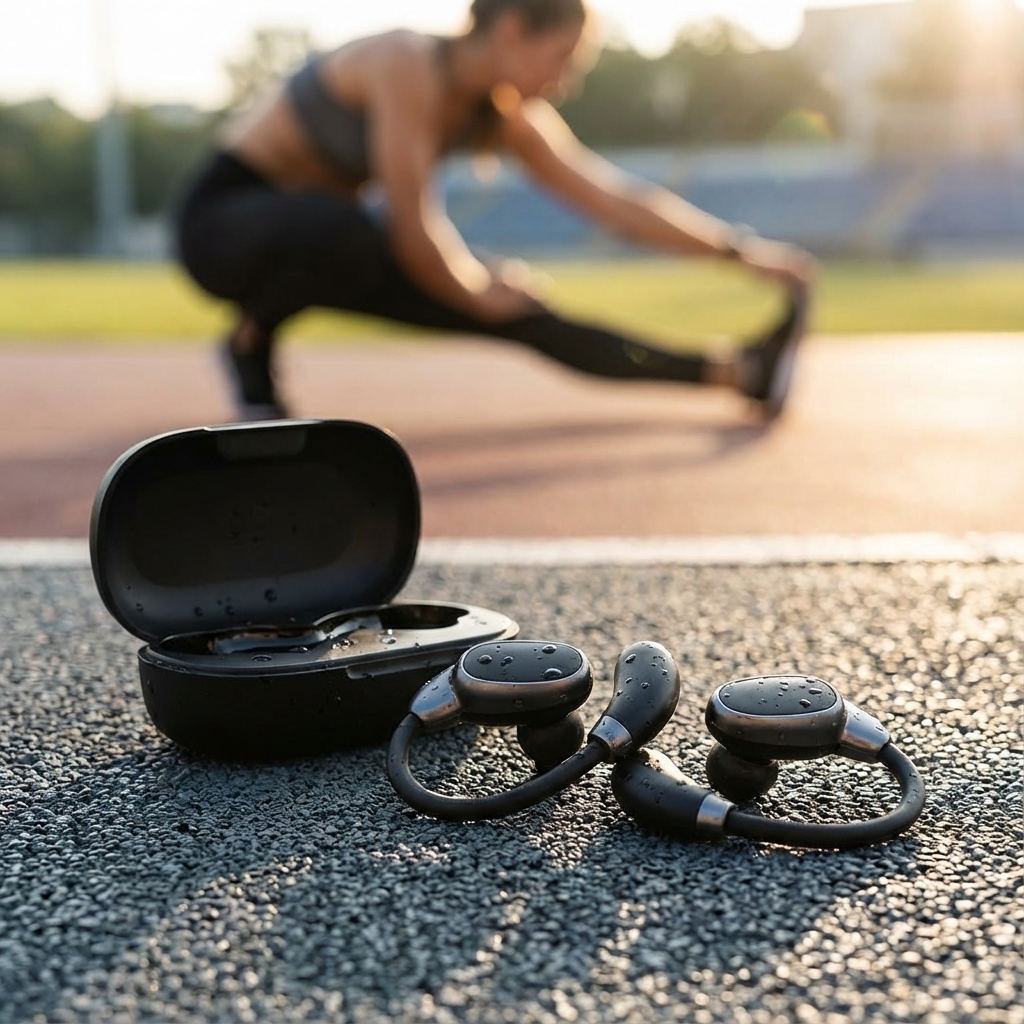
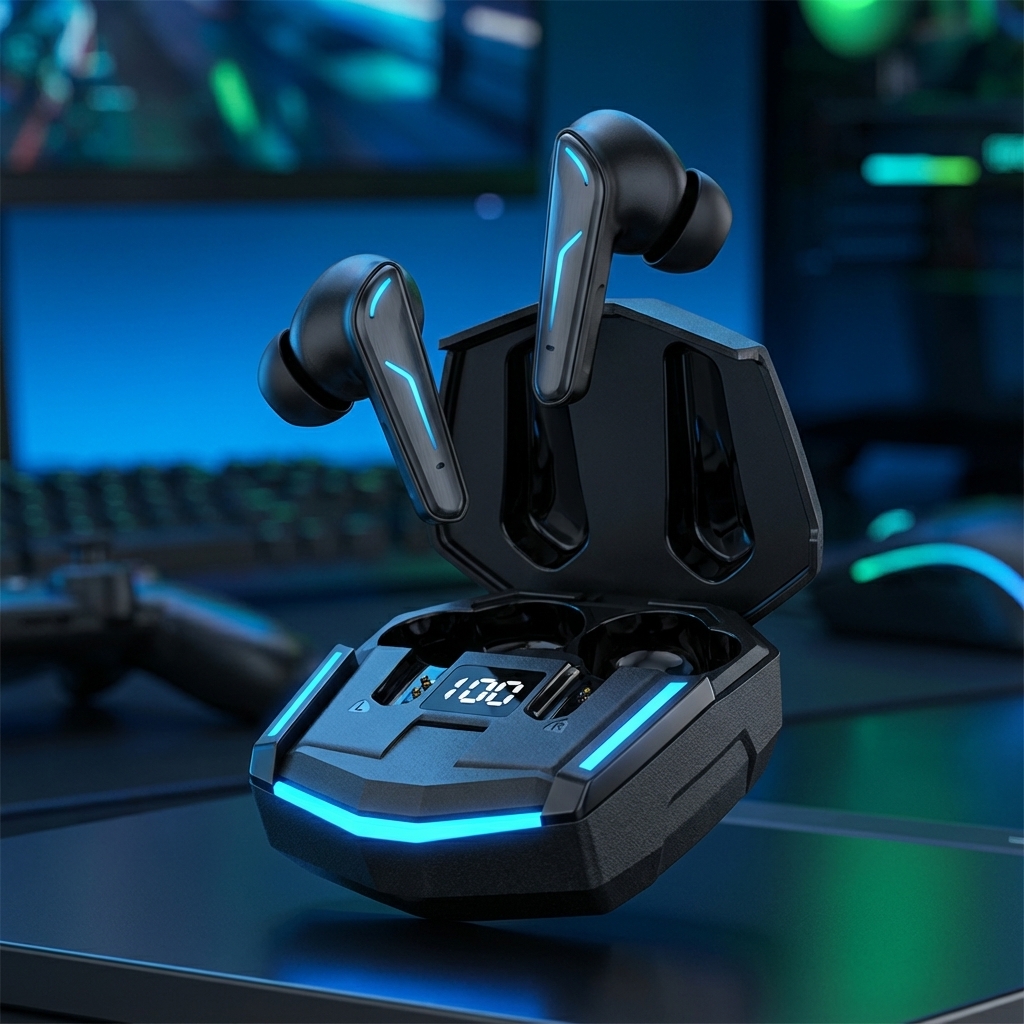
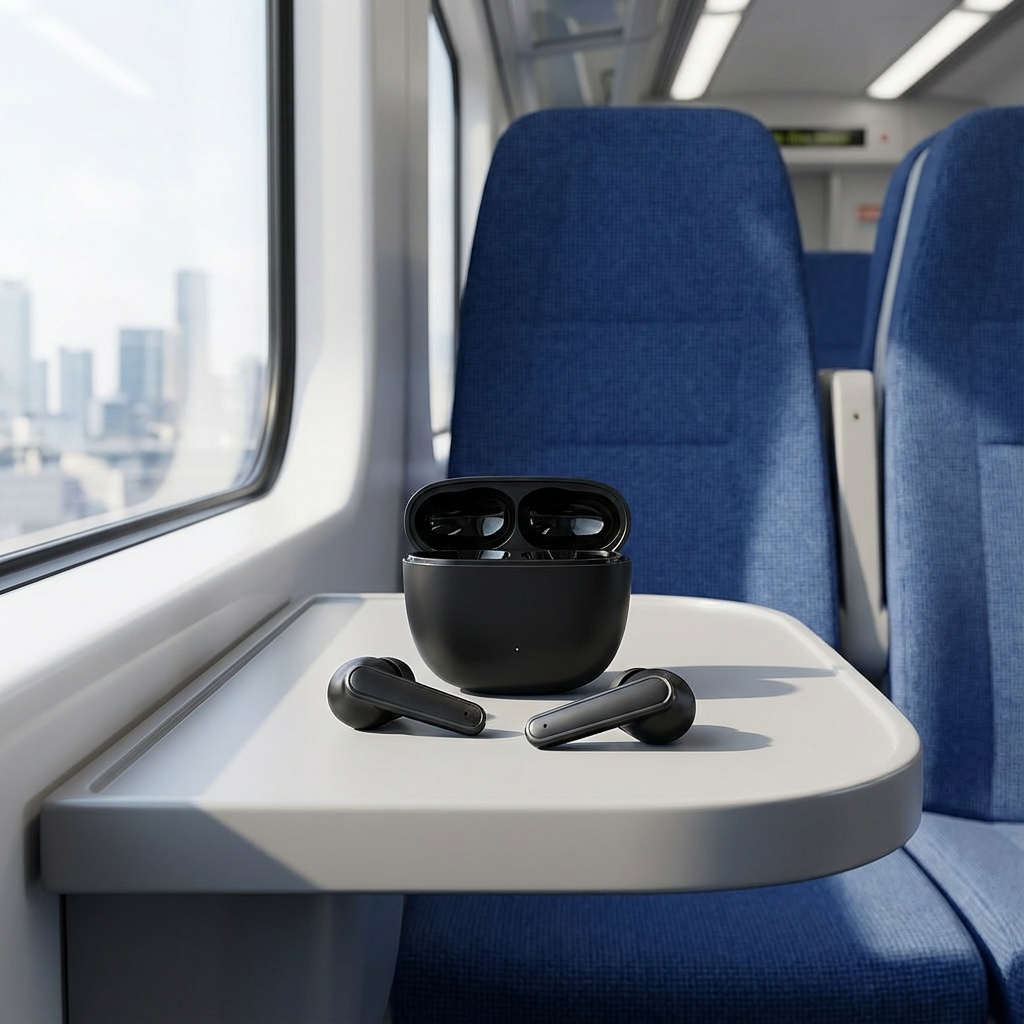
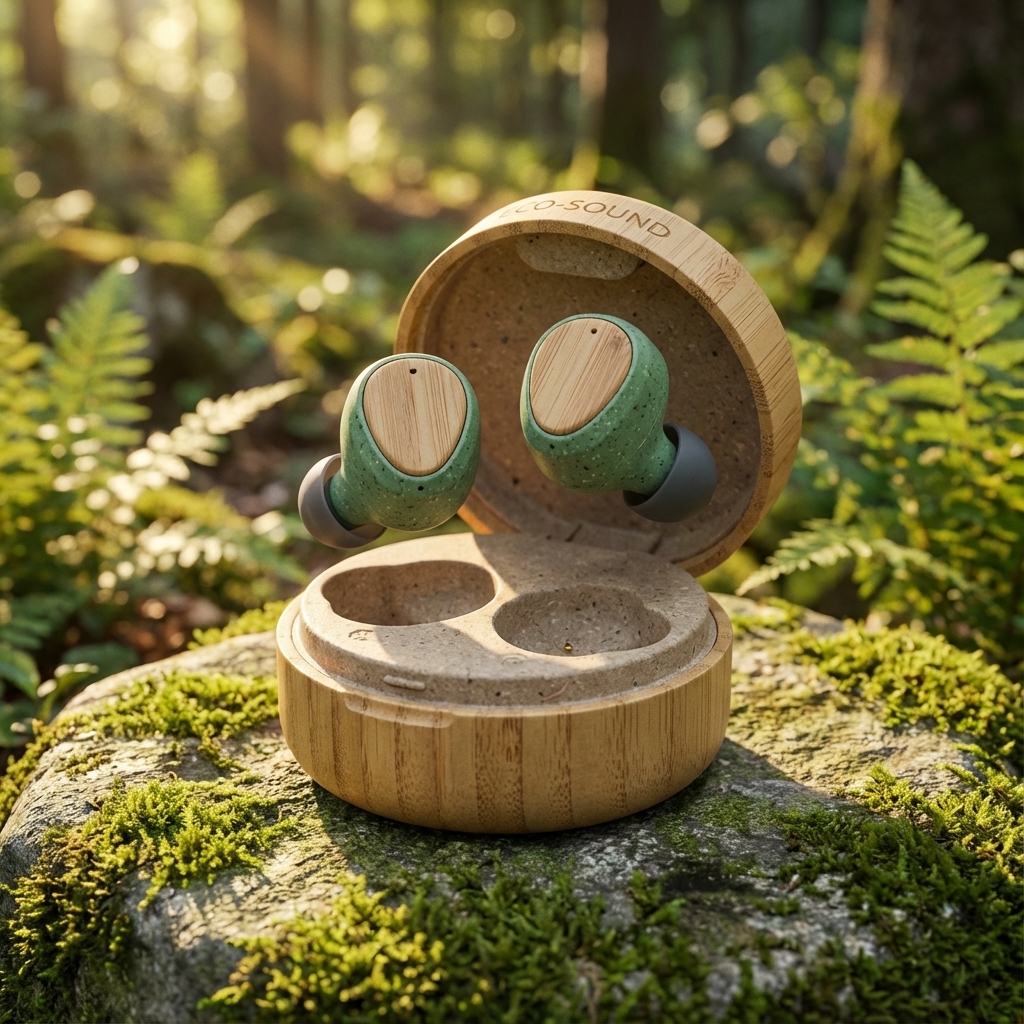
The earbud market in the Philippines is projected for significant expansion leading into 2026, with a compound annual growth rate exceeding 5%. This growth is primarily propelled by a large, youthful, and tech-savvy Gen Z consumer base that favors e-commerce platforms like Shopee and Lazada for their purchases. This demographic's demand for products that offer both high performance and strong aesthetic appeal is a key market driver, pushing brands to innovate beyond basic audio quality and incorporate more vibrant colors, unique designs, and personalization options. The market's evolution is heavily centered on integrating advanced technology to suit various modern lifestyles. Features once considered premium, such as Active Noise Cancellation (ANC), extended battery life, and water resistance, are now becoming standard expectations even in budget-friendly models. These functionalities directly address specific consumer needs: ANC is crucial for commuters in noisy urban environments, secure fits and sweat-proofing are essential for the growing fitness community, and ultra-low latency is a must-have for the country's massive mobile gaming population seeking a competitive advantage. While functionality is key, consumer values play an equally important role in shaping purchasing decisions. The market remains highly price-sensitive, ensuring that budget-friendly earbuds offering great value for money dominate sales. Simultaneously, an emerging consciousness around environmental issues is fueling a trend towards sustainable design. Younger consumers are increasingly drawn to brands that use recycled and eco-friendly materials like bamboo and upcycled fabrics, signaling a future where corporate responsibility and green initiatives will become significant differentiators in the competitive electronics landscape.
The Earbuds category in the Philippines presents a significant opportunity for brands, with strong demand across multiple consumer segments. The market is clearly divided into value-focused and premium tiers within key themes like Active Lifestyle, Immersive Gaming, and Commuter Essentials, alongside a growing niche for Sustainable Designs. Success hinges on addressing common consumer frustrations such as unstable connectivity, poor battery life, and unclear microphone quality. Key features driving the market include stable Bluetooth 5.1+ connectivity, low-latency gaming modes, effective noise cancellation (ENC/ANC), and durable, user-centric designs. For brands looking to enter or expand, the strategy is clear: source products that deliver on these core performance metrics. Sourcing reliable wholesale wireless earbuds that solve specific user needs will enable brands to capture significant market share and build lasting loyalty.
The market data and sourcing advantages that make this trend worth pursuing.
Typical range
$5.35–$25.99
Typical range
$27.46–$60.00
132K views • 9% engagement
Strong organic resonance
53 suppliers
MOQ flexibility & scale options
High-margin candidate for boutique retail.
Premium Suede Backpack
High-margin candidate for boutique retail.
Top-selling entry-level SKU on Amazon.
Supplier Examples
Supplier 1
MOQ 100 • 5+ yrs
Supplier 2
MOQ 100 • 5+ yrs
Supplier 3
MOQ 100 • 5+ yrs
Supplier 4
MOQ 100 • 5+ yrs
Supplier 5
MOQ 100 • 5+ yrs
Add or customize product features and we'll match you with verified suppliers.
Feature Matching
Find suppliers with matching capabilities
Quote Comparison
Compare pricing and lead times
Sampling & Production
Request samples and begin production
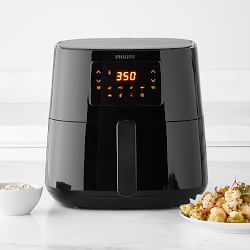
Explore Airfryer trends and sourcing opportunities
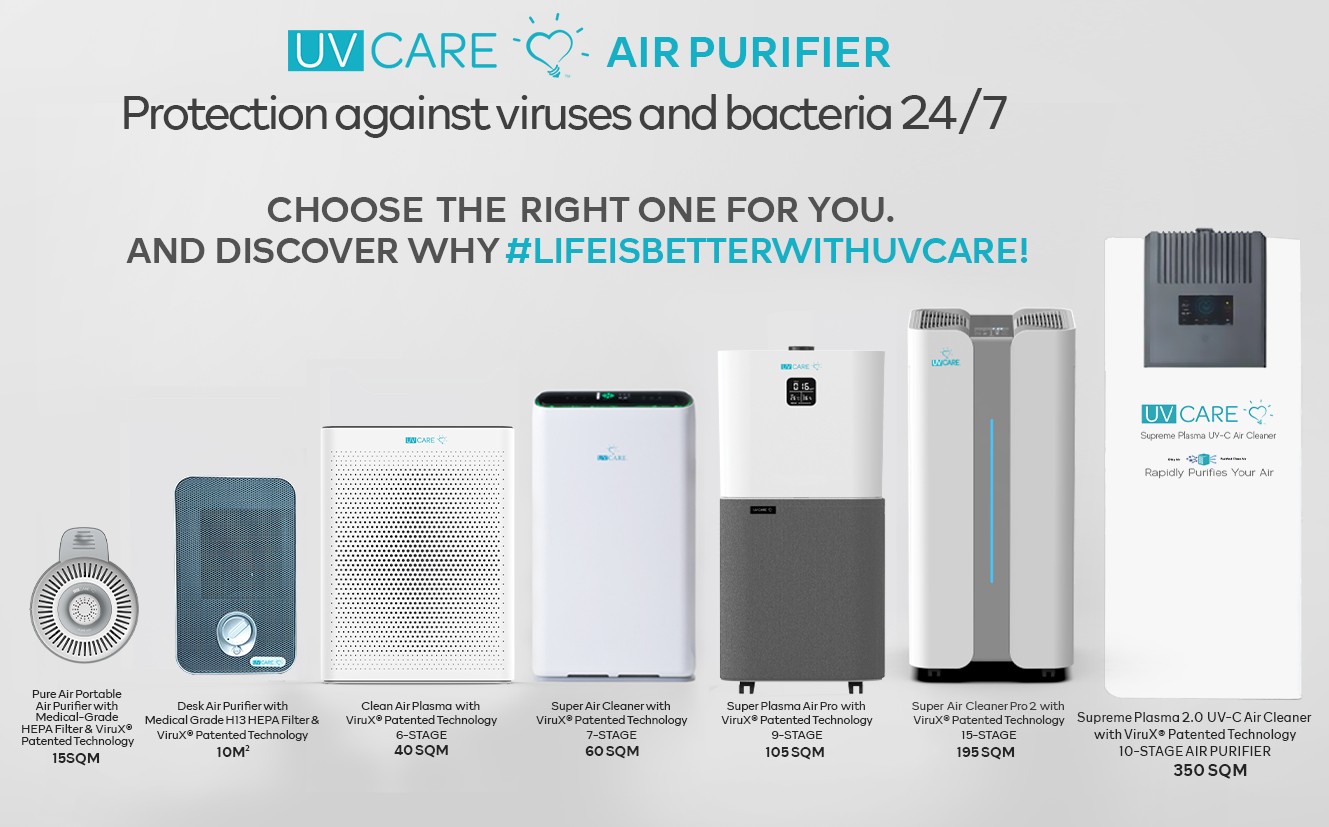
Explore Air Purifier trends and sourcing opportunities
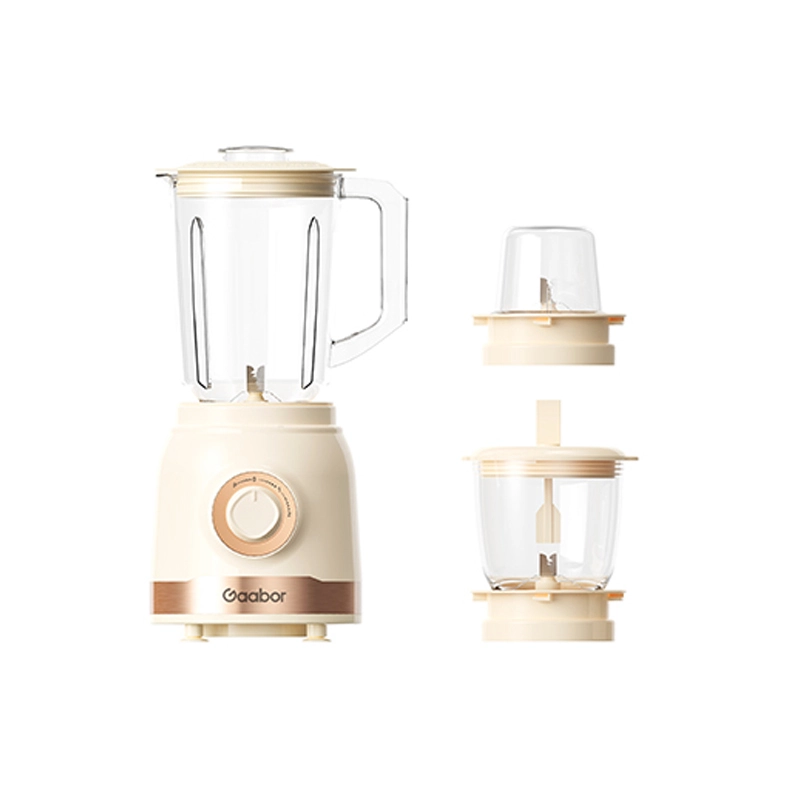
Explore Blender trends and sourcing opportunities
Explore Charging Cable trends and sourcing opportunities
Explore Digital Clocks trends and sourcing opportunities
Minimum order quantities vary by supplier tier and product complexity. Value segment suppliers typically require 500-1,000 pieces per style/color, while premium manufacturers may accept 200-300 pieces for higher-value orders. Customization options like private labeling often increase MOQ requirements.
Common materials include cotton, polyester, modal, bamboo viscose, and various blends. Performance variants often incorporate spandex/elastane for stretch, while premium options may use pima cotton or Tencel. Material choice significantly impacts both FOB pricing and end-consumer appeal.
Request product samples before bulk orders, verify supplier certifications (ISO, BSCI, OEKO-TEX), check factory audit reports, and review trade history on B2B platforms. Our verified supplier ratings consider response rates, dispute history, and quality scores from verified transactions.
Standard production lead times range from 25-45 days depending on order complexity and supplier capacity. Rush orders may be possible at premium rates. Add 15-30 days for sea freight shipping to US ports, or 5-7 days for air freight on urgent orders.