
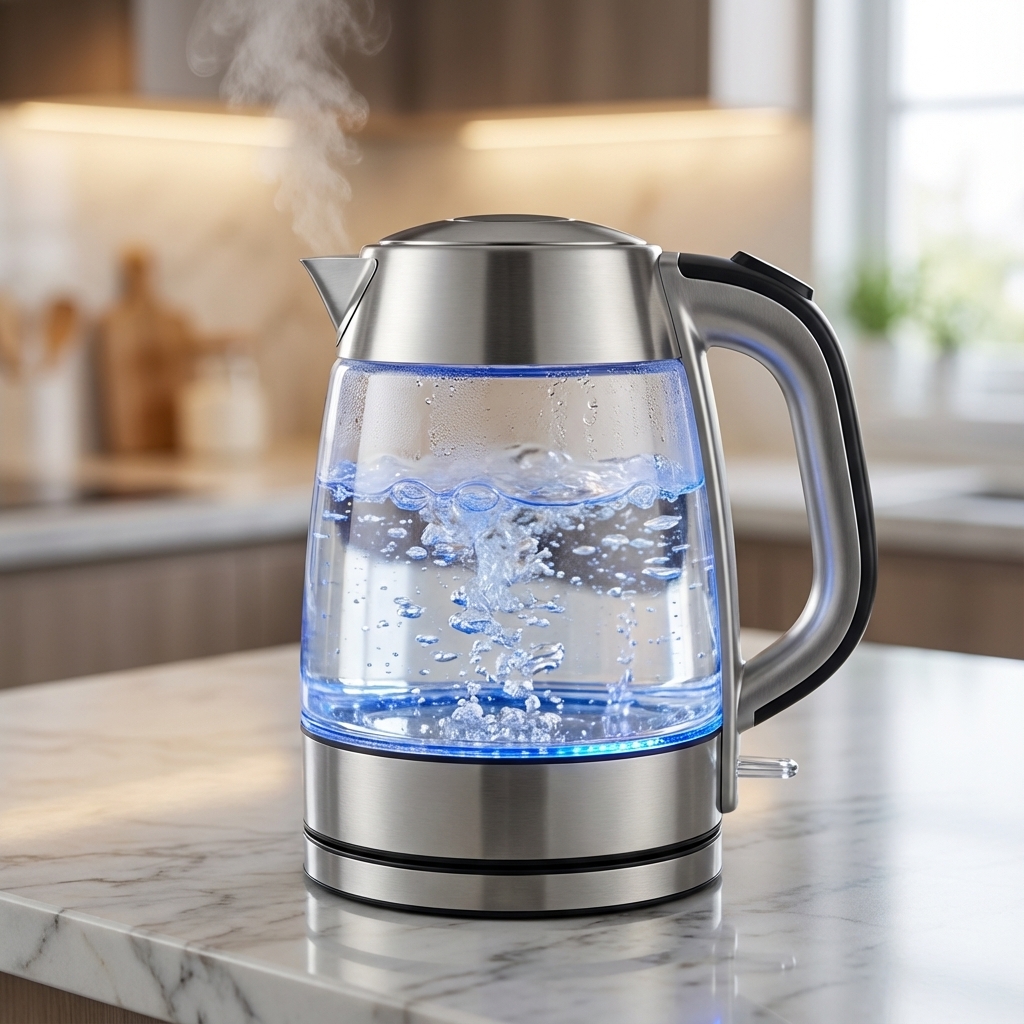
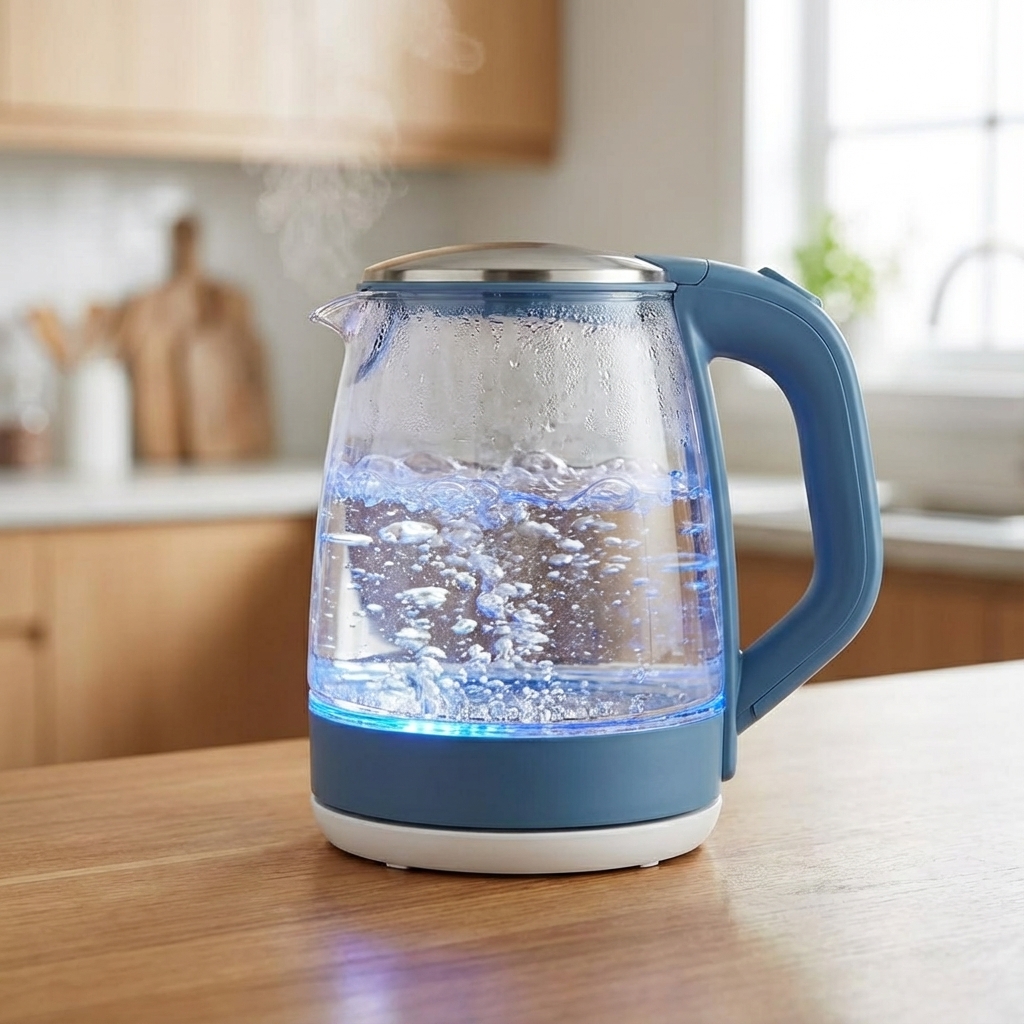
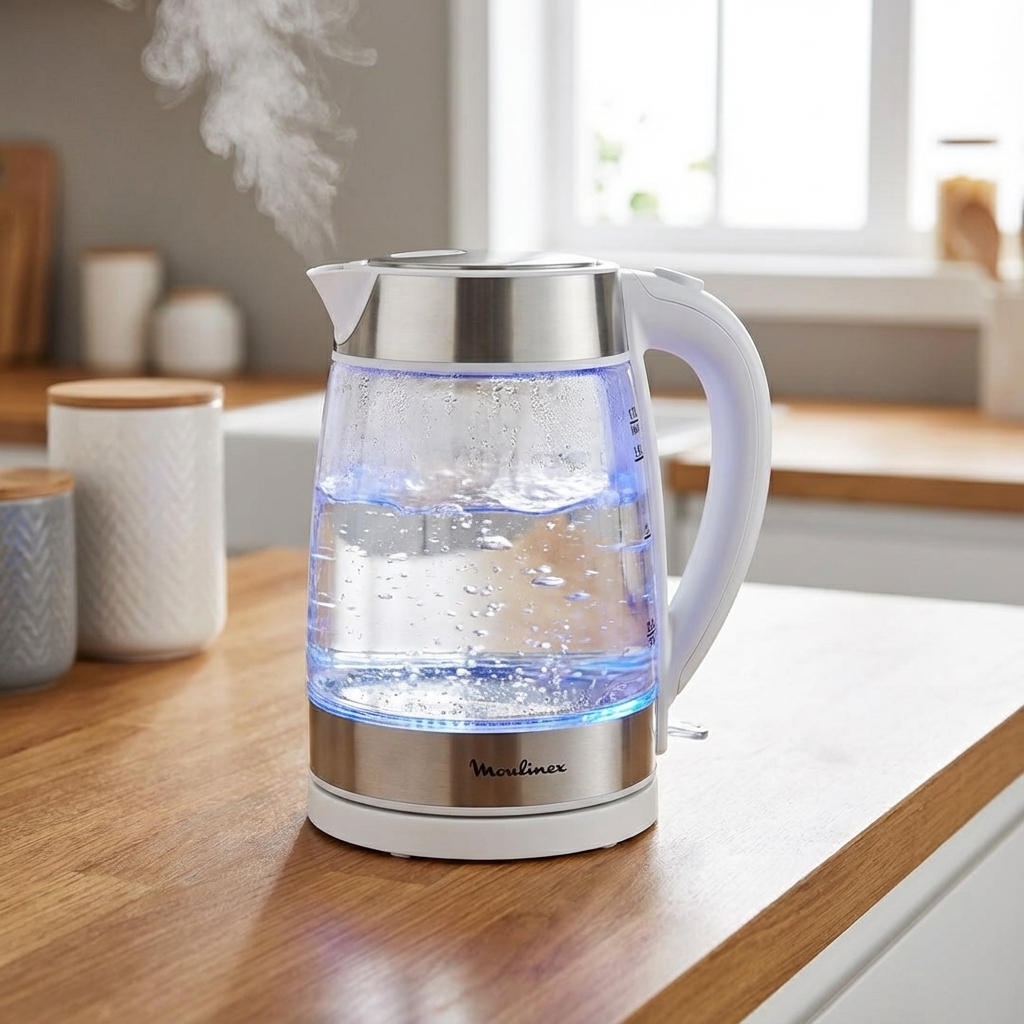
These kettles feature a body made primarily of durable, heat-resistant borosilicate glass. They often include stainless steel accents on the base, lid, and handle.
Mga trend signal, demand data, at market insights para sa produktong ito
55/100
sustained
R$50 - R$469
Real data showing search growth, social buzz, and consumer demand signals.
Google Trends (12 Months)
Current bestsellers and viral hits defining the consumer expectation.
Source easily with Sourcy. We connect you with verified suppliers, handle quality control, and simplify the entire process.
These brands are driving demand and shaping what consumers want to buy.
MARKET LEADER
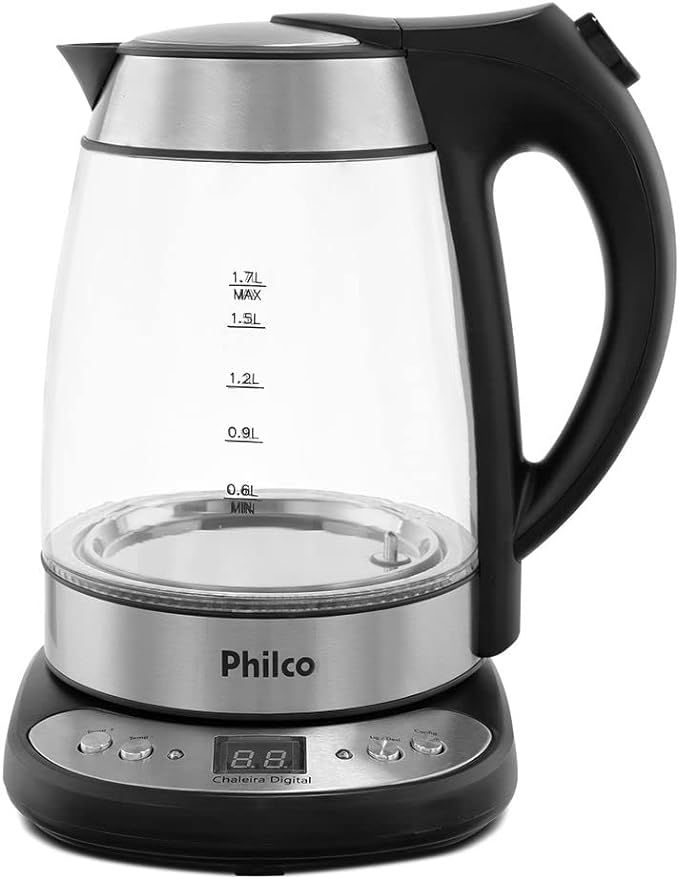
The Philco Digital Glass PCHD stands out for its modern design and advanced features, making it a top choice for the trend-aware consumer. Its glass body is complemented by stainless steel accents and a digital control panel on the base, which allows for precise temperature adjustments from 50°C to 95°C. This level of control is perfect for preparing everything from delicate teas to chimarrão at the ideal temperature. The kettle's transparent body, which lights up during the boiling process, turns a simple utility into a visually engaging experience, pushing the trend of appliances that are both functional and beautiful kitchen decor. With a generous 1.7-liter capacity and a keep-warm function, it combines high-tech convenience with the sleek, clean look that defines the glass kettle trend.
Key Product: Digital Glass PCHD
MARKET LEADER
The Oster Tea Kettle is a standout product that perfectly captures the essence of the glass kettle trend by focusing on the user experience, especially for tea lovers. Its most notable feature is the inclusion of a removable stainless steel infuser, allowing users to brew tea directly in the kettle. The body is constructed almost entirely of glass, offering a clear view of the infusion process, which is a top-of-mind feature for enthusiasts. The design is simple and elegant, with a 1.8-liter capacity and an automatic shut-off for safety. The visual appeal of the glass combined with the specialized tea-making function makes this kettle an iconic product for those who appreciate both the taste and the ritual of preparing hot beverages.
Key Product: Oster Tea BVSTKE8001
MARKET LEADER
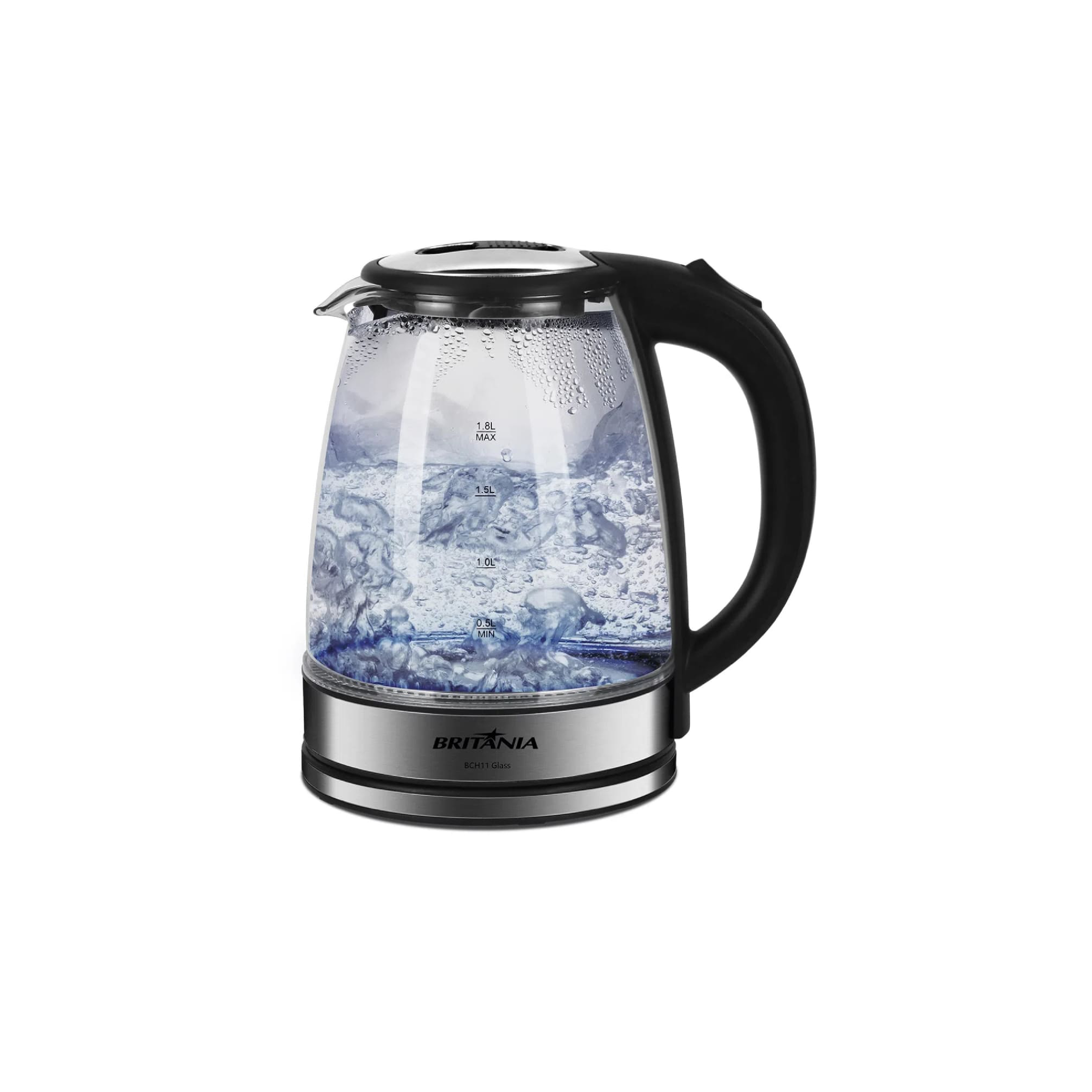
The Britânia BCH11 is a widely popular model that has made the glass kettle trend accessible to a broad audience in Brazil. It combines a modern and sophisticated design, featuring a transparent 1.8-liter glass jar with an LED light that illuminates the water as it boils, creating an attractive visual effect. This feature highlights the purity and cleanliness associated with glass. The kettle is designed for practicality and safety, with an automatic switch-off system that turns the unit off after the water has boiled. Its combination of elegant design, large capacity, and user-friendly safety features at a competitive price point has made it an iconic and top-of-mind choice for consumers embracing the glass appliance trend.
Key Product: BCH11 Glass
Submit your design with target specs, and we'll connect you with vetted manufacturers.