
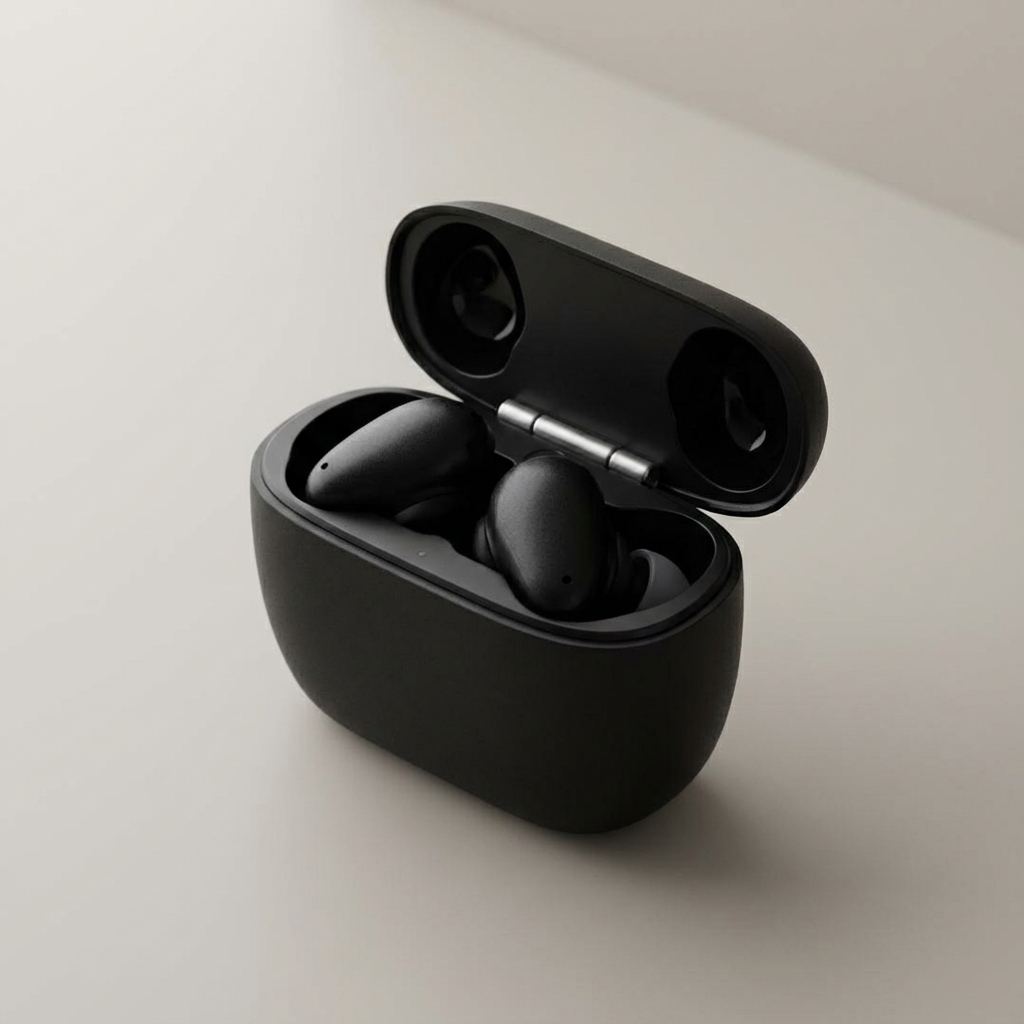
 TikTok Views
—
 Trend InterestCloser to 50 = very trending
13
 Avg Price
$1530
 Suppliers
19
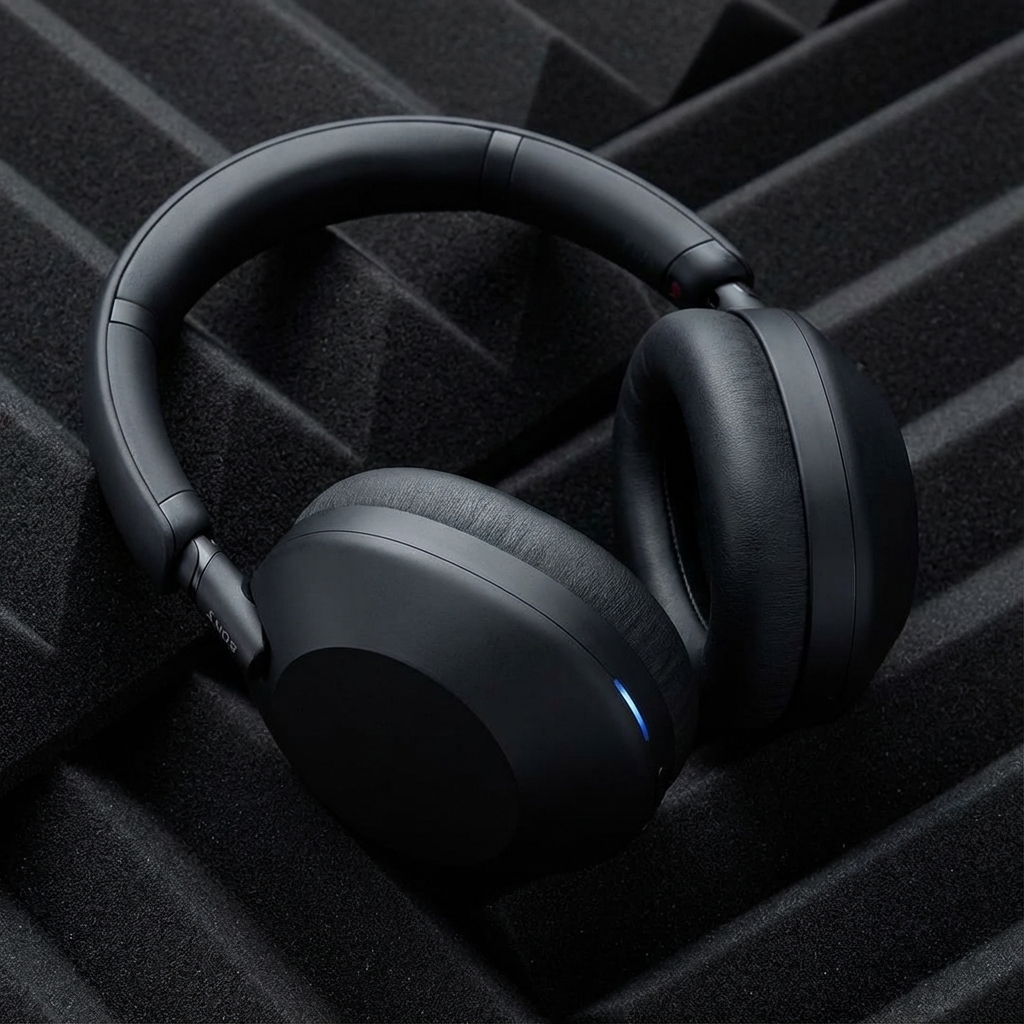 TikTok Views
34.7K
Trend InterestCloser to 50 = very trending25
Avg Price$1656
Suppliers19
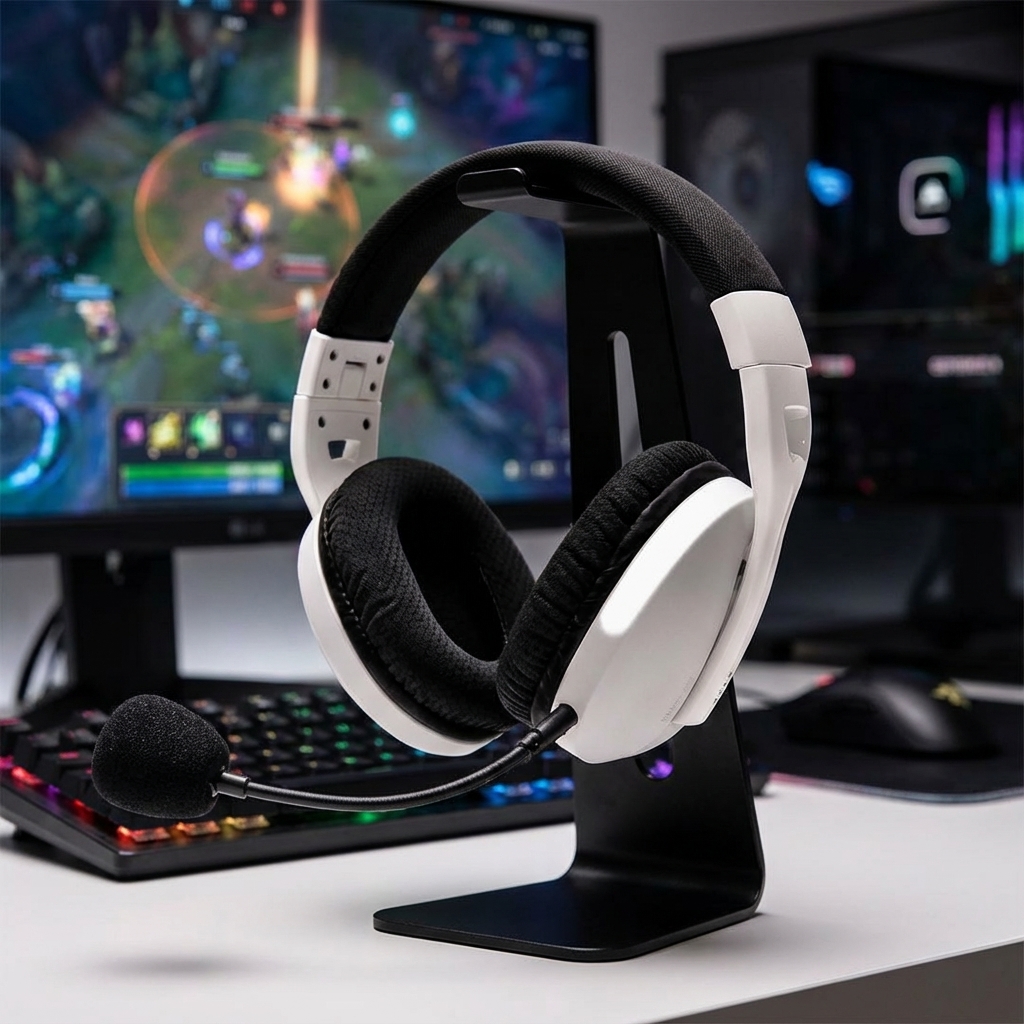 Social Views
4.0M
Trend InterestCloser to 50 = very trending61
Avg Price$1368
Suppliers19
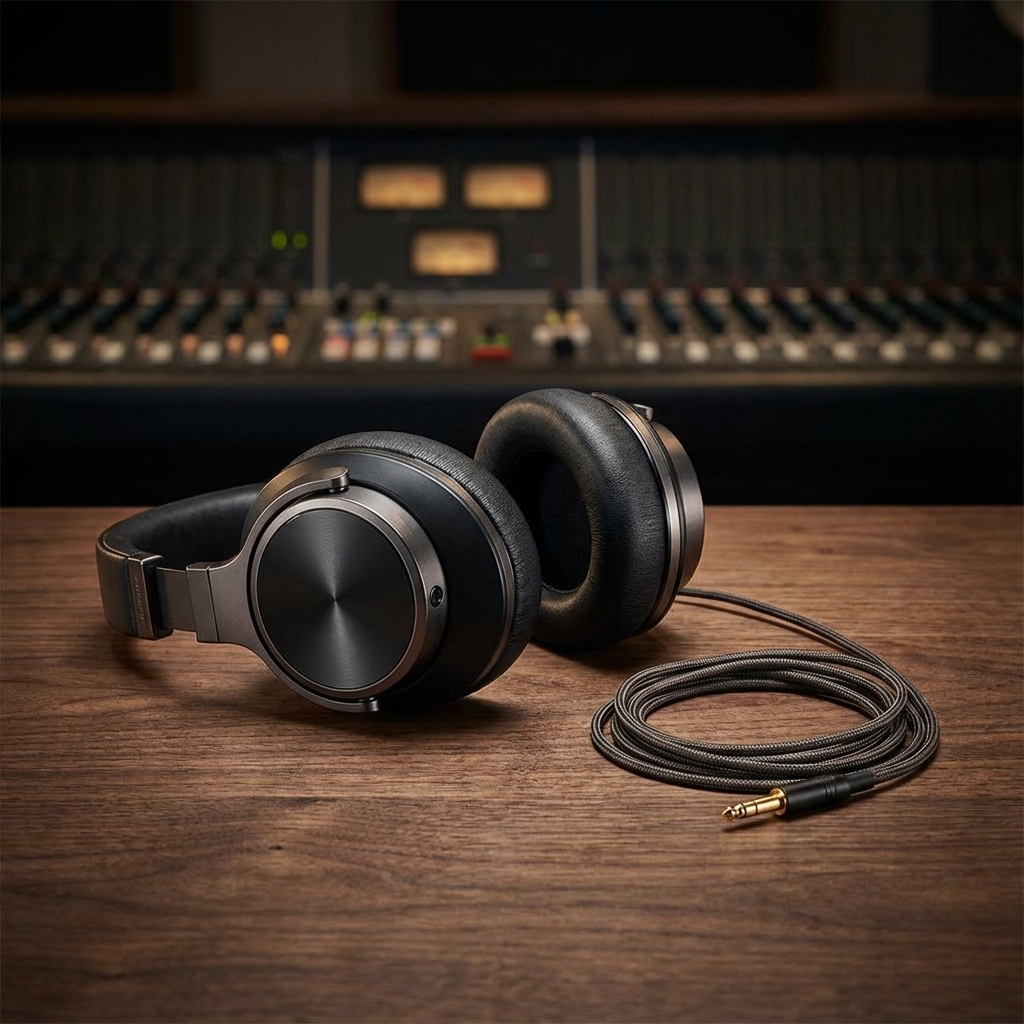 TikTok Views
—
Trend InterestCloser to 50 = very trending29
Avg Price$2452
Suppliers20
 TikTok Views
—
Trend InterestCloser to 50 = very trending6
Avg Price$1880
Suppliers13
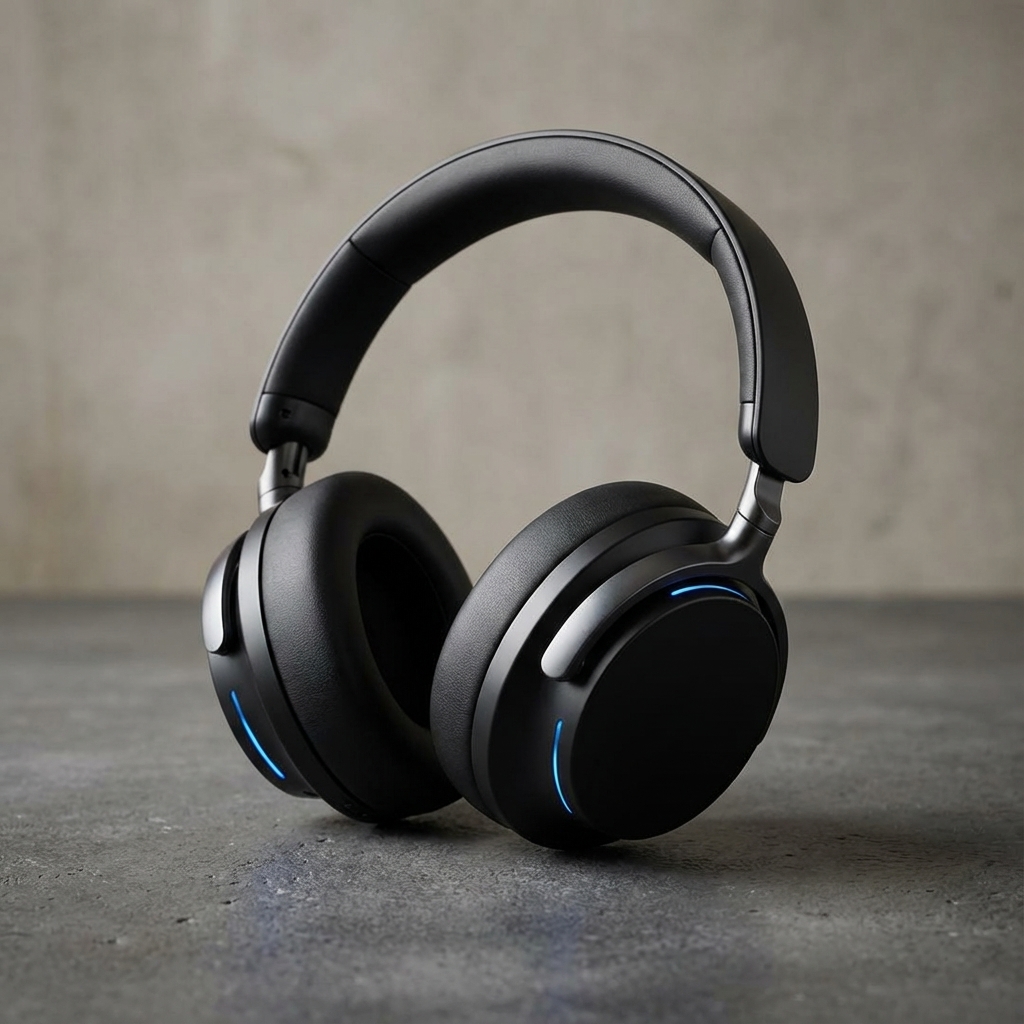
The Mexican headphone market in early 2026 is defined by a significant shift towards wireless technology and feature-rich audio experiences. Consumers are increasingly prioritizing the convenience of Bluetooth connectivity, making long battery life a crucial purchasing factor. This move away from wired connections reflects a broader desire for portability and freedom in personal audio, catering to active and on-the-go lifestyles across the country. The demand for superior sound quality is another key driver shaping the market. Features like active noise cancellation (ANC) and high-resolution audio are becoming mainstream, as users seek to create immersive listening environments free from distractions. Whether for music, podcasts, or calls, crystal-clear audio is no longer a luxury but an expectation. The gaming sector also remains a powerful influence, with players demanding comfortable, durable headsets that provide clear communication and precise, immersive sound for a competitive edge. Looking forward, the integration of artificial intelligence is set to revolutionize the headphone landscape. Smart features that adapt sound profiles to a user's environment and activity are gaining traction, promising a more personalized and seamless audio experience. As technology continues to converge, the distinctions between different headphone categories are blurring, with features once exclusive to high-end models becoming available in more affordable options, making advanced audio technology accessible to a wider audience.
The headphones market in Mexico presents significant opportunities for brands that can address key consumer demands for reliability, performance, and comfort. Across all segments—from true wireless to gaming and high-resolution audio—the trend is a clear split between value-focused products that perfect the basics and premium models offering an uncompromising experience. Success hinges on sourcing products that solve common frustrations like unstable connectivity, poor microphone quality, and short battery life. By focusing on durable materials like reinforced polymers for value tiers and anodized aluminum for premium, and incorporating features like Bluetooth 5.3, multipoint connection, and effective noise cancellation, brands can capture market share. Whether you're sourcing wholesale earbud headphones for daily commuters or high-fidelity gaming headsets, the strategy is to deliver tangible value and build customer trust. This guide provides the intelligence needed to source the right wholesale headphones and capitalize on these trends quickly.
The market data and sourcing advantages that make this trend worth pursuing.
Typical range
$5.35–$25.99
Typical range
$27.46–$60.00
132K views • 9% engagement
Strong organic resonance
53 suppliers
MOQ flexibility & scale options
High-margin candidate for boutique retail.
Premium Suede Backpack
High-margin candidate for boutique retail.
Top-selling entry-level SKU on Amazon.
Supplier Examples
Supplier 1
MOQ 100 • 5+ yrs
Supplier 2
MOQ 100 • 5+ yrs
Supplier 3
MOQ 100 • 5+ yrs
Supplier 4
MOQ 100 • 5+ yrs
Supplier 5
MOQ 100 • 5+ yrs
Add or customize product features and we'll match you with verified suppliers.
Feature Matching
Find suppliers with matching capabilities
Quote Comparison
Compare pricing and lead times
Sampling & Production
Request samples and begin production
Explore Airfryer trends and sourcing opportunities
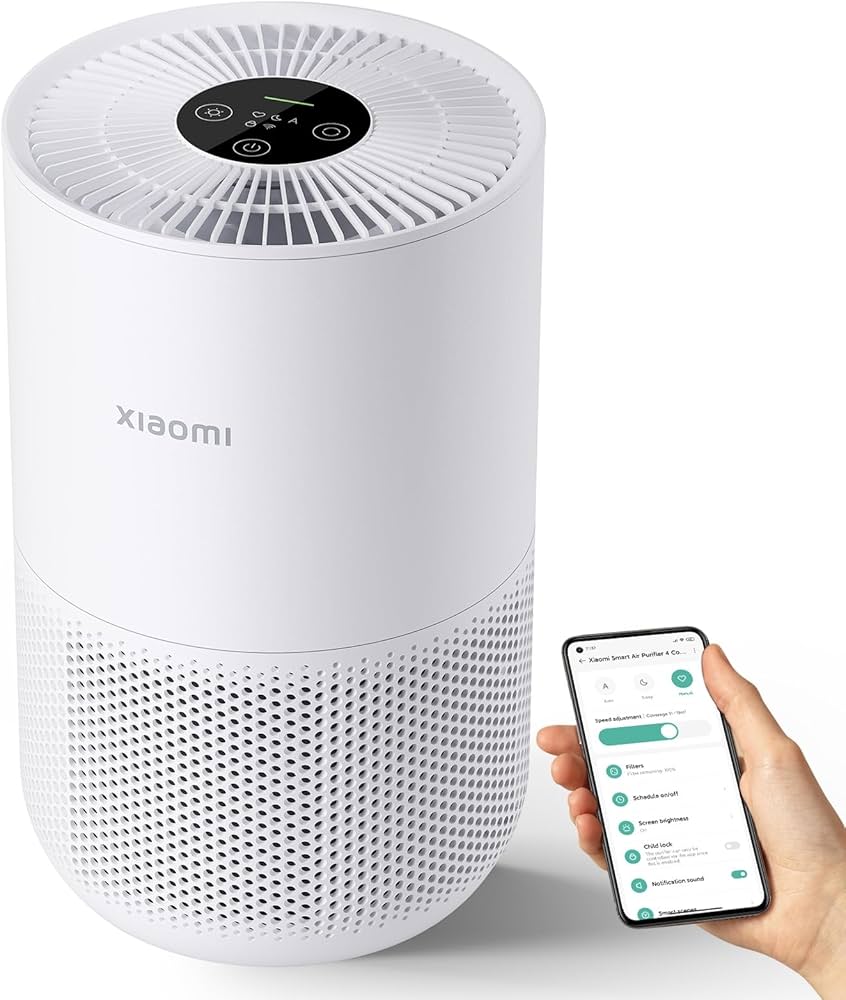
Explore Air Purifier trends and sourcing opportunities
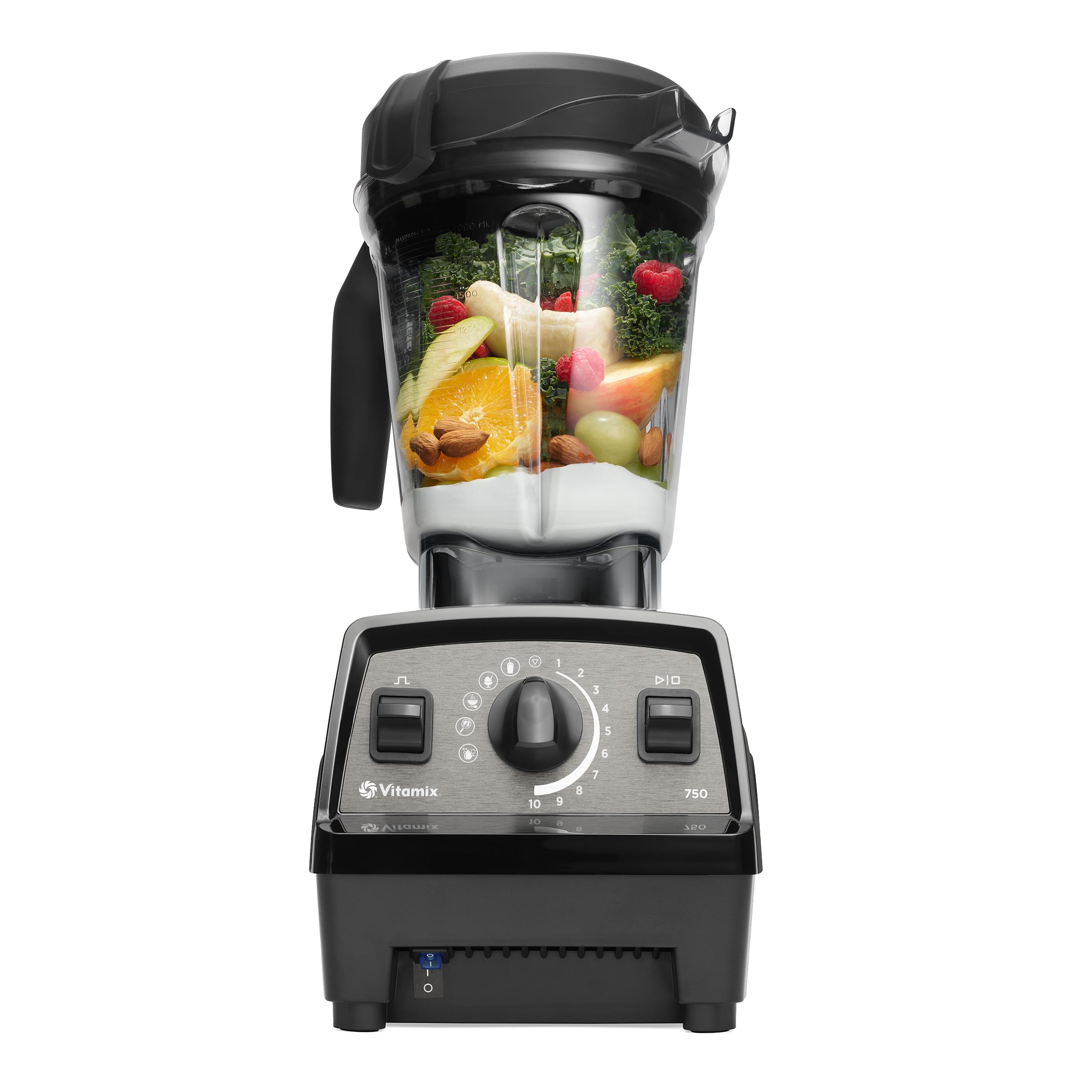
Explore Blender trends and sourcing opportunities
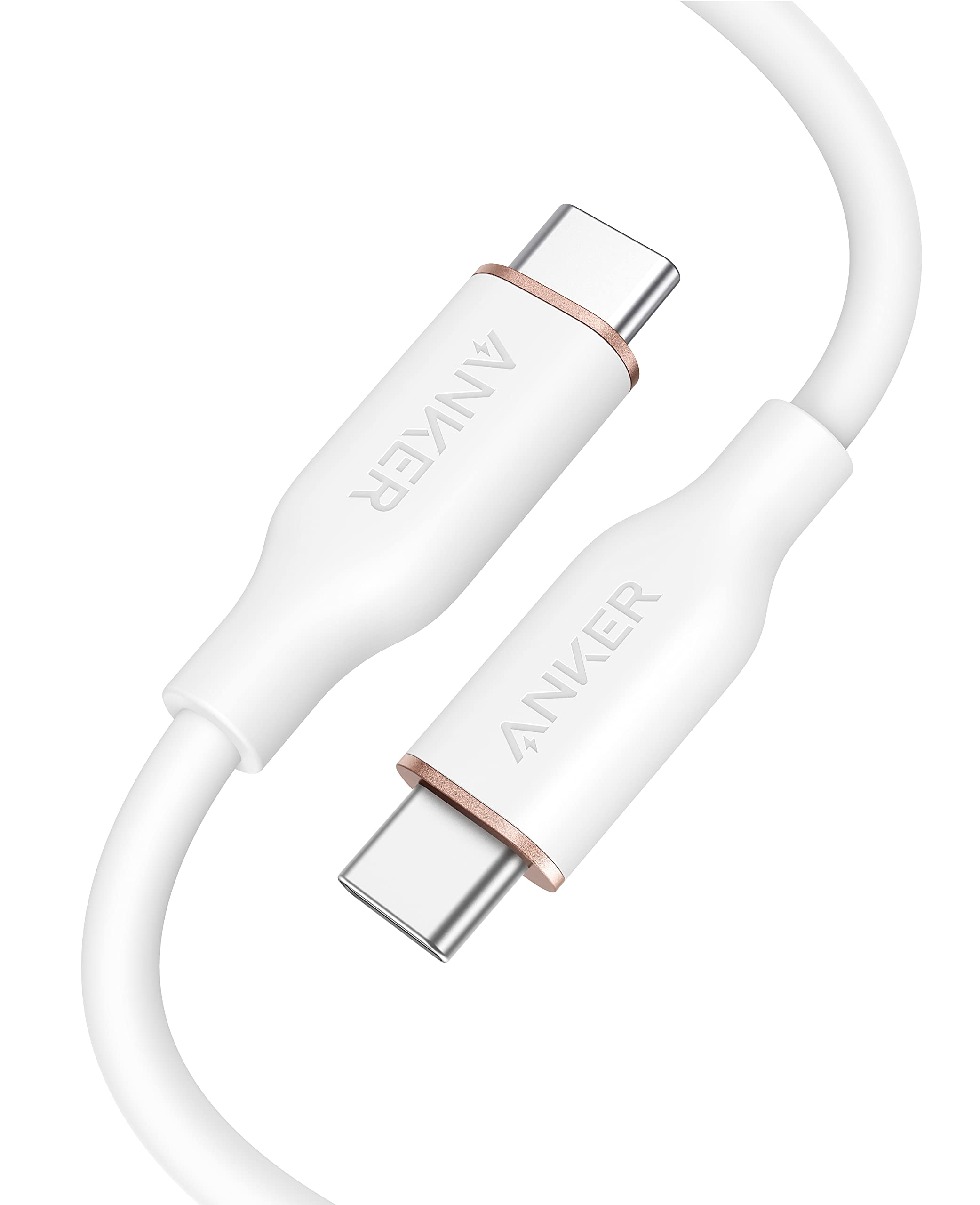
Explore Charging Cable trends and sourcing opportunities
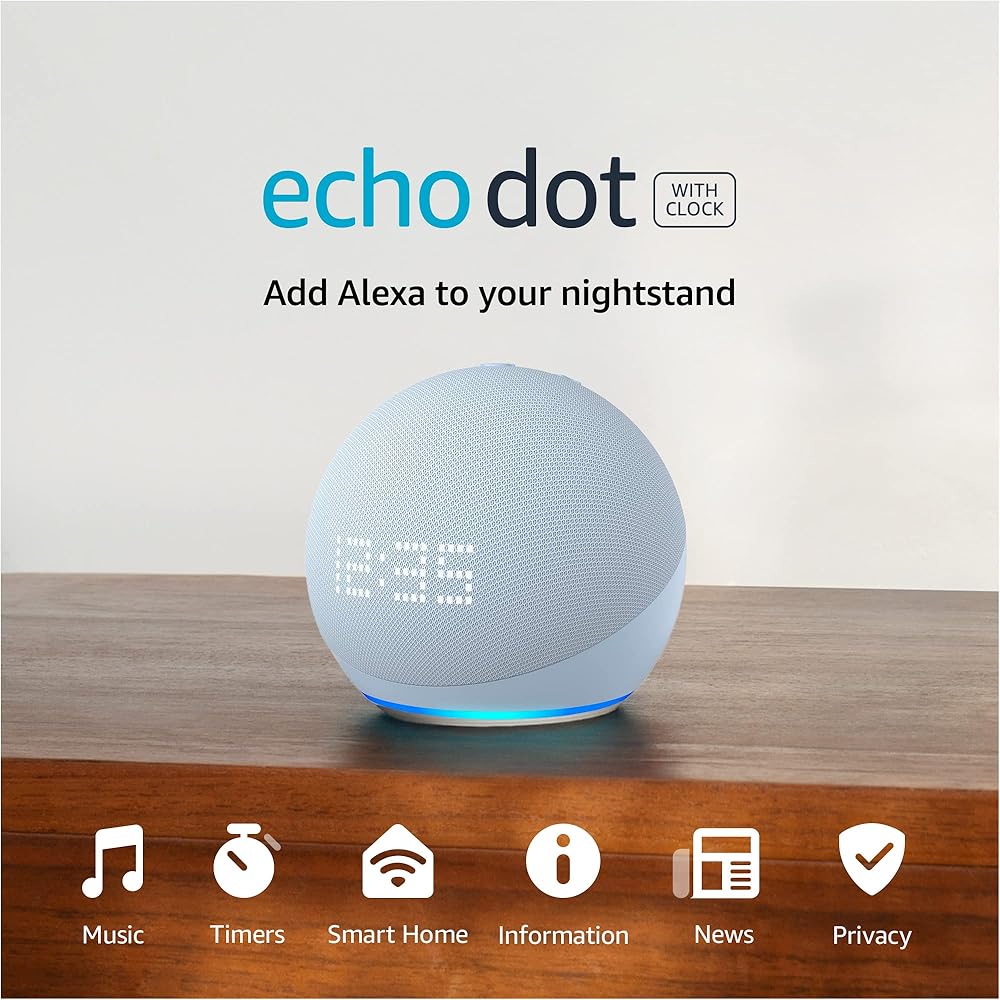
Explore Digital Clocks trends and sourcing opportunities
Minimum order quantities vary by supplier tier and product complexity. Value segment suppliers typically require 500-1,000 pieces per style/color, while premium manufacturers may accept 200-300 pieces for higher-value orders. Customization options like private labeling often increase MOQ requirements.
Common materials include cotton, polyester, modal, bamboo viscose, and various blends. Performance variants often incorporate spandex/elastane for stretch, while premium options may use pima cotton or Tencel. Material choice significantly impacts both FOB pricing and end-consumer appeal.
Request product samples before bulk orders, verify supplier certifications (ISO, BSCI, OEKO-TEX), check factory audit reports, and review trade history on B2B platforms. Our verified supplier ratings consider response rates, dispute history, and quality scores from verified transactions.
Standard production lead times range from 25-45 days depending on order complexity and supplier capacity. Rush orders may be possible at premium rates. Add 15-30 days for sea freight shipping to US ports, or 5-7 days for air freight on urgent orders.