
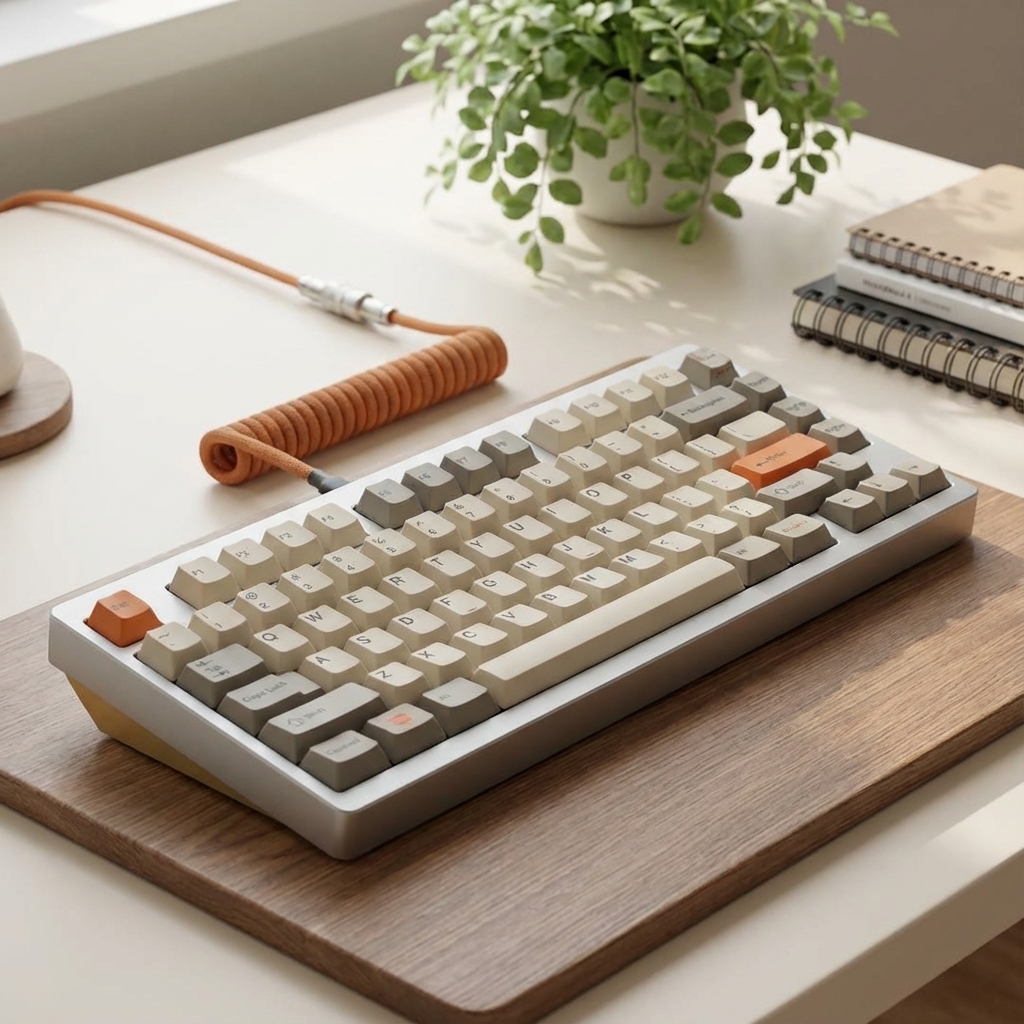
 TikTok Views
—
 Trend InterestCloser to 50 = very trending
8
 Avg Price
R$1715
 Suppliers
17
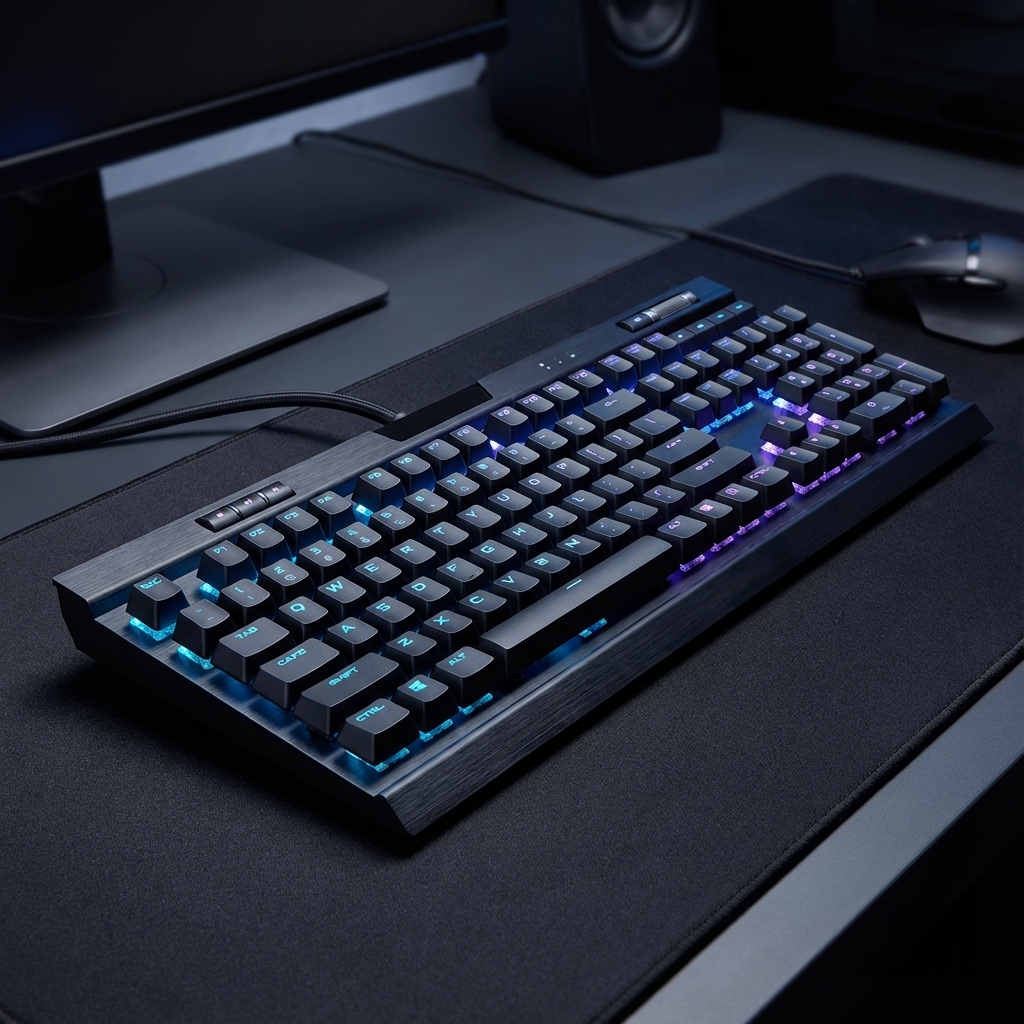
 IG Views
363.2K
Trend InterestCloser to 50 = very trending47
Avg PriceR$741
Suppliers15
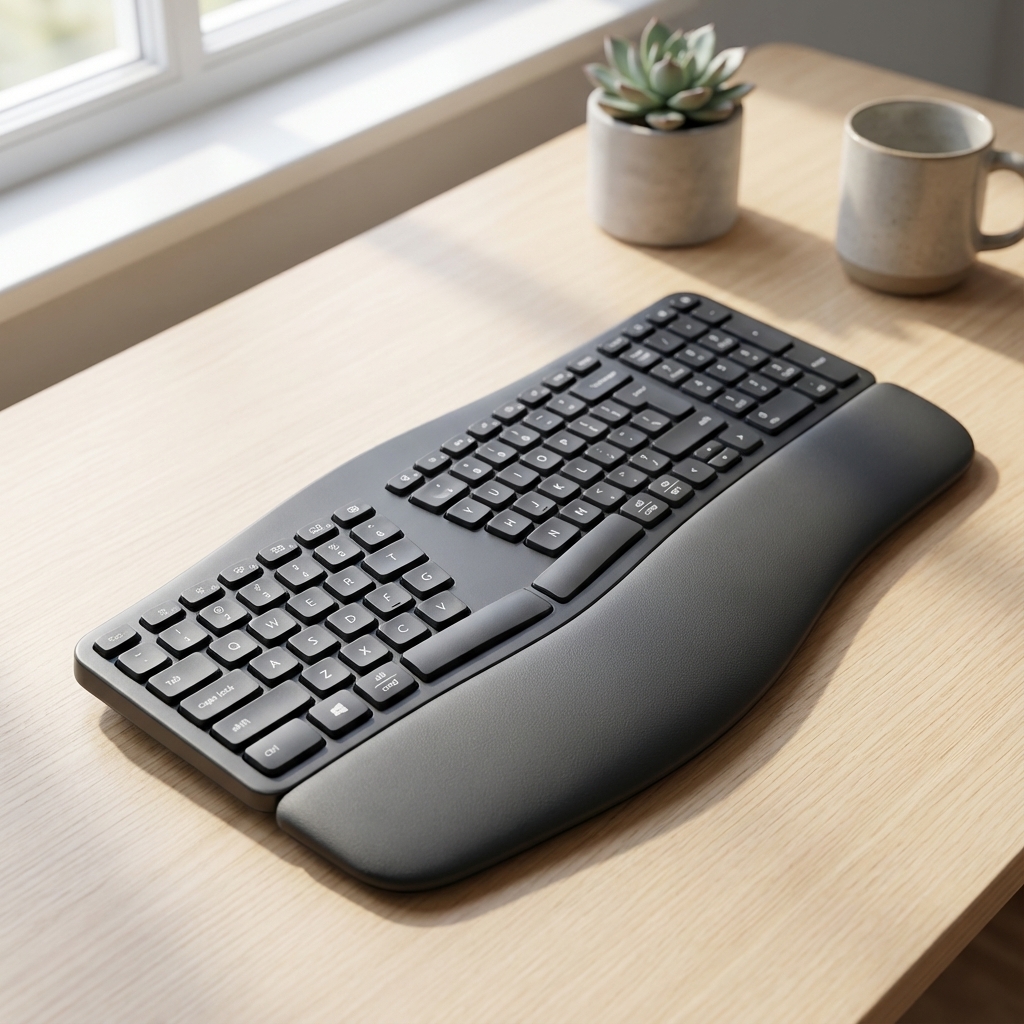 TikTok Views
—
Trend InterestCloser to 50 = very trending5
Avg PriceR$1984
Suppliers16
-keyboards/generated_0_1767597782.jpg) TikTok Views
TikTok Views1.3M
Trend InterestCloser to 50 = very trending10
Avg PriceR$503
Suppliers17
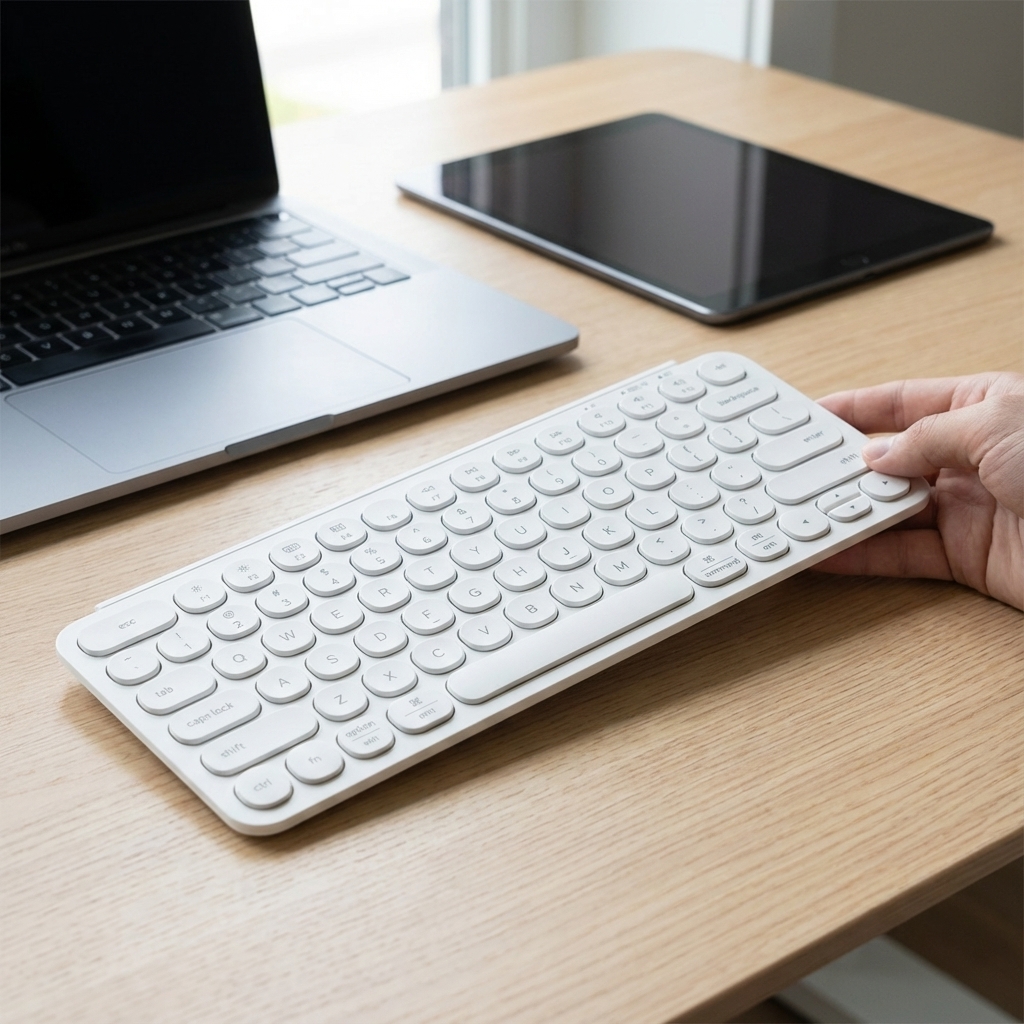 TikTok Views
—
Trend InterestCloser to 50 = very trending49
Avg PriceR$533
Suppliers16
The Philippine keyboard market in 2026 is a dynamic landscape shaped by the twin forces of a booming digital economy and a vibrant enthusiast culture. The sustained growth of remote and hybrid work models has shifted consumer focus towards peripherals that enhance productivity and comfort for long hours of typing. This trend runs parallel to a rapidly expanding esports and PC gaming scene, which has fueled demand for high-performance and customizable mechanical keyboards, creating a diverse market catering to both professionals and gamers. This dual demand manifests in several key trends. The desire for personalization has given rise to a thriving custom mechanical keyboard scene, where users build their own devices from individual components. Simultaneously, the explosive growth of esports drives the popularity of high-performance gaming keyboards engineered for speed and responsiveness. For the growing remote workforce, ergonomic keyboards are becoming essential for health and comfort, while compact and tenkeyless (TKL) layouts appeal to gamers and minimalists seeking more desk space. Furthermore, wireless and multi-device keyboards are gaining traction for their clean aesthetic and productivity-boosting flexibility. The underlying motivations for these trends are a desire for self-expression, competitive advantage, and improved well-being. Consumers are no longer satisfied with generic peripherals, seeking tools that reflect their personality and optimize their specific workflows. This movement is heavily supported by a vibrant local community of enthusiasts in the Philippines who engage in group buys, share modding tips, and create a supportive ecosystem. This community, combined with a growing number of local vendors, makes advanced and personalized keyboard setups more accessible than ever, solidifying the market's shift towards customization, performance, and ergonomics.
The keyboard market in the Philippines is experiencing a significant surge, driven by consumer demand for enhanced productivity, gaming performance, and personalization. This trend creates a prime opportunity for brands to source products catering to two distinct segments: a value-driven market seeking premium features like hot-swappable switches and durable keycaps at accessible prices, and a high-end enthusiast market demanding superior build quality, refined acoustics, and deep customization. Across all segments, features like tri-mode connectivity (Bluetooth, 2.4GHz, USB-C), compact layouts, and programmable rotary knobs are highly sought after. To capitalize on this trend, brands must act quickly and partner with reliable keyboard manufacturers to bring a compelling wholesale keyboard lineup to market.
The market data and sourcing advantages that make this trend worth pursuing.
Typical range
$5.35–$25.99
Typical range
$27.46–$60.00
132K views • 9% engagement
Strong organic resonance
53 suppliers
MOQ flexibility & scale options
High-margin candidate for boutique retail.
Premium Suede Backpack
High-margin candidate for boutique retail.
Top-selling entry-level SKU on Amazon.
Supplier Examples
Supplier 1
MOQ 100 • 5+ yrs
Supplier 2
MOQ 100 • 5+ yrs
Supplier 3
MOQ 100 • 5+ yrs
Supplier 4
MOQ 100 • 5+ yrs
Supplier 5
MOQ 100 • 5+ yrs
Add or customize product features and we'll match you with verified suppliers.
Feature Matching
Find suppliers with matching capabilities
Quote Comparison
Compare pricing and lead times
Sampling & Production
Request samples and begin production
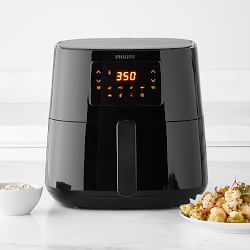
Explore Airfryer trends and sourcing opportunities

Explore Air Purifier trends and sourcing opportunities
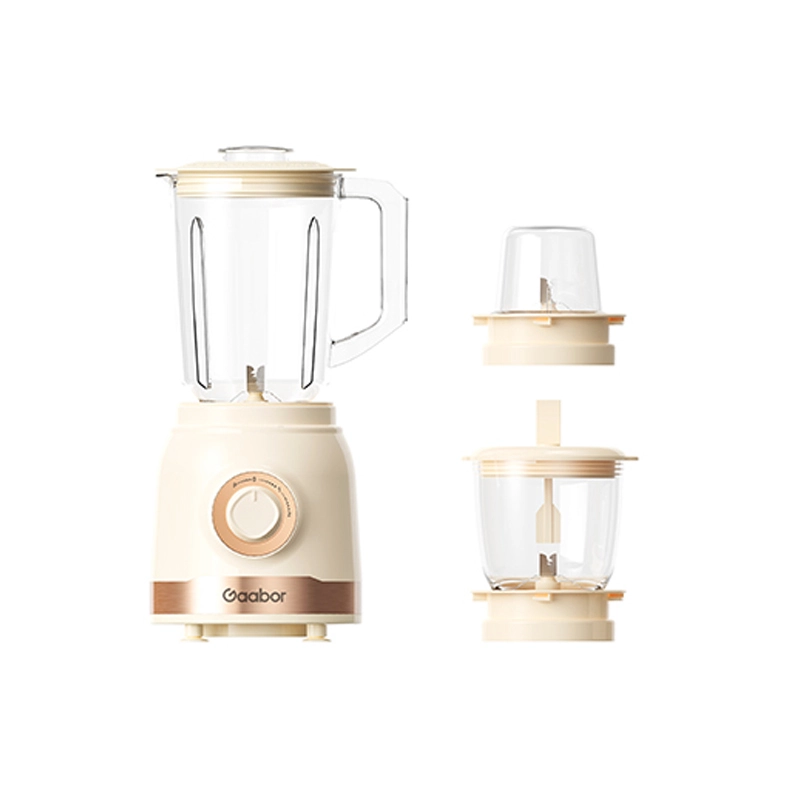
Explore Blender trends and sourcing opportunities
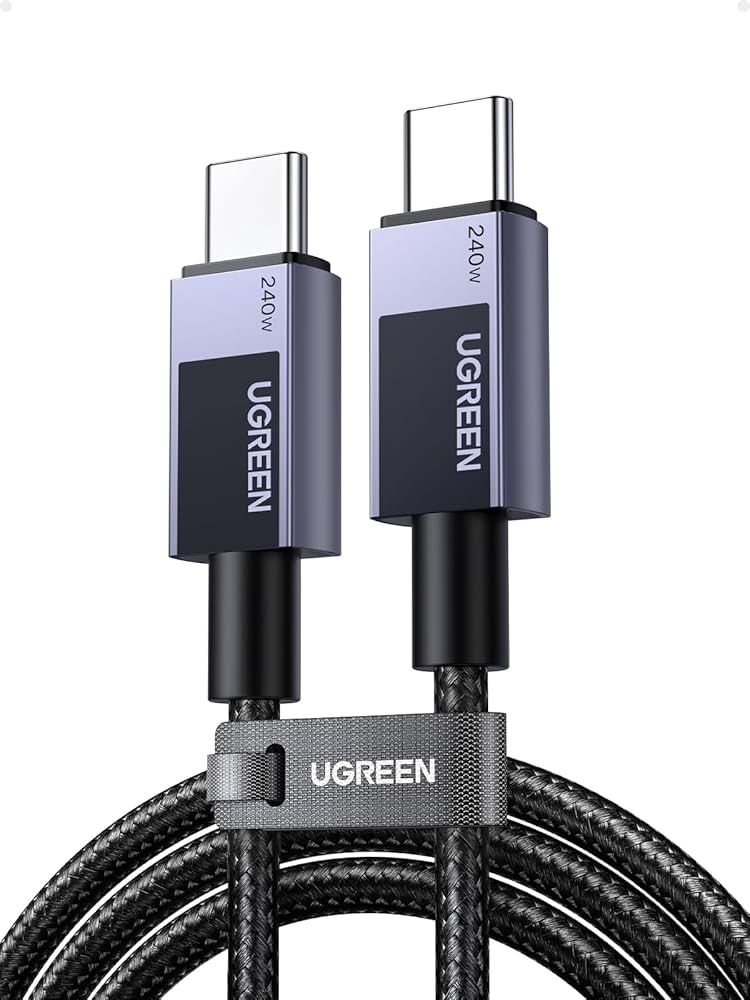
Explore Charging Cable trends and sourcing opportunities
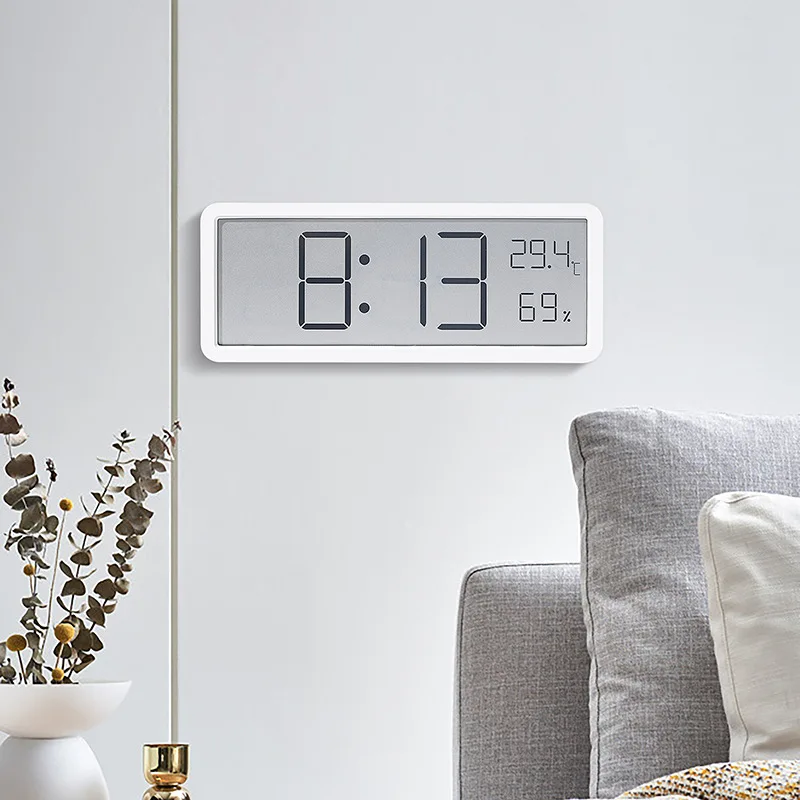
Explore Digital Clocks trends and sourcing opportunities
Minimum order quantities vary by supplier tier and product complexity. Value segment suppliers typically require 500-1,000 pieces per style/color, while premium manufacturers may accept 200-300 pieces for higher-value orders. Customization options like private labeling often increase MOQ requirements.
Common materials include cotton, polyester, modal, bamboo viscose, and various blends. Performance variants often incorporate spandex/elastane for stretch, while premium options may use pima cotton or Tencel. Material choice significantly impacts both FOB pricing and end-consumer appeal.
Request product samples before bulk orders, verify supplier certifications (ISO, BSCI, OEKO-TEX), check factory audit reports, and review trade history on B2B platforms. Our verified supplier ratings consider response rates, dispute history, and quality scores from verified transactions.
Standard production lead times range from 25-45 days depending on order complexity and supplier capacity. Rush orders may be possible at premium rates. Add 15-30 days for sea freight shipping to US ports, or 5-7 days for air freight on urgent orders.