
 TikTok Views
3.6M
 Trend InterestCloser to 50 = very trending
39
 Avg Price
R$523
 Suppliers
15
 TikTok Views
5.9M
Trend InterestCloser to 50 = very trending20
Avg PriceR$335
Suppliers13
 TikTok Views
3.4M
Trend InterestCloser to 50 = very trending41
Avg PriceR$165
Suppliers14
 TikTok Views
1.5M
Trend InterestCloser to 50 = very trending15
Avg PriceR$188
Suppliers15
 TikTok Views
2.9M
Trend InterestCloser to 50 = very trending8
Avg PriceR$109
Suppliers18
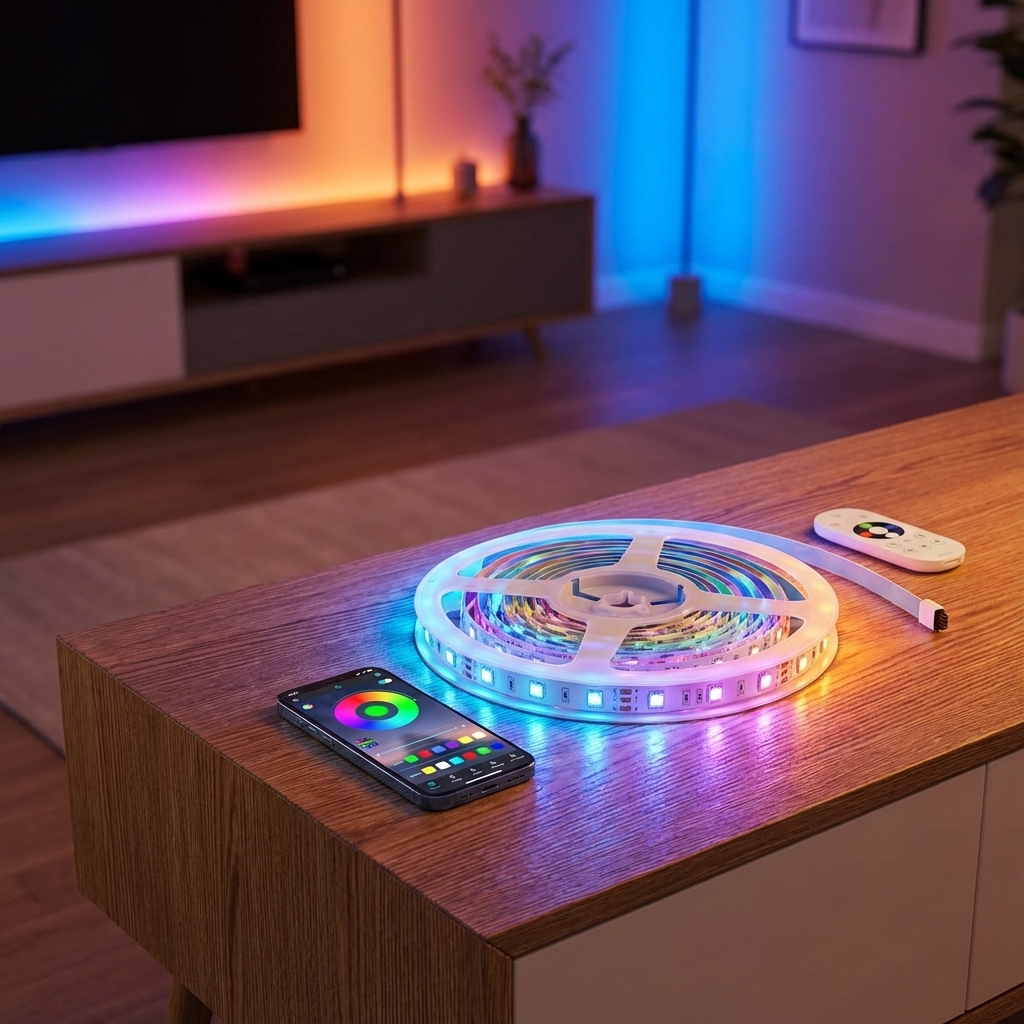
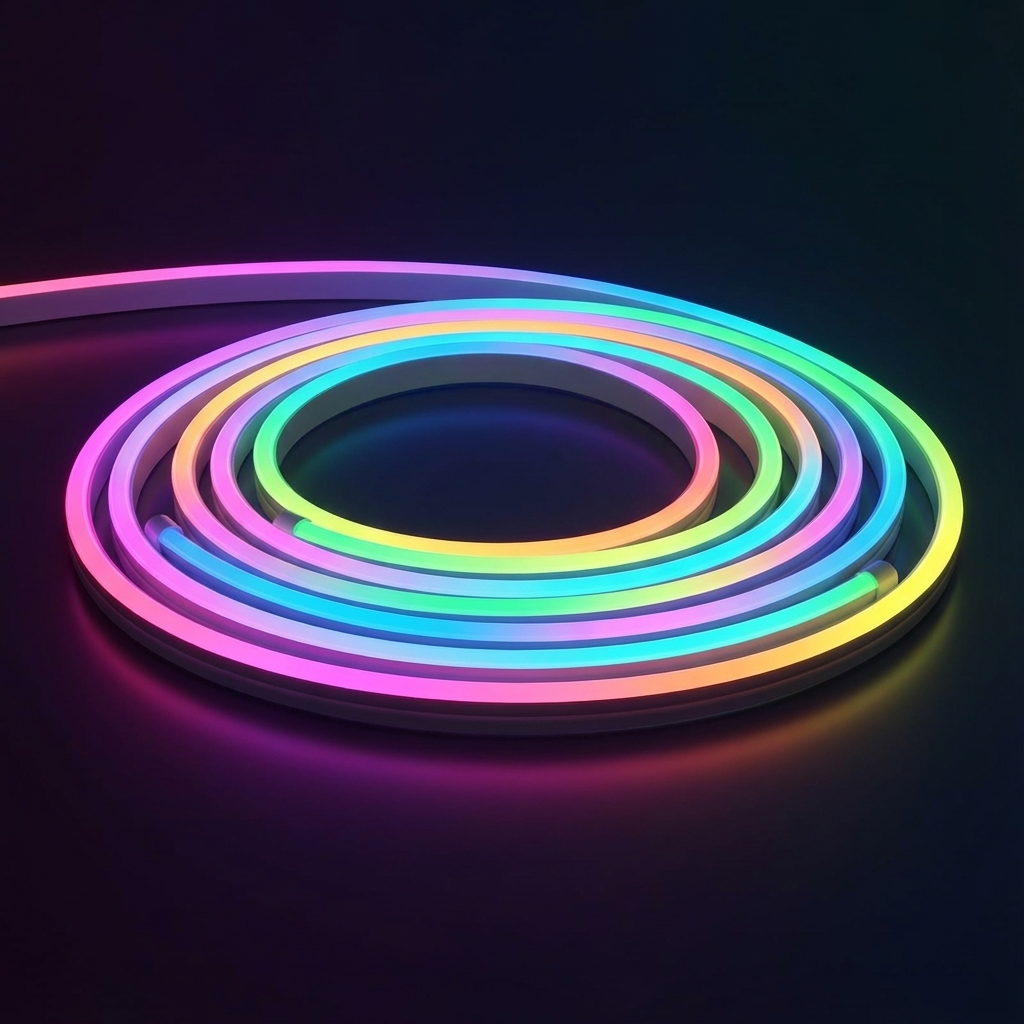
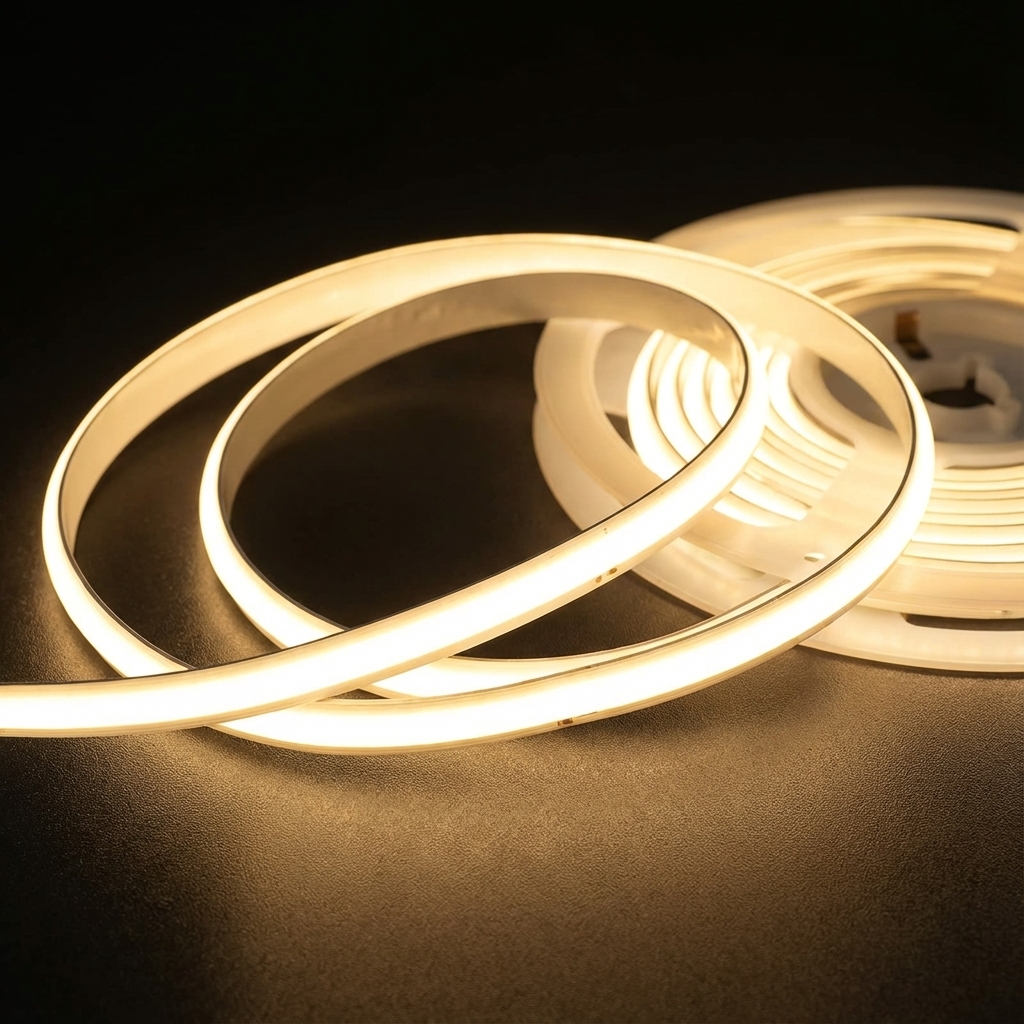
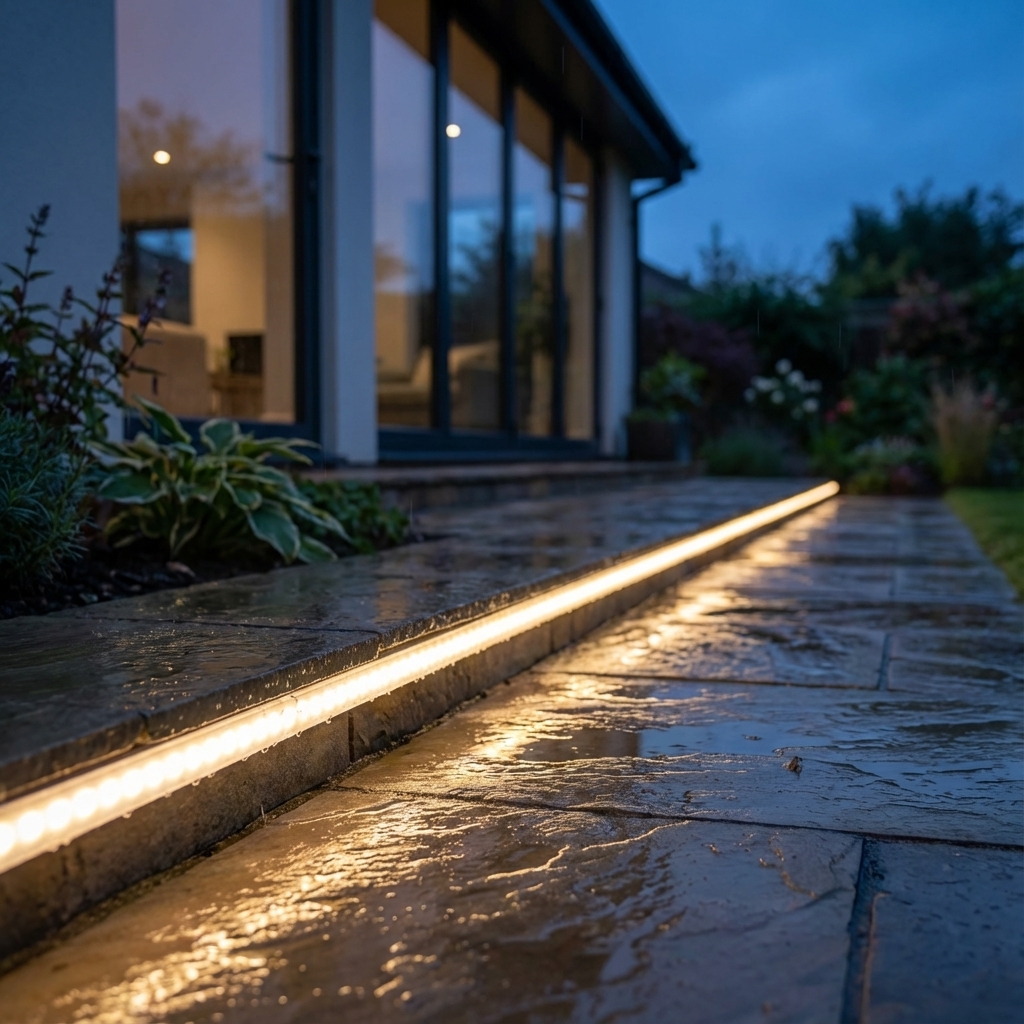
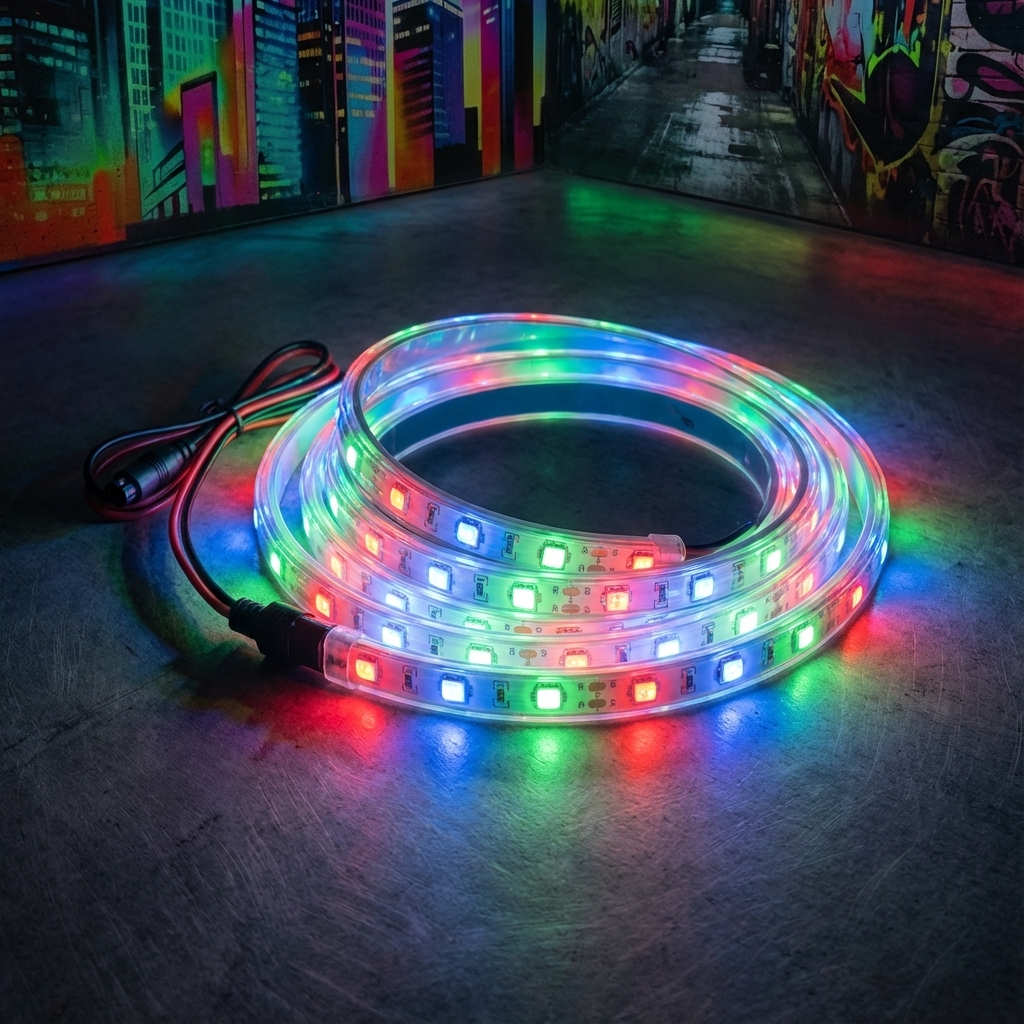
The Philippine market for LED strip lighting is poised for significant evolution by 2026, moving beyond simple illumination towards highly integrated and aesthetically sophisticated solutions. The primary trend is a surge in demand for smart LED strips that can be controlled via smartphone apps and voice commands, offering unprecedented convenience and personalization. This shift reflects a broader adoption of smart home technology across the country, as consumers seek to effortlessly customize their living and working environments for any mood or occasion. Driving this evolution is a dual focus on immersive experiences and refined aesthetics. The popularity of RGBIC LED strips is skyrocketing, fueled by the gaming and content creation communities who desire dynamic, multi-color flowing effects to enhance their setups. These vibrant, customizable displays are perfect for entertainment areas and have gained significant traction on social media. In parallel, there is a growing appreciation for minimalist and high-end design, which has elevated COB LED strips. Their ability to produce a seamless, dot-free line of light makes them the preferred choice for architectural accents and upscale residential and commercial projects where a clean, uniform glow is paramount. Practicality and niche applications also remain key market drivers. The demand for durable, waterproof LED strips is strong, catering to both indoor and outdoor applications in the Philippines' tropical climate, from garden landscapes to building facades. Furthermore, the robust DIY culture in the country continues to influence the market, with a particular emphasis on vehicle customization. The trend of using flexible, easy-to-install LED strips to personalize motorcycles is a significant and enduring niche, allowing riders to enhance both the style and visibility of their bikes.
The LED Strip category in the Philippines is a dynamic and high-growth market, with diverse applications ranging from smart home and gaming setups to outdoor and motorcycle accent lighting. Key trends driving demand include app-based smart controls, advanced RGBIC multi-color effects, and the sleek, seamless look of COB dotless technology. However, the market is filled with products suffering from common failures like weak adhesives, overheating power adapters, and poor durability. This creates a prime opportunity for brands to capture significant market share by addressing these quality gaps. Success hinges on partnering with a reliable led strip light supplier to deliver a superior product. Whether targeting the value segment with a complete, reliable 'plug and play' kit or the premium segment with advanced features and superior materials, focusing on quality control during the led strip manufacturing process is paramount. Brands that act quickly to source high-quality wholesale led strip lights can establish themselves as the go-to choice for discerning consumers.
The market data and sourcing advantages that make this trend worth pursuing.
Typical range
$5.35–$25.99
Typical range
$27.46–$60.00
132K views • 9% engagement
Strong organic resonance
53 suppliers
MOQ flexibility & scale options
High-margin candidate for boutique retail.
Premium Suede Backpack
High-margin candidate for boutique retail.
Top-selling entry-level SKU on Amazon.
Supplier Examples
Supplier 1
MOQ 100 • 5+ yrs
Supplier 2
MOQ 100 • 5+ yrs
Supplier 3
MOQ 100 • 5+ yrs
Supplier 4
MOQ 100 • 5+ yrs
Supplier 5
MOQ 100 • 5+ yrs
Add or customize product features and we'll match you with verified suppliers.
Feature Matching
Find suppliers with matching capabilities
Quote Comparison
Compare pricing and lead times
Sampling & Production
Request samples and begin production
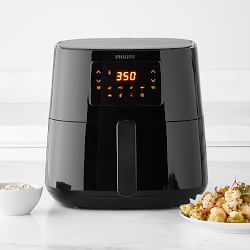
Explore Airfryer trends and sourcing opportunities
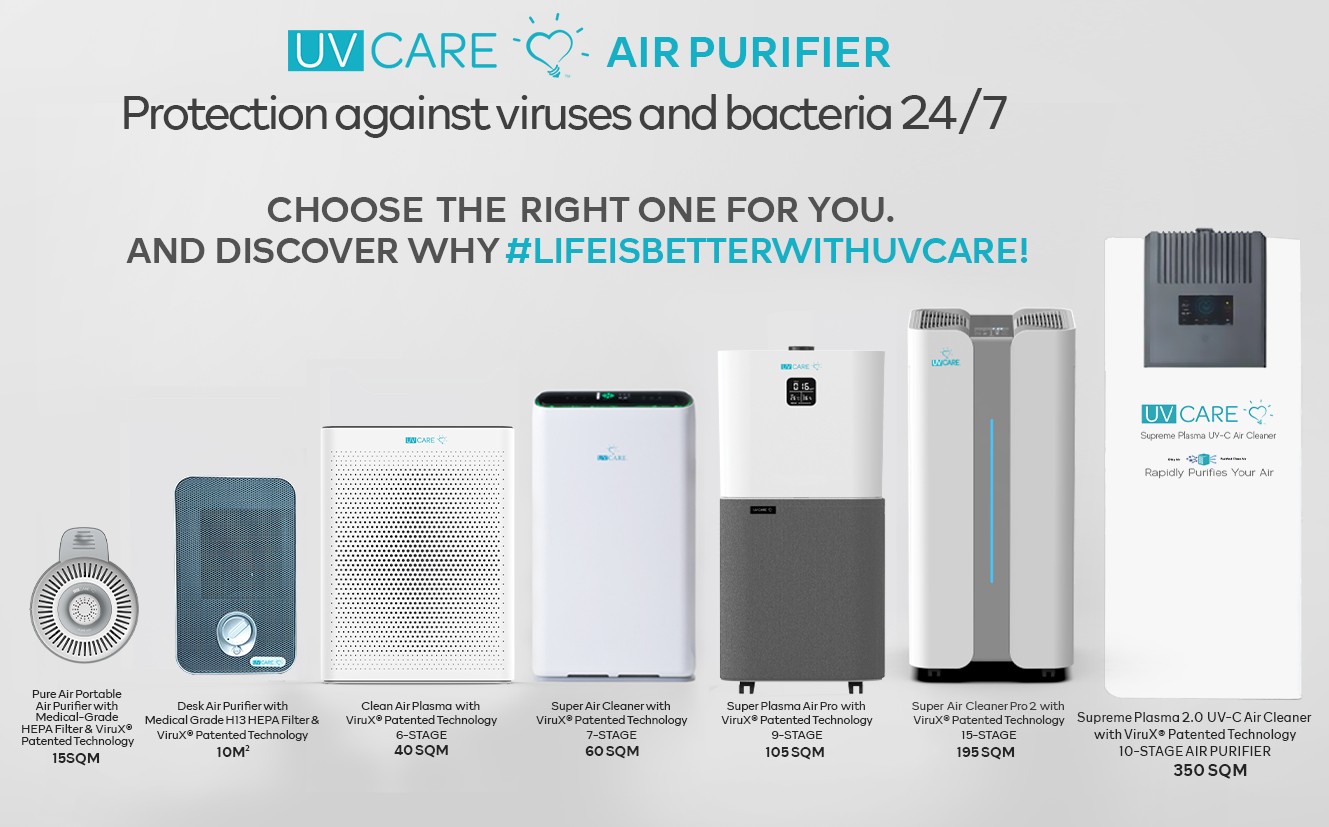
Explore Air Purifier trends and sourcing opportunities
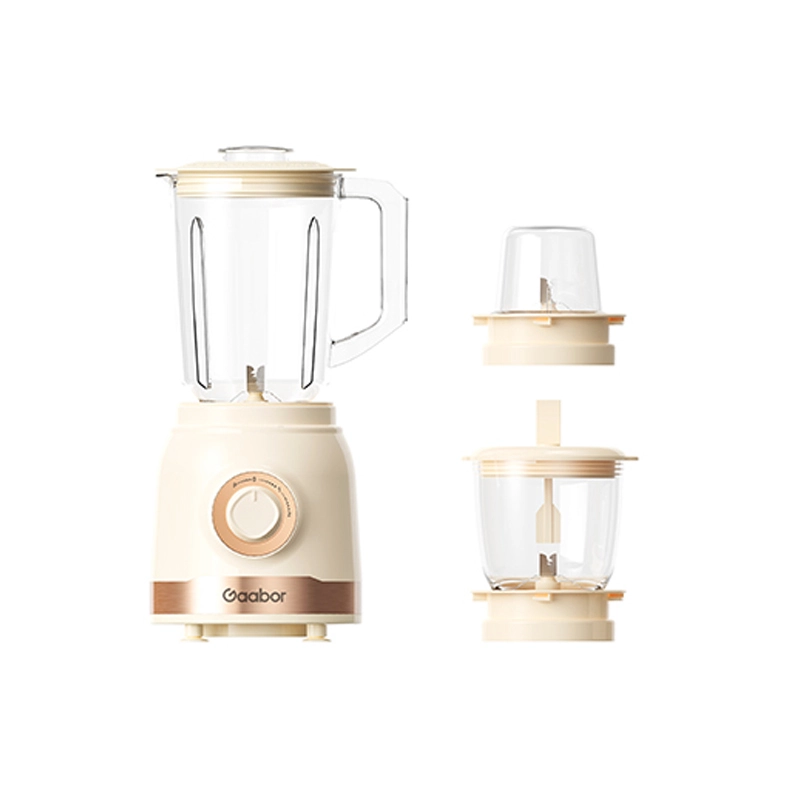
Explore Blender trends and sourcing opportunities
Explore Charging Cable trends and sourcing opportunities
Explore Digital Clocks trends and sourcing opportunities
Minimum order quantities vary by supplier tier and product complexity. Value segment suppliers typically require 500-1,000 pieces per style/color, while premium manufacturers may accept 200-300 pieces for higher-value orders. Customization options like private labeling often increase MOQ requirements.
Common materials include cotton, polyester, modal, bamboo viscose, and various blends. Performance variants often incorporate spandex/elastane for stretch, while premium options may use pima cotton or Tencel. Material choice significantly impacts both FOB pricing and end-consumer appeal.
Request product samples before bulk orders, verify supplier certifications (ISO, BSCI, OEKO-TEX), check factory audit reports, and review trade history on B2B platforms. Our verified supplier ratings consider response rates, dispute history, and quality scores from verified transactions.
Standard production lead times range from 25-45 days depending on order complexity and supplier capacity. Rush orders may be possible at premium rates. Add 15-30 days for sea freight shipping to US ports, or 5-7 days for air freight on urgent orders.