
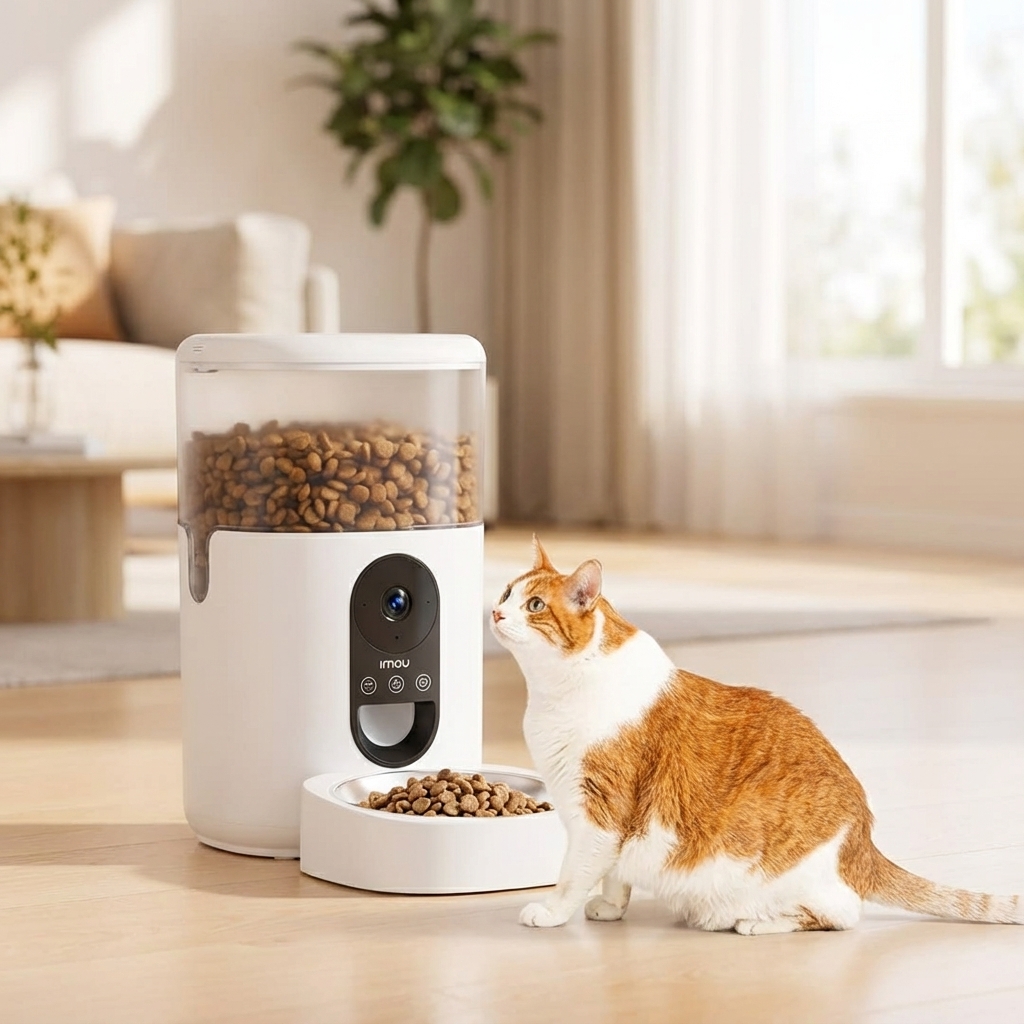
 TikTok Views
—
 Trend InterestCloser to 50 = very trending
58
 Avg Price
$1672
 Suppliers
19
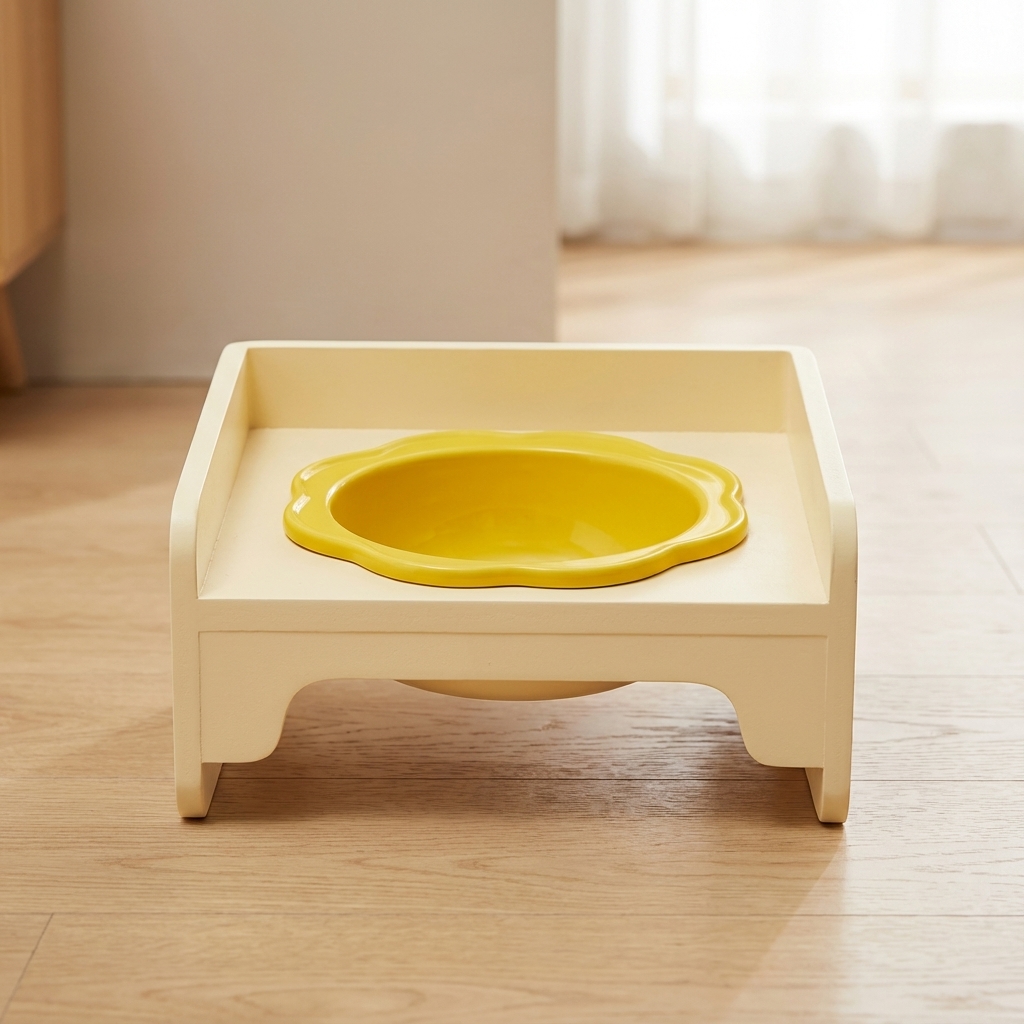 TikTok Views
—
Trend InterestCloser to 50 = very trending0
Avg Price$909
Suppliers16
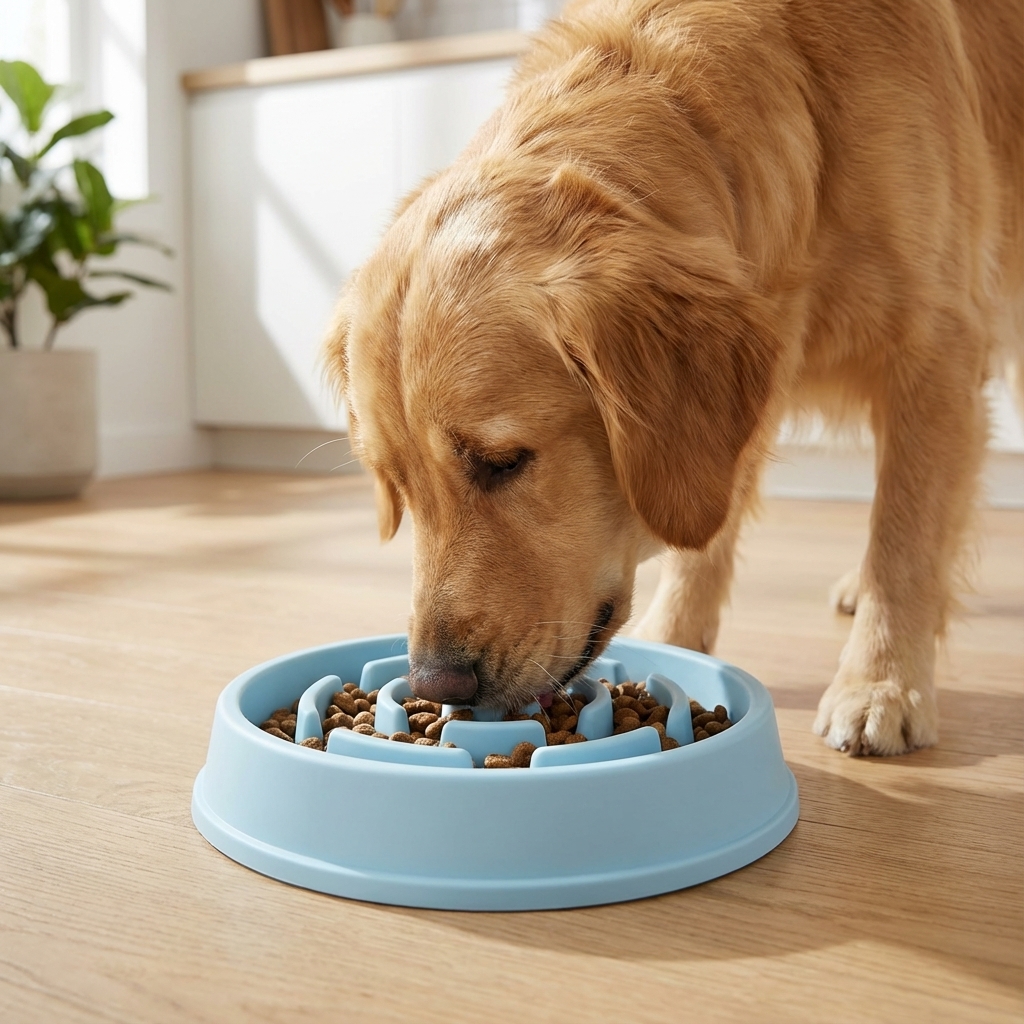 TikTok Views
—
Trend InterestCloser to 50 = very trending6
Avg Price$384
Suppliers16
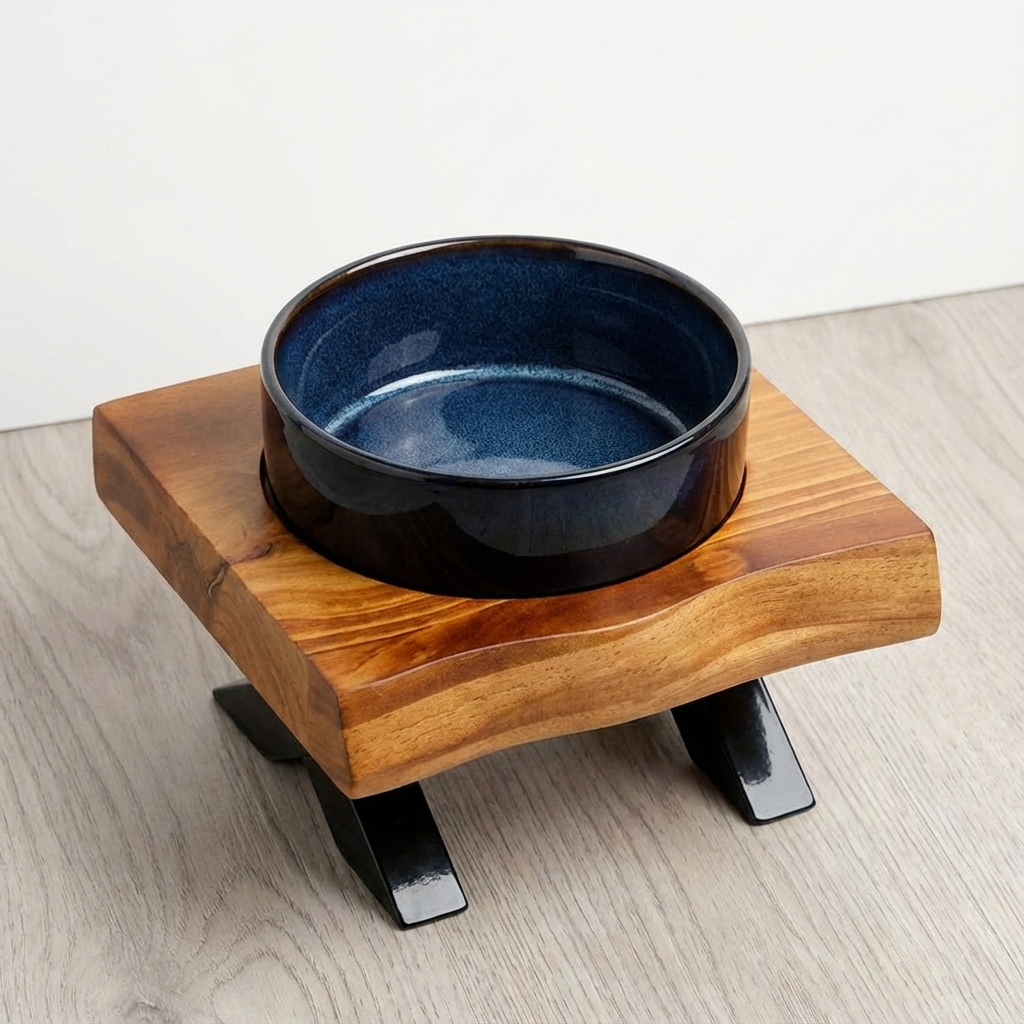 TikTok Views
—
Trend InterestCloser to 50 = very trending3
Avg Price$527
Suppliers13
 TikTok Views
—
Trend InterestCloser to 50 = very trending13
Avg Price$839
Suppliers15
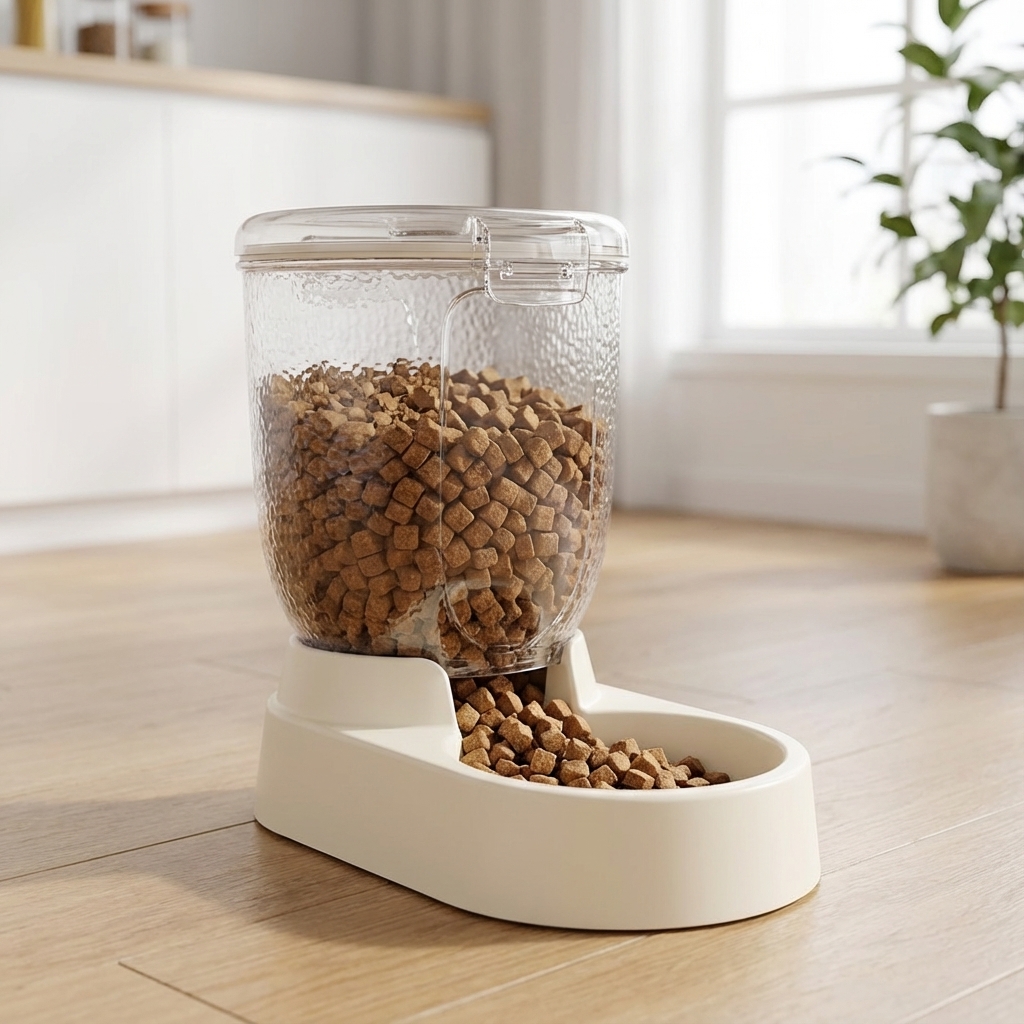
The Mexican pet feeder market in early 2026 is characterized by a growing emphasis on pet wellness and the integration of technology to enhance pet care. A significant trend is the increasing popularity of smart pet feeders, which allow owners to automate feeding schedules, control portions, and even monitor their pets remotely via cameras and apps. This caters to the busy lifestyles of modern pet owners and their desire to stay connected with their animal companions. Alongside high-tech solutions, there is a strong demand for feeders that address specific health concerns. Elevated pet feeders are gaining traction for their ergonomic benefits, promoting better posture and digestion, particularly for large or senior pets. Similarly, slow-feed pet feeders with interactive, maze-like designs are becoming a staple for preventing rapid eating and associated health issues like bloating, turning mealtime into a mentally stimulating activity. The aesthetic appeal of pet products is also a notable factor, with a trend towards stylish designs and materials like wood and ceramic that complement home interiors. This reflects the broader "humanization" of pets, where they are considered integral family members. This shift in perception is leading to increased consumer spending on premium, health-oriented, and design-conscious products that improve the quality of life for their pets while also fitting seamlessly into the owner's home environment.
The Pet Feeder category represents a significant and growing opportunity in the Mexican market, driven by pet owners' increasing focus on their pets' health, convenience, and integrating pet products into their home decor. The market encompasses several key archetypes, including smart, elevated, slow-feed, gravity, and ceramic feeders, each addressing specific consumer needs. Success across the category hinges on solving common customer complaints such as instability, food jamming, difficult cleaning, and poor material quality. Brands can capitalize on this trend by sourcing a diverse portfolio, from value-focused models made of durable plastics and bamboo to premium stations constructed from heavy-duty steel, solid wood, and high-quality ceramic. Focusing on reliability, ergonomic design, safety, and modern aesthetics is crucial for capturing market share and building consumer trust.
The market data and sourcing advantages that make this trend worth pursuing.
Typical range
$5.35–$25.99
Typical range
$27.46–$60.00
132K views • 9% engagement
Strong organic resonance
53 suppliers
MOQ flexibility & scale options
High-margin candidate for boutique retail.
Premium Suede Backpack
High-margin candidate for boutique retail.
Top-selling entry-level SKU on Amazon.
Supplier Examples
Supplier 1
MOQ 100 • 5+ yrs
Supplier 2
MOQ 100 • 5+ yrs
Supplier 3
MOQ 100 • 5+ yrs
Supplier 4
MOQ 100 • 5+ yrs
Supplier 5
MOQ 100 • 5+ yrs
Add or customize product features and we'll match you with verified suppliers.
Feature Matching
Find suppliers with matching capabilities
Quote Comparison
Compare pricing and lead times
Sampling & Production
Request samples and begin production
Explore Airfryer trends and sourcing opportunities
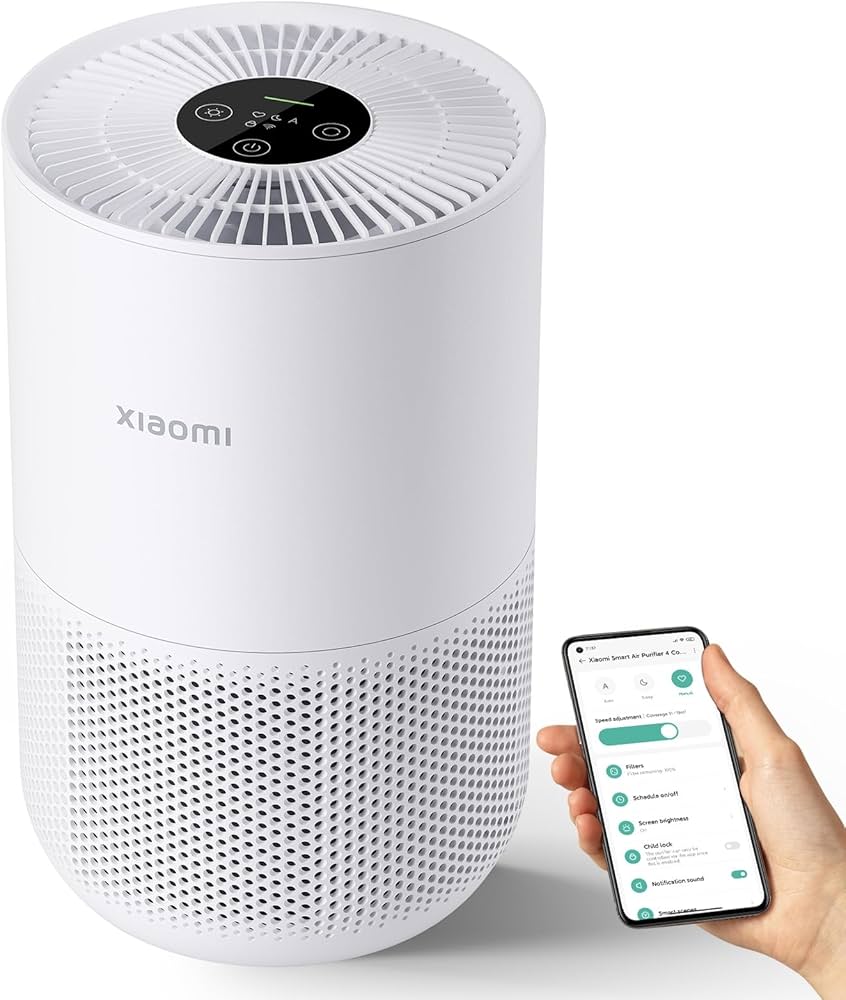
Explore Air Purifier trends and sourcing opportunities
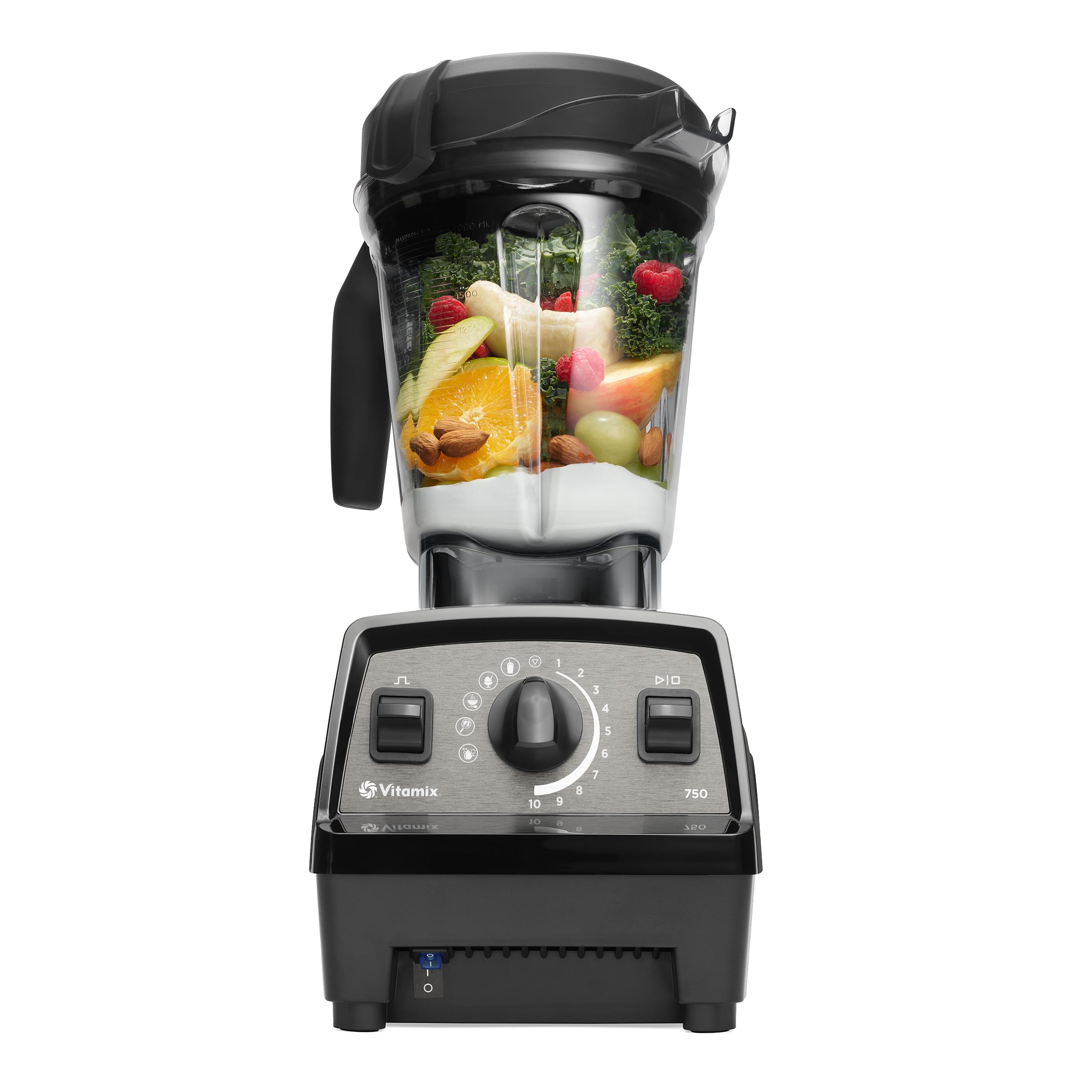
Explore Blender trends and sourcing opportunities
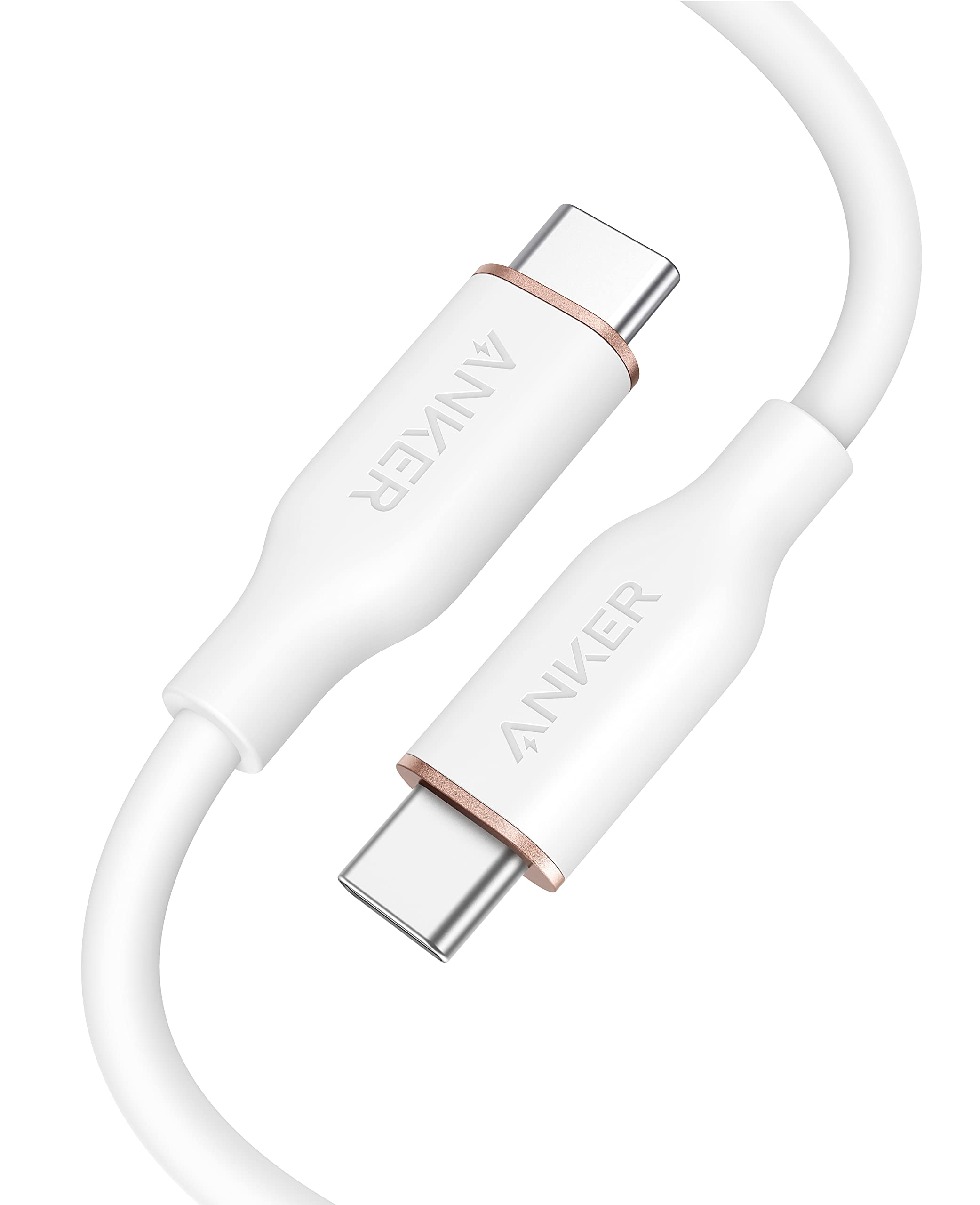
Explore Charging Cable trends and sourcing opportunities
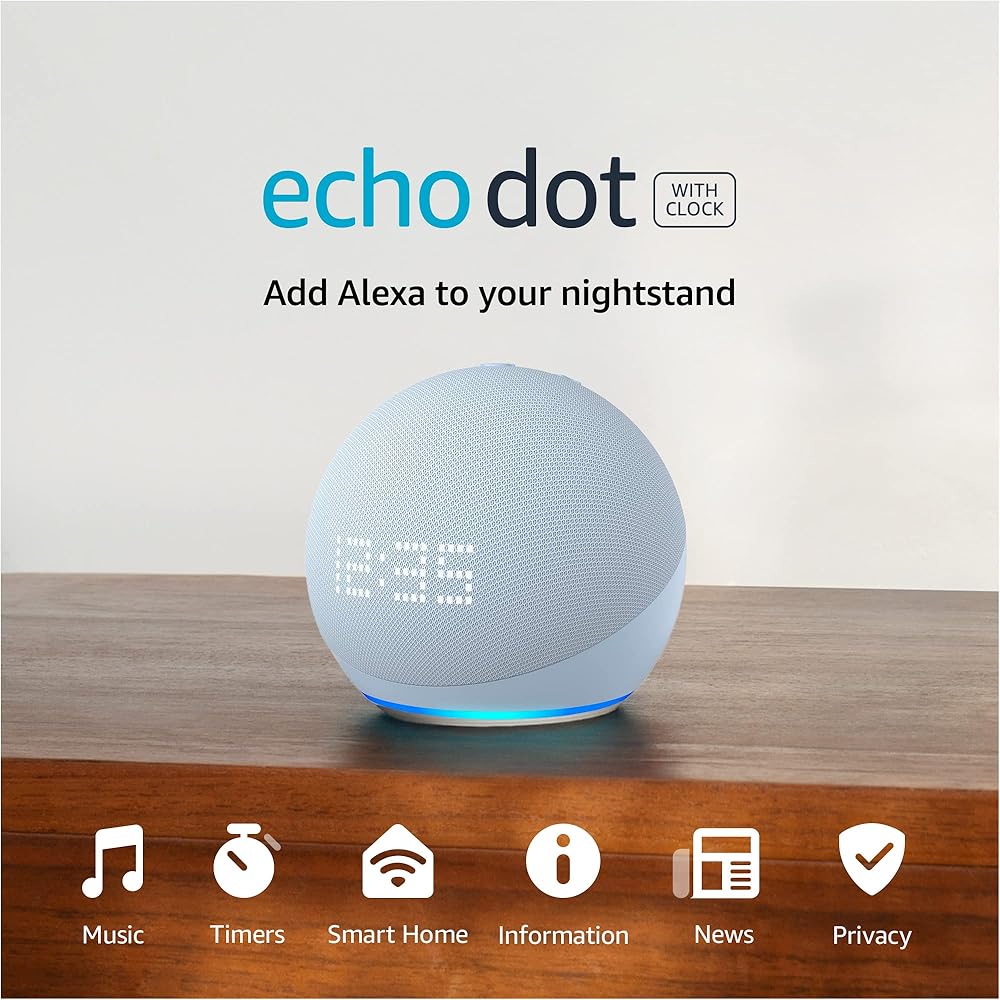
Explore Digital Clocks trends and sourcing opportunities
Minimum order quantities vary by supplier tier and product complexity. Value segment suppliers typically require 500-1,000 pieces per style/color, while premium manufacturers may accept 200-300 pieces for higher-value orders. Customization options like private labeling often increase MOQ requirements.
Common materials include cotton, polyester, modal, bamboo viscose, and various blends. Performance variants often incorporate spandex/elastane for stretch, while premium options may use pima cotton or Tencel. Material choice significantly impacts both FOB pricing and end-consumer appeal.
Request product samples before bulk orders, verify supplier certifications (ISO, BSCI, OEKO-TEX), check factory audit reports, and review trade history on B2B platforms. Our verified supplier ratings consider response rates, dispute history, and quality scores from verified transactions.
Standard production lead times range from 25-45 days depending on order complexity and supplier capacity. Rush orders may be possible at premium rates. Add 15-30 days for sea freight shipping to US ports, or 5-7 days for air freight on urgent orders.