
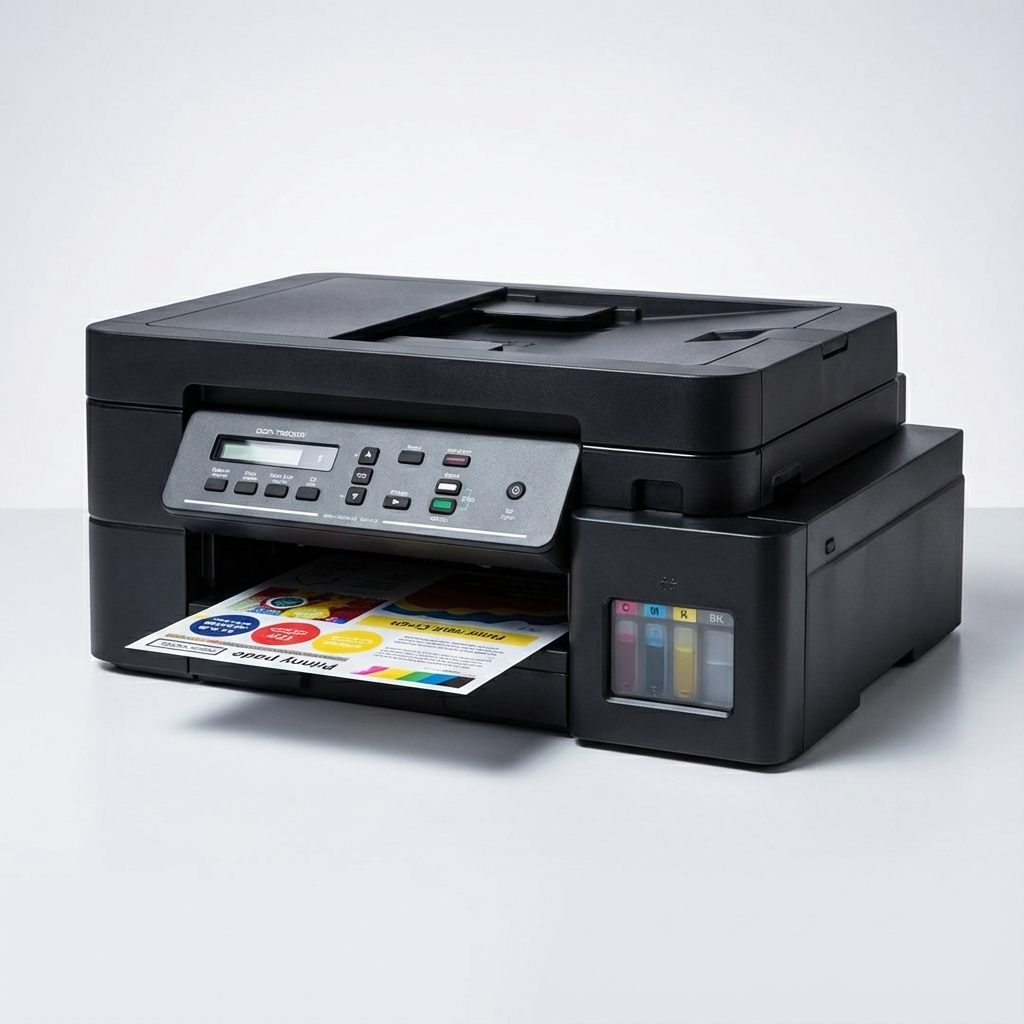
 TikTok Views
161.4K
 Trend InterestCloser to 50 = very trending
6
 Avg Price
R$8426
 Suppliers
4
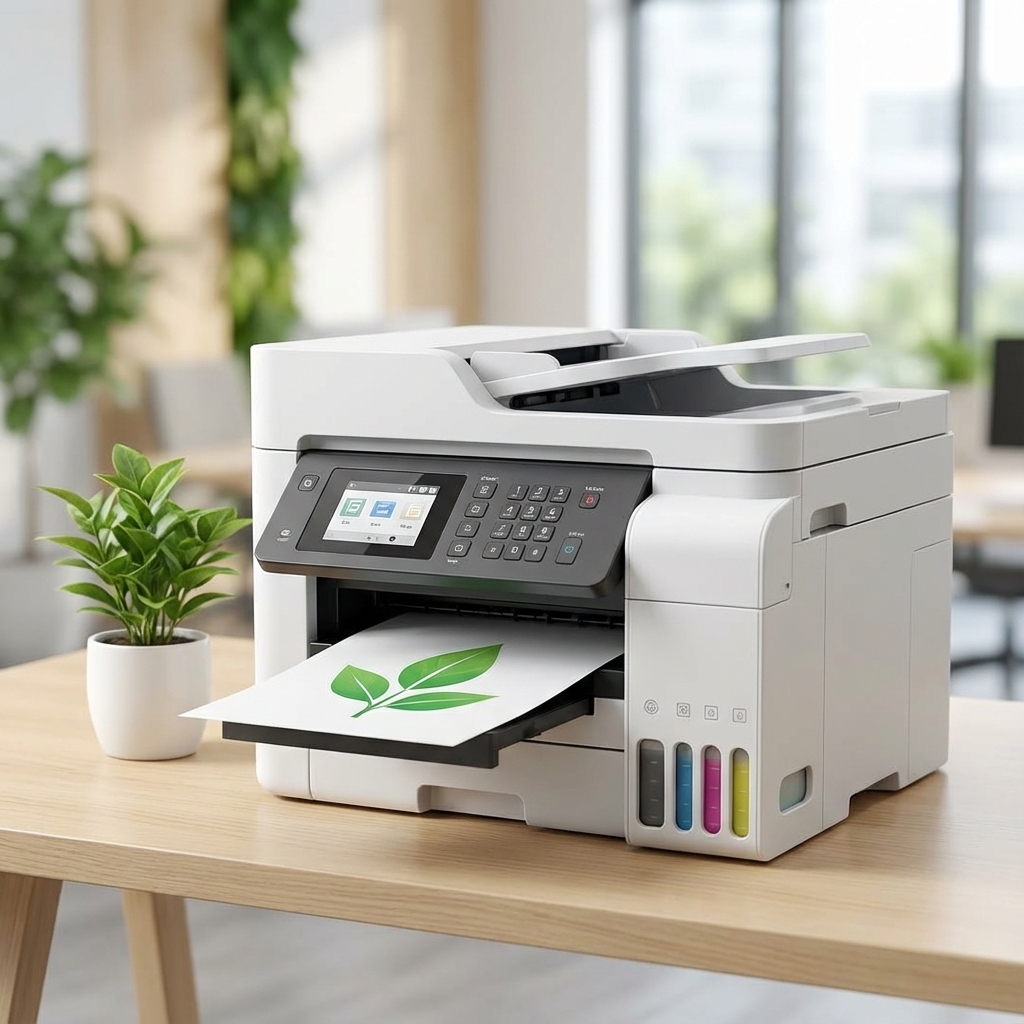 TikTok Views
2.5M
Trend InterestCloser to 50 = very trending22
Avg PriceR$3146
Suppliers19
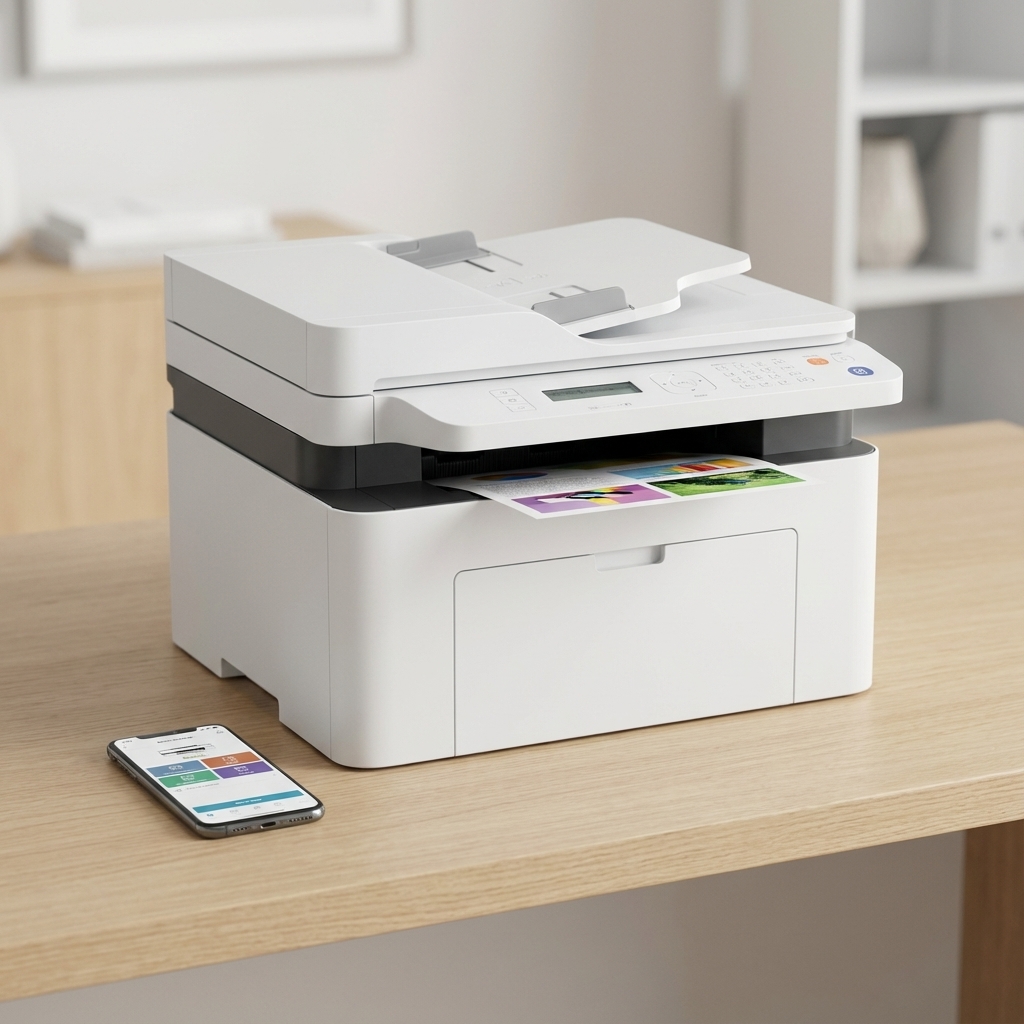 TikTok Views
—
Trend InterestCloser to 50 = very trending36
Avg PriceR$7747
Suppliers17
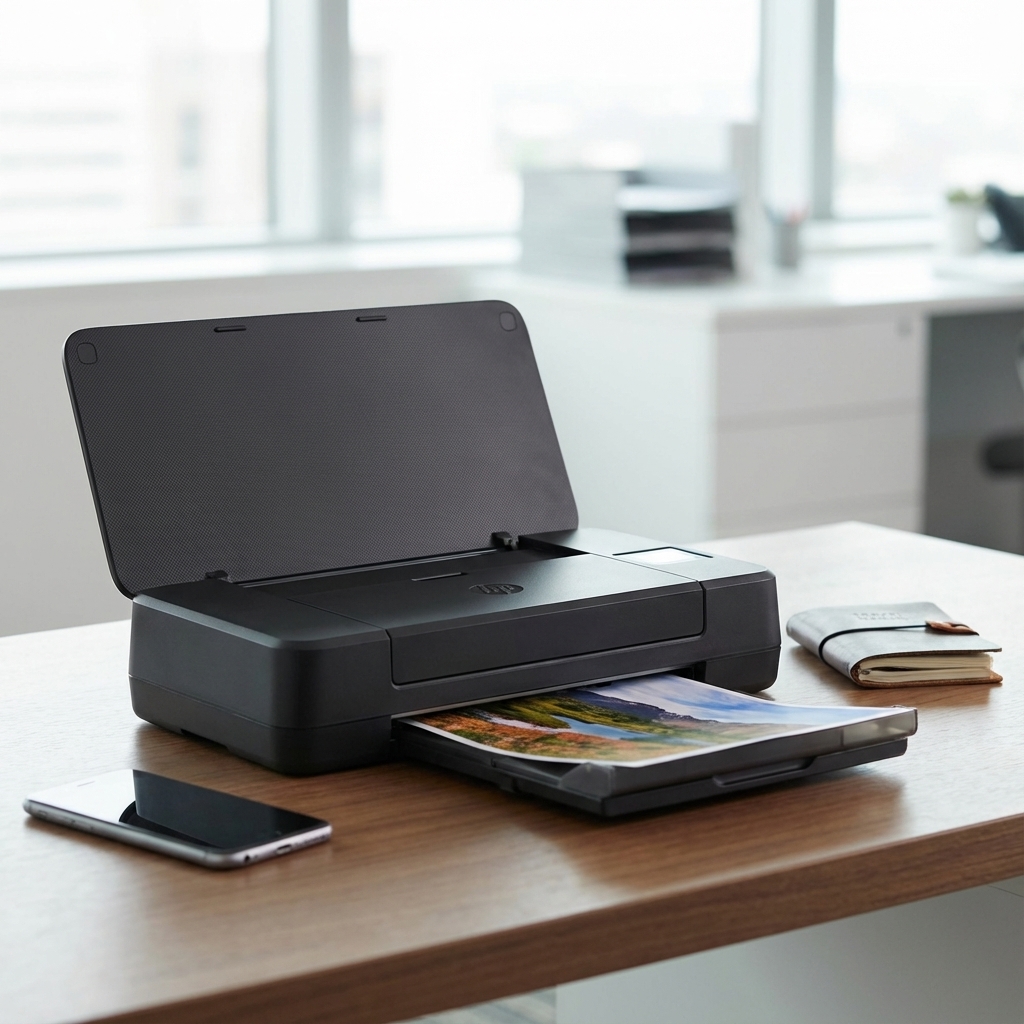 Social Views
14.9M
Trend InterestCloser to 50 = very trending25
Avg PriceR$1154
Suppliers13
-printers/generated_0_1767657172.jpg) Social Views
Social Views121.3K
Trend InterestCloser to 50 = very trending22
Avg PriceR$742
Suppliers18
The Philippine printer market is poised for significant growth in 2026, with projections indicating it will reach approximately USD 89.32 million by 2032, growing at a CAGR of around 4.04% from 2026. This expansion is primarily fueled by the increasing demands of small and medium-sized enterprises (SMEs), the burgeoning e-commerce sector, and the evolving needs of the educational and remote working segments. These key sectors require reliable and efficient printing solutions, driving the overall market forward. A major trend shaping the market is the pronounced shift from traditional laser printers to more cost-effective ink tank models. Businesses, in particular, are adopting these printers for their high-volume needs, attracted by the significantly lower cost per page. Alongside this, multifunction devices that integrate printing, scanning, copying, and sometimes faxing capabilities continue to be highly sought after. Their popularity stems from the convenience and space-saving benefits they offer to both home and office environments. Looking ahead, sustainability and connectivity are becoming central to consumer and business purchasing decisions. There is a growing consciousness for eco-friendly solutions, with brands promoting technologies that consume less power and reduce waste, such as refillable ink systems. Simultaneously, wireless and mobile printing functionalities are transitioning from a premium feature to a standard expectation. This caters to the modern user's demand for flexibility, convenience, and the ability to print seamlessly from a variety of devices in any location.
The printer market in the Philippines is dynamic, presenting significant opportunities for brands that can capitalize on key consumer demands for convenience, cost-efficiency, and connectivity. The dominant trend is the shift towards All-in-One ink tank printers, which offer a low total cost of ownership, making them ideal for home and small office use. Concurrently, there's a growing demand for portable printers, spanning from value-priced mini printers for students to professional-grade A4 thermal models for mobile workers. Niche markets, such as custom apparel, are being transformed by Direct-to-Film (DTF) technology. To succeed, brands must source products that solve common frustrations like complex setups, unreliable software, and high running costs. By focusing on user-friendly features and reliability, businesses can effectively position a wholesale printer solution for both consumer and B2B channels.
The market data and sourcing advantages that make this trend worth pursuing.
Typical range
$5.35–$25.99
Typical range
$27.46–$60.00
132K views • 9% engagement
Strong organic resonance
53 suppliers
MOQ flexibility & scale options
High-margin candidate for boutique retail.
Premium Suede Backpack
High-margin candidate for boutique retail.
Top-selling entry-level SKU on Amazon.
Supplier Examples
Supplier 1
MOQ 100 • 5+ yrs
Supplier 2
MOQ 100 • 5+ yrs
Supplier 3
MOQ 100 • 5+ yrs
Supplier 4
MOQ 100 • 5+ yrs
Supplier 5
MOQ 100 • 5+ yrs
Add or customize product features and we'll match you with verified suppliers.
Feature Matching
Find suppliers with matching capabilities
Quote Comparison
Compare pricing and lead times
Sampling & Production
Request samples and begin production
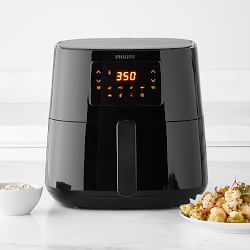
Explore Airfryer trends and sourcing opportunities

Explore Air Purifier trends and sourcing opportunities
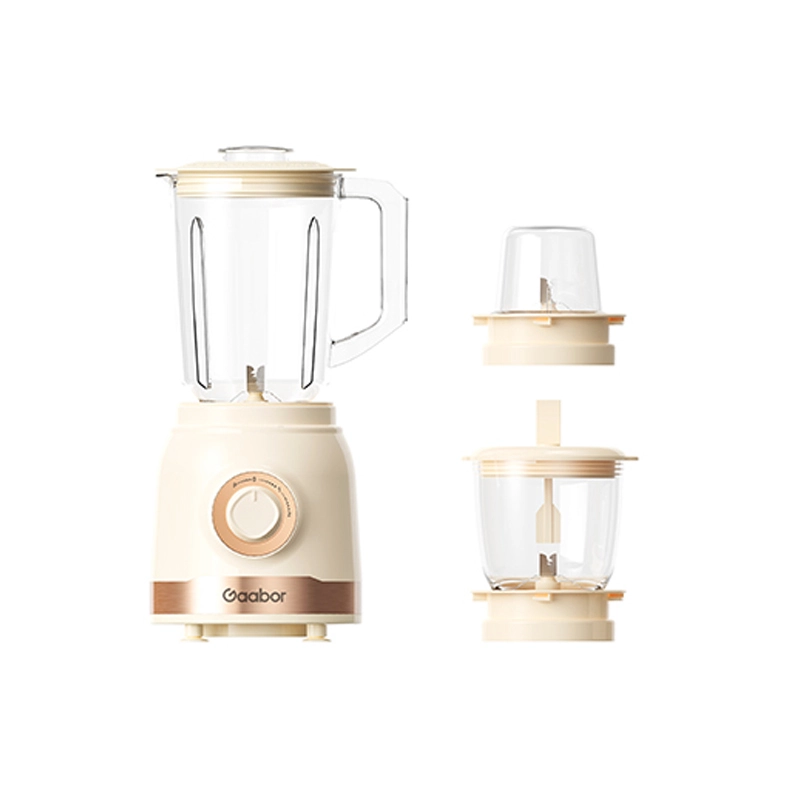
Explore Blender trends and sourcing opportunities
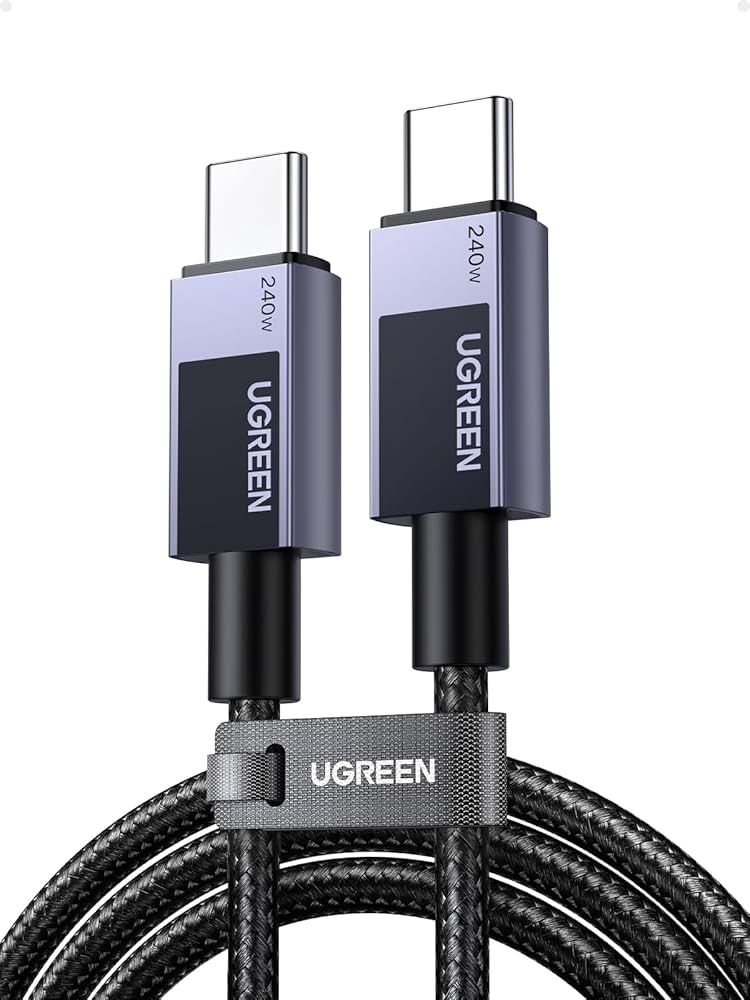
Explore Charging Cable trends and sourcing opportunities
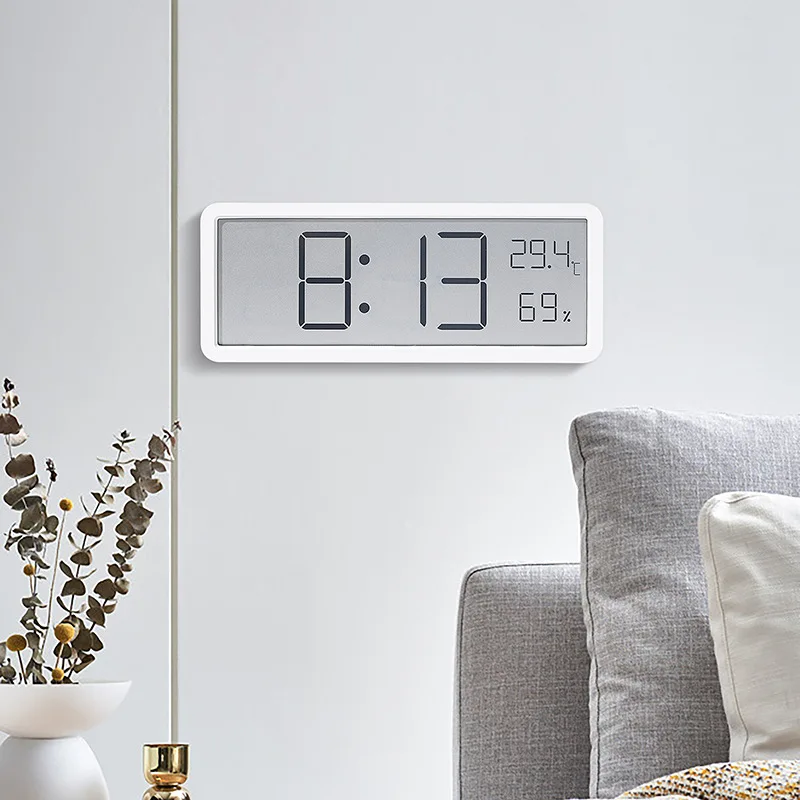
Explore Digital Clocks trends and sourcing opportunities
Minimum order quantities vary by supplier tier and product complexity. Value segment suppliers typically require 500-1,000 pieces per style/color, while premium manufacturers may accept 200-300 pieces for higher-value orders. Customization options like private labeling often increase MOQ requirements.
Common materials include cotton, polyester, modal, bamboo viscose, and various blends. Performance variants often incorporate spandex/elastane for stretch, while premium options may use pima cotton or Tencel. Material choice significantly impacts both FOB pricing and end-consumer appeal.
Request product samples before bulk orders, verify supplier certifications (ISO, BSCI, OEKO-TEX), check factory audit reports, and review trade history on B2B platforms. Our verified supplier ratings consider response rates, dispute history, and quality scores from verified transactions.
Standard production lead times range from 25-45 days depending on order complexity and supplier capacity. Rush orders may be possible at premium rates. Add 15-30 days for sea freight shipping to US ports, or 5-7 days for air freight on urgent orders.