
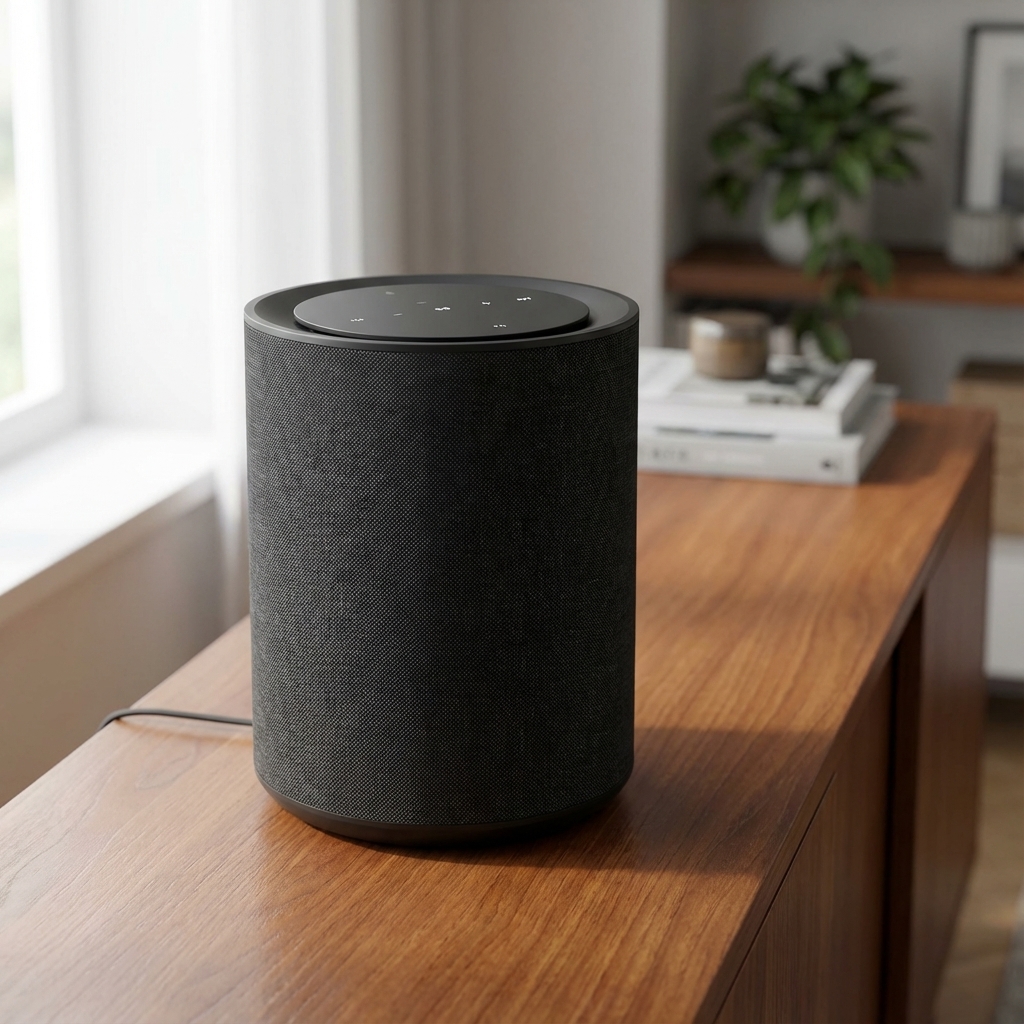
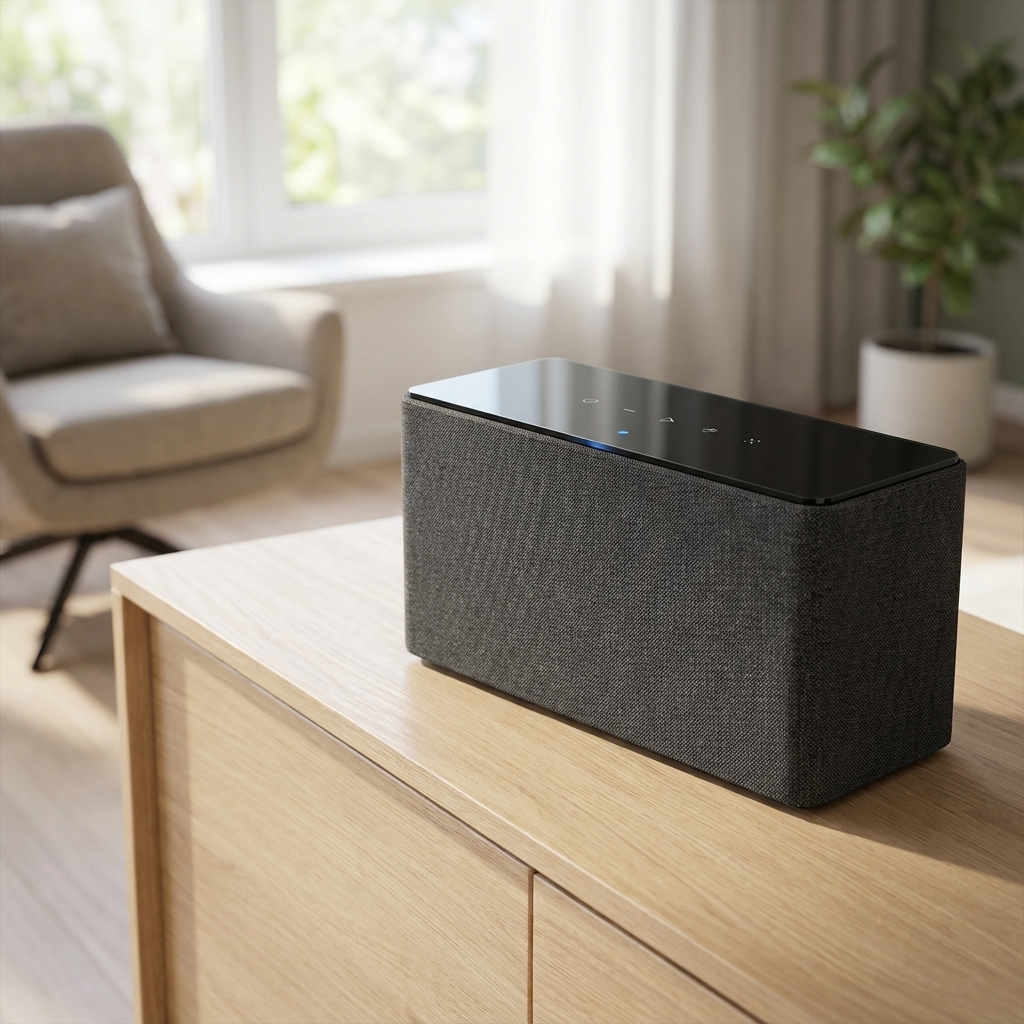
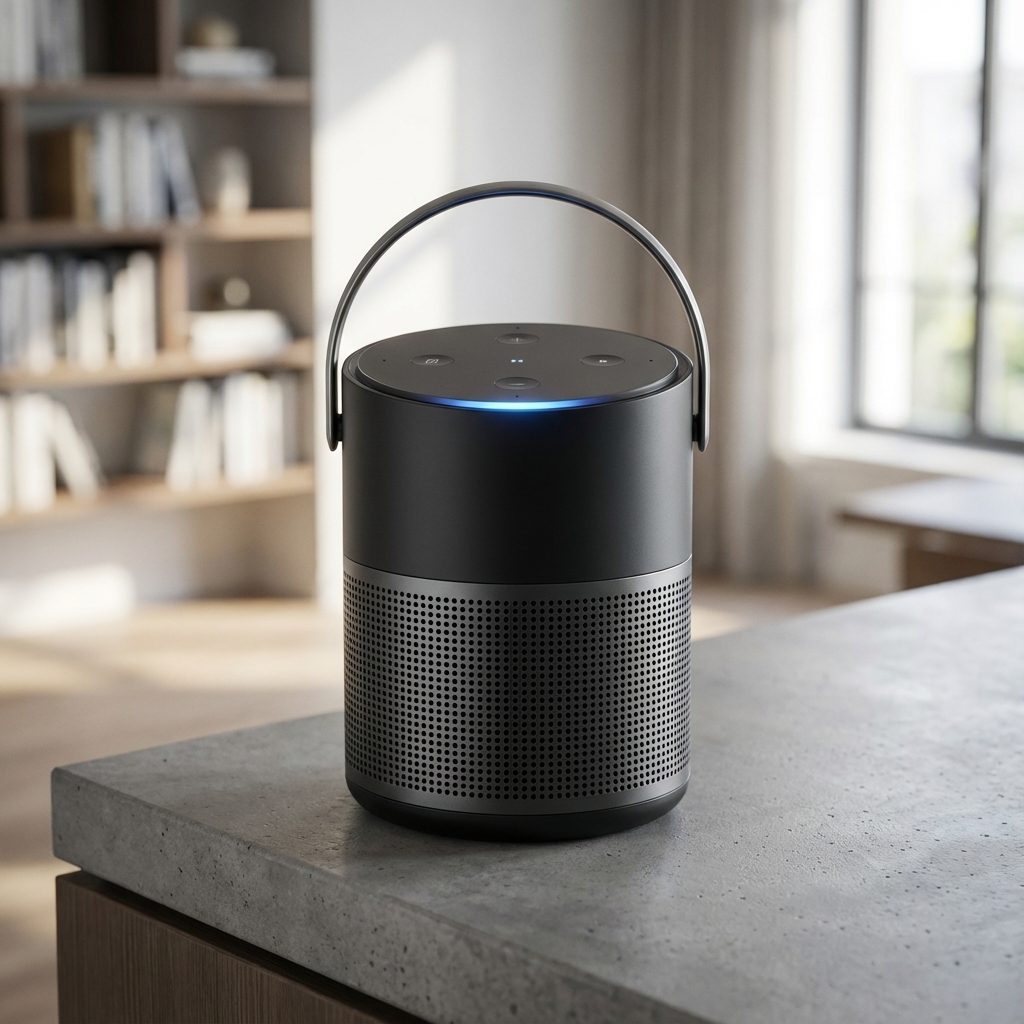
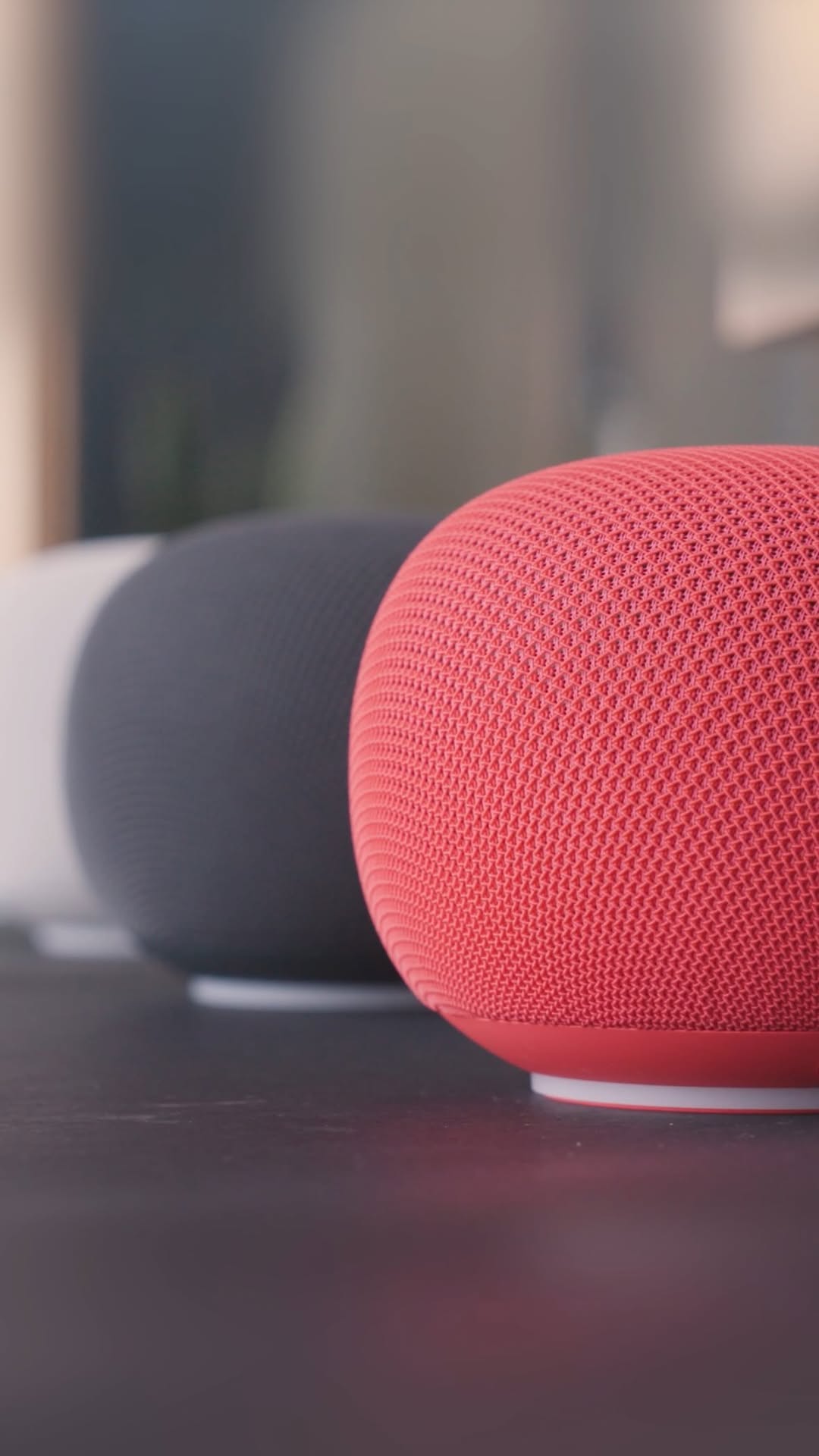
These speakers are integrated with intelligent virtual assistants like Amazon Alexa and Google Assistant. They function as a central hub for controlling various smart home devices, from lighting to security systems.
Mga trend signal, demand data, at market insights para sa produktong ito
75/100
growing
R$47 - R$460
Real data showing search growth, social buzz, and consumer demand signals.
Google Trends (12 Months)
TikTok Posts
Amazon
Prominent Brazilian tech influencer and YouTuber known for his content on technology, gadgets, and creating a smart home environment.
Amazon
Highly acclaimed and influential Brazilian actor, director, and television host with an exclusive contract with Amazon Studios, which includes projects related to Amazon Alexa.
Amazon
One of Brazil's most popular and influential digital personalities, a businesswoman, and content creator.
Current bestsellers and viral hits defining the consumer expectation.
Source easily with Sourcy. We connect you with verified suppliers, handle quality control, and simplify the entire process.
These brands are driving demand and shaping what consumers want to buy.
MARKET LEADER
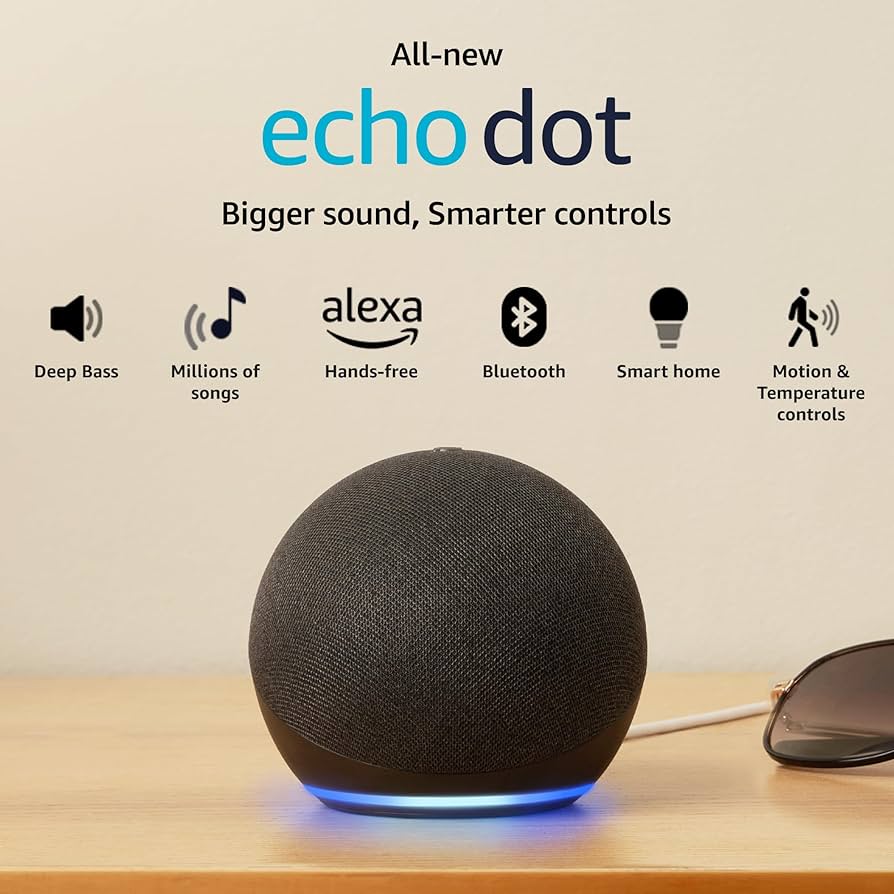
The Echo Dot (5th generation) is a cornerstone of the smart home trend in Brazil, offering a compact design packed with features. It delivers improved sound quality with clearer vocals and deeper bass than its predecessors, making it an excellent speaker for music and podcasts. Its primary role in pushing the smart home trend lies in the power of the Alexa assistant, which allows users to control a vast ecosystem of compatible smart devices, such as lights, plugs, and thermostats, using just their voice. The 5th generation model also includes a temperature sensor, enabling automated routines like turning on a fan or air conditioner when the room gets too warm, further integrating the speaker into the home's autonomous functions. Its widespread adoption and the constant evolution of Alexa's skills have made it a top-of-mind product for consumers entering the smart home world.
Key Product: Echo Dot (5th generation)
MARKET LEADER
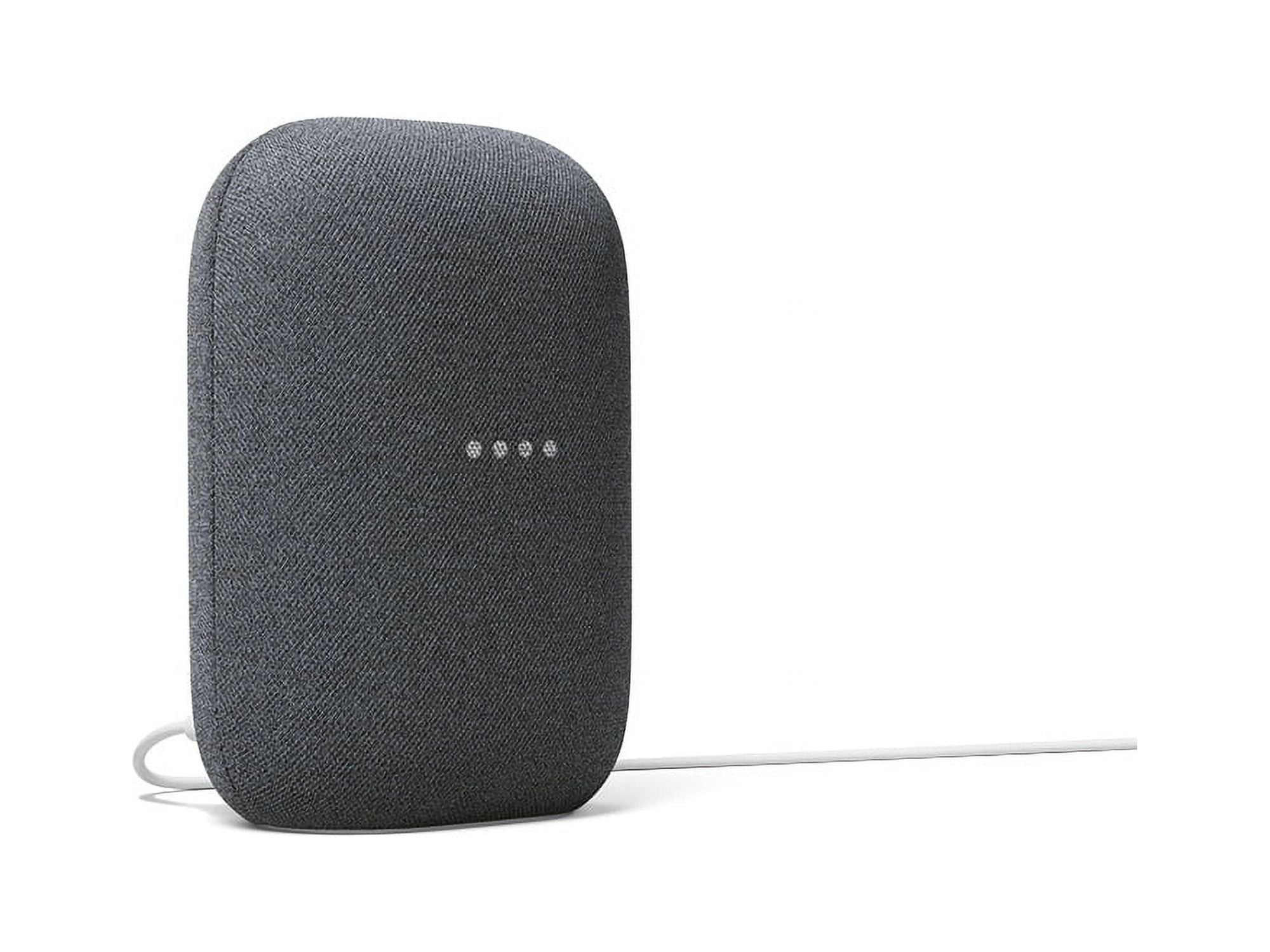
The Google Nest Audio is Google's answer to the demand for a smart speaker with superior sound quality that also serves as a powerful smart home hub. It is designed to fill a room with rich, full sound, adapting its audio to the environment. For the trend-conscious consumer in Brazil, the Nest Audio is iconic for its seamless integration with the Google ecosystem, including Android phones and Google Calendar, making it a natural extension of their digital life. It leverages the power of the Google Assistant, which is often praised for its ability to understand context and answer a wide range of questions more "intelligently" than its competitors. This speaker helps push the smart home trend by providing a centralized and intuitive way to manage compatible devices, set routines, and get personalized information, embodying the intelligence and convenience of a connected home.
Key Product: Nest Audio
MARKET LEADER
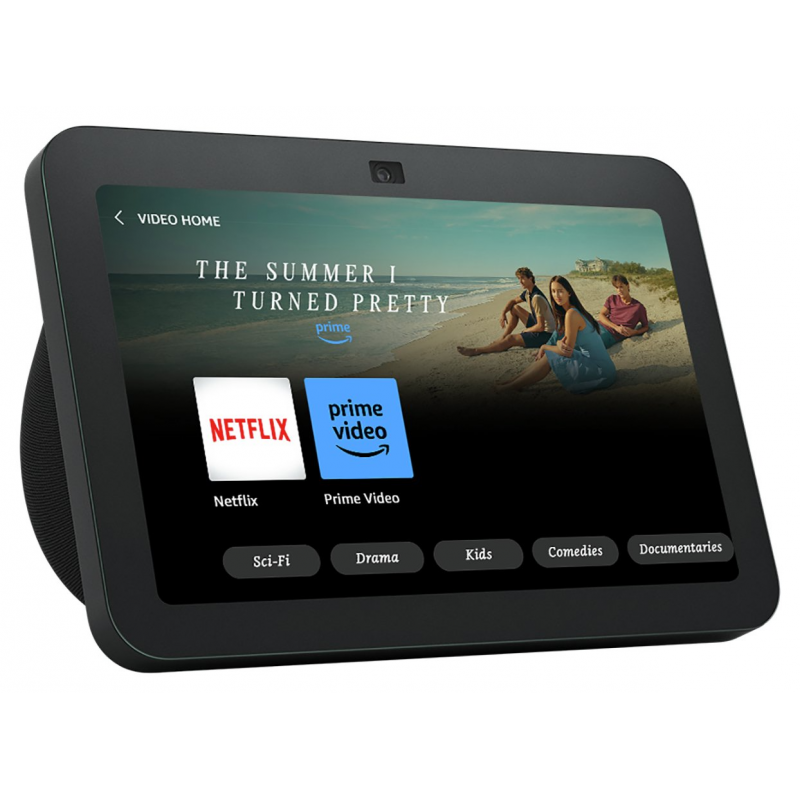
The Echo Show 8 (3rd generation) elevates the smart home experience by adding a visual component to the smart speaker. Its 8-inch HD touchscreen provides a new dimension of control and information, allowing users to watch videos, see security camera feeds, and view step-by-step recipes. This product is iconic for transforming the smart speaker from a purely audio device into a visual command center for the home. It pushes the smart home trend by making the management of connected devices more intuitive and accessible, with features like a customizable home screen for quick access to favorite smart home controls. The inclusion of spatial audio provides a more immersive sound experience, and the built-in smart home hub with Matter support ensures compatibility with a growing number of devices, solidifying its role as a central and future-proof piece of the modern smart home.
Key Product: Echo Show 8 (3rd generation)
Submit your design with target specs, and we'll connect you with vetted manufacturers.