
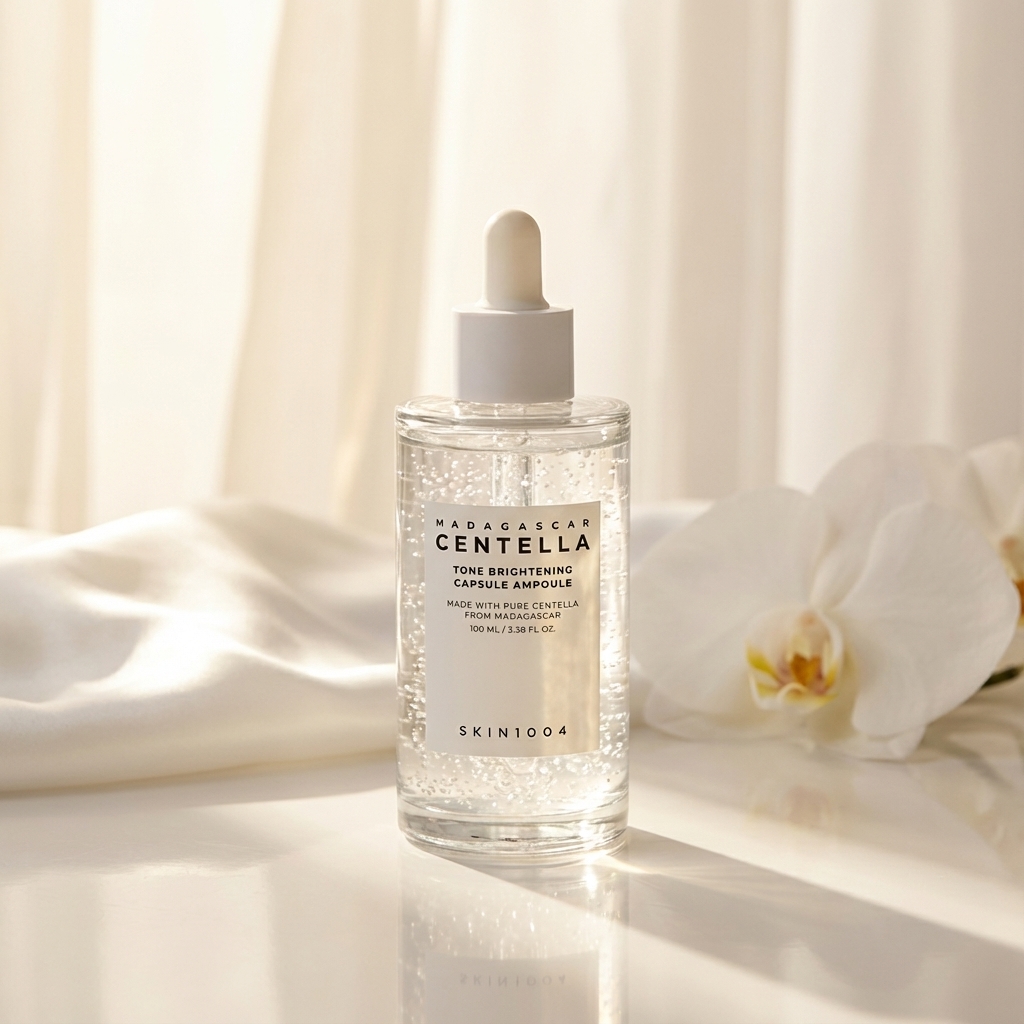
 TikTok Views
1.4M
 Trend InterestCloser to 50 = very trending
41
 Avg Price
R$278
 Suppliers
19
 TikTok Views
—
Trend InterestCloser to 50 = very trending20
Avg PriceR$335
Suppliers17
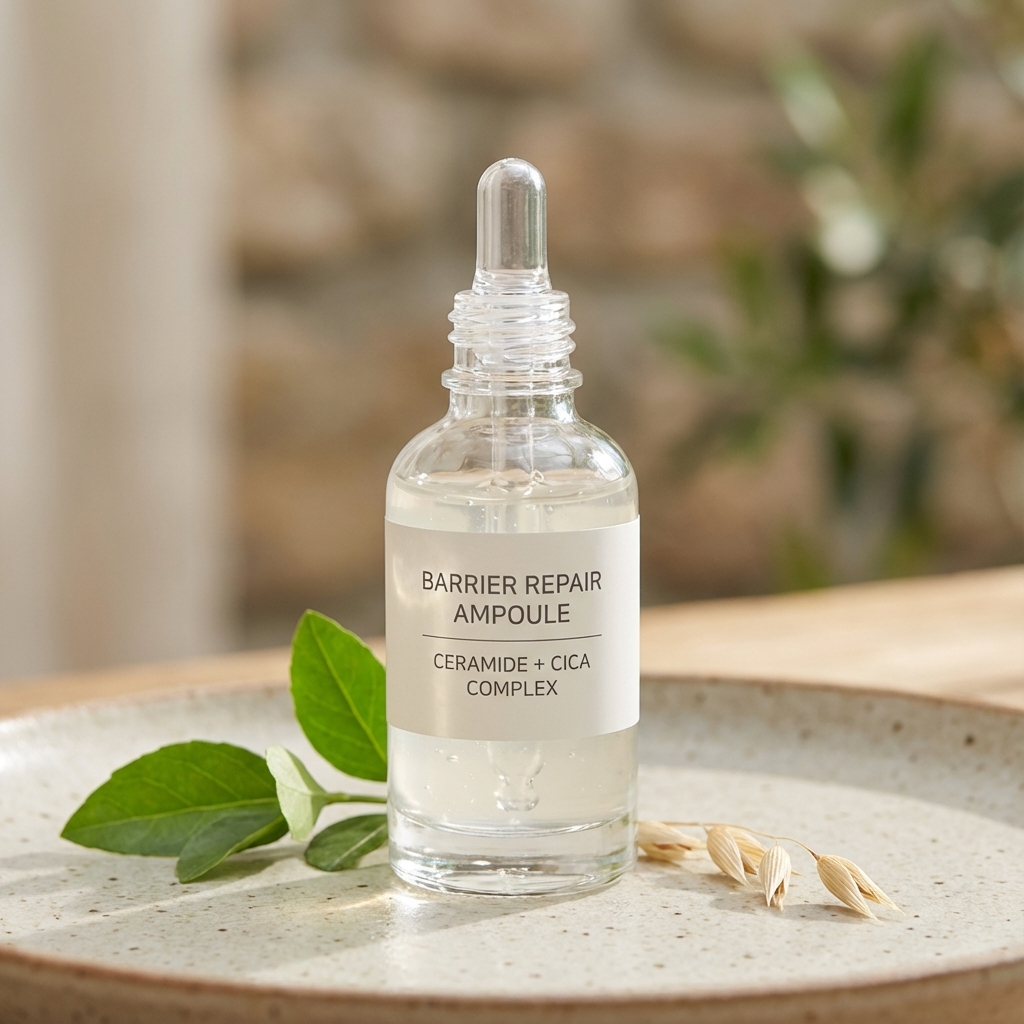 TikTok Views
—
Trend InterestCloser to 50 = very trending12
Avg PriceR$688
Suppliers18
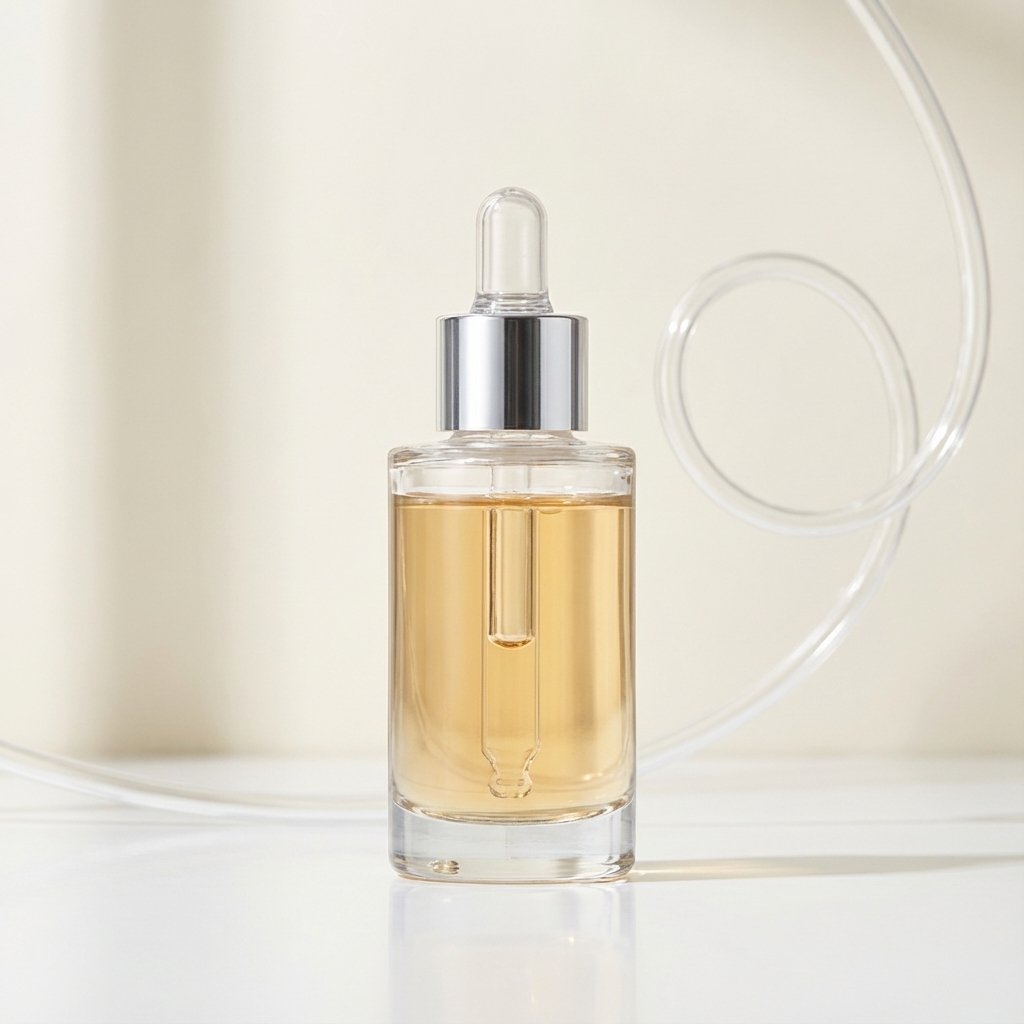 TikTok Views
—
Trend InterestCloser to 50 = very trending10
Avg PriceR$362
Suppliers19
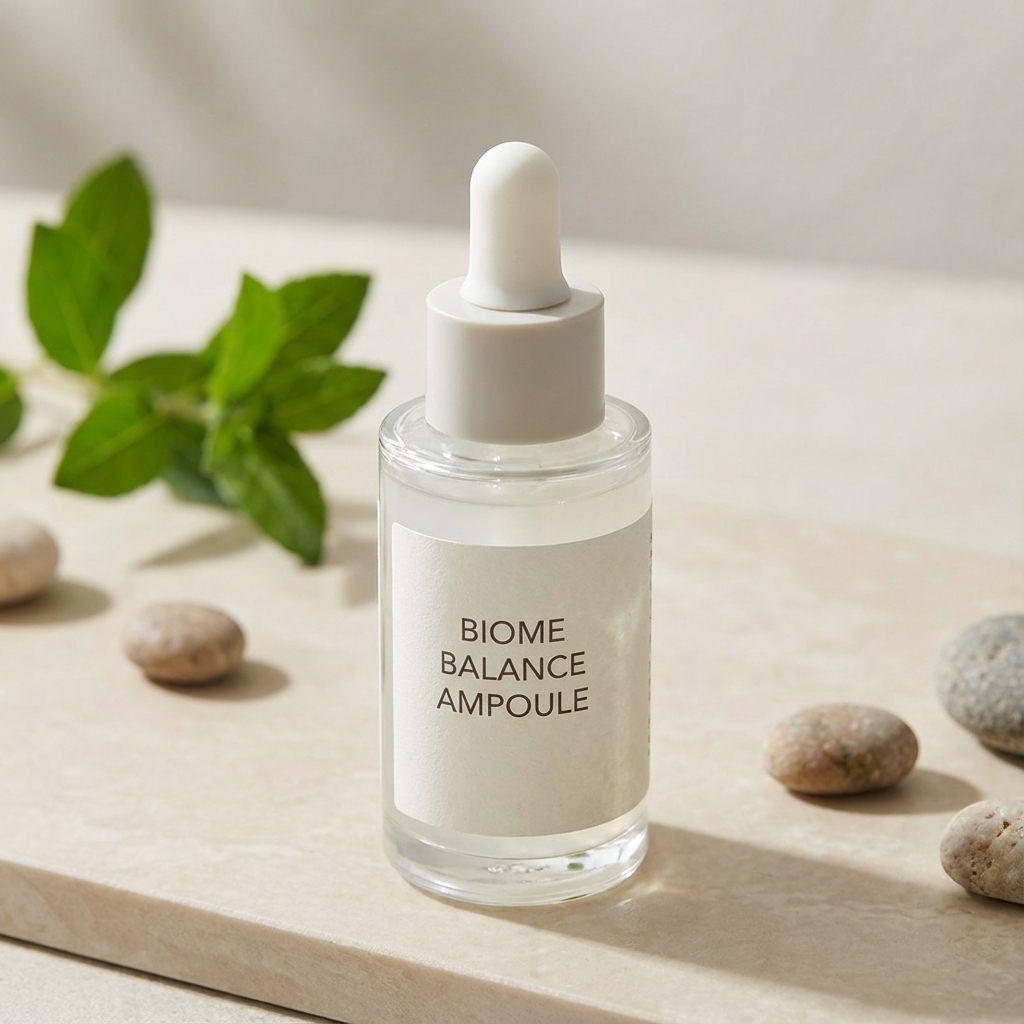 TikTok Views
8.5K
Trend InterestCloser to 50 = very trending34
Avg PriceR$701
Suppliers14
The Philippine skincare market for ampoules in 2026 is defined by a dynamic interplay between enduring beauty ideals and emerging scientific frontiers. The persistent quest for "glass skin" continues to fuel strong demand for potent brightening ampoules, a trend heavily influenced by Korean beauty standards. Simultaneously, the country's tropical climate sustains a fundamental need for lightweight hydrating ampoules that provide essential moisture without feeling heavy, making them a staple for consumers in a humid environment. A significant shift towards "skinimalism" and a greater consumer understanding of skin health have brought barrier repair ampoules to the forefront. Consumers are increasingly prioritizing healing, protection, and strengthening the skin's natural defenses, moving away from harsh treatments. This health-centric mindset is also reshaping the consistent demand for anti-aging ampoules, with a growing emphasis on preventative care among younger demographics and the adoption of innovative, science-backed ingredients that promise clinic-grade results at home. The latest and most sophisticated evolution in this landscape is the rise of microbiome-balancing ampoules. This trend reflects a mature, health-oriented approach to skincare that focuses on nurturing the skin's natural ecosystem of beneficial bacteria. As consumers become more educated and seek science-driven solutions, products formulated with prebiotics, probiotics, and postbiotics are gaining traction, marking a move towards supporting the skin's intrinsic functions for long-term health and resilience.
Ampoules represent a dominant and high-demand category in the Philippine skincare market, heavily influenced by K-beauty trends and consumer demand for potent, fast-acting solutions. This category is broadly segmented into value and premium opportunities, catering to needs from brightening and anti-aging to intense hydration and barrier repair. Success hinges on delivering formulas with a lightweight, non-sticky texture that is almost universally expected to be fragrance-free. For brands, the key to capturing this market is pairing effective, targeted ingredients—like Niacinamide and Hyaluronic Acid for value, or Peptides, c-PDRN, and probiotic complexes for premium—with strategic ampoule packaging. The right packaging not only protects sensitive active ingredients but also serves as a crucial differentiator, communicating quality and justifying price points, making this a prime opportunity for brands to quickly source and launch products that meet precise consumer demands.
The market data and sourcing advantages that make this trend worth pursuing.
Typical range
$5.35–$25.99
Typical range
$27.46–$60.00
132K views • 9% engagement
Strong organic resonance
53 suppliers
MOQ flexibility & scale options
High-margin candidate for boutique retail.
Premium Suede Backpack
High-margin candidate for boutique retail.
Top-selling entry-level SKU on Amazon.
Supplier Examples
Supplier 1
MOQ 100 • 5+ yrs
Supplier 2
MOQ 100 • 5+ yrs
Supplier 3
MOQ 100 • 5+ yrs
Supplier 4
MOQ 100 • 5+ yrs
Supplier 5
MOQ 100 • 5+ yrs
Add or customize product features and we'll match you with verified suppliers.
Feature Matching
Find suppliers with matching capabilities
Quote Comparison
Compare pricing and lead times
Sampling & Production
Request samples and begin production
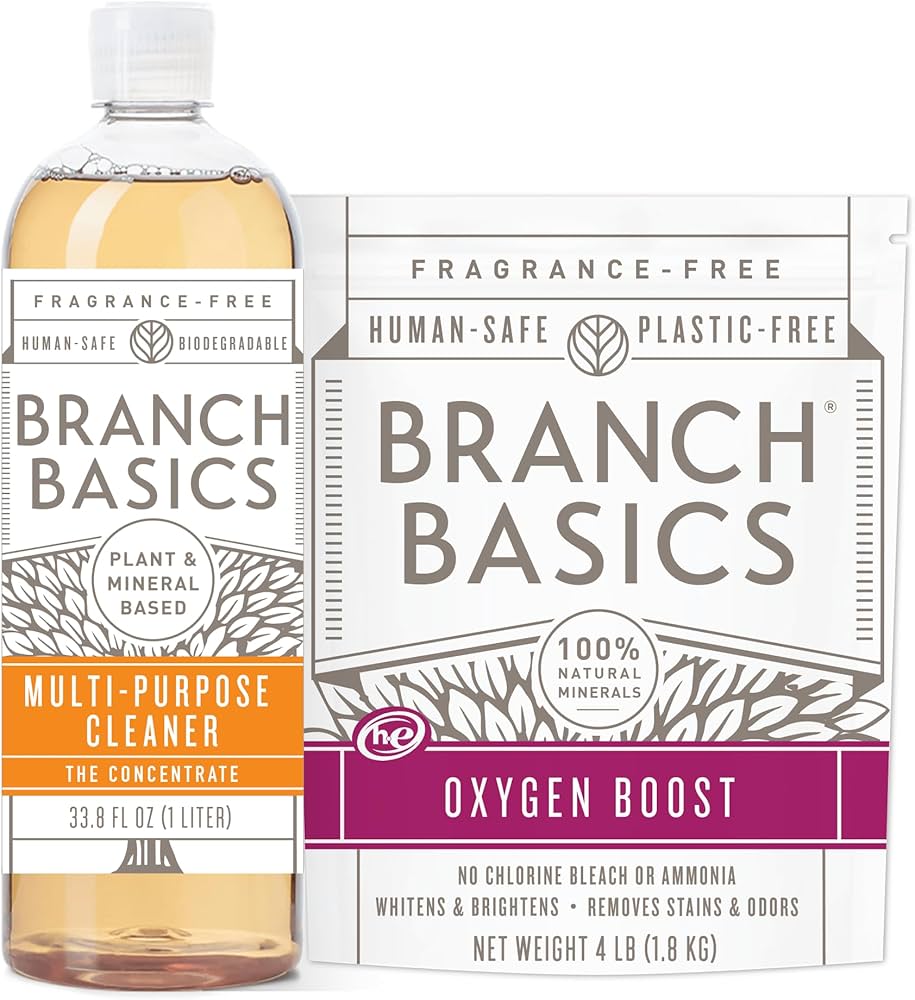
Explore Cosmetic Bottlles trends and sourcing opportunities
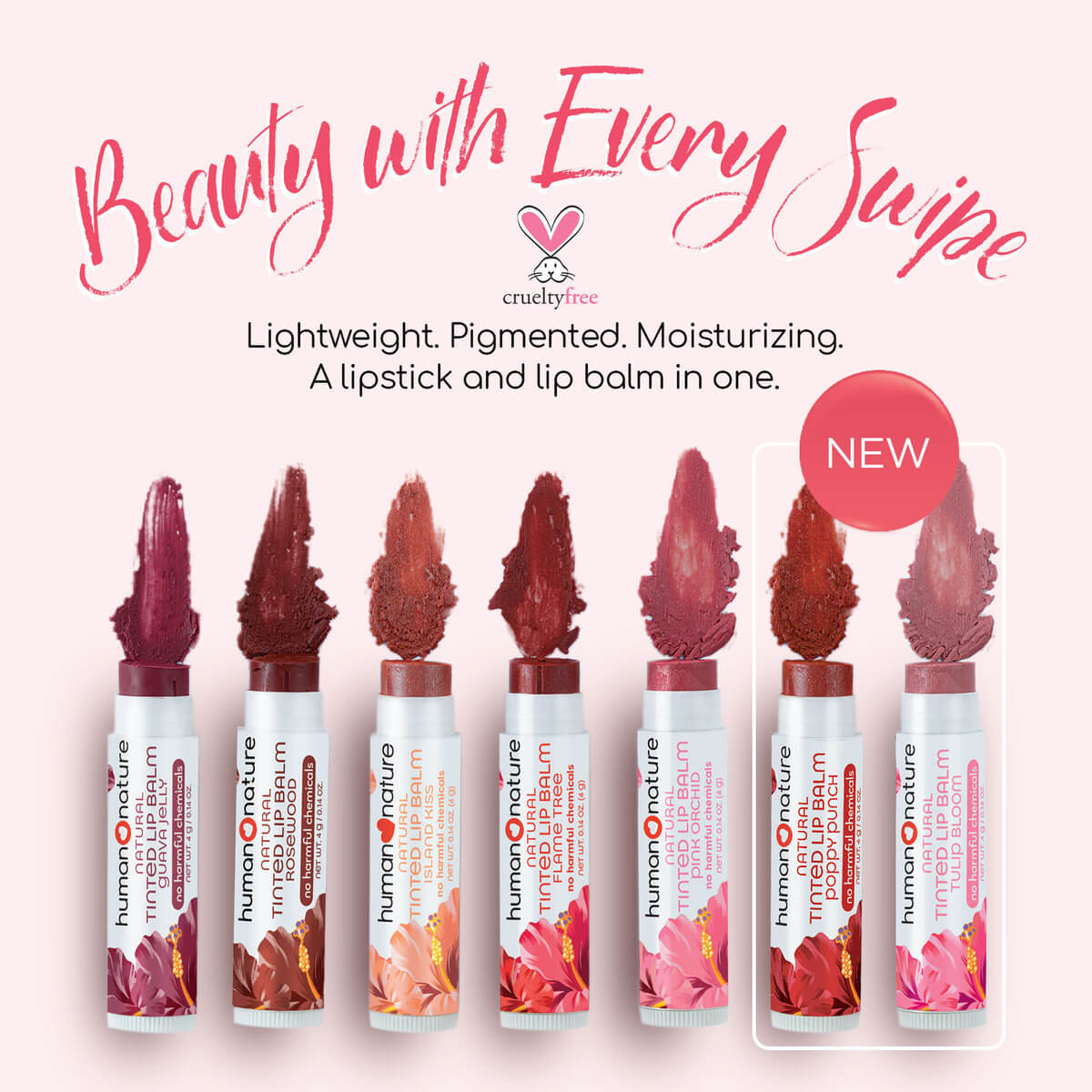
Explore Cosmetic Tube trends and sourcing opportunities
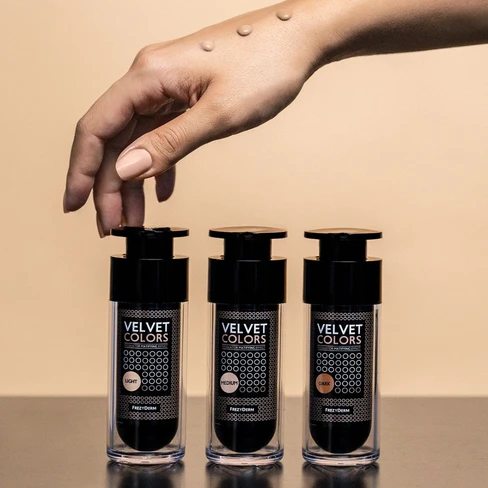
Explore Foundation trends and sourcing opportunities
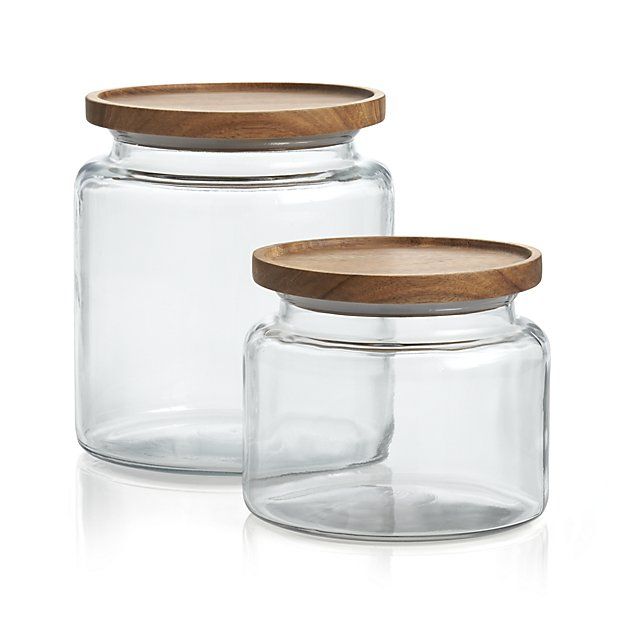
Explore Jars trends and sourcing opportunities
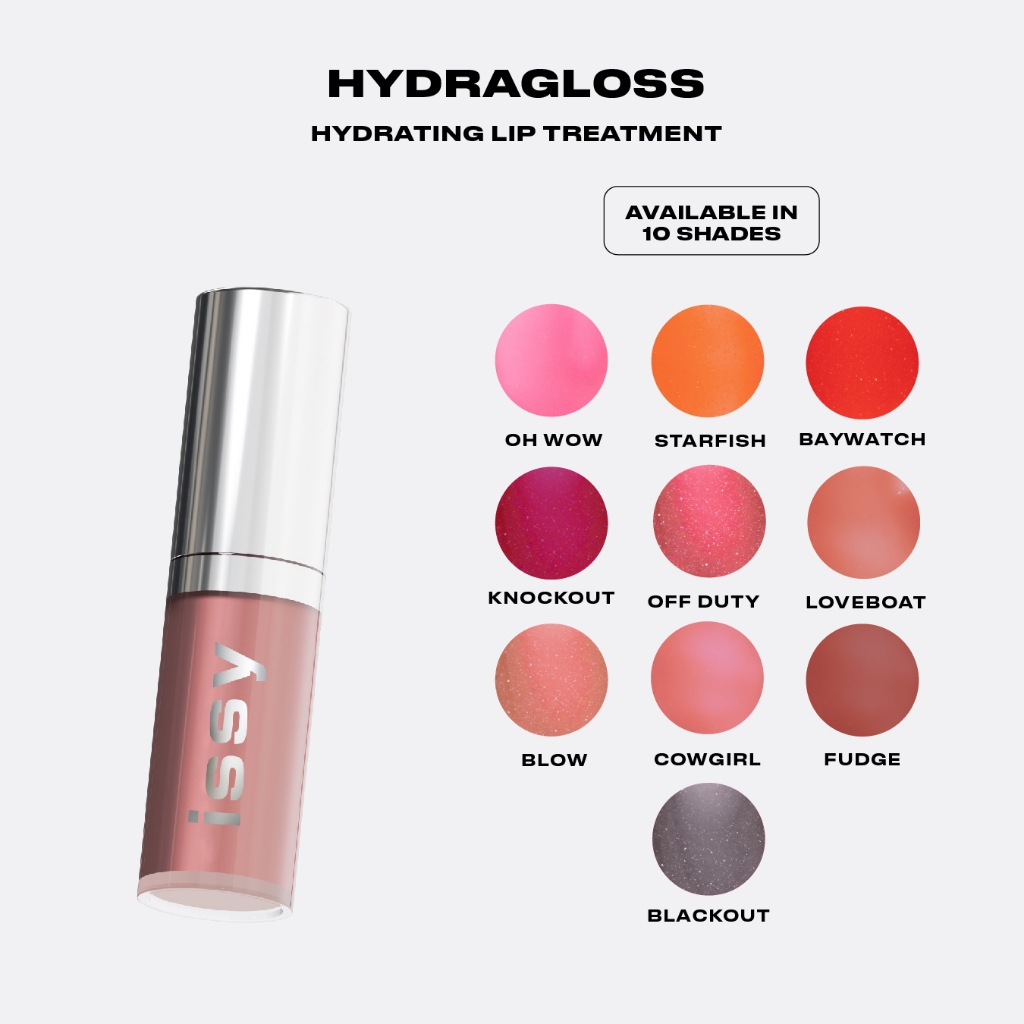
Explore Lipgloss trends and sourcing opportunities
Minimum order quantities vary by supplier tier and product complexity. Value segment suppliers typically require 500-1,000 pieces per style/color, while premium manufacturers may accept 200-300 pieces for higher-value orders. Customization options like private labeling often increase MOQ requirements.
Common materials include cotton, polyester, modal, bamboo viscose, and various blends. Performance variants often incorporate spandex/elastane for stretch, while premium options may use pima cotton or Tencel. Material choice significantly impacts both FOB pricing and end-consumer appeal.
Request product samples before bulk orders, verify supplier certifications (ISO, BSCI, OEKO-TEX), check factory audit reports, and review trade history on B2B platforms. Our verified supplier ratings consider response rates, dispute history, and quality scores from verified transactions.
Standard production lead times range from 25-45 days depending on order complexity and supplier capacity. Rush orders may be possible at premium rates. Add 15-30 days for sea freight shipping to US ports, or 5-7 days for air freight on urgent orders.