 TikTok Views
4.1M
 Trend InterestCloser to 50 = very trending
0
 Avg Price
$339
 Suppliers
13
 TikTok Views
—
Trend InterestCloser to 50 = very trending19
Avg Price$363
Suppliers16
 TikTok Views
—
Trend InterestCloser to 50 = very trending6
Avg Price$551
Suppliers11
 TikTok Views
—
Trend InterestCloser to 50 = very trending7
Avg Price$367
Suppliers14
 TikTok Views
—
Trend InterestCloser to 50 = very trending0
Avg Price—
Suppliers—
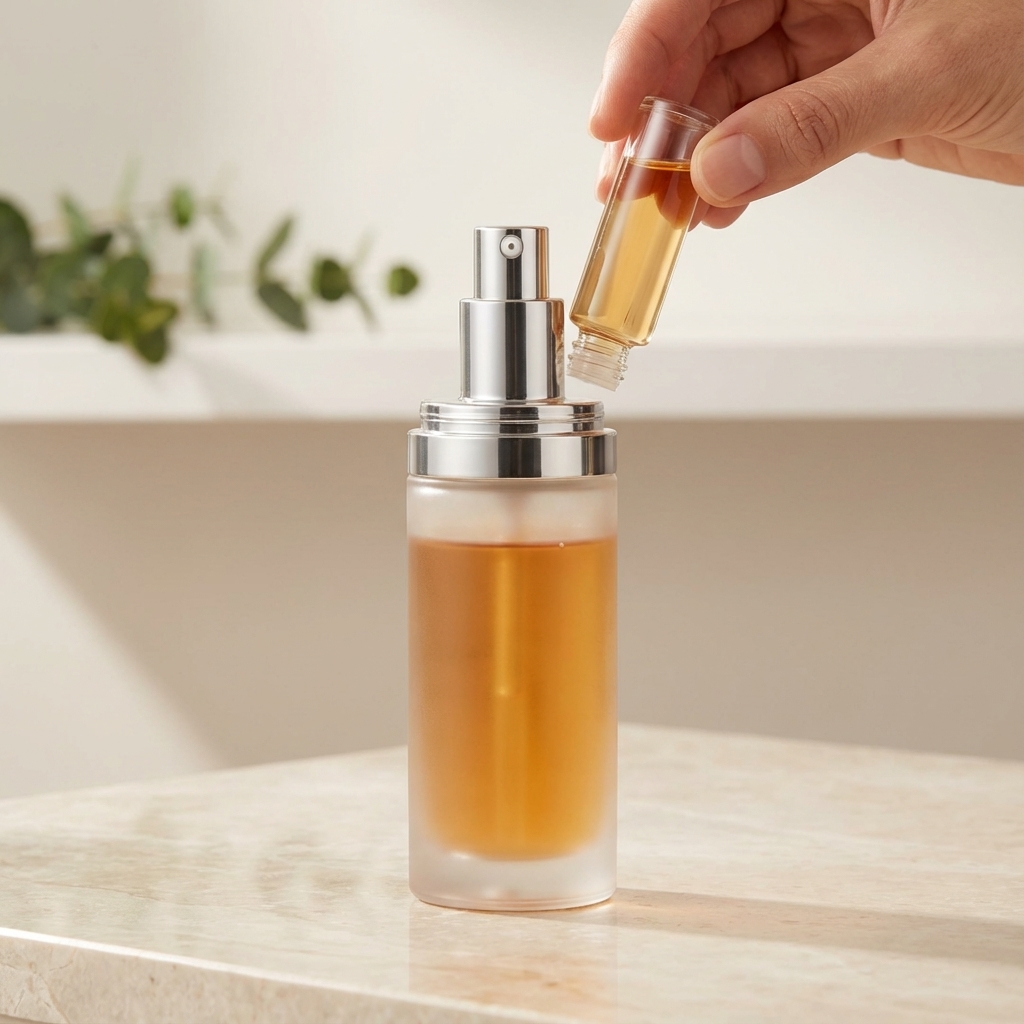
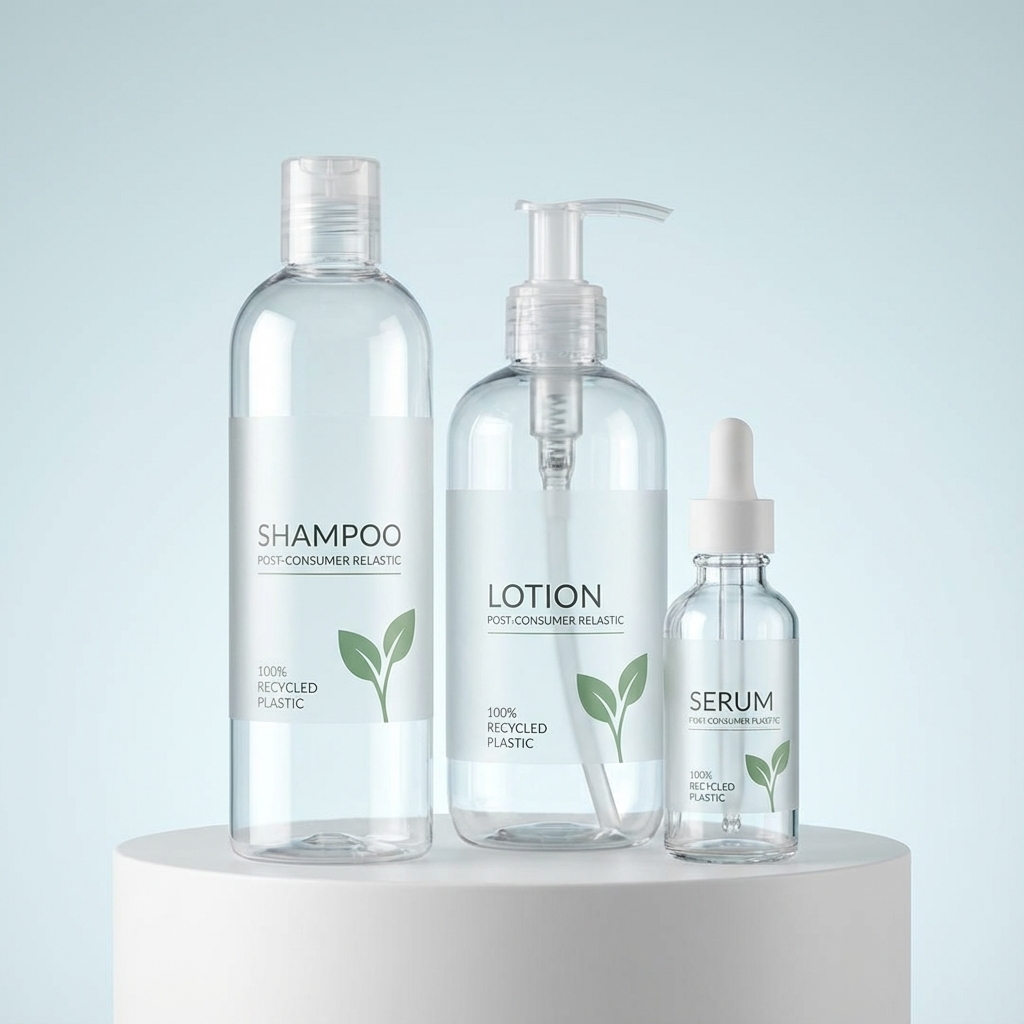
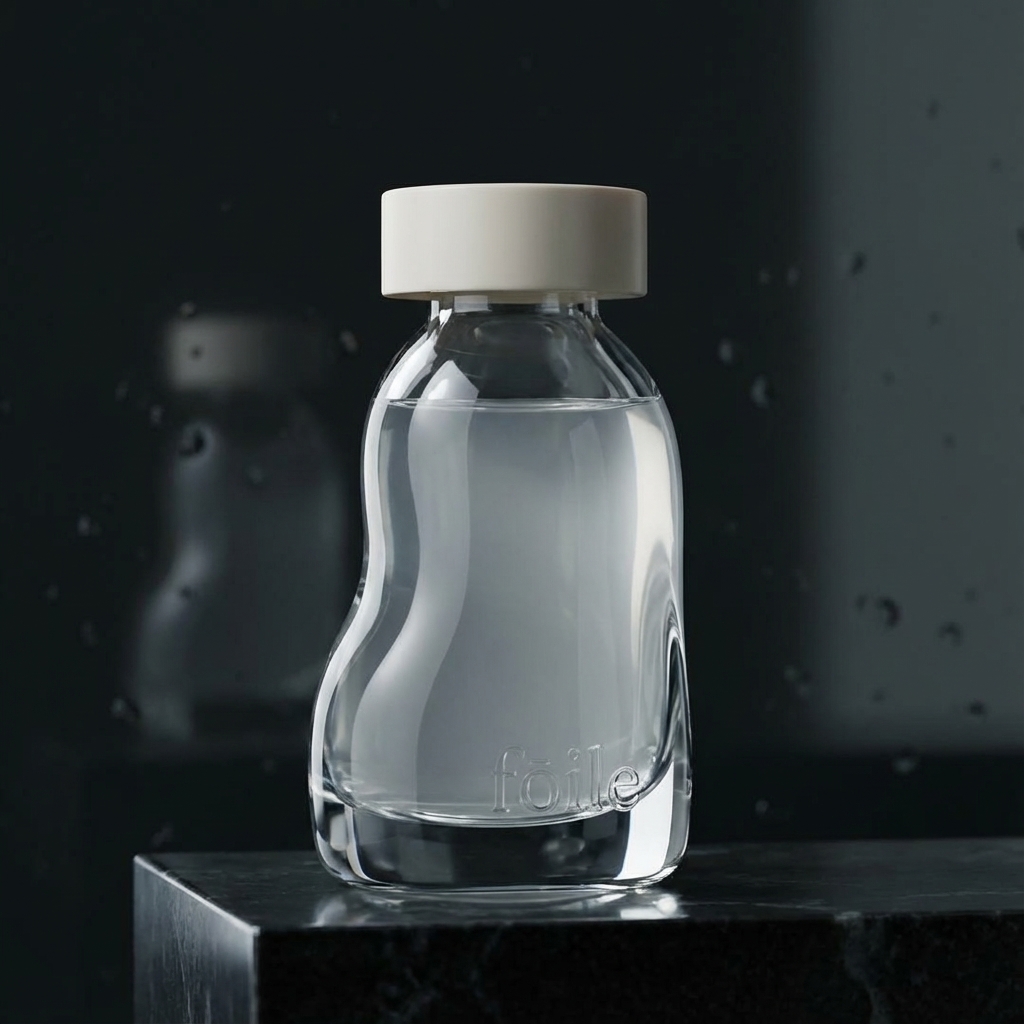
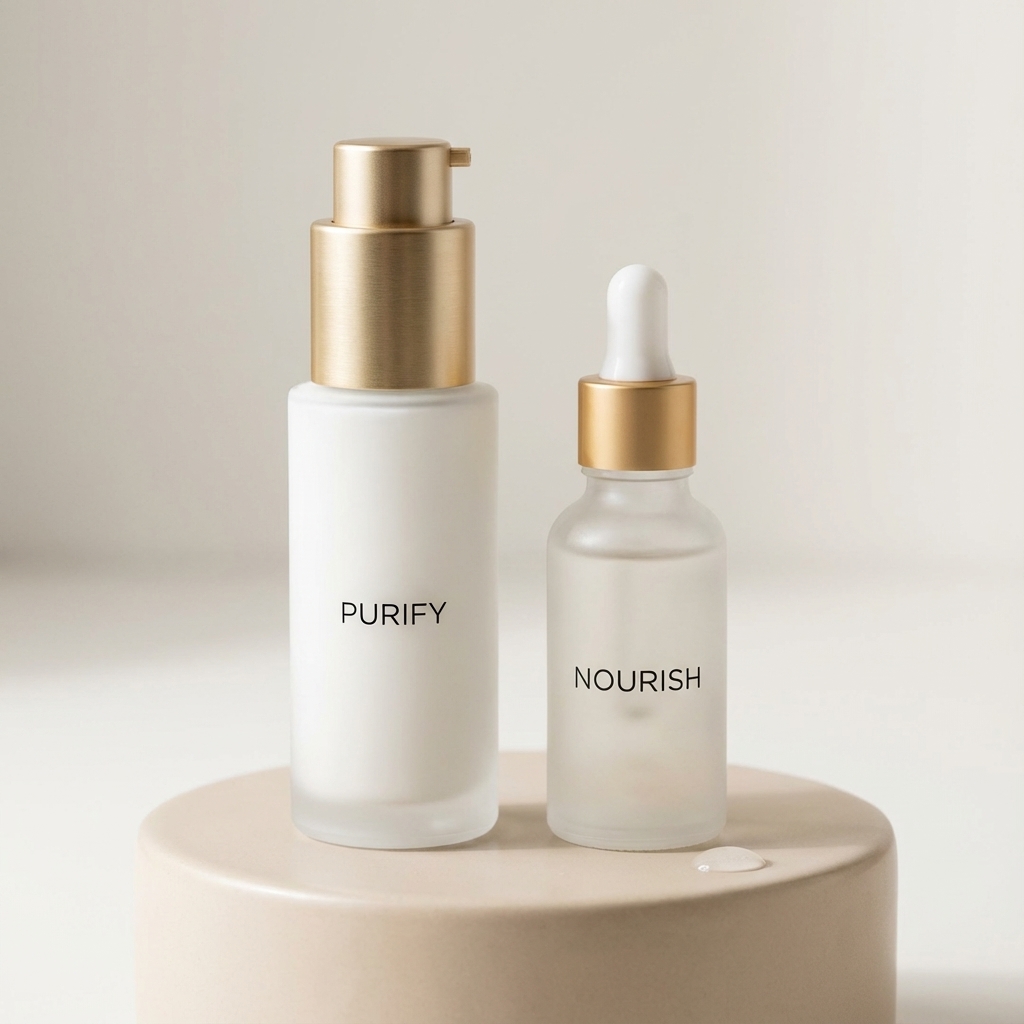
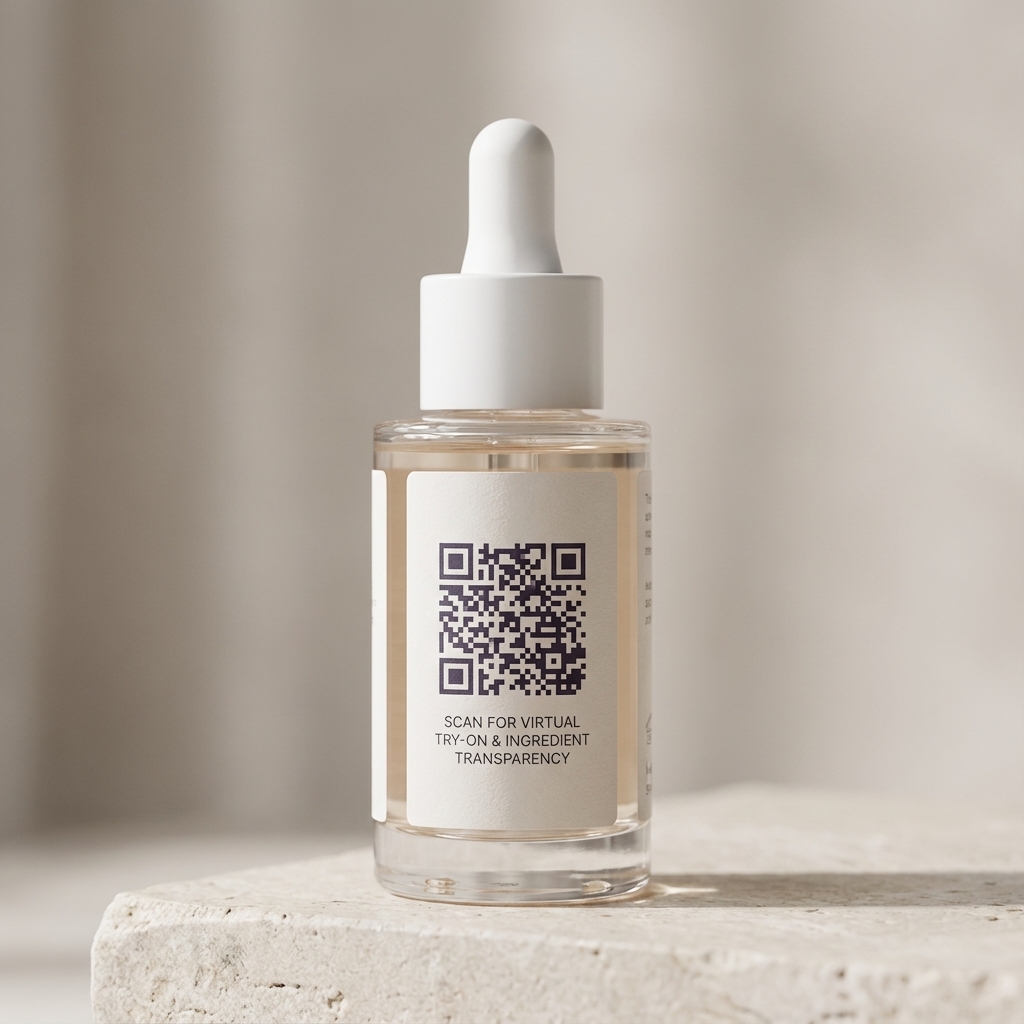
The cosmetic bottle market in Mexico is set for a significant evolution by 2026, primarily driven by a powerful consumer movement towards sustainability and a preference for sophisticated, minimalist aesthetics. Brands are facing increasing pressure, especially from the influential Gen Z demographic, to adopt more environmentally responsible practices. This has led to a fundamental rethinking of packaging, with a focus on materials and designs that reduce environmental impact while still conveying a sense of luxury and maintaining strong brand identity. The demand for transparency in sourcing and materials is a key factor shaping these emerging trends. In response to these demands, two major material-focused trends are gaining prominence: refillable systems and recycled PET. Refillable bottles, often featuring a durable, premium outer case with replaceable inner cartridges, are becoming popular as they reduce single-use waste and foster long-term customer loyalty. Simultaneously, the use of post-consumer recycled (PCR) PET is on the rise, offering a scalable and circular solution that leverages Mexico's robust recycling infrastructure. These eco-conscious choices allow brands to meet consumer expectations for sustainability without sacrificing the quality or appearance of their packaging. Aesthetically, the market is bifurcating to serve different consumer desires. The "skinimalism" movement has fueled a trend for minimalist bottle designs, characterized by clean lines, simple typography, and gender-neutral forms that communicate efficacy and honesty. In the luxury sector, sculptural glass bottles are becoming statement pieces, valued for their artistic, architectural forms and premium feel. Furthermore, technology is being integrated into packaging, with smart and interactive bottles using QR codes and other digital features to provide consumers with deeper product information, enhancing brand transparency and engagement.
The cosmetic bottle packaging market in Mexico is experiencing a dynamic evolution, driven by powerful consumer trends in sustainability, advanced functionality, and sophisticated design. This creates a significant opportunity for brands to capture market share by sourcing products that align with these values. Key archetypes range from eco-conscious options like refillable systems and recycled PET plastic cosmetic bottles to design-forward sculptural and minimalist containers. The premium segment is increasingly defined by high-performance features like airless pump bottles for cosmetics, which preserve product integrity, while the value segment focuses on durable, leak-proof travel bottles for cosmetics. Furthermore, the emergence of smart and interactive bottles with QR codes and NFC tags offers a new frontier for consumer engagement. By partnering with the right cosmetic bottle manufacturer, brands can quickly source the ideal packaging to build a strong identity and meet the modern consumer's expectations.
The market data and sourcing advantages that make this trend worth pursuing.
Typical range
$5.35–$25.99
Typical range
$27.46–$60.00
132K views • 9% engagement
Strong organic resonance
53 suppliers
MOQ flexibility & scale options
High-margin candidate for boutique retail.
Premium Suede Backpack
High-margin candidate for boutique retail.
Top-selling entry-level SKU on Amazon.
Supplier Examples
Supplier 1
MOQ 100 • 5+ yrs
Supplier 2
MOQ 100 • 5+ yrs
Supplier 3
MOQ 100 • 5+ yrs
Supplier 4
MOQ 100 • 5+ yrs
Supplier 5
MOQ 100 • 5+ yrs
Add or customize product features and we'll match you with verified suppliers.
Feature Matching
Find suppliers with matching capabilities
Quote Comparison
Compare pricing and lead times
Sampling & Production
Request samples and begin production
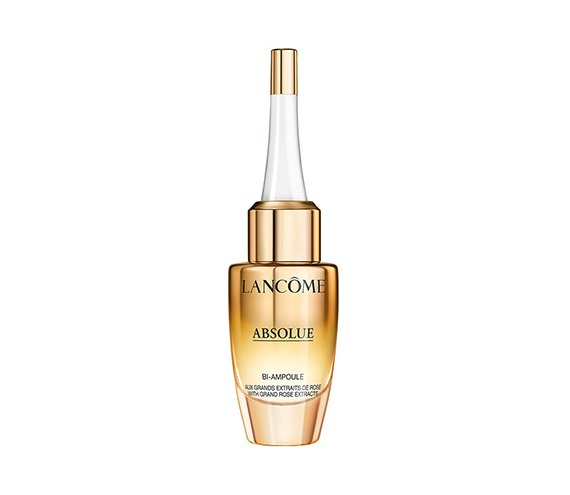
Explore Ampoule trends and sourcing opportunities
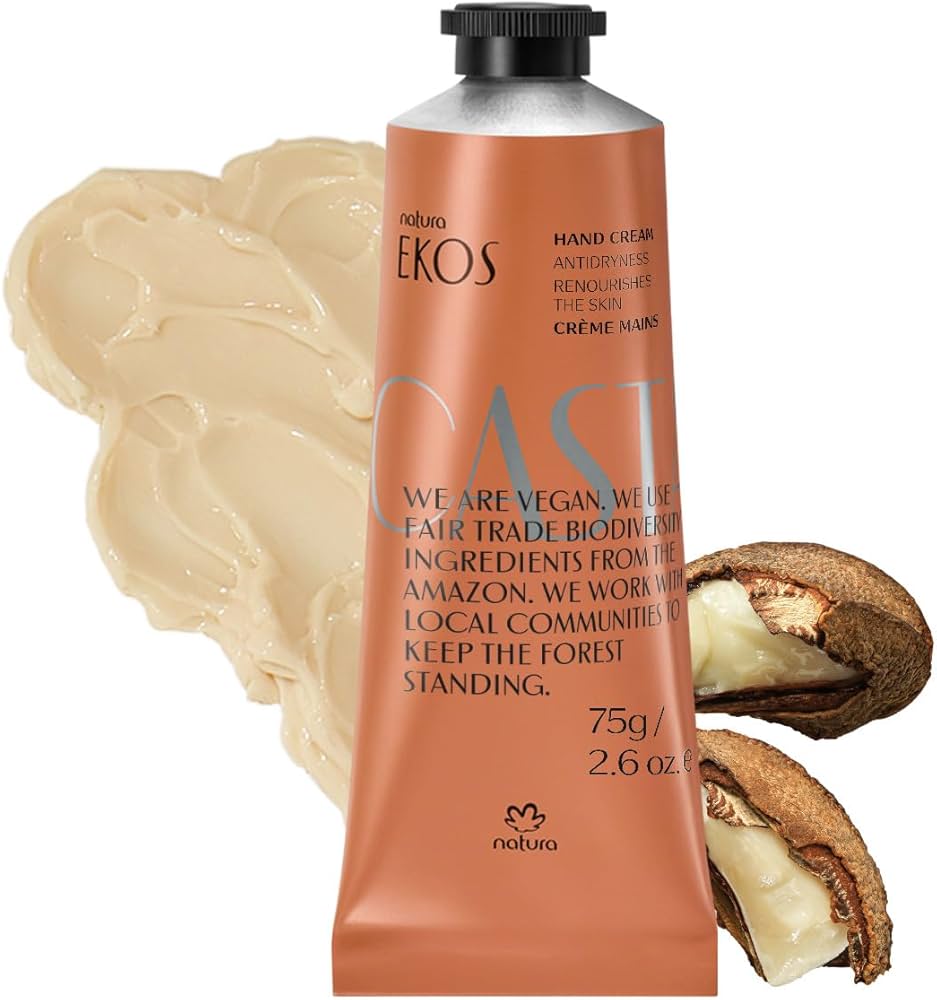
Explore Cosmetic Tube trends and sourcing opportunities
Explore Foundation trends and sourcing opportunities
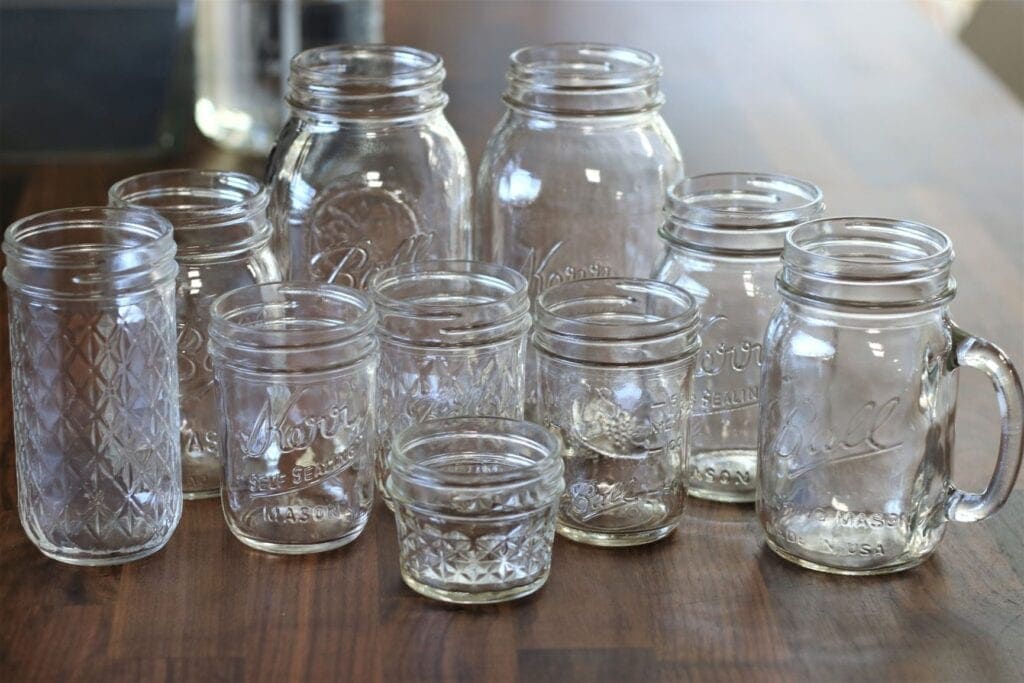
Explore Jars trends and sourcing opportunities
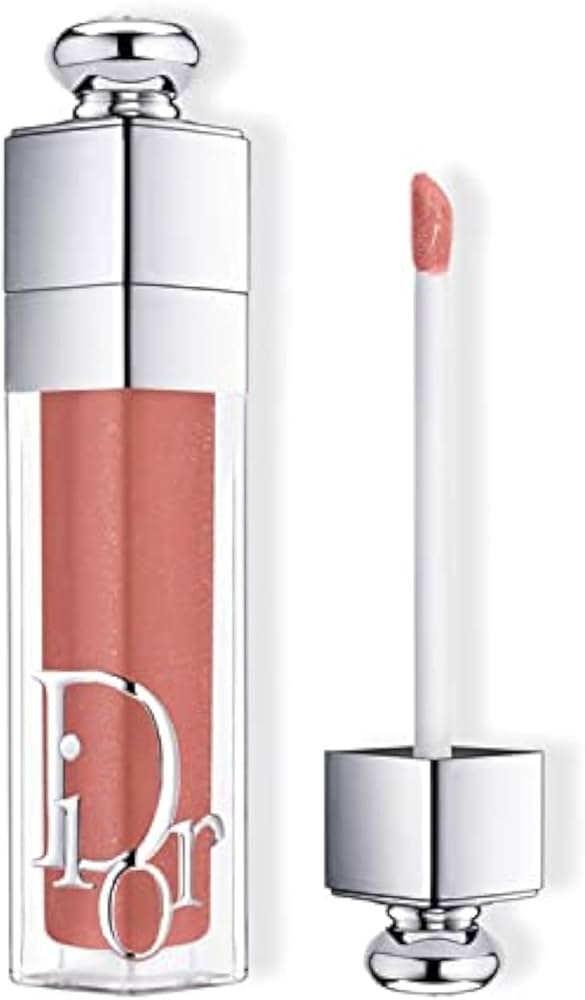
Explore Lipgloss trends and sourcing opportunities
Minimum order quantities vary by supplier tier and product complexity. Value segment suppliers typically require 500-1,000 pieces per style/color, while premium manufacturers may accept 200-300 pieces for higher-value orders. Customization options like private labeling often increase MOQ requirements.
Common materials include cotton, polyester, modal, bamboo viscose, and various blends. Performance variants often incorporate spandex/elastane for stretch, while premium options may use pima cotton or Tencel. Material choice significantly impacts both FOB pricing and end-consumer appeal.
Request product samples before bulk orders, verify supplier certifications (ISO, BSCI, OEKO-TEX), check factory audit reports, and review trade history on B2B platforms. Our verified supplier ratings consider response rates, dispute history, and quality scores from verified transactions.
Standard production lead times range from 25-45 days depending on order complexity and supplier capacity. Rush orders may be possible at premium rates. Add 15-30 days for sea freight shipping to US ports, or 5-7 days for air freight on urgent orders.