
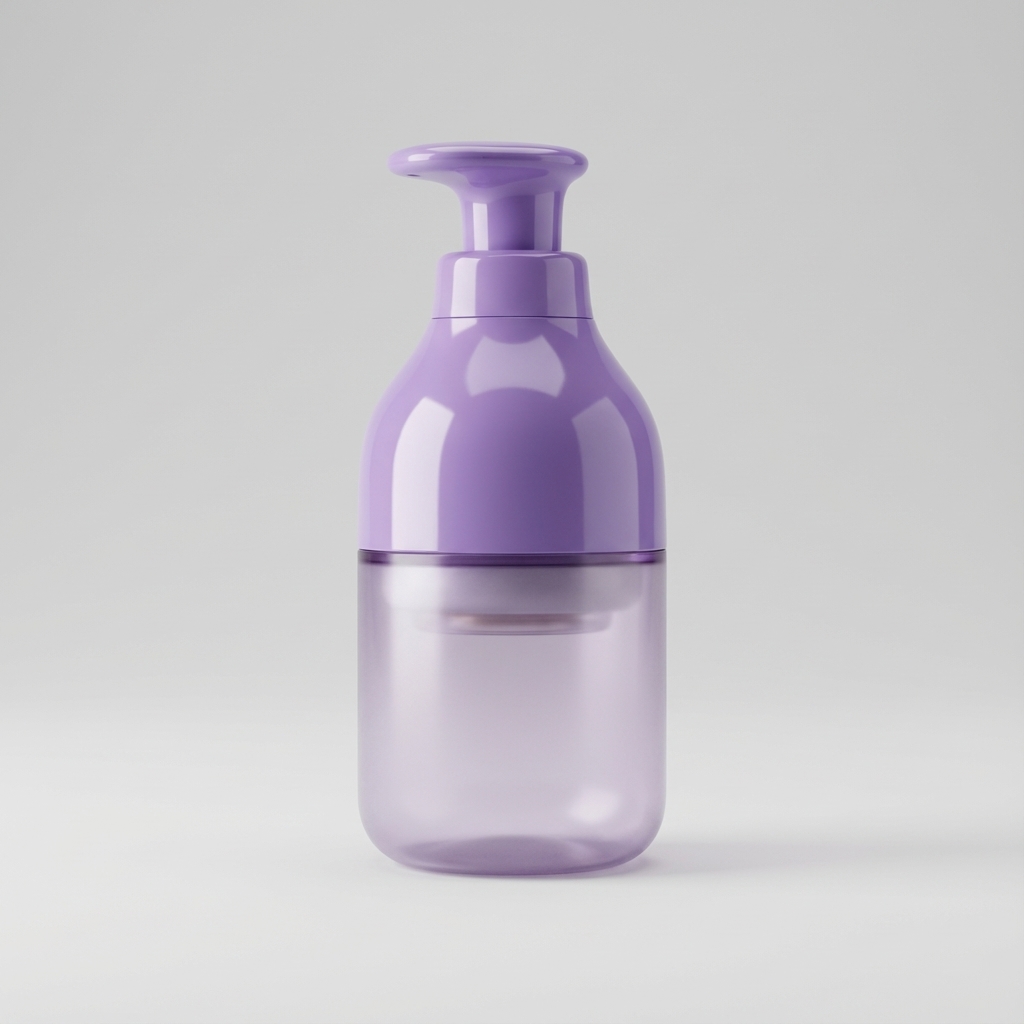
 TikTok Views
7.0M
 Trend InterestCloser to 50 = very trending
0
 Avg Price
$9
 Suppliers
16
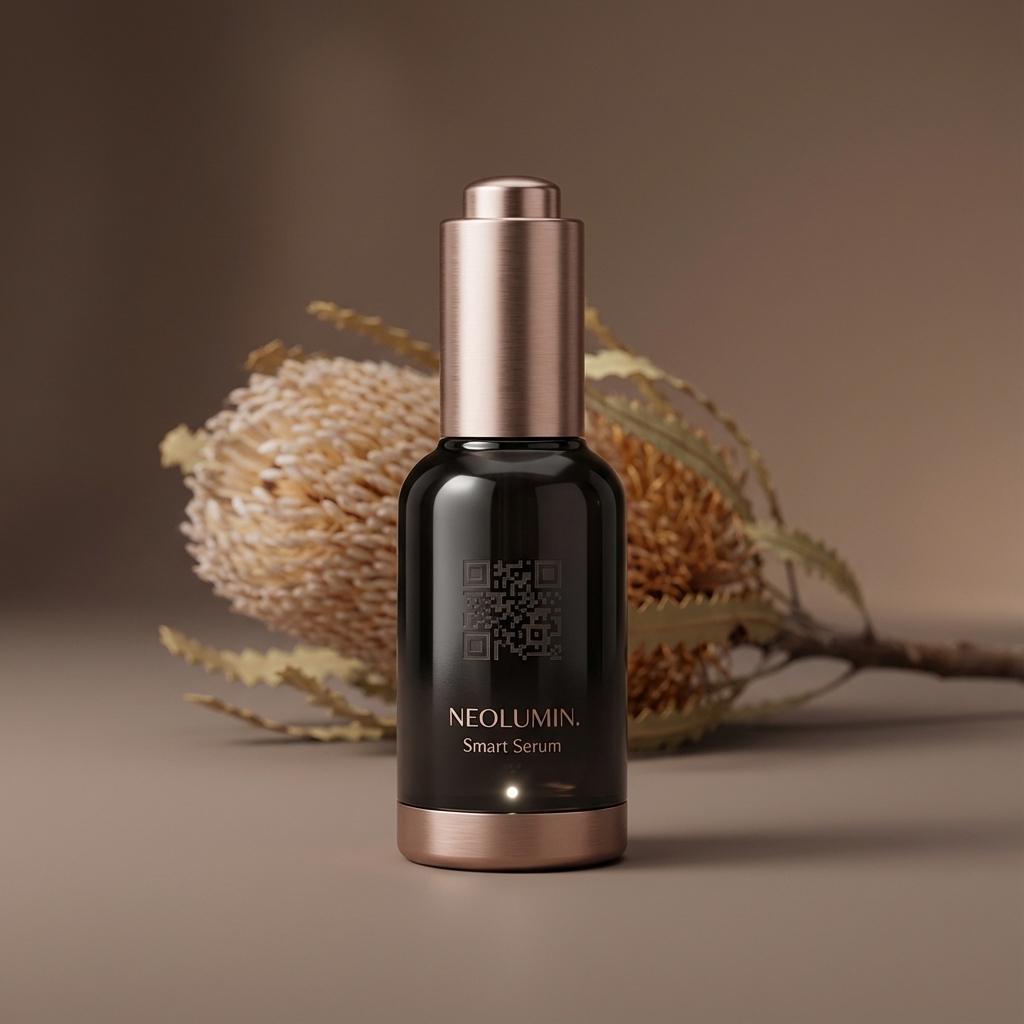
 TikTok Views
—
Trend InterestCloser to 50 = very trending7
Avg Price$9
Suppliers16
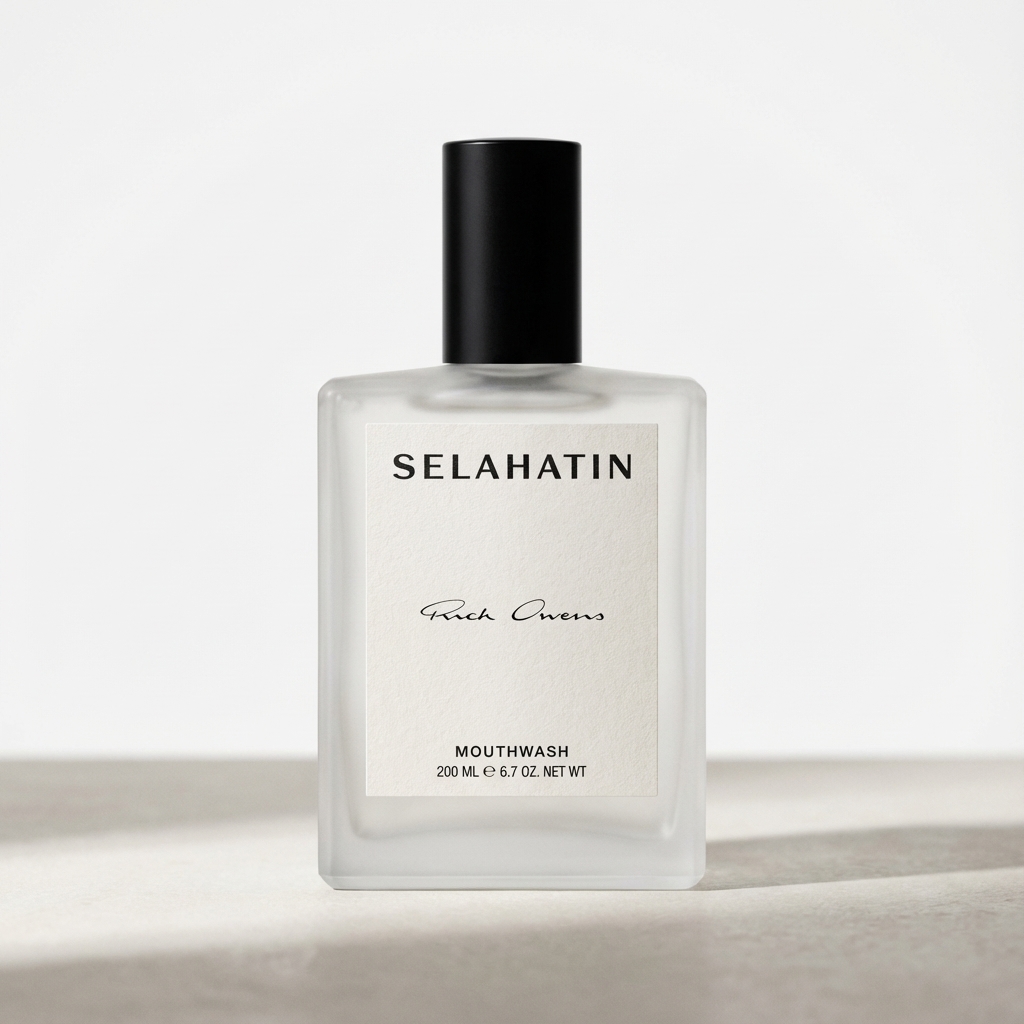
 TikTok Views
—
Trend InterestCloser to 50 = very trending0
Avg Price—
Suppliers—
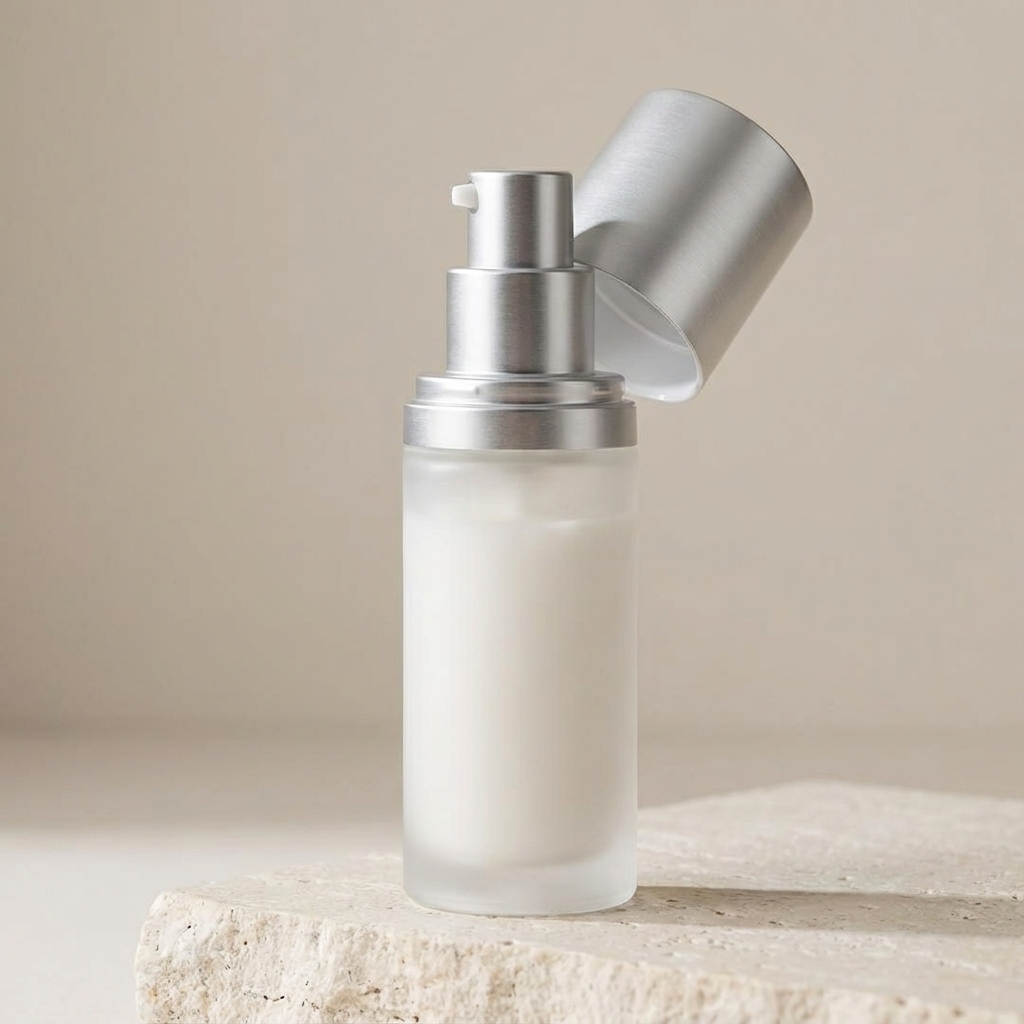
 TikTok Views
5.4M
Trend InterestCloser to 50 = very trending6
Avg Price$12
Suppliers17
 TikTok Views
113.6K
Trend InterestCloser to 50 = very trending26
Avg Price$15
Suppliers17
The US cosmetic bottle market in 2026 is undergoing a significant transformation, driven by a convergence of sustainability, technology, and sophisticated design. A primary focus is on "Sustainability 3.0," which moves beyond basic recycling to embrace a fully circular economy. This includes the rise of elegant refillable and reusable systems, which are transitioning from a niche luxury offering to a mass-market expectation. Brands are increasingly adopting mono-material construction (using a single type of plastic like all-PE or all-PP) to simplify the recycling process and are exploring innovative bio-based materials such as algae, mycelium, and agricultural waste. Alongside this eco-consciousness, there is a strong trend towards minimalist and lightweight aesthetics, which not only reduces material usage and transportation emissions but also conveys a sense of clean, modern luxury. Smart and connected packaging is another major trend, with QR codes, NFC tags, and augmented reality features being integrated to enhance consumer engagement, provide tutorials, and offer ingredient transparency. Furthermore, premium and sensory designs are gaining traction, utilizing materials like frosted glass and decorated aluminum, often paired with innovative integrated applicators to elevate the user experience.
The US cosmetic bottle market is rapidly evolving, driven by powerful consumer demands for sustainability, premium aesthetics, and advanced functionality. For brands, this creates a landscape rich with opportunity, spanning from eco-conscious refillable solutions to high-tech smart packaging. Key trends include a move towards mono-material and reusable travel bottles for cosmetics, which address consumer frustrations with waste and leakage. Simultaneously, a minimalist aesthetic is pushing demand for high-perceived value packaging, utilizing materials like cosmetic glass bottles, bamboo, and sleek aluminum. At the premium end, the cosmetic airless bottle is becoming a standard for preserving formula integrity, while emerging smart and connected bottles offer a new frontier for customer engagement. To capitalize on these trends, brands must act quickly to source the right cosmetic bottle packaging that aligns with their target consumer, whether it's a durable silicone bottle for the value segment or a sophisticated, tech-integrated package for the luxury market.
The market data and sourcing advantages that make this trend worth pursuing.
Typical range
$5.35–$25.99
Typical range
$27.46–$60.00
132K views • 9% engagement
Strong organic resonance
53 suppliers
MOQ flexibility & scale options
High-margin candidate for boutique retail.
Premium Suede Backpack
High-margin candidate for boutique retail.
Top-selling entry-level SKU on Amazon.
Supplier Examples
Supplier 1
MOQ 100 • 5+ yrs
Supplier 2
MOQ 100 • 5+ yrs
Supplier 3
MOQ 100 • 5+ yrs
Supplier 4
MOQ 100 • 5+ yrs
Supplier 5
MOQ 100 • 5+ yrs
Add or customize product features and we'll match you with verified suppliers.
Feature Matching
Find suppliers with matching capabilities
Quote Comparison
Compare pricing and lead times
Sampling & Production
Request samples and begin production
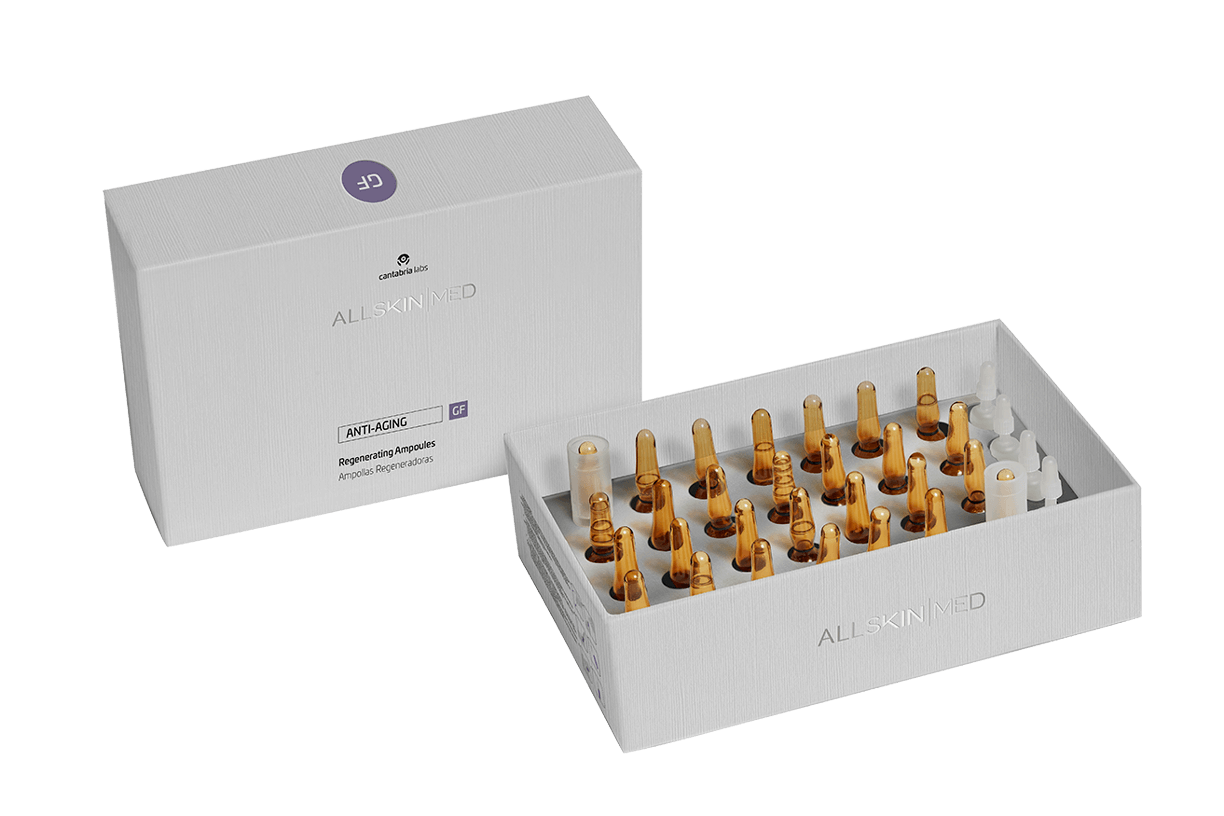
Explore Ampoule trends and sourcing opportunities
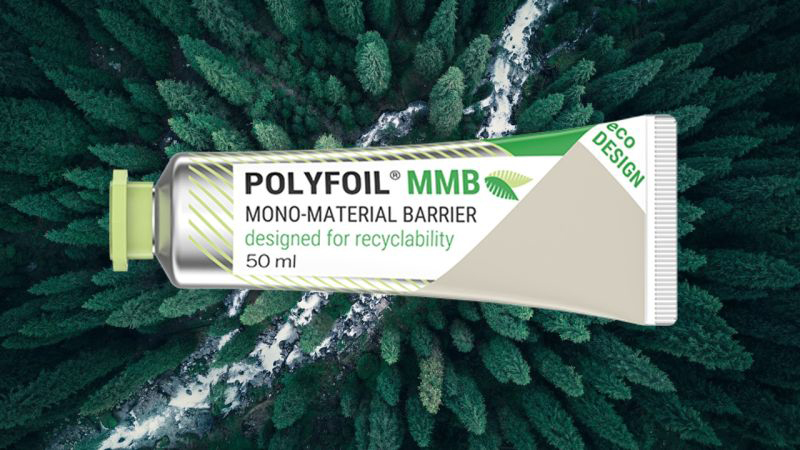
Explore Cosmetic Tube trends and sourcing opportunities
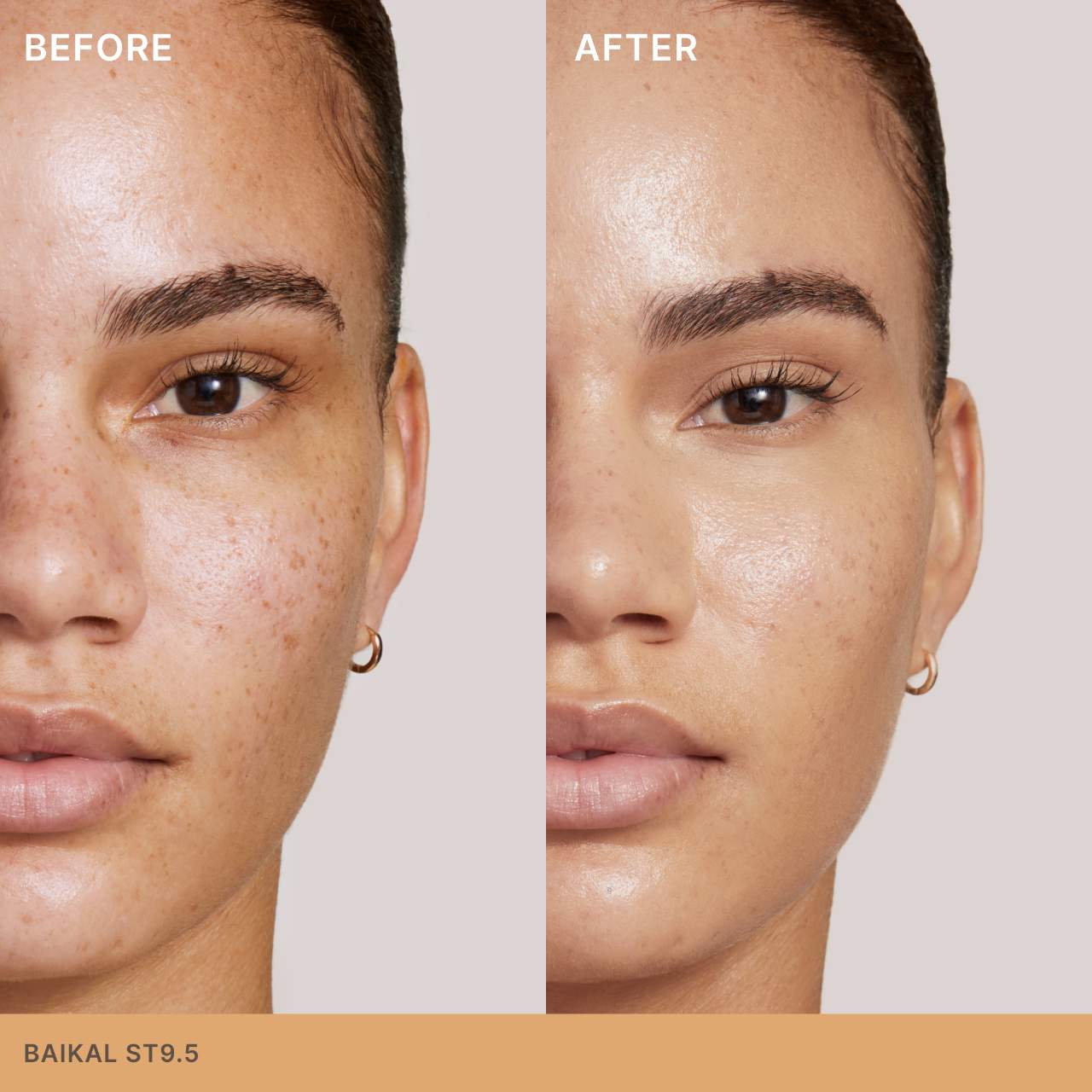
Explore Foundation trends and sourcing opportunities
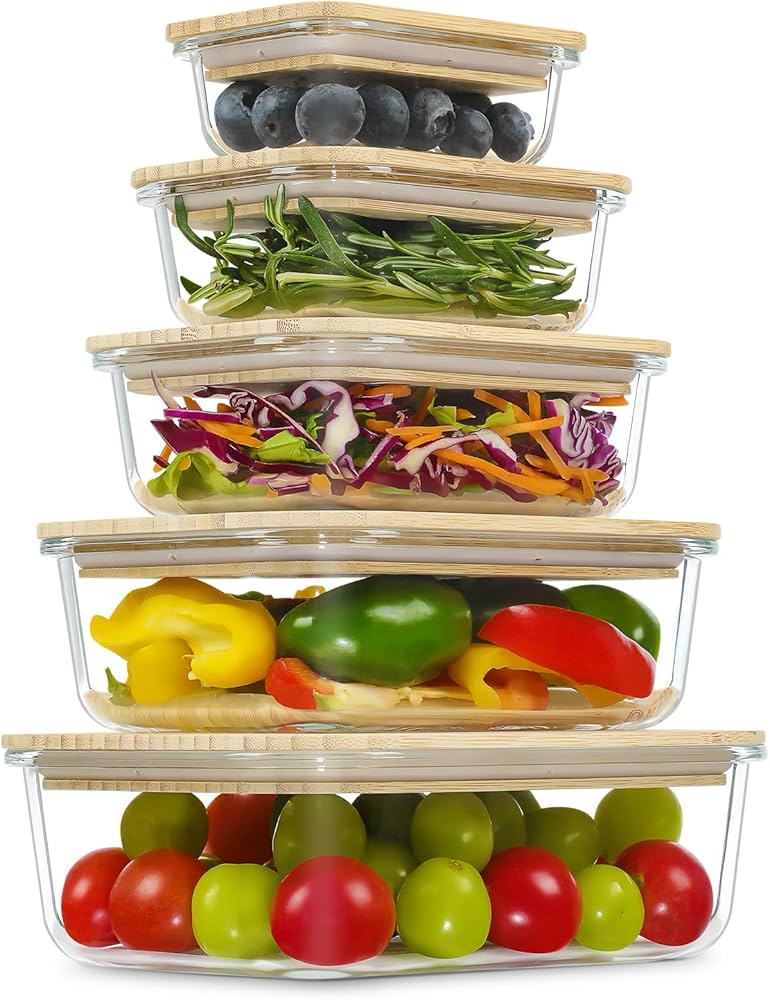
Explore Jars trends and sourcing opportunities
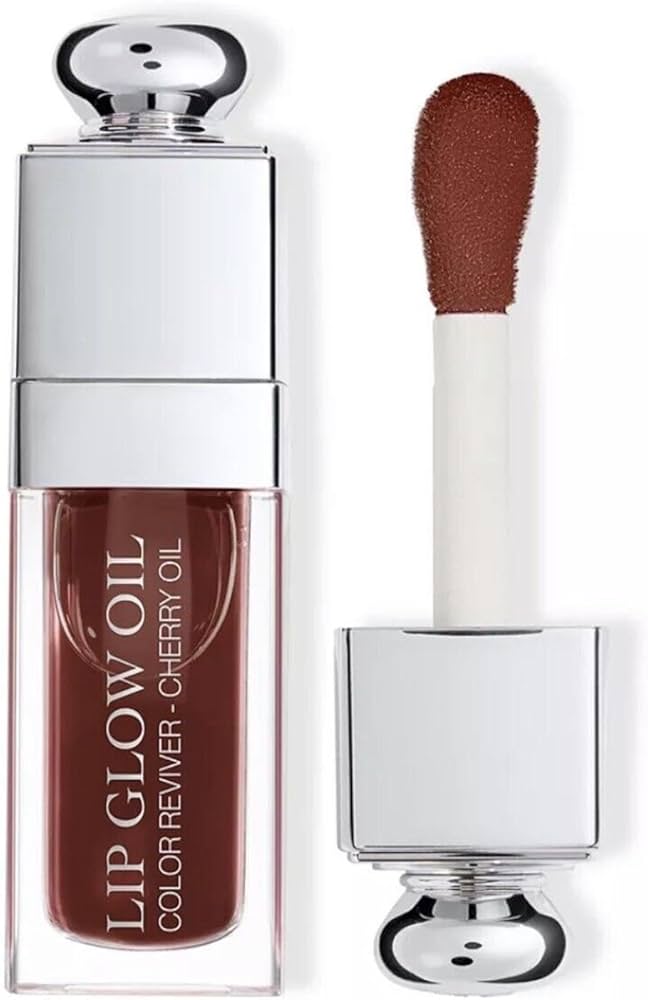
Explore Lipgloss trends and sourcing opportunities
Minimum order quantities vary by supplier tier and product complexity. Value segment suppliers typically require 500-1,000 pieces per style/color, while premium manufacturers may accept 200-300 pieces for higher-value orders. Customization options like private labeling often increase MOQ requirements.
Common materials include cotton, polyester, modal, bamboo viscose, and various blends. Performance variants often incorporate spandex/elastane for stretch, while premium options may use pima cotton or Tencel. Material choice significantly impacts both FOB pricing and end-consumer appeal.
Request product samples before bulk orders, verify supplier certifications (ISO, BSCI, OEKO-TEX), check factory audit reports, and review trade history on B2B platforms. Our verified supplier ratings consider response rates, dispute history, and quality scores from verified transactions.
Standard production lead times range from 25-45 days depending on order complexity and supplier capacity. Rush orders may be possible at premium rates. Add 15-30 days for sea freight shipping to US ports, or 5-7 days for air freight on urgent orders.