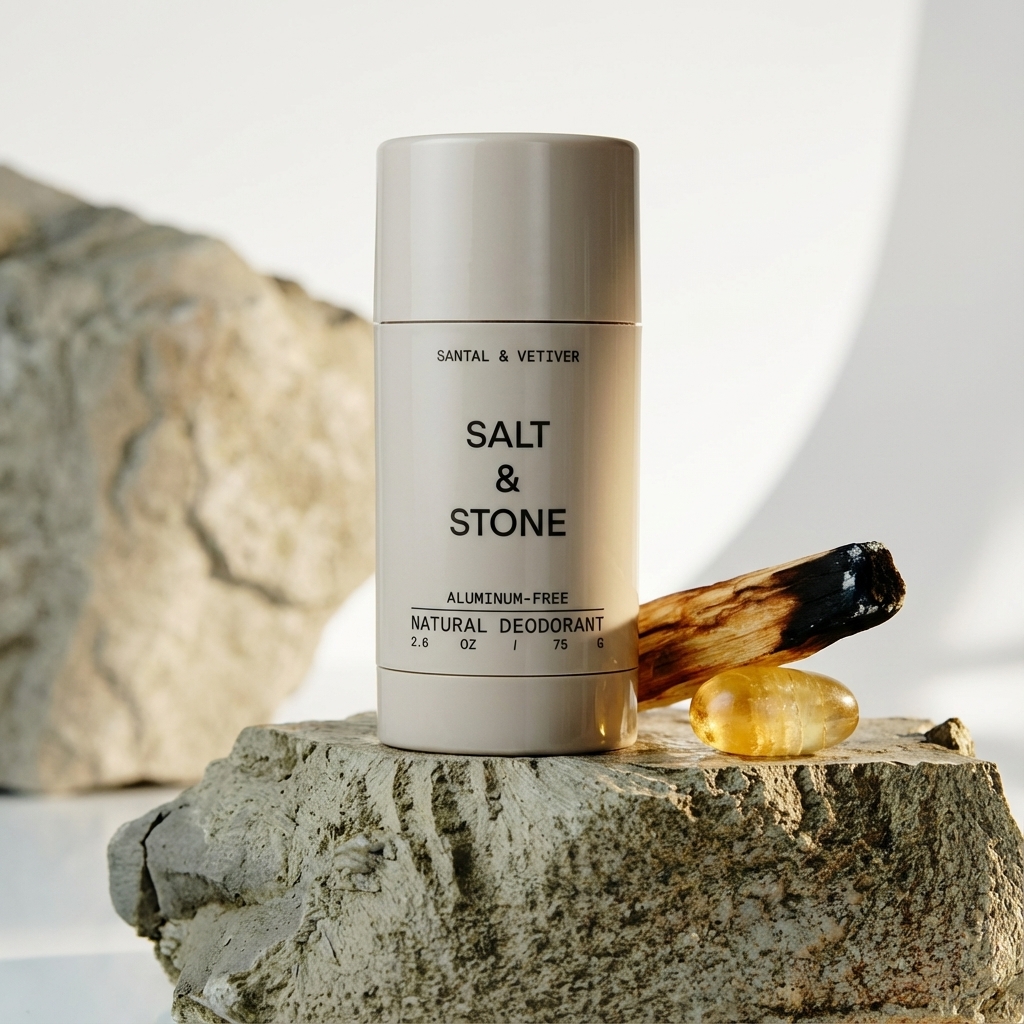
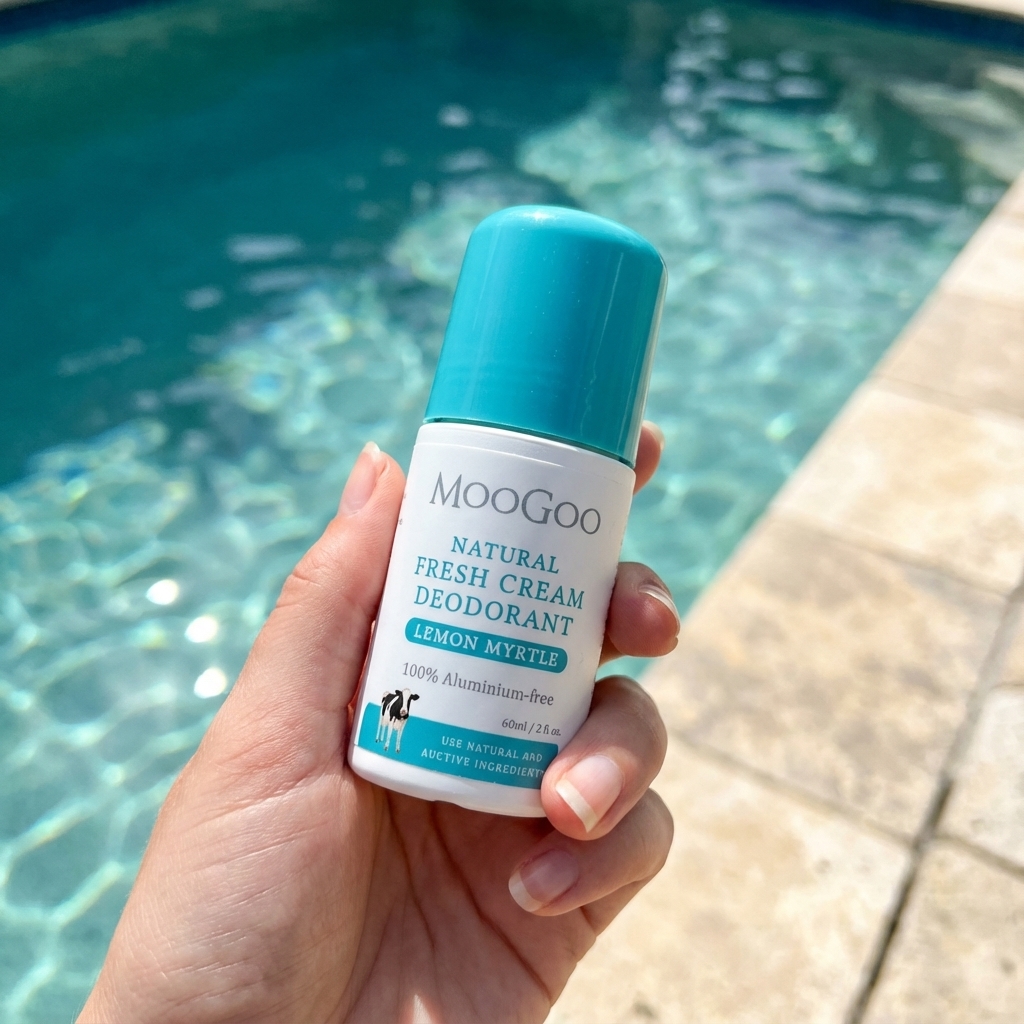
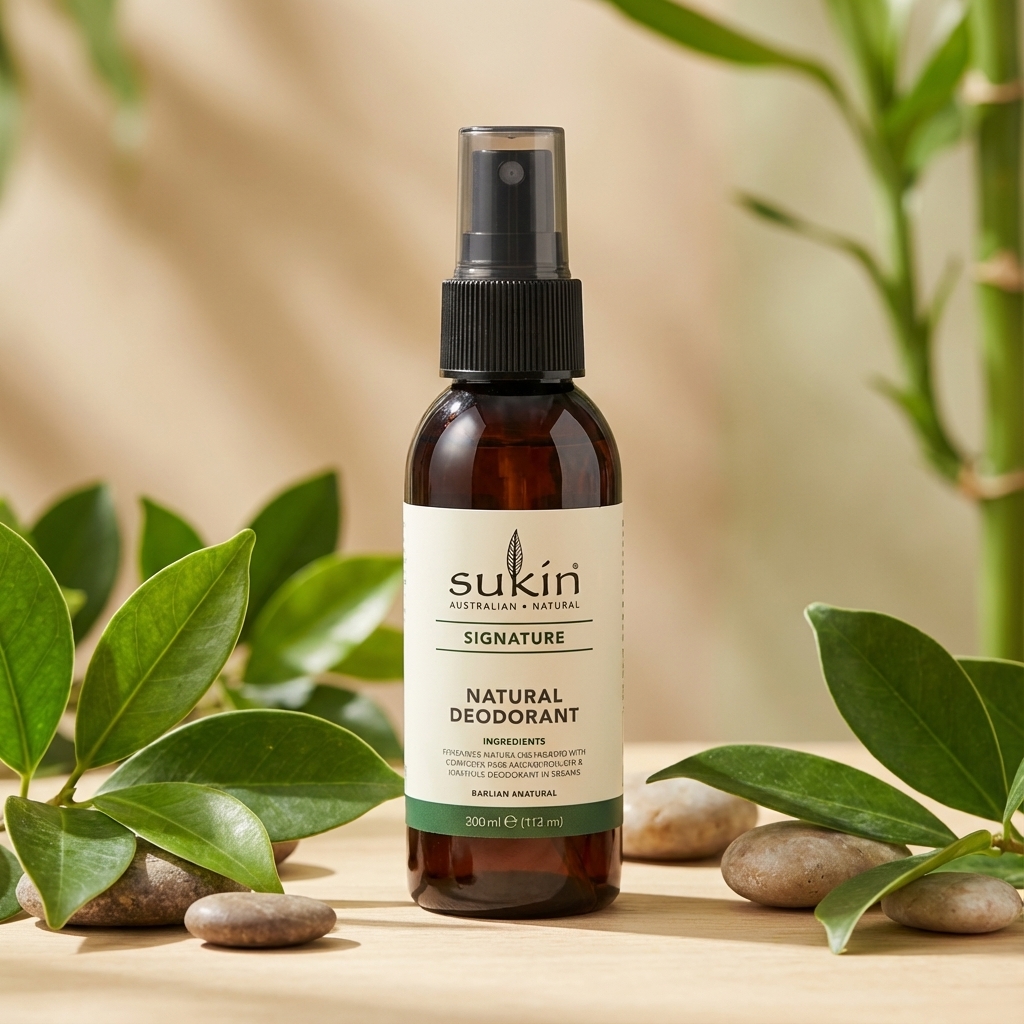
This theme centers on deodorants formulated with natural ingredients and explicitly excluding aluminum salts. These products utilize natural alternatives like tapioca starch and botanical extracts to absorb moisture and neutralize odor.
Sinais de tendência, dados de demanda e insights de mercado para este produto
75/100
growing
AU$4 - AU$47
Real data showing search growth, social buzz, and consumer demand signals.
Google Trends (12 Months)
TikTok Posts
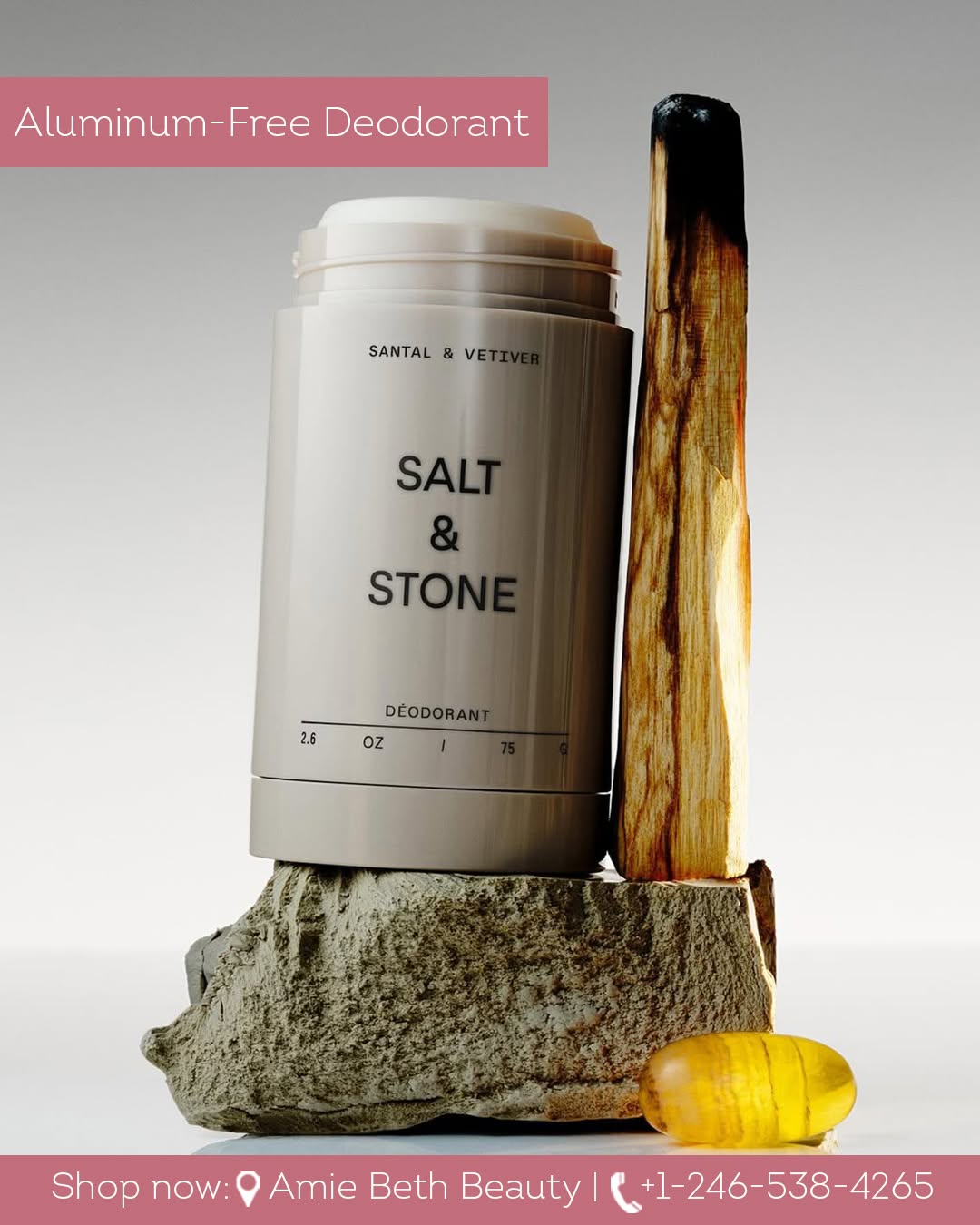
Salt & Stone
Australian actress and model who has gained international recognition for her roles in television series like "H2O: Just Add Water," "The Vampire Diaries," and "The Originals." Known for her advocacy for a natural lifestyle.
Cleo+Coco
American actress and founder of the lifestyle brand Goop, has become a global icon for wellness and clean living.
Australian supermodel and founder of the certified organic skincare line Kora Organics, a leading voice in the clean beauty movement.
Current bestsellers and viral hits defining the consumer expectation.


Source easily with Sourcy. We connect you with verified suppliers, handle quality control, and simplify the entire process.
These brands are driving demand and shaping what consumers want to buy.
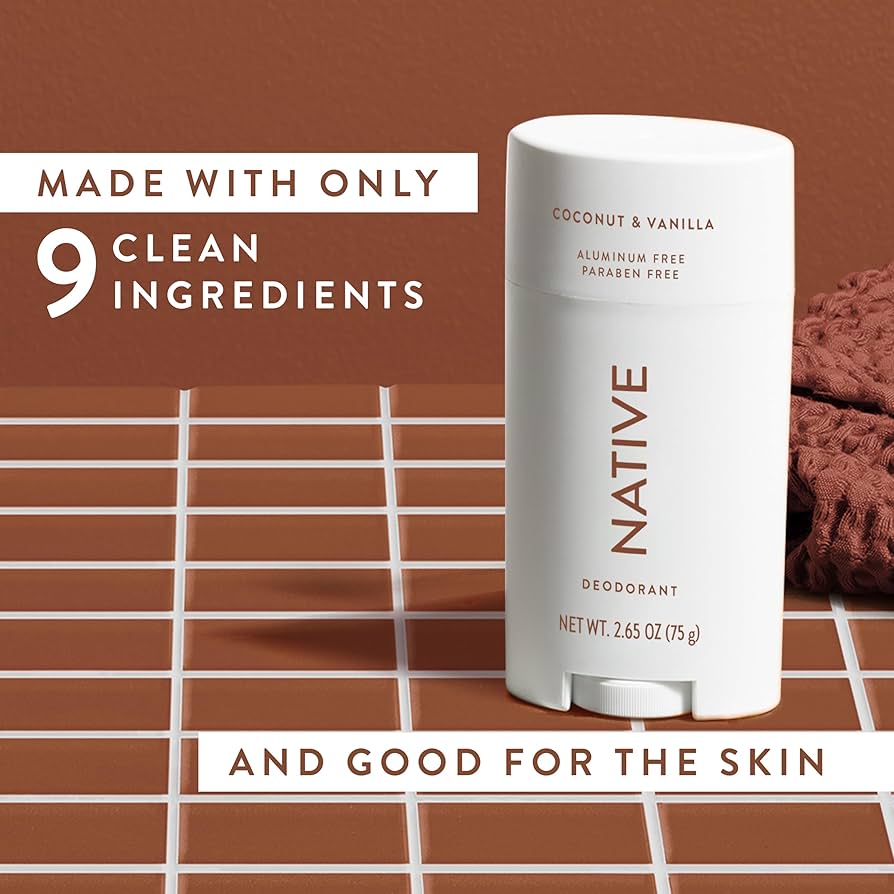
MARKET LEADER
A globally recognized leader in natural deodorant, popular in Australia for its effective formula with naturally derived ingredients like coconut oil and shea butter. It provides long-lasting odor control without blocking sweat and is free from aluminum, parabens, and phthalates. The Coconut & Vanilla scent is an iconic, top-selling fragrance.
Key Product: Coconut & Vanilla Deodorant
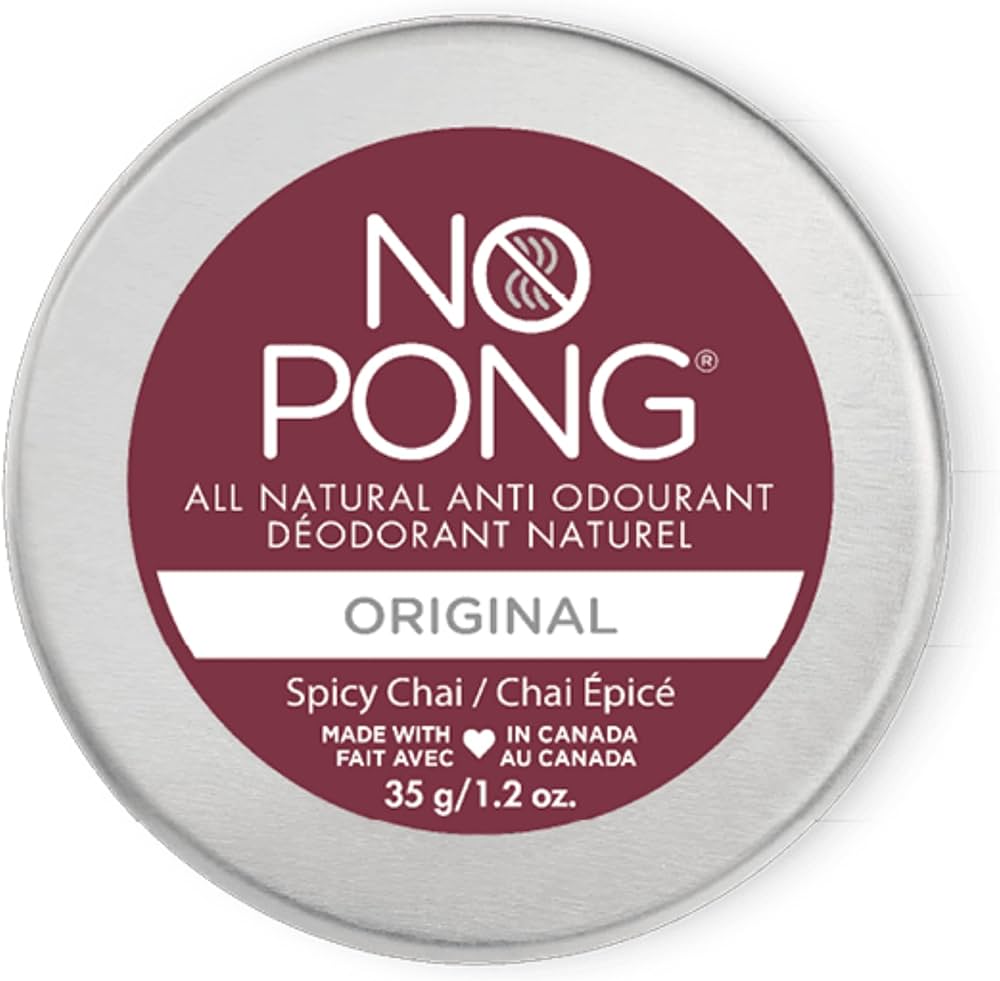
MARKET LEADER
An Australian-made brand with a loyal following for its effective deodorant paste. The formula is all-natural, plastic-free, and cruelty-free. The Spicy Chai scent is a popular offering. The paste format is sweat-resistant, provides all-day protection without blocking pores, and is known for its sustainable packaging.
Key Product: Spicy Chai Original All-Natural Deodorant
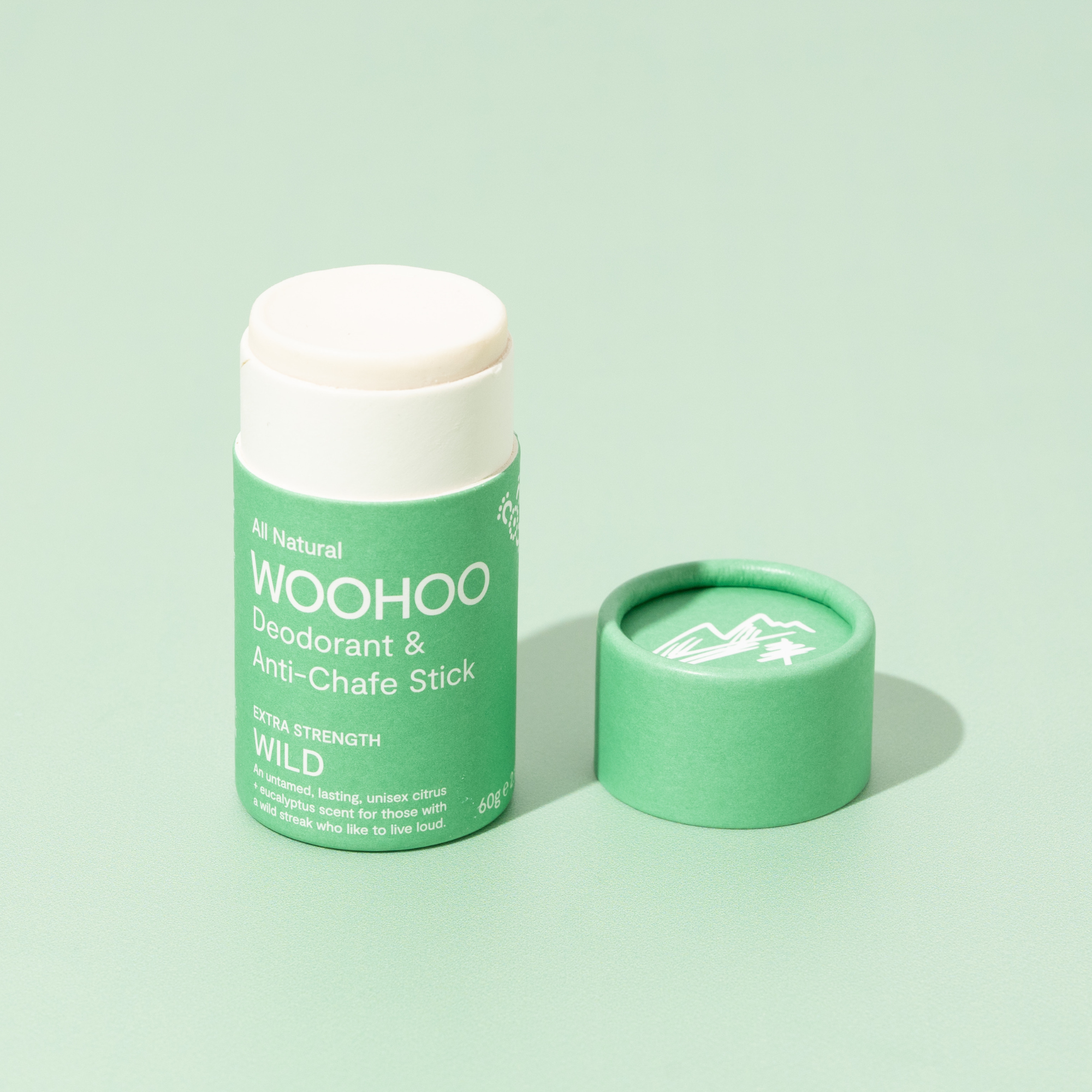
MARKET LEADER
An Australian brand with award-winning, 100% natural, vegan, and cruelty-free deodorants for various skin types. The 'Wild' variant is an extra-strength formula for maximum odor protection, also functioning as an anti-chafe stick. The brand is known for its biodegradable packaging and effective, natural formulas.
Key Product: Deodorant & Anti-Chafe Stick - Wild
Submit your design with target specs, and we'll connect you with vetted manufacturers.