
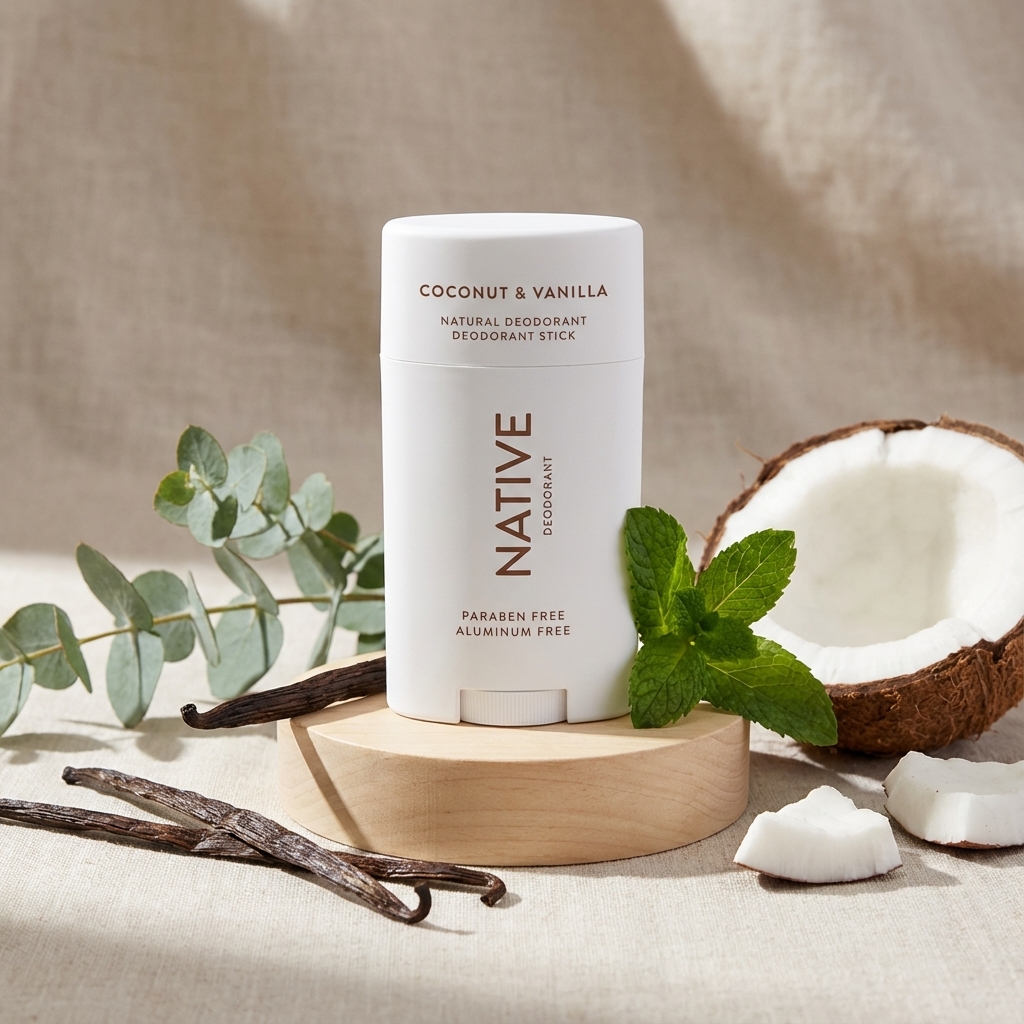
 TikTok Views
—
 Trend InterestCloser to 50 = very trending
28
 Avg Price
$17
 Suppliers
19
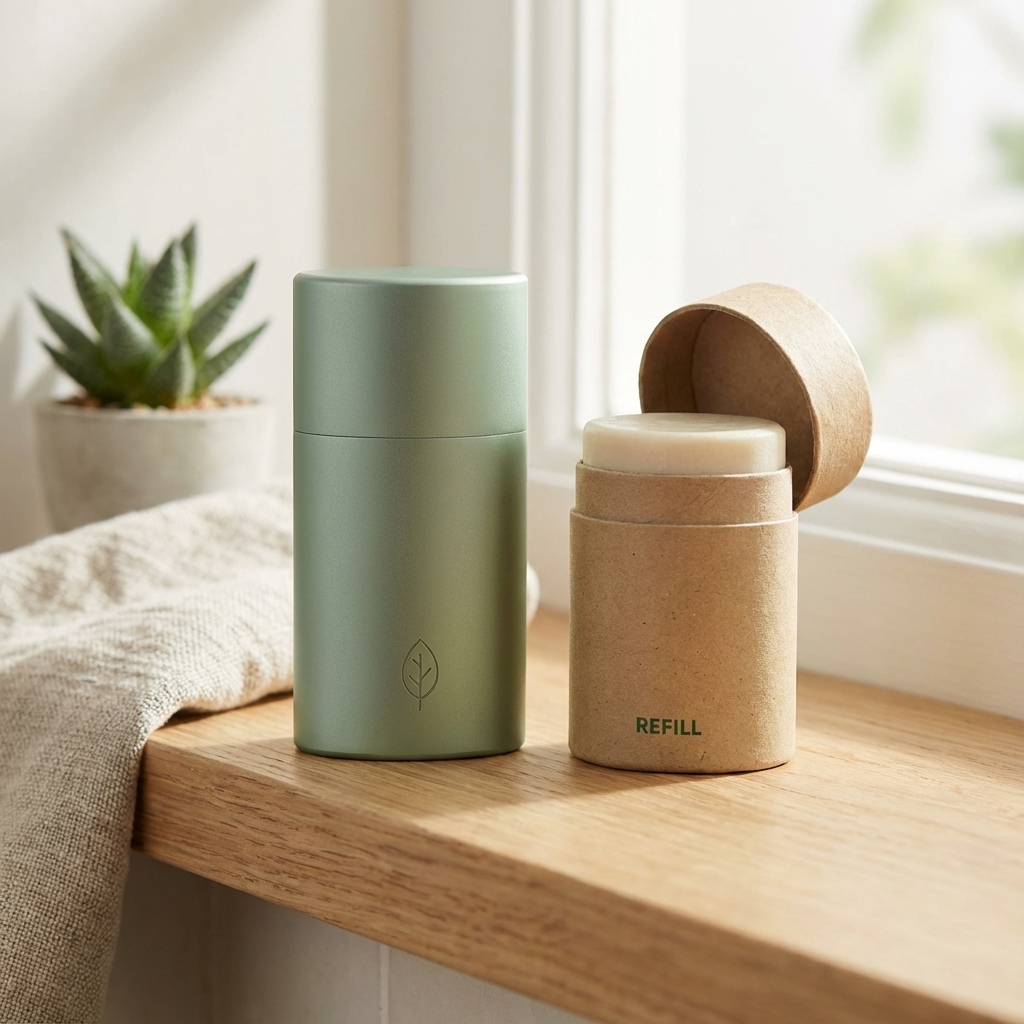 TikTok Views
—
Trend InterestCloser to 50 = very trending15
Avg Price$28
Suppliers15
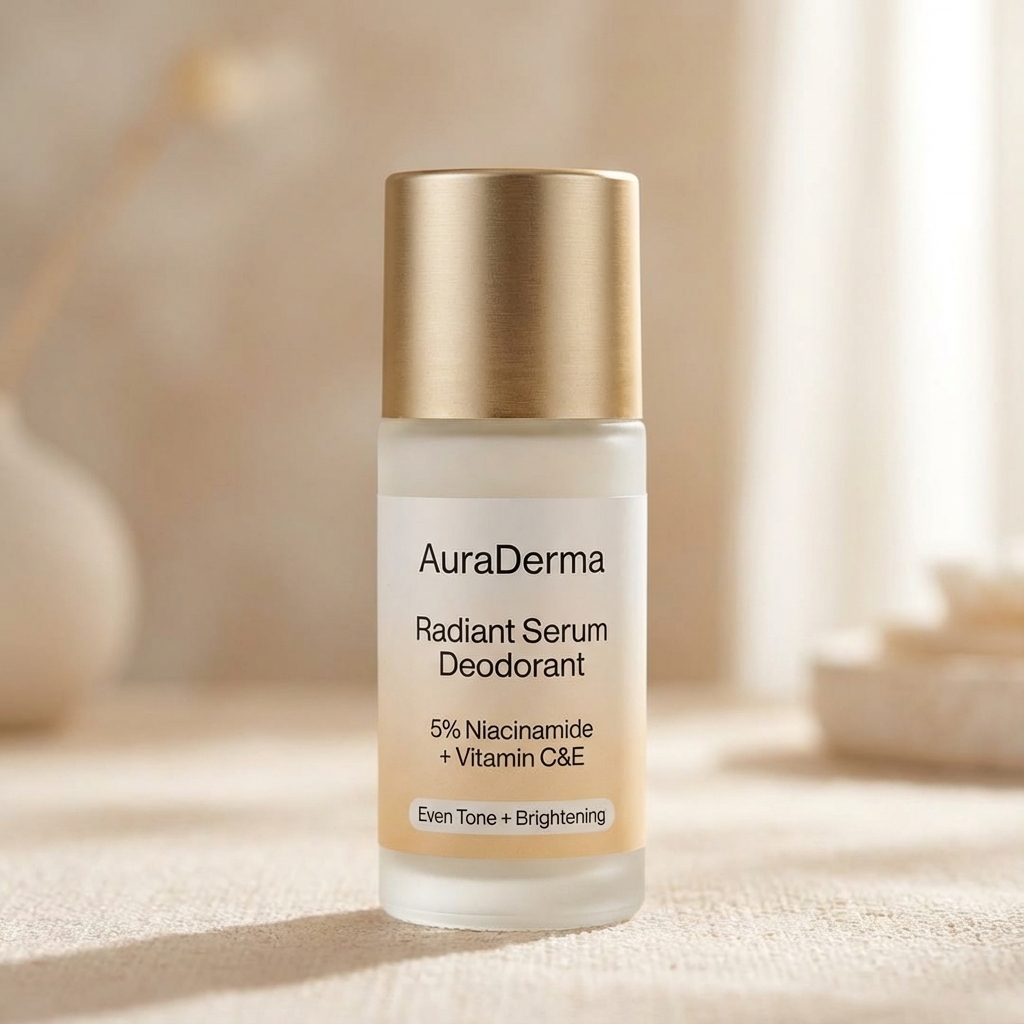 TikTok Views
2.2M
Trend InterestCloser to 50 = very trending11
Avg Price$17
Suppliers16
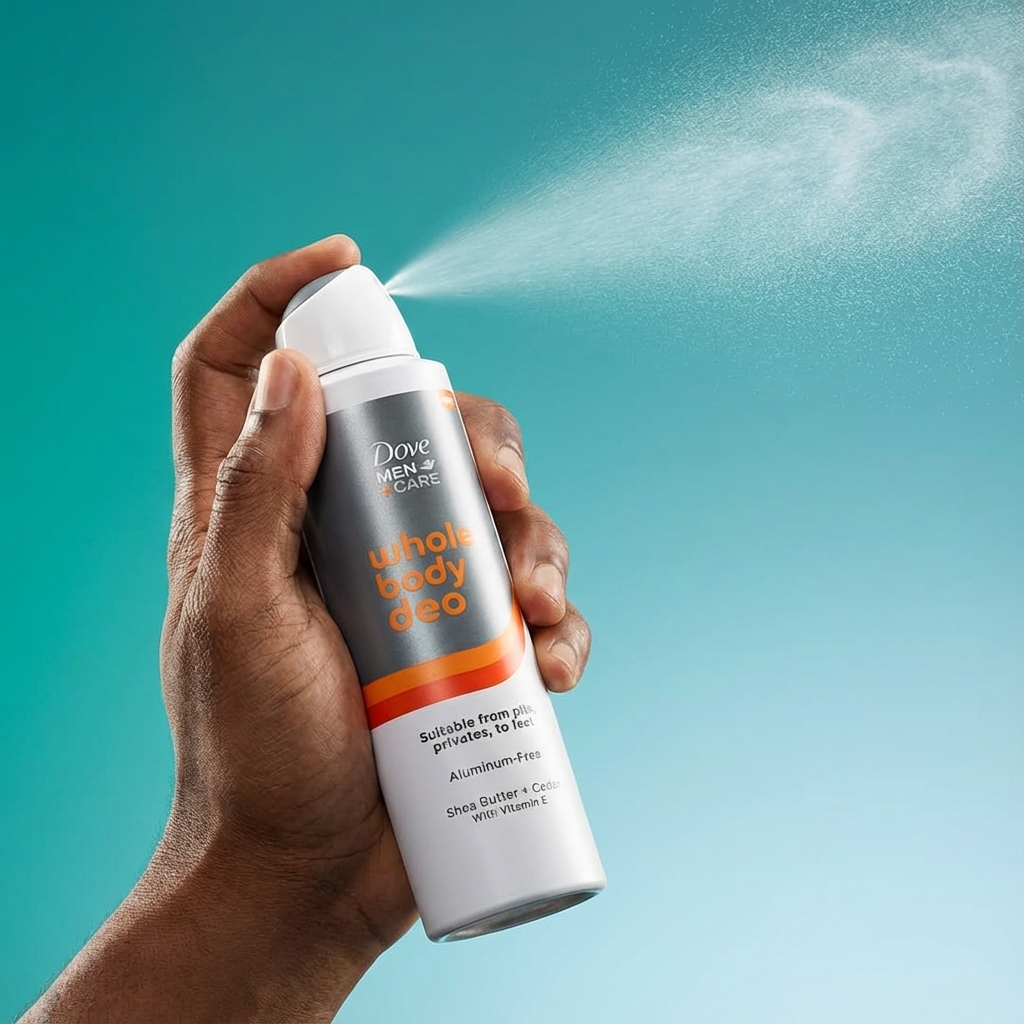 TikTok Views
30.6M
Trend InterestCloser to 50 = very trending7
Avg Price$17
Suppliers17
 TikTok Views
414.0K
Trend InterestCloser to 50 = very trending15
Avg Price$22
Suppliers14
The US deodorant market in 2026 is set for significant evolution, driven by a consumer base that is increasingly health-conscious and environmentally aware. A dominant trend is the move towards natural and clean-label products, with a strong preference for aluminum-free, paraben-free, and organic formulations. This shift is part of a broader wellness movement, where consumers are scrutinizing ingredient lists for transparency and safety. In line with this, deodorant trends are showing a "skinification" of underarm care; products are now expected to offer more than just odor protection, incorporating active skincare ingredients like AHAs, niacinamide, and probiotics to soothe, brighten, and balance the skin's microbiome. Sustainability is another major pillar of innovation, with refillable systems, plastic-free packaging, and mono-materials becoming key purchasing drivers. Brands are responding with formats like sticks and creams in biodegradable paper tubes or reusable cases. The men's grooming sector is expanding with the rise of whole-body deodorants, offering all-day freshness beyond the underarms. Finally, fragrance is becoming more sophisticated, with a demand for unique, premium scents and aromatherapy-inspired notes like lavender and citrus, alongside a continued need for effective unscented options.
The deodorant category is undergoing a significant transformation, moving far beyond basic odor control to become an extension of skincare and sustainable living. Consumer demand in the US market is rapidly shifting towards clean, aluminum-free, and baking soda-free formulas that are gentle on sensitive skin. This evolution presents a major opportunity for brands to innovate across two primary segments: a value tier emphasizing effective, natural ingredients in eco friendly deodorant packaging, and a premium tier offering advanced, skincare-infused formulas in luxurious, sustainable deodorant packaging. Success hinges on delivering high-performance products that address key consumer pain points like irritation, clothing stains, and single-use plastic waste. By focusing on superior formulations and innovative deodorant packaging, brands can act now to capture a growing audience that demands more from their daily personal care essentials.
The market data and sourcing advantages that make this trend worth pursuing.
Typical range
$5.35–$25.99
Typical range
$27.46–$60.00
132K views • 9% engagement
Strong organic resonance
53 suppliers
MOQ flexibility & scale options
High-margin candidate for boutique retail.
Premium Suede Backpack
High-margin candidate for boutique retail.
Top-selling entry-level SKU on Amazon.
Supplier Examples
Supplier 1
MOQ 100 • 5+ yrs
Supplier 2
MOQ 100 • 5+ yrs
Supplier 3
MOQ 100 • 5+ yrs
Supplier 4
MOQ 100 • 5+ yrs
Supplier 5
MOQ 100 • 5+ yrs
Add or customize product features and we'll match you with verified suppliers.
Feature Matching
Find suppliers with matching capabilities
Quote Comparison
Compare pricing and lead times
Sampling & Production
Request samples and begin production
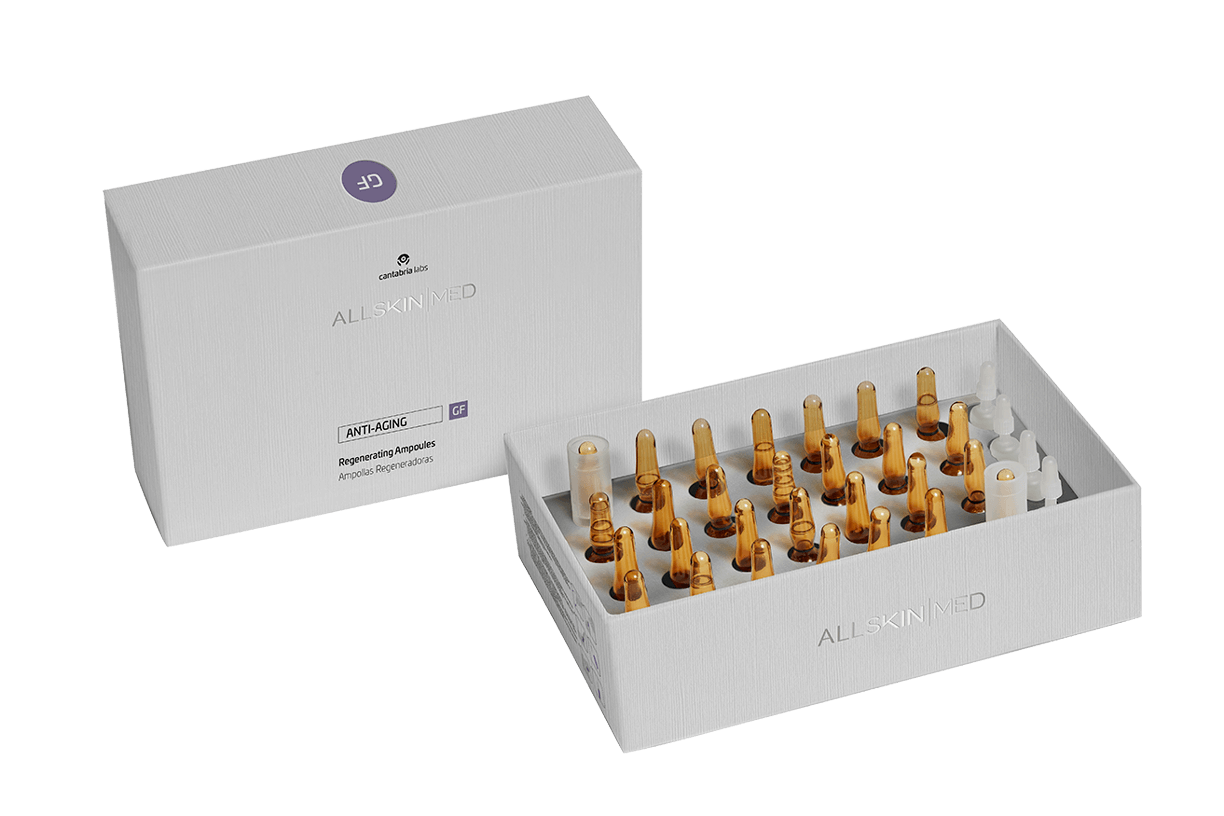
Explore Ampoule trends and sourcing opportunities
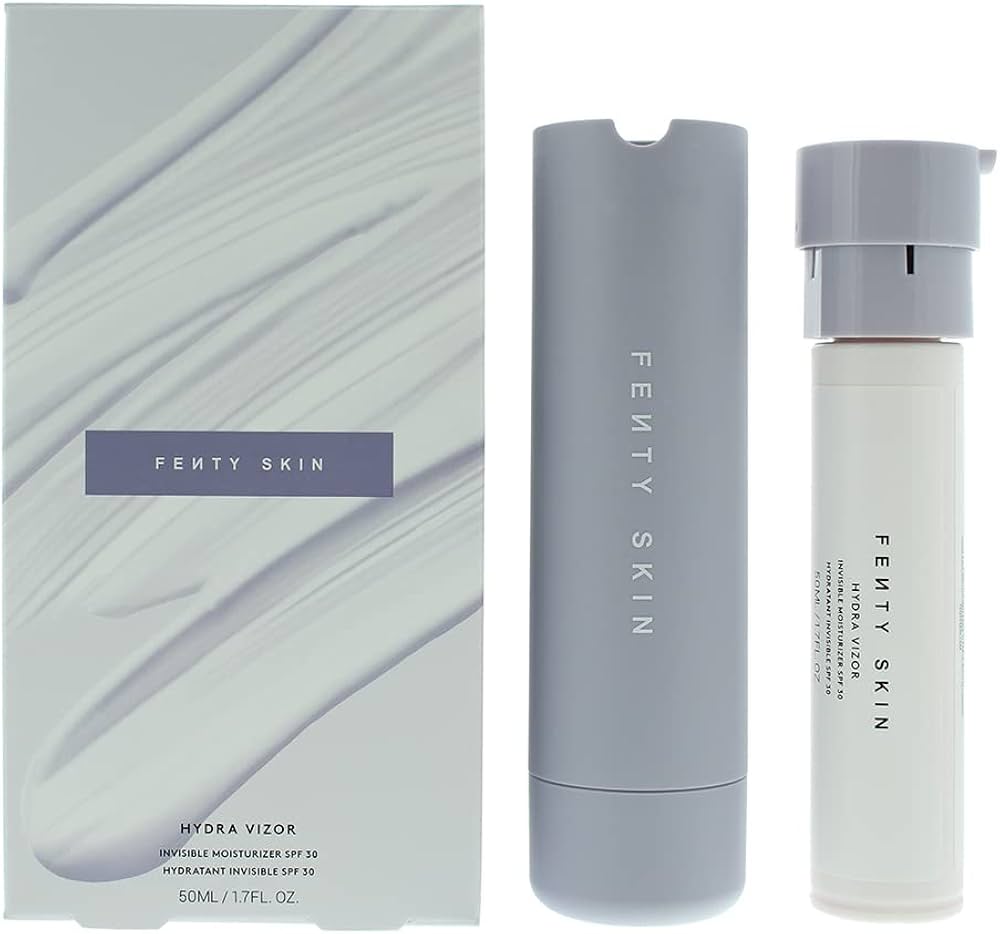
Explore Cosmetic Bottlles trends and sourcing opportunities
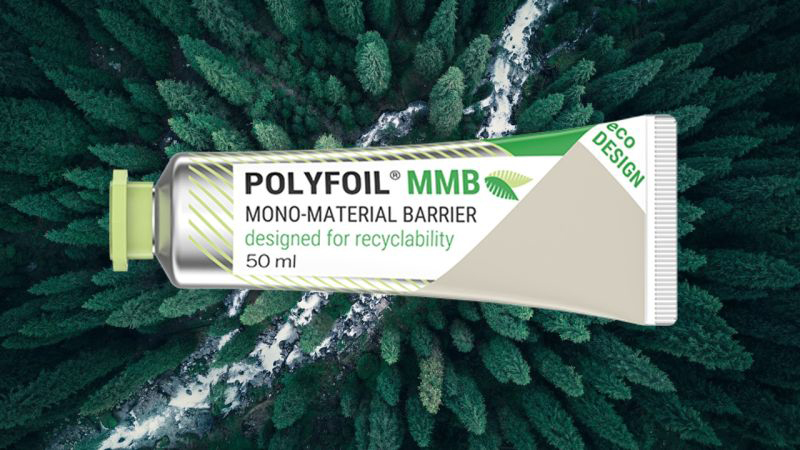
Explore Cosmetic Tube trends and sourcing opportunities
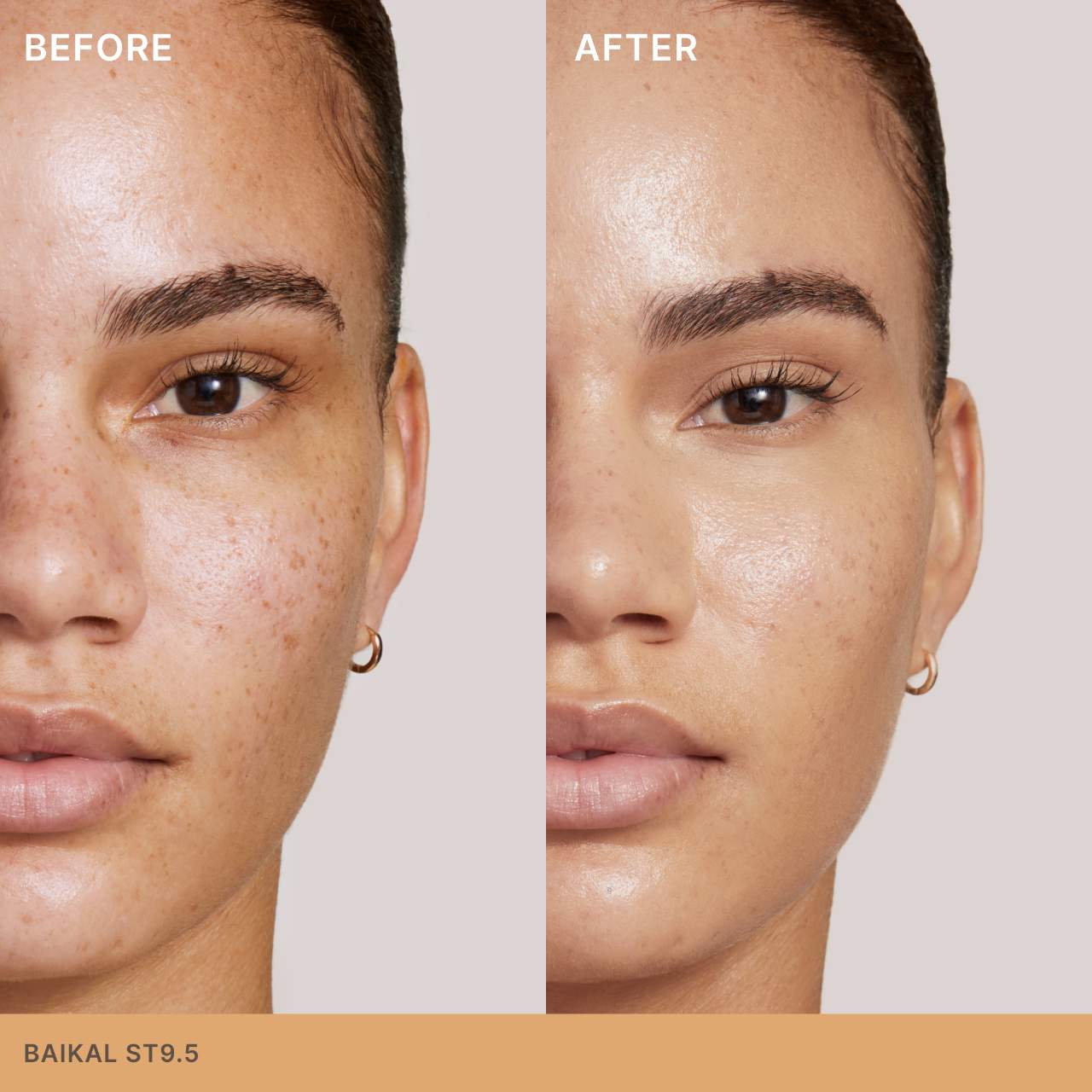
Explore Foundation trends and sourcing opportunities
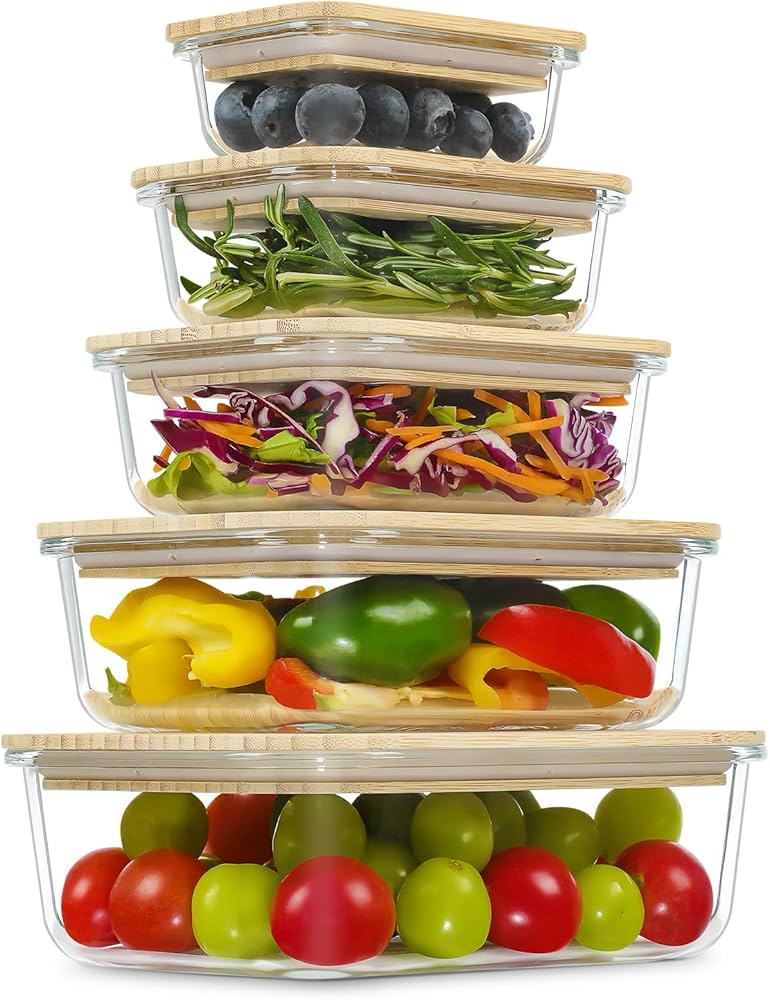
Explore Jars trends and sourcing opportunities
Minimum order quantities vary by supplier tier and product complexity. Value segment suppliers typically require 500-1,000 pieces per style/color, while premium manufacturers may accept 200-300 pieces for higher-value orders. Customization options like private labeling often increase MOQ requirements.
Common materials include cotton, polyester, modal, bamboo viscose, and various blends. Performance variants often incorporate spandex/elastane for stretch, while premium options may use pima cotton or Tencel. Material choice significantly impacts both FOB pricing and end-consumer appeal.
Request product samples before bulk orders, verify supplier certifications (ISO, BSCI, OEKO-TEX), check factory audit reports, and review trade history on B2B platforms. Our verified supplier ratings consider response rates, dispute history, and quality scores from verified transactions.
Standard production lead times range from 25-45 days depending on order complexity and supplier capacity. Rush orders may be possible at premium rates. Add 15-30 days for sea freight shipping to US ports, or 5-7 days for air freight on urgent orders.