
 IG Views
51.6K
 Trend InterestCloser to 50 = very trending
32
 Avg Price
R$49
 Suppliers
17
 IG Views
1.3K
Trend InterestCloser to 50 = very trending49
Avg PriceR$73
Suppliers19
 Social Views
528.1K
Trend InterestCloser to 50 = very trending3
Avg PriceR$143
Suppliers17
 IG Views
1.6K
Trend InterestCloser to 50 = very trending4
Avg PriceR$68
Suppliers19
 Social Views
349.9K
Trend InterestCloser to 50 = very trending20
Avg PriceR$71
Suppliers14
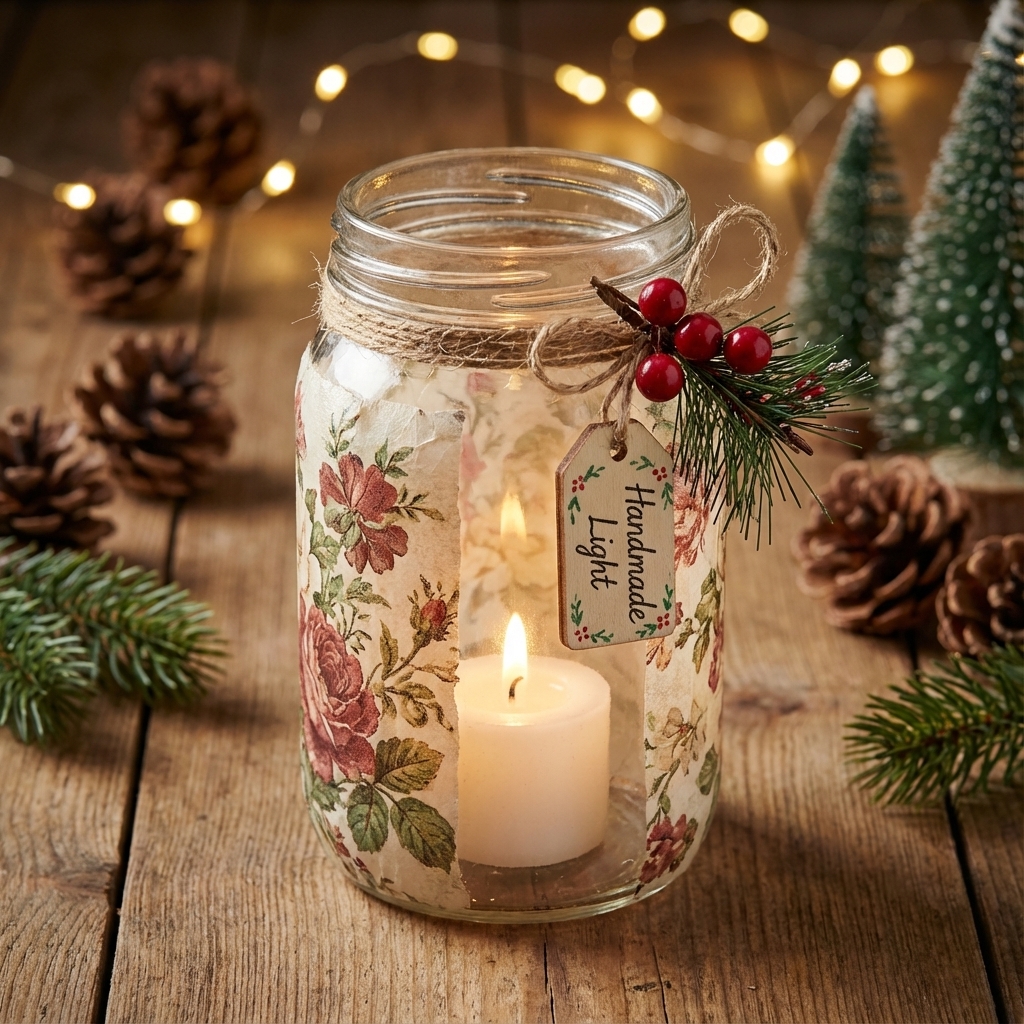
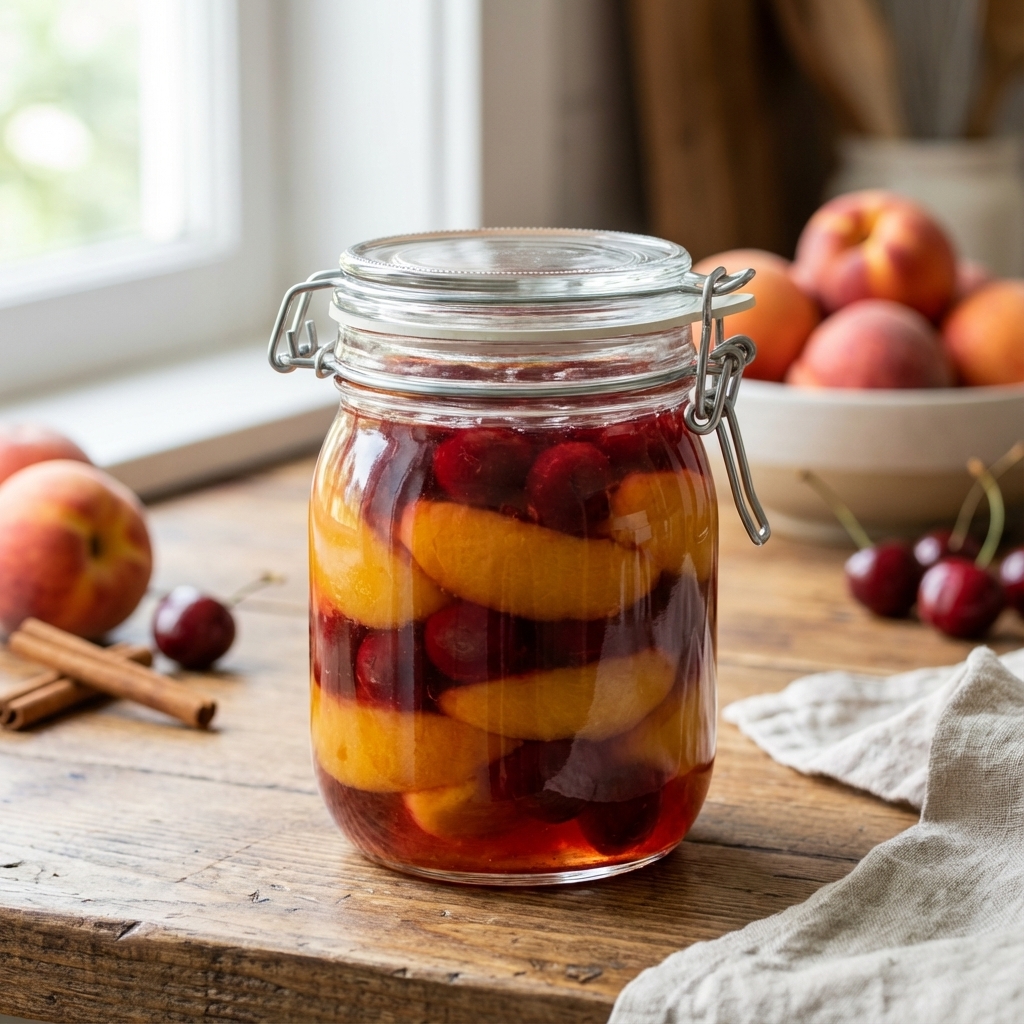
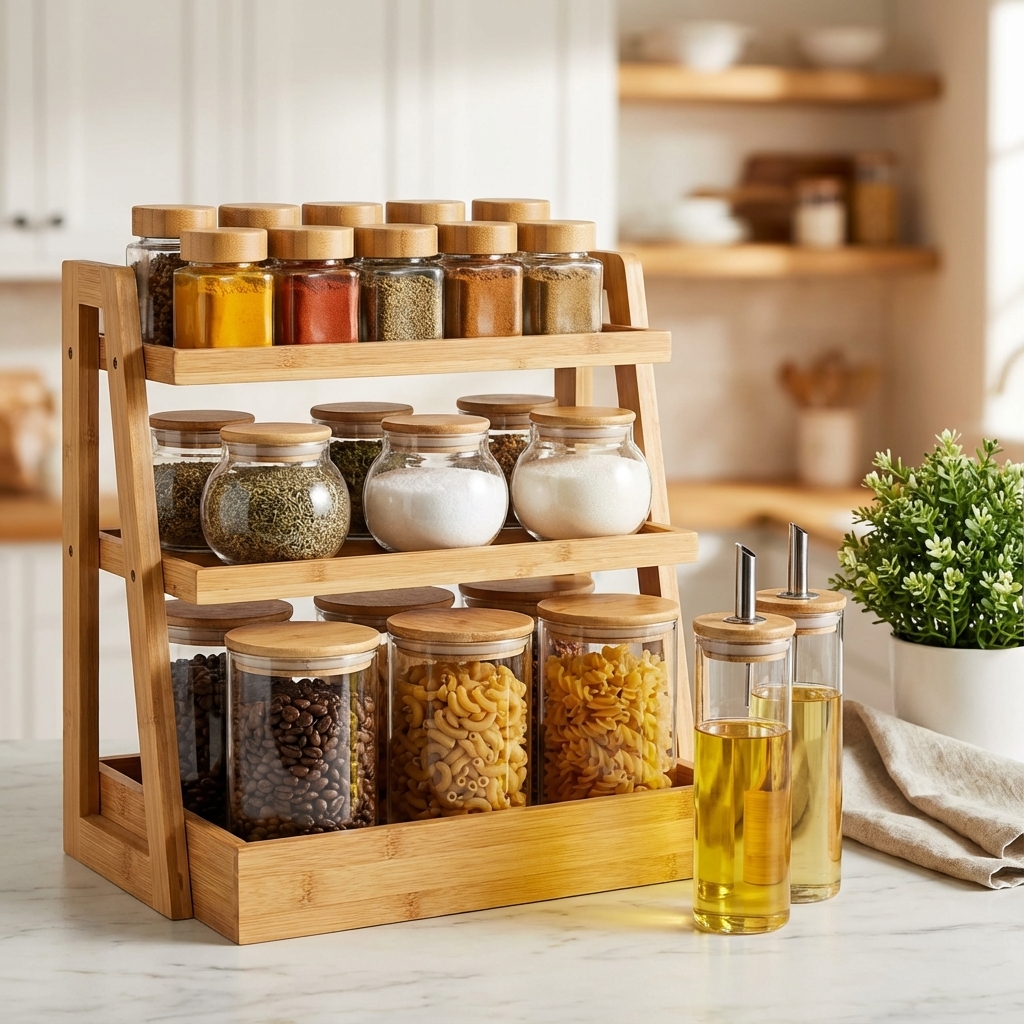
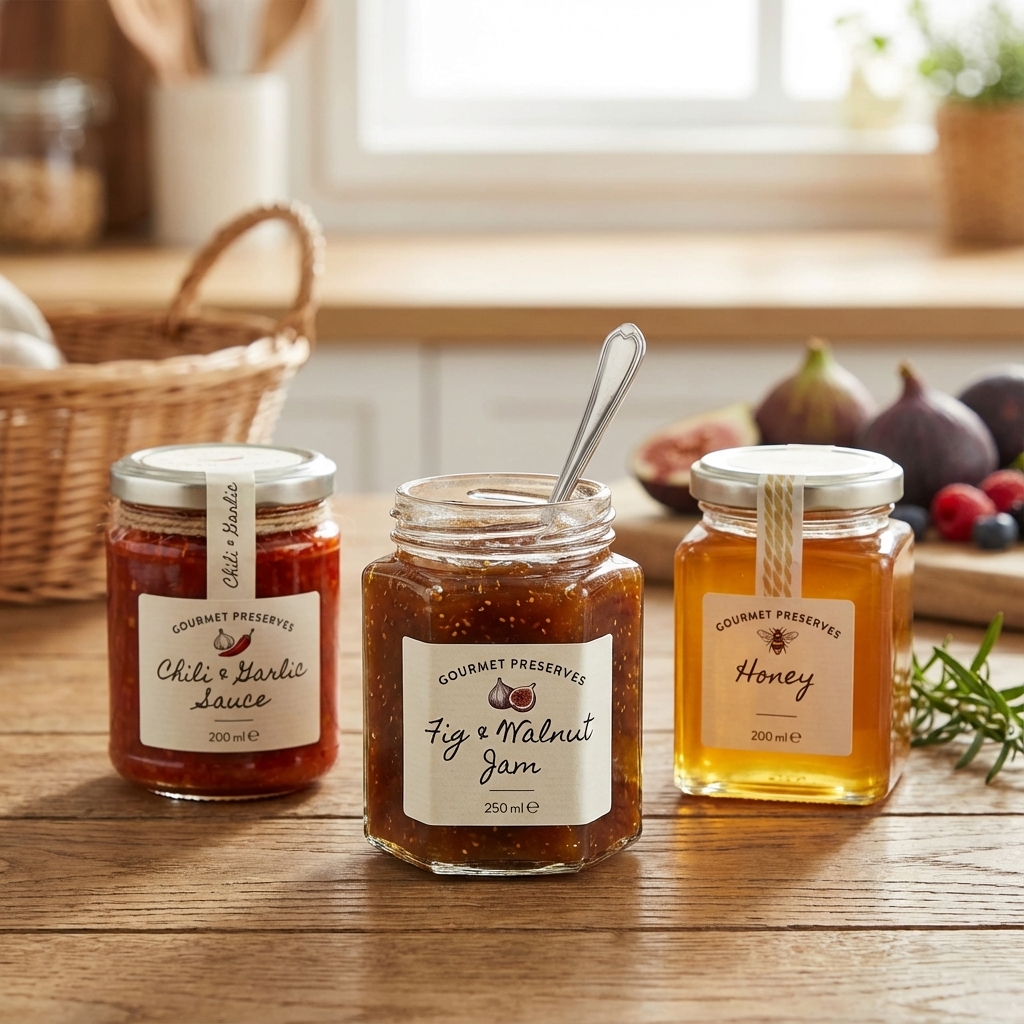
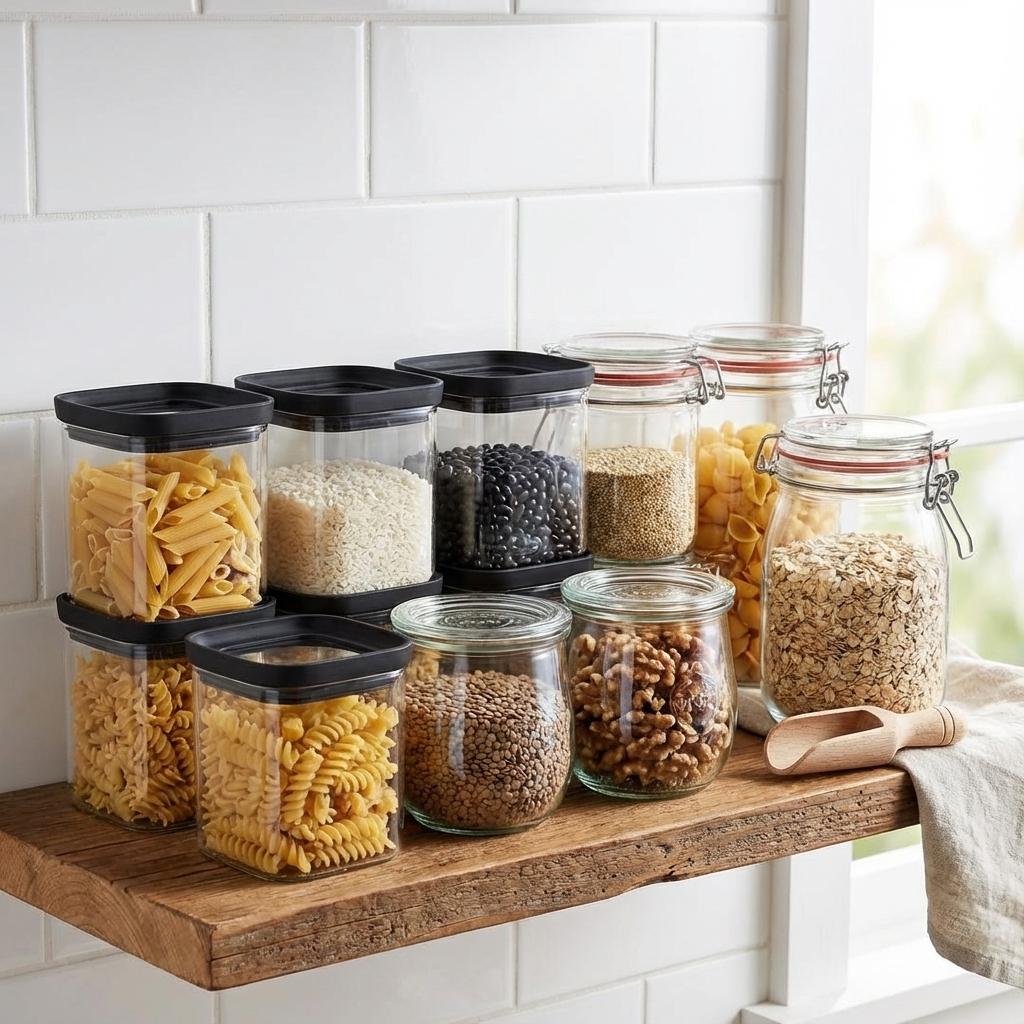
In the Brazilian market for 2026, the trend for jars is centered on sustainability, organization, and aesthetic appeal. There is a significant movement towards reusing glass jars as a way to reduce plastic consumption and promote a more eco-conscious lifestyle. This aligns with a broader home decor trend of "soft minimalism" and creating a "comfort chic" environment, where organization itself becomes a decorative element. Transparent glass jars are particularly popular for kitchen organization, allowing for easy identification of contents like pantry staples (mantimentos), which helps in reducing food waste. Hermetic jars are in high demand for their ability to preserve the freshness of food for longer. Beyond the kitchen, jars are being repurposed for a variety of decorative and artisanal purposes, from holding candles and plants to being customized for sale. The aesthetic is clean and natural, often incorporating materials like bamboo for lids and spoons, reflecting a desire for connection with nature within the home. Overall, the jar trend in Brazil for 2026 reflects a consumer shift towards more mindful consumption. This is seen in the preference for durable, reusable materials like glass, the desire for organized and aesthetically pleasing home environments, and the growing appreciation for DIY projects and artisanal goods. Functionality, sustainability, and personal expression are the key drivers shaping how consumers purchase and use jars in their daily lives.
The Jars category in the Brazilian market presents a significant sourcing opportunity, driven by strong consumer demand for home organization, aesthetic appeal, and reliable food preservation. The trend spans multiple themes, from sustainable pantry storage to decorative countertop pieces, creating a broad landscape for brands. A clear market segmentation exists: a value-driven segment utilizing materials like soda-lime glass and durable plastics, and a premium segment defined by high-quality borosilicate glass, premium wood lids, and flawless finishes. This allows brands to source everything from affordable plastic cosmetic jars to luxury glass cosmetic jars. Across all segments, an effective airtight seal is a non-negotiable feature, making the quality of silicone gaskets paramount. Versatility is a key selling point; many designs can be marketed for multiple uses, serving as kitchen canisters or as a stylish cosmetic jar. To succeed, brands should focus on addressing common market failures like shipping damage and poor seals by prioritizing robust packaging and strict quality control. By sourcing from experienced wholesale cosmetic jars suppliers and offering curated sets with value-added accessories, brands can quickly capitalize on this growing trend.
The market data and sourcing advantages that make this trend worth pursuing.
Typical range
$5.35–$25.99
Typical range
$27.46–$60.00
132K views • 9% engagement
Strong organic resonance
53 suppliers
MOQ flexibility & scale options
High-margin candidate for boutique retail.
Premium Suede Backpack
High-margin candidate for boutique retail.
Top-selling entry-level SKU on Amazon.
Supplier Examples
Supplier 1
MOQ 100 • 5+ yrs
Supplier 2
MOQ 100 • 5+ yrs
Supplier 3
MOQ 100 • 5+ yrs
Supplier 4
MOQ 100 • 5+ yrs
Supplier 5
MOQ 100 • 5+ yrs
Add or customize product features and we'll match you with verified suppliers.
Feature Matching
Find suppliers with matching capabilities
Quote Comparison
Compare pricing and lead times
Sampling & Production
Request samples and begin production
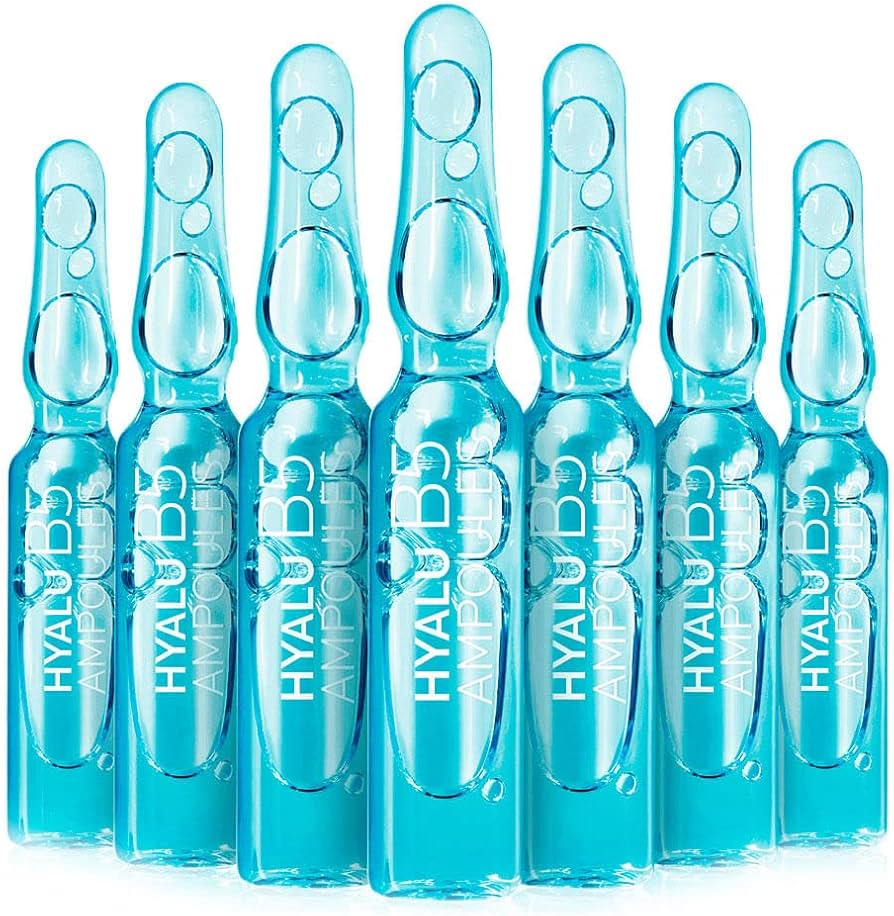
Explore Ampoule trends and sourcing opportunities
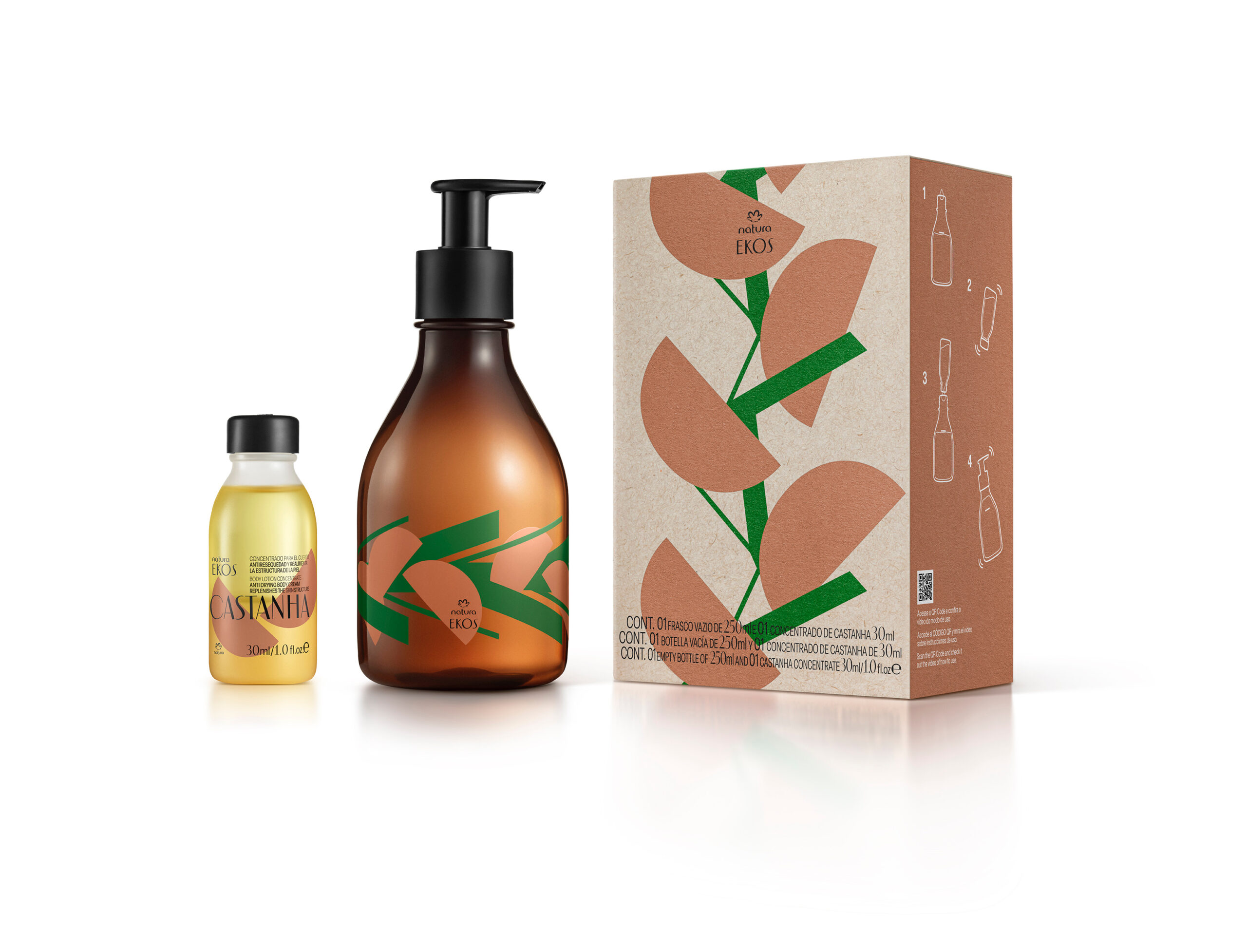
Explore Cosmetic Bottlles trends and sourcing opportunities
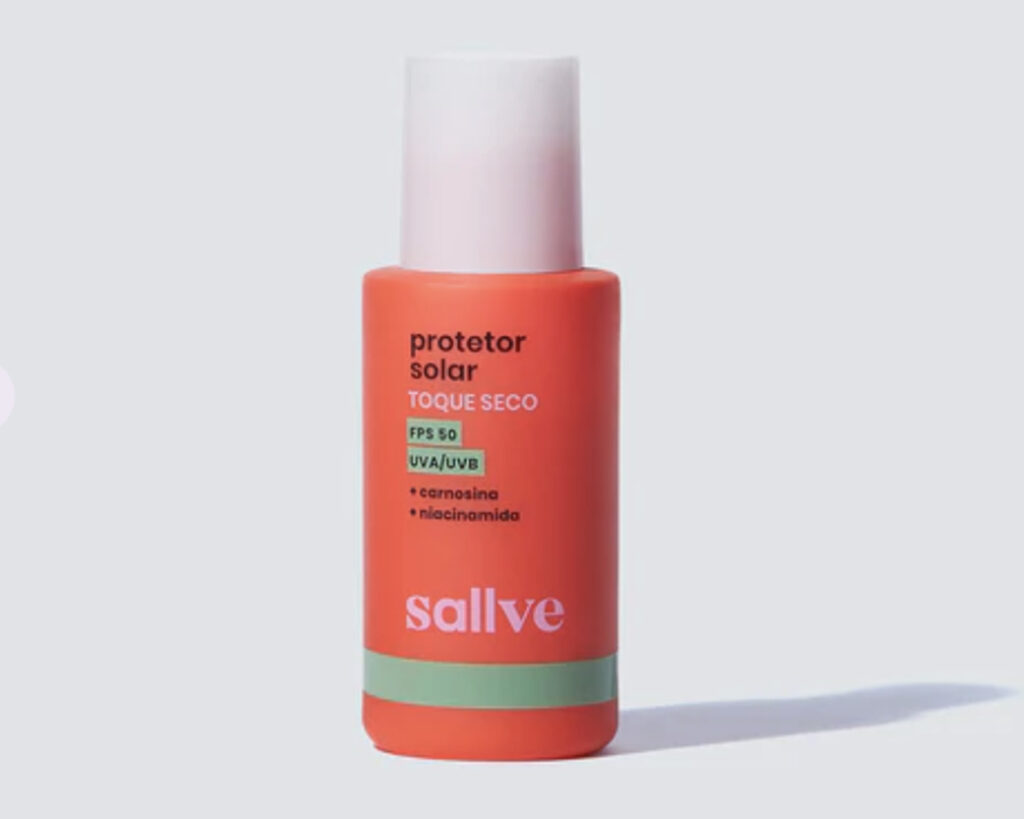
Explore Cosmetic Tube trends and sourcing opportunities
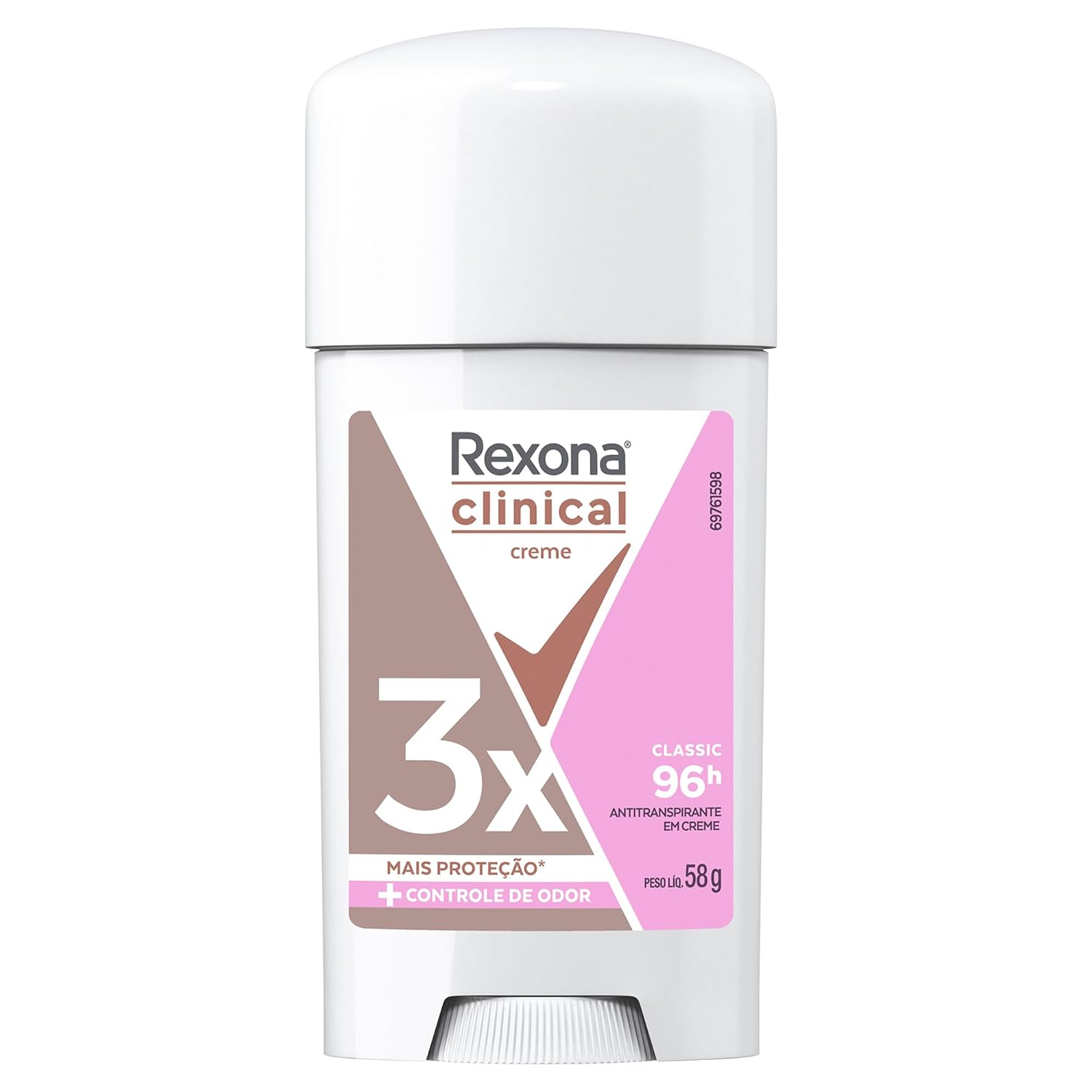
Explore Deodorant trends and sourcing opportunities
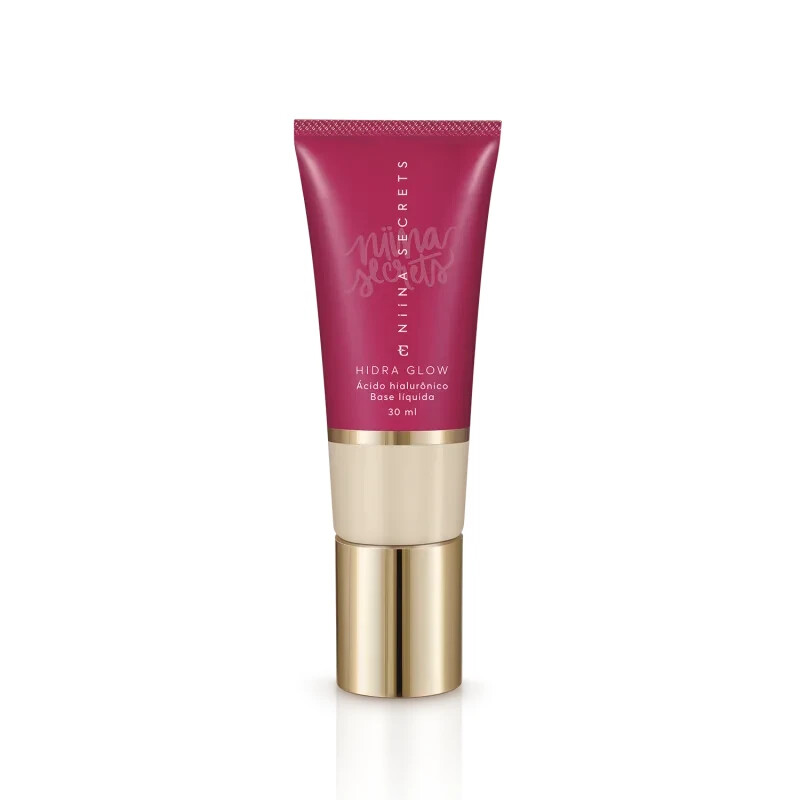
Explore Foundation trends and sourcing opportunities
Minimum order quantities vary by supplier tier and product complexity. Value segment suppliers typically require 500-1,000 pieces per style/color, while premium manufacturers may accept 200-300 pieces for higher-value orders. Customization options like private labeling often increase MOQ requirements.
Common materials include cotton, polyester, modal, bamboo viscose, and various blends. Performance variants often incorporate spandex/elastane for stretch, while premium options may use pima cotton or Tencel. Material choice significantly impacts both FOB pricing and end-consumer appeal.
Request product samples before bulk orders, verify supplier certifications (ISO, BSCI, OEKO-TEX), check factory audit reports, and review trade history on B2B platforms. Our verified supplier ratings consider response rates, dispute history, and quality scores from verified transactions.
Standard production lead times range from 25-45 days depending on order complexity and supplier capacity. Rush orders may be possible at premium rates. Add 15-30 days for sea freight shipping to US ports, or 5-7 days for air freight on urgent orders.