
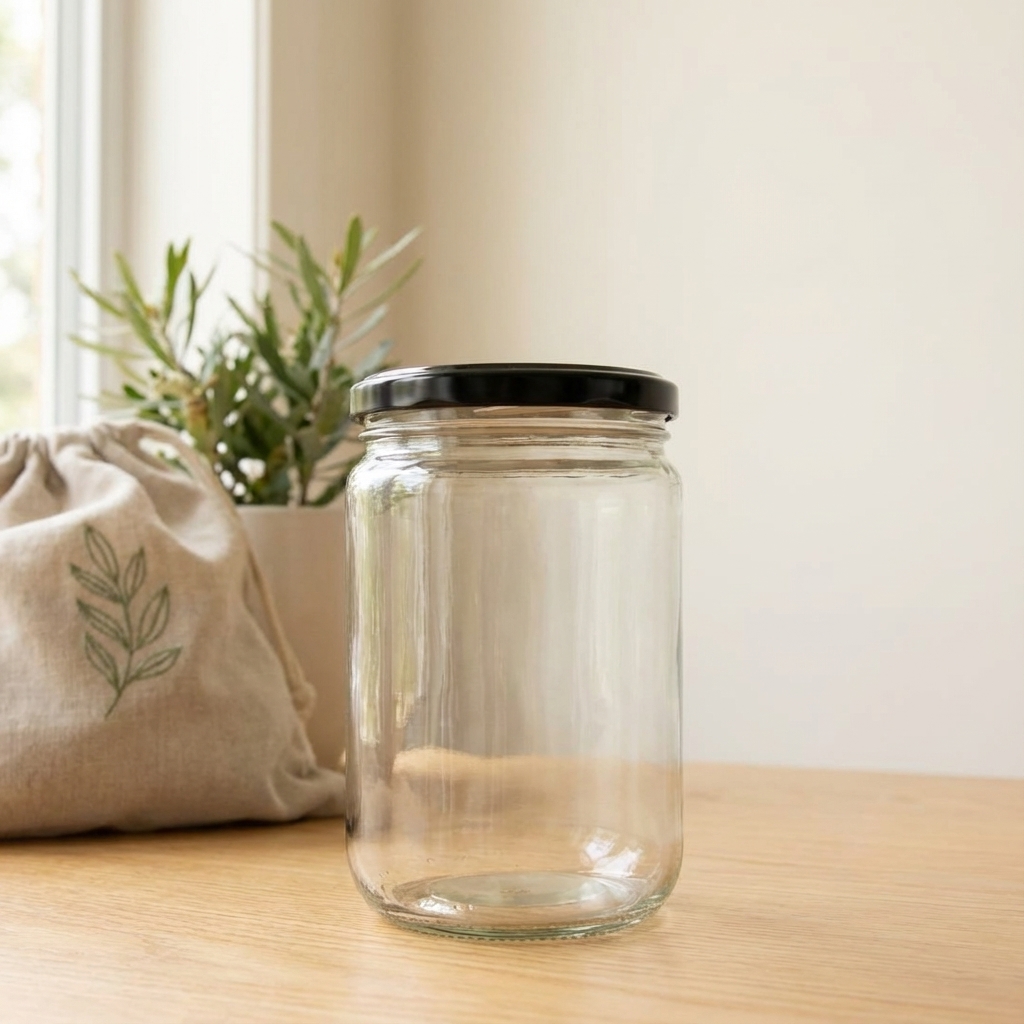
 TikTok Views
2.0M
 Trend InterestCloser to 50 = very trending
31
 Avg Price
$612
 Suppliers
18
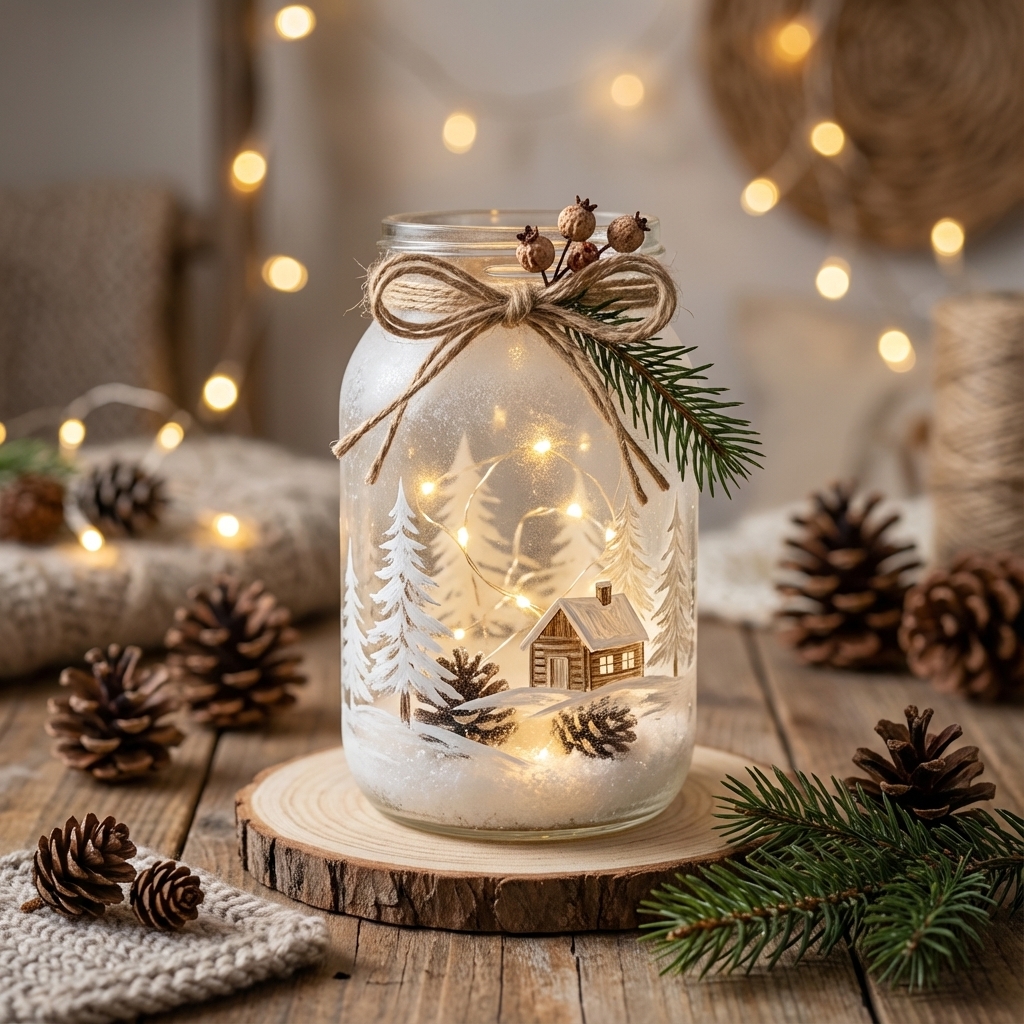 TikTok Views
23.7M
Trend InterestCloser to 50 = very trending9
Avg Price$709
Suppliers11
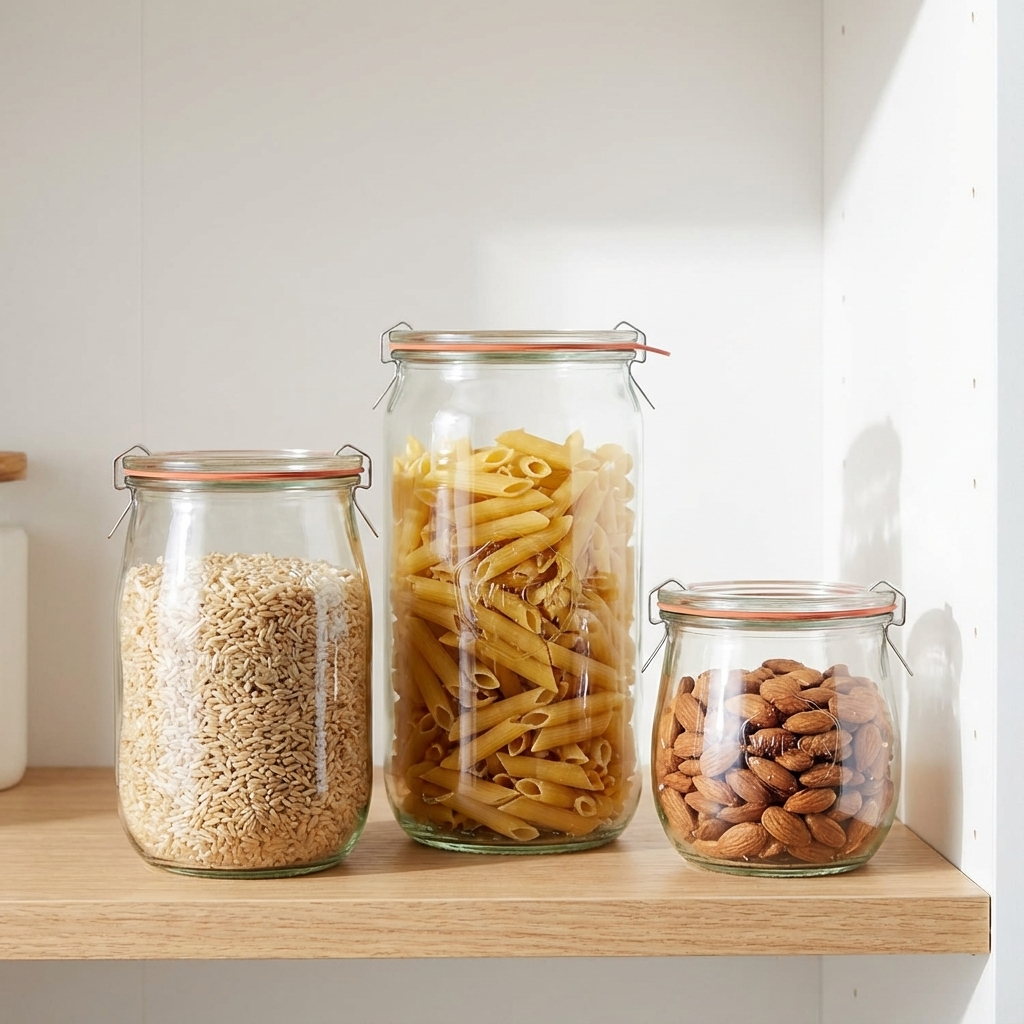 Social Views
2.3M
Trend InterestCloser to 50 = very trending14
Avg Price$621
Suppliers9
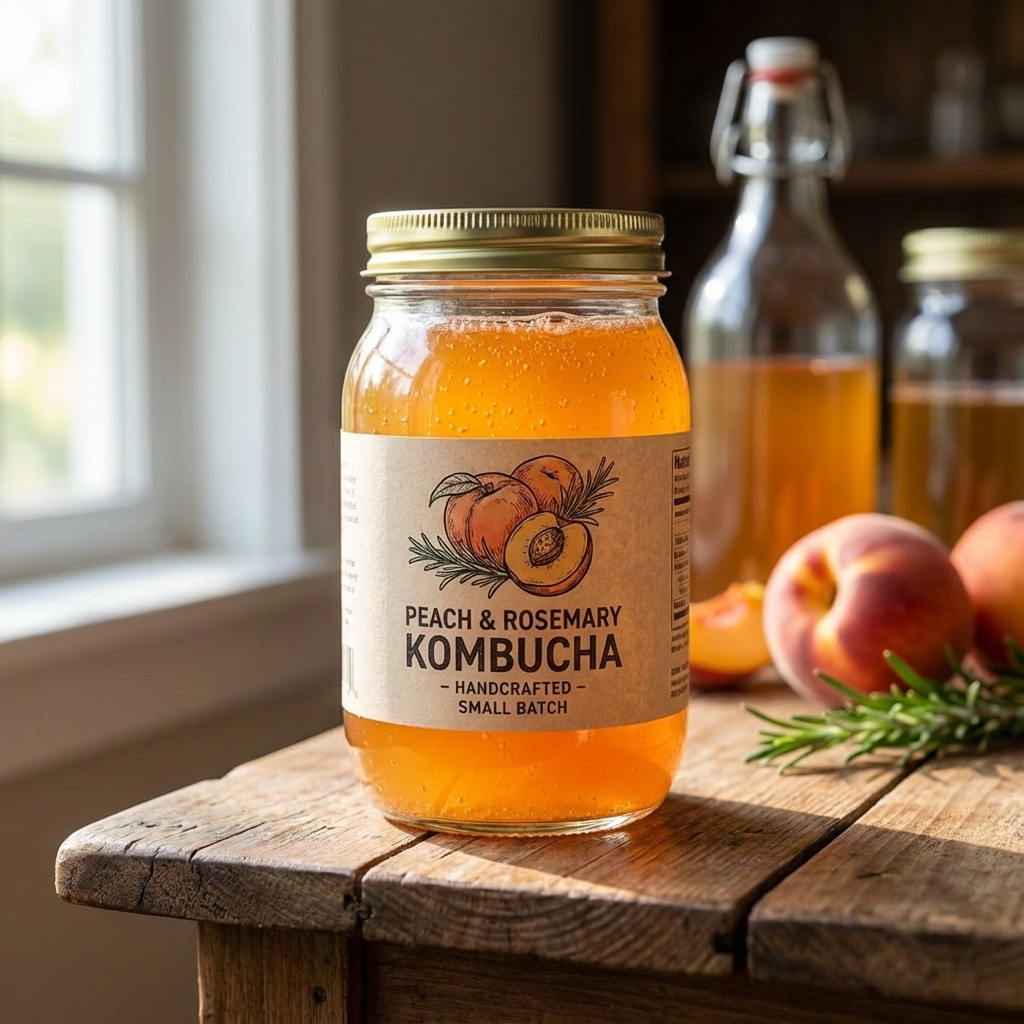 TikTok Views
494.9K
Trend InterestCloser to 50 = very trending17
Avg Price$899
Suppliers16
 TikTok Views
—
Trend InterestCloser to 50 = very trending3
Avg Price$524
Suppliers11
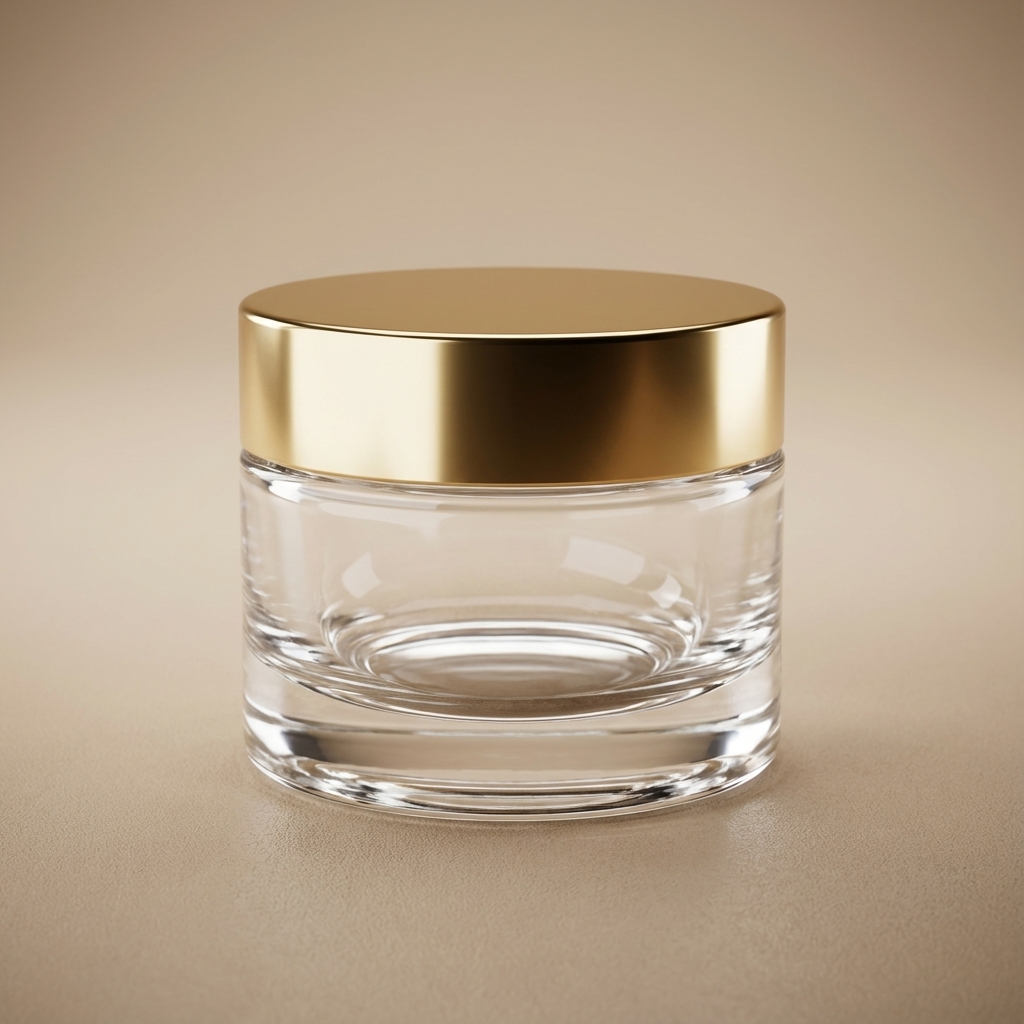
The jar market in Mexico is experiencing a significant shift towards sustainability and versatile design in preparation for 2026. Glass jars are increasingly favored over plastic due to their recyclability and non-toxic properties, a trend driven by growing environmental consciousness among consumers. This is particularly evident in the food and beverage sector, where jars are popular for everything from traditional homemade preserves and salsas to the burgeoning craft drink scene. Beyond the kitchen, there is a strong movement towards repurposing jars for decorative purposes, with minimalist and artisanal aesthetics transforming them into chic home décor items like vases and candle holders. In the realm of food storage, pantry organization using uniform glass jars is a prominent trend, valued for both its functionality and clean visual appeal. This highlights the jar's versatility in the modern home, serving both practical and aesthetic purposes. Furthermore, the cosmetic industry continues to utilize premium glass jars for products, leveraging the material's inert nature and high-end perception. Upcoming trends for 2026 indicate a move towards more innovative and personalized packaging, including lighter-weight glass and unique, handcrafted designs. This evolution reflects a market that values sustainability, quality, and personalization in all aspects of consumer goods.
The Jars category in the Mexican market presents a significant sourcing opportunity for brands, driven by strong consumer demand for products that blend aesthetic appeal with practical functionality. Across segments—from pantry organization and artisanal beverages to decorative crafts—a clear trend towards premiumization is evident. Consumers are actively seeking high-quality glass jars that solve common frustrations like breakage during shipping and poor-quality seals. Success hinges on sourcing products with superior materials like borosilicate glass, airtight lids made from bamboo or stainless steel, and robust, protective packaging. By focusing on quality control and offering differentiated features such as unique shapes, tinted glass, or value-add accessories, brands can quickly capture a loyal customer base. This is especially true in the growing market for luxury glass cosmetic jars, where a premium feel and reliable performance can command higher price points and build substantial brand trust.
The market data and sourcing advantages that make this trend worth pursuing.
Typical range
$5.35–$25.99
Typical range
$27.46–$60.00
132K views • 9% engagement
Strong organic resonance
53 suppliers
MOQ flexibility & scale options
High-margin candidate for boutique retail.
Premium Suede Backpack
High-margin candidate for boutique retail.
Top-selling entry-level SKU on Amazon.
Supplier Examples
Supplier 1
MOQ 100 • 5+ yrs
Supplier 2
MOQ 100 • 5+ yrs
Supplier 3
MOQ 100 • 5+ yrs
Supplier 4
MOQ 100 • 5+ yrs
Supplier 5
MOQ 100 • 5+ yrs
Add or customize product features and we'll match you with verified suppliers.
Feature Matching
Find suppliers with matching capabilities
Quote Comparison
Compare pricing and lead times
Sampling & Production
Request samples and begin production
Explore Ampoule trends and sourcing opportunities
Explore Cosmetic Bottlles trends and sourcing opportunities
Explore Cosmetic Tube trends and sourcing opportunities
Explore Foundation trends and sourcing opportunities
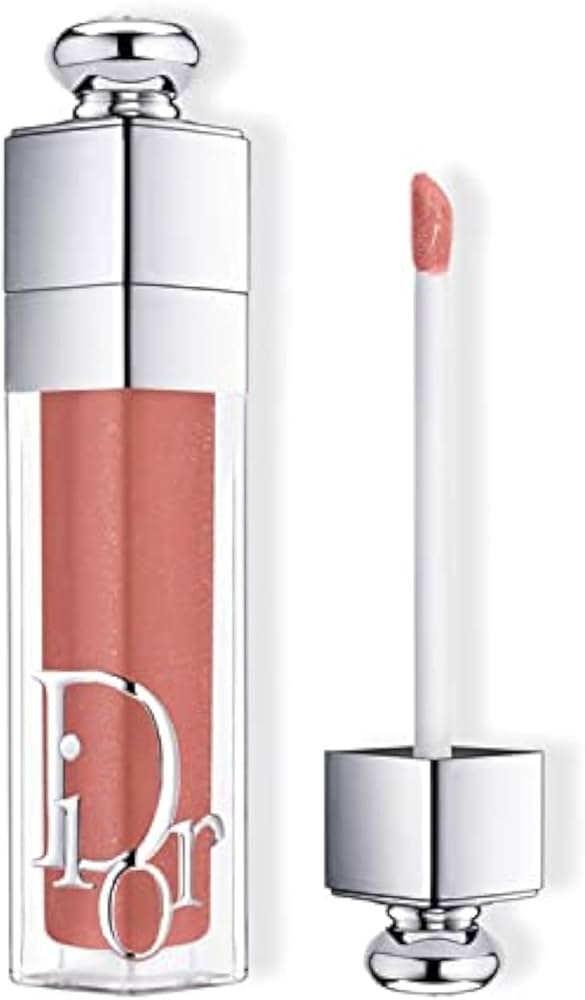
Explore Lipgloss trends and sourcing opportunities
Minimum order quantities vary by supplier tier and product complexity. Value segment suppliers typically require 500-1,000 pieces per style/color, while premium manufacturers may accept 200-300 pieces for higher-value orders. Customization options like private labeling often increase MOQ requirements.
Common materials include cotton, polyester, modal, bamboo viscose, and various blends. Performance variants often incorporate spandex/elastane for stretch, while premium options may use pima cotton or Tencel. Material choice significantly impacts both FOB pricing and end-consumer appeal.
Request product samples before bulk orders, verify supplier certifications (ISO, BSCI, OEKO-TEX), check factory audit reports, and review trade history on B2B platforms. Our verified supplier ratings consider response rates, dispute history, and quality scores from verified transactions.
Standard production lead times range from 25-45 days depending on order complexity and supplier capacity. Rush orders may be possible at premium rates. Add 15-30 days for sea freight shipping to US ports, or 5-7 days for air freight on urgent orders.