
 TikTok Views
4.9M
 Trend InterestCloser to 50 = very trending
33
 Avg Price
$25
 Suppliers
17
 Social Views
58.4K
Trend InterestCloser to 50 = very trending76
Avg Price$39
Suppliers18
 TikTok Views
1.9M
Trend InterestCloser to 50 = very trending7
Avg Price$34
Suppliers20
 TikTok Views
—
Trend InterestCloser to 50 = very trending12
Avg Price$70
Suppliers15
 TikTok Views
—
Trend InterestCloser to 50 = very trending17
Avg Price$22
Suppliers16
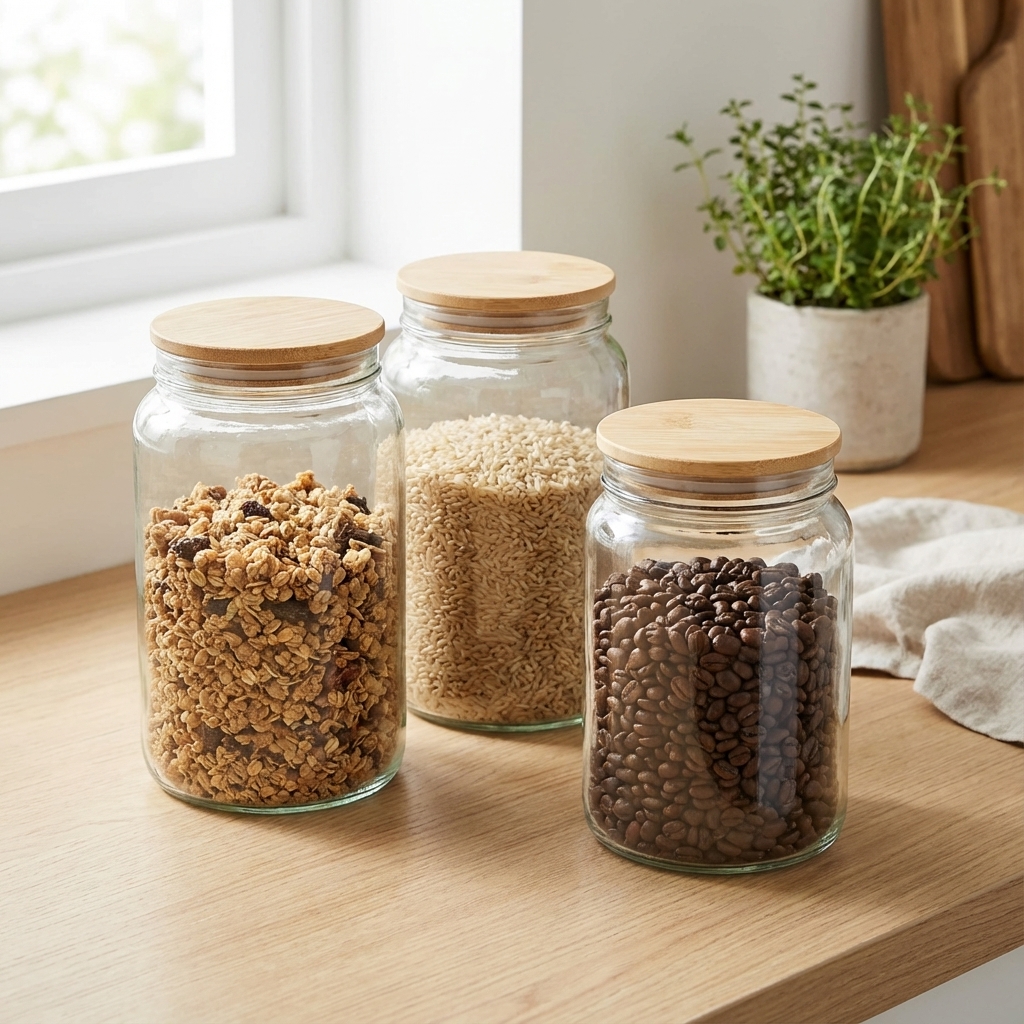
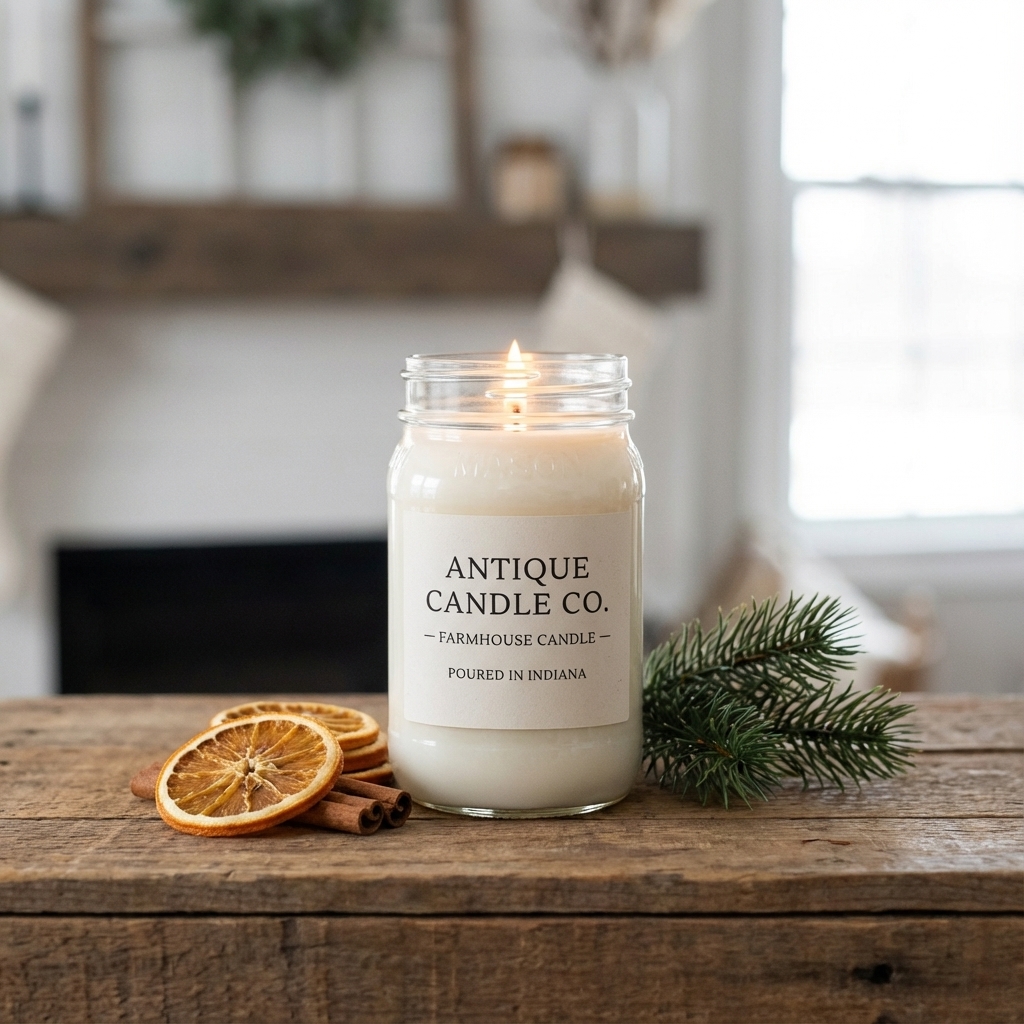
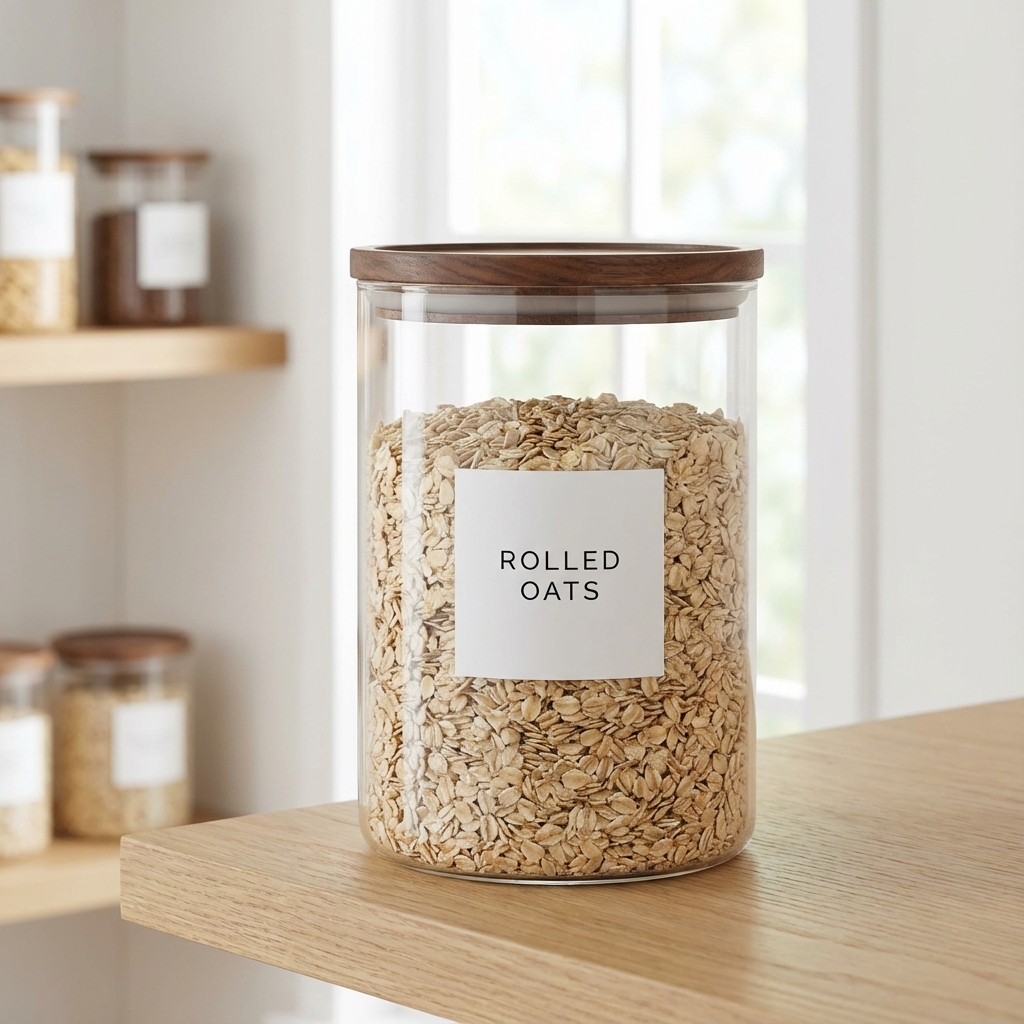
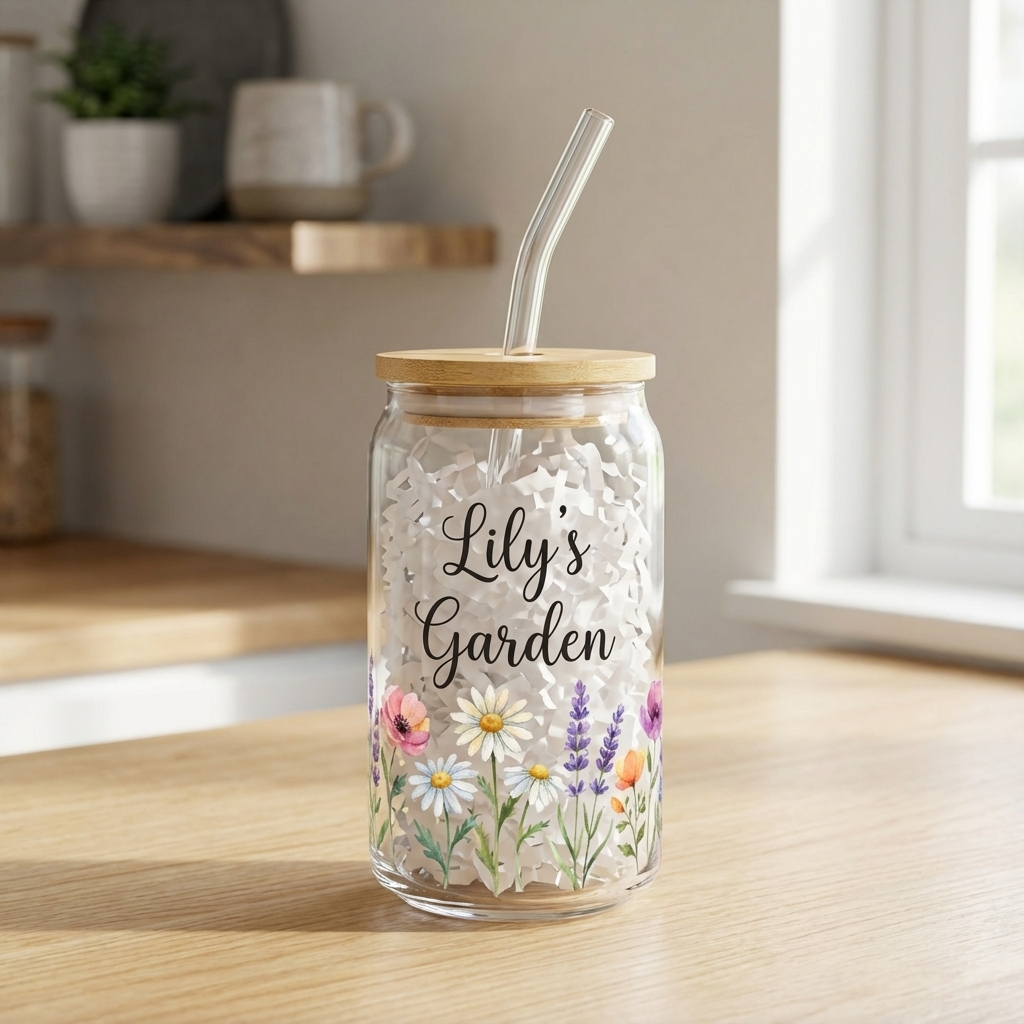
The upcoming year in the US jar market is shaped by a powerful convergence of sustainability, health consciousness, and a desire for natural materials. Consumers are actively moving away from plastics, driven by concerns over chemical leaching and environmental impact. This has led to a strong preference for glass jars, particularly those made from high-purity, recycled materials. Complementing this trend is the demand for natural lids made from renewable resources like bamboo, reflecting a holistic approach to eco-friendly living and wellness. Beyond material choices, functionality and aesthetics play crucial roles in consumer decisions. Practical features such as airtight seals for freshness, stackable designs for efficient pantry organization, and wide-mouth openings for ease of use are highly valued. Aesthetically, while the classic transparency of glass remains popular for showcasing contents, there is a growing appetite for jars that serve a dual purpose as home decor. This includes vintage-inspired designs that evoke nostalgia, minimalist jars with clean lines and matte finishes, and unique, architectural shapes that make a statement on open shelving. Personalization emerges as a key differentiator in a crowded market. Consumers are increasingly seeking ways to make standard products uniquely their own, driving demand for customizable jars. Options range from engraved messages and names for special occasions to bespoke labels that align with individual kitchen aesthetics. This trend transforms the humble jar from a simple storage container into a personalized artifact, a thoughtful gift, or a curated decorative object that reflects personal style and the growing "shelfie" culture on social media.
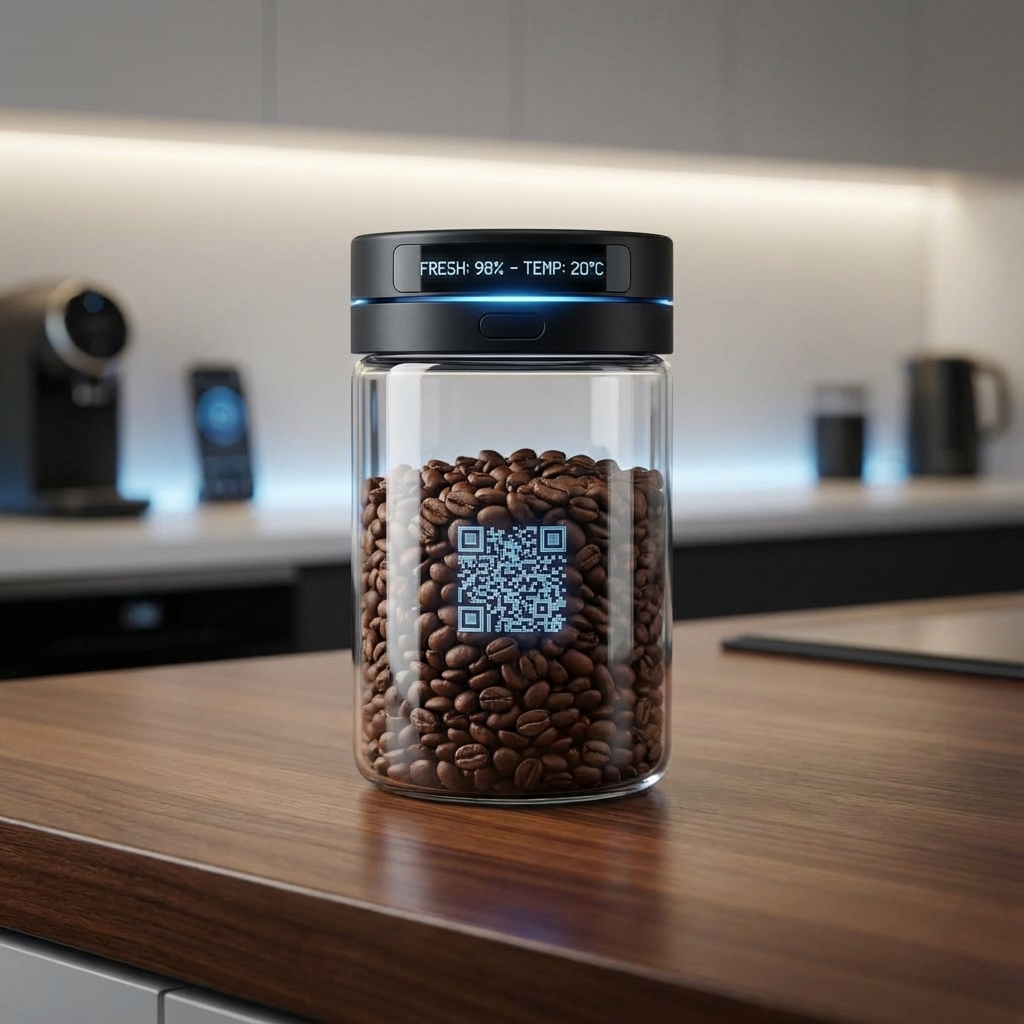
The Jars category has evolved far beyond simple storage, becoming a key component in home decor, pantry organization, and personal care. Current trends show a strong consumer demand for jars that are not only functional but also aesthetically pleasing, sustainable, and specialized. Opportunities are abundant across several themes, from eco-conscious and minimalist pantry sets to modern farmhouse and personalized decorative pieces. A significant and lucrative trend is the growing demand in the beauty sector for high-quality cosmetic packaging jars. Brands can capture market share by addressing common consumer pain points like poor airtight seals, fragile materials, and shipping damage. The market is clearly segmented, allowing for both value-driven products using materials like high-clarity plastic or soda-lime glass, and premium collections featuring thick borosilicate glass, solid wood lids, and tech integrations like vacuum sealing. Sourcing stylish and reliable cosmetic jars or kitchen sets now is crucial to capitalizing on this widespread organizational movement.
The market data and sourcing advantages that make this trend worth pursuing.
Typical range
$5.35–$25.99
Typical range
$27.46–$60.00
132K views • 9% engagement
Strong organic resonance
53 suppliers
MOQ flexibility & scale options
High-margin candidate for boutique retail.
Premium Suede Backpack
High-margin candidate for boutique retail.
Top-selling entry-level SKU on Amazon.
Supplier Examples
Supplier 1
MOQ 100 • 5+ yrs
Supplier 2
MOQ 100 • 5+ yrs
Supplier 3
MOQ 100 • 5+ yrs
Supplier 4
MOQ 100 • 5+ yrs
Supplier 5
MOQ 100 • 5+ yrs
Add or customize product features and we'll match you with verified suppliers.
Feature Matching
Find suppliers with matching capabilities
Quote Comparison
Compare pricing and lead times
Sampling & Production
Request samples and begin production
Explore Ampoule trends and sourcing opportunities
Explore Cosmetic Bottlles trends and sourcing opportunities
Explore Cosmetic Tube trends and sourcing opportunities
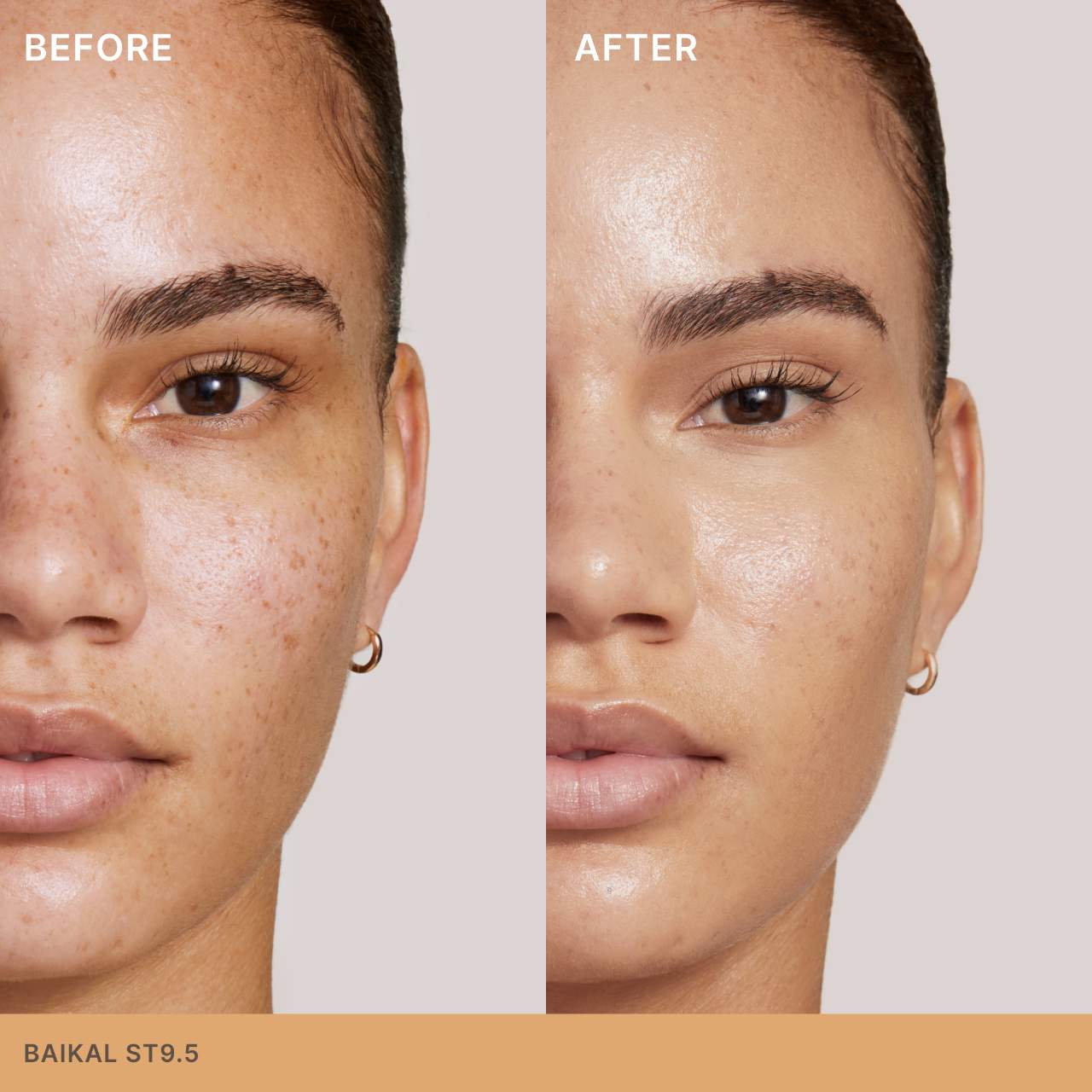
Explore Foundation trends and sourcing opportunities
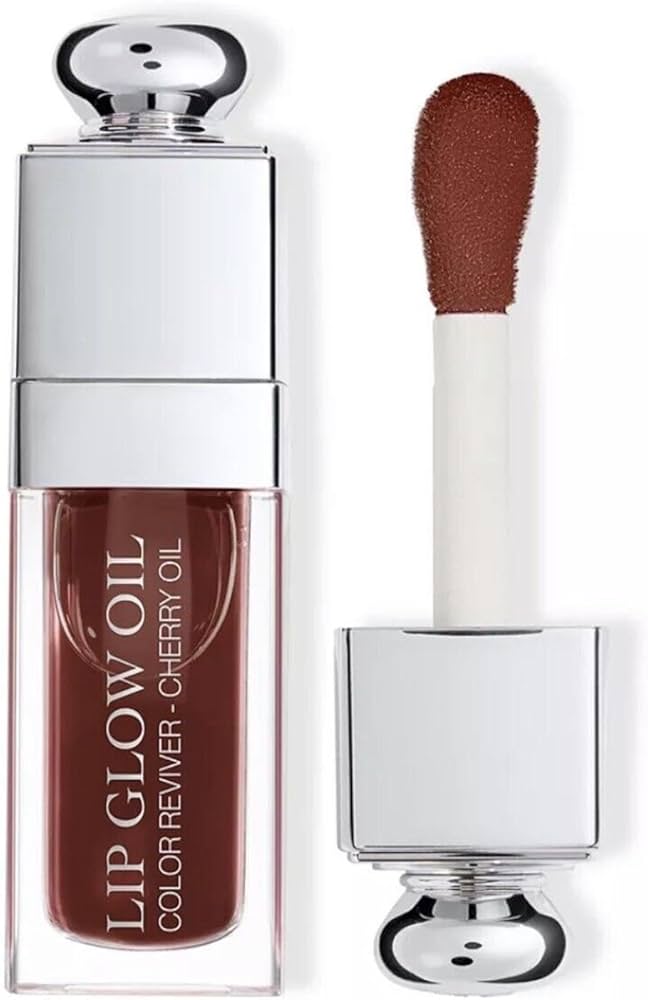
Explore Lipgloss trends and sourcing opportunities
Minimum order quantities vary by supplier tier and product complexity. Value segment suppliers typically require 500-1,000 pieces per style/color, while premium manufacturers may accept 200-300 pieces for higher-value orders. Customization options like private labeling often increase MOQ requirements.
Common materials include cotton, polyester, modal, bamboo viscose, and various blends. Performance variants often incorporate spandex/elastane for stretch, while premium options may use pima cotton or Tencel. Material choice significantly impacts both FOB pricing and end-consumer appeal.
Request product samples before bulk orders, verify supplier certifications (ISO, BSCI, OEKO-TEX), check factory audit reports, and review trade history on B2B platforms. Our verified supplier ratings consider response rates, dispute history, and quality scores from verified transactions.
Standard production lead times range from 25-45 days depending on order complexity and supplier capacity. Rush orders may be possible at premium rates. Add 15-30 days for sea freight shipping to US ports, or 5-7 days for air freight on urgent orders.