
 IG Views
42.7K
 Trend InterestCloser to 50 = very trending
13
 Avg Price
$17
 Suppliers
19
 TikTok Views
—
Trend InterestCloser to 50 = very trending5
Avg Price$9
Suppliers17
 IG Views
597.8K
Trend InterestCloser to 50 = very trending16
Avg Price$9
Suppliers17
 TikTok Views
—
Trend InterestCloser to 50 = very trending31
Avg Price$8
Suppliers15
 TikTok Views
69.6M
Trend InterestCloser to 50 = very trending30
Avg Price$9
Suppliers17
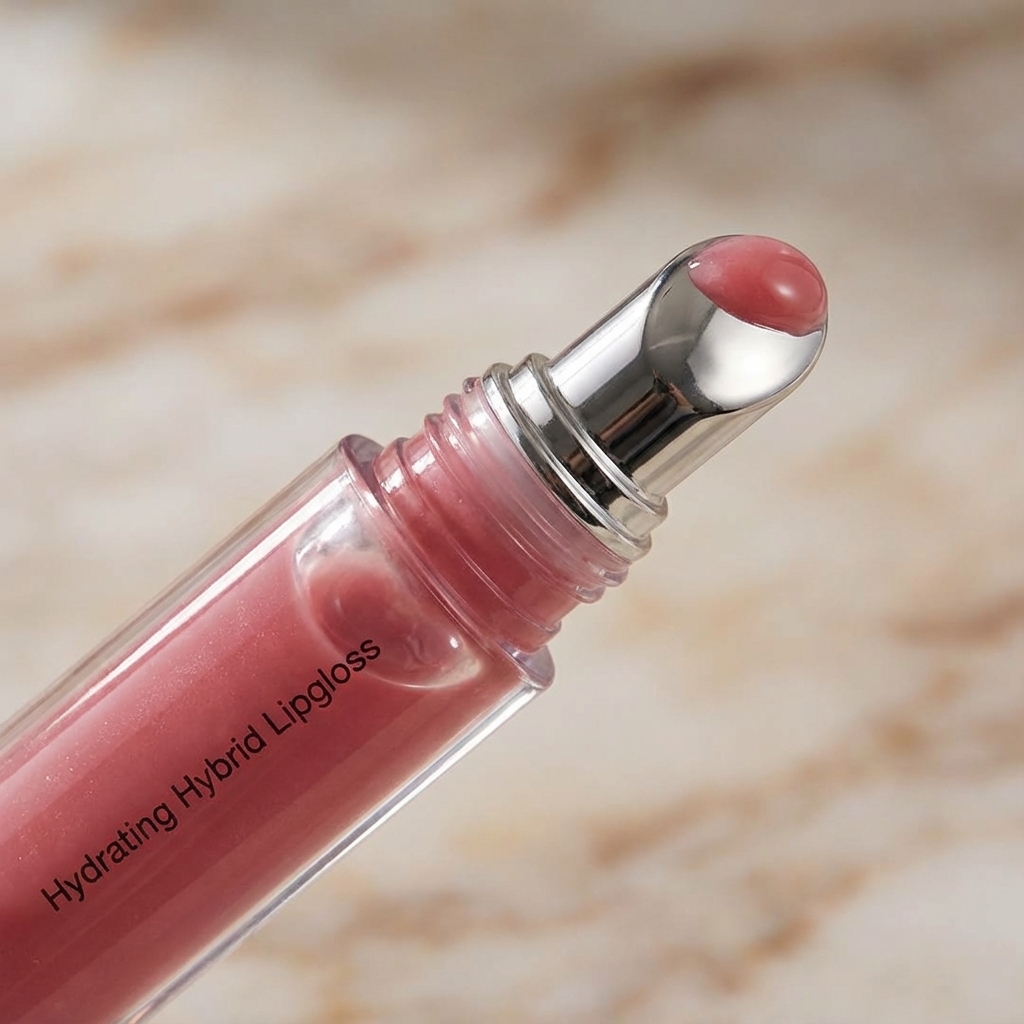
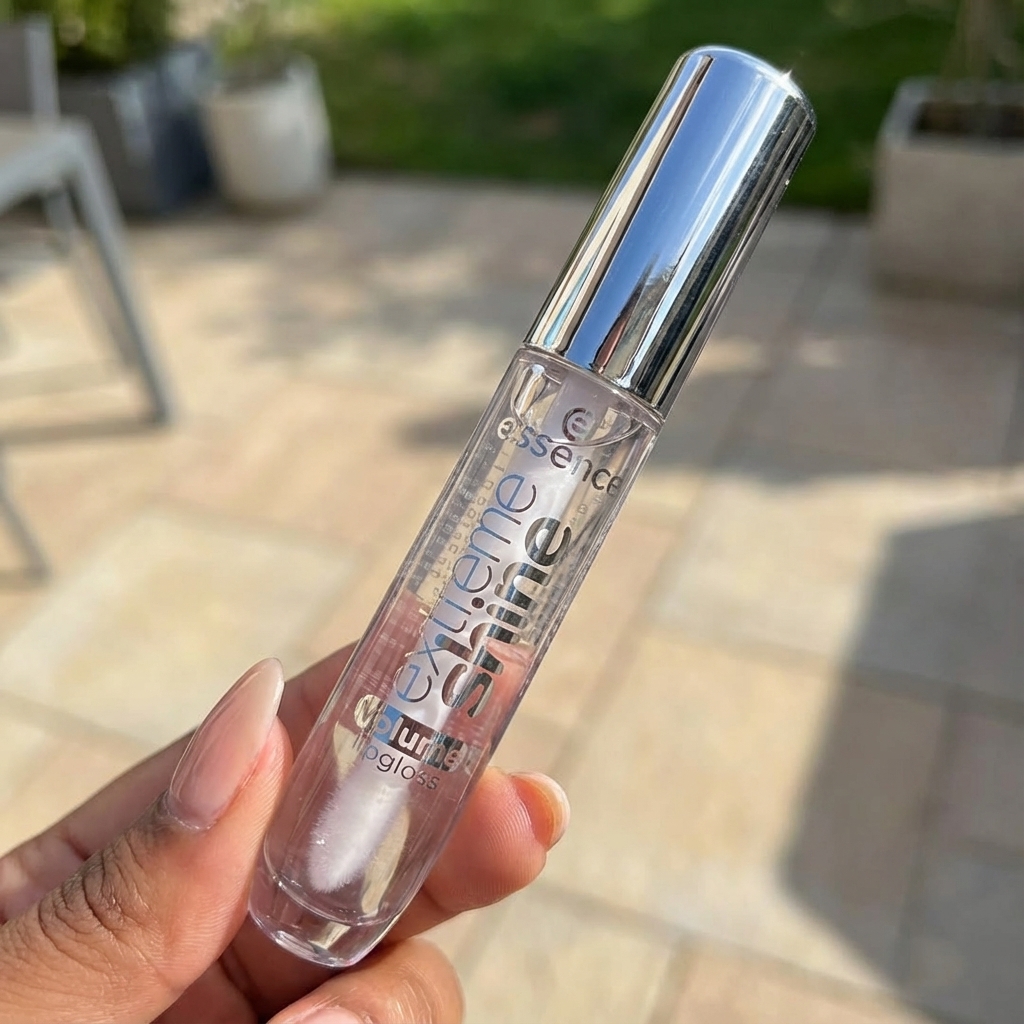
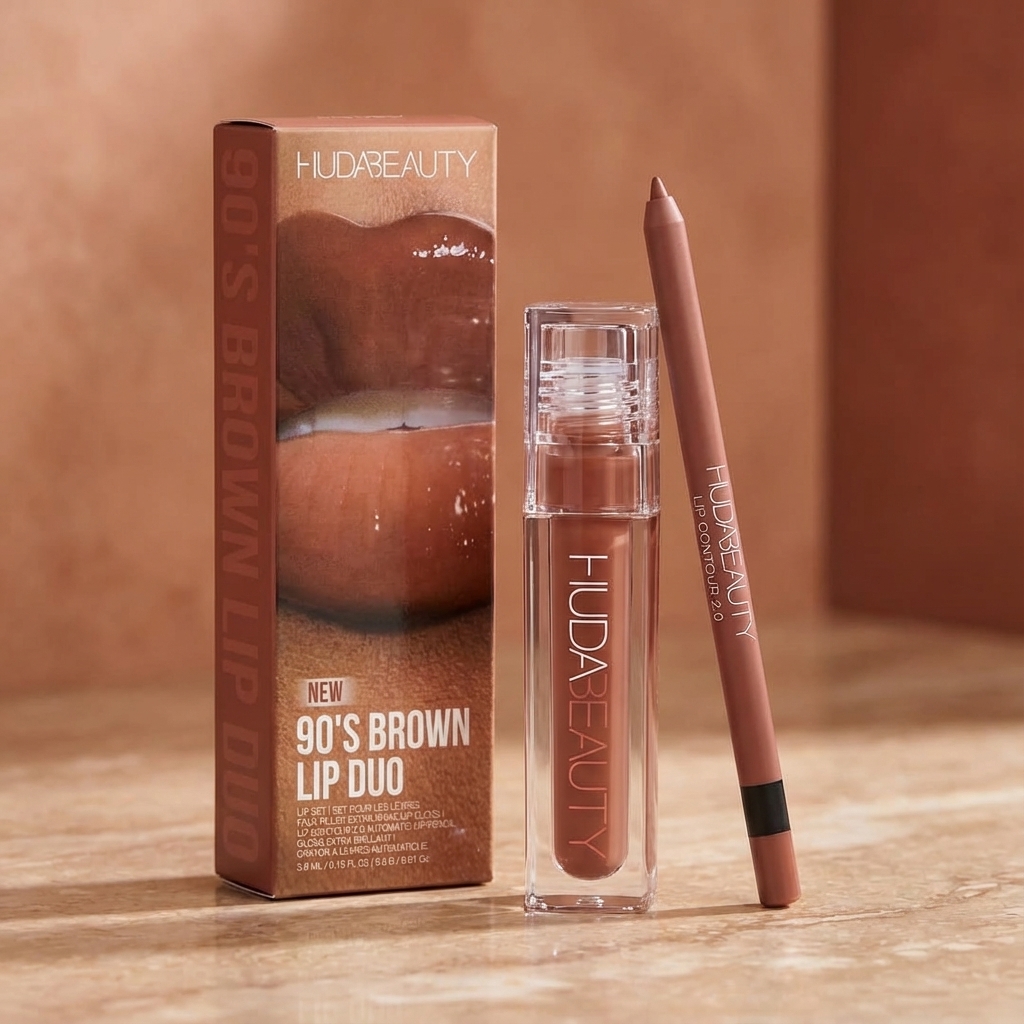
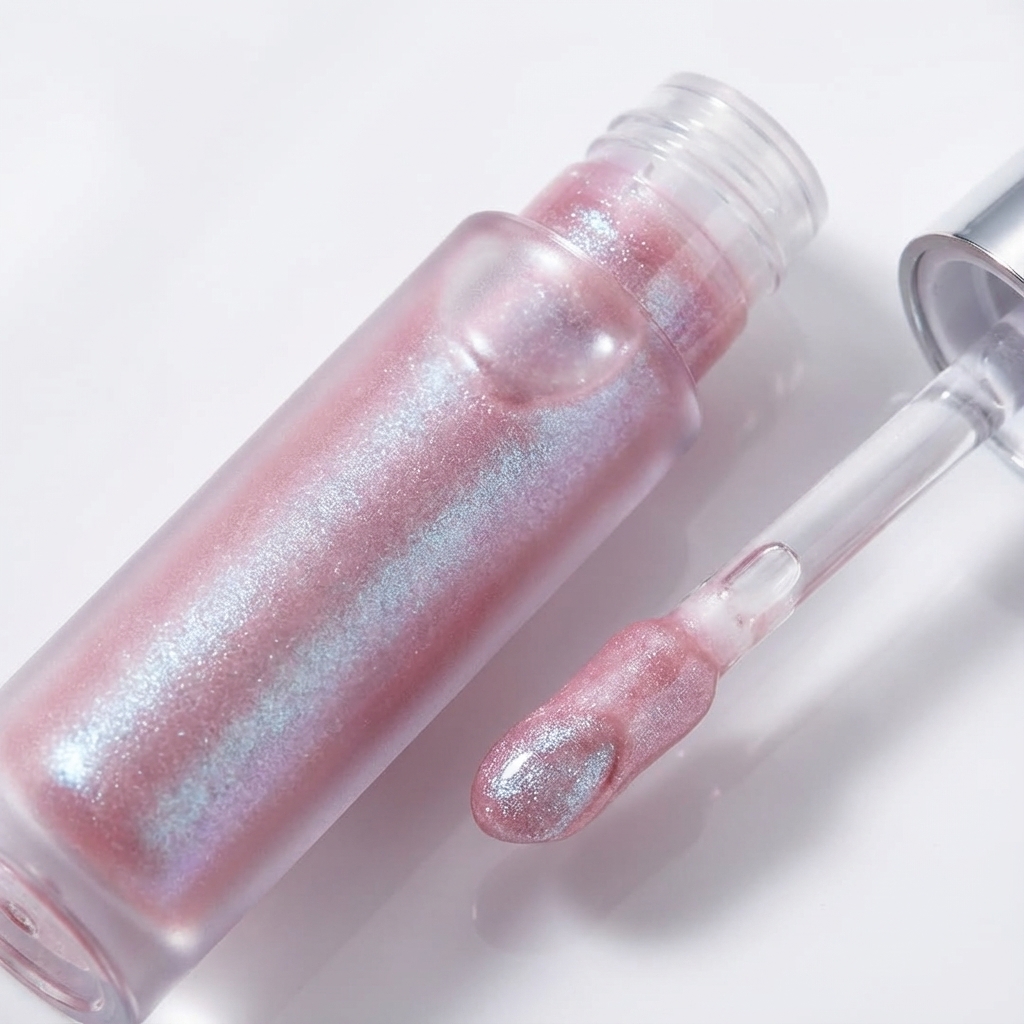
For the upcoming Winter and Spring 2026 seasons in the US market, the lip gloss category is defined by a blend of nostalgic revivals and innovative formulations. A major trend is the continued dominance of high-shine, glassy finishes that create a plump, "wet-look" effect on the lips. Alongside this, there's a strong inclination towards products that offer more than just shine, with hydrating and nourishing formulas becoming a consumer expectation. These multi-benefit products often come in the form of "bloss" or lip gloss-balm hybrids, which provide the sheen of a gloss with the comfort and care of a balm, frequently infused with ingredients like hyaluronic acid and peptides. The '90s influence also remains significant, bringing back brown-toned and neutral shades. This look is often achieved through "lip combos," using a slightly darker liner to create a contoured effect that enhances the shape and fullness of the lips. Color trends will span a wide spectrum, moving from deep plum and wine tones for winter to vibrant reds and icy, bubblegum pinks for spring, reflecting a desire for more expressive and statement-making looks. Additionally, metallic and frosted finishes are making a comeback, offering a more dramatic and light-reflecting option that adds a futuristic or festive dimension to lip makeup, moving beyond simple shine to incorporate texture and shimmer.
Lipgloss has evolved into a powerhouse category in the US beauty market, driven by consumer demand for products that merge high-impact shine with tangible skincare benefits. The modern lip gloss is a high-performance hybrid, and success hinges on delivering a formula that is fundamentally non-sticky, lightweight, and deeply hydrating. Across all emerging trends—from nostalgic browns to bold colors and extreme shine—this comfortable, cushiony feel is a non-negotiable attribute. Brands have a dual opportunity to capture market share in both the value and premium segments. The value play focuses on perfecting a high-quality, moisturizing formula within cost-effective packaging like lip gloss squeeze tubes, while the premium segment commands higher prices through advanced ingredients like Hyaluronic Acid and Squalane, superior longevity, and luxurious, custom lip gloss tubes. Packaging is a critical differentiator; options range from sourcing lip gloss tubes wholesale for speed-to-market to developing unique lip gloss tube containers that enhance brand identity and user experience. Given the fast-paced nature of these trends, acting quickly to source a winning product is essential for capitalizing on current consumer excitement.
The market data and sourcing advantages that make this trend worth pursuing.
Typical range
$5.35–$25.99
Typical range
$27.46–$60.00
132K views • 9% engagement
Strong organic resonance
53 suppliers
MOQ flexibility & scale options
High-margin candidate for boutique retail.
Premium Suede Backpack
High-margin candidate for boutique retail.
Top-selling entry-level SKU on Amazon.
Supplier Examples
Supplier 1
MOQ 100 • 5+ yrs
Supplier 2
MOQ 100 • 5+ yrs
Supplier 3
MOQ 100 • 5+ yrs
Supplier 4
MOQ 100 • 5+ yrs
Supplier 5
MOQ 100 • 5+ yrs
Add or customize product features and we'll match you with verified suppliers.
Feature Matching
Find suppliers with matching capabilities
Quote Comparison
Compare pricing and lead times
Sampling & Production
Request samples and begin production
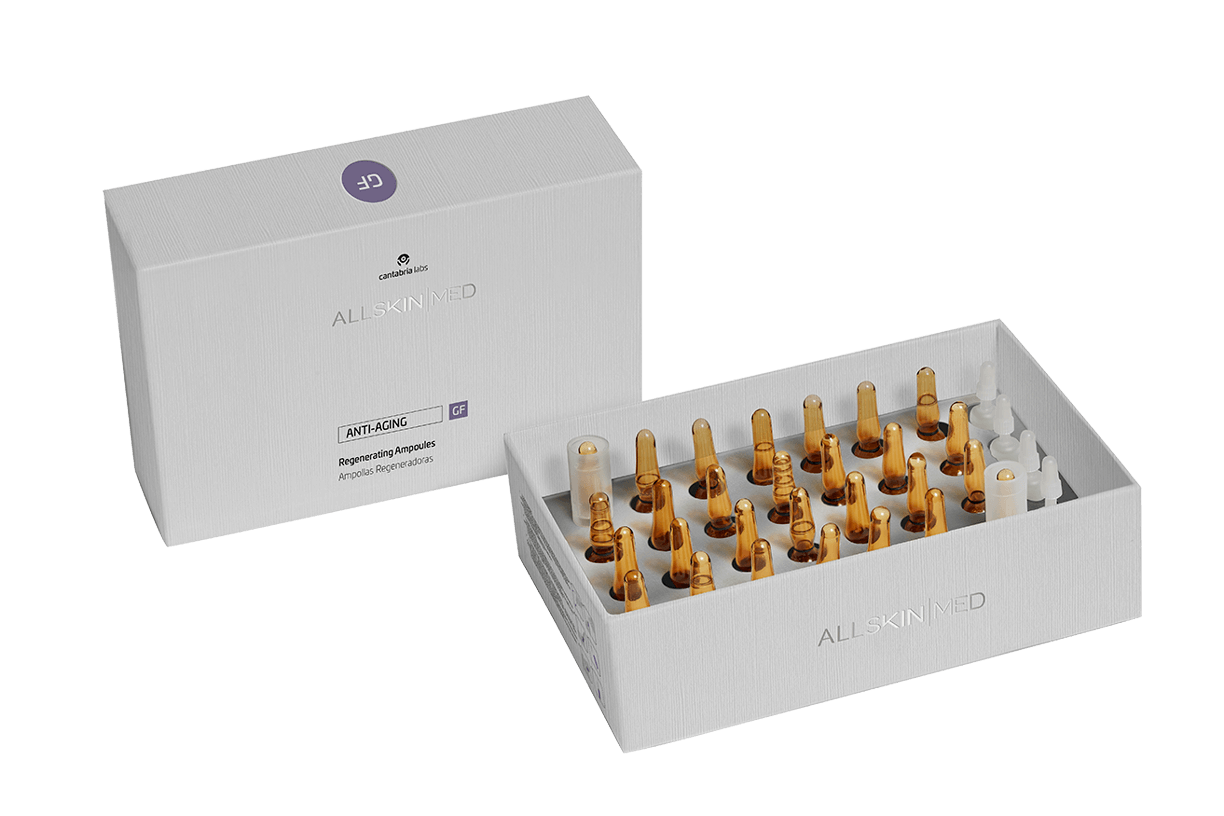
Explore Ampoule trends and sourcing opportunities
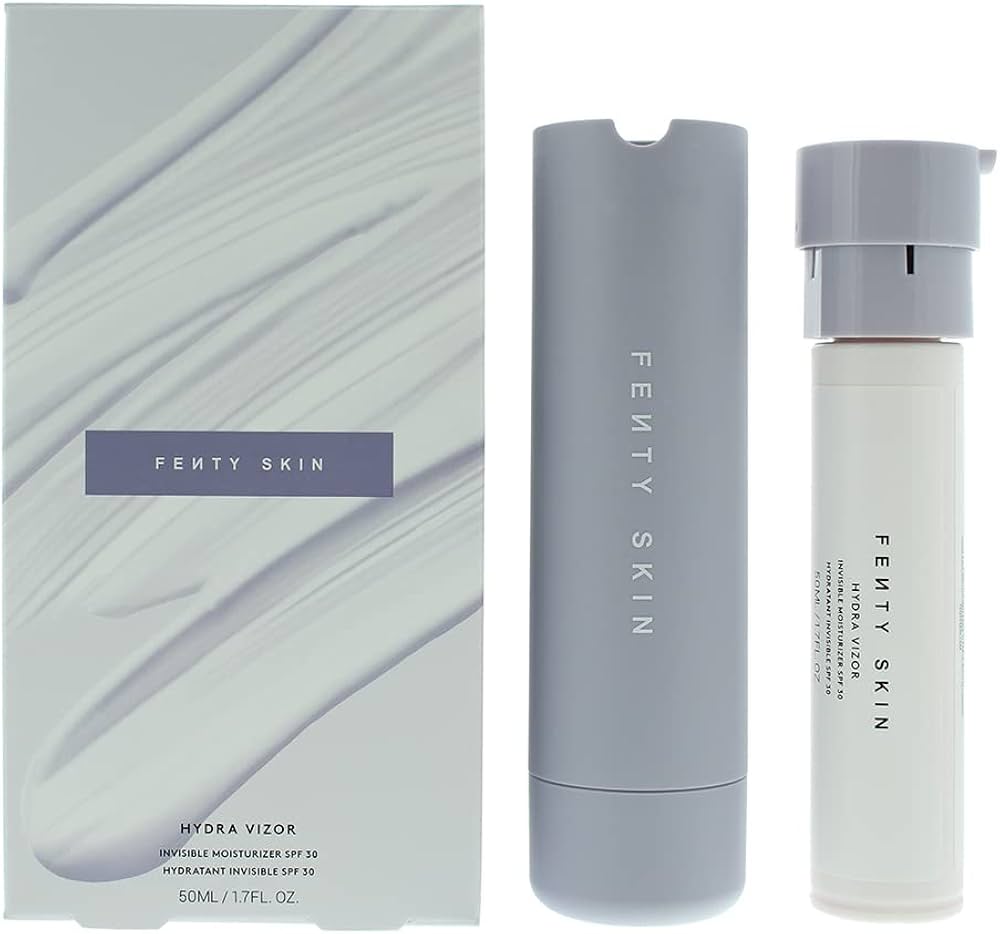
Explore Cosmetic Bottlles trends and sourcing opportunities
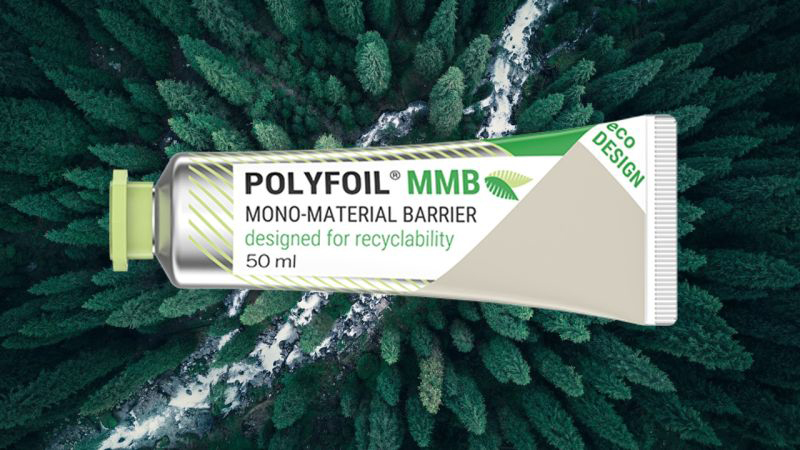
Explore Cosmetic Tube trends and sourcing opportunities
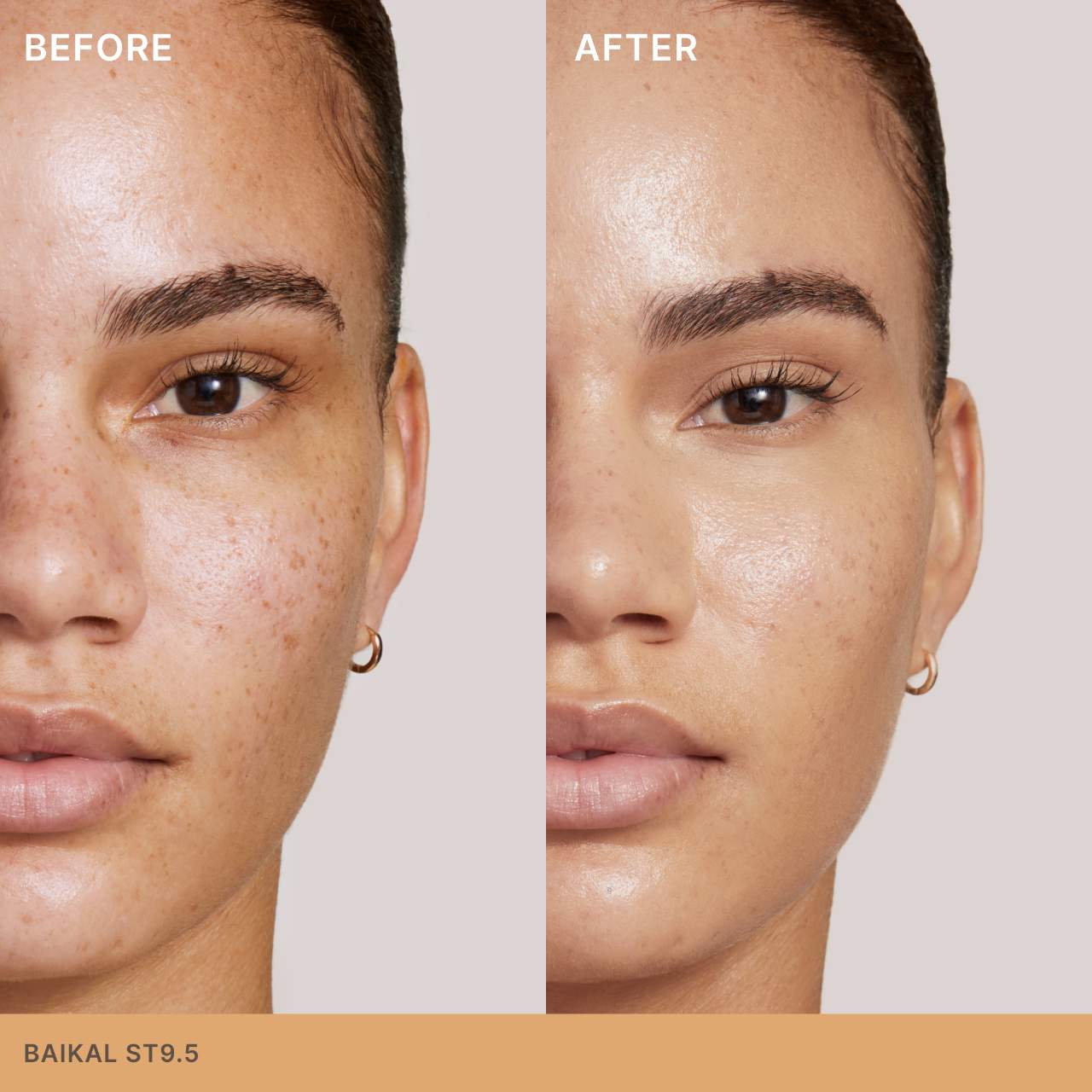
Explore Foundation trends and sourcing opportunities
Explore Jars trends and sourcing opportunities
Minimum order quantities vary by supplier tier and product complexity. Value segment suppliers typically require 500-1,000 pieces per style/color, while premium manufacturers may accept 200-300 pieces for higher-value orders. Customization options like private labeling often increase MOQ requirements.
Common materials include cotton, polyester, modal, bamboo viscose, and various blends. Performance variants often incorporate spandex/elastane for stretch, while premium options may use pima cotton or Tencel. Material choice significantly impacts both FOB pricing and end-consumer appeal.
Request product samples before bulk orders, verify supplier certifications (ISO, BSCI, OEKO-TEX), check factory audit reports, and review trade history on B2B platforms. Our verified supplier ratings consider response rates, dispute history, and quality scores from verified transactions.
Standard production lead times range from 25-45 days depending on order complexity and supplier capacity. Rush orders may be possible at premium rates. Add 15-30 days for sea freight shipping to US ports, or 5-7 days for air freight on urgent orders.