
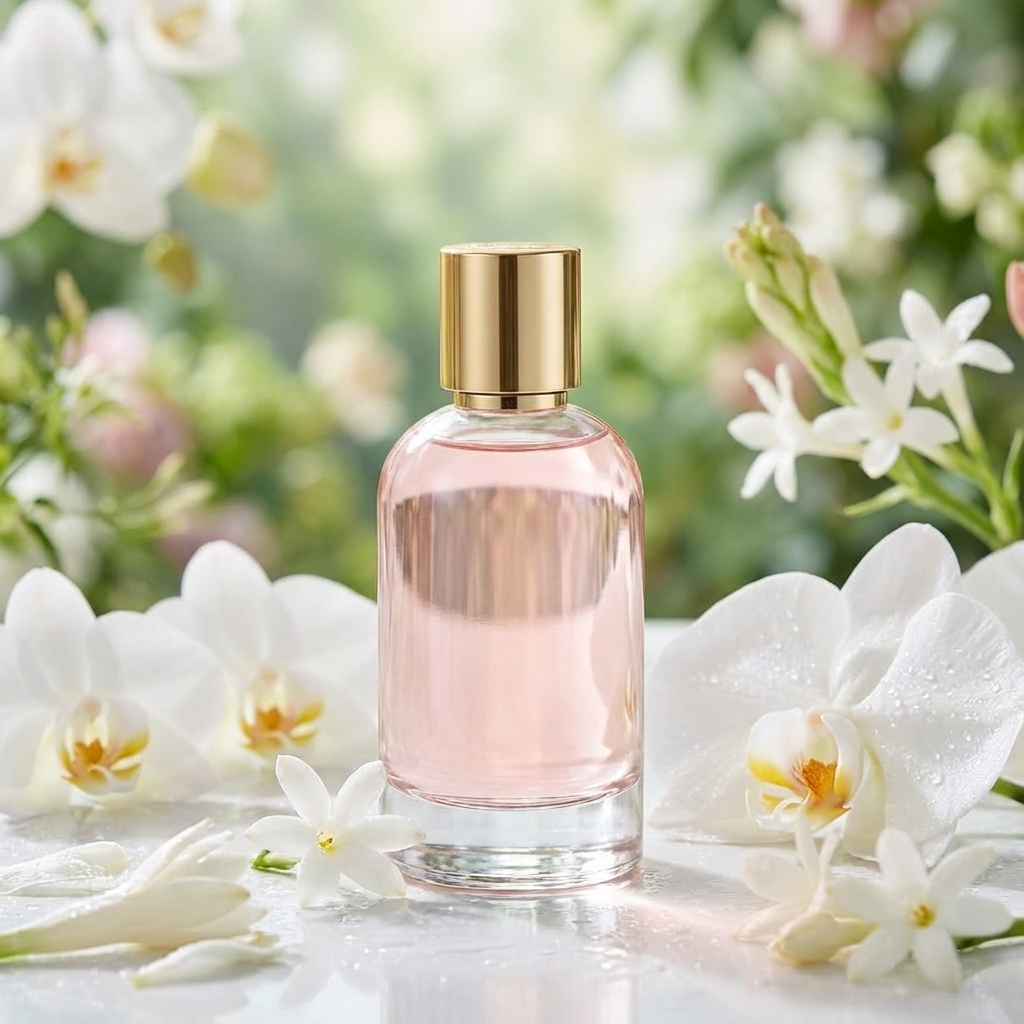
 TikTok Views
—
 Trend InterestCloser to 50 = very trending
30
 Avg Price
R$128
 Suppliers
18

 IG Views
7.0K
Trend InterestCloser to 50 = very trending19
Avg PriceR$151
Suppliers18
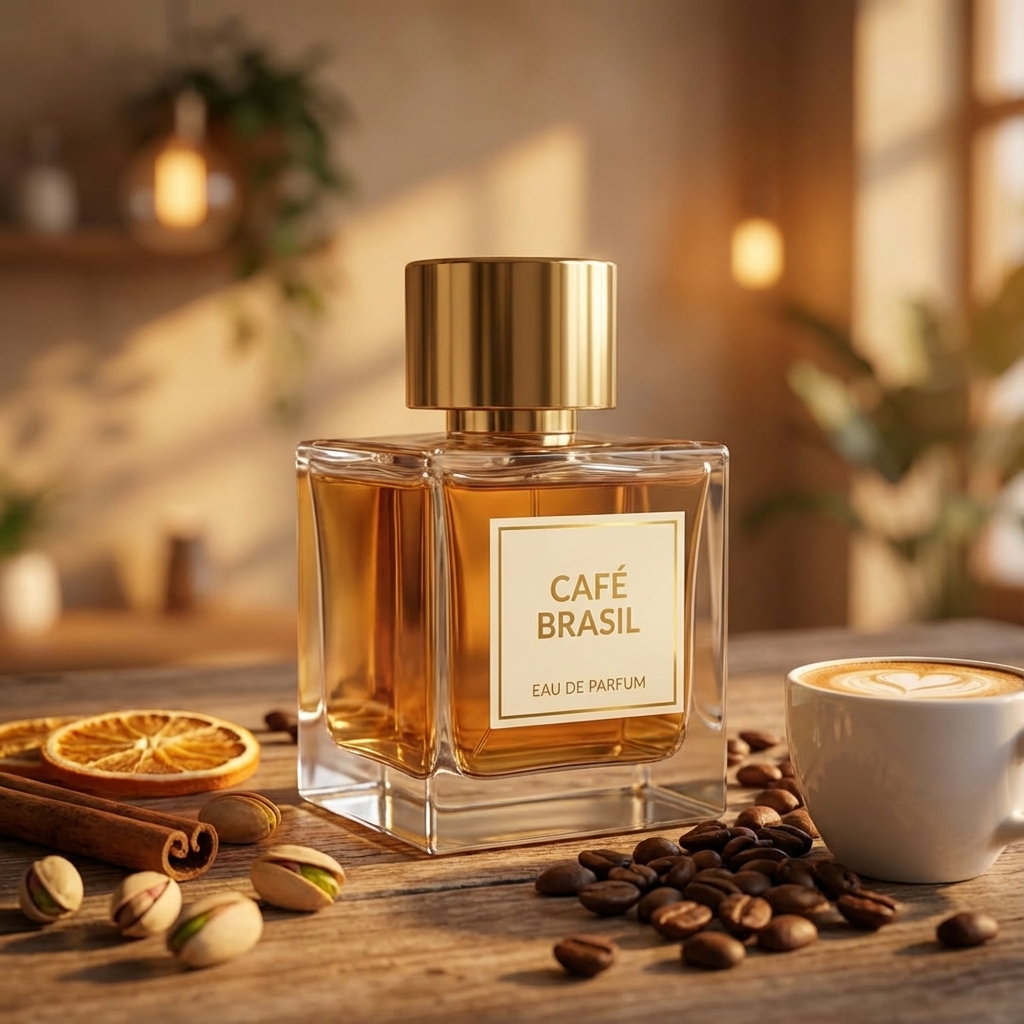 IG Views
209.5K
Trend InterestCloser to 50 = very trending39
Avg PriceR$152
Suppliers18
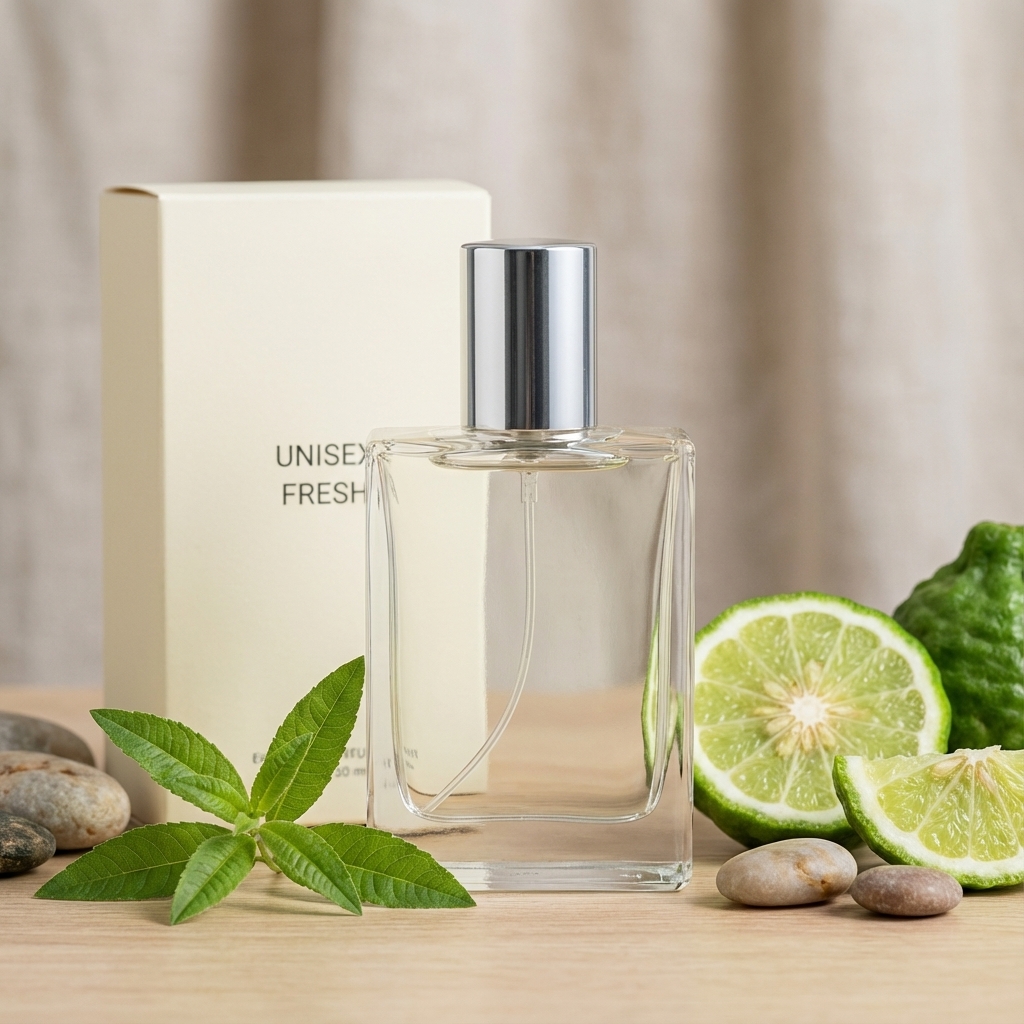 TikTok Views
—
Trend InterestCloser to 50 = very trending66
Avg PriceR$126
Suppliers13
 TikTok Views
—
Trend InterestCloser to 50 = very trending7
Avg PriceR$112
Suppliers18
The Brazilian perfume market in 2026 is defined by a compelling duality, balancing sophisticated comfort with vibrant escapism. Consumers are increasingly drawn to more nuanced and modern interpretations of classic fragrance families, moving away from overly simplistic scents. A dominant trend is 'Olfactive Escapism,' where tropical and fruity notes transport the wearer to idyllic destinations. This is particularly popular for the warmer months, highlighting a desire for scents that evoke freedom and joy. Alongside this desire for escape, there is a growing appreciation for refined gourmand fragrances that offer modern comfort without excessive sweetness. Floral scents are also being reinvented, presented with a lighter, more contemporary, and natural touch that appeals to the local climate. For men, the classic appeal of woody and spicy notes remains strong, but these are now being offered in more intense and sophisticated compositions, reflecting a demand for powerful, long-lasting fragrances. Across all categories, a significant movement towards fragrances that promote well-being is evident, with fresh and calming notes like lavender and citrus gaining prominence. This focus on personal feeling and experience is also fueling the rise of unisex fragrances. Prioritizing individual expression over traditional gender categories, these fresh, versatile scents appeal to a younger generation and a broader cultural shift towards inclusivity and personal choice.
The perfume category in the Brazilian market presents a significant and diverse opportunity for brands, driven by distinct consumer trends including Sophisticated Gourmand, Modern Floral, Olfactive Escapism, Woody Spicy, and Unisex Fresh scents. A clear market bifurcation exists across all themes, creating two primary pathways to success: a value segment focused on delivering exceptional performance and high-perceived value, and a premium segment centered on unique scent profiles, authenticity, and an exquisite unboxing experience. The most critical factor for success in Brazil is addressing the core consumer demand for longevity ('alta fixação'). Brands that can guarantee long-lasting fragrances and deliver high-quality, protective perfume packaging will gain a decisive competitive edge. For premium lines, investing in luxury perfume packaging is non-negotiable to justify the price point and build brand equity. Acting quickly to source a product that masters both scent performance and presentation is key to capturing this lucrative market.
The market data and sourcing advantages that make this trend worth pursuing.
Typical range
$5.35–$25.99
Typical range
$27.46–$60.00
132K views • 9% engagement
Strong organic resonance
53 suppliers
MOQ flexibility & scale options
High-margin candidate for boutique retail.
Premium Suede Backpack
High-margin candidate for boutique retail.
Top-selling entry-level SKU on Amazon.
Supplier Examples
Supplier 1
MOQ 100 • 5+ yrs
Supplier 2
MOQ 100 • 5+ yrs
Supplier 3
MOQ 100 • 5+ yrs
Supplier 4
MOQ 100 • 5+ yrs
Supplier 5
MOQ 100 • 5+ yrs
Add or customize product features and we'll match you with verified suppliers.
Feature Matching
Find suppliers with matching capabilities
Quote Comparison
Compare pricing and lead times
Sampling & Production
Request samples and begin production
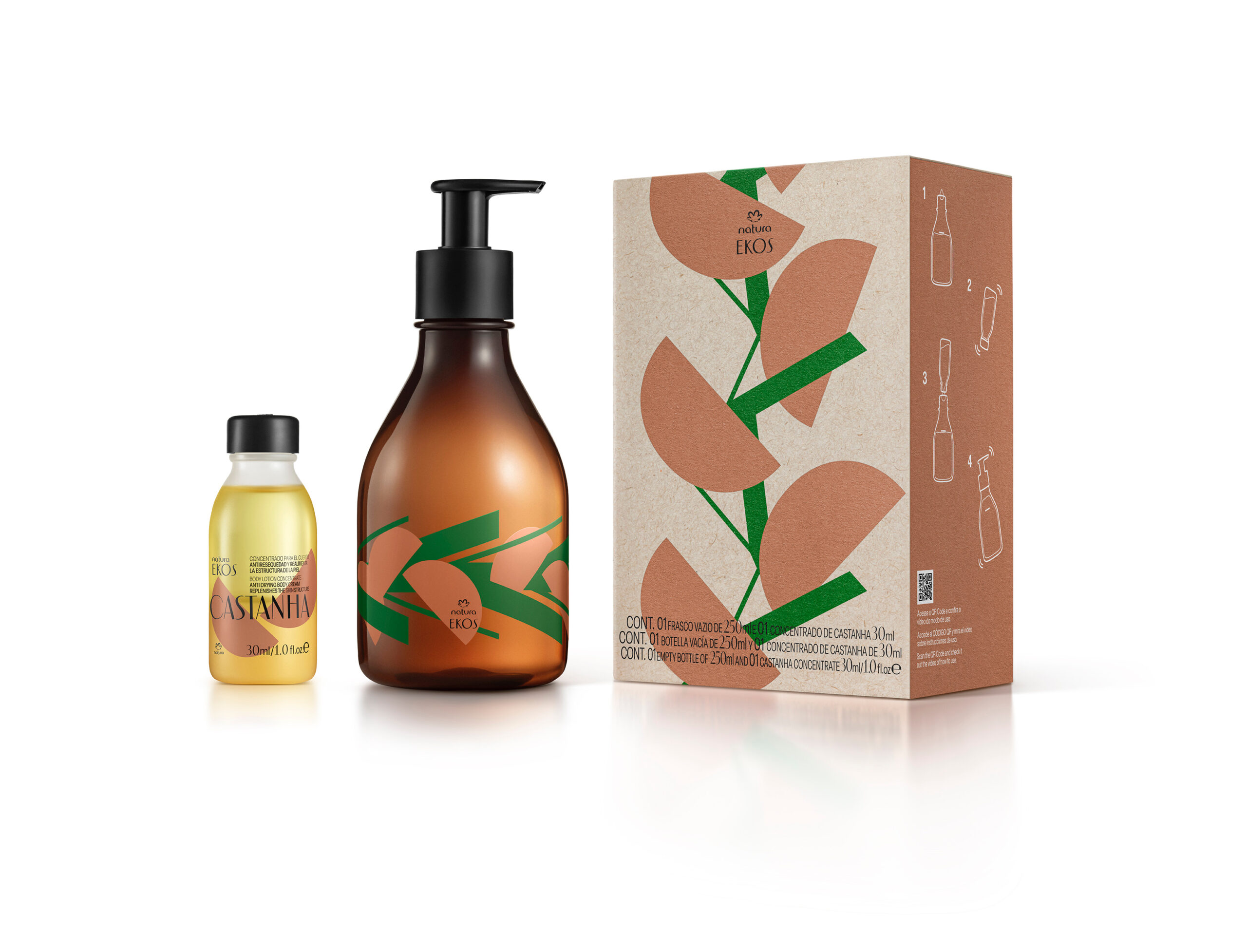
Explore Ampoule trends and sourcing opportunities
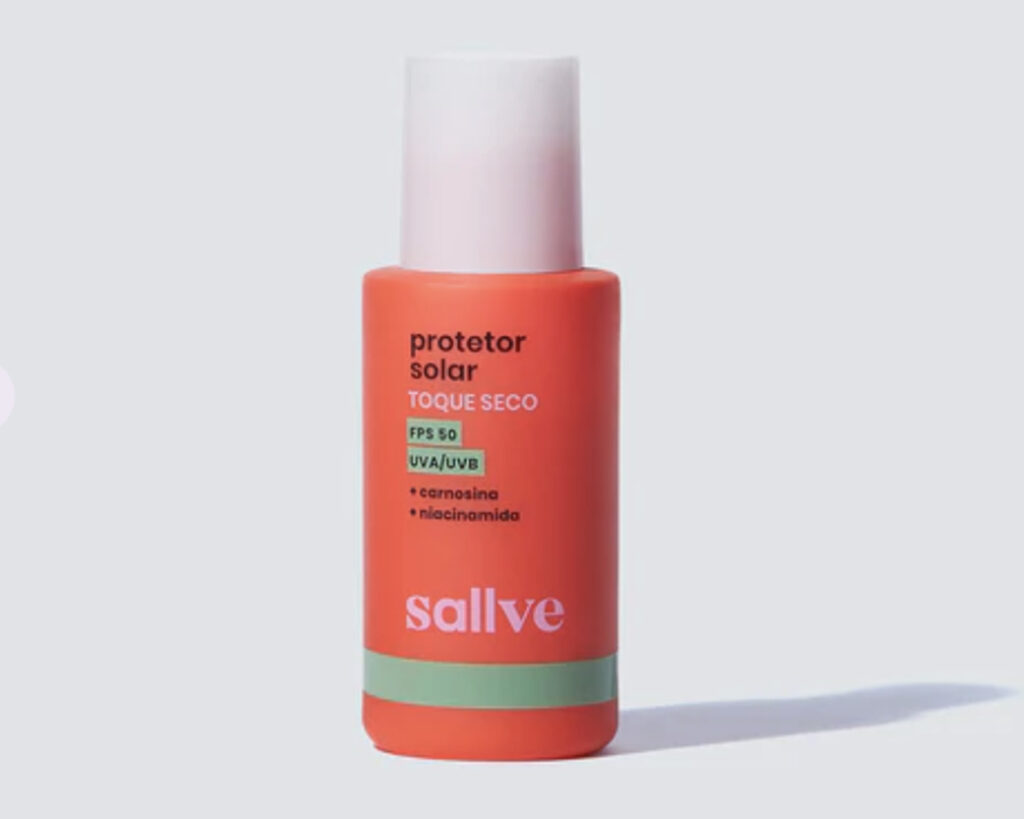
Explore Cosmetic Bottlles trends and sourcing opportunities
Explore Cosmetic Tube trends and sourcing opportunities
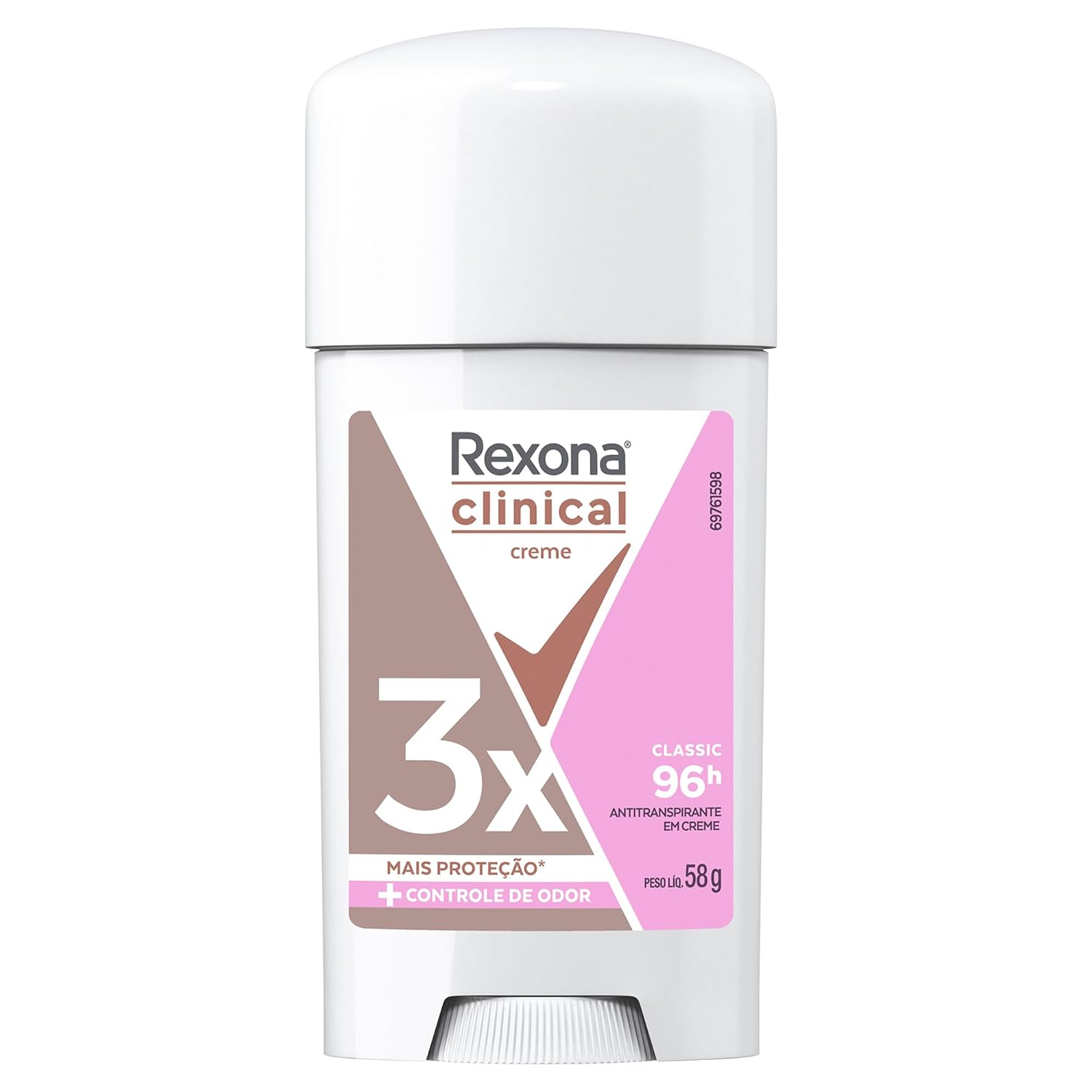
Explore Deodorant trends and sourcing opportunities
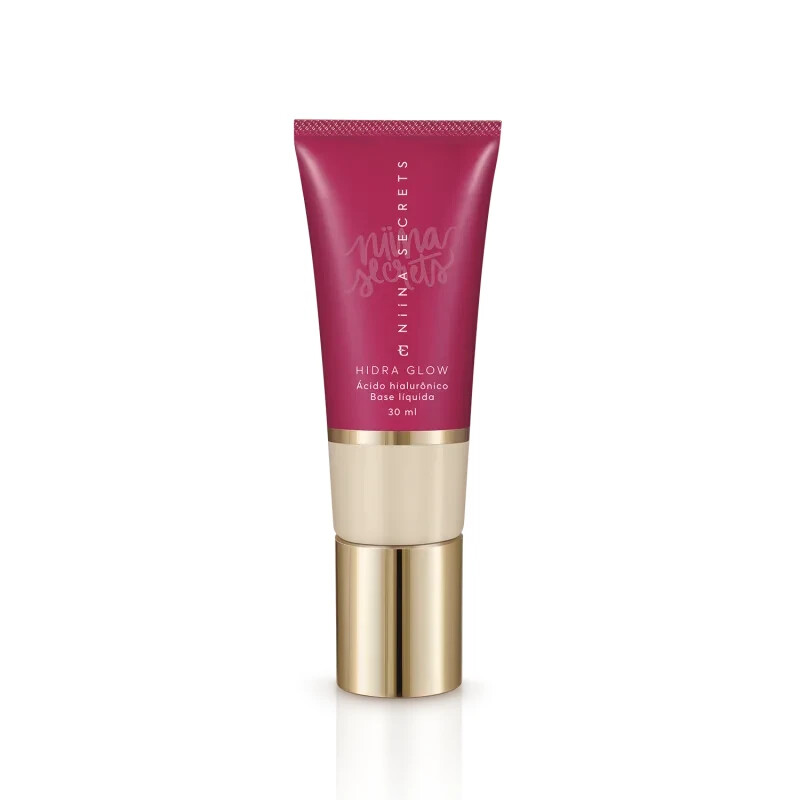
Explore Foundation trends and sourcing opportunities
Minimum order quantities vary by supplier tier and product complexity. Value segment suppliers typically require 500-1,000 pieces per style/color, while premium manufacturers may accept 200-300 pieces for higher-value orders. Customization options like private labeling often increase MOQ requirements.
Common materials include cotton, polyester, modal, bamboo viscose, and various blends. Performance variants often incorporate spandex/elastane for stretch, while premium options may use pima cotton or Tencel. Material choice significantly impacts both FOB pricing and end-consumer appeal.
Request product samples before bulk orders, verify supplier certifications (ISO, BSCI, OEKO-TEX), check factory audit reports, and review trade history on B2B platforms. Our verified supplier ratings consider response rates, dispute history, and quality scores from verified transactions.
Standard production lead times range from 25-45 days depending on order complexity and supplier capacity. Rush orders may be possible at premium rates. Add 15-30 days for sea freight shipping to US ports, or 5-7 days for air freight on urgent orders.