
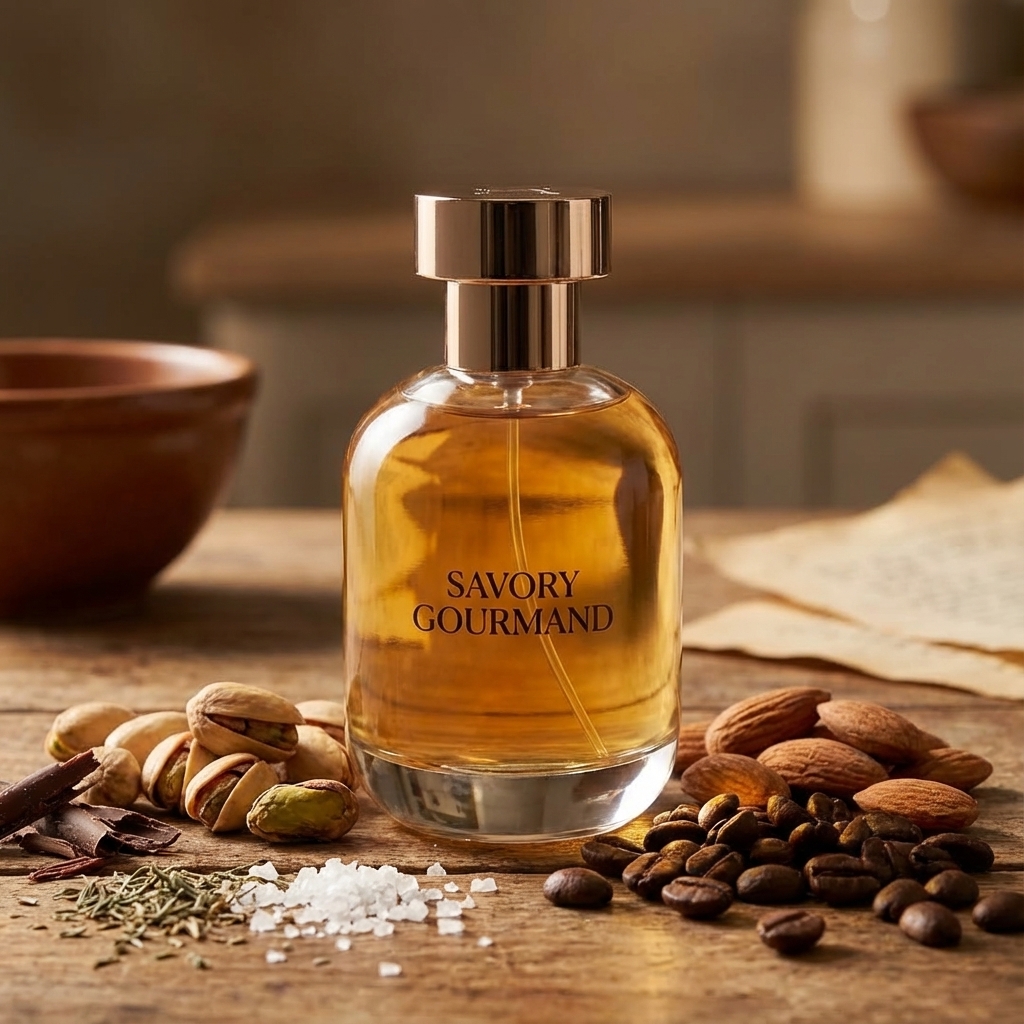
 TikTok Views
34.5K
 Trend InterestCloser to 50 = very trending
16
 Avg Price
$31
 Suppliers
17
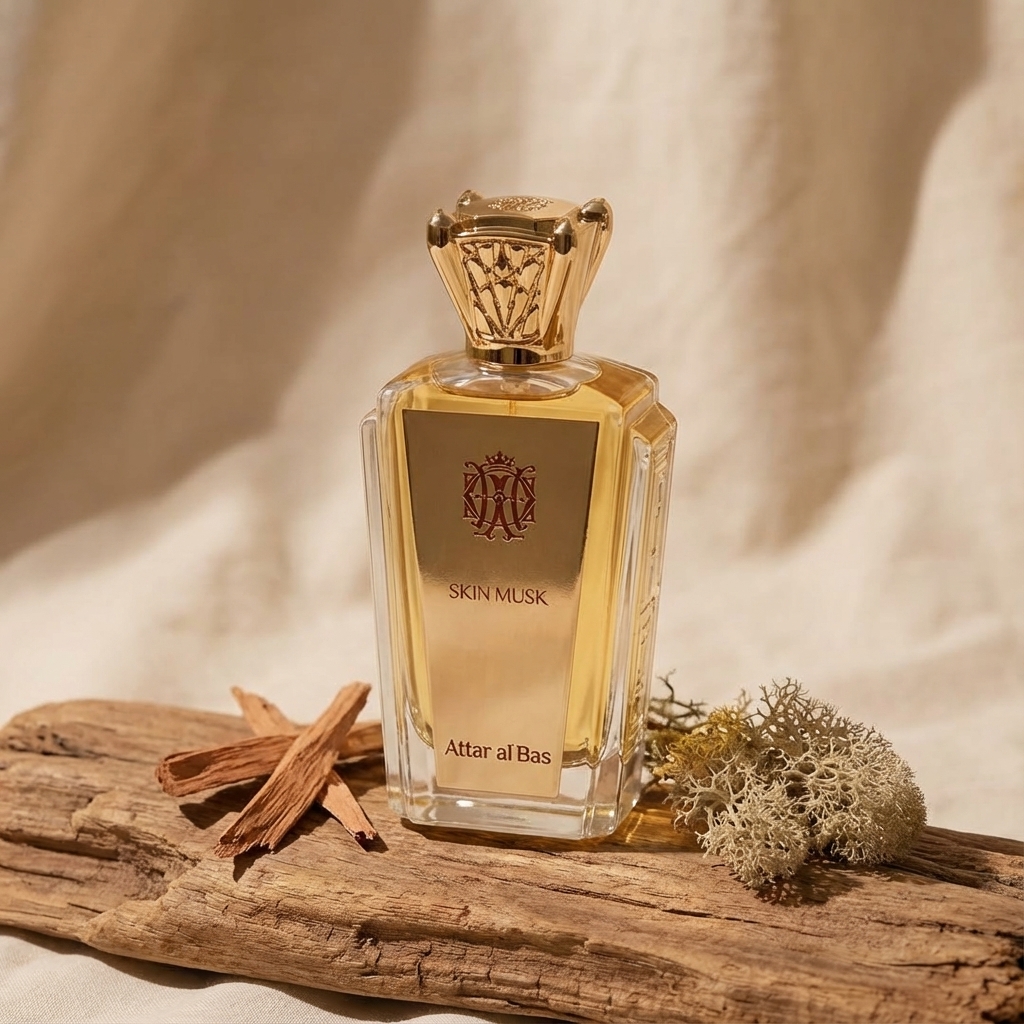 Social Views
4.0M
Trend InterestCloser to 50 = very trending30
Avg Price$55
Suppliers18
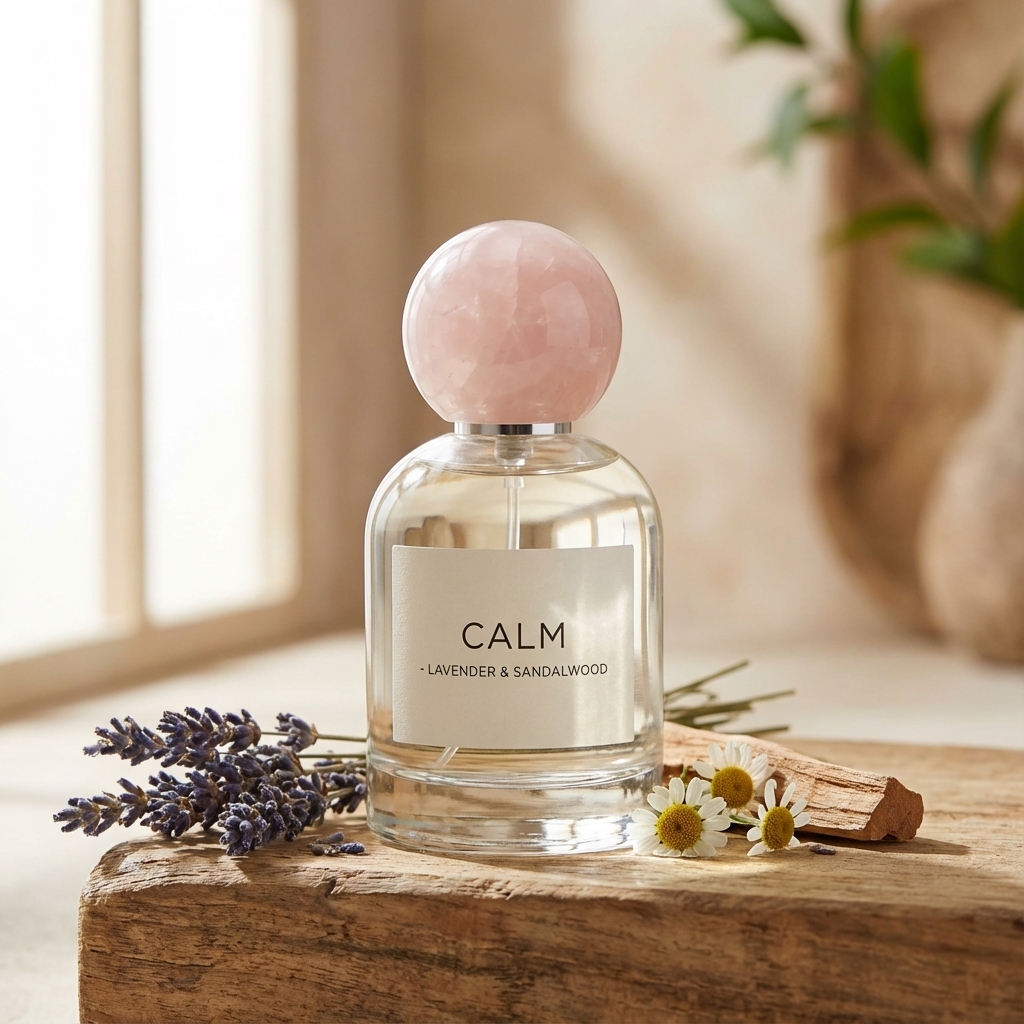 TikTok Views
—
Trend InterestCloser to 50 = very trending6
Avg Price$33
Suppliers16
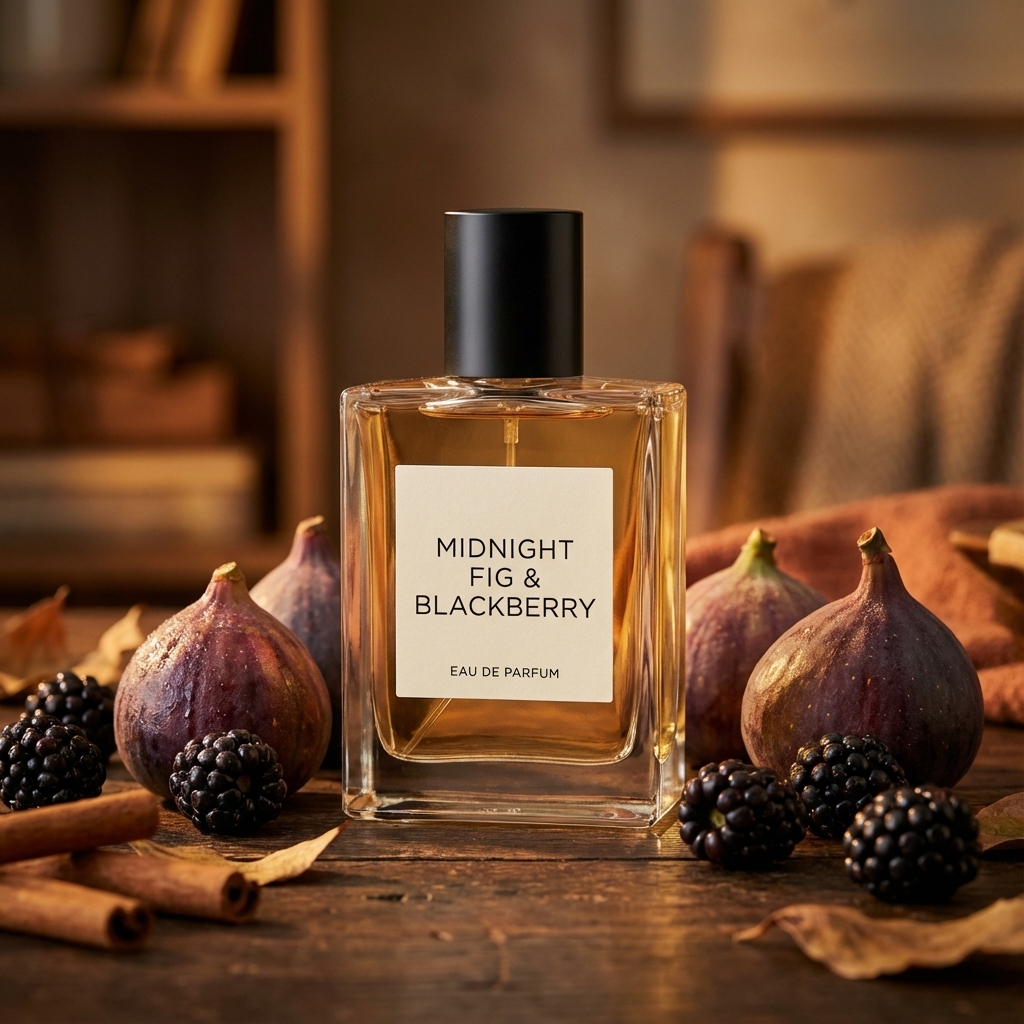 TikTok Views
1.0M
Trend InterestCloser to 50 = very trending98
Avg Price$36
Suppliers19
 TikTok Views
—
Trend InterestCloser to 50 = very trending6
Avg Price$35
Suppliers16
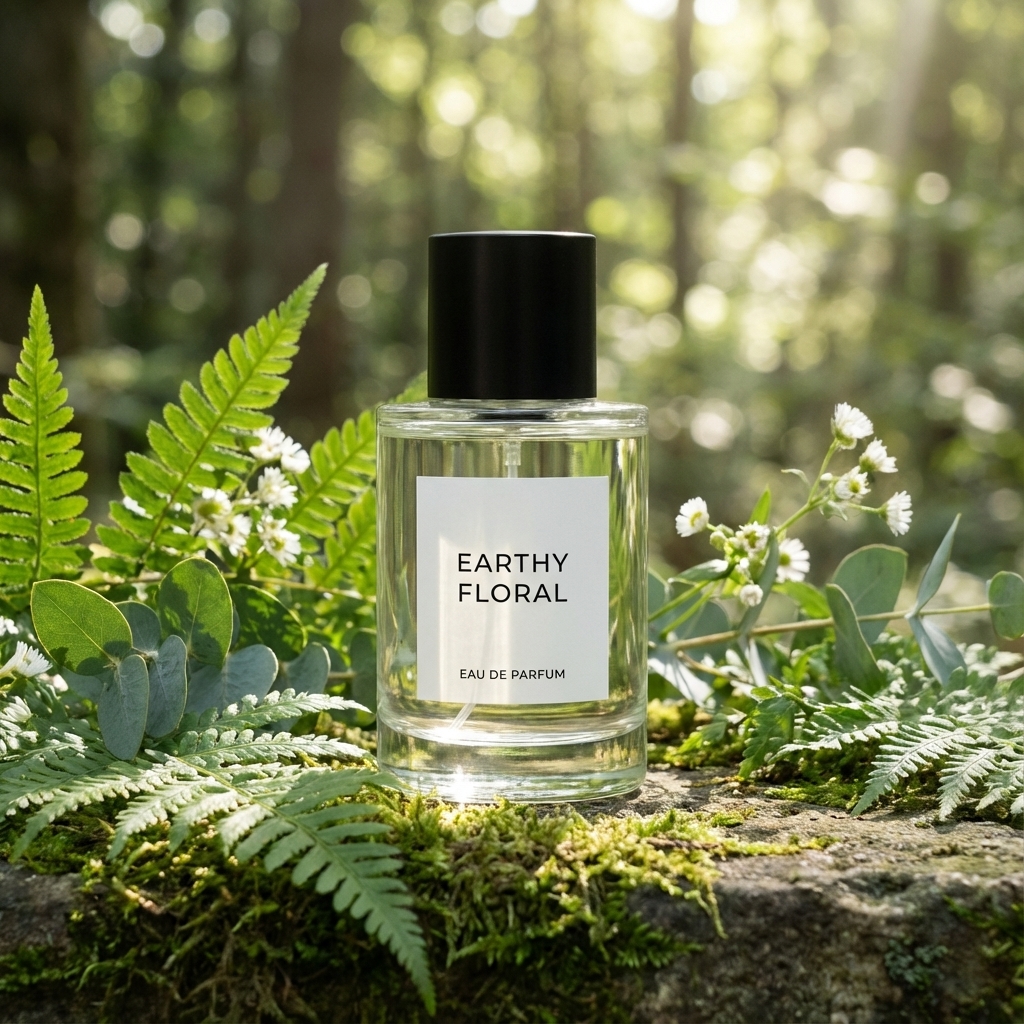
The US perfume market in 2026 is undergoing a significant transformation, moving beyond traditional scents to embrace fragrances that offer personal expression, emotional well-being, and a deeper narrative. A major shift is occurring in the gourmand category, which is evolving from overly sweet profiles to more complex and sophisticated compositions. We are seeing a rise in savory, nutty, and even salty notes like pistachio and almond, alongside boozy accords of rum and whiskey. This new era of "not-so-sweet" gourmands feels indulgent and sophisticated. Simultaneously, woody fragrances are shedding their traditionally masculine image and are being embraced across all genders for their natural, confident, and "quiet luxury" appeal. These are not overpowering scents but rather softer, intimate structures that wear close to the skin. Another key driver is the growing interest in functional fragrances, with a majority of consumers now seeking perfumes that provide emotional or physical benefits, such as energy boosts or a sense of calm. This aligns with the trend toward sustainability and transparency, as consumers demand eco-friendly practices, including recyclable packaging and ethically sourced ingredients. The market is also seeing a surge in hyper-realistic fruit notes, like golden peach and dark berries, which are becoming more central and long-lasting in compositions. Finally, florals are being reinvented with earthy and green notes, creating a connection to nature and serenity. This move towards artisanal storytelling and niche perfumery reflects a broader consumer desire for authenticity and scents with a distinct personality.
The modern perfume market is evolving, with consumers demanding more than just a pleasant scent. Across diverse trends—from Savory Gourmand and Intimate Woods to Earthy Florals and Hyper-Realistic Fruits—the key to success lies in addressing two critical factors: performance and presentation. Shoppers are actively seeking sophisticated, long-lasting fragrances and rejecting products with poor longevity. Simultaneously, the unboxing experience has become paramount, making high-quality perfume packaging a crucial differentiator. This creates a significant opportunity for brands to launch products that deliver on both scent complexity and a premium user experience, capturing market share by solving common complaints about weak formulas and cheap, faulty perfume bottle packaging.
The market data and sourcing advantages that make this trend worth pursuing.
Typical range
$5.35–$25.99
Typical range
$27.46–$60.00
132K views • 9% engagement
Strong organic resonance
53 suppliers
MOQ flexibility & scale options
High-margin candidate for boutique retail.
Premium Suede Backpack
High-margin candidate for boutique retail.
Top-selling entry-level SKU on Amazon.
Supplier Examples
Supplier 1
MOQ 100 • 5+ yrs
Supplier 2
MOQ 100 • 5+ yrs
Supplier 3
MOQ 100 • 5+ yrs
Supplier 4
MOQ 100 • 5+ yrs
Supplier 5
MOQ 100 • 5+ yrs
Add or customize product features and we'll match you with verified suppliers.
Feature Matching
Find suppliers with matching capabilities
Quote Comparison
Compare pricing and lead times
Sampling & Production
Request samples and begin production
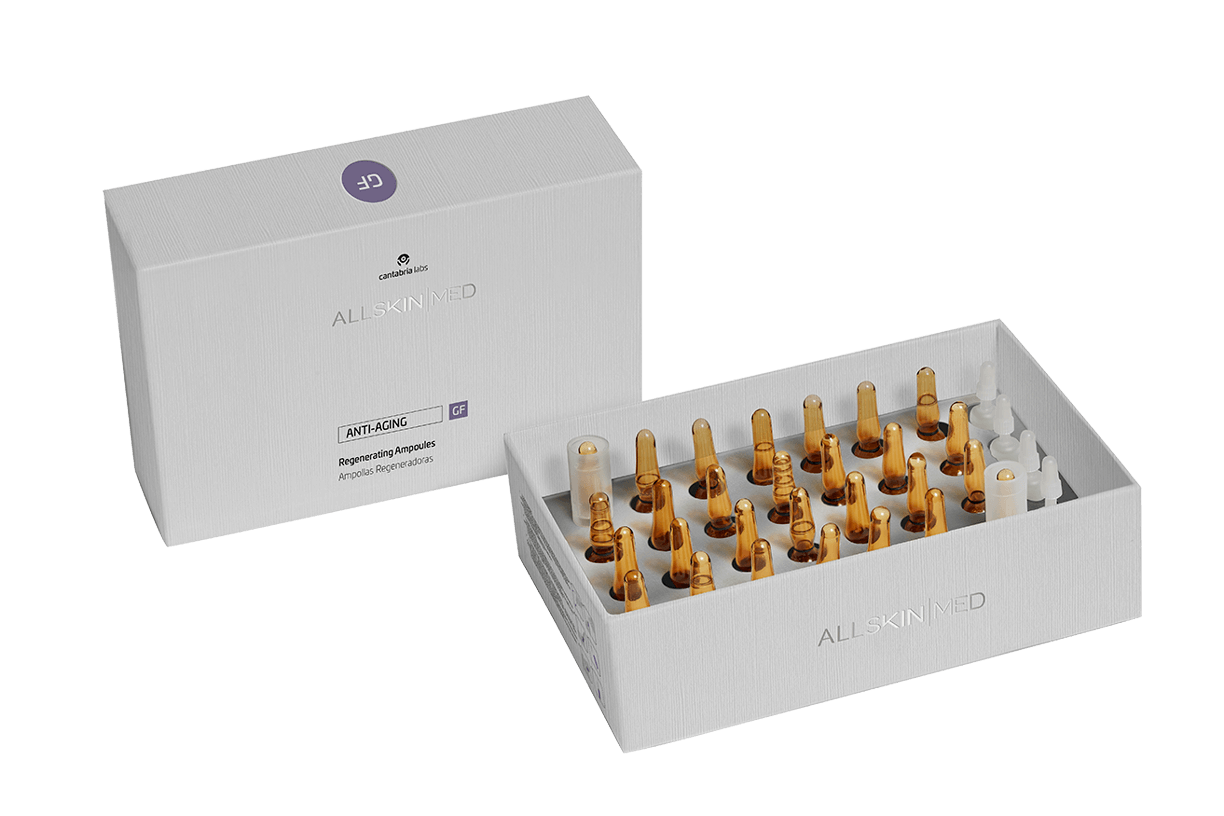
Explore Ampoule trends and sourcing opportunities
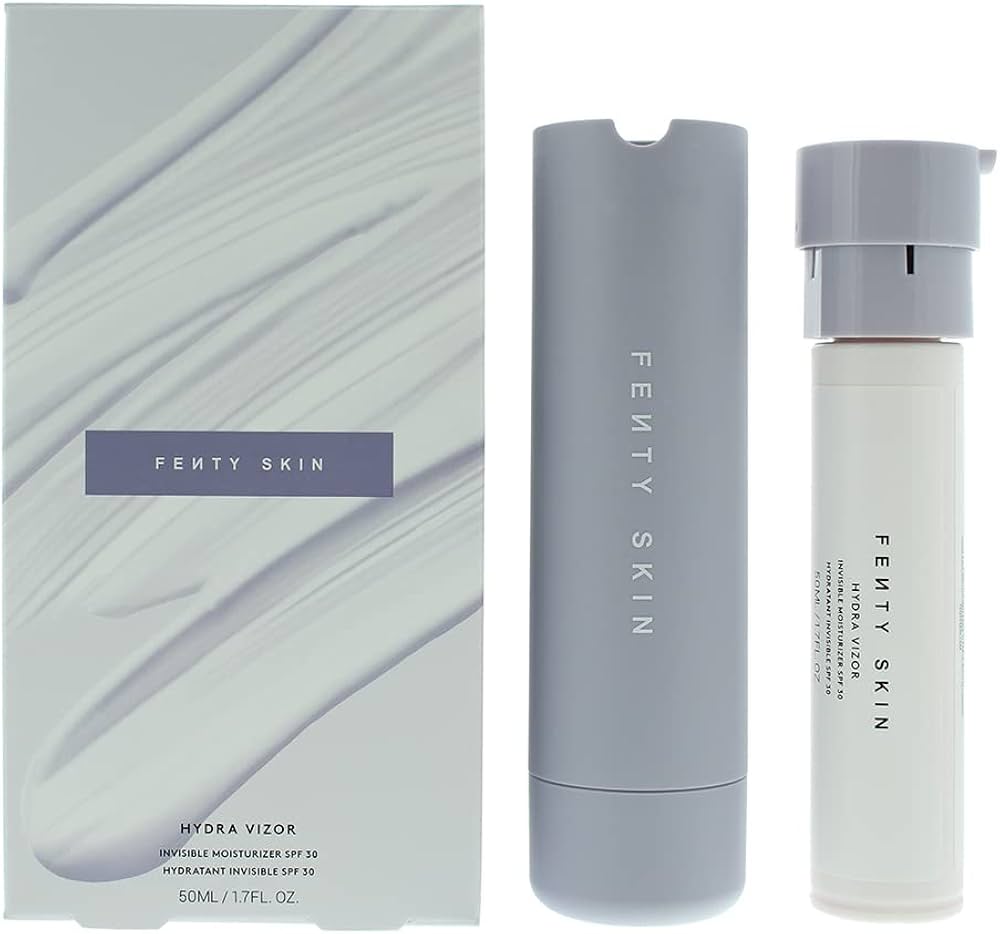
Explore Cosmetic Bottlles trends and sourcing opportunities
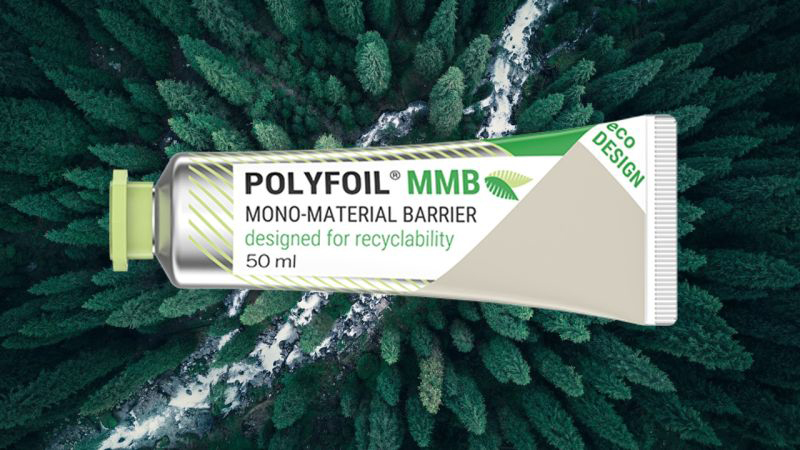
Explore Cosmetic Tube trends and sourcing opportunities
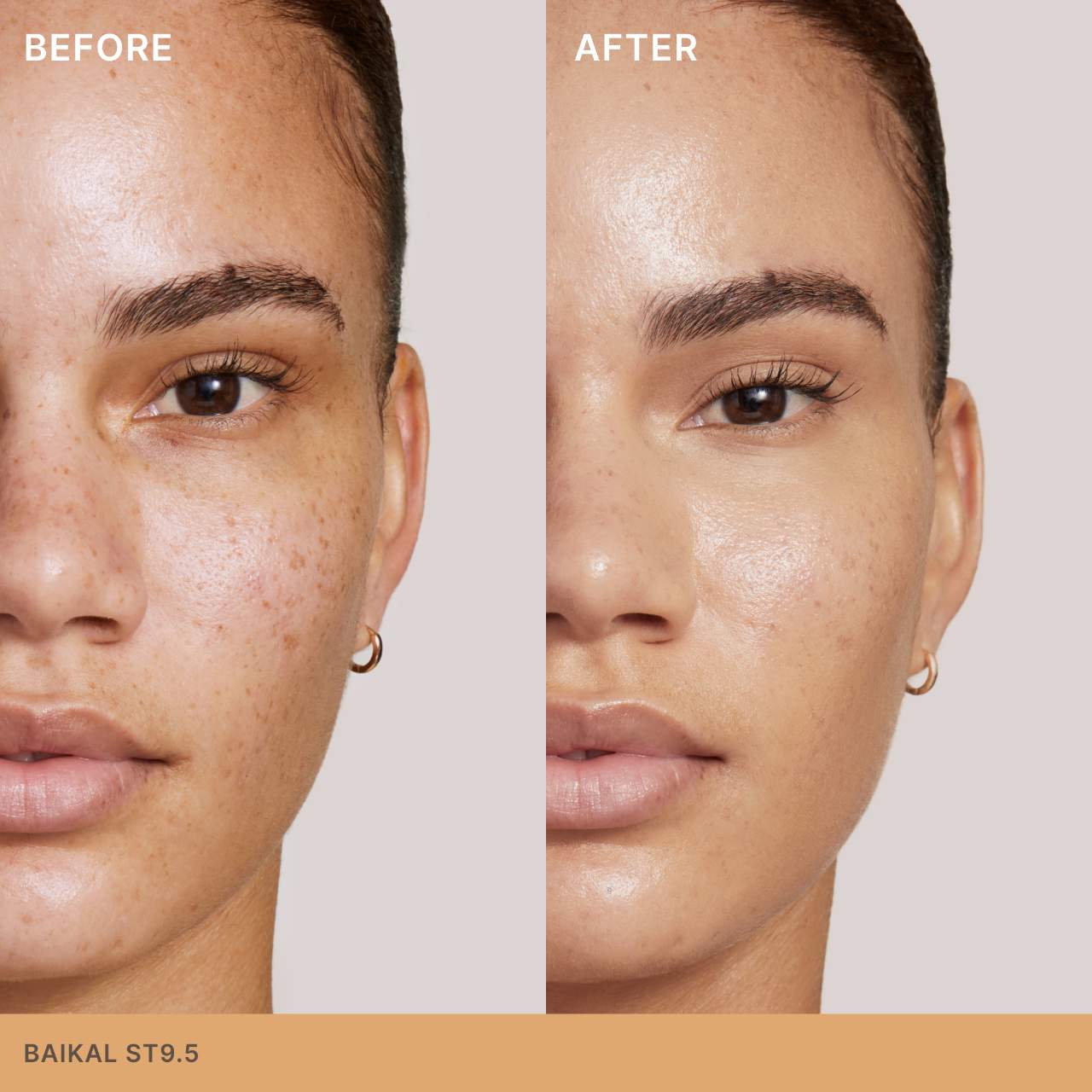
Explore Foundation trends and sourcing opportunities
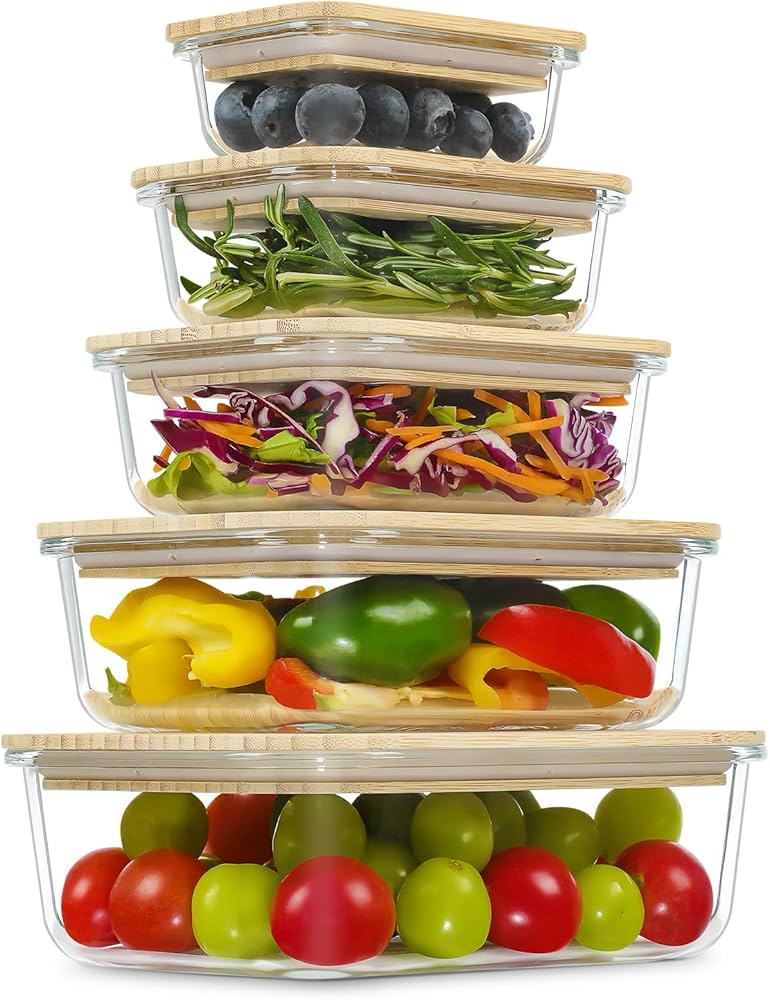
Explore Jars trends and sourcing opportunities
Minimum order quantities vary by supplier tier and product complexity. Value segment suppliers typically require 500-1,000 pieces per style/color, while premium manufacturers may accept 200-300 pieces for higher-value orders. Customization options like private labeling often increase MOQ requirements.
Common materials include cotton, polyester, modal, bamboo viscose, and various blends. Performance variants often incorporate spandex/elastane for stretch, while premium options may use pima cotton or Tencel. Material choice significantly impacts both FOB pricing and end-consumer appeal.
Request product samples before bulk orders, verify supplier certifications (ISO, BSCI, OEKO-TEX), check factory audit reports, and review trade history on B2B platforms. Our verified supplier ratings consider response rates, dispute history, and quality scores from verified transactions.
Standard production lead times range from 25-45 days depending on order complexity and supplier capacity. Rush orders may be possible at premium rates. Add 15-30 days for sea freight shipping to US ports, or 5-7 days for air freight on urgent orders.