
 IG Views
2.1K
 Trend InterestCloser to 50 = very trending
9
 Avg Price
$844
 Suppliers
20
 Social Views
6.4M
Trend InterestCloser to 50 = very trending12
Avg Price$704
Suppliers15
 TikTok Views
—
Trend InterestCloser to 50 = very trending35
Avg Price$572
Suppliers17
 TikTok Views
6.3M
Trend InterestCloser to 50 = very trending6
Avg Price$847
Suppliers12
 TikTok Views
11.2M
Trend InterestCloser to 50 = very trending4
Avg Price$1475
Suppliers18
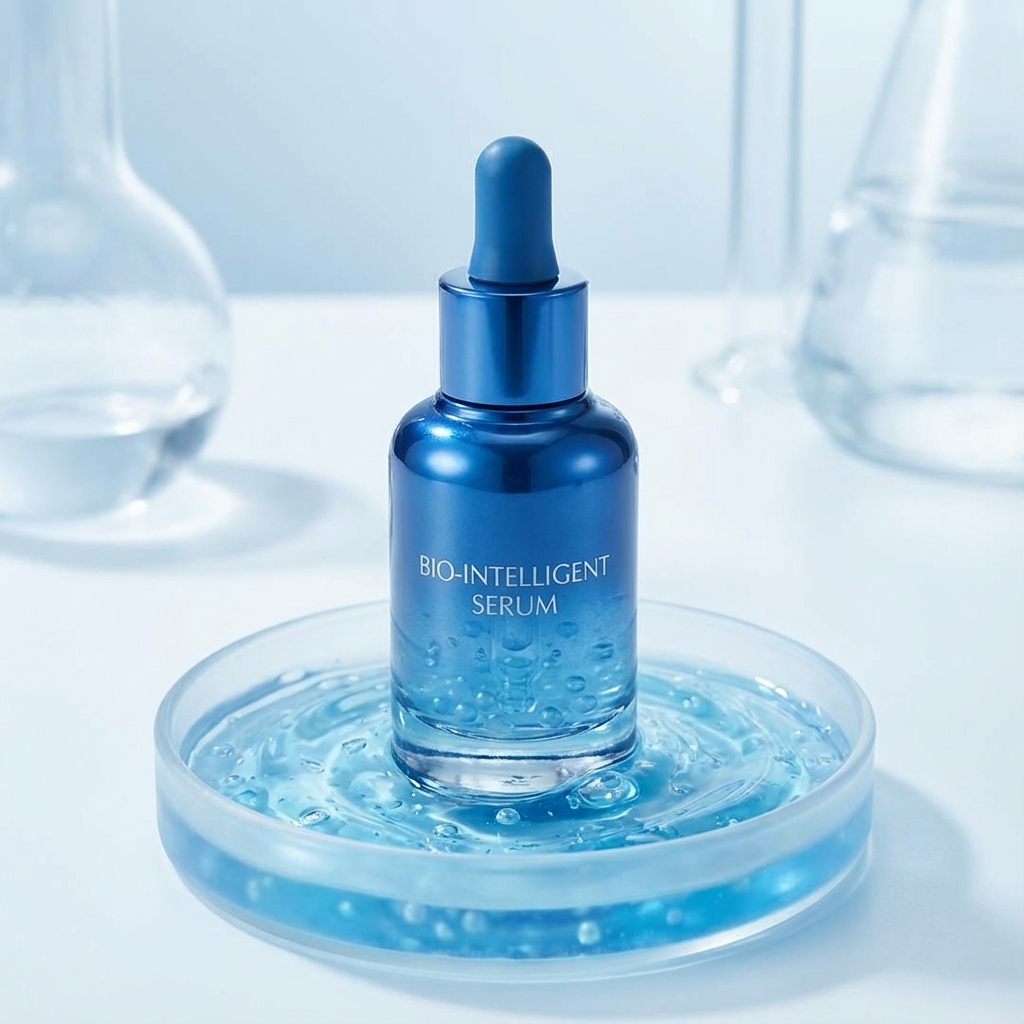
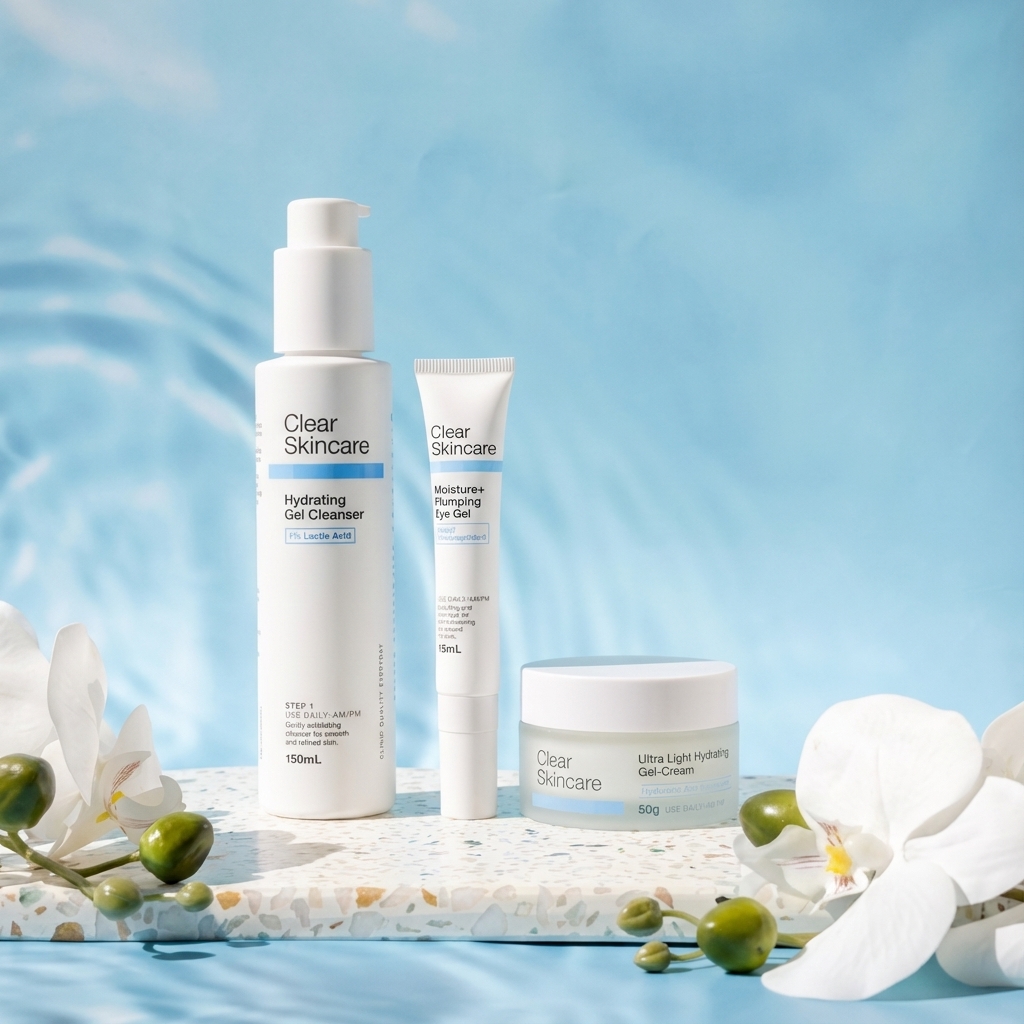
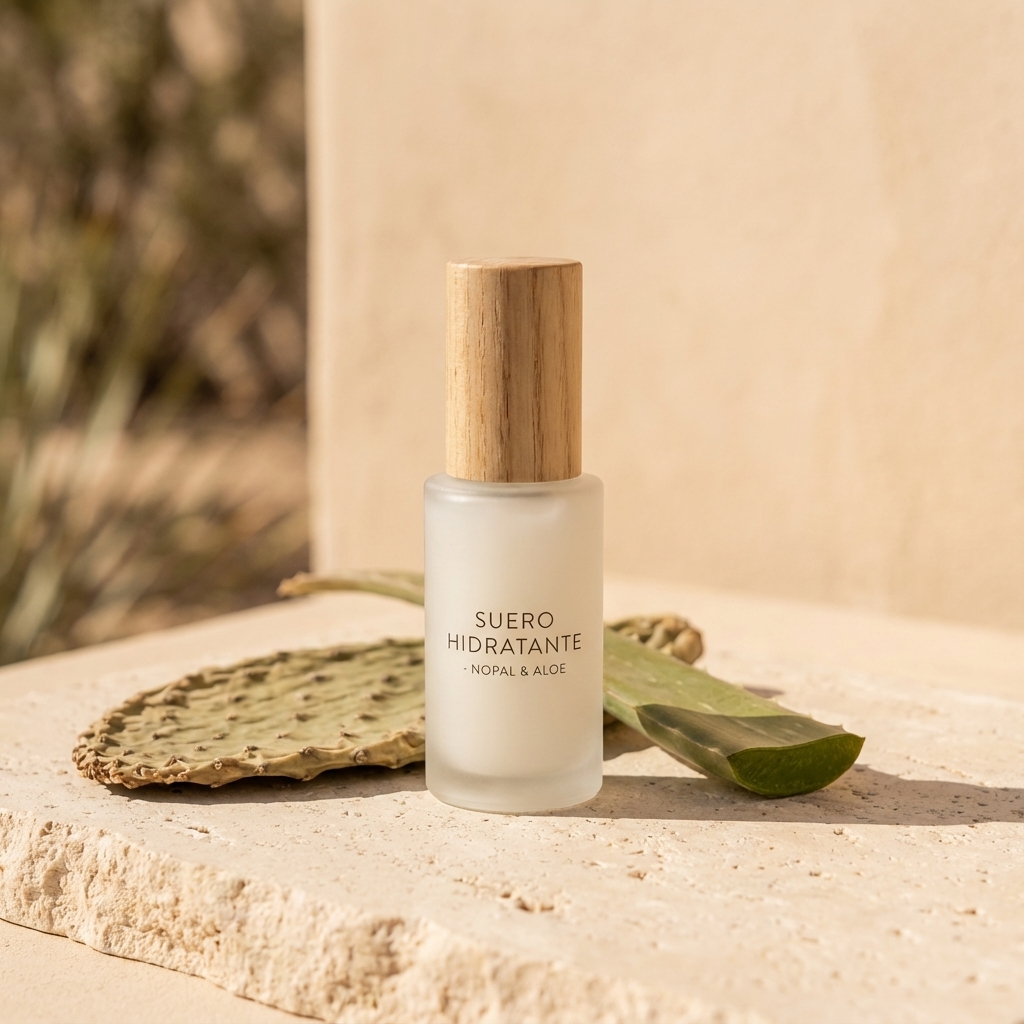
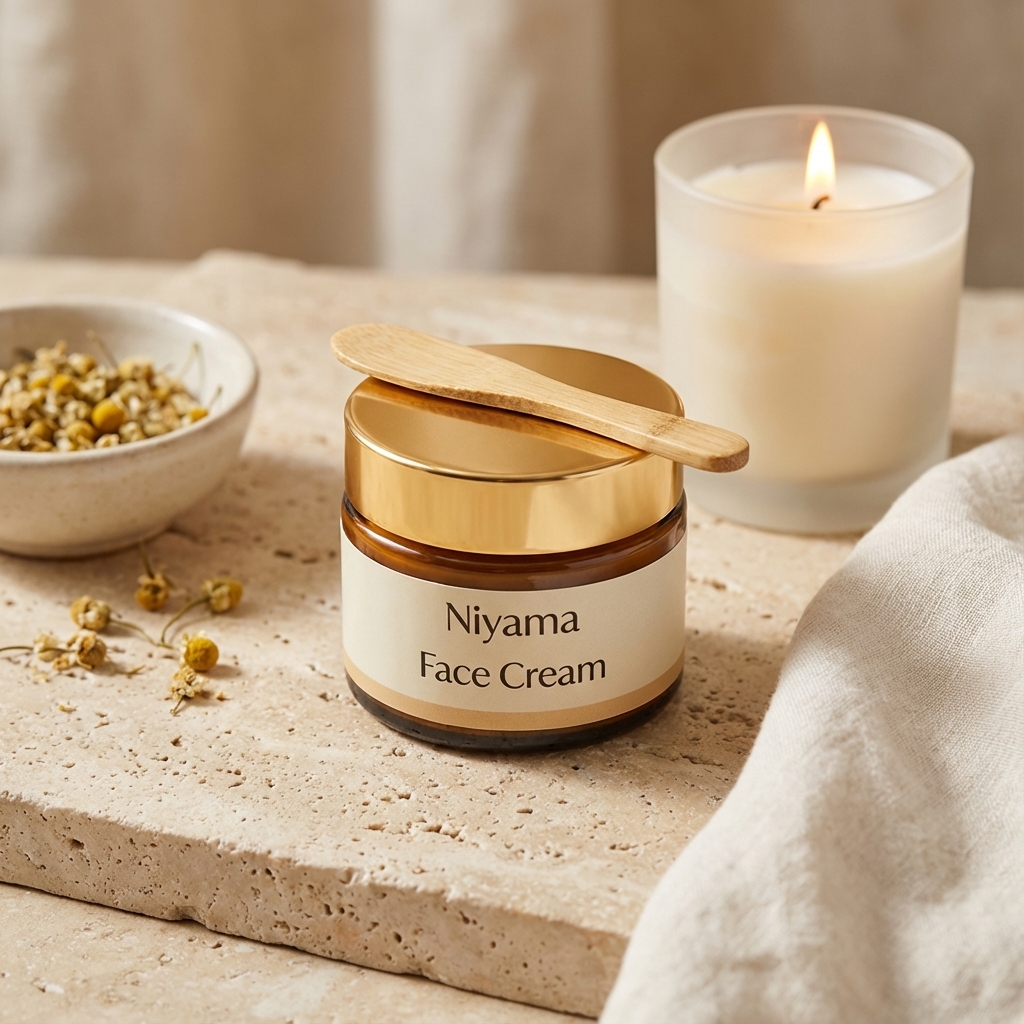
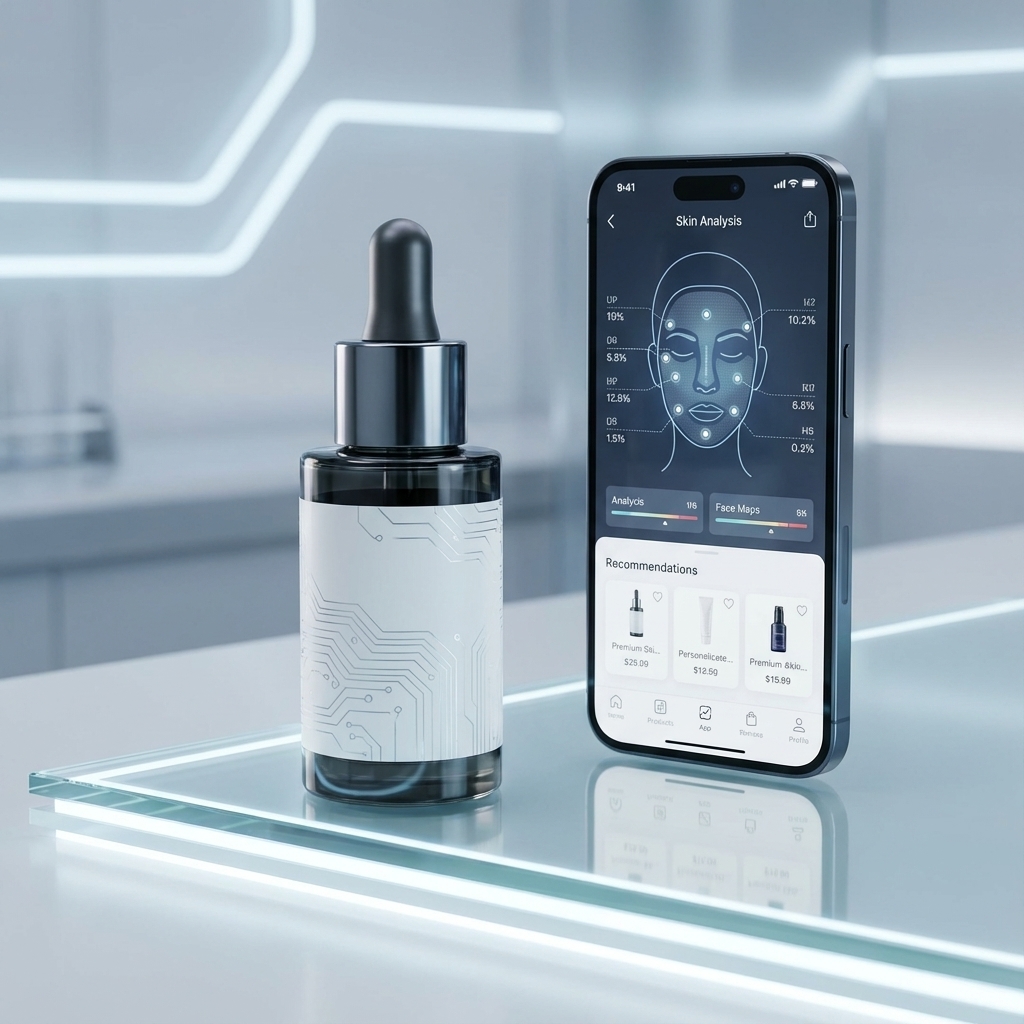
The Mexican skincare market in 2026 is undergoing a significant transformation, moving towards a more holistic and scientifically-driven approach to beauty. Key trends indicate a shift towards "metabolic beauty," where skincare is seen as a reflection of internal health, emphasizing wellness from the inside out. Consumers are increasingly seeking "clean beauty" products, prioritizing natural, non-toxic ingredients, and sustainable practices like refillable and waterless formats. There is a growing demand for science-backed, dermocosmetic solutions with proven efficacy, incorporating advanced ingredients like peptides and niacinamide. Simultaneously, the "skinimalism" movement is gaining traction, with a preference for simplified, functional routines composed of multi-purpose products. The user experience is also paramount, with a focus on "sensorial beauty" where textures and aromas enhance emotional well-being. Technology, including AI and smart devices, is becoming integral for personalized skin analysis and customized routines. This evolving landscape reflects a consumer who is more informed, demanding transparency, efficacy, and a deeper connection between their skincare rituals and overall wellness.
The skincare market in Mexico is experiencing a dynamic evolution, driven by consumer demand for products that deliver visible results, experiential wellness, and conscious formulations. This trend creates significant sourcing opportunities across five key themes, from science-backed serums to tech-enabled devices. A prominent feature across the market is a clear segmentation between accessible 'value' lines, which focus on proven actives like Niacinamide and Hyaluronic Acid, and 'premium' tiers that command higher prices through potent ingredients like peptides and encapsulated retinol. Success hinges on pairing the right formula with strategic skincare packaging that communicates brand value. Whether it's eco friendly skincare packaging for a clean beauty line or luxurious custom skincare packaging for a high-end serum, the right choice is critical for differentiation. Brands that can quickly source products aligning with these trends—be it minimalist kits, sensorial cleansers, or at-home devices—are positioned to capture a discerning and rapidly growing customer base.
The market data and sourcing advantages that make this trend worth pursuing.
Typical range
$5.35–$25.99
Typical range
$27.46–$60.00
132K views • 9% engagement
Strong organic resonance
53 suppliers
MOQ flexibility & scale options
High-margin candidate for boutique retail.
Premium Suede Backpack
High-margin candidate for boutique retail.
Top-selling entry-level SKU on Amazon.
Supplier Examples
Supplier 1
MOQ 100 • 5+ yrs
Supplier 2
MOQ 100 • 5+ yrs
Supplier 3
MOQ 100 • 5+ yrs
Supplier 4
MOQ 100 • 5+ yrs
Supplier 5
MOQ 100 • 5+ yrs
Add or customize product features and we'll match you with verified suppliers.
Feature Matching
Find suppliers with matching capabilities
Quote Comparison
Compare pricing and lead times
Sampling & Production
Request samples and begin production
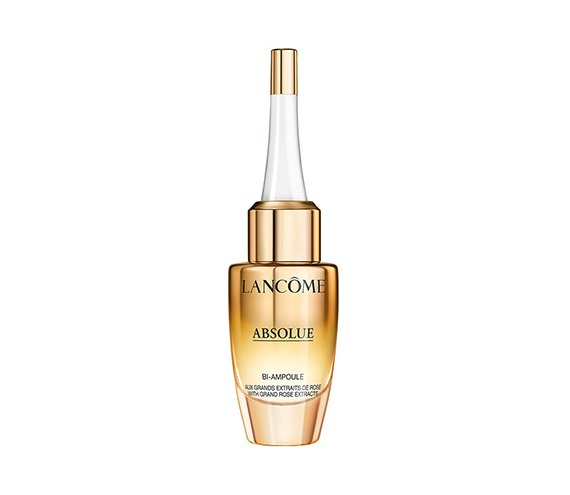
Explore Ampoule trends and sourcing opportunities
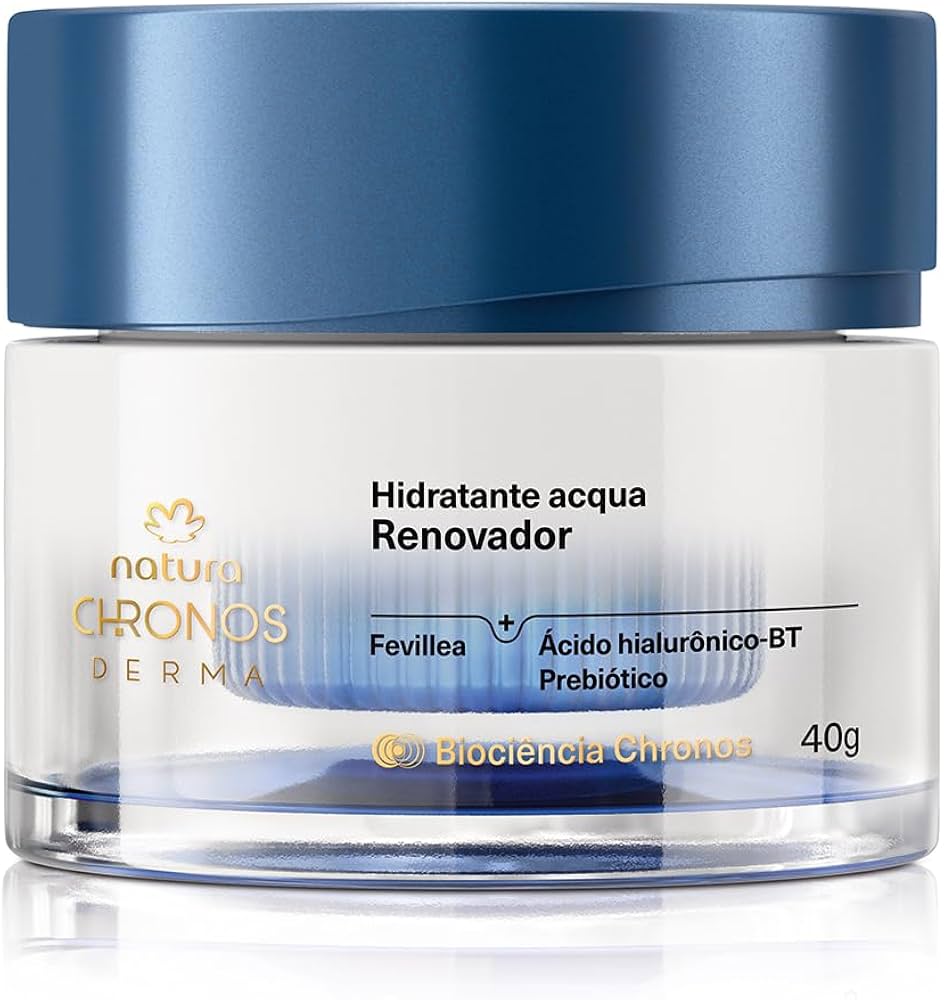
Explore Cosmetic Bottlles trends and sourcing opportunities
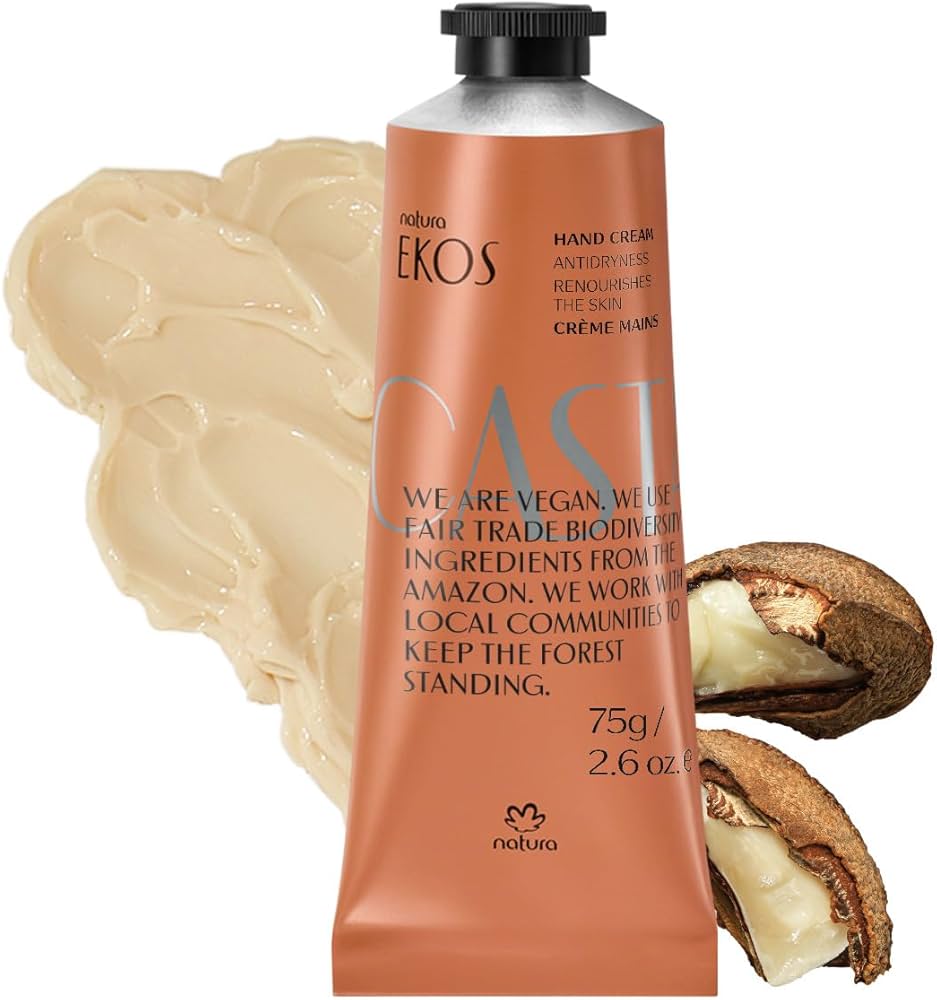
Explore Cosmetic Tube trends and sourcing opportunities
Explore Foundation trends and sourcing opportunities
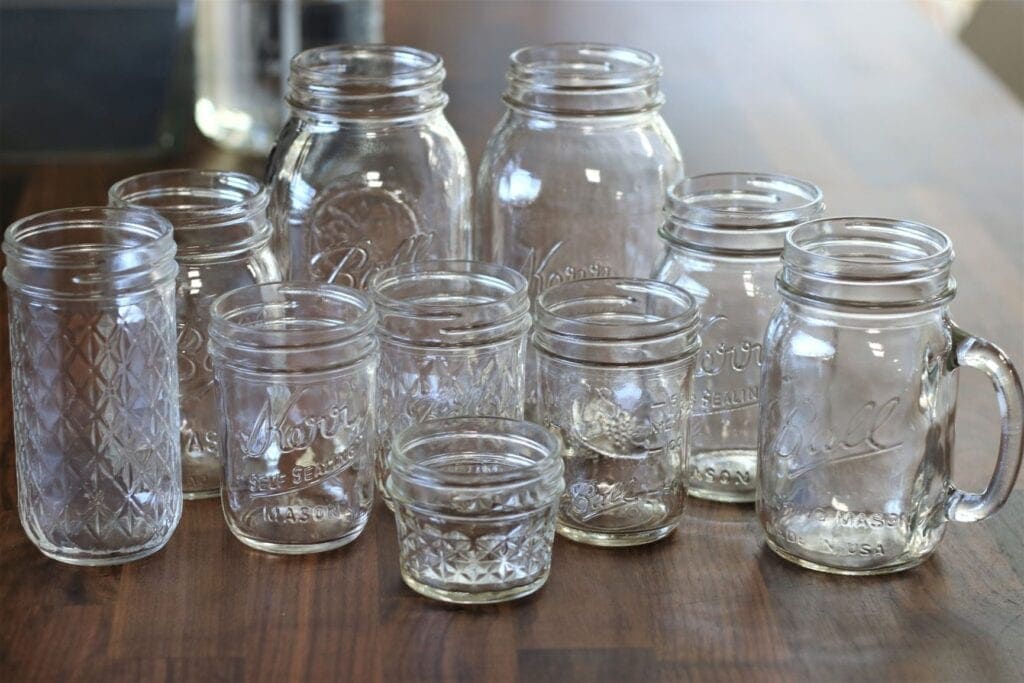
Explore Jars trends and sourcing opportunities
Minimum order quantities vary by supplier tier and product complexity. Value segment suppliers typically require 500-1,000 pieces per style/color, while premium manufacturers may accept 200-300 pieces for higher-value orders. Customization options like private labeling often increase MOQ requirements.
Common materials include cotton, polyester, modal, bamboo viscose, and various blends. Performance variants often incorporate spandex/elastane for stretch, while premium options may use pima cotton or Tencel. Material choice significantly impacts both FOB pricing and end-consumer appeal.
Request product samples before bulk orders, verify supplier certifications (ISO, BSCI, OEKO-TEX), check factory audit reports, and review trade history on B2B platforms. Our verified supplier ratings consider response rates, dispute history, and quality scores from verified transactions.
Standard production lead times range from 25-45 days depending on order complexity and supplier capacity. Rush orders may be possible at premium rates. Add 15-30 days for sea freight shipping to US ports, or 5-7 days for air freight on urgent orders.