
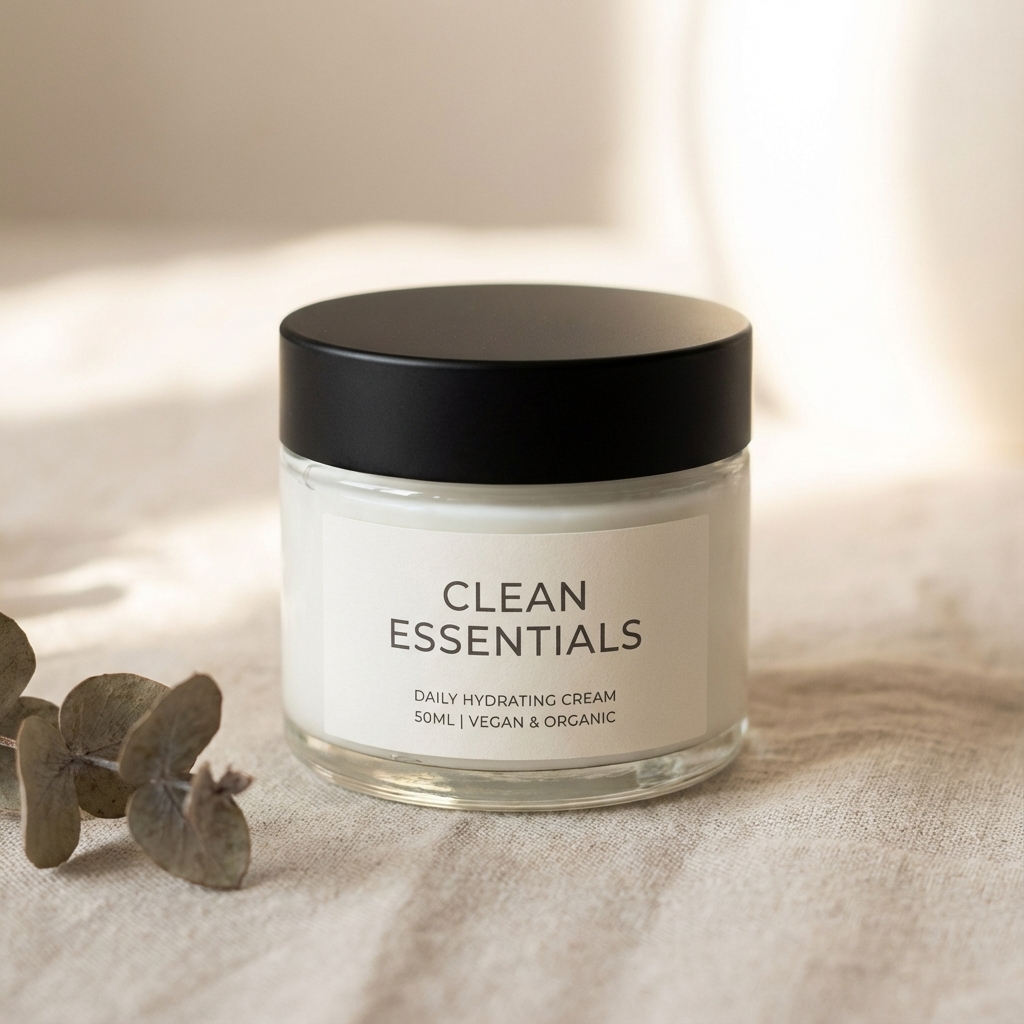
 TikTok Views
—
 Trend InterestCloser to 50 = very trending
9
 Avg Price
R$187
 Suppliers
15
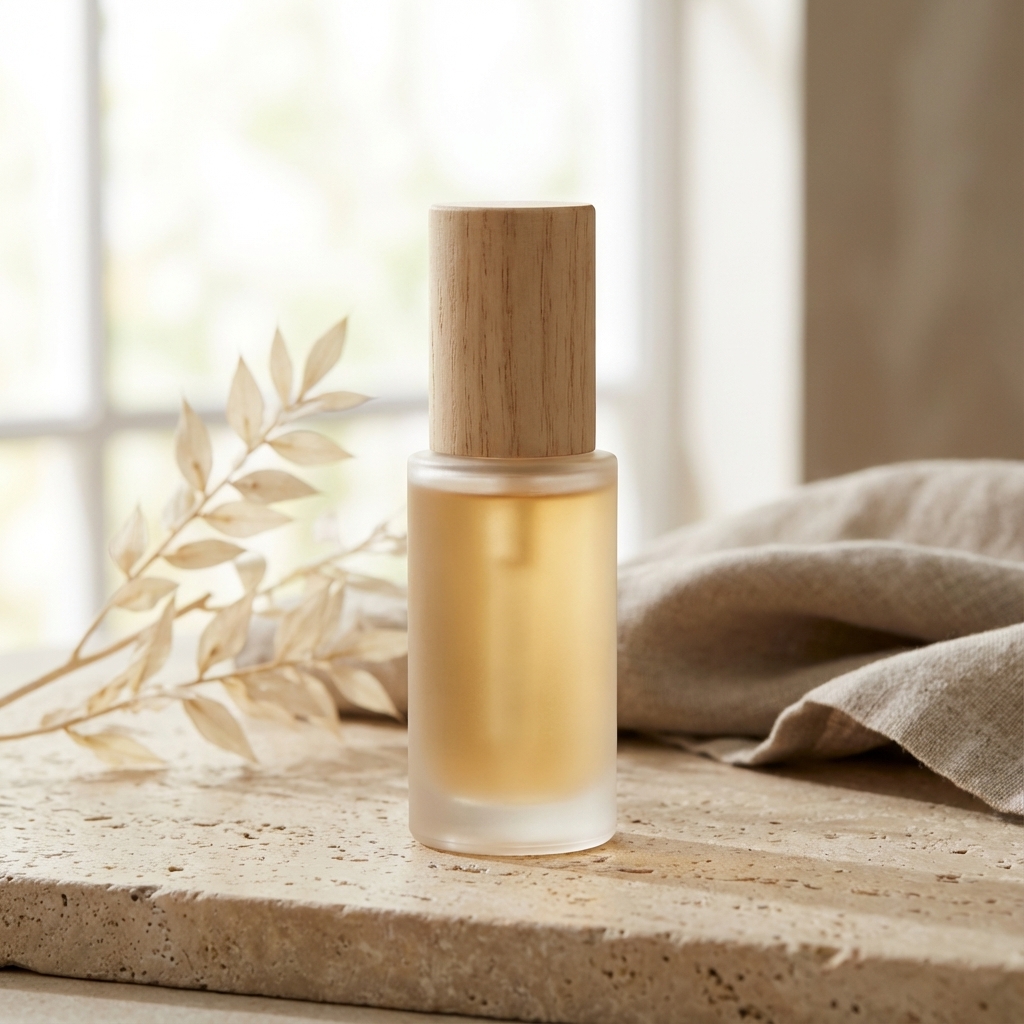 Social Views
13.9M
Trend InterestCloser to 50 = very trending3
Avg PriceR$447
Suppliers17
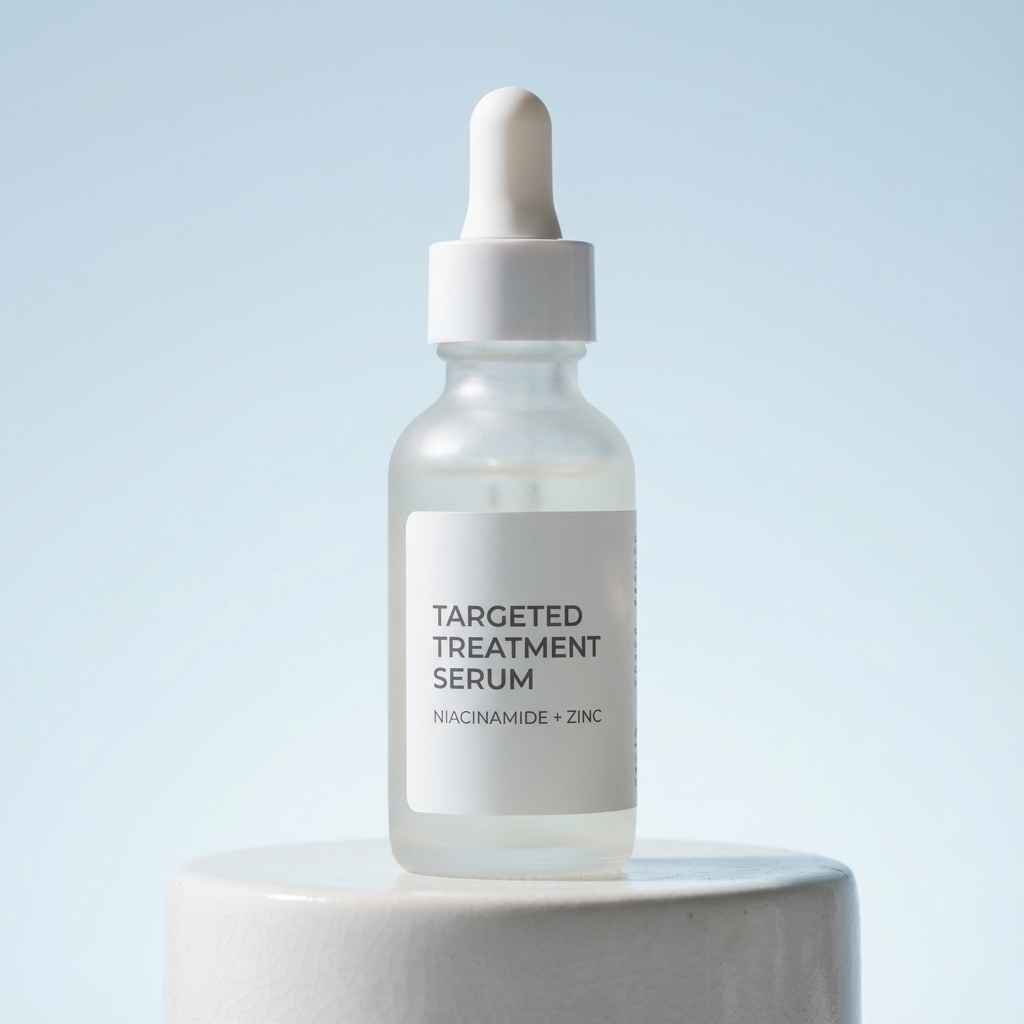 TikTok Views
—
Trend InterestCloser to 50 = very trending35
Avg PriceR$318
Suppliers20
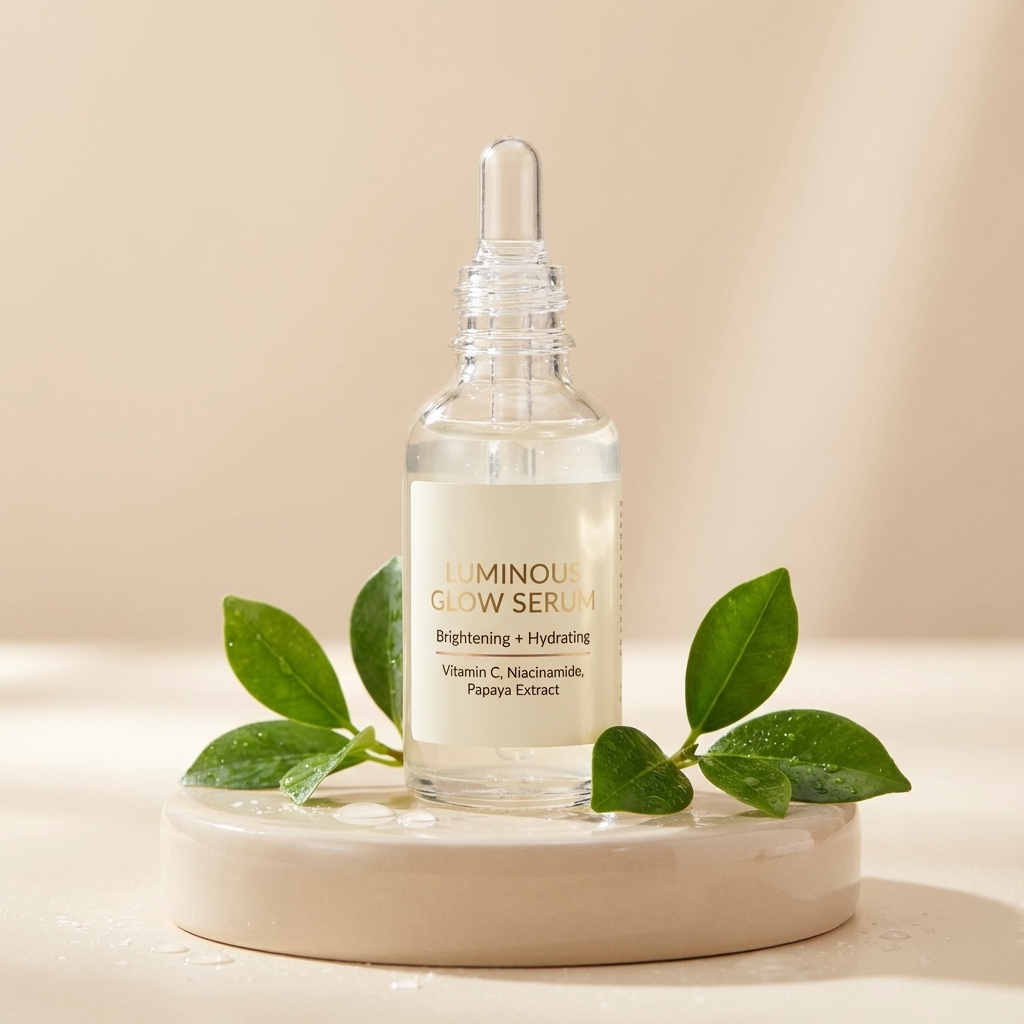
 IG Views
15.5K
Trend InterestCloser to 50 = very trending49
Avg PriceR$225
Suppliers19
 IG Views
37.2K
Trend InterestCloser to 50 = very trending6
Avg PriceR$530
Suppliers15
The Philippine skincare market is poised for significant growth, with projections indicating a substantial increase in value by 2026. This expansion is largely driven by a consumer shift towards "clean" and sustainable beauty, with a growing preference for products with simpler, natural, and non-toxic ingredients. The trend of "skinimalism," or a minimalist approach to skincare, is also gaining significant traction, as consumers opt for fewer, yet more effective and often multi-purpose products. Consequently, there is a heightened focus on potent and scientifically-backed active ingredients like niacinamide, hyaluronic acid, retinol, and vitamin C to address specific concerns such as acne, signs of aging, and hyperpigmentation. The desire for a radiant, "glass skin" complexion remains a dominant influence, fueling the popularity of brightening serums and essences. Furthermore, the market is seeing an emergence of tech-infused and personalized skincare solutions, offering customized routines and advanced formulations. Local and international brands, including those founded by celebrities, are actively catering to these evolving consumer demands.
The Philippine skincare market is driven by a powerful consumer demand for effective, targeted solutions, creating significant opportunities across multiple trends including 'Clean & Sustainable,' 'Skinimalism,' and 'Glass Skin.' The market is clearly segmented into accessible, value-focused products and premium, clinical-strength formulas. Across all categories, success hinges on addressing critical consumer pain points: product efficacy and integrity. A non-negotiable factor is the investment in high-quality skincare packaging that prevents leaks, transit damage, and counterfeits. Brands that act quickly to source products with trusted, gentle formulations and secure, reliable packaging are best positioned to build consumer loyalty and capture market share.
The market data and sourcing advantages that make this trend worth pursuing.
Typical range
$5.35–$25.99
Typical range
$27.46–$60.00
132K views • 9% engagement
Strong organic resonance
53 suppliers
MOQ flexibility & scale options
High-margin candidate for boutique retail.
Premium Suede Backpack
High-margin candidate for boutique retail.
Top-selling entry-level SKU on Amazon.
Supplier Examples
Supplier 1
MOQ 100 • 5+ yrs
Supplier 2
MOQ 100 • 5+ yrs
Supplier 3
MOQ 100 • 5+ yrs
Supplier 4
MOQ 100 • 5+ yrs
Supplier 5
MOQ 100 • 5+ yrs
Add or customize product features and we'll match you with verified suppliers.
Feature Matching
Find suppliers with matching capabilities
Quote Comparison
Compare pricing and lead times
Sampling & Production
Request samples and begin production
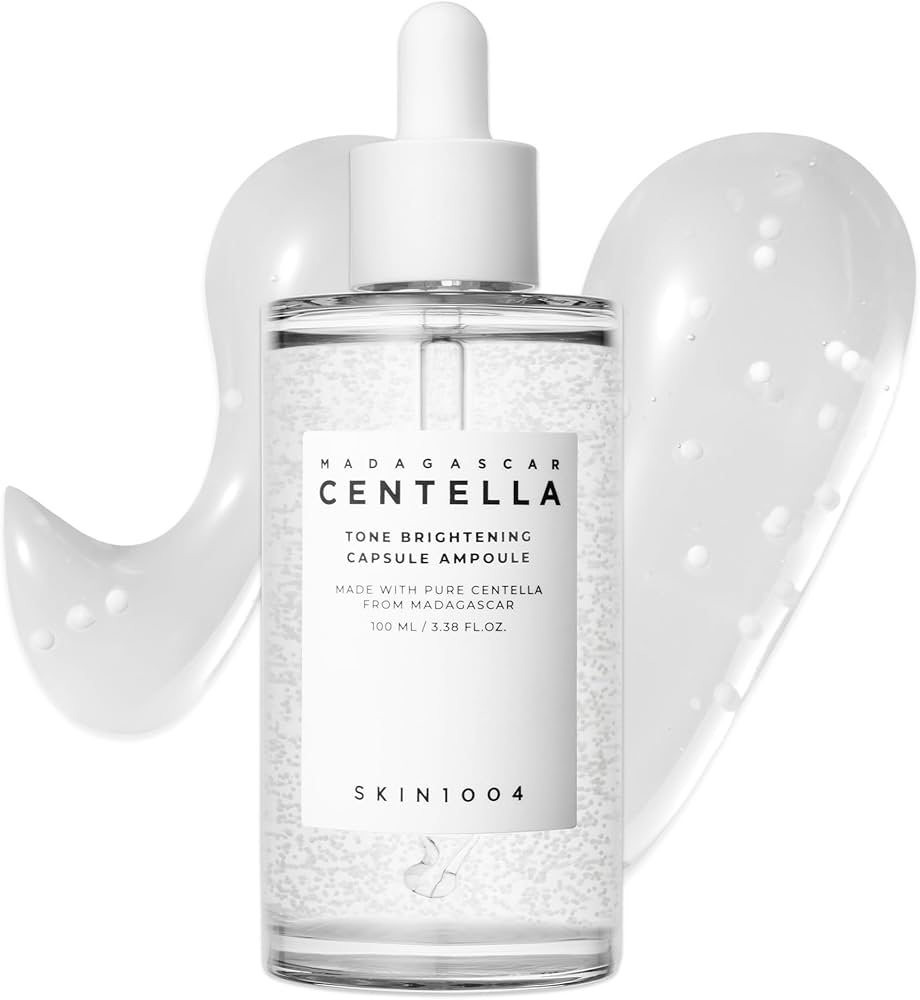
Explore Ampoule trends and sourcing opportunities
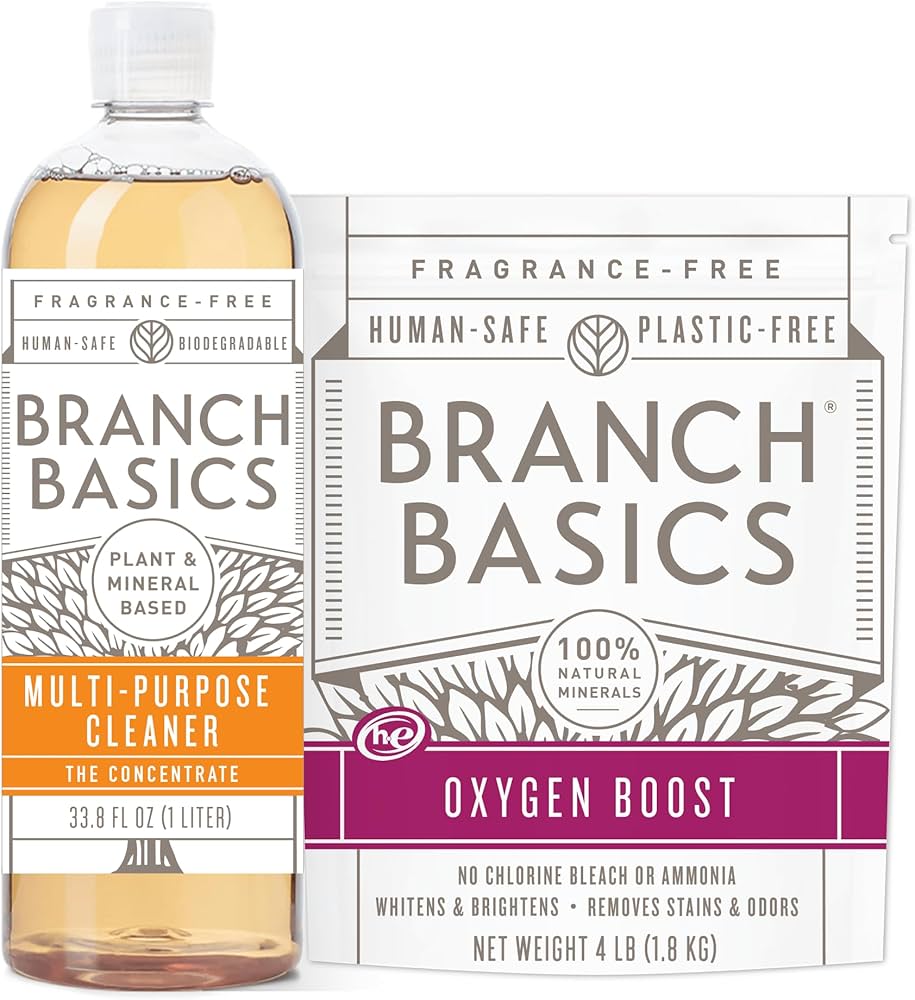
Explore Cosmetic Bottlles trends and sourcing opportunities
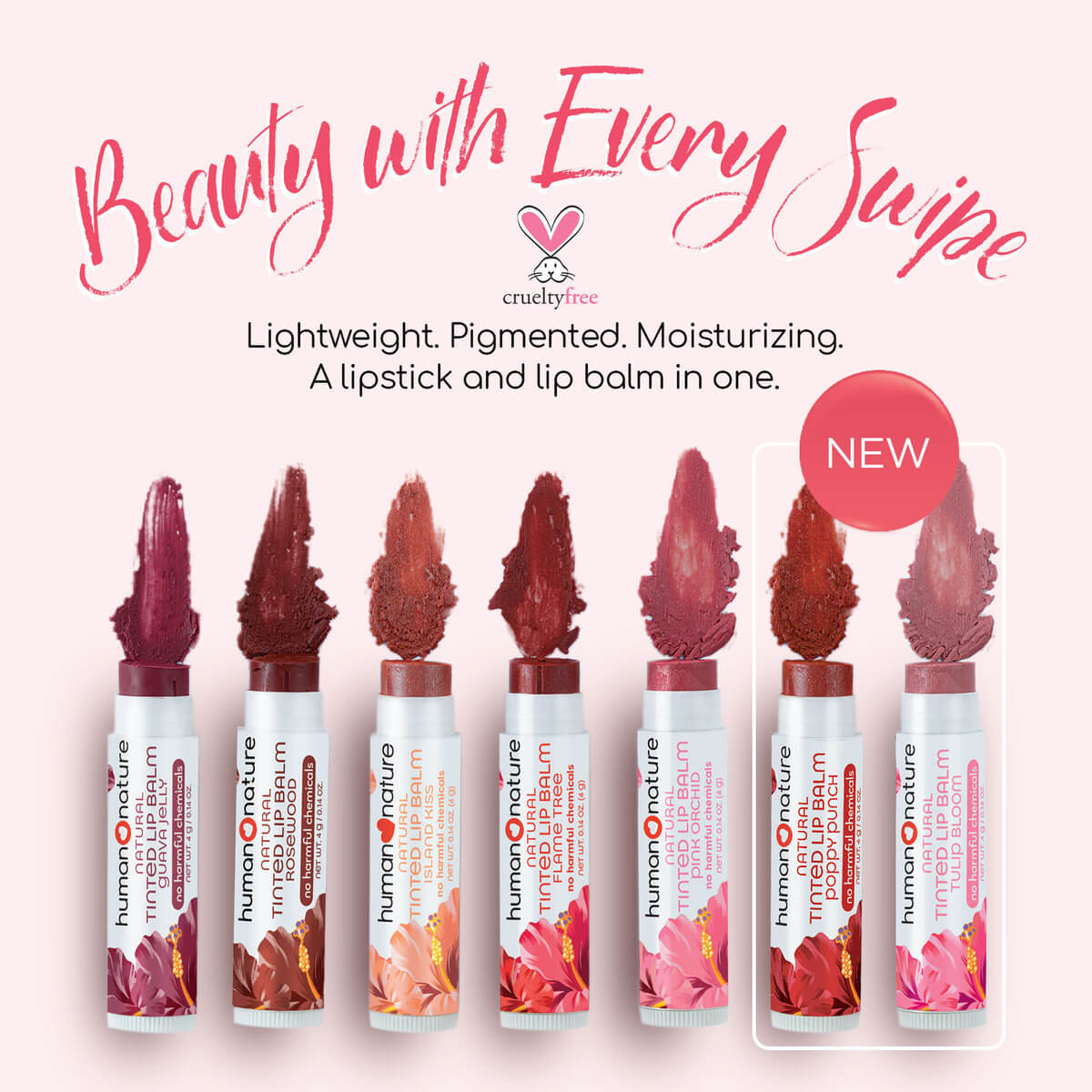
Explore Cosmetic Tube trends and sourcing opportunities
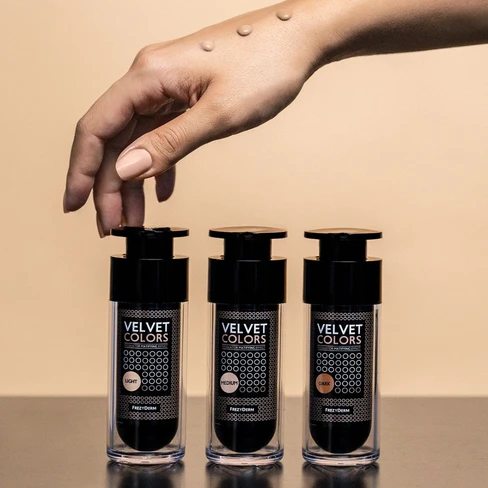
Explore Foundation trends and sourcing opportunities
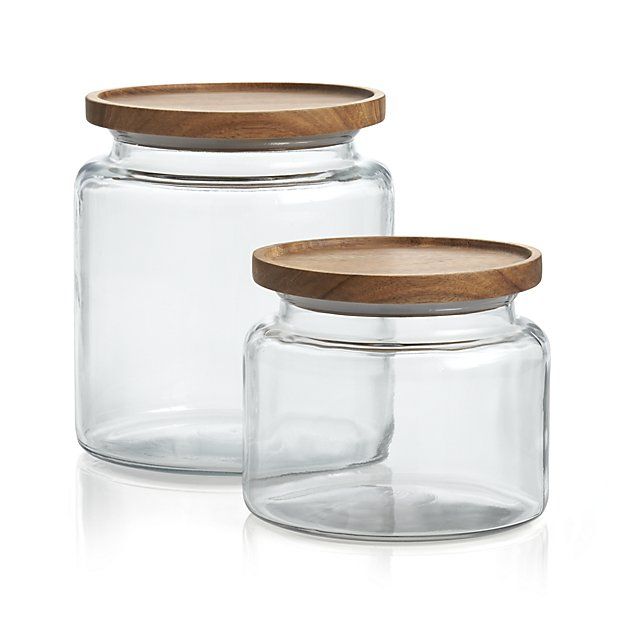
Explore Jars trends and sourcing opportunities
Minimum order quantities vary by supplier tier and product complexity. Value segment suppliers typically require 500-1,000 pieces per style/color, while premium manufacturers may accept 200-300 pieces for higher-value orders. Customization options like private labeling often increase MOQ requirements.
Common materials include cotton, polyester, modal, bamboo viscose, and various blends. Performance variants often incorporate spandex/elastane for stretch, while premium options may use pima cotton or Tencel. Material choice significantly impacts both FOB pricing and end-consumer appeal.
Request product samples before bulk orders, verify supplier certifications (ISO, BSCI, OEKO-TEX), check factory audit reports, and review trade history on B2B platforms. Our verified supplier ratings consider response rates, dispute history, and quality scores from verified transactions.
Standard production lead times range from 25-45 days depending on order complexity and supplier capacity. Rush orders may be possible at premium rates. Add 15-30 days for sea freight shipping to US ports, or 5-7 days for air freight on urgent orders.