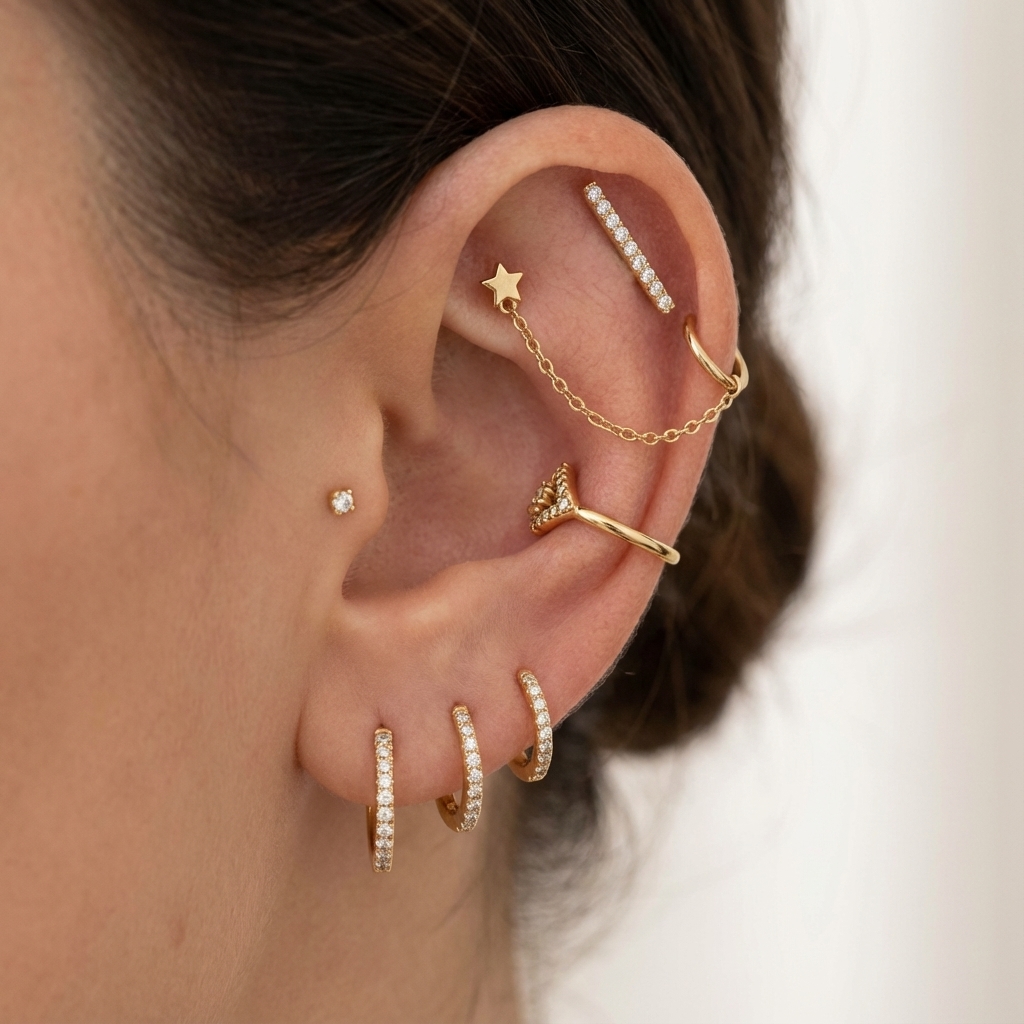
 Social Views
10.2M
 Trend InterestCloser to 50 = very trending
26
 Avg Price
—
 Suppliers
—
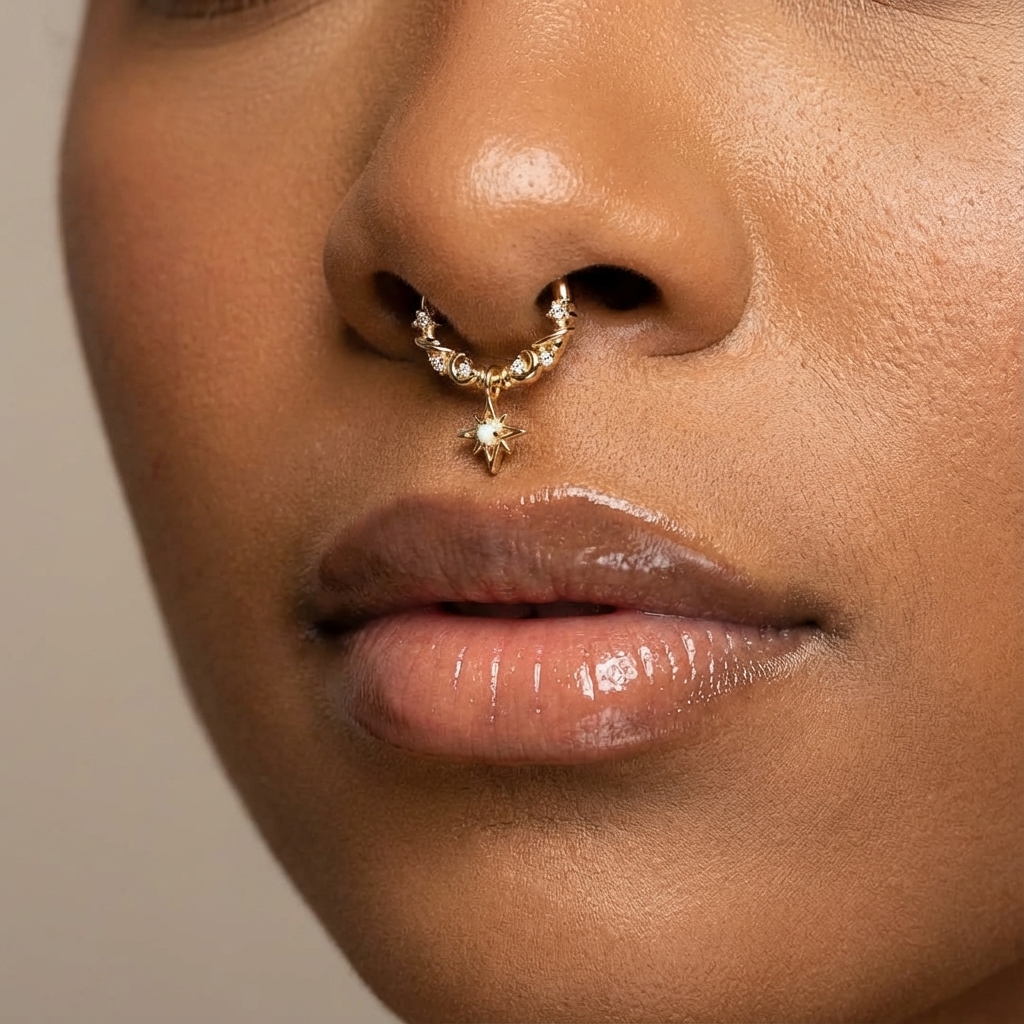 TikTok Views
2.5M
Trend InterestCloser to 50 = very trending0
Avg Price—
Suppliers—
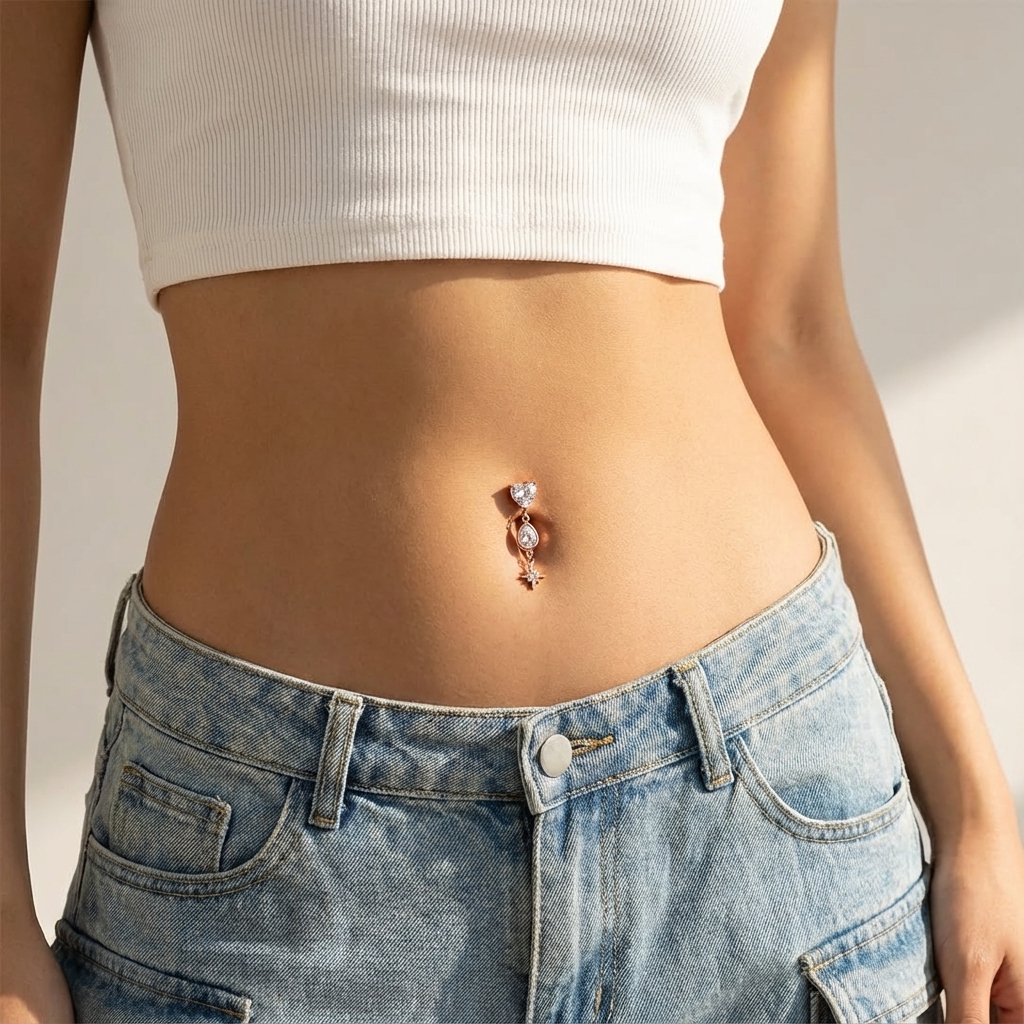 Social Views
1.1M
Trend InterestCloser to 50 = very trending28
Avg Price—
Suppliers—
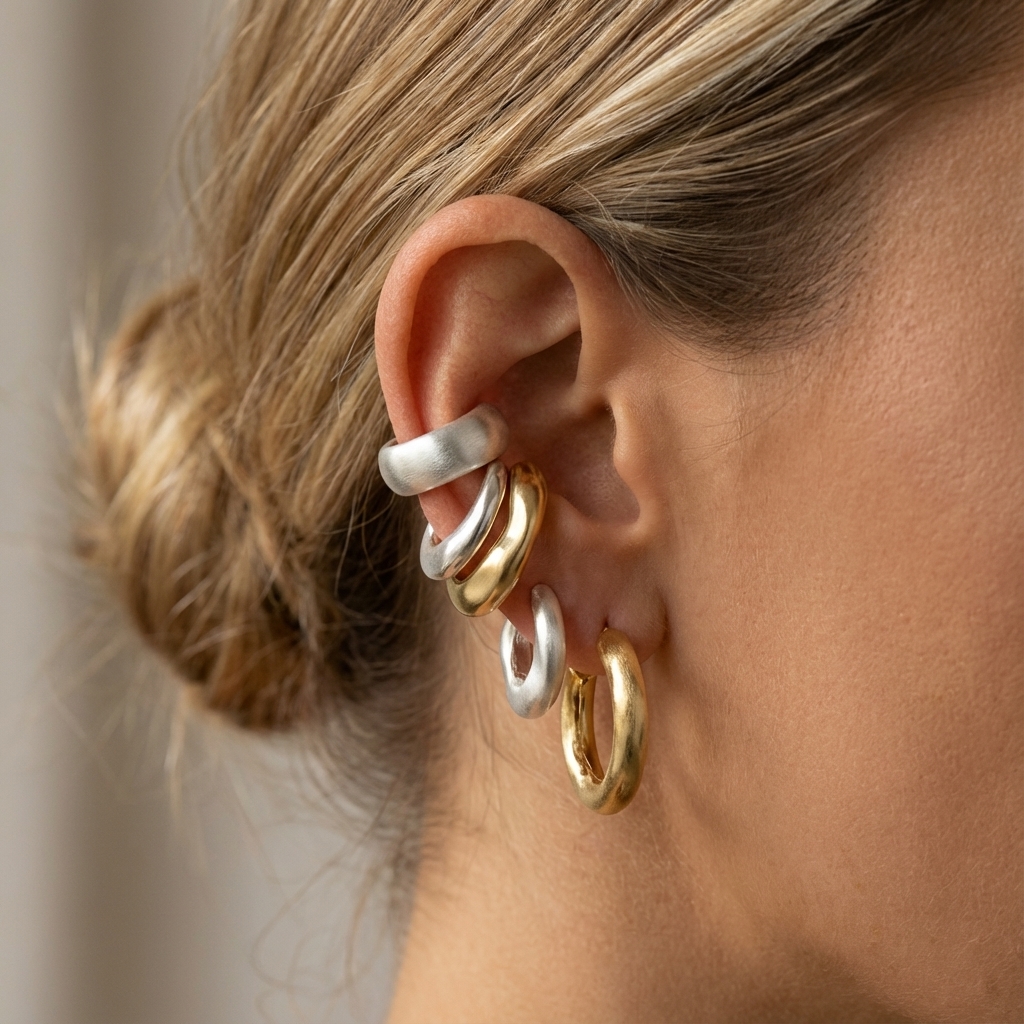
 IG Views
244.1K
Trend InterestCloser to 50 = very trending25
Avg Price—
Suppliers—
 Social Views
677.4K
Trend InterestCloser to 50 = very trending45
Avg Price—
Suppliers—
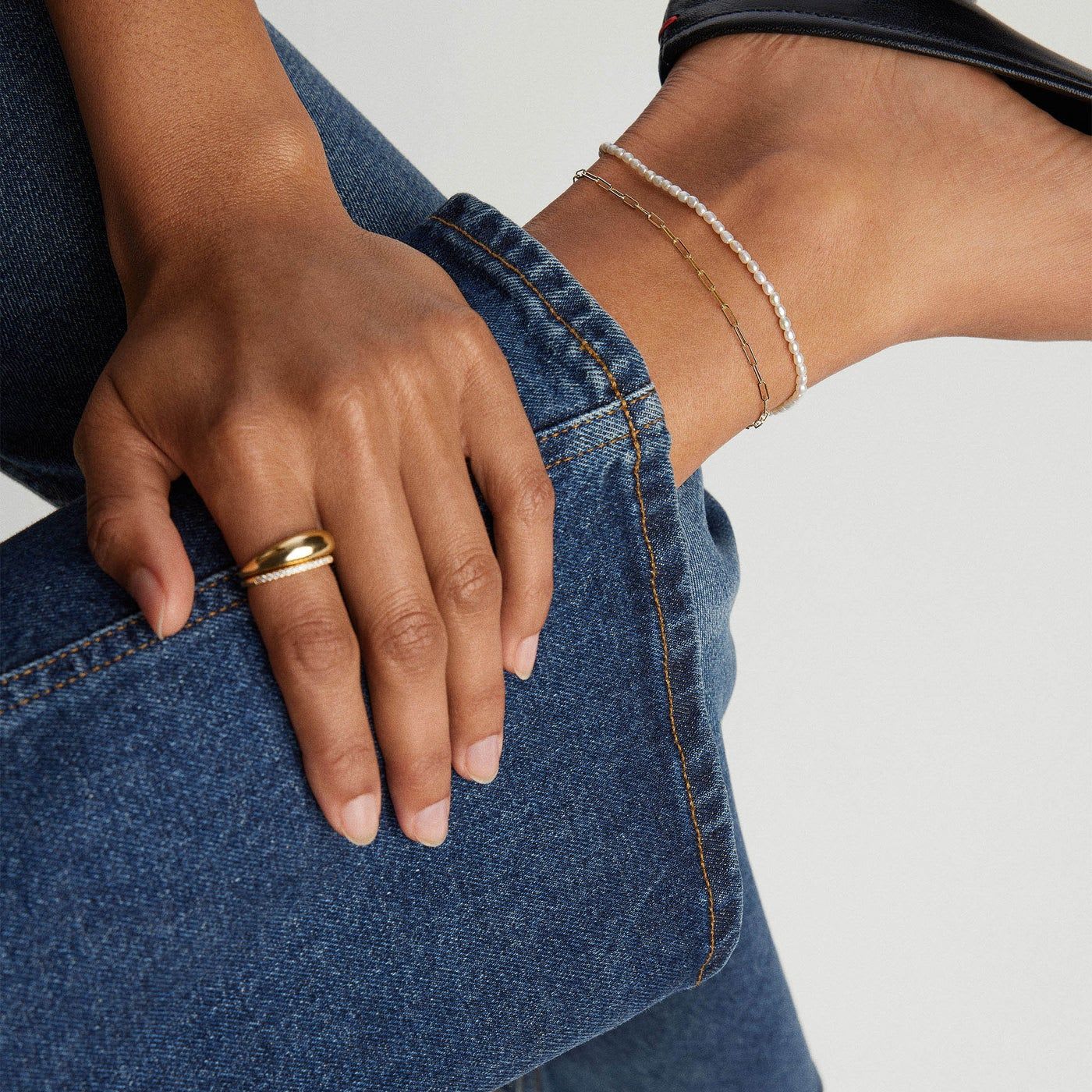
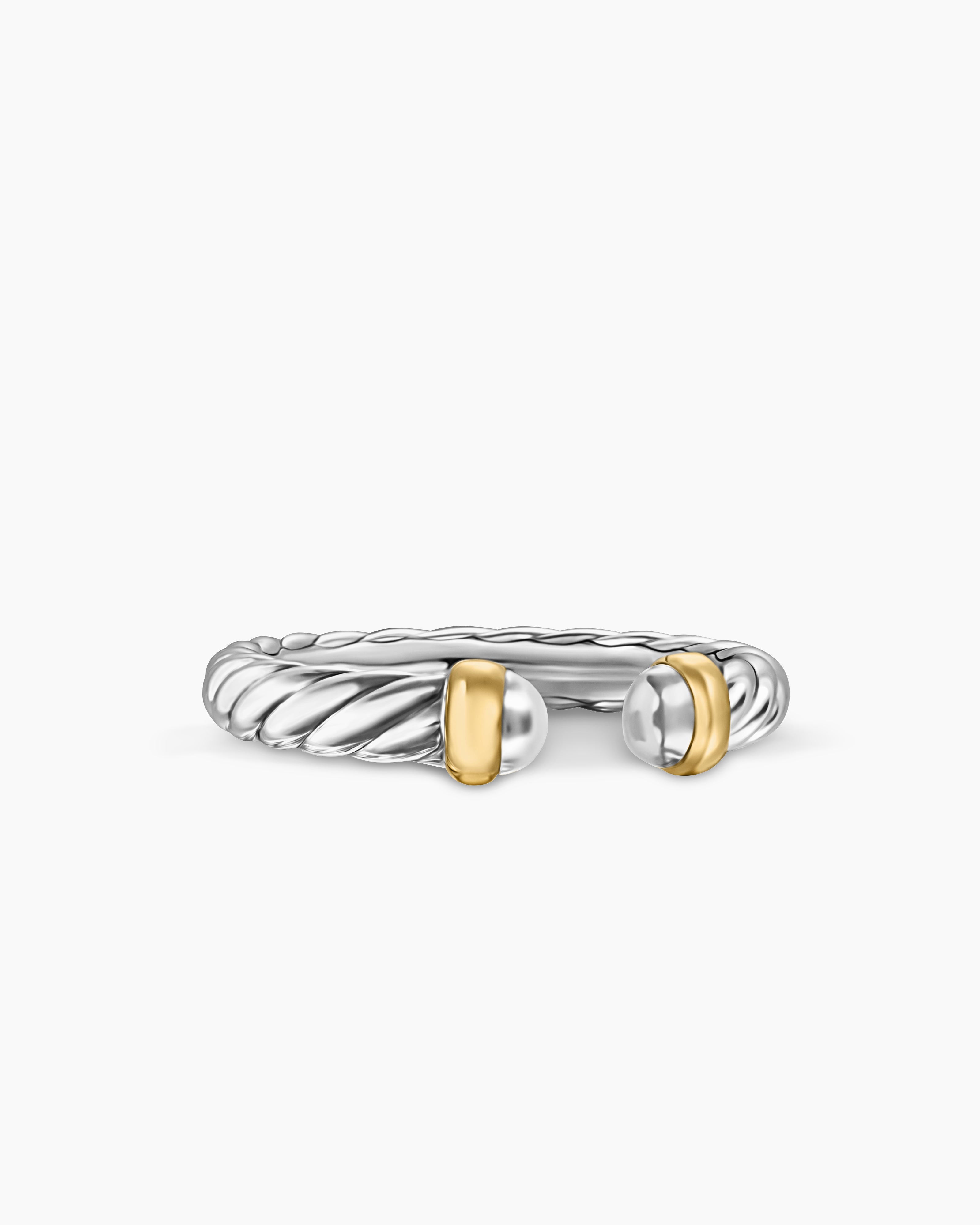
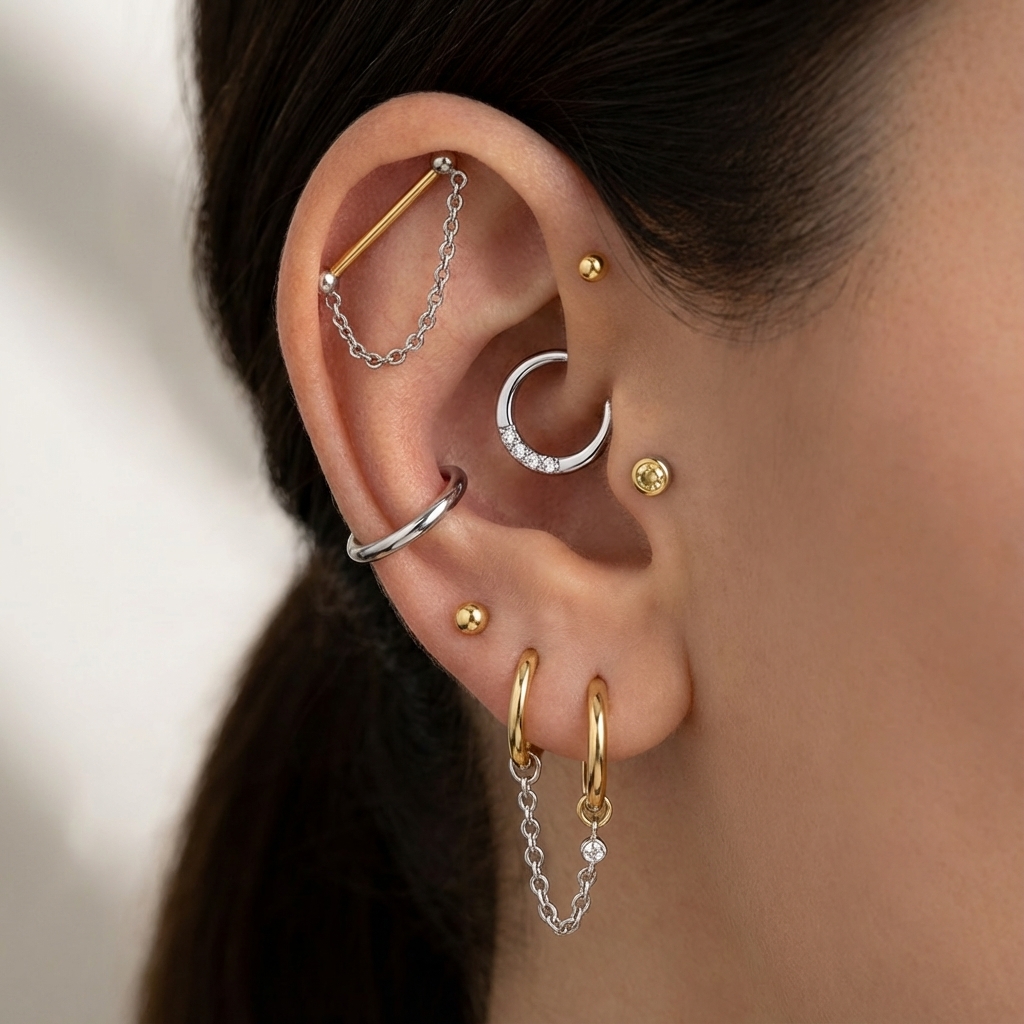
As we move into 2026, the body jewelry landscape in the US is defined by a celebration of individuality and self-expression, where both bold statements and minimalist elegance coexist. Ear curation continues its reign, with "stacked lobes" and "constellation piercings" allowing for personalized arrangements of tiny studs and hoops. The "curated ear" trend encourages a mix-and-match approach, combining different styles and placements like the conch, daith, and helix for a unique look. Nose piercings are seeing a dual trend; while delicate gold hoops and minimal studs offer understated sophistication, bold and oversized septum rings are making a strong statement. The Y2K fashion revival has firmly brought back the belly button piercing, with styles ranging from classic dangles to more modern, minimalist "floating" belly rings. Across all categories, there's a strong emphasis on material and form. Sculptural, organic shapes and chunky, statement pieces in both gold and silver are trending, often alongside delicate, layered chains and charms. The mixing of metals is highly encouraged, creating a dynamic and personalized aesthetic. Sustainability is also a growing consideration, with interest in recycled metals and ethically sourced materials on the rise.
The Body Jewelry market is experiencing a dynamic shift, moving far beyond simple accessories to become a key category for personal expression. Major trends like the 'Curated Ear,' bold statement septum pieces, the Y2K revival of belly jewelry, and the rise of artistic sculptural and mixed-metal designs are creating significant sourcing opportunities for brands. These trends cater to a consumer base eager for unique, personalized products. To capitalize on this movement, brands must act quickly to source a diverse range of high quality body jewelry. The material landscape is varied, with premium options like implant-grade titanium and 14k gold leading the high-end market, making wholesale 14k gold body jewelry a lucrative niche. For more accessible price points, 316L surgical steel remains a durable and body-safe standard. Success in this category hinges on partnering with specialized body jewelry manufacturers who can deliver on intricate designs, material safety, and the fast turnaround times needed to keep pace with evolving styles.
The market data and sourcing advantages that make this trend worth pursuing.
Typical range
$5.35–$25.99
Typical range
$27.46–$60.00
132K views • 9% engagement
Strong organic resonance
53 suppliers
MOQ flexibility & scale options
High-margin candidate for boutique retail.
Premium Suede Backpack
High-margin candidate for boutique retail.
Top-selling entry-level SKU on Amazon.
Supplier Examples
Supplier 1
MOQ 100 • 5+ yrs
Supplier 2
MOQ 100 • 5+ yrs
Supplier 3
MOQ 100 • 5+ yrs
Supplier 4
MOQ 100 • 5+ yrs
Supplier 5
MOQ 100 • 5+ yrs
Add or customize product features and we'll match you with verified suppliers.
Feature Matching
Find suppliers with matching capabilities
Quote Comparison
Compare pricing and lead times
Sampling & Production
Request samples and begin production
Minimum order quantities vary by supplier tier and product complexity. Value segment suppliers typically require 500-1,000 pieces per style/color, while premium manufacturers may accept 200-300 pieces for higher-value orders. Customization options like private labeling often increase MOQ requirements.
Common materials include cotton, polyester, modal, bamboo viscose, and various blends. Performance variants often incorporate spandex/elastane for stretch, while premium options may use pima cotton or Tencel. Material choice significantly impacts both FOB pricing and end-consumer appeal.
Request product samples before bulk orders, verify supplier certifications (ISO, BSCI, OEKO-TEX), check factory audit reports, and review trade history on B2B platforms. Our verified supplier ratings consider response rates, dispute history, and quality scores from verified transactions.
Standard production lead times range from 25-45 days depending on order complexity and supplier capacity. Rush orders may be possible at premium rates. Add 15-30 days for sea freight shipping to US ports, or 5-7 days for air freight on urgent orders.