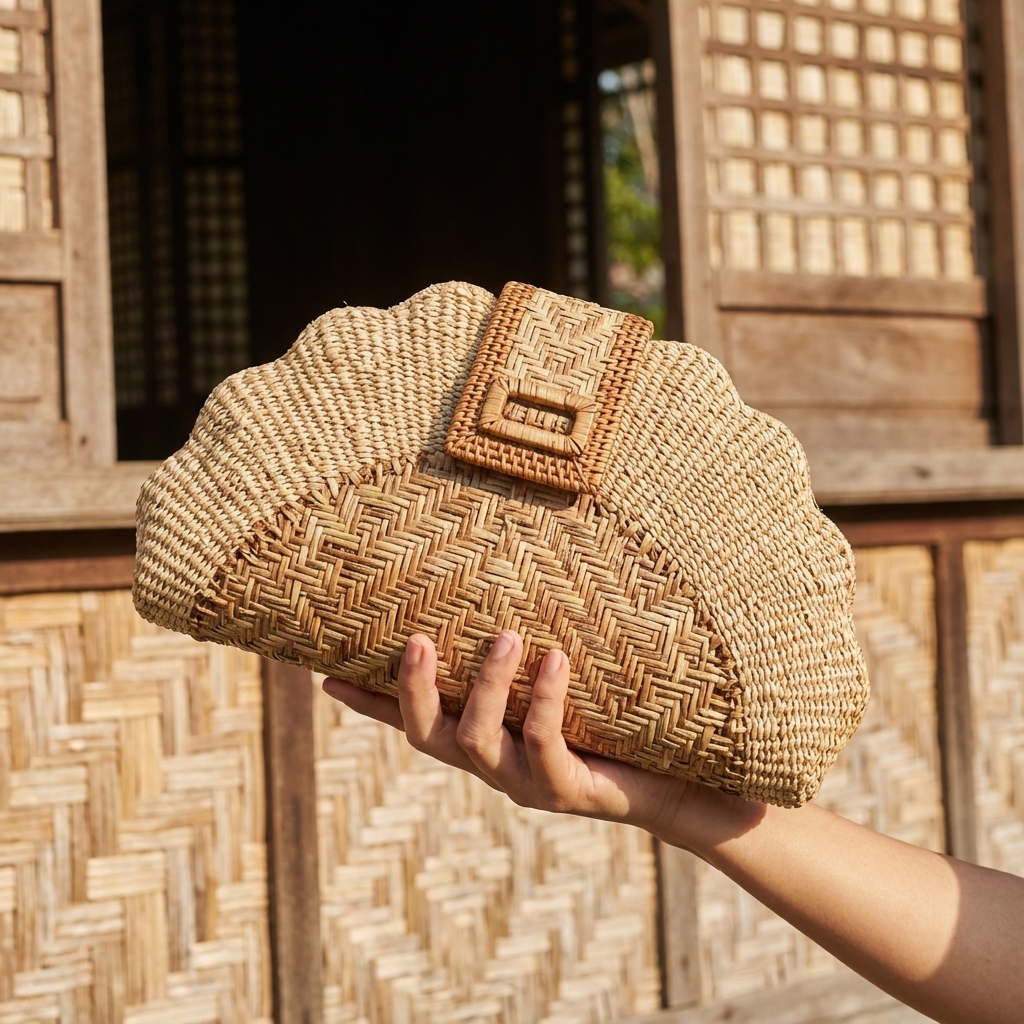
 TikTok Views
1.3M
 Trend InterestCloser to 50 = very trending
31
 Avg Price
R$362
 Suppliers
15
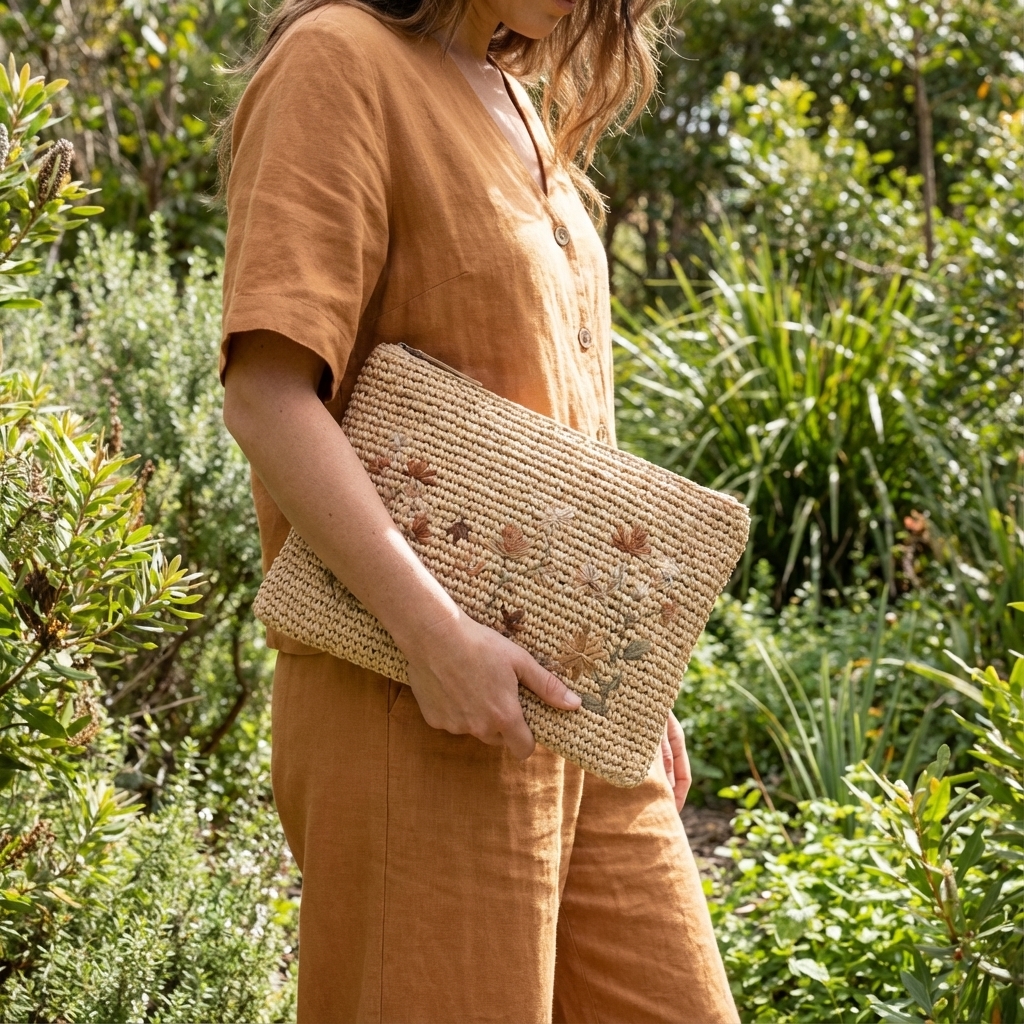 TikTok Views
225.4K
Trend InterestCloser to 50 = very trending0
Avg PriceR$312
Suppliers18
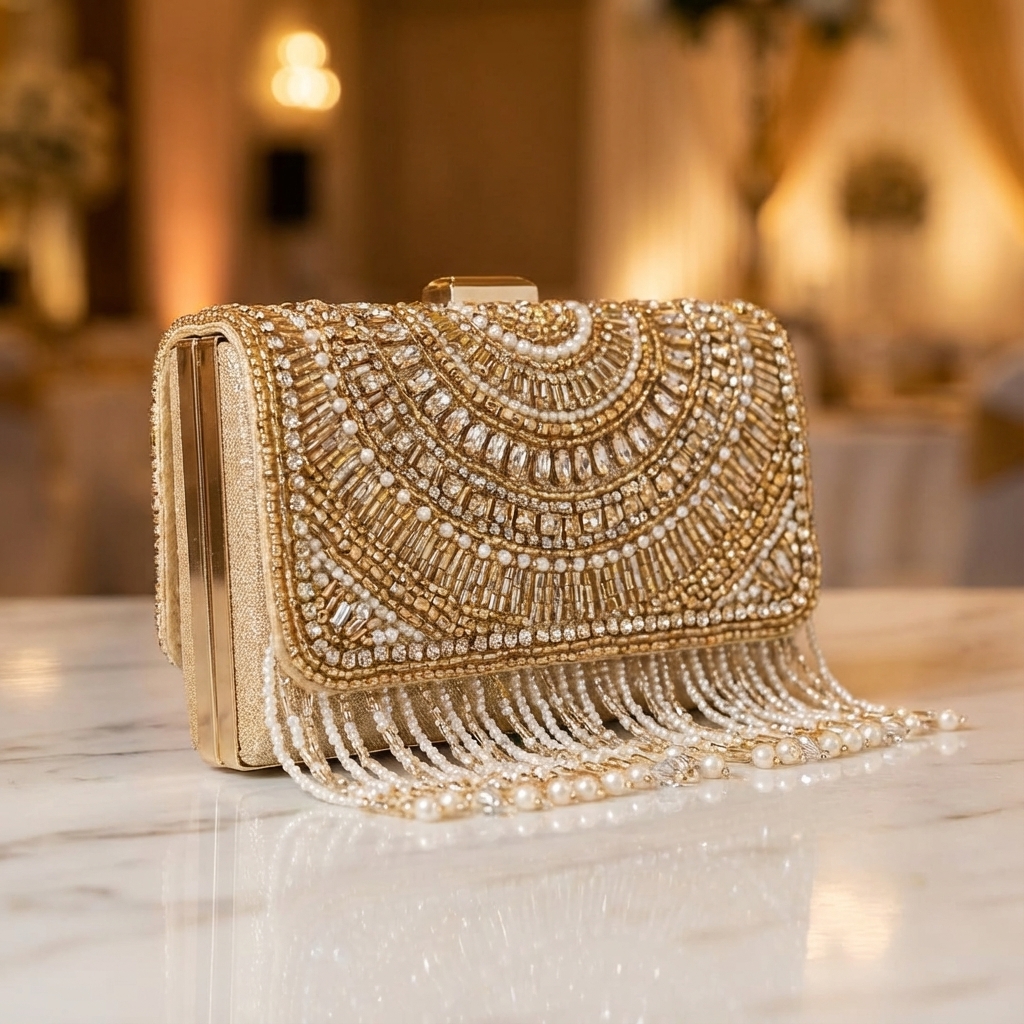 TikTok Views
—
Trend InterestCloser to 50 = very trending20
Avg PriceR$688
Suppliers17
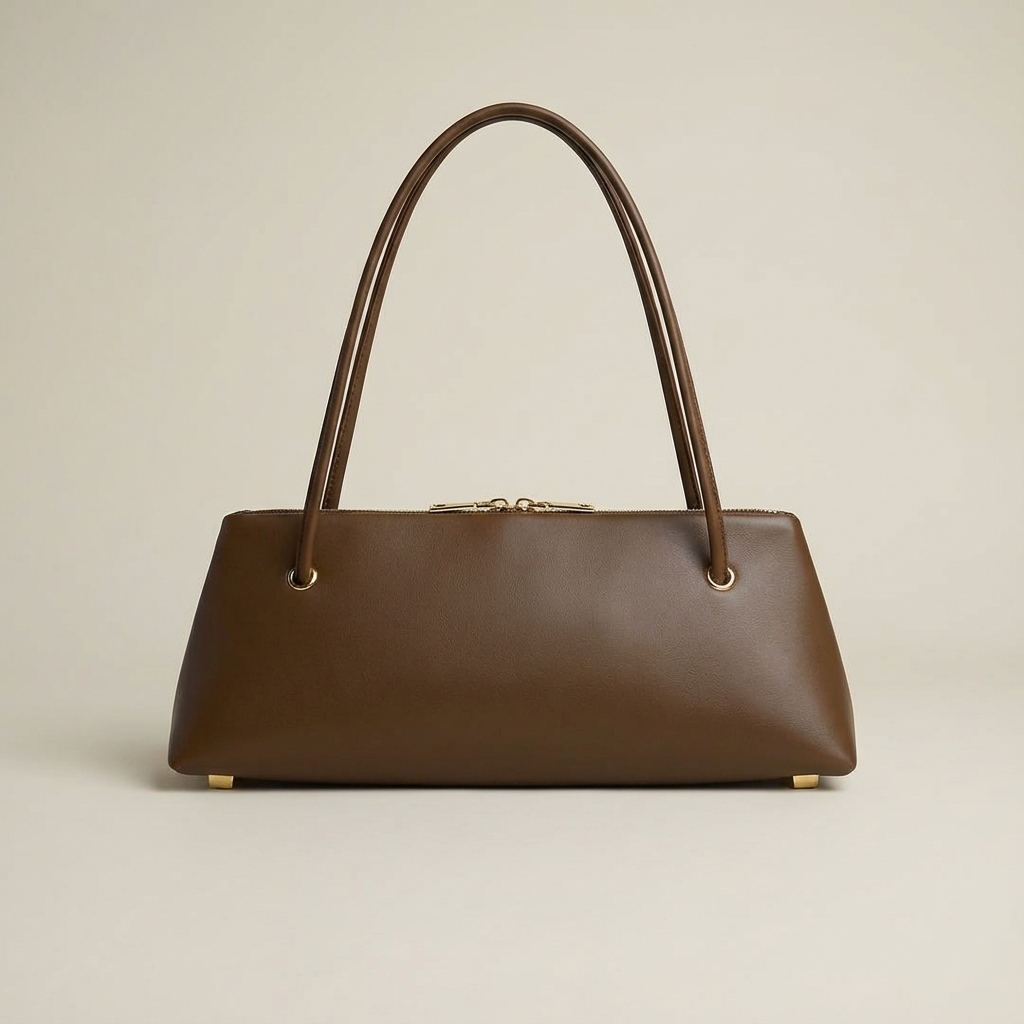 TikTok Views
17.8K
Trend InterestCloser to 50 = very trending13
Avg PriceR$254
Suppliers16
 TikTok Views
16.2K
Trend InterestCloser to 50 = very trending28
Avg PriceR$539
Suppliers17
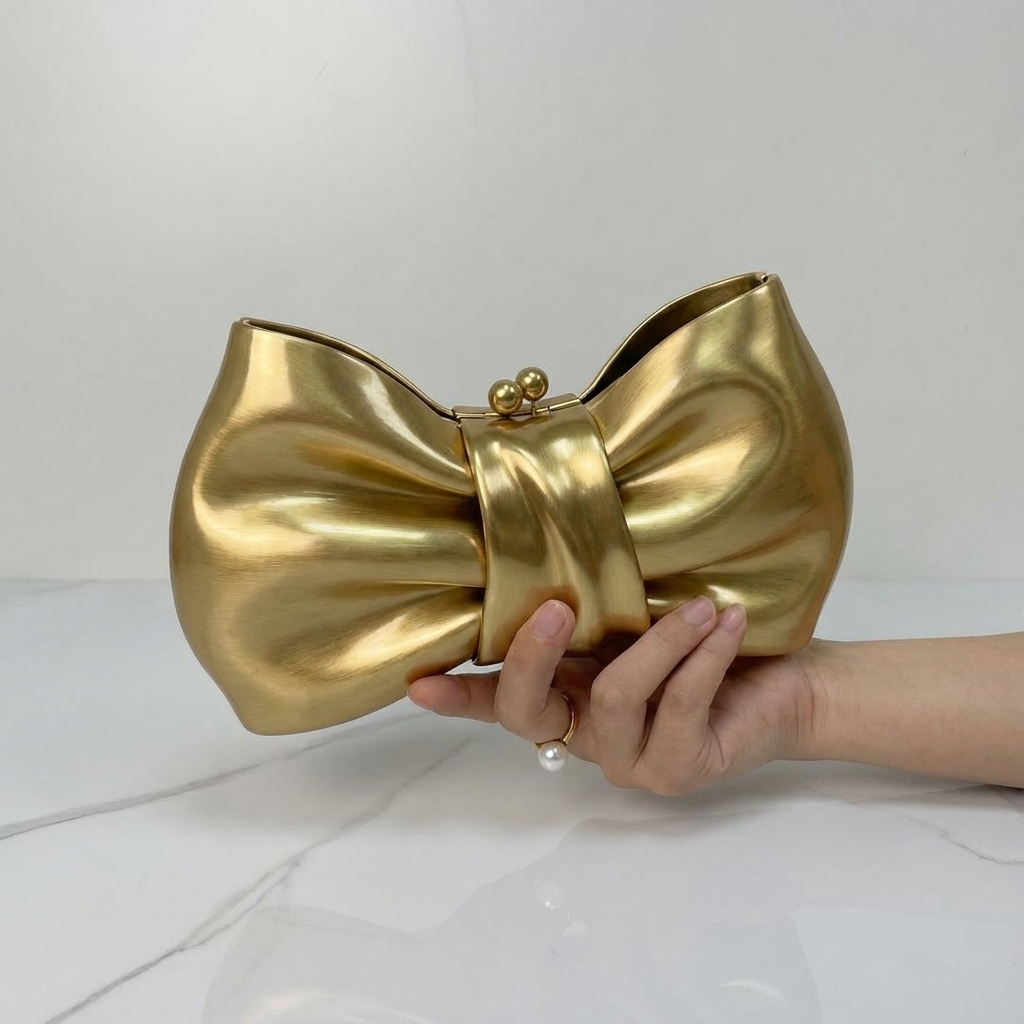
In the upcoming seasons in the Philippines, the clutch bag market will see a dynamic interplay between glamorous, event-ready designs and a conscious shift towards sustainability and local craftsmanship. For evening and formal occasions, embellished and metallic clutches remain a staple, with intricate beadwork, sequins, and even mother-of-pearl adding a touch of luxury. Structured box clutches and elegant envelope styles are particularly popular for these events. Simultaneously, a strong trend towards supporting local artisans and sustainable fashion is driving the popularity of clutches made from indigenous materials like abaca, tikog, and buntal, often featuring modern interpretations of traditional weaving techniques. This movement also includes the rise of eco-friendly materials such as washable paper and vegan leather. Looking ahead to 2026, the clutch is being redefined as a versatile accessory, suitable for both day and night, with slouchy, oversized, and minimalist designs gaining traction. The color palette will range from timeless and elegant shades like champagne gold, pearl white, and classic black to bolder hues of emerald green and midnight blue.
The Clutches category in the Philippine market presents a significant and versatile opportunity for brands, encompassing a wide array of styles that cater to diverse consumer needs—from everyday elegance to formal event wear. Key trends driving this category include the natural, bohemian aesthetic of Artisanal Weaves, the eco-conscious appeal of Sustainable Materials, the 'affordable luxury' of Embellished Evening Clutches, the sleek functionality of Modern Minimalist designs, and the high-fashion statement of Sculptural Shapes. Success in sourcing clutch handbags wholesale hinges on moving beyond generic offerings and addressing common market failures. Materials range widely, from cost-effective natural fibers like pandan and straw to premium options like tightly woven rattan, abaca, and high-grade vegan leather. Hard-case clutches using acrylic are also a prominent trend. To capture the market, brands should focus on value-added features such as detachable straps for versatility, spacious interiors designed to fit large smartphones, and high-quality, tarnish-resistant hardware. By partnering with reliable clutch manufacturers and implementing strict quality control, brands can deliver superior products that build customer trust and secure a loyal following.
The market data and sourcing advantages that make this trend worth pursuing.
Typical range
$5.35–$25.99
Typical range
$27.46–$60.00
132K views • 9% engagement
Strong organic resonance
53 suppliers
MOQ flexibility & scale options
High-margin candidate for boutique retail.
Premium Suede Backpack
High-margin candidate for boutique retail.
Top-selling entry-level SKU on Amazon.
Supplier Examples
Supplier 1
MOQ 100 • 5+ yrs
Supplier 2
MOQ 100 • 5+ yrs
Supplier 3
MOQ 100 • 5+ yrs
Supplier 4
MOQ 100 • 5+ yrs
Supplier 5
MOQ 100 • 5+ yrs
Add or customize product features and we'll match you with verified suppliers.
Feature Matching
Find suppliers with matching capabilities
Quote Comparison
Compare pricing and lead times
Sampling & Production
Request samples and begin production
Minimum order quantities vary by supplier tier and product complexity. Value segment suppliers typically require 500-1,000 pieces per style/color, while premium manufacturers may accept 200-300 pieces for higher-value orders. Customization options like private labeling often increase MOQ requirements.
Common materials include cotton, polyester, modal, bamboo viscose, and various blends. Performance variants often incorporate spandex/elastane for stretch, while premium options may use pima cotton or Tencel. Material choice significantly impacts both FOB pricing and end-consumer appeal.
Request product samples before bulk orders, verify supplier certifications (ISO, BSCI, OEKO-TEX), check factory audit reports, and review trade history on B2B platforms. Our verified supplier ratings consider response rates, dispute history, and quality scores from verified transactions.
Standard production lead times range from 25-45 days depending on order complexity and supplier capacity. Rush orders may be possible at premium rates. Add 15-30 days for sea freight shipping to US ports, or 5-7 days for air freight on urgent orders.