 Social Views
8.8M
 Trend InterestCloser to 50 = very trending
56
 Avg Price
R$66
 Suppliers
19
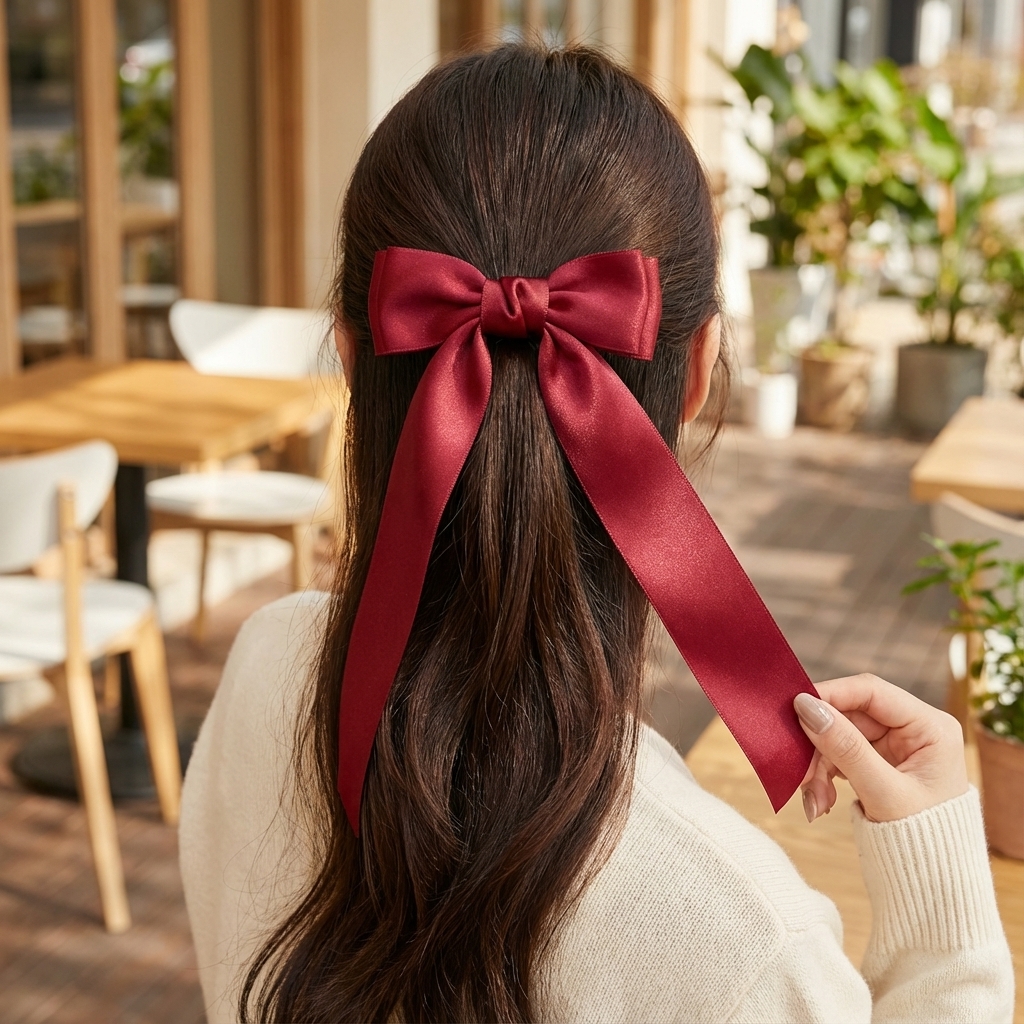 TikTok Views
1.6M
Trend InterestCloser to 50 = very trending5
Avg PriceR$38
Suppliers19
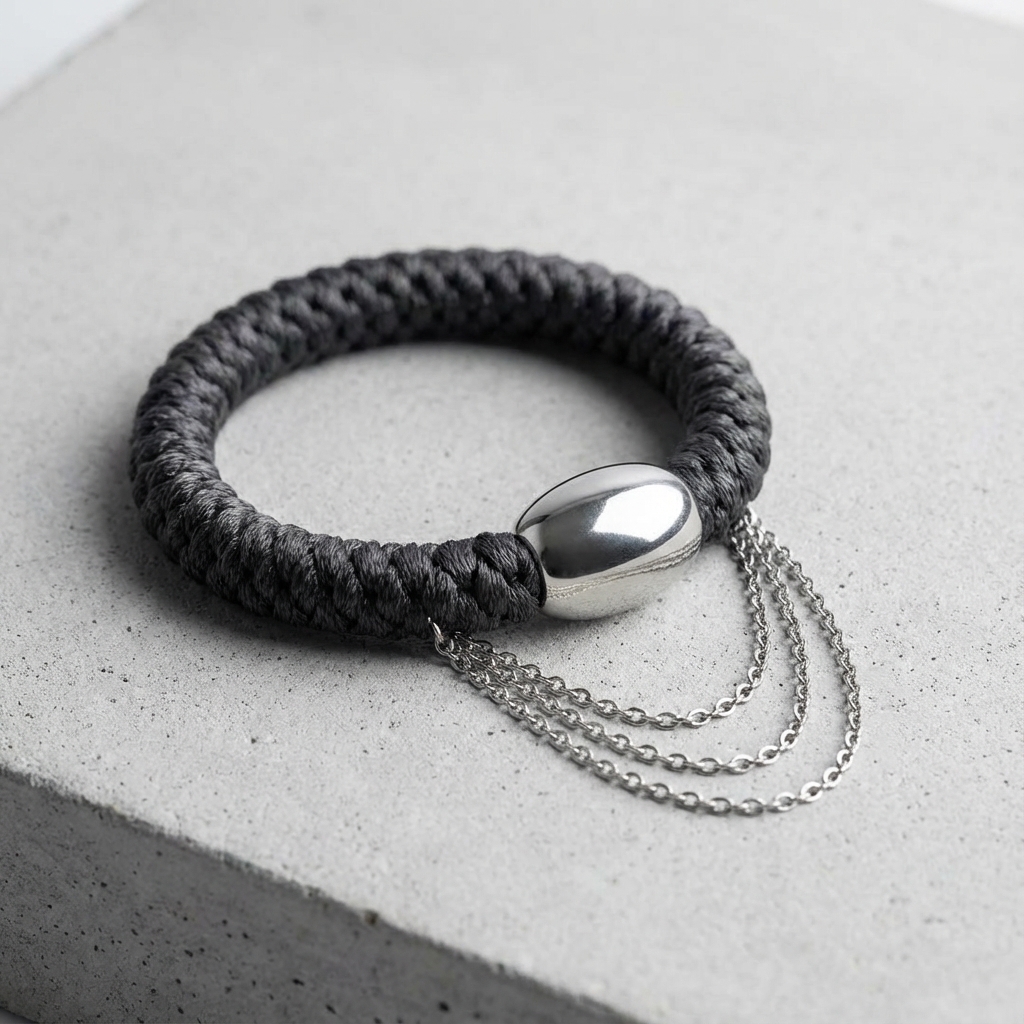 TikTok Views
—
Trend InterestCloser to 50 = very trending32
Avg PriceR$48
Suppliers14
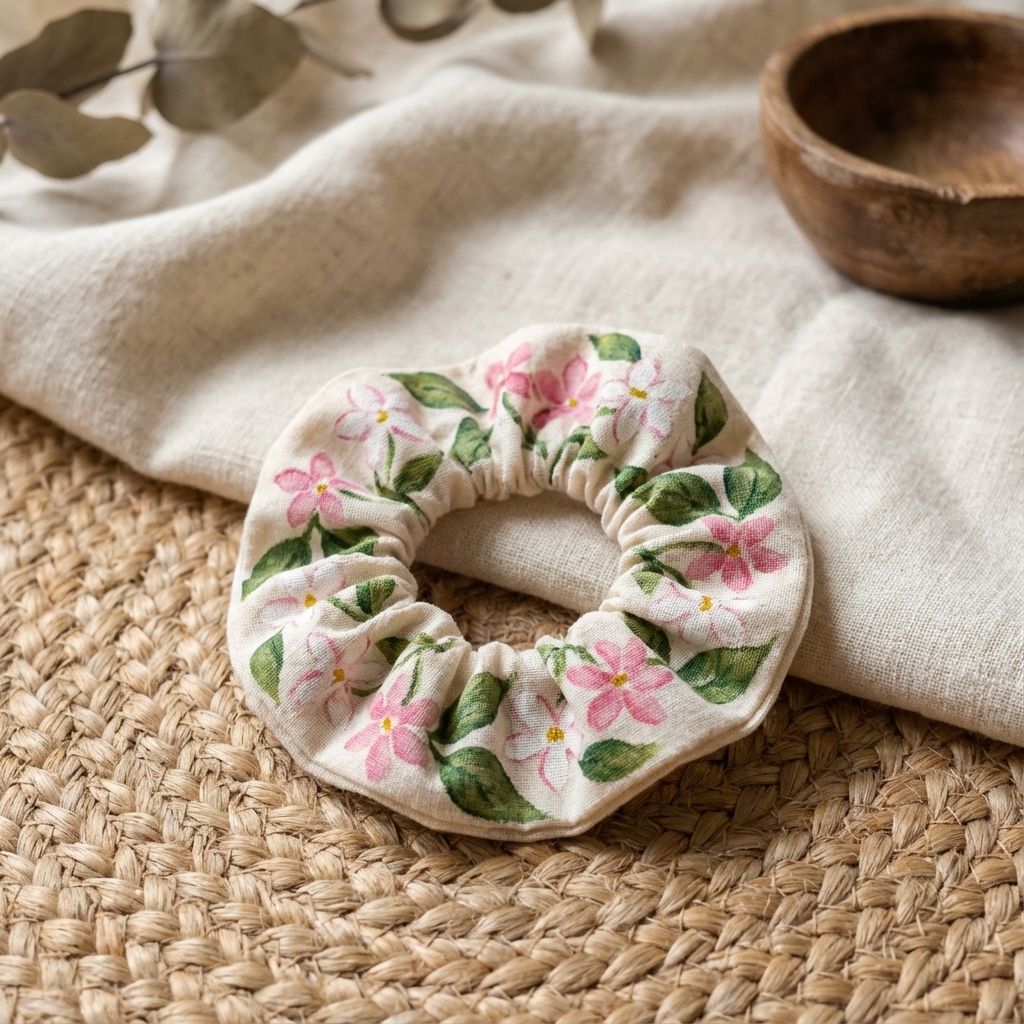 TikTok Views
—
Trend InterestCloser to 50 = very trending6
Avg PriceR$42
Suppliers9
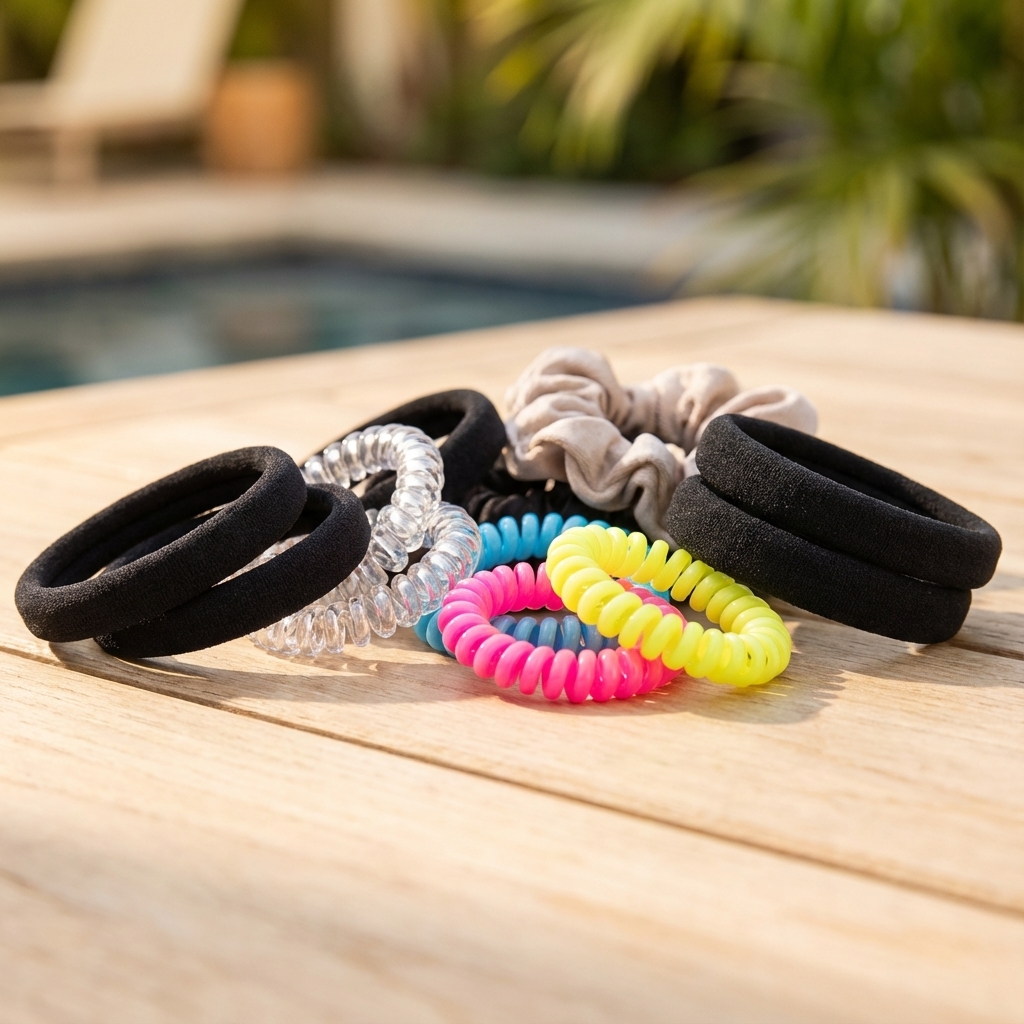 TikTok Views
—
Trend InterestCloser to 50 = very trending34
 Avg Price
—
Suppliers—
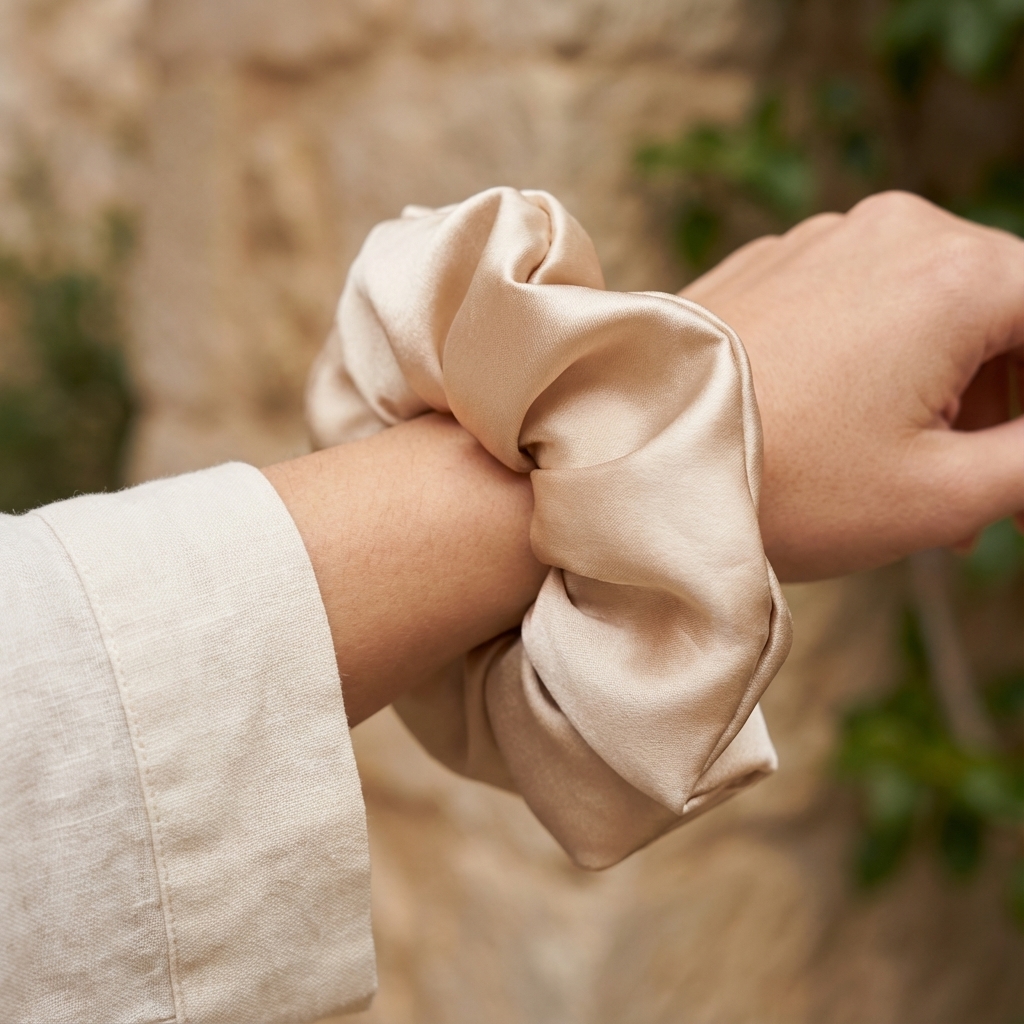
As the Philippines moves into 2026, the hair tie market is embracing a blend of practicality, nostalgia, and personal expression. Driven by the tropical climate and a strong influence from Korean and Y2K fashion, consumers are seeking hair accessories that are not only functional but also serve as a statement piece. This reflects a broader desire for accessories that can adapt to various needs, from managing hair in the heat to making a distinct style statement that aligns with global trends. The demand for basic, high-elasticity hair bands remains strong for everyday use, with multi-color packs being particularly popular on e-commerce platforms. Alongside these staples, there is a significant trend towards decorative and stylish options. Scrunchies, in a variety of fabrics like satin, velvet, and plush, continue their reign, valued for being gentle on the hair and adding a fashionable touch to any outfit. The influence of Gen Z is palpable, with a surge in demand for accessories that align with global youth trends, including Korean-inspired ribbons and bows and Y2K aesthetics. Beyond aesthetics and functionality, a growing consciousness around sustainability is paving the way for eco-friendly and locally made hair ties. This trend sees a rise in products that utilize natural and indigenous materials, reflecting a consumer desire to support local artisans and make environmentally responsible choices. This movement towards conscious consumerism indicates that the story behind a product, its materials, and its cultural significance are becoming just as important as its appearance and performance.
The hair ties category in the Philippines is experiencing a major transformation, moving beyond simple elastics to become a key fashion statement. This evolution presents a significant opportunity for brands to capture diverse consumer segments. The market is driven by several powerful trends, including the elevation of classic scrunchies with premium materials like silk and velvet, and the widespread adoption of Korean-inspired aesthetics, such as elegant ribbon ties and minimalist metallic hair jewelry. Simultaneously, there's a growing demand for both sustainable, handcrafted options made from upcycled fabrics and high-performance sport ties designed for durability and comfort. Across these trends, a clear dual-market strategy emerges: a value segment focused on stylish, multi-piece sets perfect for sourcing hair ties in bulk, and a premium segment emphasizing superior materials, intricate craftsmanship, and sophisticated packaging. Brands that act quickly to source products aligned with these trends can establish a strong foothold in this lucrative market.
The market data and sourcing advantages that make this trend worth pursuing.
Typical range
$5.35–$25.99
Typical range
$27.46–$60.00
132K views • 9% engagement
Strong organic resonance
53 suppliers
MOQ flexibility & scale options
High-margin candidate for boutique retail.
Premium Suede Backpack
High-margin candidate for boutique retail.
Top-selling entry-level SKU on Amazon.
Supplier Examples
Supplier 1
MOQ 100 • 5+ yrs
Supplier 2
MOQ 100 • 5+ yrs
Supplier 3
MOQ 100 • 5+ yrs
Supplier 4
MOQ 100 • 5+ yrs
Supplier 5
MOQ 100 • 5+ yrs
Add or customize product features and we'll match you with verified suppliers.
Feature Matching
Find suppliers with matching capabilities
Quote Comparison
Compare pricing and lead times
Sampling & Production
Request samples and begin production
Minimum order quantities vary by supplier tier and product complexity. Value segment suppliers typically require 500-1,000 pieces per style/color, while premium manufacturers may accept 200-300 pieces for higher-value orders. Customization options like private labeling often increase MOQ requirements.
Common materials include cotton, polyester, modal, bamboo viscose, and various blends. Performance variants often incorporate spandex/elastane for stretch, while premium options may use pima cotton or Tencel. Material choice significantly impacts both FOB pricing and end-consumer appeal.
Request product samples before bulk orders, verify supplier certifications (ISO, BSCI, OEKO-TEX), check factory audit reports, and review trade history on B2B platforms. Our verified supplier ratings consider response rates, dispute history, and quality scores from verified transactions.
Standard production lead times range from 25-45 days depending on order complexity and supplier capacity. Rush orders may be possible at premium rates. Add 15-30 days for sea freight shipping to US ports, or 5-7 days for air freight on urgent orders.