
Choosing between private label, OEM, white label and ODM is not a textbook question. It depends heavily on what kind of business you are building, which market you are selling into and how different you want your products to be from everything else out there.
A small brand testing ideas on Shopify or TikTok Shop will not need the same level of customization as a retailer negotiating long term contracts with bulk suppliers and b2b wholesalers. Someone searching "how to find manufacturer for my product" or "how to find wholesalers for resellers" is often in a very different place from a team already comparing china private label manufacturers, Vietnam product sourcing options and USA wholesale suppliers.
Maybe you are starting a jewelry label and looking at bracelet trends 2025, asking yourself if you should use an ODM catalogue for trendy bracelets 2025 or invest in a custom chain bracelet design just for your brand. Maybe you run a growing DTC business and you are exploring private label oem products in skincare or lunch containers, and you keep seeing the terms oem vs private label, oem vs white label and odm oem customized cooperation on every sourcing site.
The short answer is this: there is no one right model. Private label or OEM, white label or ODM, each comes with trade offs in speed, margin, control and risk. The right choice for you depends on how fast you need to launch, how unique you want your product to be, and how ready you are to work closely with a product manufacturer instead of simply picking from a product catalogue.
In this guide, we will break down the differences in simple language and tie them back to real decisions: how to find manufacturers for your product, how to choose between an oem odm solution and a white label oem offer, and how platforms like Sourcy and Sourcy.ai help with manufacturer sourcing and b2b product sourcing for brands that want to scale.
First, the simple definitions
Let us start with what each word actually means.
What is private label?
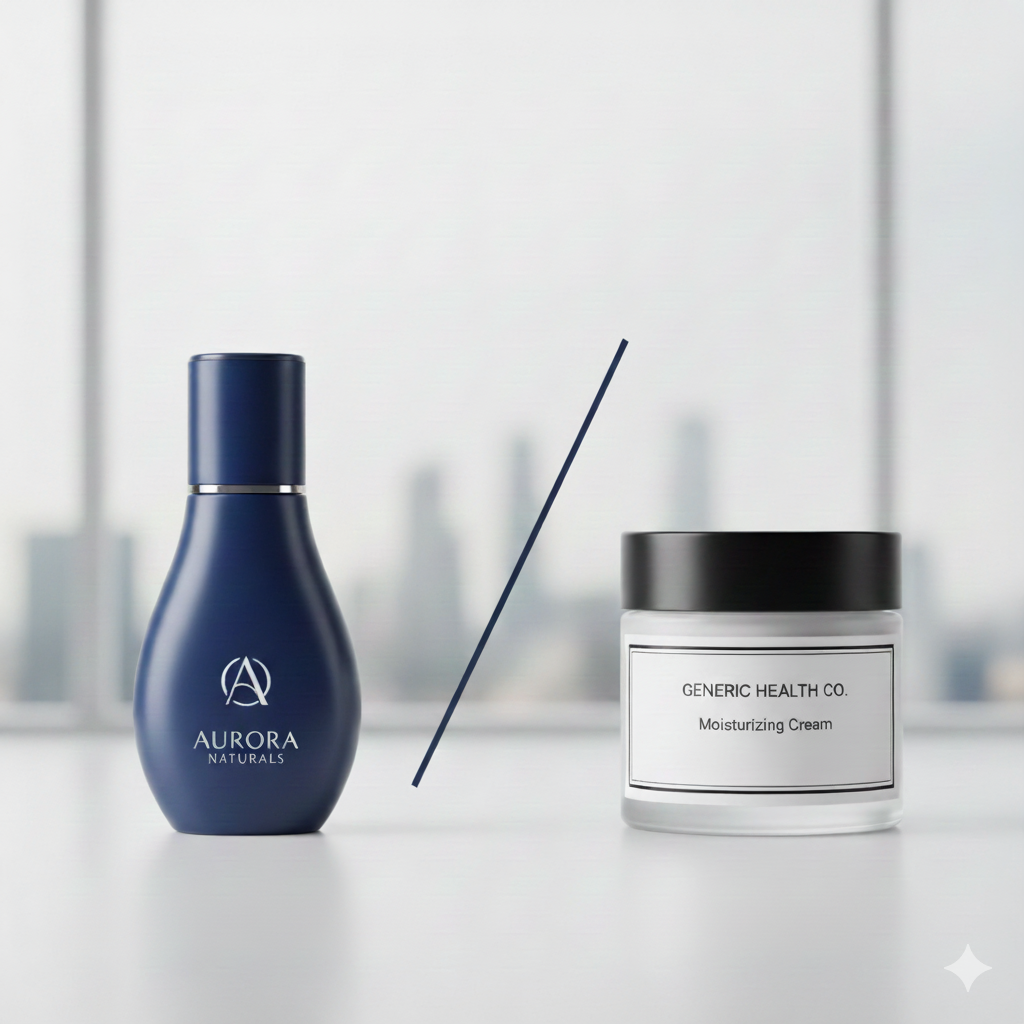
Private label means the product is made for your brand, with your logo and packaging, even if the manufacturer starts from a base formula or design. The product is produced under your brand only, and you usually have some say over ingredients, materials, colors or finishes.
Think of a private label skincare line, a private label lunch box line, or a line of bracelets for women 2025. The factory might have a base moisturizer, a standard plastic container mold or a classic bracelet design, but you decide the fragrance, metal finish, colorways and branding.
When people say oem private label or ask "what does oem private label mean", they are often talking about this kind of setup. You own the brand and customer relationship. The factory owns the machines, technical know how and part of the manufacturing source.
What is white label?
White label is one step more generic.
The factory creates a fully finished product that is ready to sell. Multiple brands can buy that same product, put their logo on it and change the packaging, but they are not changing the core of the product itself.
You see this a lot in:
- Basic accessories
- Simple cosmetics or body makeup setting spray
- Everyday items like tupperware boxes for lunch, lunch box containers or character lunch containers
If you Google white label products, white label manufacturing companies, white label factory or white label services, you are usually in this space.
You might also see the phrases oem white label or white label oem. In practice that usually means "we have a finished product and we can put your label on it". The focus is speed and simplicity, not deep customization.
What is OEM?
OEM stands for Original Equipment Manufacturer.
In consumer products, fashion and beauty, OEM usually means you bring the concept and the factory makes it for you to your specifications. You might share:
- A tech pack for apparel
- CAD drawings for a new model bracelet or lunch box
- A formula brief for oem skincare products
The factory then develops and produces what you ask for. This can include custom bracelet design for women, unique jar shapes in packaging, specific chain bracelet thicknesses or even custom lunch containers for adults with special separators.
A lot of founders who ask "how to find a manufacturer for my product" or "how to find a factory to manufacture your product" are really looking for an OEM partner, even if they do not use the word.
OEM is powerful because it gives more control and differentiation, but it often comes with:
- Higher minimum order quantities
- Development costs, such as molds or tooling
- More work around testing, compliance and sourcing logistics services
What is ODM?
ODM stands for Original Design Manufacturer.
With ODM, the factory designs the product first, then offers it to brands. You can usually:
- Take the design as is and put your brand on it
- Request light changes such as colors, finishes or simple features
- Sometimes buy exclusivity for a region or channel
This is why you will see terms such as odm meaning, odm original, odm product and original design manufacturer on sourcing sites and sourcing agent websites.
Examples:
- A jewelry factory that creates a full lineup of trendy bracelets 2025, cuff bracelet styles, stacked bracelets trend pieces and chain bracelet for women designs, and you choose which ones to sell under your brand name
- A lunch box manufacturer with a best selling cute lunch box or adult lunch box model, where you can just change the color and brand
In practice, many offers blend these ideas together, which is why you often see oem/odm, oem&odm, oem odm manufacturing or oem odm solution listed in one line.
How these terms work together in the real world
A typical factory profile on a global sourcing platform will say something like:
- OEM/ODM services available
- oem odm customized cooperation
- oem and private label solutions
What they really mean is:
"We have our own designs (ODM) you can private label or white label, and we can also develop products just for you (OEM)."
So when you are browsing china private label manufacturers, vietnam supplier sourcing pages or Indonesia sourcing agent brochures, you are not just picking a word. You are choosing how deeply you want to be involved in product development and how easy it will be for others to copy what you sell.
Private label and OEM: when you want control and differentiation
If you care about building a brand that feels distinct and can survive long term, private label and OEM are usually the best tools.
You see this with:
- Beauty brands that care about ingredients and are working with oem/odm cosmetics manufacturers or private label skincare manufacturers
- Jewelry labels that want to stand out within bracelet trends 2025 and popular bracelets 2025 instead of selling whatever trendy bracelets 2025 are in every catalogue
- Lifestyle brands that want their own look and feel in lunch box trends 2025 or reusable containers and do not want to rely on generic lunch box online Amazon listings
With OEM private label and private label oem/odm:
- You can tune materials, finishes and formula to match your brand story
- You can aim for better retention and loyalty because the product really feels like yours
- You can align more tightly with sustainability sourcing strategies, sourcing from Indonesia or sourcing in Vietnam with specific sustainable material sourcing strategies
The trade offs are real:
- Development takes time. Sampling, revisions and tests will stretch your calendar.
- Factories may require larger volumes, especially for custom tooling.
- You hold more responsibility for compliance, testing and quality in your oem procurement strategy.
If your plan is serious scaling brands, owning your category and building a strong private label platform, OEM and private label sourcing usually pay off in the long run.
White label and ODM: when you want speed and simplicity
There are many scenarios where white label or ODM is smarter, especially in the early stages.
Maybe you are:
- Just starting a B2B wholesale business and want to test categories before committing
- Setting up a shopify B2B wholesale store and need a wide product catalogue from b2b wholesale distributors
- Trying to ride fast trends in trending bracelets 2025, latest bracelet trends and trendy necklaces 2025 without investing heavily in development
White label OEM and ODM original designs let you:
- Move fast with lower risk
- Order smaller quantities in some cases
- Focus your time on marketing and sales instead of detailed product development
For example, you could:
- Start with an ODM collection of bracelets in style 2025, like charm bracelet sets, chunky bracelets or women bracelet trends 2025, offered by a women bracelet manufacturer
- Watch which styles resonate with your audience
- Move winning styles into a more customized OEM version with better materials and exclusive finishes
White label and ODM also make sense if you are exploring new verticals alongside your core brand, like testing body makeup setting spray or lunch bags for women as a side category in your store.
How to choose: OEM/private label vs ODM/white label
The choice between OEM and ODM, private label and white label, is really about trade offs. One simple way to decide is to look at three angles: role of the product, volume and speed.
Role of the product
If the product should be a long term hero – something your brand becomes known for – then OEM and private label oem are usually worth the effort. Think of best bracelets for women 2025 or a signature moisturizer in beauty.
If the product is more of a test or a supporting SKU – perhaps a trendy bracelet 2025 style, a casual lunch container or a seasonal gift item – ODM or white label is often enough.
Volume and budget
If your volumes are small and you are still figuring out how to find manufacturers for your product, it can be smart to:
- Use ODM and white label for breadth and experimentation
- Reserve OEM for a few high conviction items or for cases where oem/odm manufacturing is available at low MOQs
As your b2b wholesale sales grow and your business to business wholesale operation stabilizes, you can shift more SKUs into OEM private label and more structured private label sourcing.
Speed vs uniqueness
If you are in a fast moving category like fashion accessories, where trends bracelets and top bracelet brands 2025 change quickly, ODM and white label let you stay responsive without overcommitting.
If your brand story is anchored in quality, sustainability sourcing, sustainable sourcing strategies and deeper product storytelling, more OEM and independent sourcing control over materials and factories is worth the slower start.
Where Sourcy fits in: finding the right OEM or ODM factory
Knowing what you want is one thing. Finding the right manufacturing source is another.
This is where many brands get stuck in search loops:
- Typing "how to find a manufacturer", "how to find manufacturer of a product" or "what is sourcing in business" into Google
- Clicking through dozens of sourcing company websites, product sourcing platforms and supplier discovery platform listings
- Messaging factories directly on marketplaces and hoping they are real, compliant and reliable
Sourcy, Sourcy global and Sourcy.ai are built to shorten that loop.
Instead of guessing, you can:
- Share what you want to launch, whether that is trending bracelets for women 2025, private label oem/odm cosmetics, lunch containers for adults or home and living items
- Let our ai sourcing agent, sourcing bot and ai supplier matching software match you with vetted factories in China, Indonesia, Vietnam and beyond
- Manage quotes, samples, orders and sourcing logistics services in one global sourcing platform, instead of juggling spreadsheets and long email threads
You still choose whether a given project is OEM, ODM, private label or white label. Sourcy simply makes manufacturer sourcing and b2b sourcing less risky and far more organized.
Examples: how brands combine OEM and ODM in practice
To make this less abstract, here are two simplified examples that mirror what we see with Sourcy b2b clients reviews and real brand journeys.
Example 1: jewelry brand building around bracelet trends 2025
A jewelry brand wants to capitalise on bracelet trends 2025 and trending bracelets 2025 fashion without becoming yet another copy of everyone else.
They use Sourcy as an international sourcing platform and do the following:
- Use ODM collections from women bracelet manufacturers to test affordable trending bracelets 2025, beaded bracelet trends 2025 and cute bracelets for women
- Once they see strong performance in certain styles – for example mixed metal chain bracelets inspired by luxury bracelets mixed metals brands – they move those lines into OEM. They adjust thickness, clasp design, plating quality and packaging through OEM customization, and lock key models as private label oem products for their brand only.
This way they mix speed (ODM) with differentiation (OEM).
Example 2: lifestyle brand entering lunch box and container market
A lifestyle brand focused on work and home products wants to enter the lunch box market and lunch container work categories.
They:
- Start with ODM and white label lunch box containers, lunch bags for women and lunch containers for adults to understand what sizes, shapes and features resonate (handles, stackable, leak proof etc).
- After a few months, they identify a hero configuration that customers keep reordering. At that point, they work with an OEM factory sourced through Sourcy's manufacturer sourcing network in Vietnam and Indonesia to create a custom version, with materials that support sustainable sourcing practices, better insulation and more premium branding.
Again, ODM gives learning and speed. OEM gives brand equity and margin.
How to move forward from here
If you are somewhere between "I know I need better sourcing" and "I am confused by oem vs odm vs private label vs white label", here is a simple path:
- Pick a single category that matters. It could be bracelets for women 2025, lunch containers, skincare, homeware or something else.
- Decide if this product is a hero, a test or a supporting SKU.
- Choose the model that matches that role:
- Hero: OEM or private label
- Test: ODM or white label
- Support: flexible mix, depending on margin and complexity
- Avoid doing manufacturer sourcing alone. Use a sourcing agent, a sourcing agent in Vietnam or Indonesia, or a product sourcing platform like Sourcy to help you find manufacturers for your product and to handle complexity around tariffs, low-tariff country sourcing and sustainable sourcing capability.
Over time, the most resilient brands build a portfolio that blends:
- OEM and private label for their signature offers
- ODM and white label for testing and seasonal trends
- A clear supply chain sourcing strategy that balances cost, quality, sustainability and speed
If you want to see how that could look with a real project and a real factory, you can always bring one product idea into Sourcy, use our ai sourcing services and global sourcing agent layer to find the manufacturer, and compare it with how you do things today.
That tends to be the moment where the difference between OEM, ODM, private label and white label stops being theory and starts feeling like a practical toolset to grow your brand.