
Air Purifier · US
High-Efficiency Hepa Air Purifier
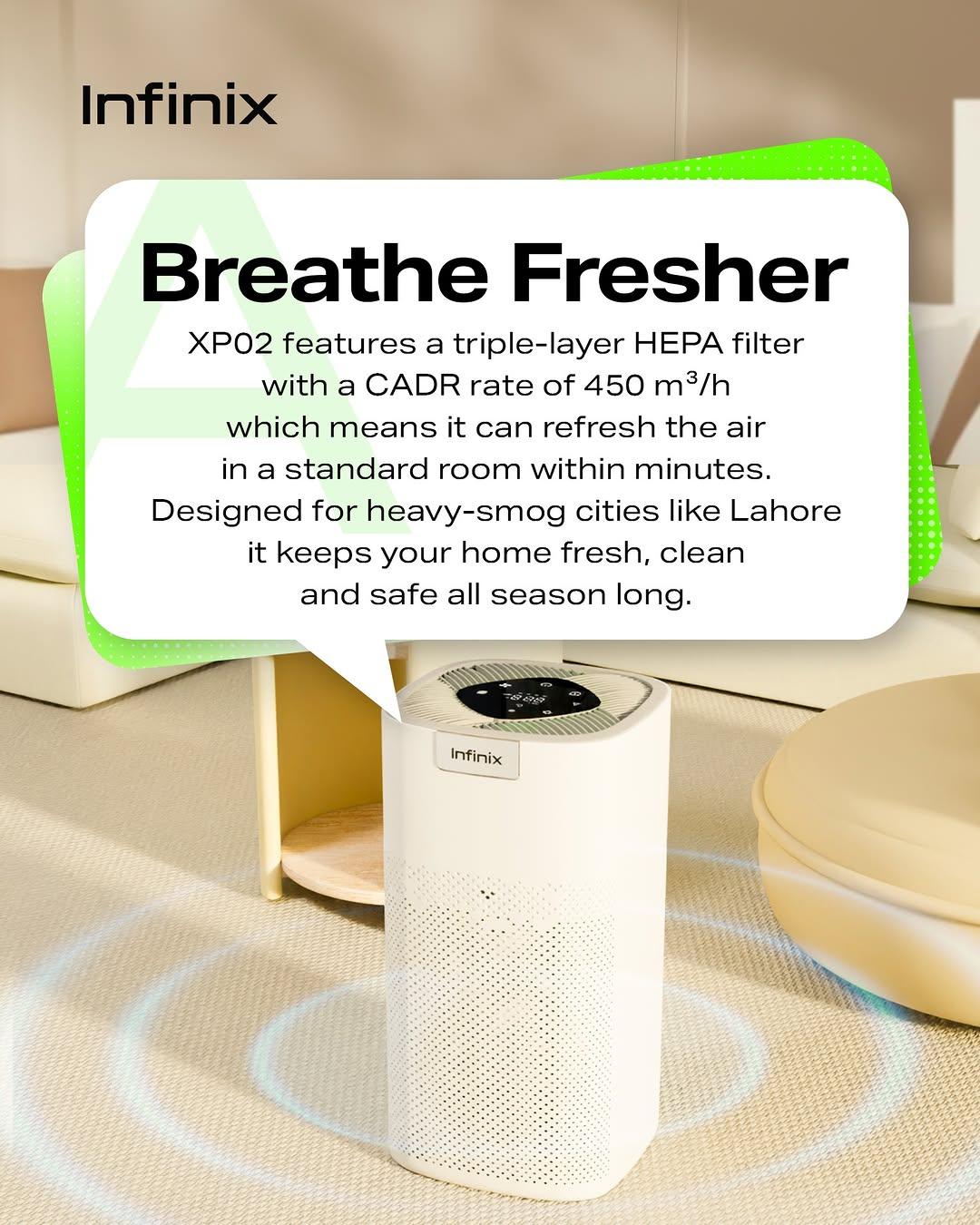
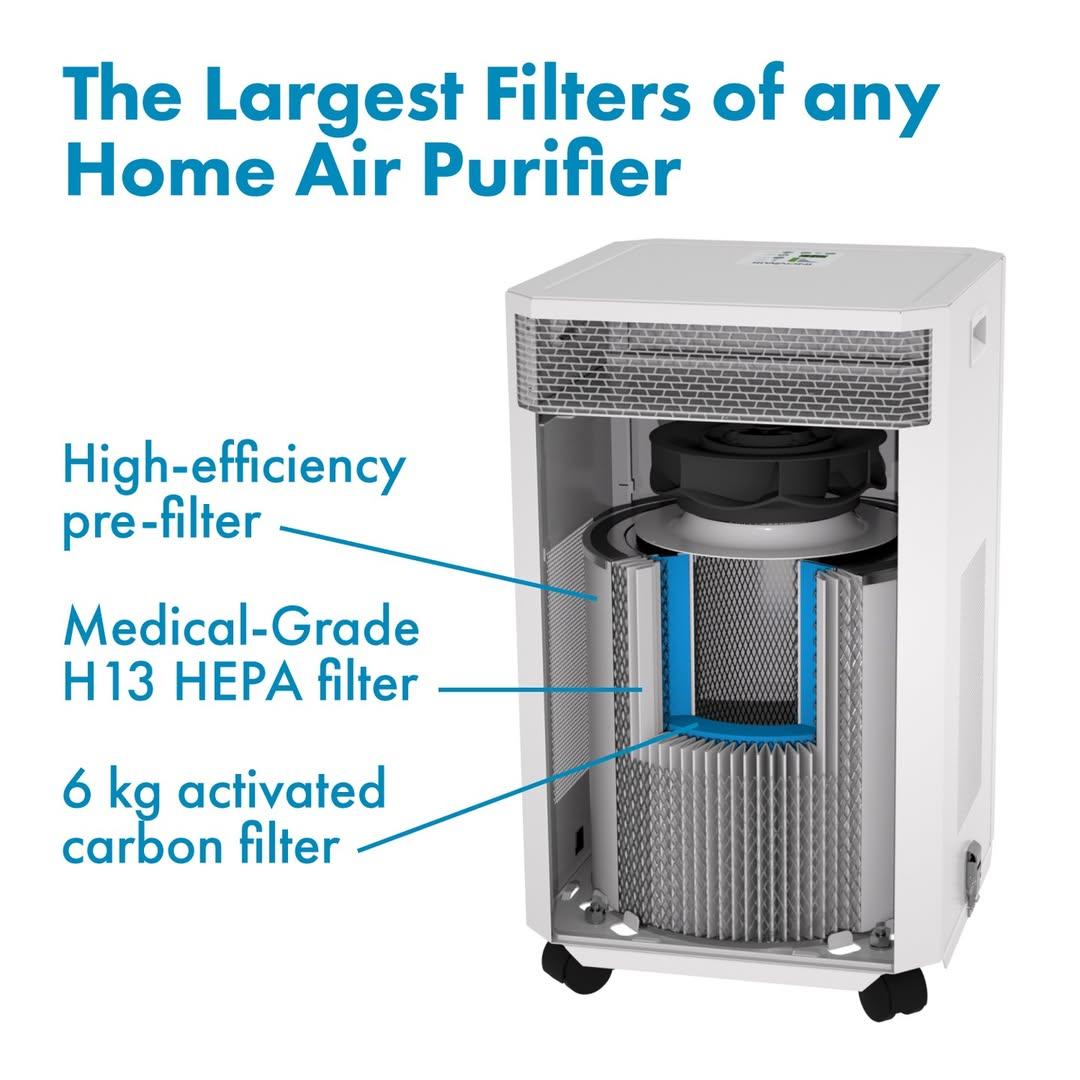
- The core of these purifiers is a High-Efficiency Particulate Air (HEPA) filter, which is certified to remove at least 99.97% of airborne particles as small as 0.3 microns. - This technology is highly effective against a broad spectrum of pollutants, including dust, pollen, smoke, bacteria, and viruses. - Advanced models may feature "HyperHEPA" filters, capable of trapping even smaller ultrafine particles down to 0.003 microns. - These units are often combined with other filters, such as activated carbon, to also address gases, VOCs, and odors.
Trend signal
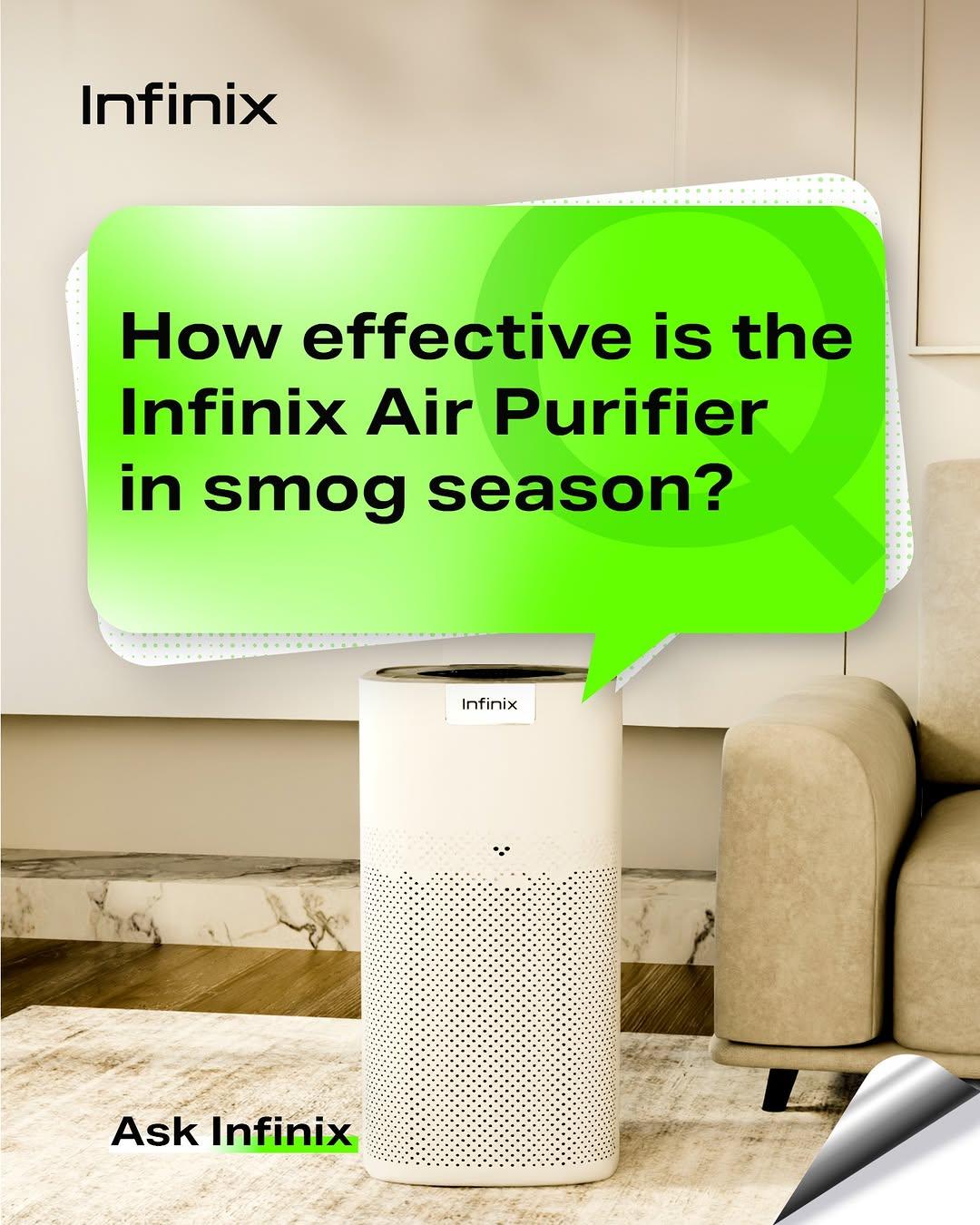
The High-Efficiency HEPA Air Purifier trend is demonstrating breakout market demand, with a single video reaching over 6.9 million views and garnering 118,155 likes, significantly exceeding the creator's follower base and signaling broad consumer interest driven by health concerns and accessible technology.
Observed price range
USD 45.33–854.44
Brands in this theme
Levoit, Blueair, Dyson
Why it is trending
- HEPA filtration is recognized as the gold standard for air purification, recommended by health organizations and trusted by consumers for its proven effectiveness. - Increasing concerns over fine particulate matter (PM2.5) from sources like wildfire smoke and urban pollution are driving demand for high-performance filtration. - Stricter air quality standards and a greater focus on health in commercial and healthcare settings are reinforcing the importance of HEPA technology. - The technology is becoming more accessible, with many effective and affordable HEPA models available on the market.