
Consumer Goods · US
Keyboards trends
The US keyboard market in 2026 is defined by a deep push towards personalization, enhanced performance, and user comfort, moving far beyond the basic input device. A major trend is the rise of the custom mechanical keyboard, with enthusiasts and mainstream users alike demanding hot-swappable switches to easily tailor their typing feel without soldering. This is complemented by a booming market for custom keycaps made from durable PBT plastic, available in various profiles and aesthetics from minimalist to retro. For gamers, high-performance gaming keyboards are now standard, featuring ultra-fast magnetic (Hall Effect) or optical switches with adjustable actuation points and rapid trigger technology for a competitive edge. Concurrently, there is a significant shift towards ergonomic keyboards, with split and curved designs becoming more mainstream to reduce strain during long hours of use. Compact layouts like 75% and 65% are also gaining popularity for their desk space-saving advantages and minimalist appeal. The acoustic experience is another key focus, with a high demand for quieter keyboards that utilize gasket mounts and sound-dampening foam to achieve a satisfying, deep "thocky" sound instead of loud clicks. Finally, tri-mode wireless keyboards (offering Bluetooth, 2.4GHz, and wired USB-C connections) are becoming the new standard, providing seamless switching between multiple devices for ultimate convenience in hybrid work and gaming setups.
Themes
5
Market
US
Trend observations
53
US
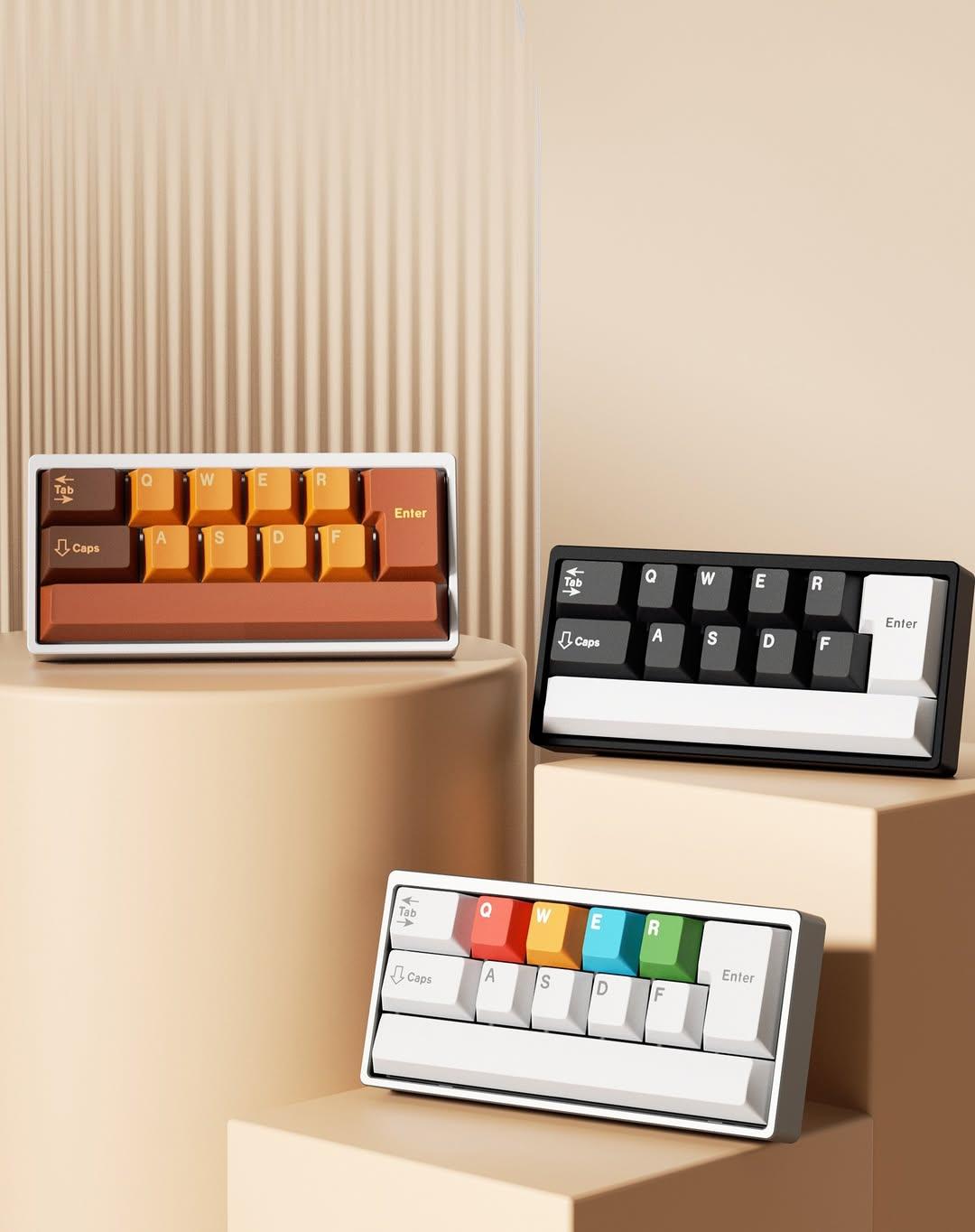
Custom Mechanical Keyboards
- These keyboards allow users to change switches without soldering, thanks to hot-swappable PCBs. - Users can personalize aesthetics with a wide variety of custom keycaps, available in materials like PBT and ABS. - The trend includes customizing the sound and feel, with many users lubing their own switches and adding foam to achieve a specific acoustic profile. - Advanced customization extends to programmable RGB lighting on a per-key basis.
Explore →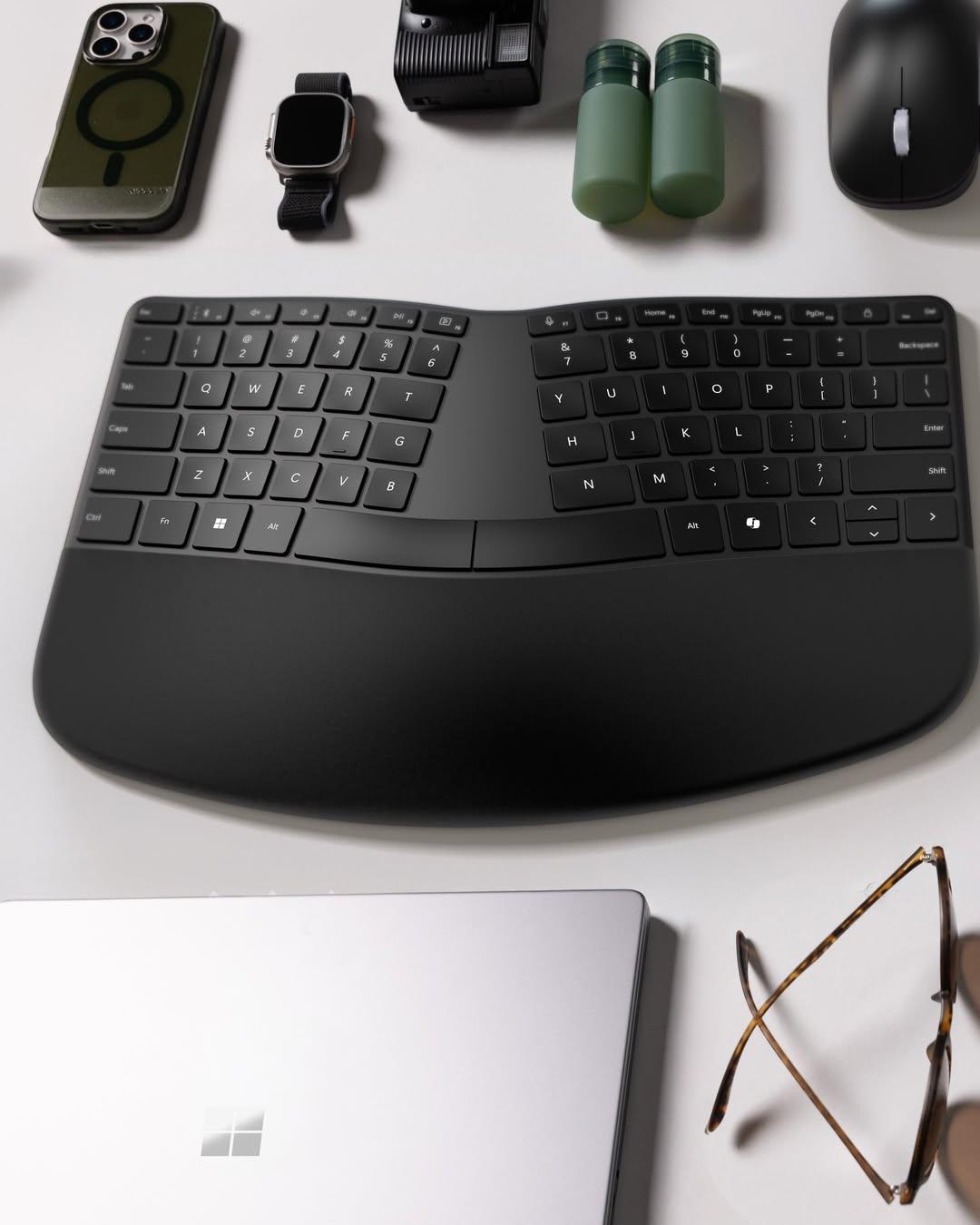
US
Ergonomic & Compact Keyboards
- This category includes split keyboards, which divide the layout to align with natural hand and shoulder posture. - Curved and "tented" designs reduce wrist pronation and strain during long typing sessions. - Compact layouts such as 60%, 65%, and 75% are popular for saving desk space and promoting closer mouse placement. - Many ergonomic models now incorporate mechanical switches for a better typing feel, combining comfort with performance.
Explore →
US
High-Performance Gaming Keyboards
- These keyboards utilize magnetic (Hall Effect) or optical switches for faster and more reliable actuation. - They feature adjustable actuation points and rapid trigger functions, allowing for near-instant key resets. - An 8000Hz polling rate is becoming a key feature, ensuring minimal input latency for competitive gaming. - Built with durable materials like aluminum top plates and double-shot PBT keycaps to withstand intense gaming sessions.
Explore →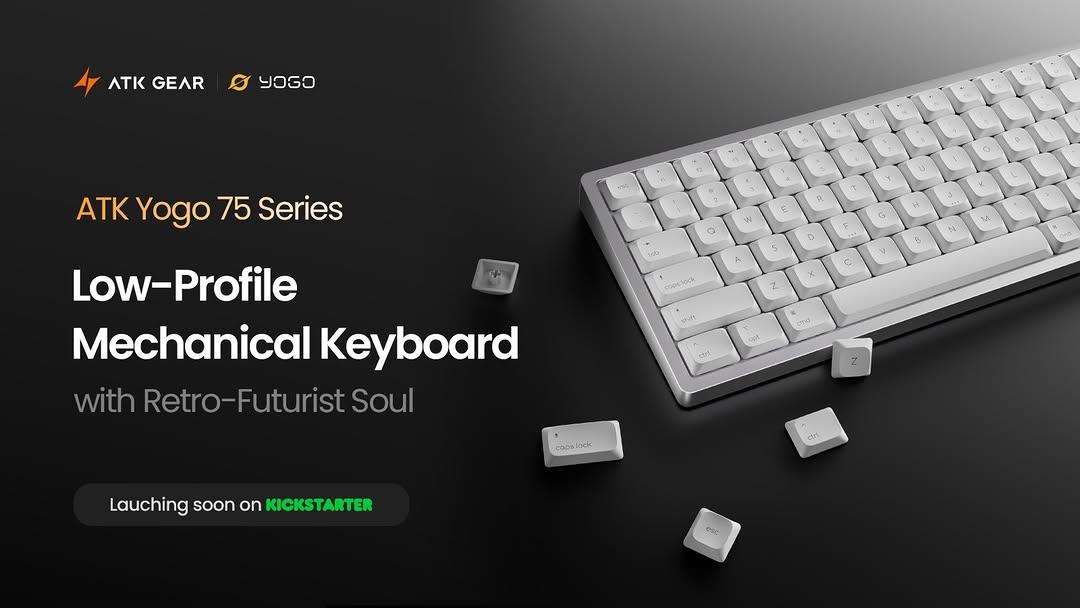
US
Quiet & Low-Profile Keyboards
- These keyboards incorporate gasket-mounted designs and layers of sound-dampening foam to reduce typing noise. - They often come with factory-lubricated linear or silent switches for a smoother, quieter keystroke. - Low-profile models feature a slim chassis and shorter keycaps for a clean, modern aesthetic similar to a laptop keyboard. - The goal is to achieve a deep, satisfying "thock" sound rather than a high-pitched click, making them suitable for office environments.
Explore →
US
Wireless & Multi-Device Keyboards
- Tri-mode connectivity (2.4GHz wireless, Bluetooth, and USB-C) is now a standard feature, even on budget models. - These keyboards allow seamless switching between multiple devices like a laptop, tablet, and phone. - Low-latency 2.4GHz connections ensure a lag-free experience suitable for both productivity and gaming. - They offer a clean, cable-free desk setup and the portability needed for hybrid work.
Explore →