
Consumer Goods · US
Led Strip trends
In 2026, the US market for LED strips is undergoing a significant transformation, moving away from simple decorative lighting towards sophisticated, integrated solutions. The dominant trend is the seamless incorporation of lighting into a space's architecture, creating ambient and layered effects where the light source itself is hidden. This is coupled with a universal expectation for smart functionality; IoT-enabled strips controllable via smartphone apps and voice assistants like Alexa and Google Assistant are now the standard. This shift reflects a consumer desire for lighting that is not just functional but also intelligent, customizable, and integral to the overall design and atmosphere of a home. Technological advancements are key drivers of this evolution, particularly the rise of Chip-on-Board (COB) LED strips. COB technology is rapidly gaining favor for its ability to produce a continuous, dot-free line of light, delivering a premium, uniform aesthetic that is highly sought after for architectural applications like cove and under-cabinet lighting. Alongside this aesthetic refinement is a growing emphasis on wellness through human-centric lighting. Tunable white LED strips, which allow users to adjust color temperature to support their natural circadian rhythms, are becoming a mainstream feature, enabling environments that can be energizing during the day and relaxing at night. These trends are underpinned by a focus on sustainability and accessibility. Consumers and designers are prioritizing energy efficiency, seeking products with higher lumens per watt and eco-friendly, modular designs. The market is catering to a wide range of users, from architects and interior designers leveraging LED strips for high-end, "quiet luxury" projects to DIY enthusiasts using accessible, all-in-one kits for creative home upgrades. Ultimately, the LED strip has evolved into a versatile artistic and architectural tool, empowering users to create intentional, luxurious, and personalized lighting experiences.
Themes
5
Market
US
Trend observations
53
US
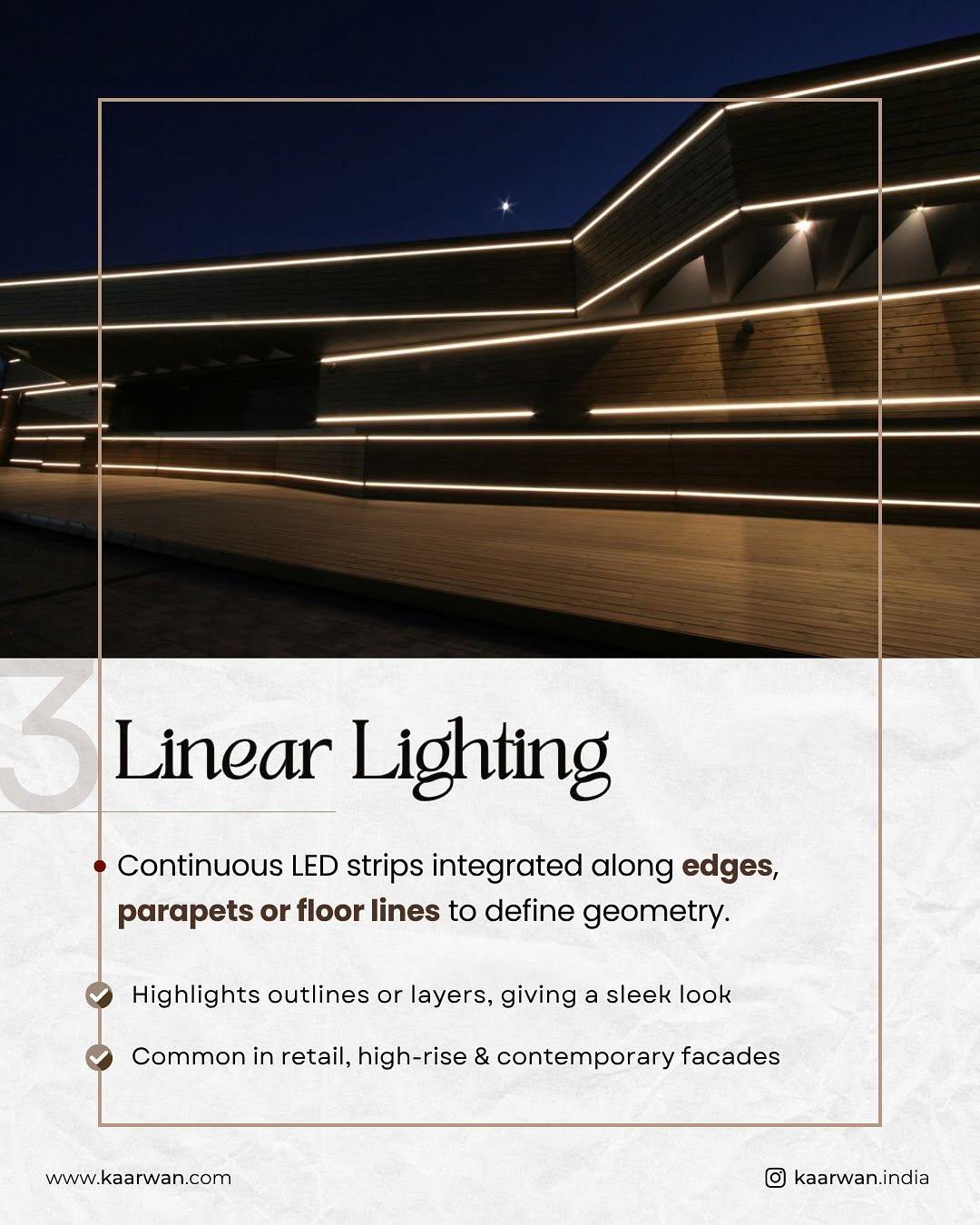
Architectural Integrated Led Strip
- This trend focuses on integrating LED strips directly into the architectural elements of a space. - Strips are hidden in ceiling coves, wall niches, under cabinets, and behind headboards to provide indirect, ambient light. - The goal is to make the light source invisible, emphasizing the "glow" and the form of the architecture rather than the fixture itself. - These applications often use slim, low-profile strips and may be housed in aluminum channels with diffusers for a perfectly clean finish.
Explore →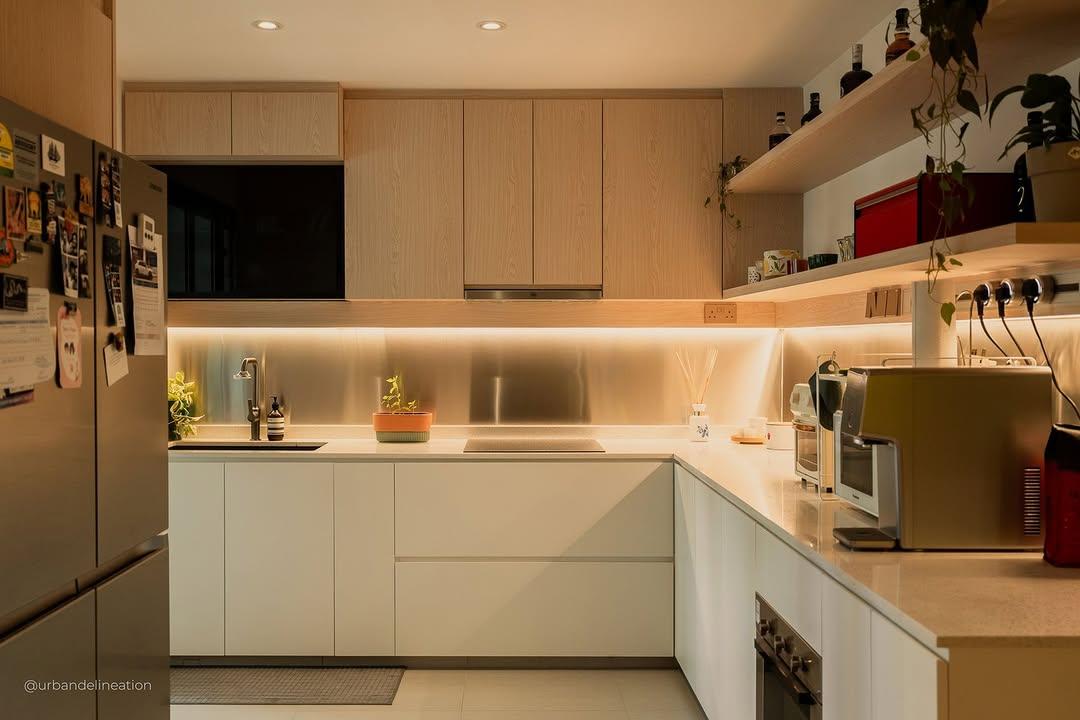
US
Cob Led Strip
- COB (Chip-on-Board) technology features multiple small LED chips packaged closely together directly on the circuit board. - This design produces a completely uniform, seamless line of light without the visible dots or "hotspots" seen in traditional SMD strips. - COB strips are known for their high brightness and wide beam angle, often around 180 degrees, providing broad and even illumination. - They are generally more energy-efficient, producing more lumens per watt compared to SMD strips.
Explore →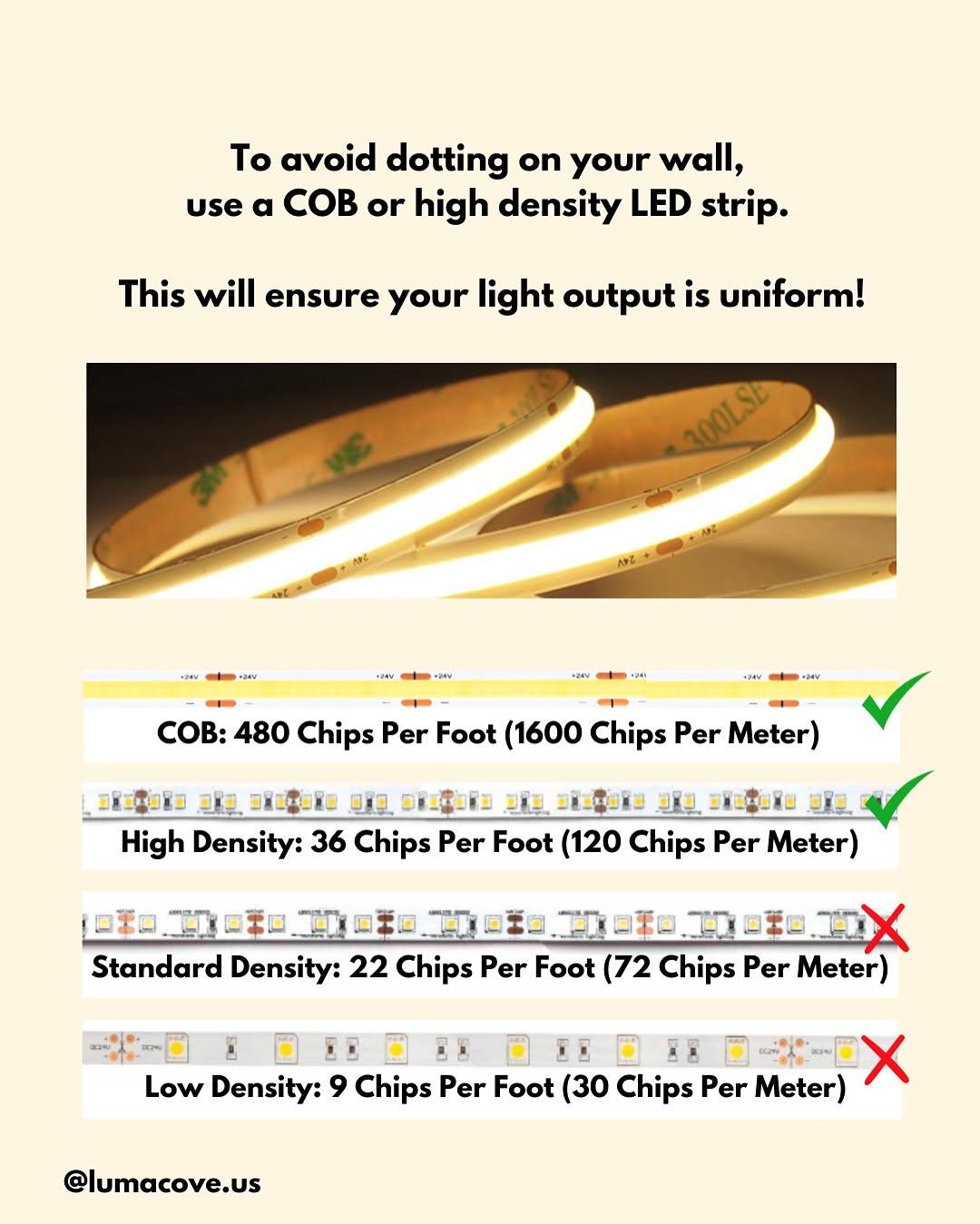
US
Diy Modular Led Strip
- This theme centers on the use of LED strips in accessible, consumer-friendly DIY projects to upgrade home decor. - Common projects include backlighting TVs and computer monitors, adding under-bed "floating" glows, and illuminating shelves or closets. - Products in this category are often sold as all-in-one kits with peel-and-stick adhesive backing, connectors, and a power supply for easy installation. - Many strips can be easily cut to a specific length, and modular systems with easy-to-use connectors allow for custom configurations without soldering.
Explore →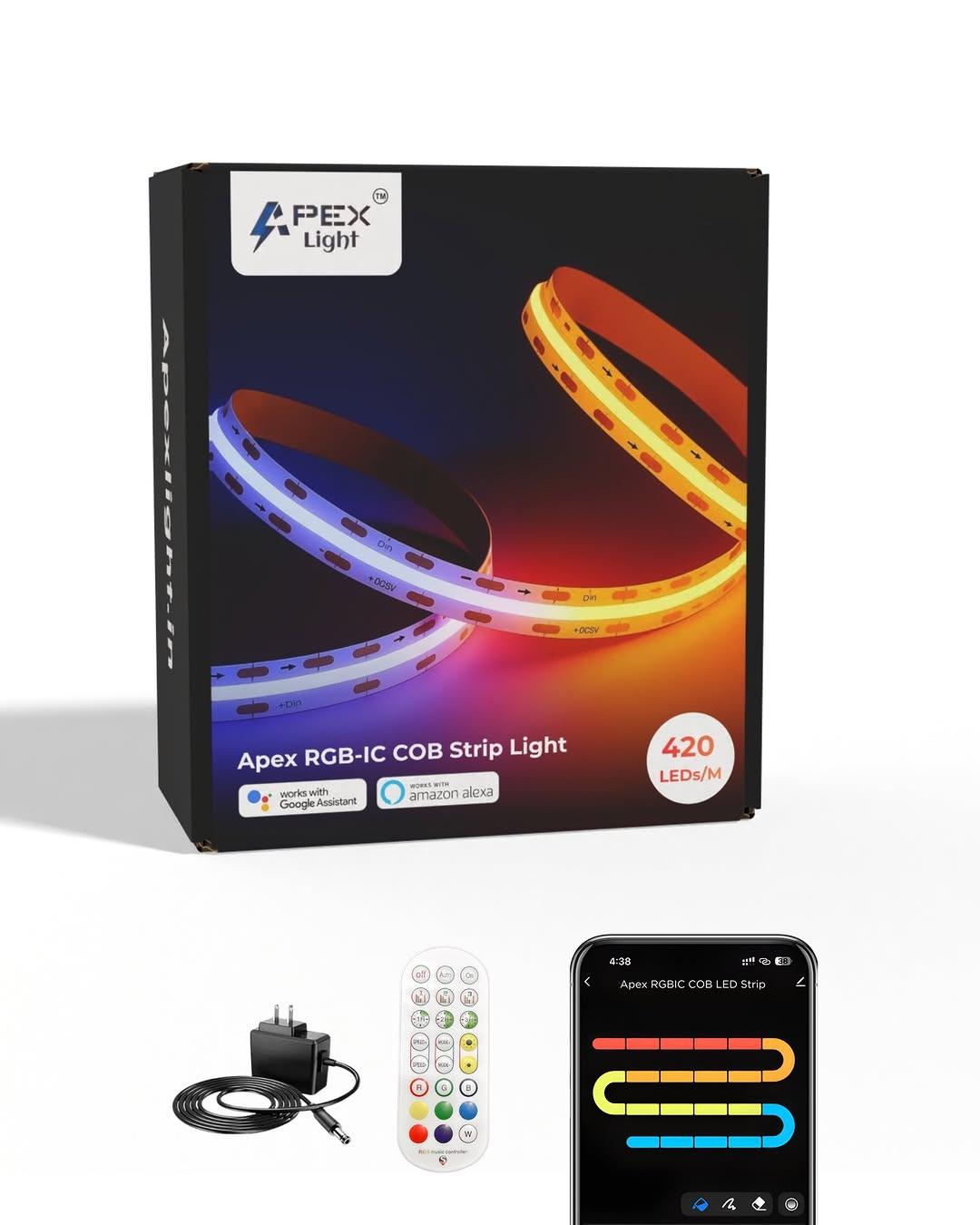
US
Smart Addressable Led Strip
- These LED strips feature an integrated circuit (IC) chip, allowing for individual control of each LED or small segments of the strip. - They connect to Wi-Fi or Bluetooth for control via smartphone apps and voice assistants like Alexa, Google Assistant, and Siri. - Users can create dynamic, multi-color "rainbow" effects, chasing patterns, and complex lighting scenes. - Many smart strips offer music synchronization, where the lights change color and pattern in real-time with audio.
Explore →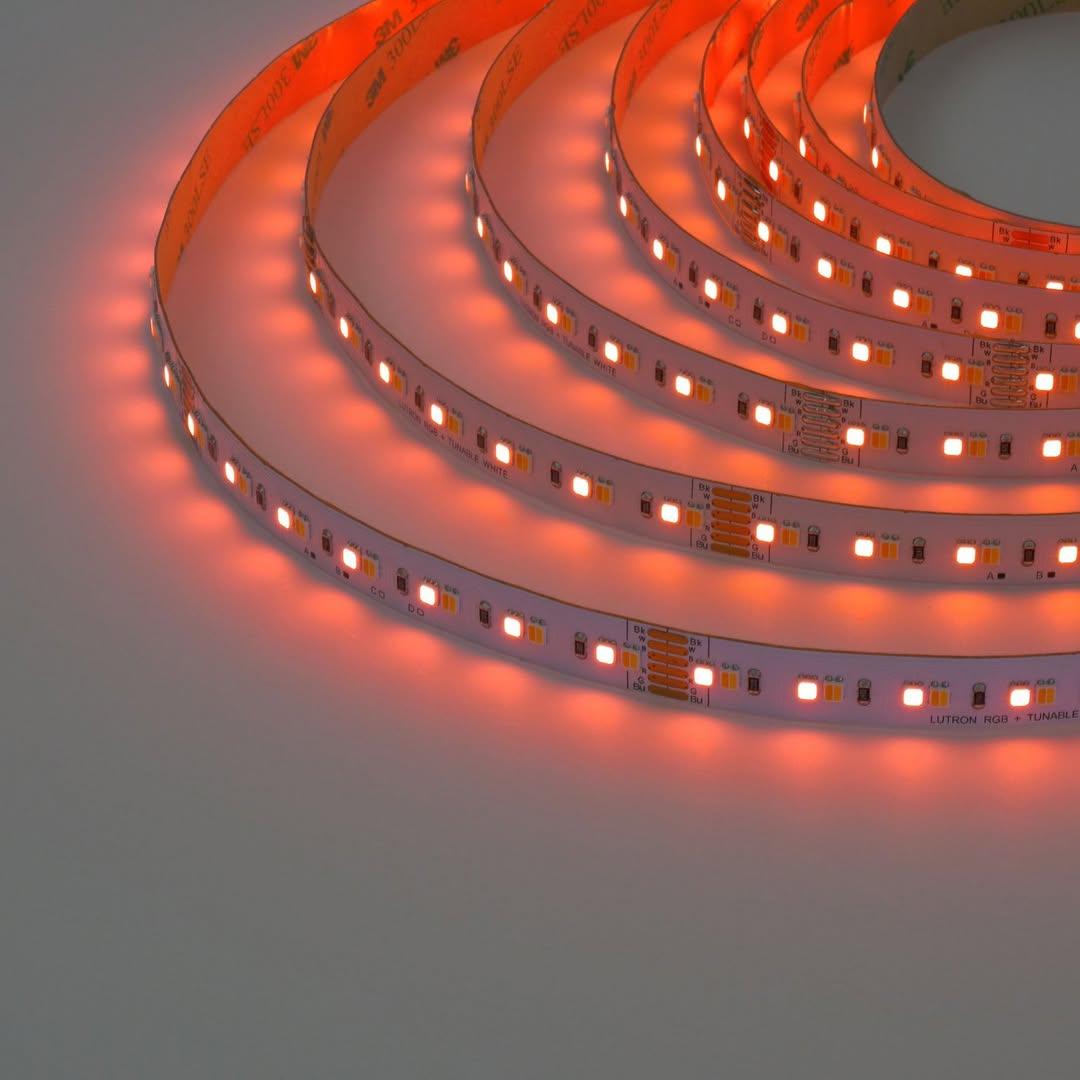
US
Tunable White Led Strip
- Tunable white LED strips allow users to adjust the color temperature (CCT) of the white light, typically from a warm 2700K to a cool 6500K. - This functionality is central to the concept of human-centric lighting, which aims to support natural circadian rhythms. - Users can set a bright, cool white light for focus and productivity during the day and shift to a soft, warm white light for relaxation in the evening. - Control is typically managed through a remote, smartphone app, or smart home system, often with the ability to schedule automatic changes throughout the day.
Explore →