
Consumer Goods · US
Printer trends
In 2026, the US printer market is defined by a strong push towards sustainability, intelligent automation, and cost-efficiency. Eco-friendly printing solutions are becoming a standard expectation, with a focus on energy-efficient hardware, the use of recycled materials, and sustainable inks. A significant trend is the move away from traditional cartridges to high-efficiency tank printers, like Epson's EcoTank and Canon's MegaTank models, which drastically reduce the long-term cost per page and minimize plastic waste. Concurrently, the integration of smart technology and Artificial Intelligence is revolutionizing printer functionality. AI-powered features are enabling predictive maintenance, enhanced security protocols, and automated workflows that learn user patterns to optimize productivity. Versatile all-in-one printers remain a cornerstone for both home and office environments, evolving into more compact, powerful, and connected hubs that handle printing, scanning, and copying with seamless mobile and cloud integration. Furthermore, the expansion of additive manufacturing continues, with 3D printers moving from a niche technology to a mainstream tool for mass customization and rapid prototyping.
Themes
5
Market
US
Trend observations
53

US
Additive Manufacturing Printers
- Commonly known as 3D printers, these devices build three-dimensional objects layer by layer from a digital file. - This technology is moving beyond prototyping and into mass customization and production across various industries. - Innovations are leading to faster printing speeds and the ability to use a wider range of materials, including metals, ceramics, and sustainable bioplastics. - The integration of AI is helping to optimize designs and automate the printing workflow for more complex and functional objects.
Explore →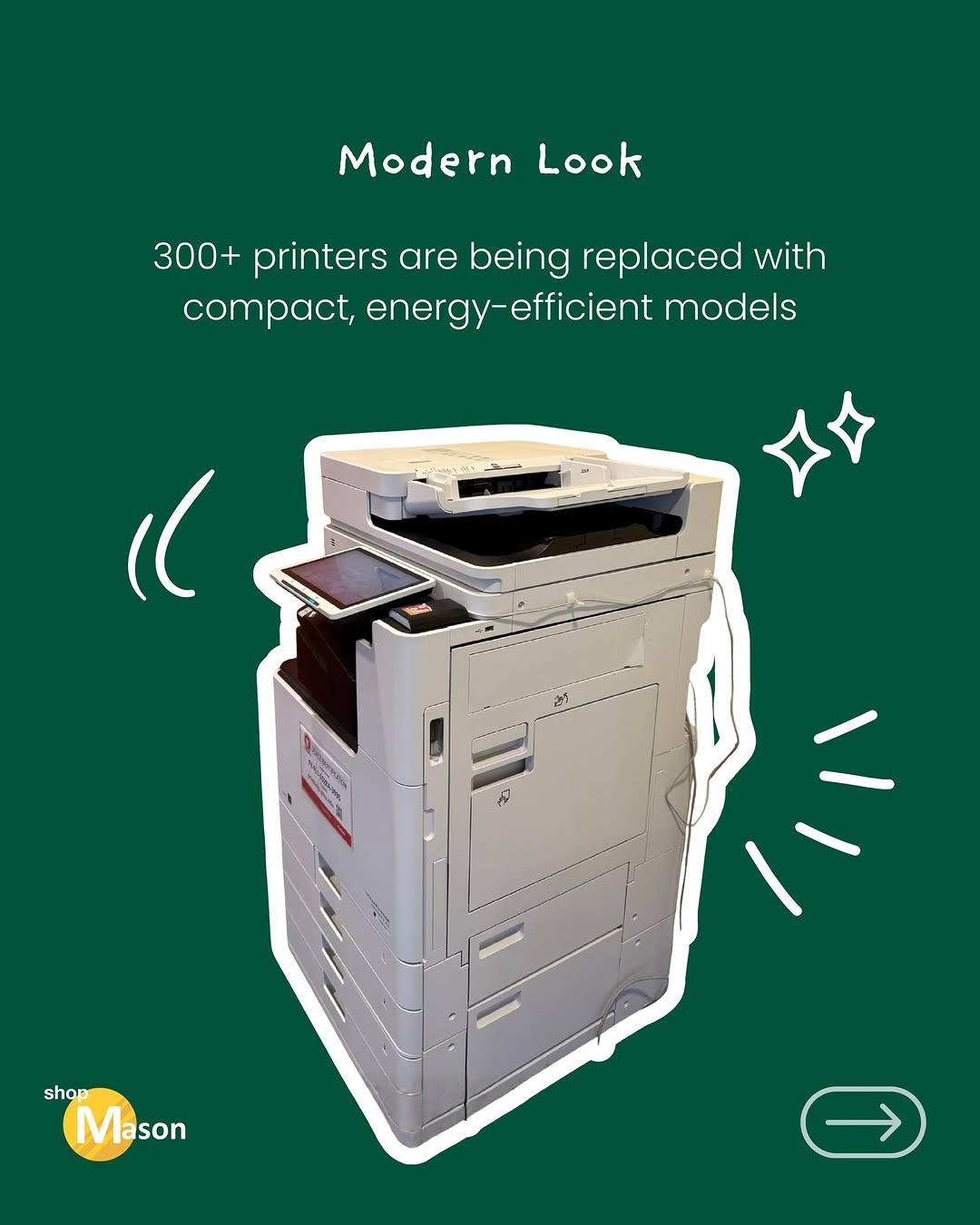
US
Eco-Conscious Printers
- This trend focuses on printers designed to minimize environmental impact. - Key features include the use of recycled plastics in the printer body and compatibility with recycled papers. - These printers often utilize sustainable, non-toxic inks such as soy-based or water-based formulas, which reduce volatile organic compound (VOC) emissions. - They are engineered for lower power consumption and often feature automatic duplex printing to reduce paper waste.
Explore →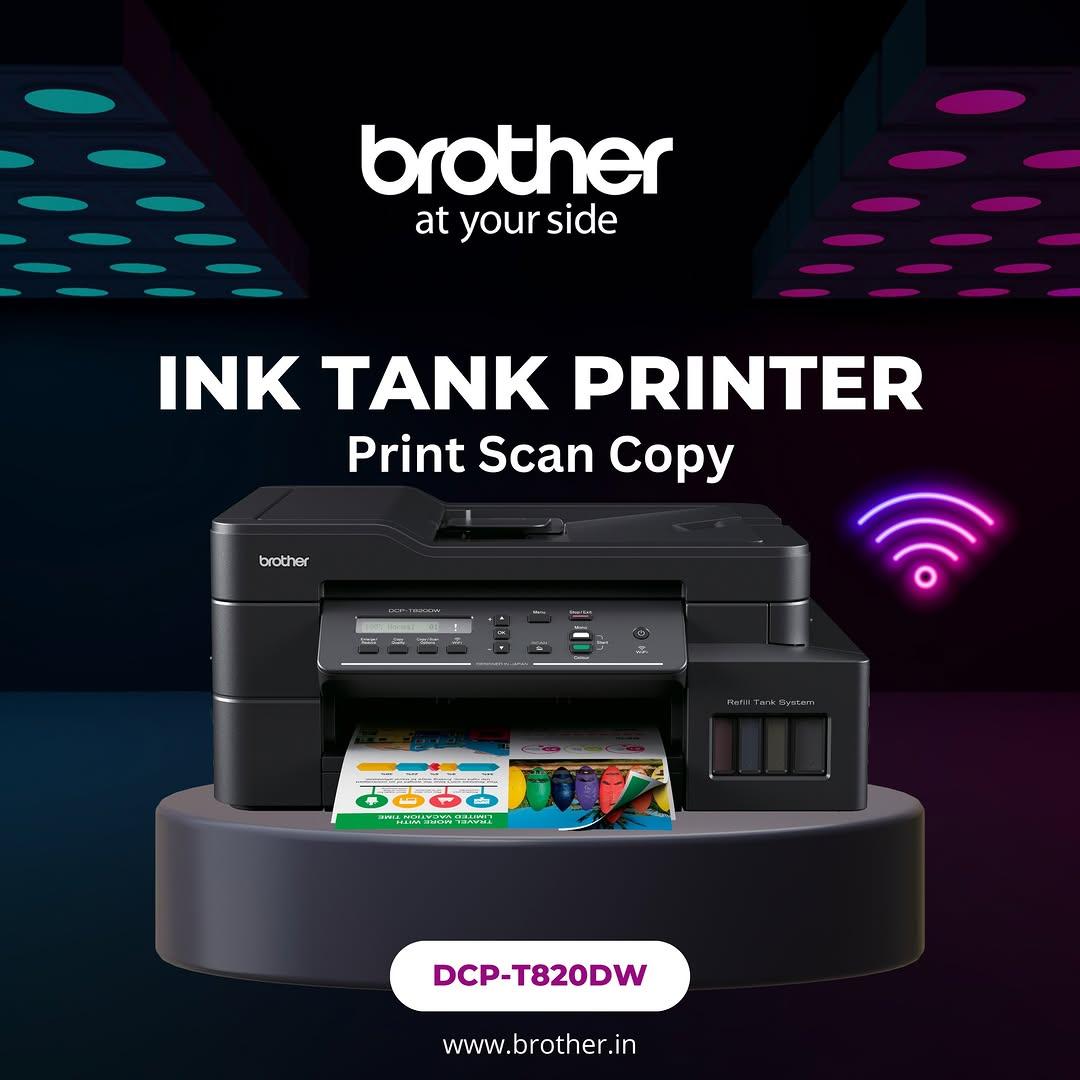
US
High-Efficiency Tank Printers
- This theme centers on printers that use large, refillable ink tanks instead of disposable cartridges. - Models like the Epson EcoTank and Canon MegaTank come with enough ink to print thousands of pages, significantly lowering the cost per page. - The refill process is designed to be simple and spill-free, using bottles that fit specific color tanks. - These printers are often all-in-one devices, providing print, scan, and copy functions while delivering major savings on consumables.
Explore →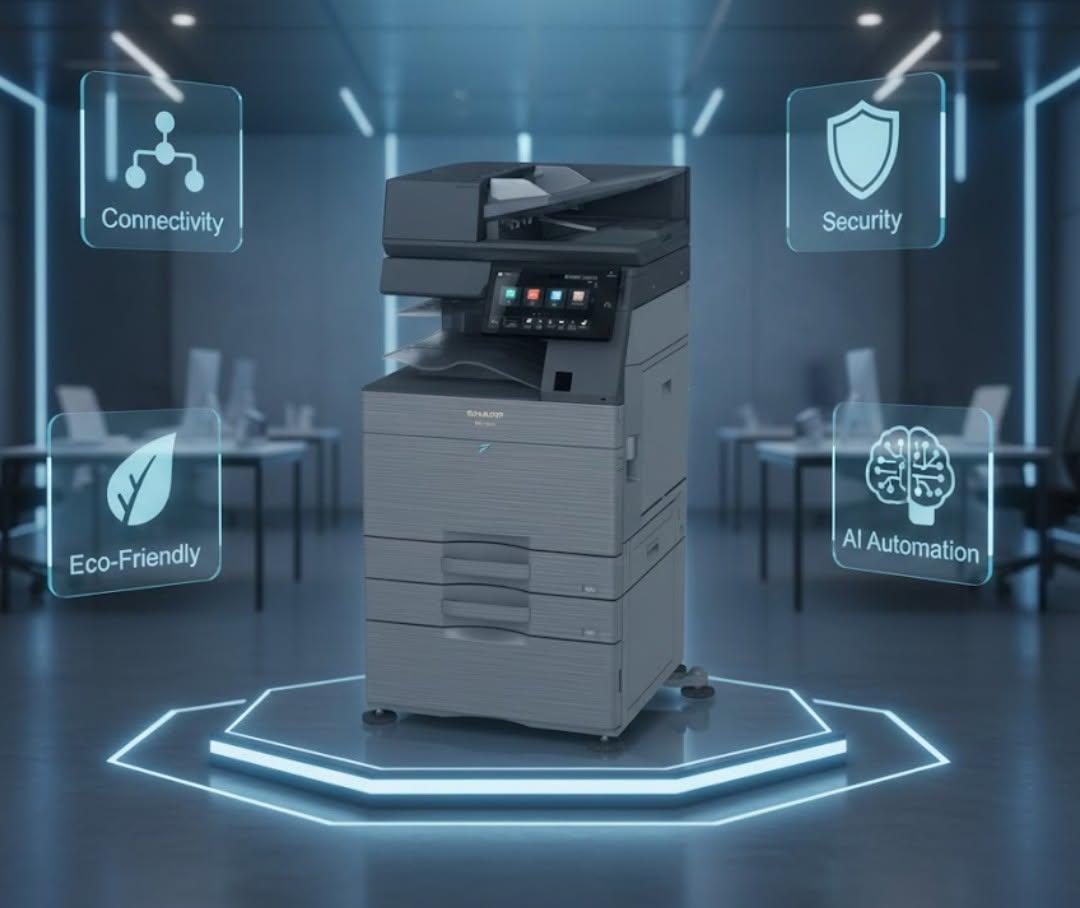
US
Smart Ai-Powered Printers
- These printers incorporate artificial intelligence and machine learning to automate and optimize workflows. - AI-driven software can perform predictive maintenance, alerting users to potential issues before they cause downtime. - Smart features include voice commands, integration with smart home/office ecosystems like Alexa and Google Assistant, and remote management via mobile apps. - Enhanced security is a core component, with AI helping to monitor threats, protect sensitive data, and ensure compliance.
Explore →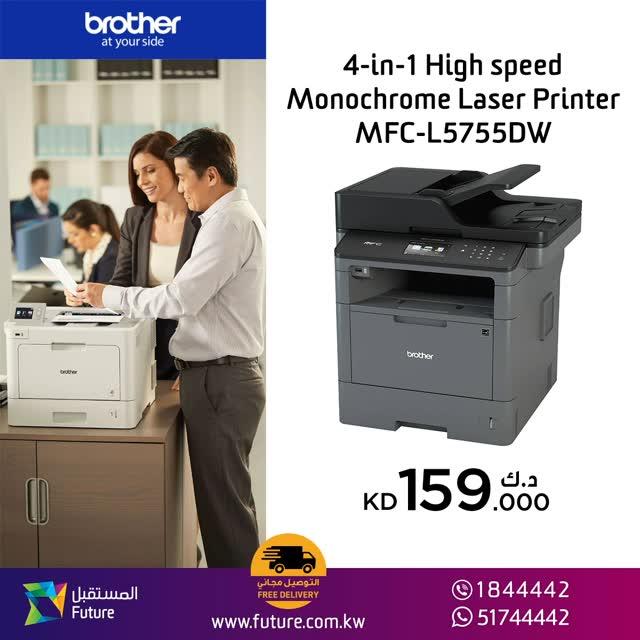
US
Versatile All-In-One Printers
- All-in-One (AIO) or multifunction printers combine printing, scanning, copying, and sometimes faxing into a single, space-saving device. - Modern AIOs are designed for seamless connectivity, featuring robust Wi-Fi, mobile printing apps, and direct-to-cloud functions. - They cater to a wide range of needs, from printing professional documents and scanning multi-page reports with an automatic document feeder (ADF) to producing high-quality photo prints. - The latest models are becoming more compact and powerful, with faster print speeds and improved user interfaces like large touchscreens.
Explore →