
Consumer Goods · US
Smart Door Lock trends
The US smart door lock market is on the brink of substantial growth, fueled by consumer demand for greater security, convenience, and integration within the broader smart home ecosystem. As we look towards 2026, the industry is evolving beyond basic keyless entry to embrace more intelligent, interconnected solutions. Homeowners are increasingly prioritizing advanced features that offer personalized and highly secure access, signaling a shift towards a more sophisticated and user-centric approach to home security. Key technological advancements are shaping this evolution. Biometric access, including fingerprint and facial recognition, is becoming a mainstream expectation for its unique blend of security and ease of use. Simultaneously, the push for universal compatibility is gaining momentum with the adoption of the Matter protocol, which promises seamless interoperability between smart locks and major platforms like Apple Home, Google Home, and Amazon Alexa. Another significant trend is the convergence of functionalities, with new devices integrating video doorbells and cameras to provide an all-in-one security solution at the front door. Underpinning these trends is a focus on reliability and accessibility. As smart locks become more connected, manufacturers are reinforcing cybersecurity with advanced encryption and two-factor authentication to safeguard against digital vulnerabilities. Innovations in power solutions, such as solar and wireless charging, are addressing consumer desires for low-maintenance, "set it and forget it" devices. Furthermore, the market is expanding to include renter-friendly and retrofit options, making smart lock technology more accessible to a wider audience, including those in apartments or temporary living situations.
Themes
5
Market
US
Trend observations
53
US
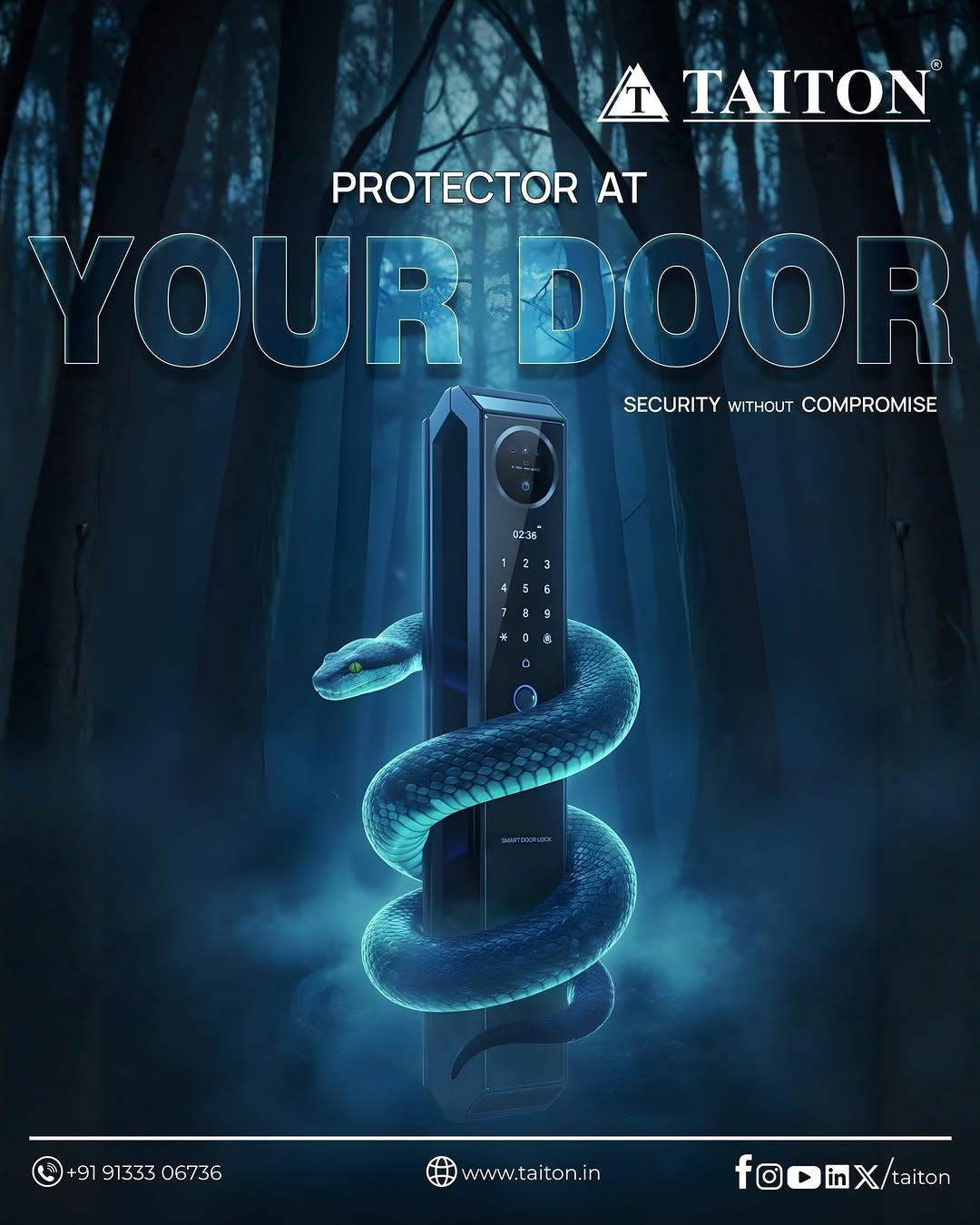
Advanced Power Smart Door Lock
- This trend addresses one of the biggest pain points of early smart locks: battery life. - Innovations include locks with built-in solar panels that continuously top up the rechargeable battery. - A new, cutting-edge technology involves wireless charging via an optical infrared beam, eliminating the need to ever replace or manually recharge batteries. - Manufacturers are also using more energy-efficient components and improved power management software to extend the operational life of their locks.
Explore →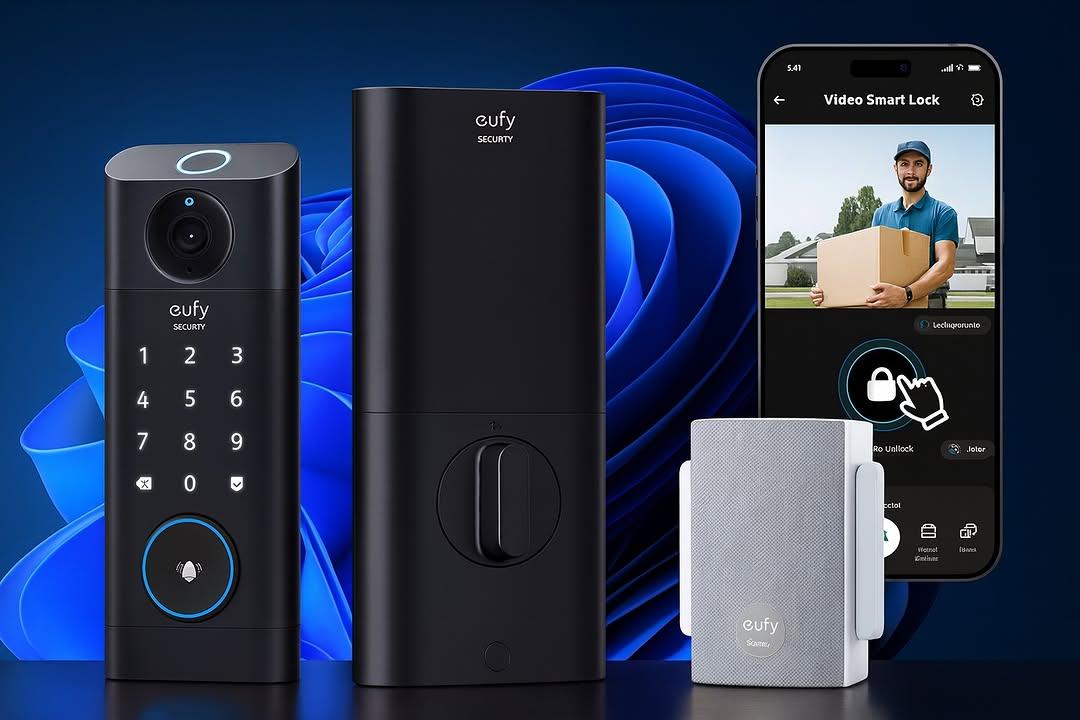
US
All-In-One Video Smart Door Lock
- These devices integrate a smart lock, a high-definition video camera, and a doorbell into a single unit. - They allow homeowners to see, speak with, and grant access to visitors remotely through a smartphone app. - Features often include 2K video resolution, wide-angle lenses, night vision, and two-way audio communication. - The integrated design provides a comprehensive front-door security solution without the need to install multiple separate devices.
Explore →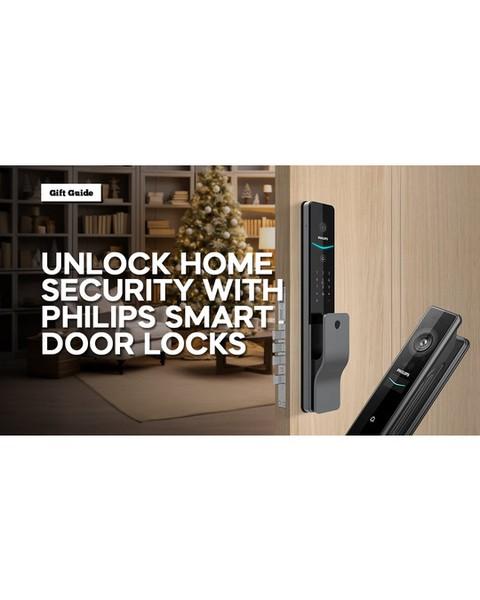
US
Biometric Access Smart Door Lock
- These locks utilize unique biological traits for authentication, offering a variety of keyless entry methods. - Features include fingerprint scanners, 3D facial recognition, and even palm or finger vein recognition for highly secure access. - Many models can store multiple biometric profiles, making them convenient for families and trusted individuals. - This technology eliminates the need for physical keys or remembering passcodes, providing quick and effortless entry.
Explore →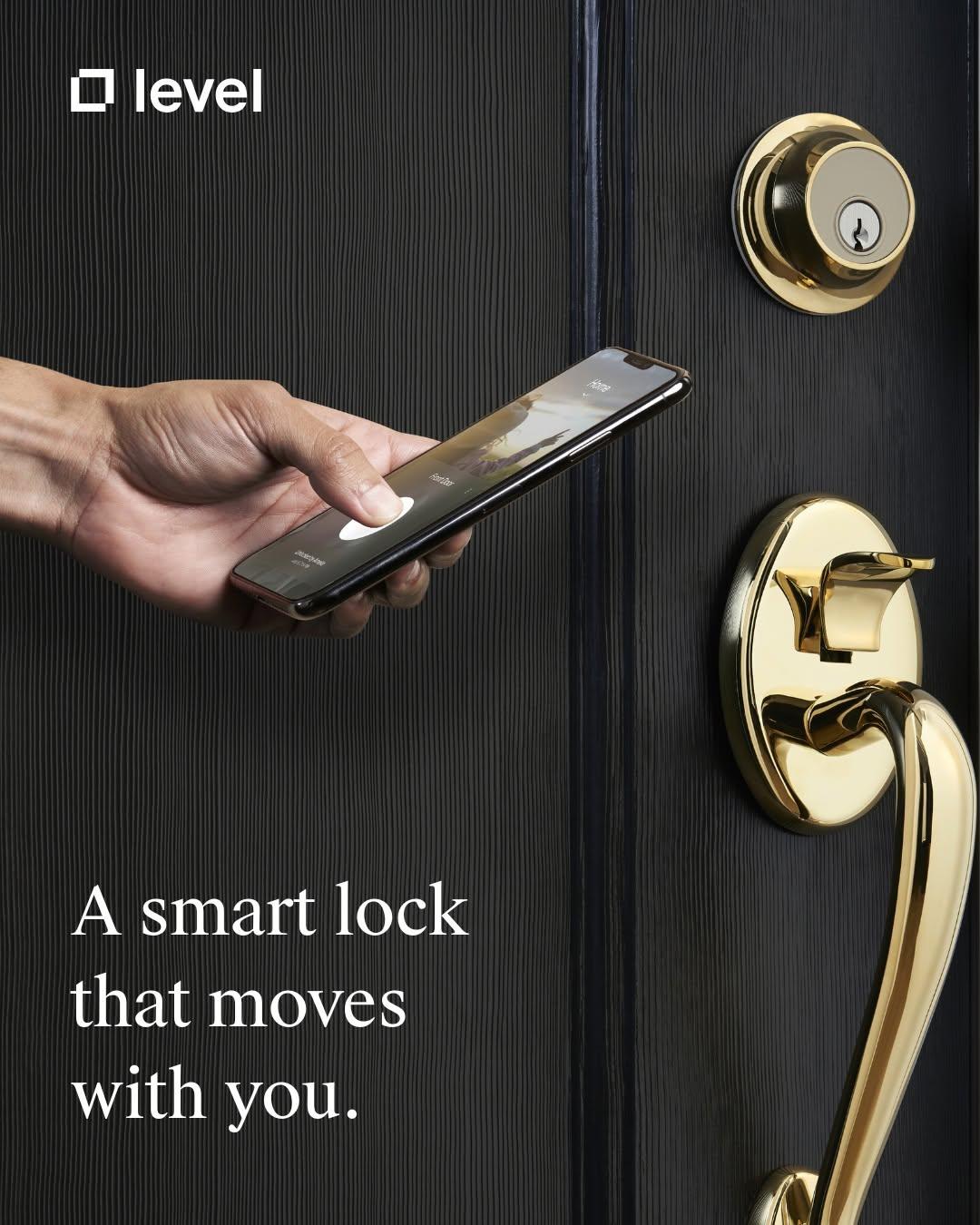
US
Retrofit & Renter-Friendly Smart Door Lock
- Retrofit smart locks are designed to be installed over an existing deadbolt, allowing users to keep their original keys. - The installation process is typically simple, often requiring only a screwdriver and taking just a few minutes. - These locks are an ideal solution for renters or individuals living in apartments who may not be allowed to change the entire lock mechanism. - They provide all the core smart features, such as remote access, auto-lock, and activity logs, without altering the exterior hardware.
Explore →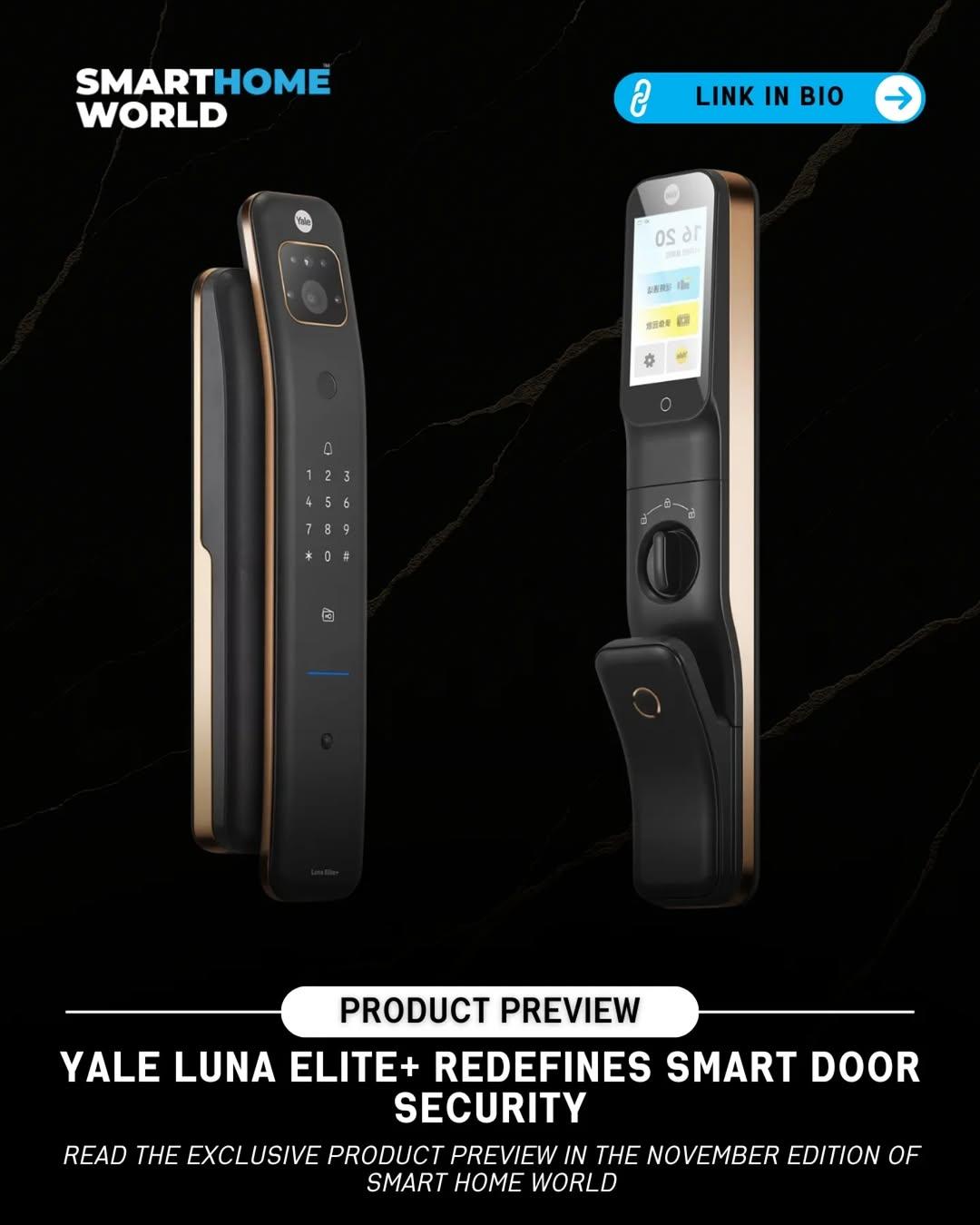
US
Unified Ecosystem Smart Door Lock
- This theme centers on smart locks that are compatible with universal smart home standards, primarily the Matter protocol. - These locks are designed for seamless interoperability, allowing them to work with a wide range of smart home devices and voice assistants from different brands like Apple, Google, and Amazon. - The goal is to simplify the user experience by eliminating the need for multiple proprietary apps and hubs. - New standards like Aliro are also emerging to create a common language between smart locks and mobile devices for tap-to-unlock and automatic unlocking experiences.
Explore →