
Consumer Goods · US
Smart Glasses trends
The US smart glasses market in 2026 is rapidly evolving from a niche tech category into a mainstream accessory, driven by the convergence of artificial intelligence, augmented reality, and fashionable design. A major trend is the integration of powerful AI assistants, like Google's Gemini and Meta AI, directly into the eyewear, allowing for hands-free control, real-time translation, and contextual information overlays. This move towards "smarter" augmented reality is making the glasses more functional for everyday tasks. Concurrently, there's a significant push towards making these devices look and feel like traditional eyeglasses, with major tech companies partnering with fashion brands such as Ray-Ban, Oakley, and Warby Parker to create stylish, lightweight, and comfortable frames. The market is also segmenting to serve specific user needs. We see the rise of wearable display glasses that function as portable, private high-resolution monitors for productivity and entertainment, appealing to "desk nomads" and travelers. For active users, rugged and weather-resistant active lifestyle glasses are emerging, offering fitness tracking and hands-free recording. As hardware like micro-OLED displays becomes more advanced and affordable, and with major players like Apple and Samsung expected to launch new products, 2026 is shaping up to be a pivotal year for smart glasses, moving them closer to becoming a ubiquitous computing platform.
Themes
5
Market
US
Trend observations
53
US
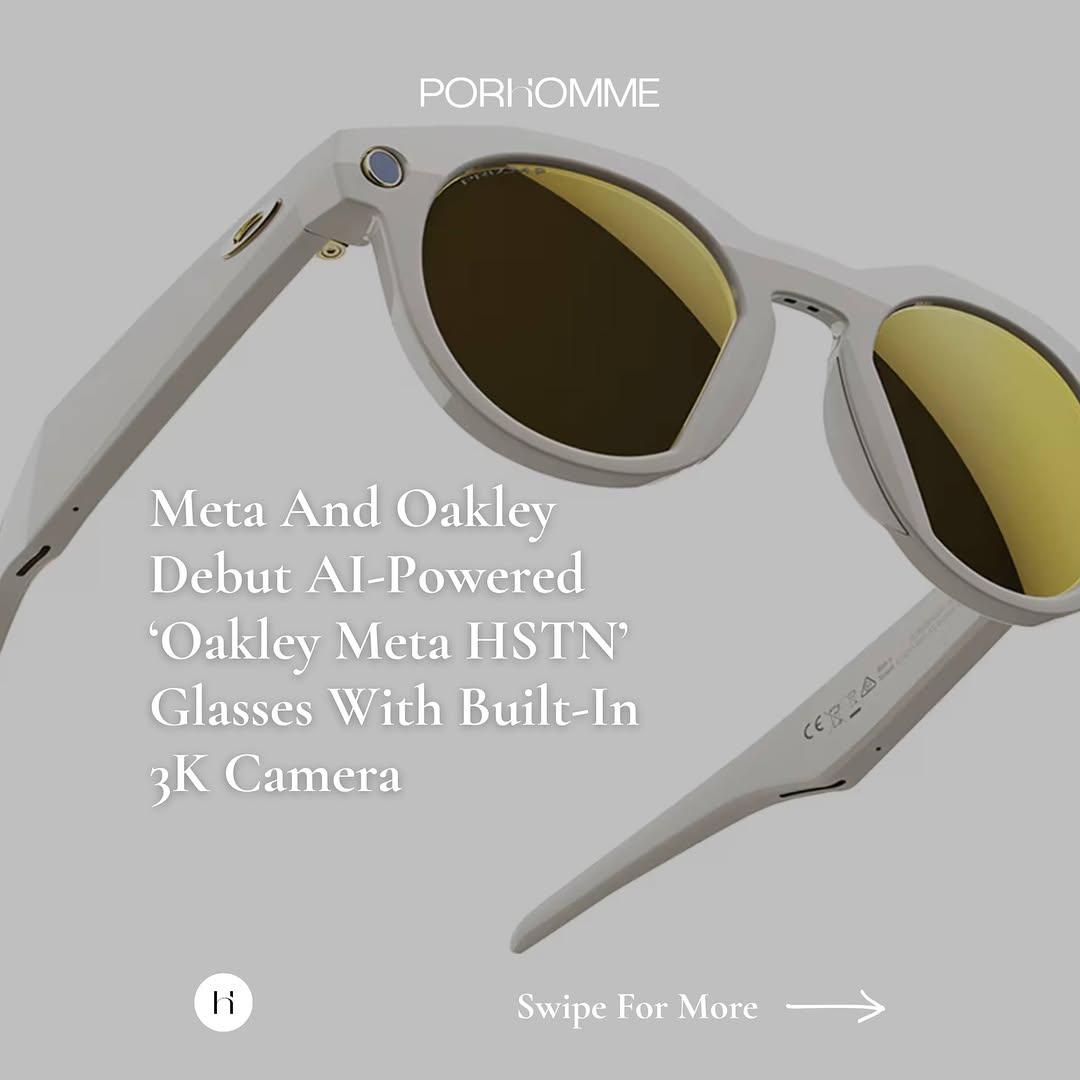
Active Lifestyle Glasses
- These smart glasses are specifically designed for sports, fitness, and outdoor activities. - They feature rugged, durable, and lightweight construction, often with IP ratings for water and dust resistance. - Key functionalities include hands-free photo and video capture, open-ear audio for music and calls without blocking ambient sound, and performance metric display. - Some models integrate with fitness ecosystems, pairing with smartwatches (like Garmin) to display real-time data like heart rate and pace in the user's field of view.
Explore →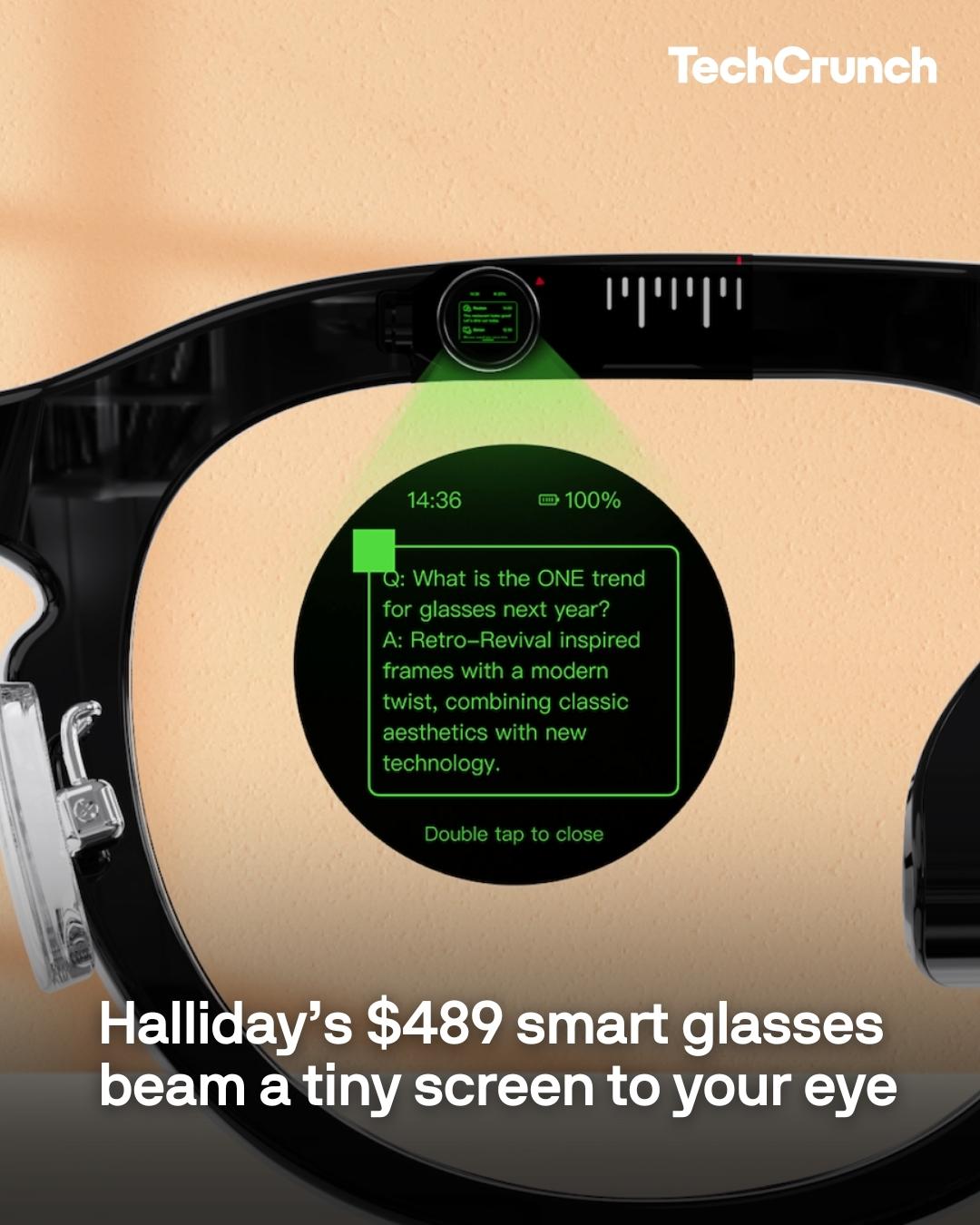
US
Ai Assistant Glasses
- These smart glasses integrate advanced, conversational AI assistants directly into the eyewear. - Users can interact with the AI hands-free using voice commands to ask questions, send messages, make calls, and receive real-time information. - Onboard cameras provide visual data to the AI, enabling it to understand the user's surroundings and provide contextual help, such as translating a menu. - The focus is on providing screen-free, ambient assistance throughout the day, making technology less intrusive.
Explore →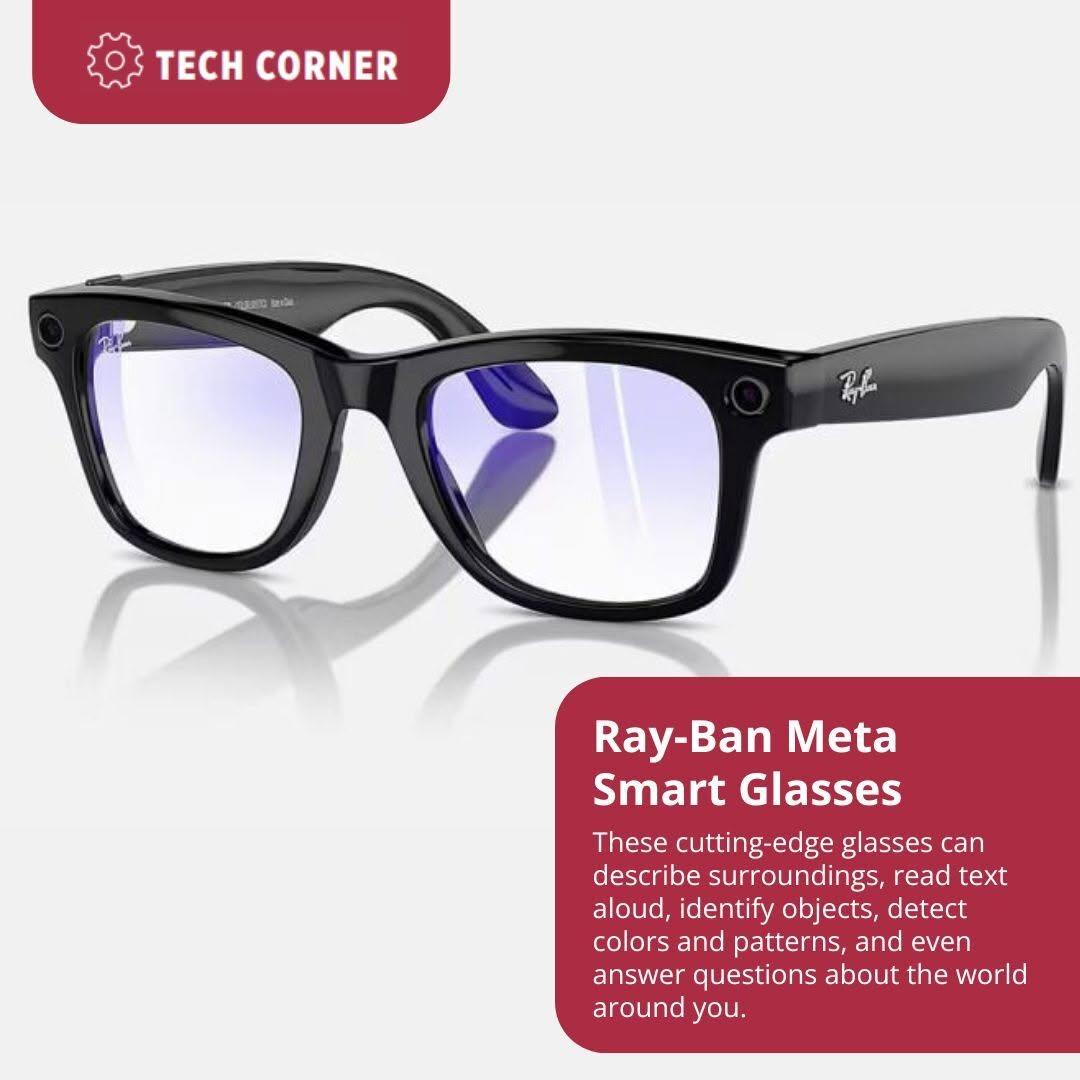
US
Fashion Tech Glasses
- This trend focuses on the seamless integration of smart technology into stylish, designer eyewear frames that people want to wear daily. - Collaborations between tech giants (Meta, Google) and iconic eyewear brands (Ray-Ban, Oakley, Warby Parker) are central to this theme. - The designs prioritize aesthetics, comfort, and lightweight materials, often being indistinguishable from standard prescription glasses or sunglasses. - While featuring tech like cameras and open-ear audio, the primary goal is to make wearable technology fashionable and socially acceptable.
Explore →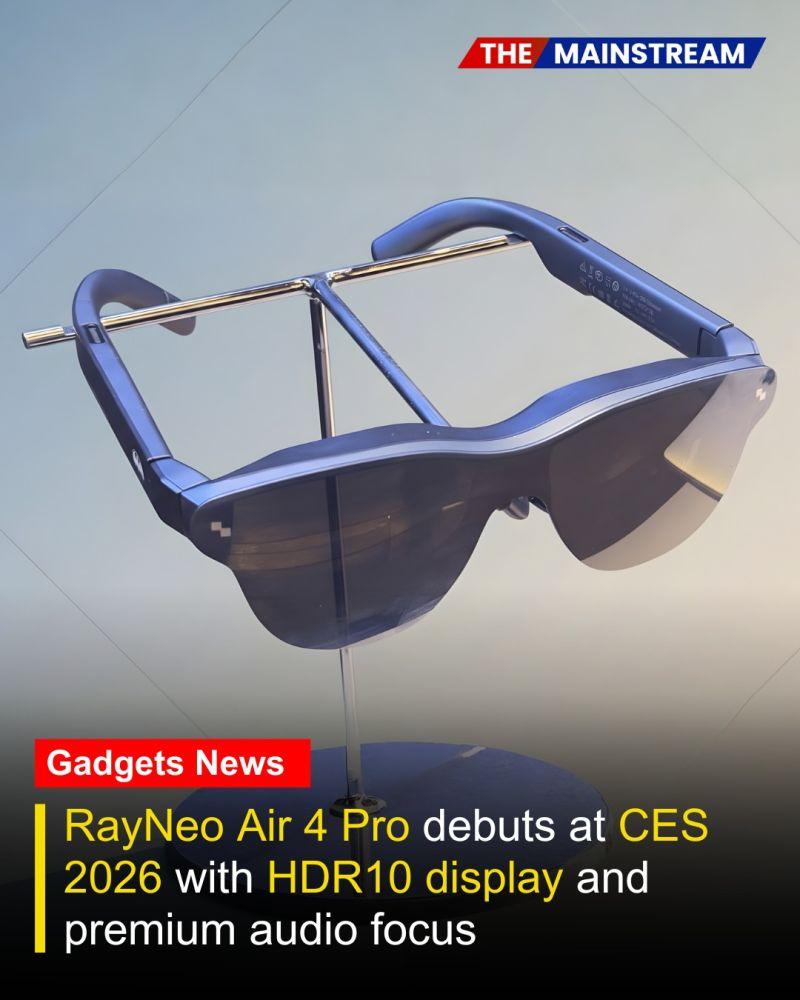
US
Productivity Focused Glasses
- These smart glasses are tailored for professional use cases to enhance workflow and efficiency. - For "deskless workers" in fields like logistics and medicine, they provide heads-up, hands-free access to information, schematics, and remote expert assistance. - For "desk nomads" like coders and analysts, they serve as private, portable multi-monitor setups to expand screen real estate from a laptop. - Features often include teleprompter software, real-time translation for meetings, and seamless integration with enterprise communication tools like Teams and Zoom.
Explore →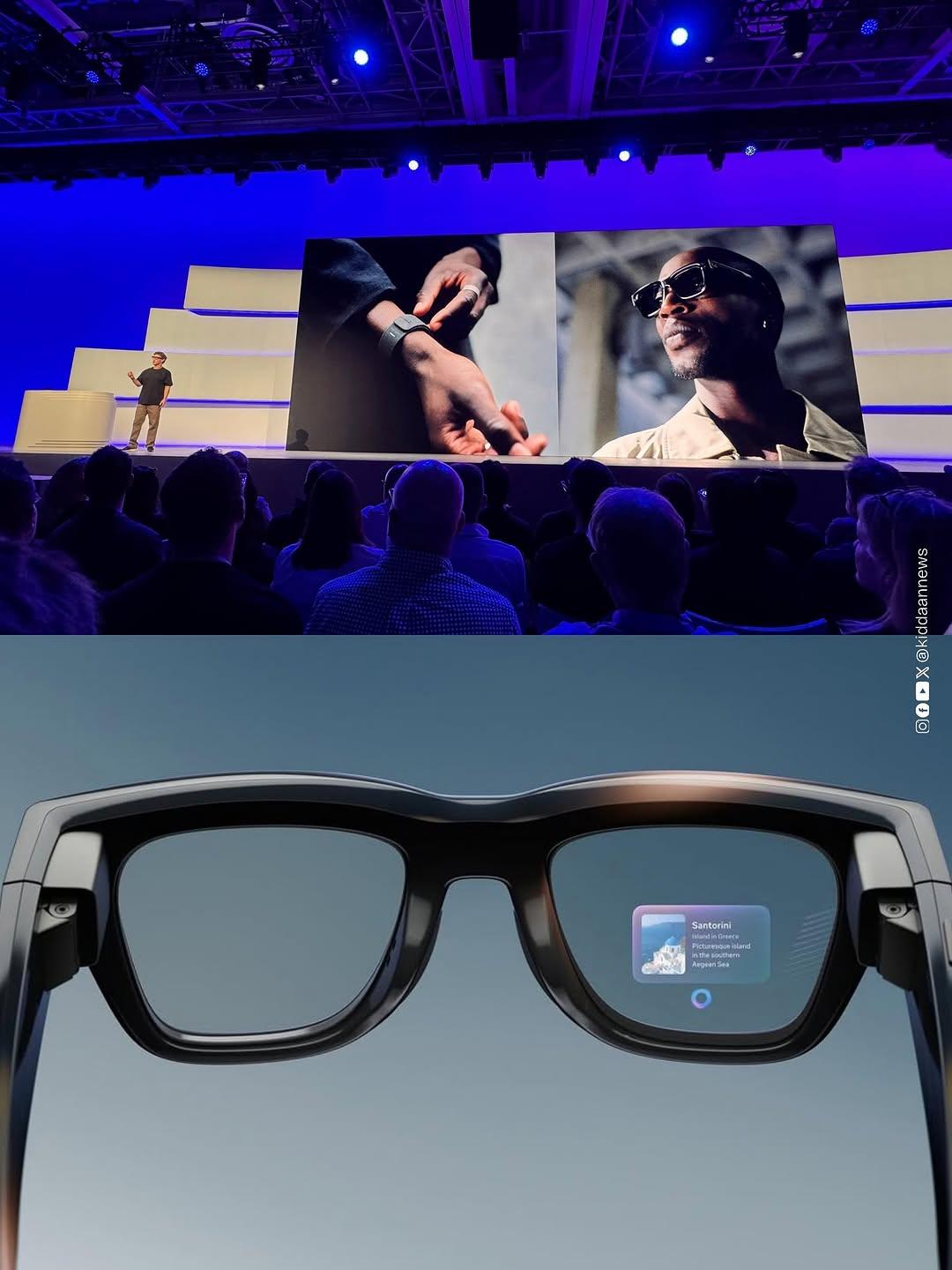
US
Wearable Display Glasses
- This category of smart glasses functions as a portable, private virtual monitor that connects to devices like laptops, smartphones, or gaming consoles. - They utilize advanced display technologies like Micro-OLED to create the experience of a large, high-resolution screen (e.g., 150-200 inches). - Key features include high refresh rates, HDR support, and sometimes 3D content conversion, targeting immersive entertainment and enhanced productivity. - These are typically tethered via a cable to a host device for power and processing, prioritizing screen quality over standalone functionality.
Explore →