
Cosmetics · US
Cosmetic Bottlles trends
The US cosmetic bottle market in 2026 is undergoing a significant transformation, driven by a convergence of sustainability, technology, and sophisticated design. A primary focus is on "Sustainability 3.0," which moves beyond basic recycling to embrace a fully circular economy. This includes the rise of elegant refillable and reusable systems, which are transitioning from a niche luxury offering to a mass-market expectation. Brands are increasingly adopting mono-material construction (using a single type of plastic like all-PE or all-PP) to simplify the recycling process and are exploring innovative bio-based materials such as algae, mycelium, and agricultural waste. Alongside this eco-consciousness, there is a strong trend towards minimalist and lightweight aesthetics, which not only reduces material usage and transportation emissions but also conveys a sense of clean, modern luxury. Smart and connected packaging is another major trend, with QR codes, NFC tags, and augmented reality features being integrated to enhance consumer engagement, provide tutorials, and offer ingredient transparency. Furthermore, premium and sensory designs are gaining traction, utilizing materials like frosted glass and decorated aluminum, often paired with innovative integrated applicators to elevate the user experience.
Themes
5
Market
US
Trend observations
53
US
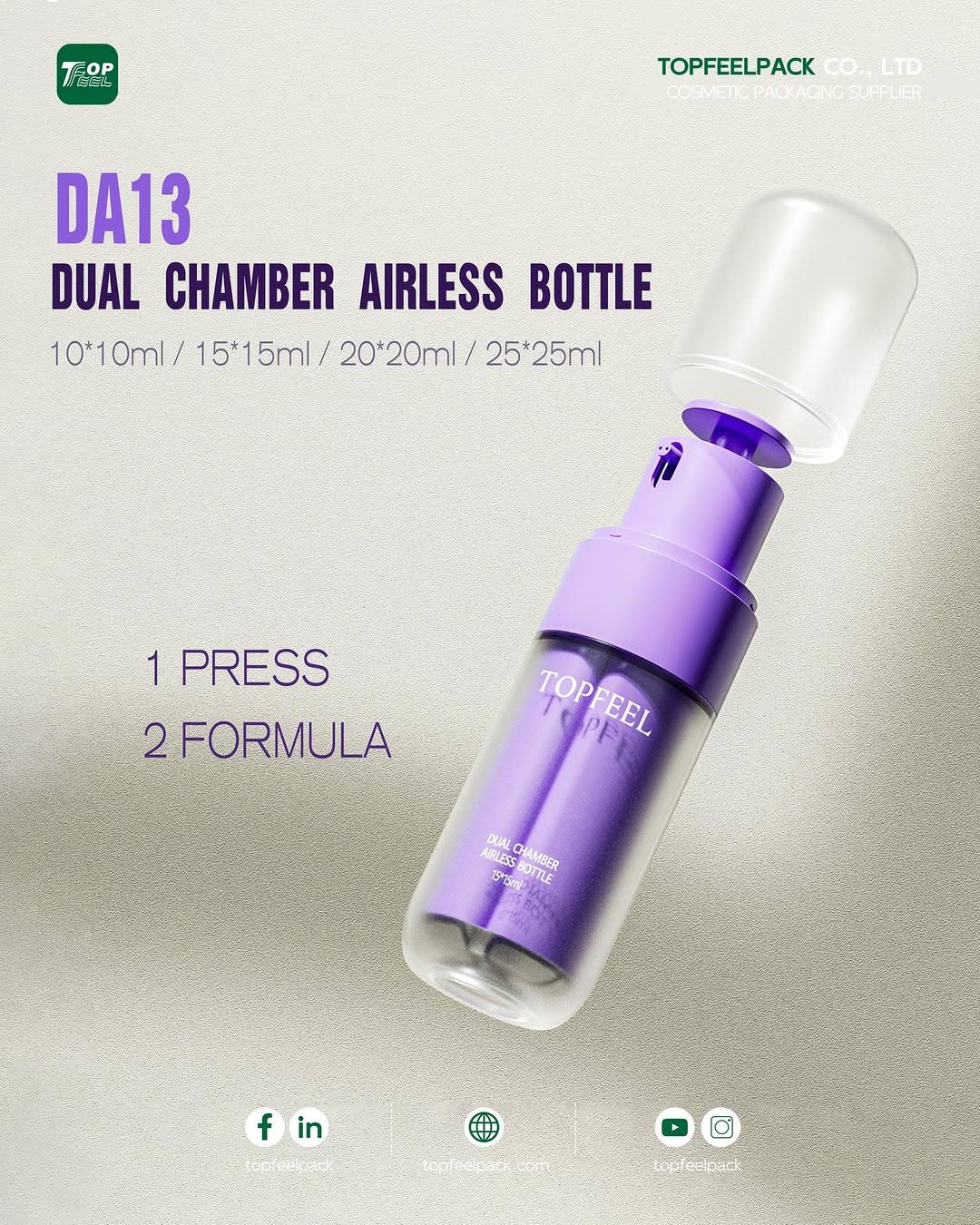
Airless Pump Bottles
- Airless pump bottles are designed to prevent the product inside from coming into contact with air. - This helps to protect sensitive formulations like those containing Vitamin C, retinoids, and other antioxidants. - The mechanism uses a vacuum effect to dispense the product, ensuring formula stability and potency from the first to the last use. - These bottles are often available in refillable formats, combining preservation technology with sustainability.
Explore →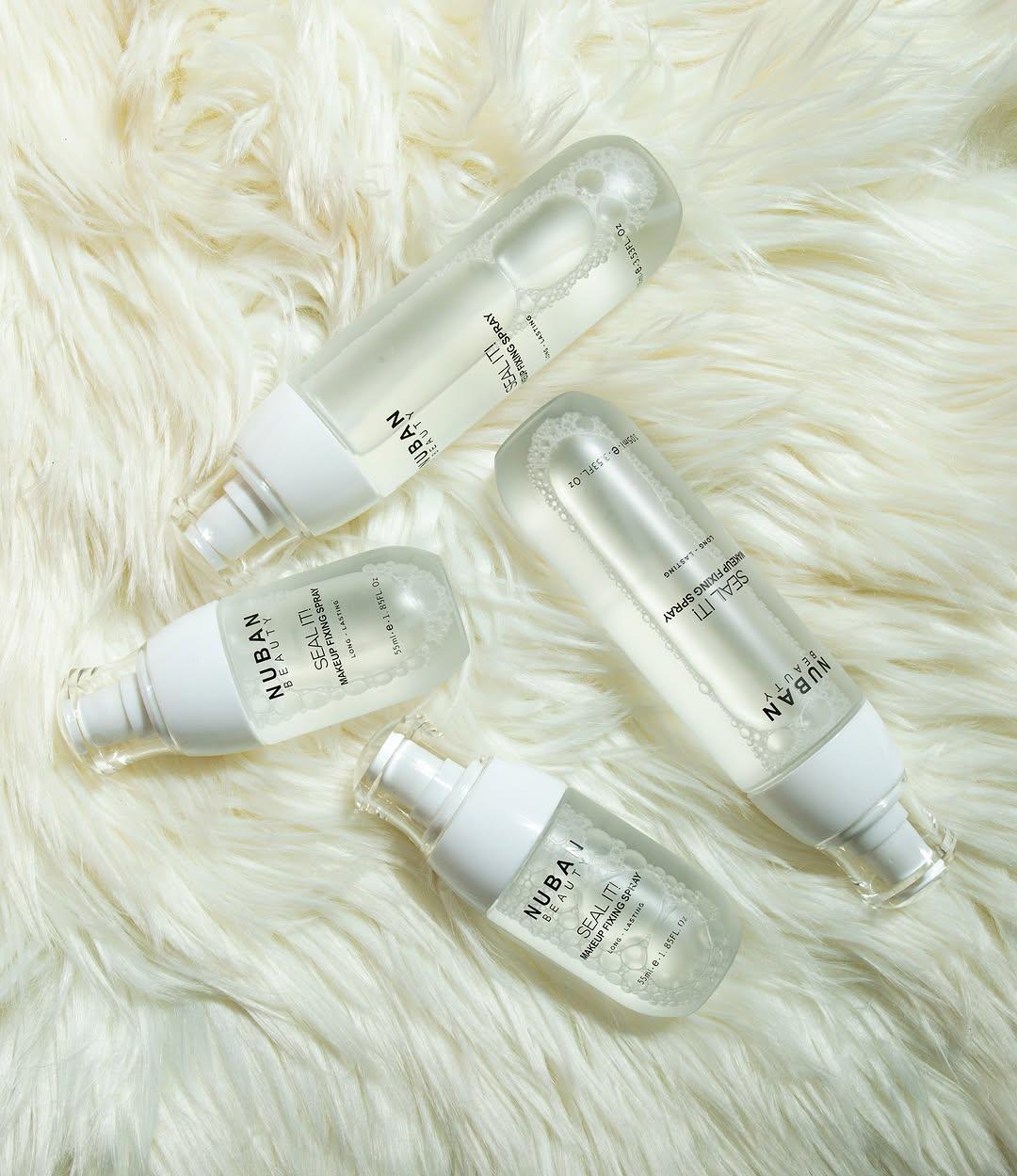
US
Minimalist Aesthetic Bottles
- Minimalist cosmetic bottles are characterized by clean lines, simple typography, uncluttered layouts, and a neutral or monochromatic color palette. - The design philosophy is "less is more," focusing on functionality and the quality of the materials, such as frosted glass or aluminum. - This aesthetic aims to convey honesty and sophistication by focusing on the product formula itself, without distracting graphics or excessive ornamentation.
Explore →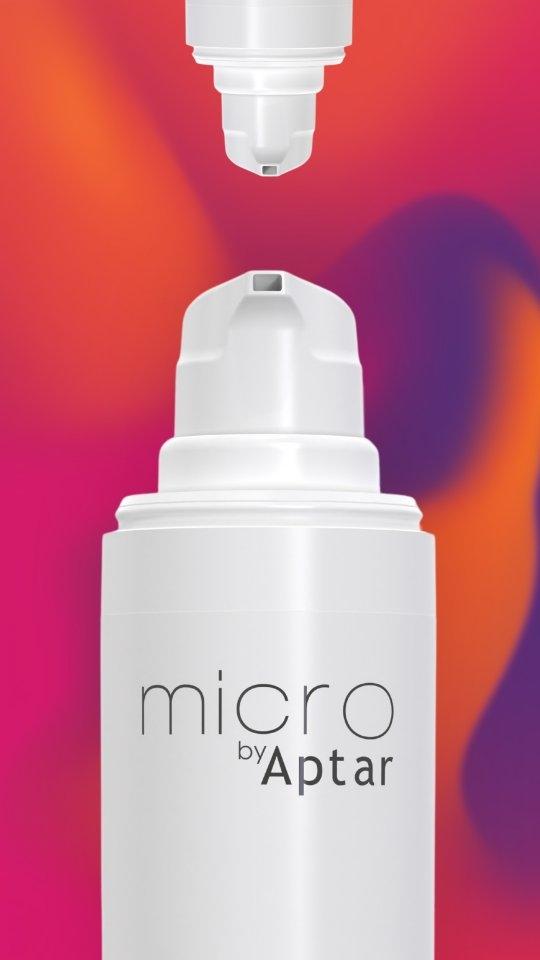
US
Mono-Material Bottles
- Mono-material bottles are constructed from a single type of material, such as all-PET or all-PP, including the cap and pump mechanism. - This design simplifies the recycling process by eliminating the need to separate different components. - The focus is on creating packaging that is "recyclable by design," moving away from complex, multi-layered materials. - This trend includes innovations like metal-spring-free pumps to ensure the entire unit is made from a single polymer.
Explore →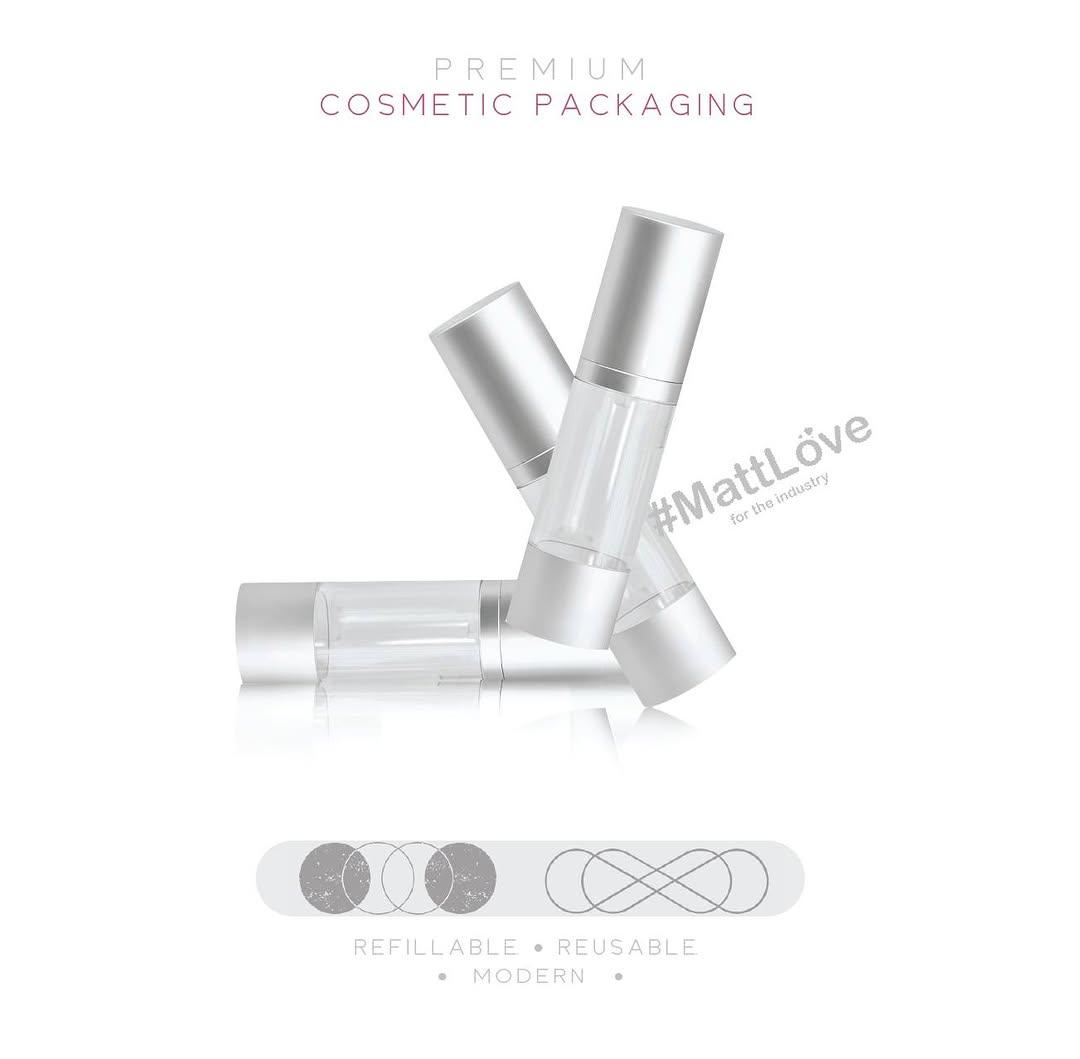
US
Refillable & Reusable Bottles
- This theme centers on cosmetic bottles designed for longevity, featuring a durable outer container with a replaceable or refillable inner component. - The system encourages consumers to purchase product refills in simpler, lower-impact packaging, reducing single-use waste. - Designs are increasingly sophisticated, with elegant outer packaging meant to be kept and displayed, while inner cores are easily replaceable. - This trend is expanding from luxury to mass-market products, indicating a broad shift in consumer behavior and brand strategy.
Explore →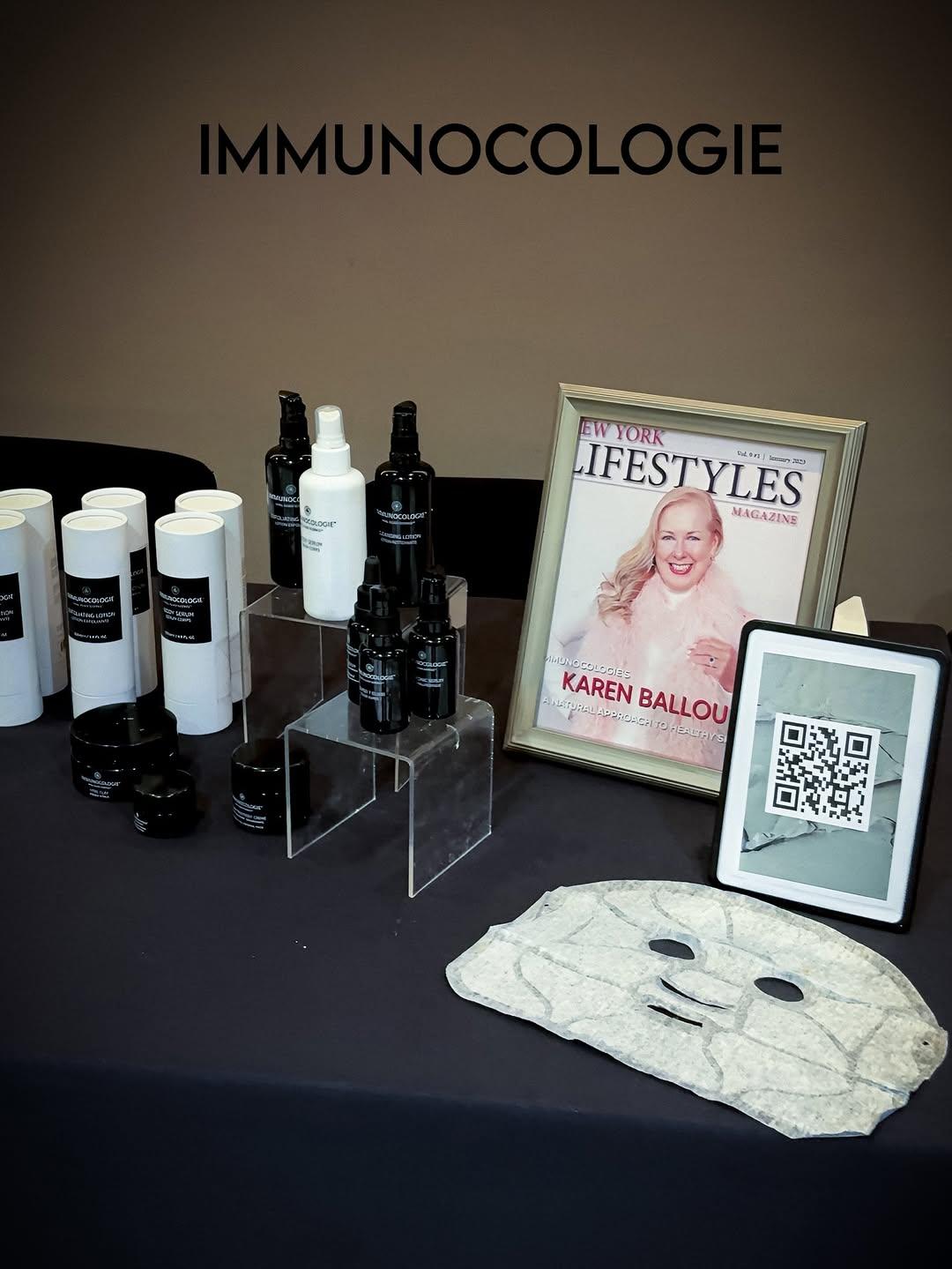
US
Smart & Connected Bottles
- This trend involves integrating digital technologies into cosmetic bottles to create an interactive user experience. - Common applications include QR codes or NFC tags that lead to exclusive content, product tutorials, or virtual try-on features. - More advanced packaging may incorporate features like AI-driven sensors, light therapy, and microcurrents to enhance product absorption.
Explore →