
Home Decor · US
Table trends
The minimalist table landscape for 2026 is undergoing a significant transformation, moving away from the cold, stark aesthetics of previous years towards a warmer and more intentional design philosophy. This evolution is defined by the concept of "quiet luxury," where longevity and craftsmanship are prioritized. A key trend is the shift to softer, more organic silhouettes. Rigid, sharp-cornered tables are being replaced by designs with rounded edges, oval shapes, and curved forms, creating a more welcoming and relaxed atmosphere in dining and living spaces. These sculptural pieces serve as serene focal points, embodying a human-centered approach to interior design. Materiality and functionality are central to this new wave of minimalism. There is a strong resurgence of natural and tactile materials, with grainy woods like oak, walnut, and ash taking center stage, often finished in light, matte tones that celebrate the material's inherent beauty. The trend also embraces mixed-material compositions, pairing wood tops with sleek metal legs or durable sintered stone surfaces with sculptural bases for added depth and texture. Functionality remains a critical driver, particularly in urban environments, making versatile designs like extendable dining tables and compact, space-saving solutions a top choice for modern living. While the foundational principles of Scandinavian design—simplicity, clean lines, and utility—continue to be influential, the 2026 trend encourages a more layered and personalized approach rather than a strict, uniform look. This is further enriched by a growing emphasis on sustainability. Consumers are increasingly drawn to tables made from reclaimed wood, FSC-certified timber, and recycled metals, reflecting a conscious desire for eco-friendly products. This focus on sustainable finishes and authentic materials adds a layer of storytelling and character, aligning personal values with home aesthetics.
Themes
5
Market
US
Trend observations
53
US
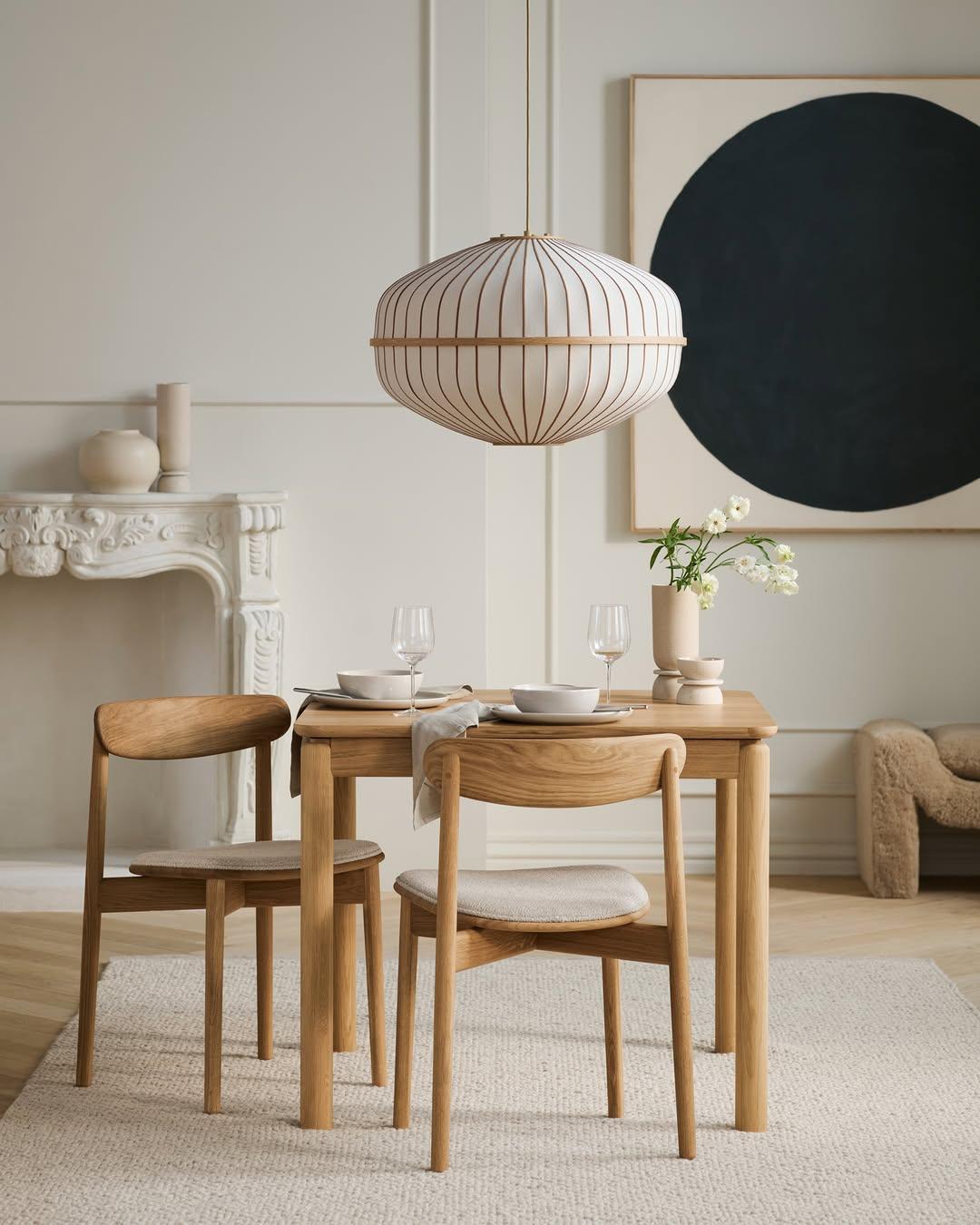
Extendable & Compact Table
- This trend focuses on tables designed for modern living, where spaces often need to be multifunctional. - It features the modern minimalist dining table with hidden leaves or smooth extension mechanisms that maintain a seamless look. - Compact designs, like a small round minimalist kitchen table or a narrow minimalist entryway table, are crucial for apartments and smaller homes. - The theme also includes nesting coffee tables or side tables that offer flexibility and can be easily reconfigured.
Explore →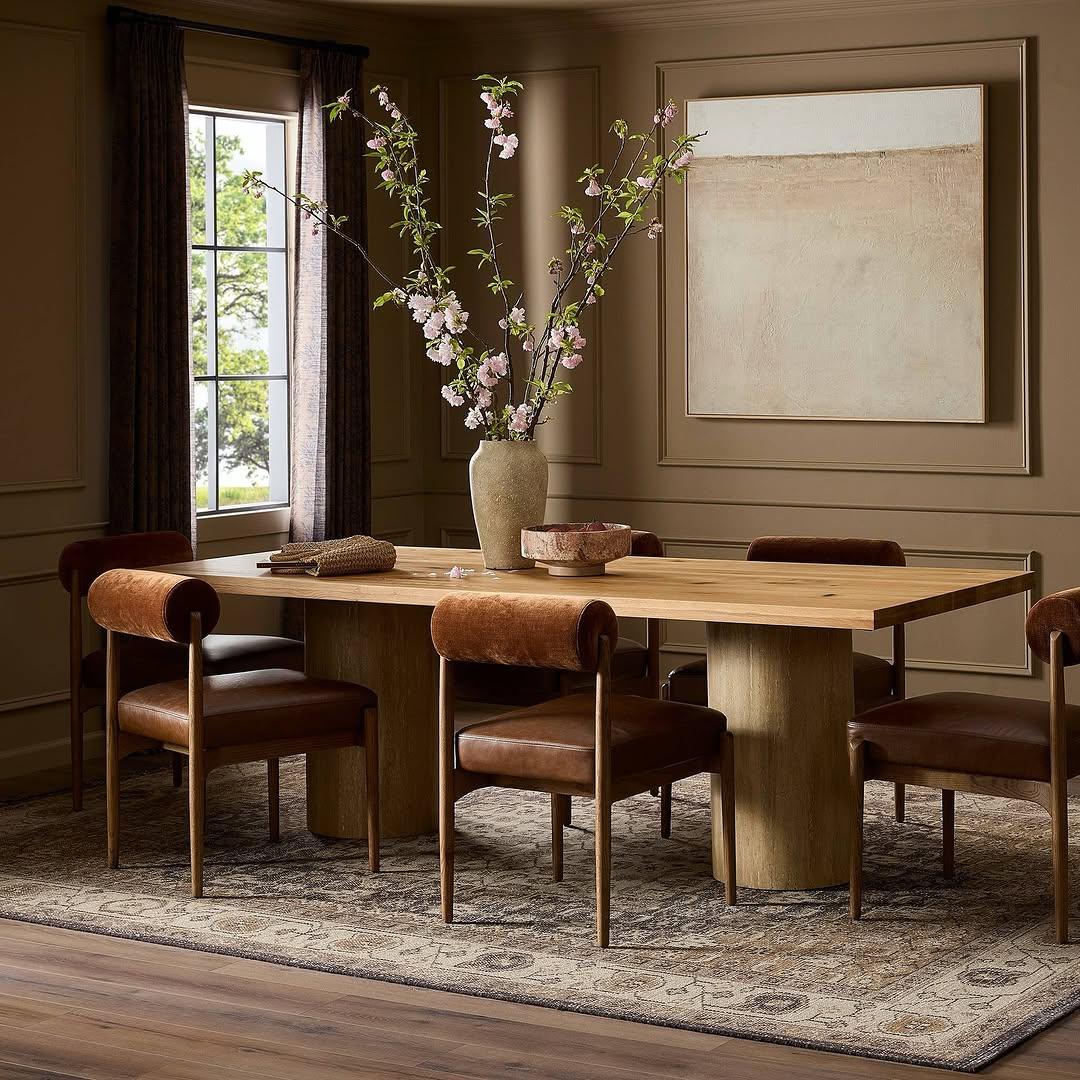
US
Mixed Material Table
- This theme involves the combination of two or more materials to create visual interest without clutter. - Popular pairings include wood or glass tops with metal bases, and sintered stone surfaces on sculptural wooden or steel legs. - A minimalist console table might feature a clear glass top on a black iron frame to maintain an open, airy feel. - The contrast in textures—such as a smooth stone top with a warm wood base—is a key element of this trend.
Explore →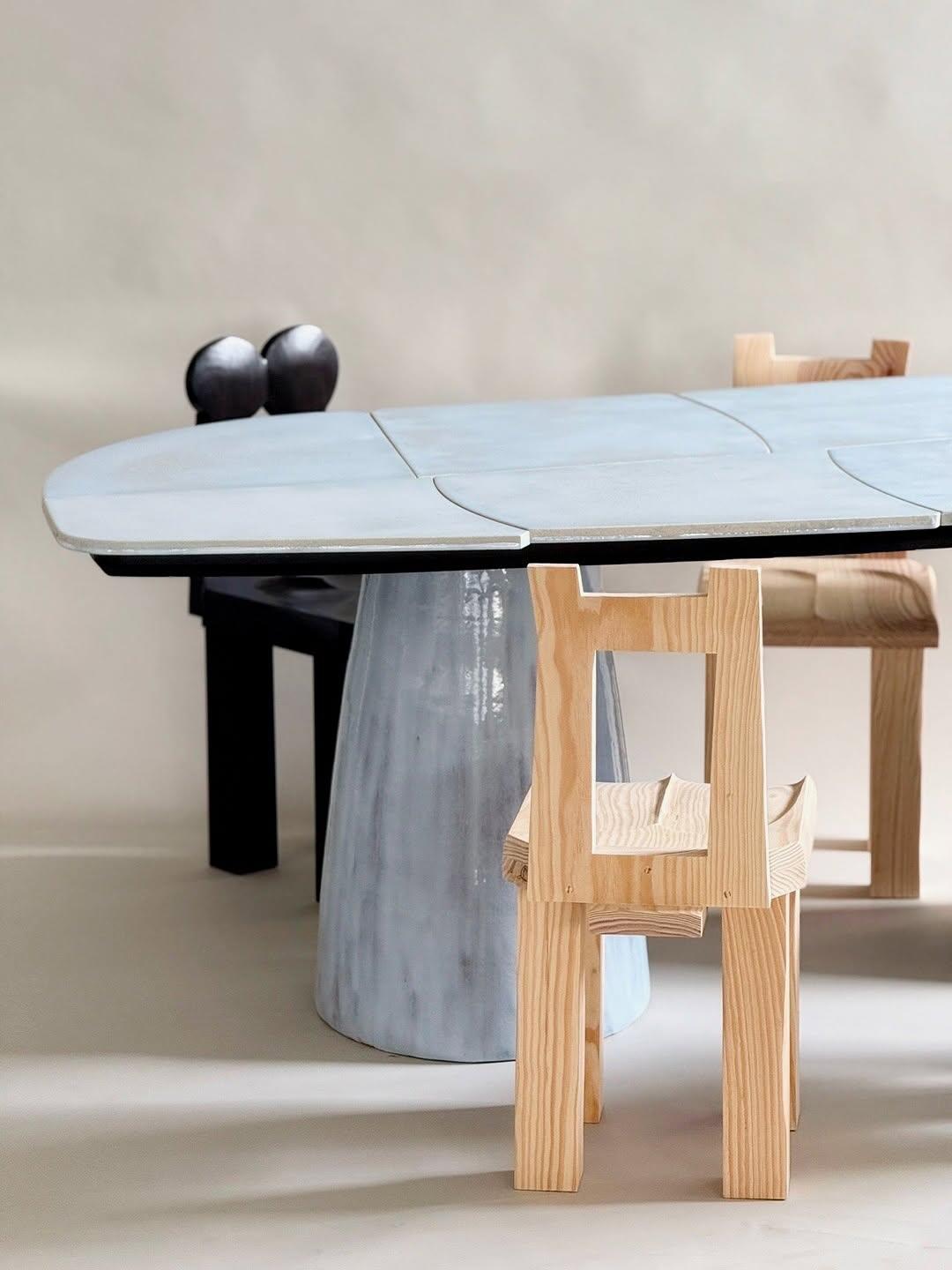
US
Soft Sculptural Table
- This theme centers on tables with organic and curved silhouettes, moving away from sharp, geometric lines. - It includes round, oval, and pill-shaped dining tables, as well as coffee tables with soft, flowing forms. - The design often features pedestal bases or artistically curved legs that give the table a sculptural, grounded presence. - These pieces act as a focal point, adding a sense of calm and visual softness to a room.
Explore →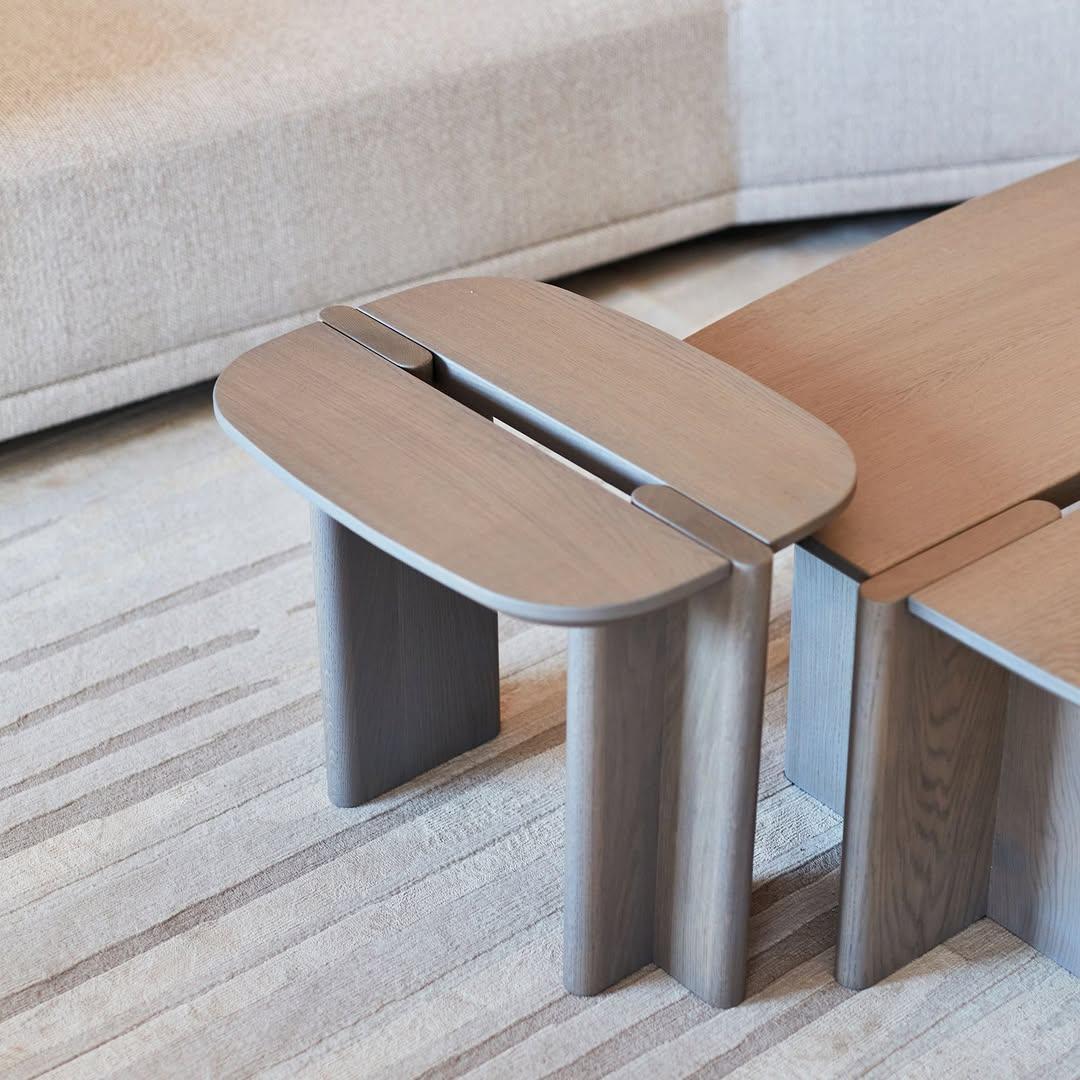
US
Sustainable Finish Table
- This theme emphasizes tables made from environmentally responsible materials. - Key materials include reclaimed wood, FSC-certified solid wood, bamboo, and recycled metals. - The aesthetic often highlights the unique character of the materials, such as the patina of reclaimed wood. - It applies to all table types, from a minimalist dining table to a minimalist bedside table, reflecting a broader consumer shift.
Explore →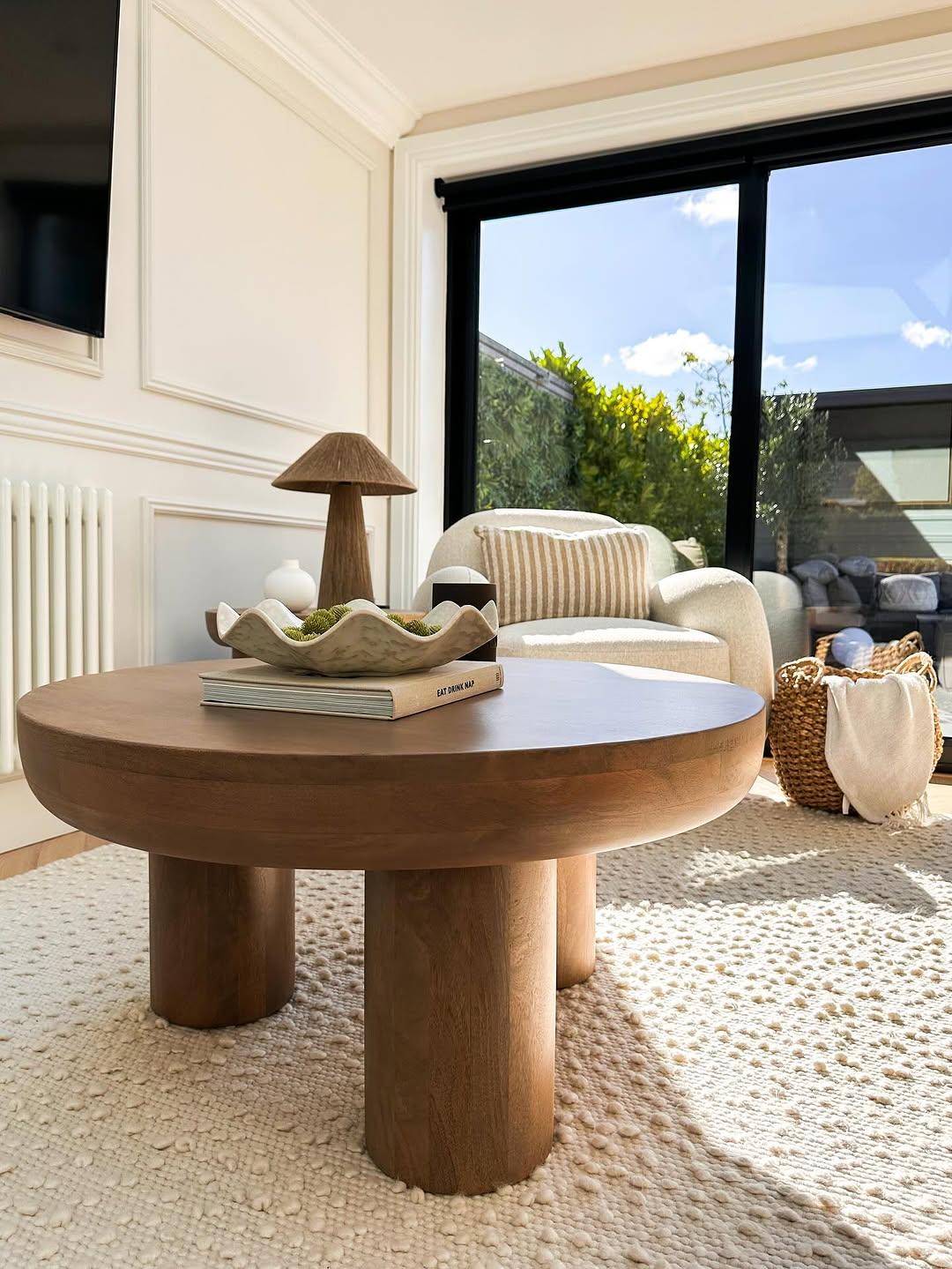
US
Warm Woods Table
- This trend highlights the return of natural wood, particularly oak, walnut, and ash, as the primary material for tables. - It features pieces like the minimalist wood coffee table and minimalist wood console table with visible grain and natural imperfections. - Finishes are typically light and matte, preserving the wood's raw texture and warmth, rather than heavy, dark stains. - The design often incorporates clean lines and simple forms, consistent with Scandinavian design dining table principles.
Explore →