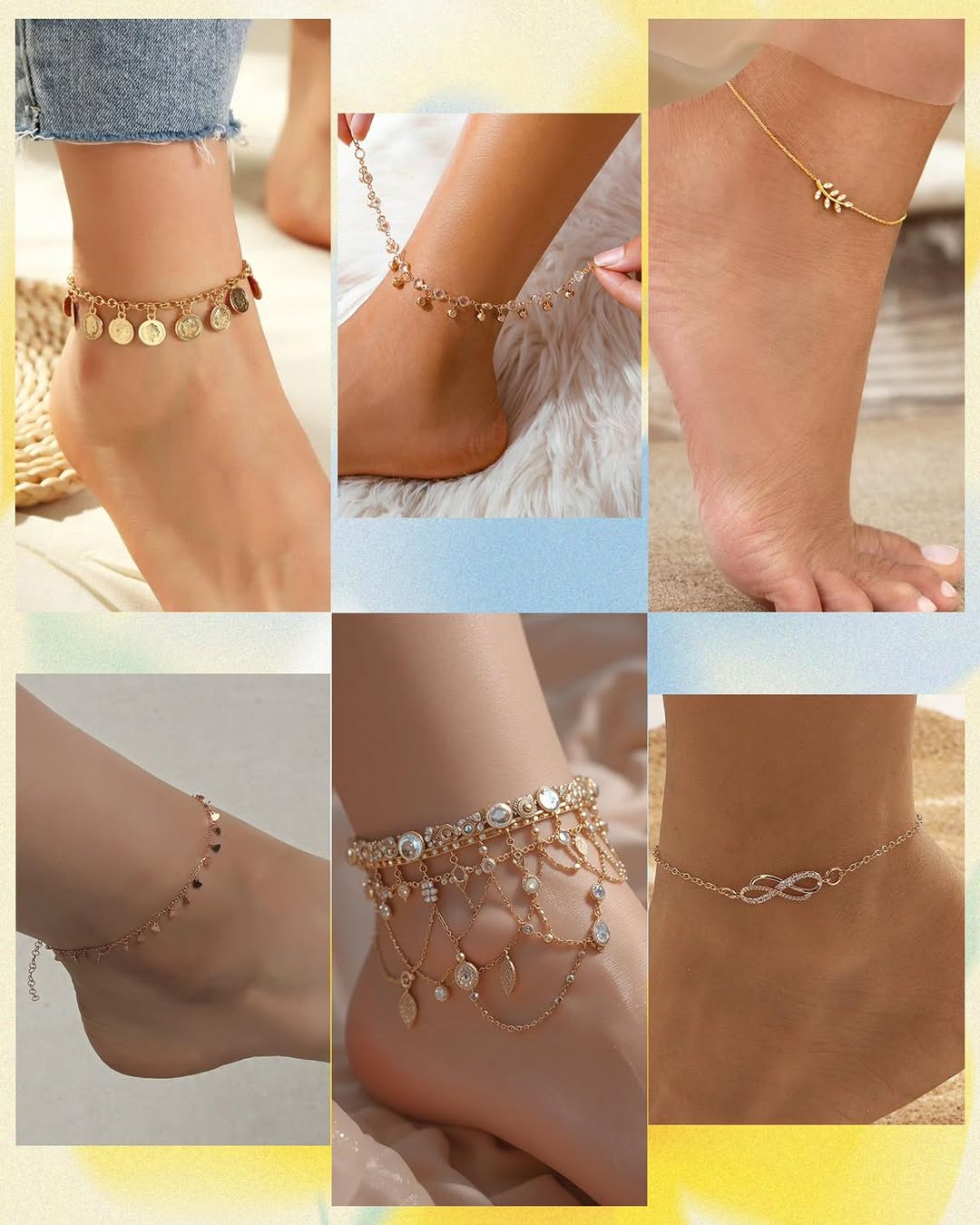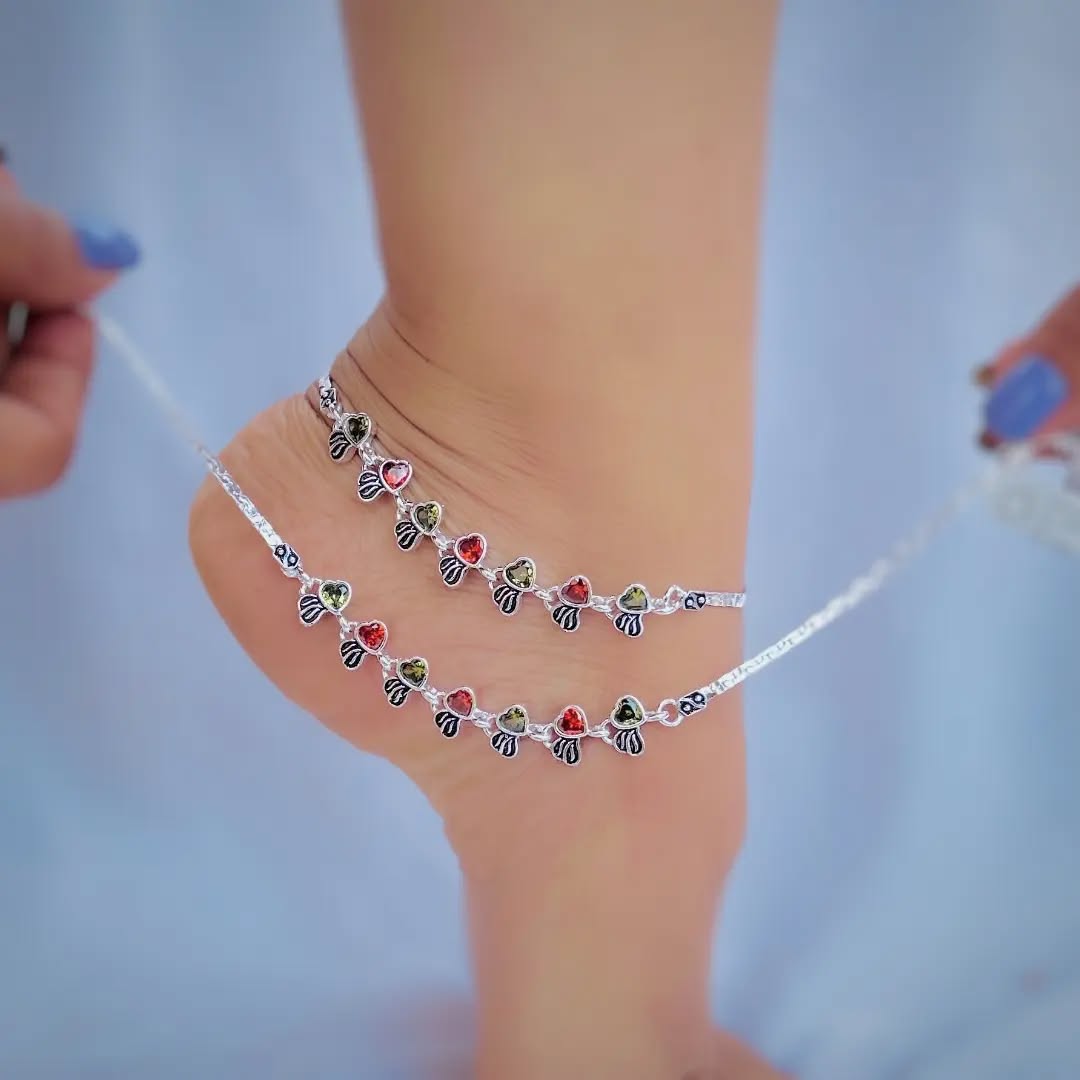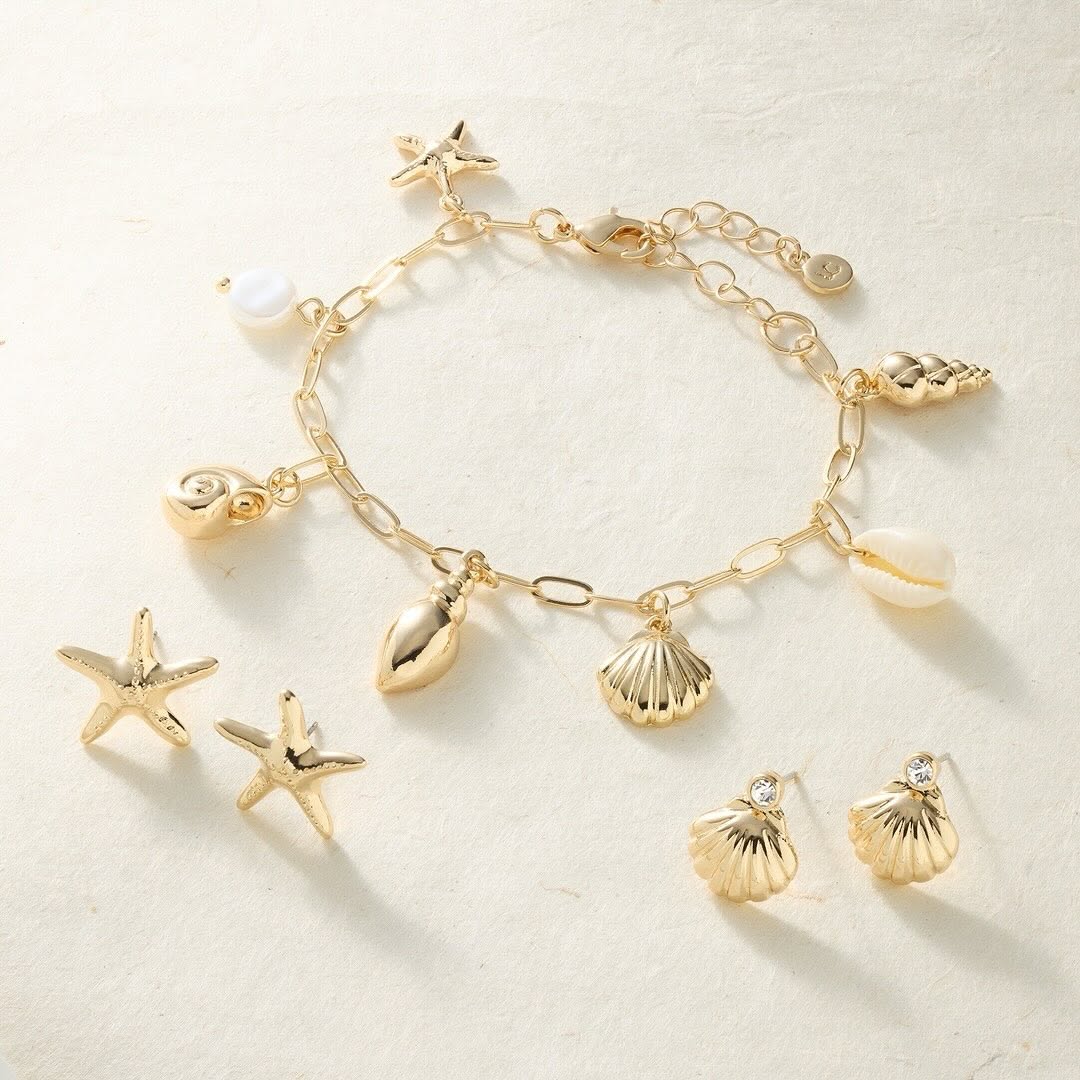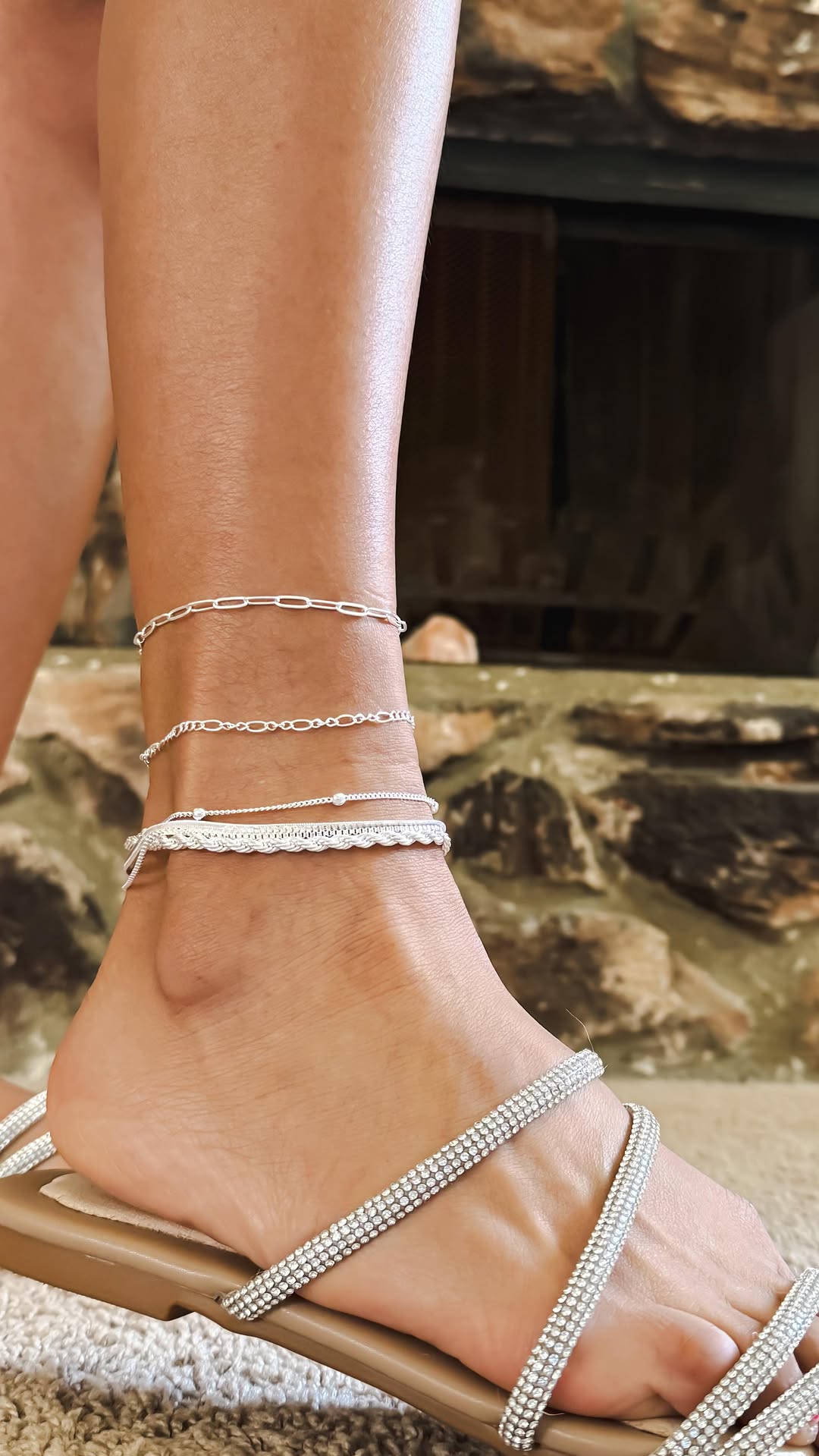
Complete sourcing guide for Chunky & Sculptural Anklets including supplier directory, FOB pricing, product specifications, and market validation.
FOB Price Range
$3.5 - $9.9
Verified Suppliers
0
Sourcing Strategies
2
AI-generated product visualizations for Chunky & Sculptural Anklets
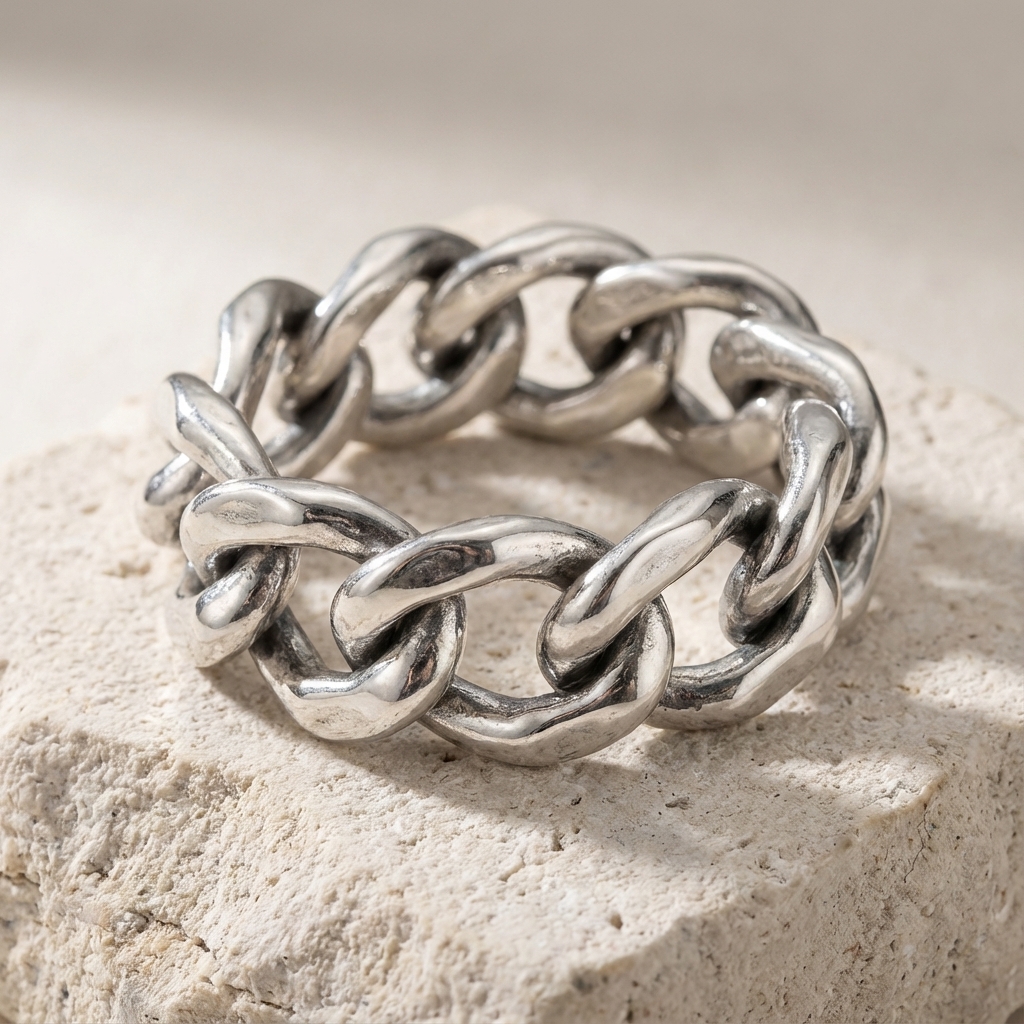
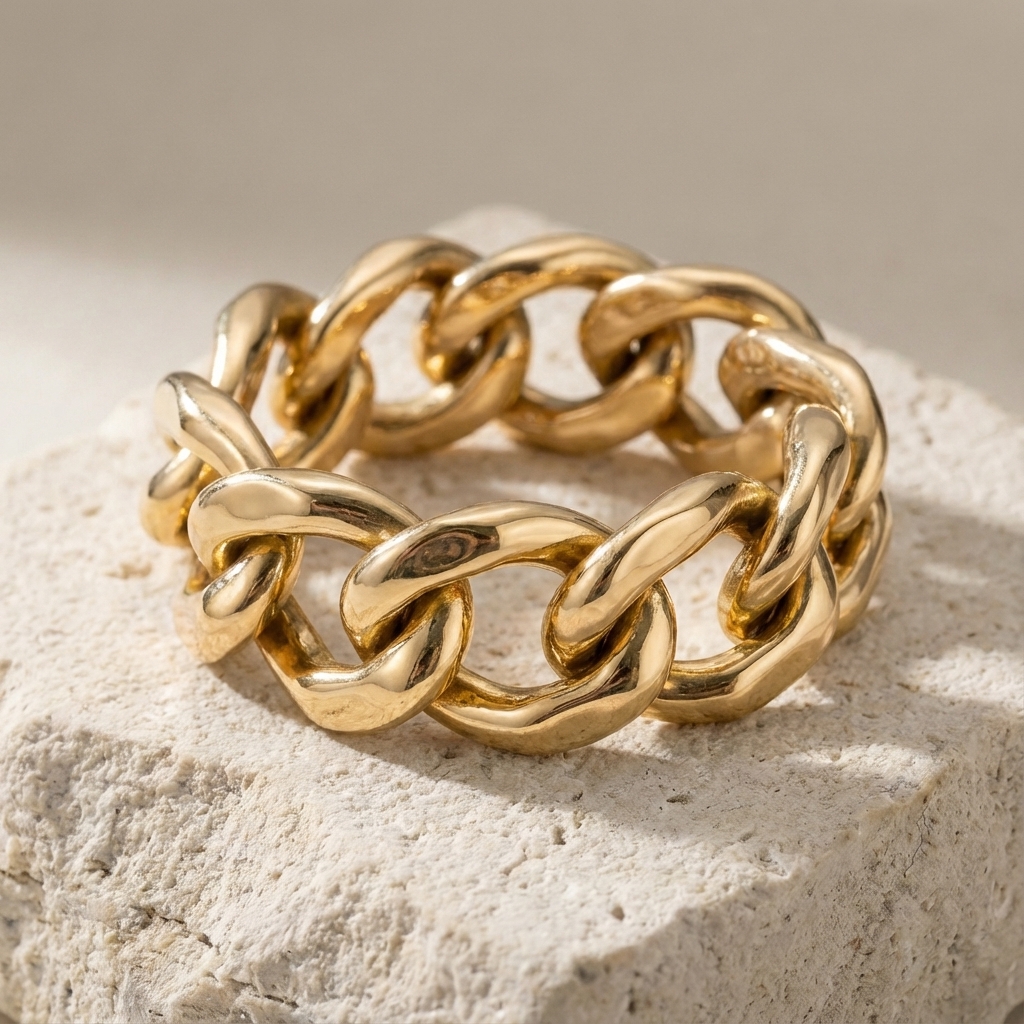
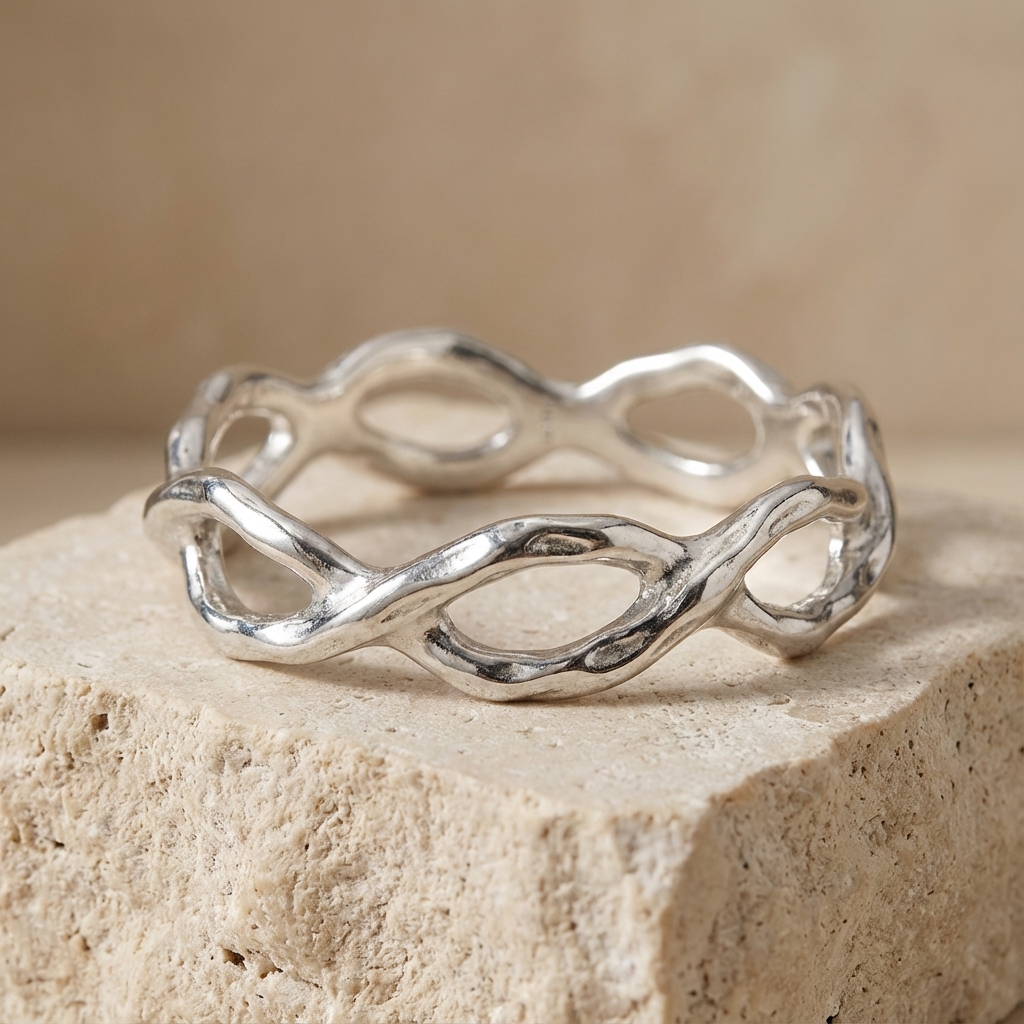
A quick preview of supplier standards, production requirements, and sourcing intelligence from our verified network.
The most significant cost drivers for chunky anklets are the base material and plating method. Switching from PVD-plated stainless steel to standard electroplated brass offers the largest cost reduction but introduces the highest quality risks. For a balanced approach, consider reducing chain weight or plating thickness before compromising on the core materials.
Confidence: High| Pricing Lever | Cost Impact | Quality Risk | MOQ Impact | Lead Time | Notes |
|---|---|---|---|---|---|
| Base Material: Stainless Steel → Brass | ↓ High | High | - None | - None | Highest cost saving but introduces risks of tarnishing, breakage, and skin irritation (green skin). |
| Plating: PVD → Standard Electroplating | ↓ Medium–High | High | - None | - None | Compromises 'waterproof' and 'tarnish-proof' claims; leads to fading and discoloration. |
| Reduce PVD Plating Thickness (e.g., 1.5μm → 0.5μm) | ↓ Medium | Medium | - None | - None | A subtle way to reduce cost while keeping the PVD benefit, but shortens the product's long-term lifespan. |
| Reduce Chain Width/Weight (e.g., 7mm → 5mm) | ↓ Low–Medium | Low | - None | - None | Reduces material cost but affects the 'chunky' aesthetic. Less impactful on perceived quality than plating. |
| Construction: Soldered Rings → Unsoldered Rings | ↓ Low | High | - None | ↓ Low | Minimal cost saving for a massive increase in breakage risk, the #1 customer complaint. |
| Packaging: Magnetic Box → Velvet Pouch or Polybag | ↓ Low–Medium | Low | - None | ↓ Low | Reduces unit cost and shipping weight but lowers the perceived premium/giftable value. |
| Increase MOQ (e.g., 500 → 2,000 units) | ↓ Medium | Low | ↑ High | - None | Unlocks better price breaks on raw materials and improves production efficiency. |
Ready to source durable, on-trend anklets? Submit a request with your target specs and we'll help you find the perfect balance between cost and quality for your brand.
The most critical quality failures for anklets are breakage at the clasp, tarnishing or color fading, and skin discoloration. These issues are directly tied to material and construction choices and are the leading causes of negative reviews.
Confidence: HighRoot Cause
Using standard, unsoldered (open) jump rings which can be easily pulled apart.
What to Specify / Ask Supplier
Mandate 'soldered jump rings' for all connections between the chain, extender, and clasp.
QC Check (What "Good" Looks Like)
Perform a firm pull test on the clasp area. Visually inspect the jump ring to ensure the seam is fully soldered and smooth.
Root Cause
Using cheap electroplating instead of PVD, or the plating layer is too thin.
What to Specify / Ask Supplier
Specify 'PVD Plating' and define thickness (e.g., '1 micron 18K Gold PVD'). Request salt spray test data.
QC Check (What "Good" Looks Like)
Wear test a sample 24/7 for a week, including showers. Rub vigorously with a white cloth to check for color transfer.
Root Cause
Base material is brass or a copper alloy, which reacts with skin moisture and pH.
What to Specify / Ask Supplier
Specify '304 or 316L Stainless Steel' as the base material. Require it to be hypoallergenic and nickel-free.
QC Check (What "Good" Looks Like)
Request material composition test reports (XRF analysis). Wear test a sample on sensitive skin for 48 hours.
Root Cause
Incorrect gold alloy used in plating (e.g., 22K/24K color instead of 14K/18K). No color standard provided.
What to Specify / Ask Supplier
Specify the desired gold karat color (e.g., '14K Gold Color'). Provide a physical master sample or a Pantone color code for reference.
QC Check (What "Good" Looks Like)
Compare production units side-by-side with the approved color master under a neutral light source.
Root Cause
Low-quality, rigid chain construction that doesn't allow for natural movement.
What to Specify / Ask Supplier
Request samples of the specific chain type and specify that it must be 'flexible and lay flat against the skin'.
QC Check (What "Good" Looks Like)
Drape the anklet over your finger. It should conform smoothly without creating sharp bends or kinks.
Root Cause
Weak spring mechanism or thin material in the lobster claw clasp.
What to Specify / Ask Supplier
Specify 'reinforced lobster claw clasp' and ask for samples of the exact component to be used.
QC Check (What "Good" Looks Like)
Cycle the clasp open and closed 30-50 times. It should remain snappy and not feel loose or weak.
Root Cause
Inadequate tumbling or polishing process after cutting the chain links.
What to Specify / Ask Supplier
Specify 'fully polished with smooth, rounded edges' for all links and components.
QC Check (What "Good" Looks Like)
Run your finger along the length of the chain. It should feel smooth with no sharp points or burrs that could snag skin or clothing.
Don't let quality issues tarnish your brand. Source with us and receive a comprehensive QC checklist tailored to ensure your anklets are beautiful, durable, and defect-free.
Use this data to create your product specifications, reach out to suppliers, and validate your pricing strategy. Start with small sample orders to test quality.
Choose from 2 pricing strategies based on your target market
This sourcing playbook provides actionable guidance for importing Chunky & Sculptural Ankletsproducts. Our data-driven approach combines supplier intelligence with market validation to help you make informed purchasing decisions and minimize sourcing risks.
First orders typically require 30-50% deposit with balance before shipment (T/T). As relationships develop, suppliers may offer 30/70 splits or even open terms for established buyers. Letter of Credit (L/C) is available for larger orders but involves additional fees.
Document issues with photos immediately upon receipt. Most suppliers offer replacement or credit for legitimate defects within agreed AQL limits. Having clear quality specifications in your purchase order strengthens your position in disputes.
Third-party inspection is recommended for first orders and orders over $10,000. Services like SGS or Bureau Veritas cost $200-400 per inspection and can prevent costly quality issues. Pre-shipment inspection is most common; in-line inspection adds additional assurance.
Navigation: All Categories → Anklets → Chunky & Sculptural Anklets → Sourcing