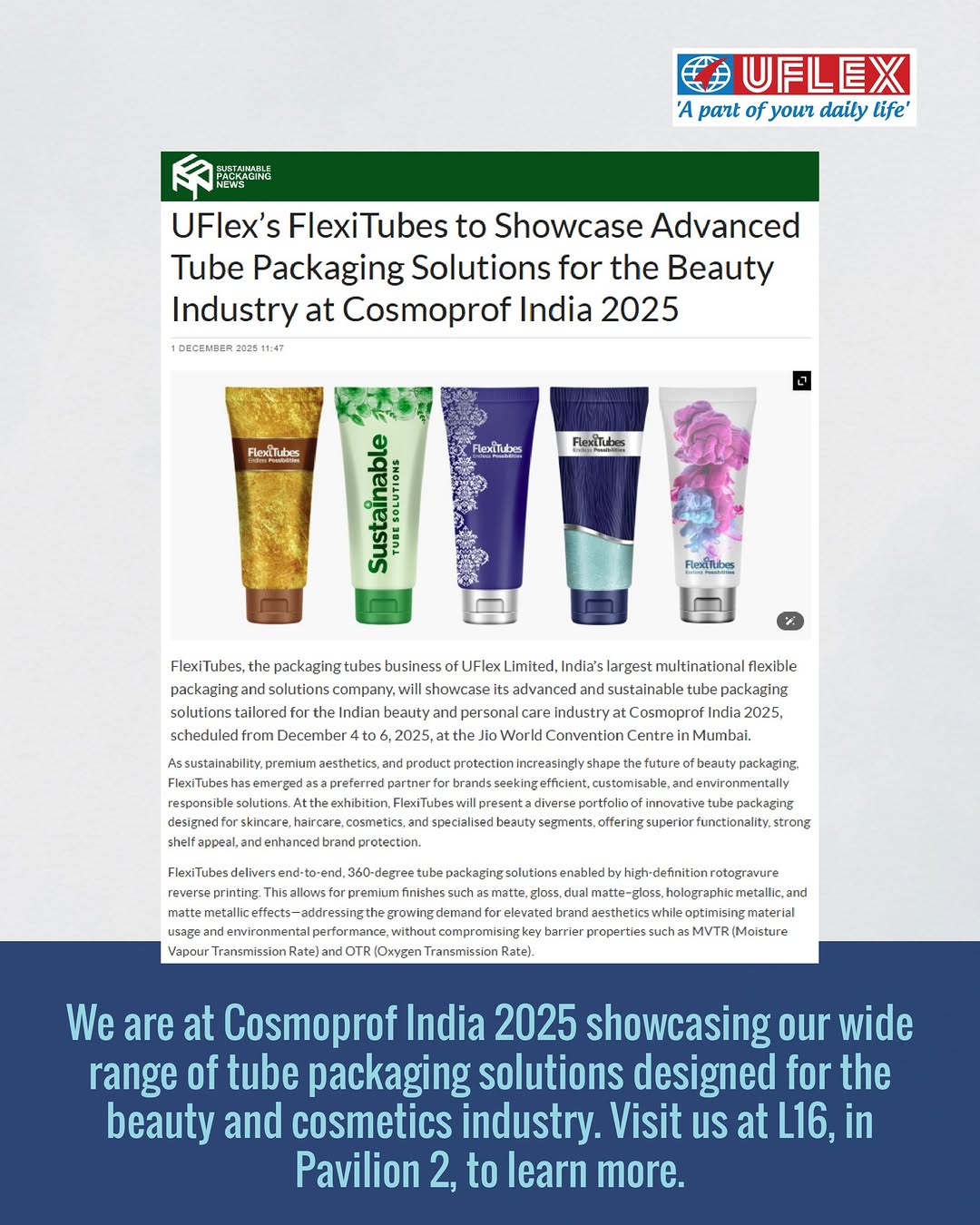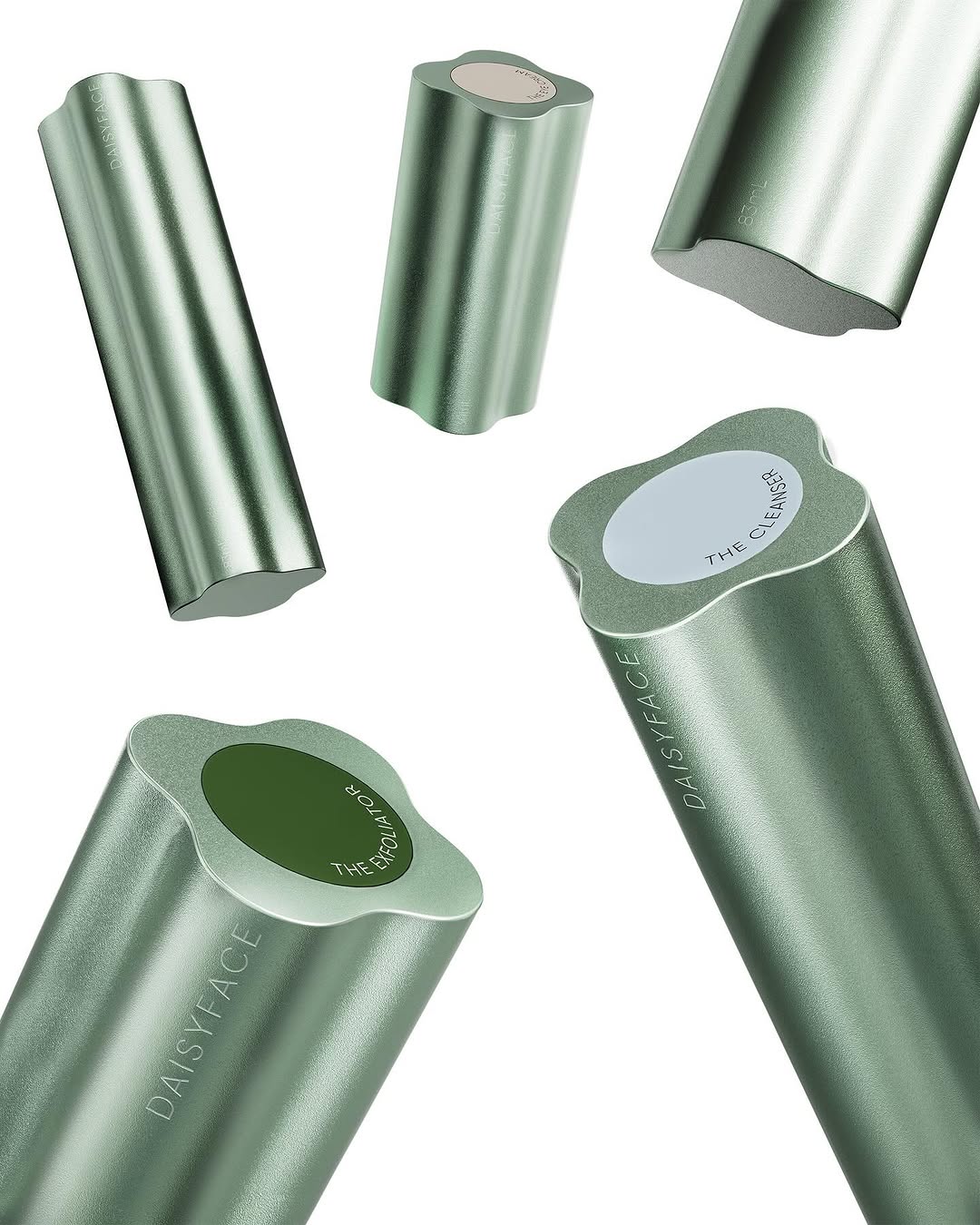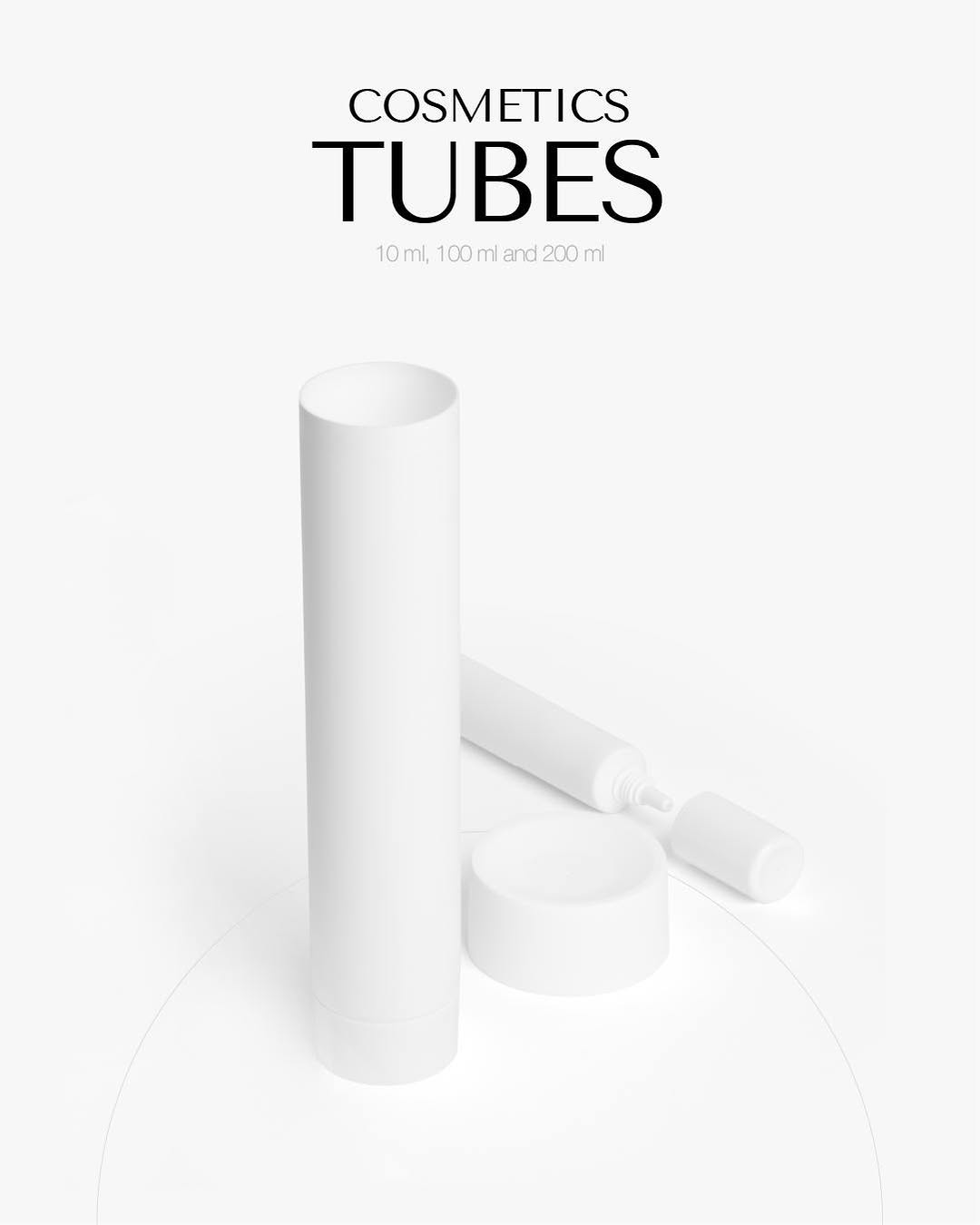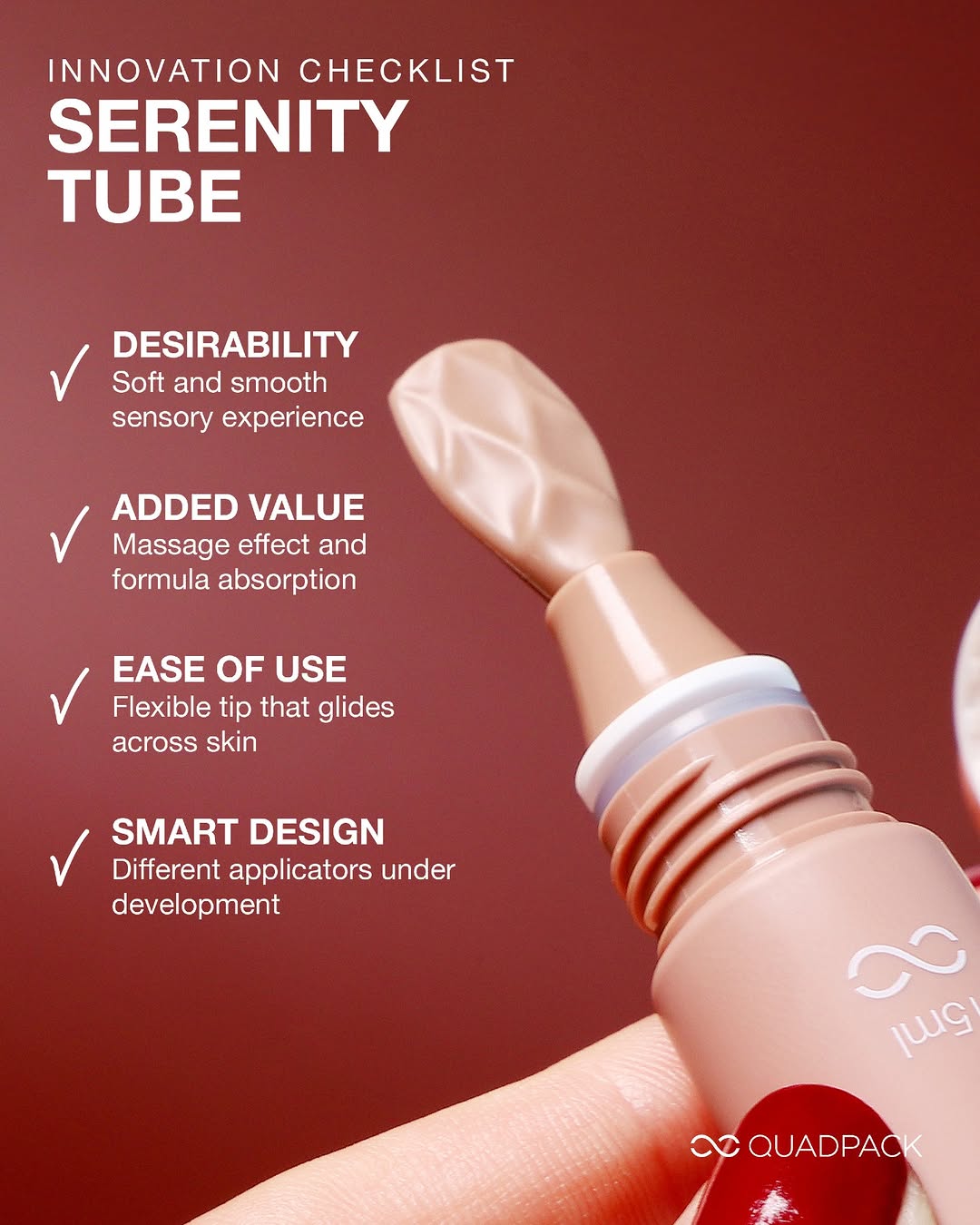
Complete sourcing guide for Smart & Interactive Tubes including supplier directory, FOB pricing, product specifications, and market validation.
FOB Price Range
$20.97 - $133.84
Verified Suppliers
0
Sourcing Strategies
2
AI-generated product visualizations for Smart & Interactive Tubes
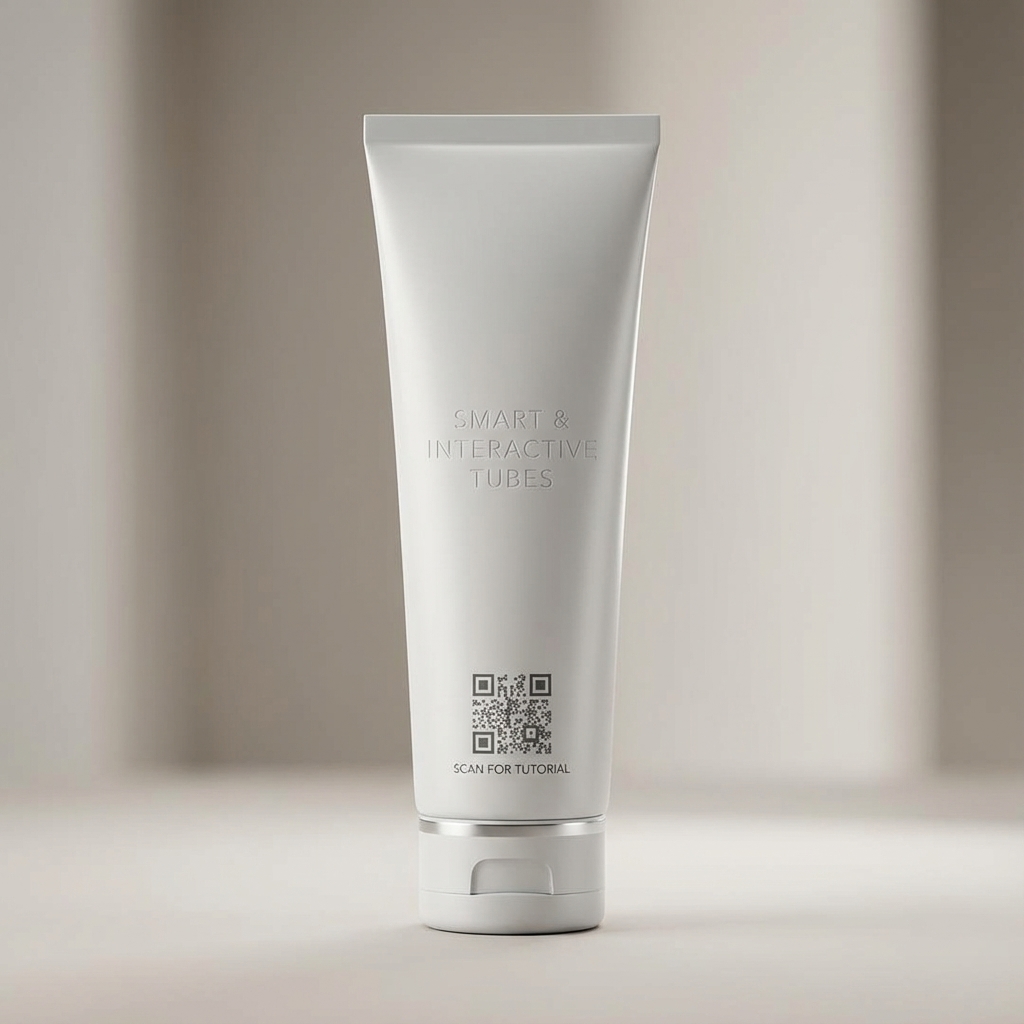
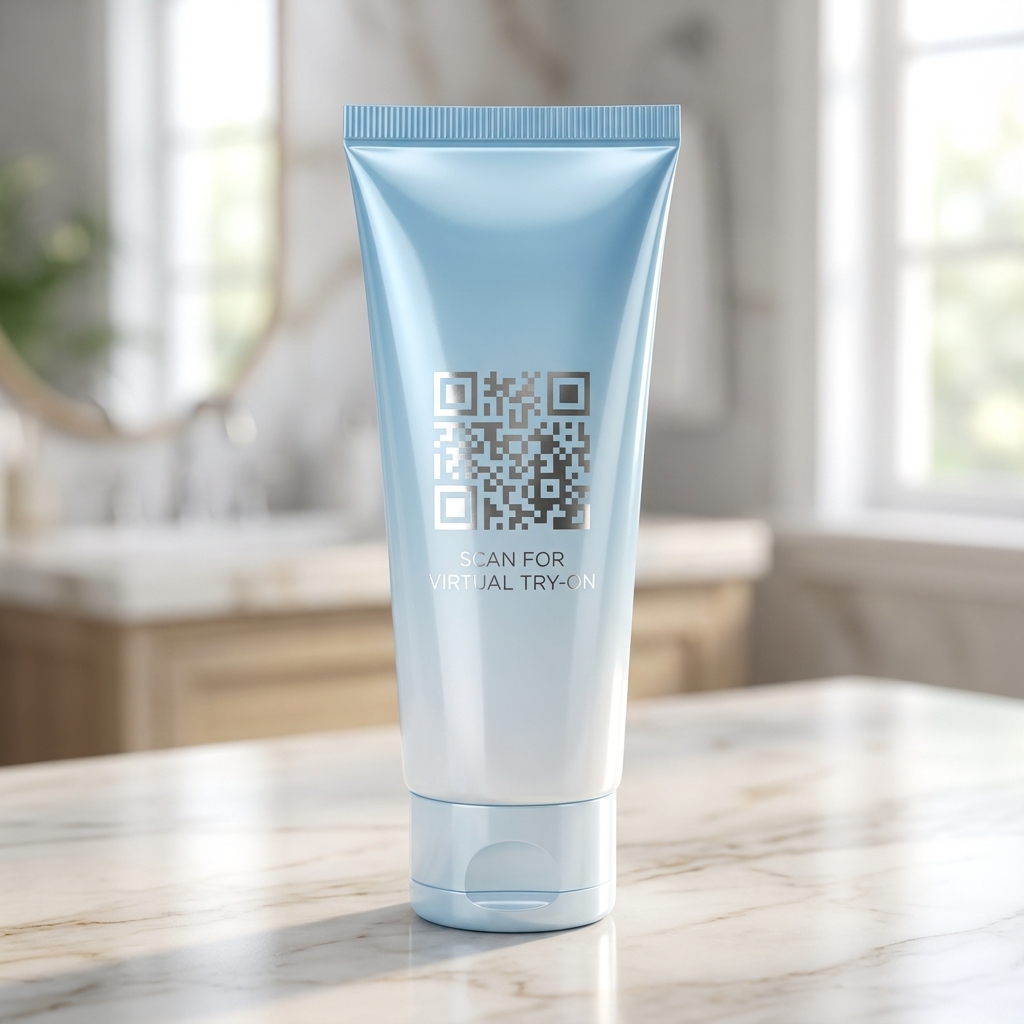
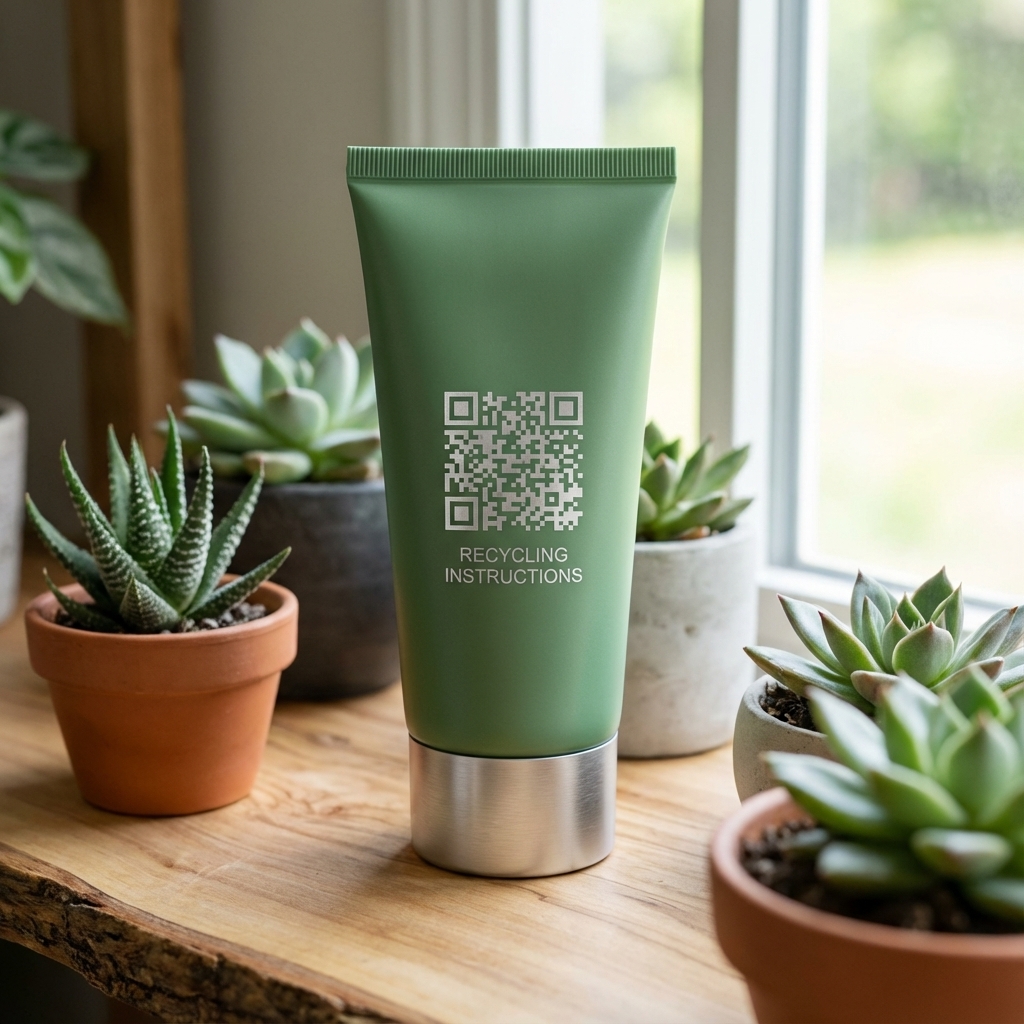
A quick preview of supplier standards, production requirements, and sourcing intelligence from our verified network.
To effectively manage cost, the primary levers are material selection (Aluminum vs. multi-layer PE vs. mono-layer PE), printing method, and the complexity of secondary packaging. These three factors contribute most significantly to the final unit price.
Confidence: High| Pricing Lever | Cost Impact | Quality Risk | MOQ Impact | Lead Time | Notes |
|---|---|---|---|---|---|
| Switch from Aluminum to 5-Layer PE/EVOH Tube | ↓ High | Medium | - None | - None | Affects premium perception; barrier properties are excellent but different from metal. |
| Switch from 5-Layer PE to 3-Layer or Mono-Layer PE | ↓ Medium | High | - None | - None | Only for non-sensitive formulas. High risk of leakage and product degradation. |
| Switch from Direct Printing to Adhesive Label | ↓ Medium | Medium | ↓ Medium | ↑ Low | Lowers tooling costs but adds risk of label peeling, wrinkling, or misalignment. |
| Simplify secondary packaging (e.g., Rigid Box → Tuck Box → Polybag) | ↓ High | High | - None | ↓ Low | Significantly increases risk of transit damage and customer complaints about crushed packaging. |
| Use stock tube/cap colors (White/Clear) instead of custom Pantone | ↓ Low–Medium | Low | ↓ High | ↓ Medium | Fastest way to get tubes, but limits brand differentiation. |
| Simplify applicator (e.g., Nozzle Tip → Standard Orifice) | ↓ Low | Low | - None | - None | Reduces tooling cost but may impact product's specific application function. |
| Increase MOQ (e.g., 10k to 50k units) | ↓ Medium | Low | ↑ High | - None | Unlocks significant price breaks and access to larger, more capable suppliers. |
Submit a sourcing request with your target specifications and let us help you find the perfect cosmetic tube that balances cost, quality, and brand identity.
The most critical quality risks for cosmetic tubes are leakage from poor seals, formulation degradation due to inadequate barrier protection, and transit damage from flimsy secondary packaging. These issues directly lead to customer complaints and returns.
Confidence: HighRoot Cause
Incorrect sealing temperature/pressure; poor cap-neck fit; incompatible materials causing stress cracks.
What to Specify / Ask Supplier
Specify sealing method (e.g., heat, ultrasonic) and require leak/burst pressure testing standards.
QC Check (What "Good" Looks Like)
Squeeze test on sealed tubes; invert and leave for 24h to check for cap leaks; check seal integrity visually.
Root Cause
Wrong barrier material (e.g., mono-layer for oxygen-sensitive formula); incompatible internal lacquer in aluminum tubes.
What to Specify / Ask Supplier
Specify 5-layer PE/EVOH for barrier needs. For aluminum, provide formulation MSDS for lacquer compatibility check.
QC Check (What "Good" Looks Like)
Conduct accelerated aging test with filled samples; check material certificates of compliance.
Root Cause
Low-GSM paperboard (<300gsm); lack of internal inserts to provide structural support.
What to Specify / Ask Supplier
Specify paperboard weight (e.g., 350gsm+) and require custom inserts. Define master carton drop test standards (e.g., ISTA-1A).
QC Check (What "Good" Looks Like)
Perform a corner drop test on a sample master carton; check for crushing on individual boxes.
Root Cause
Poor ink adhesion; incorrect curing; low-quality label adhesive; print plate misalignment.
What to Specify / Ask Supplier
Specify ink type and require adhesion test (e.g., 3M tape test). Provide clear artwork with placement tolerances.
QC Check (What "Good" Looks Like)
Rub print firmly with a cloth; apply and remove tape to check for ink lift; check label alignment against a golden sample.
Root Cause
Poor flip-top cap design; brittle plastic material (incorrect resin).
What to Specify / Ask Supplier
Require a cycle test standard (e.g., cap must withstand 50 open/close cycles without failure).
QC Check (What "Good" Looks Like)
Manually open and close a sample of caps 20-30 times to check for stress whitening or breakage.
Root Cause
Incorrect printing plate; stretching of the tube during printing.
What to Specify / Ask Supplier
Provide precise artwork with dimensional tolerances (e.g., ±0.5mm) for all markings.
QC Check (What "Good" Looks Like)
Use calipers to measure the distance between marks on a sample and compare against the approved artwork.
Root Cause
Inconsistent heat application; wrong seal material for the tube (PE/ALU).
What to Specify / Ask Supplier
Specify foil/membrane material and thickness. Require 100% seal coverage on orifice.
QC Check (What "Good" Looks Like)
Peel off the seal to ensure it was fully adhered and requires reasonable force to remove. Visually inspect for gaps.
Source with us and receive a comprehensive QC checklist tailored to your cosmetic tube to ensure your product meets the highest quality standards.
Use this data to create your product specifications, reach out to suppliers, and validate your pricing strategy. Start with small sample orders to test quality.
Choose from 2 pricing strategies based on your target market
This sourcing playbook provides actionable guidance for importing Smart & Interactive Tubesproducts. Our data-driven approach combines supplier intelligence with market validation to help you make informed purchasing decisions and minimize sourcing risks.
First orders typically require 30-50% deposit with balance before shipment (T/T). As relationships develop, suppliers may offer 30/70 splits or even open terms for established buyers. Letter of Credit (L/C) is available for larger orders but involves additional fees.
Document issues with photos immediately upon receipt. Most suppliers offer replacement or credit for legitimate defects within agreed AQL limits. Having clear quality specifications in your purchase order strengthens your position in disputes.
Third-party inspection is recommended for first orders and orders over $10,000. Services like SGS or Bureau Veritas cost $200-400 per inspection and can prevent costly quality issues. Pre-shipment inspection is most common; in-line inspection adds additional assurance.
Navigation: All Categories → Cosmetic Tube → Smart & Interactive Tubes → Sourcing