Complete sourcing guide for Immunity Boost Vitamin Sachets including supplier directory, FOB pricing, product specifications, and market validation.
FOB Price Range
$5.5 - $148.45
Verified Suppliers
0
Sourcing Strategies
2
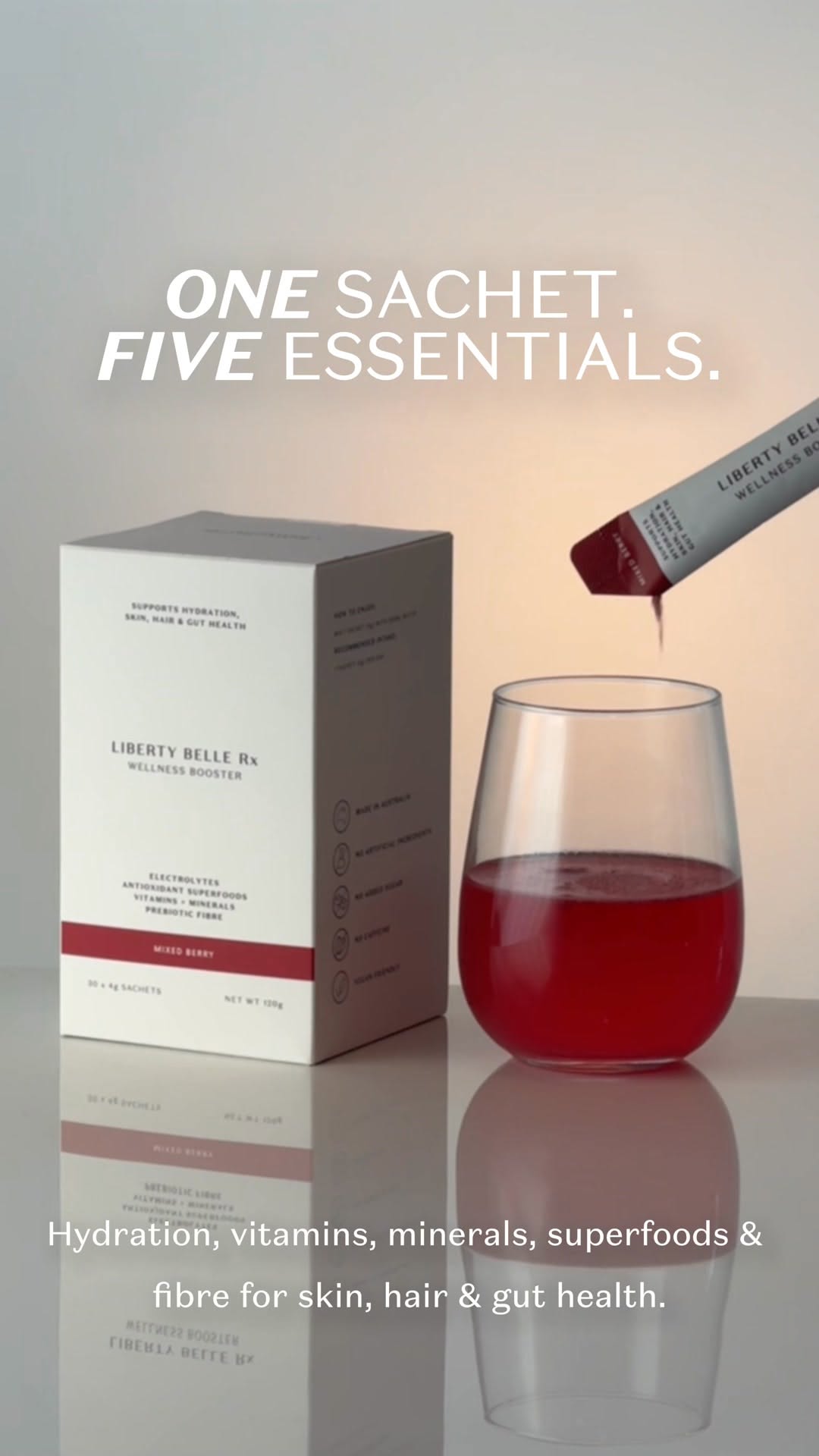
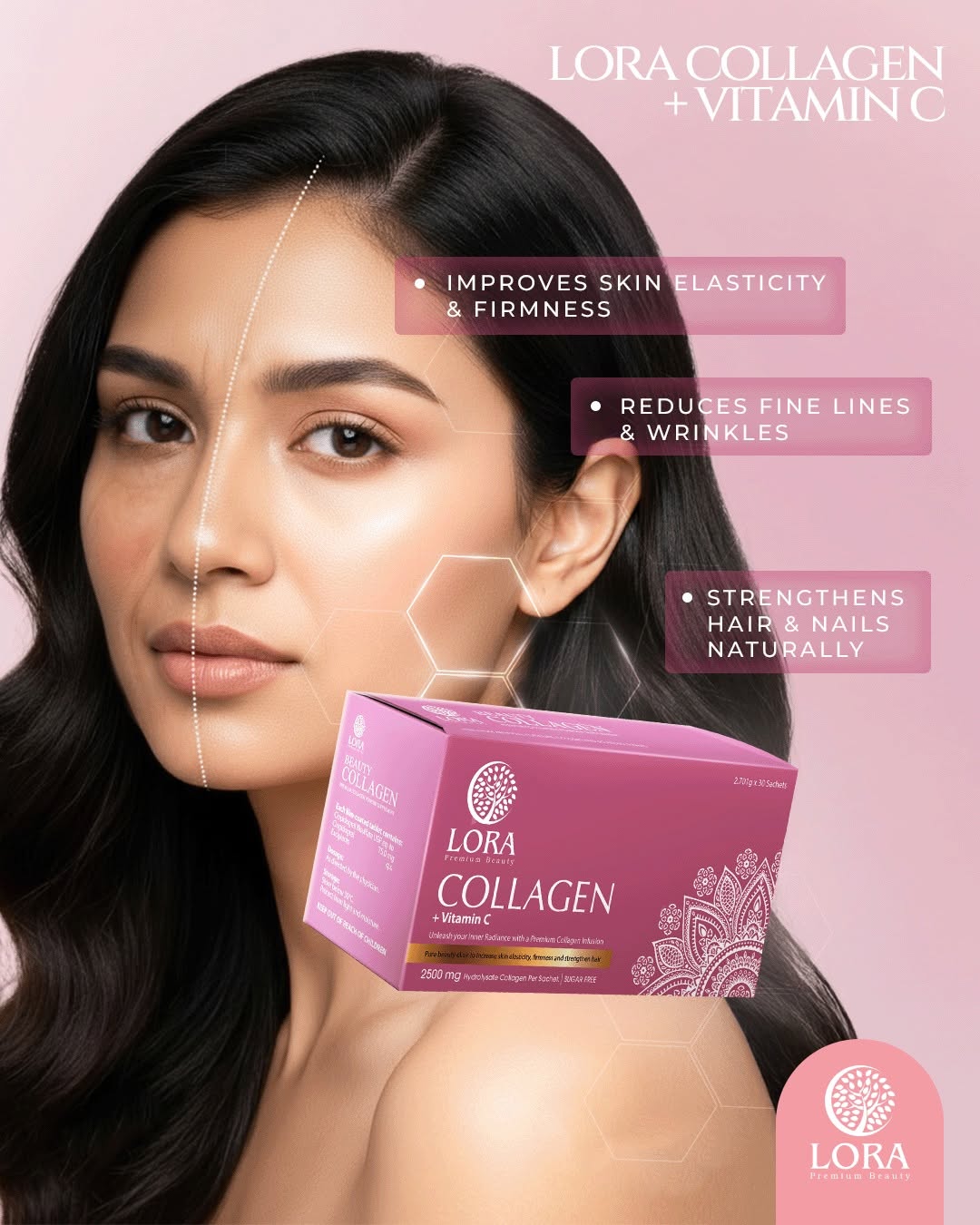
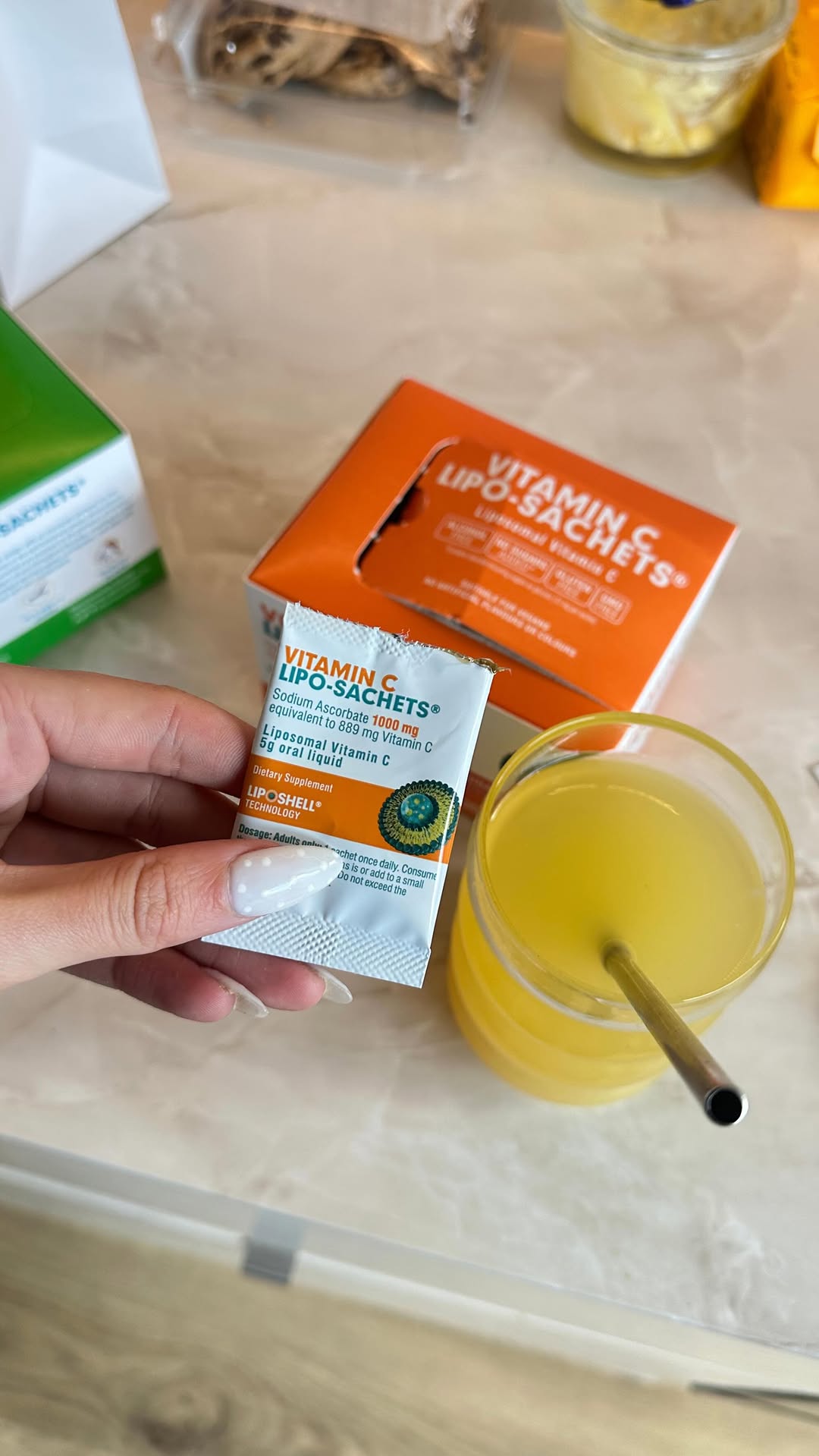
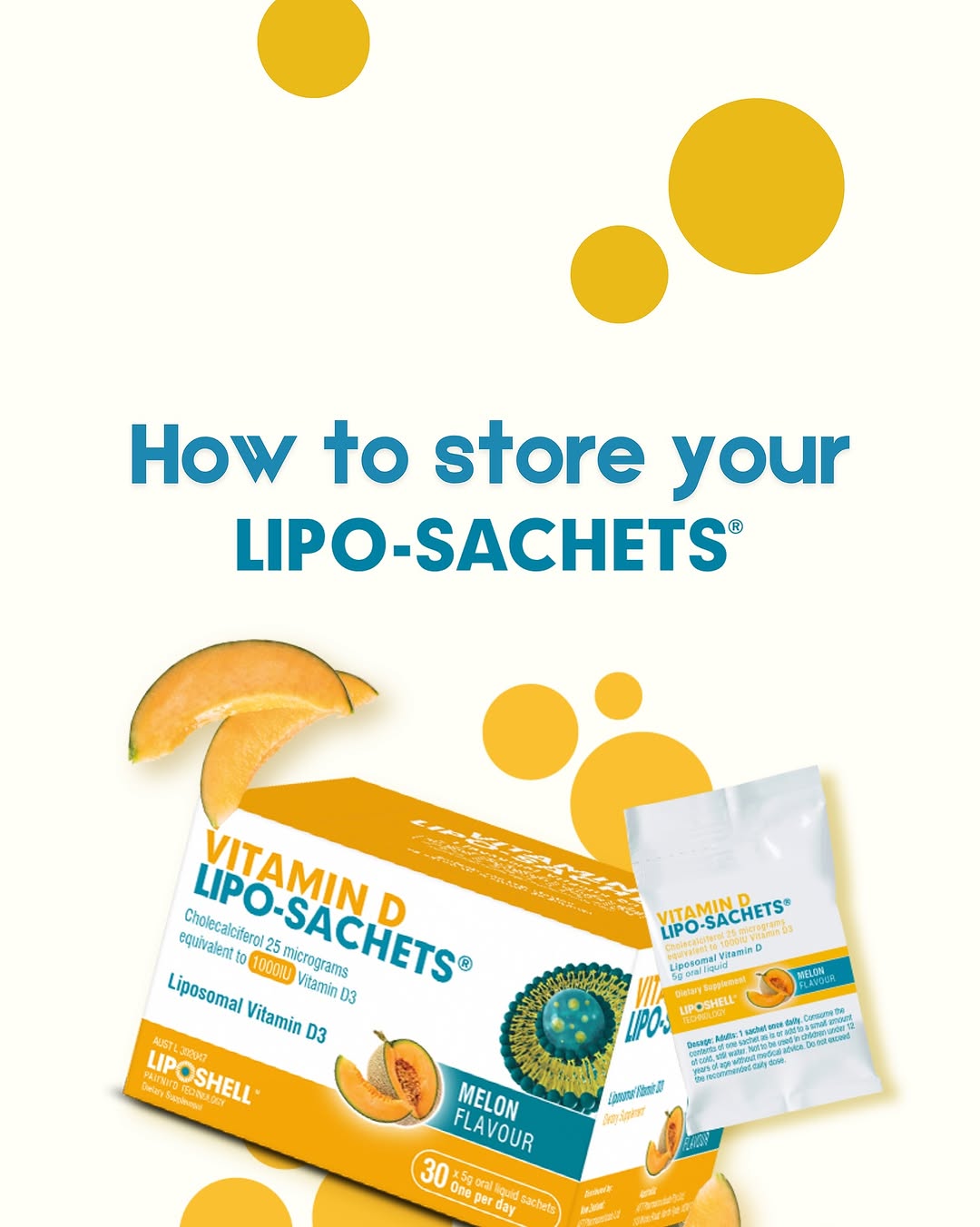
AI-generated product visualizations for Immunity Boost Vitamin Sachets
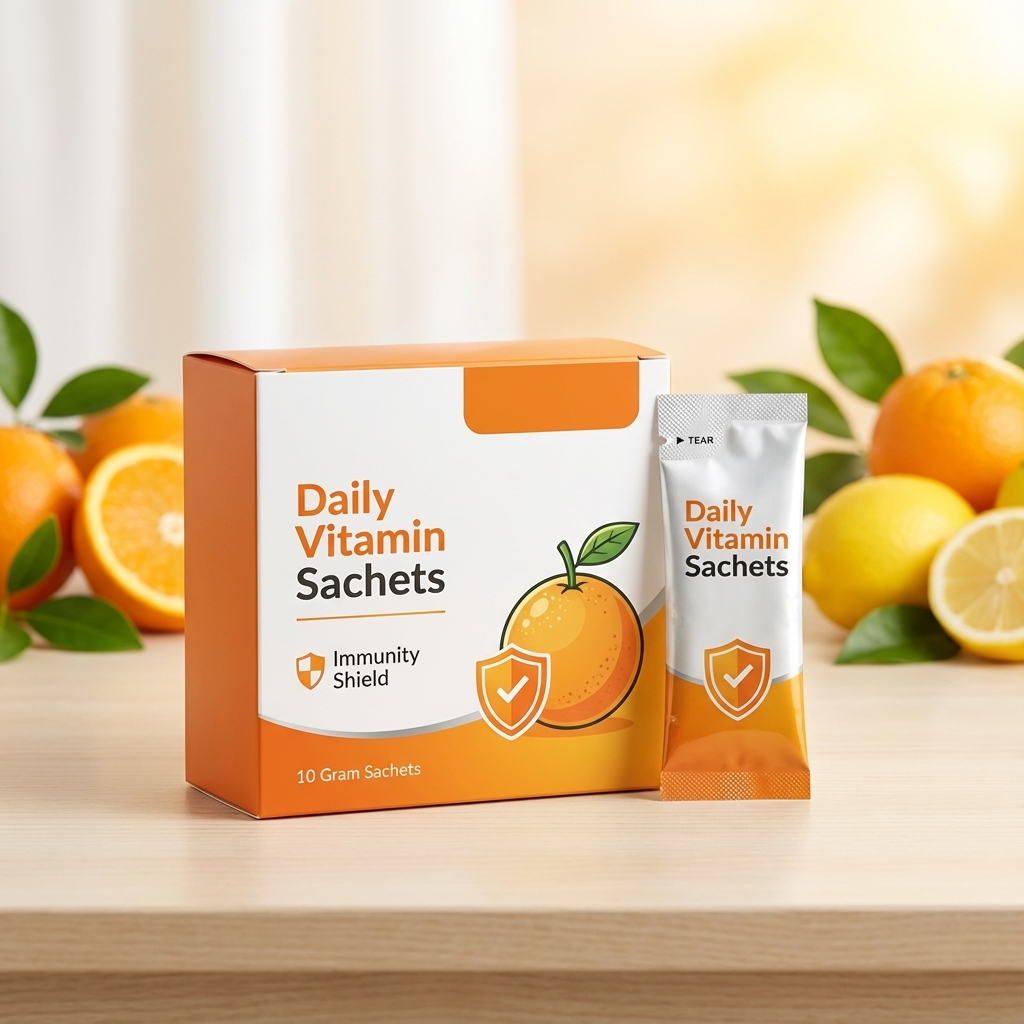
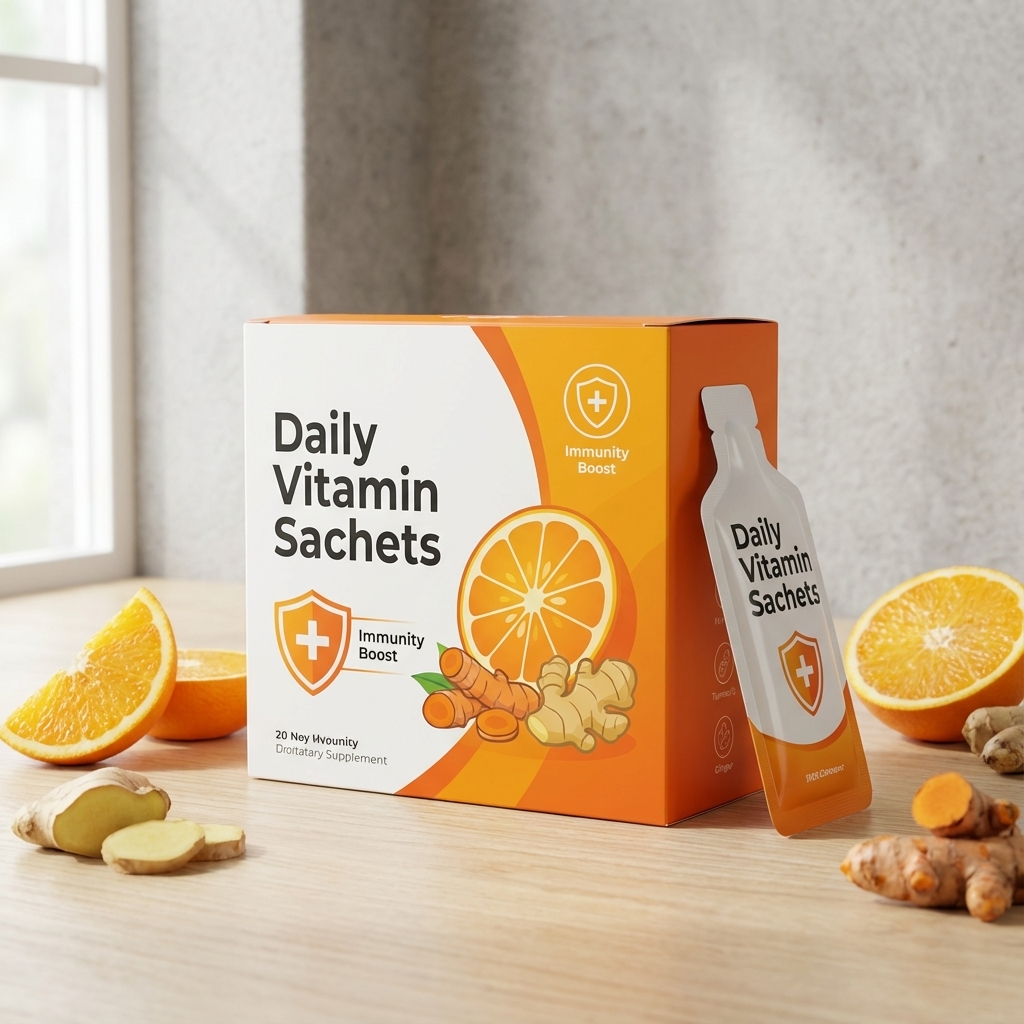
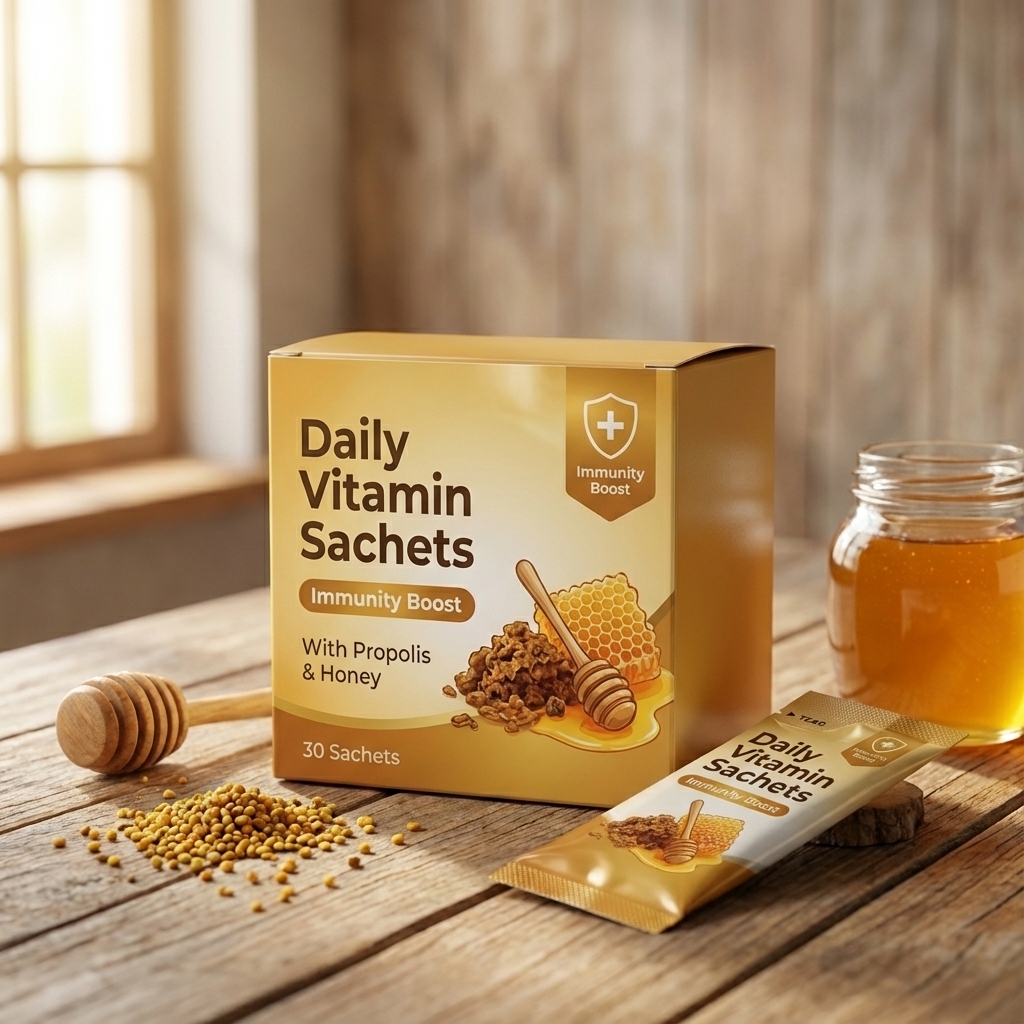
A quick preview of supplier standards, production requirements, and sourcing intelligence from our verified network.
The primary cost drivers for vitamin sachets are the active ingredients, particularly the choice between branded and generic compounds. Secondary levers with significant impact include the packaging format (rigid box vs. pouch) and the total order volume (MOQ), which unlocks material and production efficiencies.
Confidence: High| Pricing Lever | Cost Impact | Quality Risk | MOQ Impact | Lead Time | Notes |
|---|---|---|---|---|---|
| Switch from branded to generic active ingredients (e.g., Tendoforte® → unbranded collagen) | ↓ High | Medium | ↓ Low | ↓ Low | Must validate purity, potency, and bioavailability of the generic alternative via 3rd-party testing. |
| Simplify formula (e.g., 'C+D+Zinc' → 'C+Zinc') | ↓ Medium | Low | - None | - None | Reduces material cost per sachet but may impact perceived efficacy or marketing claims. |
| Switch outer packaging (Rigid Box → Folding Carton or Pouch) | ↓ Medium–High | Low | - None | ↓ Low | Significantly reduces packaging and shipping costs but affects premium perception. |
| Use manufacturer's stock flavor (e.g., Custom Peach Ginger → Stock Orange) | ↓ Low–Medium | Low | ↓ Medium | ↓ Medium | Eliminates flavor development costs and lead time; ideal for speed-to-market. |
| Increase MOQ (e.g., 10k → 50k units) | ↓ Medium | Low | ↑ High | - None | Enables better price breaks on all raw materials, printing, and production runs. |
| Reduce sachet material spec (e.g., multi-layer foil → simpler laminate) | ↓ Low | High | - None | - None | High risk of moisture ingress, leading to clumping and reduced shelf life. Requires stability testing. |
Ready to optimize your costs? Submit your target formula and packaging ideas, and we'll help you find the most cost-effective manufacturing solution without compromising quality.
The most critical quality risks revolve around product integrity (seals, shelf life), consumer experience (taste, mixability), and efficacy (ingredient potency). Failure in any of these areas can quickly erode brand trust and lead to negative reviews.
Confidence: HighRoot Cause
Weak sachet material; improper heat-sealing temperature/pressure; no outer tamper-evident seal.
What to Specify / Ask Supplier
Specify sachet material strength and require seal integrity tests (e.g., pressure burst test). Mandate a specific tamper-evident seal for the outer box.
QC Check (What "Good" Looks Like)
Squeeze a sample of sachets to check for air leaks. Verify the outer box seal is intact and cannot be removed without visible damage.
Root Cause
Low-quality flavorings; ingredient degradation; poor formula balancing; interaction between ingredients.
What to Specify / Ask Supplier
Provide an approved 'golden sample' for taste matching. Specify exact flavorings and sweeteners. Require organoleptic testing on each batch.
QC Check (What "Good" Looks Like)
Taste test production samples against the approved golden sample. Check for any chemical or off-odors upon opening the sachet.
Root Cause
Moisture ingress from poor sachet seal; hygroscopic ingredients without sufficient anti-caking agents (e.g., silicon dioxide).
What to Specify / Ask Supplier
Specify maximum moisture content. Define required flow agents and a mixability standard (e.g., 'dissolves in 200ml water in <30s with stirring').
QC Check (What "Good" Looks Like)
Open random sachets to check for hard clumps. Mix powder in a clear glass of water to observe dissolution speed and any residue.
Root Cause
Use of aged raw materials; no 'First-In, First-Out' (FIFO) policy; inadequate stability testing.
What to Specify / Ask Supplier
Contractually require a minimum of 12-18 months shelf life upon delivery. Request their raw material inventory management policy.
QC Check (What "Good" Looks Like)
During pre-shipment inspection, verify the 'Date of Manufacture' and 'Expiry Date' printed on the final packaging are within the agreed terms.
Root Cause
Poor raw material QC; inaccurate blending process; ingredient degradation from heat/moisture during production.
What to Specify / Ask Supplier
Require a Certificate of Analysis (CoA) for all active ingredients per batch. Specify acceptable potency variance (e.g., 100%-115% of label claim).
QC Check (What "Good" Looks Like)
Review the final batch CoA. For critical ingredients, send a sample from the production run to a 3rd-party lab for verification.
Root Cause
Poorly calibrated filling machines; inconsistent powder density due to poor blending.
What to Specify / Ask Supplier
Specify target fill weight and acceptable tolerance (e.g., 5g ± 3%). Ask for their in-line weight checking process records.
QC Check (What "Good" Looks Like)
During inspection, weigh a sample of 20-30 individual sachets on a calibrated scale to check for variance against the specification.
Root Cause
Unhygienic production environment; contaminated raw materials; insufficient testing.
What to Specify / Ask Supplier
Require manufacturing in a GMP-certified facility. Request a full microbiological panel on the CoA for each batch.
QC Check (What "Good" Looks Like)
Review the micro testing section of the batch CoA to ensure results for TPC, yeast, mold, E. coli, etc., are within acceptable limits.
Don't leave quality to chance. Source with us and we'll build a comprehensive QC checklist and inspection plan to protect your brand and ensure customer satisfaction.
Use this data to create your product specifications, reach out to suppliers, and validate your pricing strategy. Start with small sample orders to test quality.
Choose from 2 pricing strategies based on your target market
This sourcing playbook provides actionable guidance for importing Immunity Boost Vitamin Sachetsproducts. Our data-driven approach combines supplier intelligence with market validation to help you make informed purchasing decisions and minimize sourcing risks.
First orders typically require 30-50% deposit with balance before shipment (T/T). As relationships develop, suppliers may offer 30/70 splits or even open terms for established buyers. Letter of Credit (L/C) is available for larger orders but involves additional fees.
Document issues with photos immediately upon receipt. Most suppliers offer replacement or credit for legitimate defects within agreed AQL limits. Having clear quality specifications in your purchase order strengthens your position in disputes.
Third-party inspection is recommended for first orders and orders over $10,000. Services like SGS or Bureau Veritas cost $200-400 per inspection and can prevent costly quality issues. Pre-shipment inspection is most common; in-line inspection adds additional assurance.
Navigation: All Categories → Daily Vitamin Sachets → Immunity Boost Vitamin Sachets → Sourcing