Complete sourcing guide for Deodorant Pastes & Creams including supplier directory, FOB pricing, product specifications, and market validation.
FOB Price Range
$2.62 - $26.46
Verified Suppliers
1
Sourcing Strategies
2
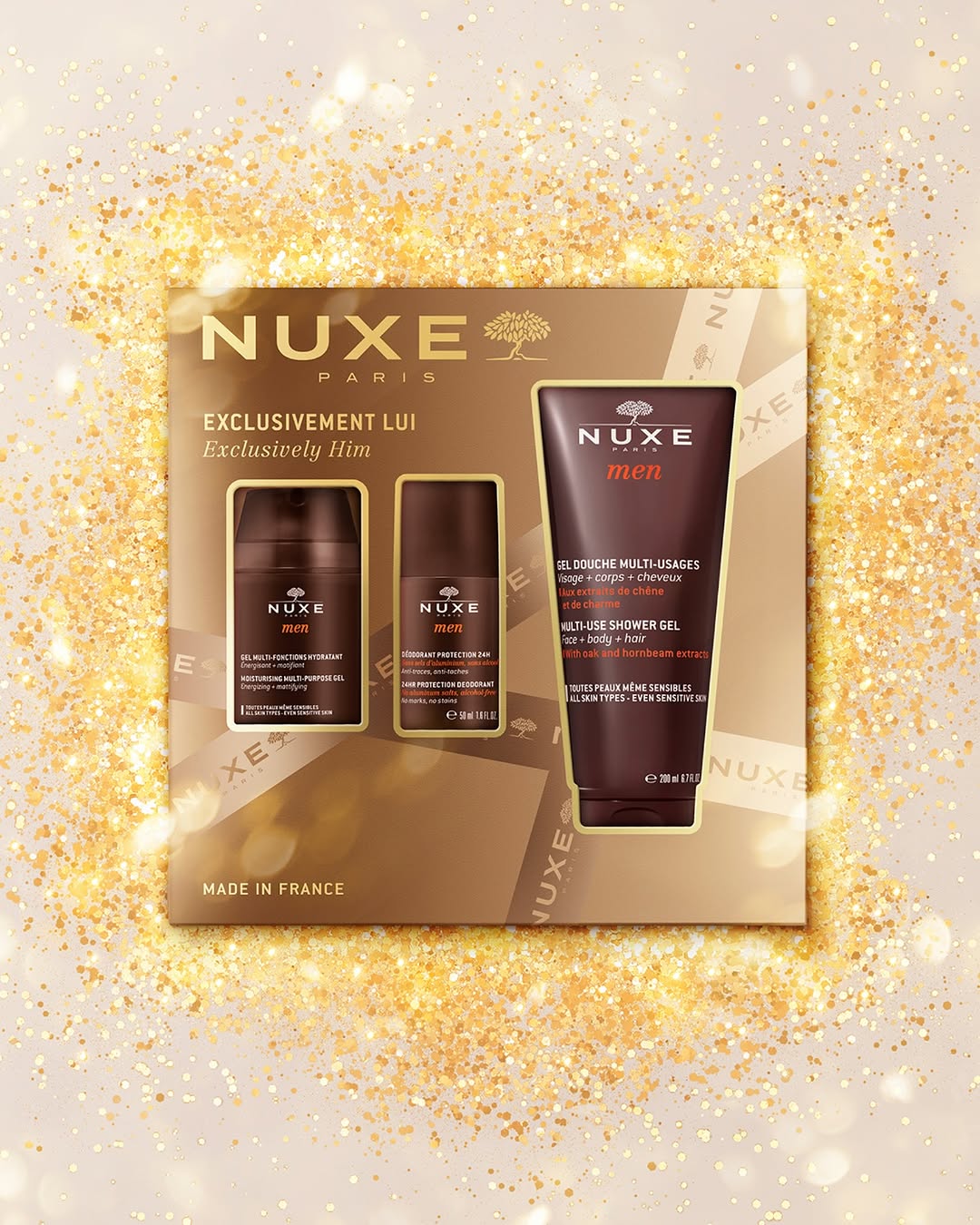
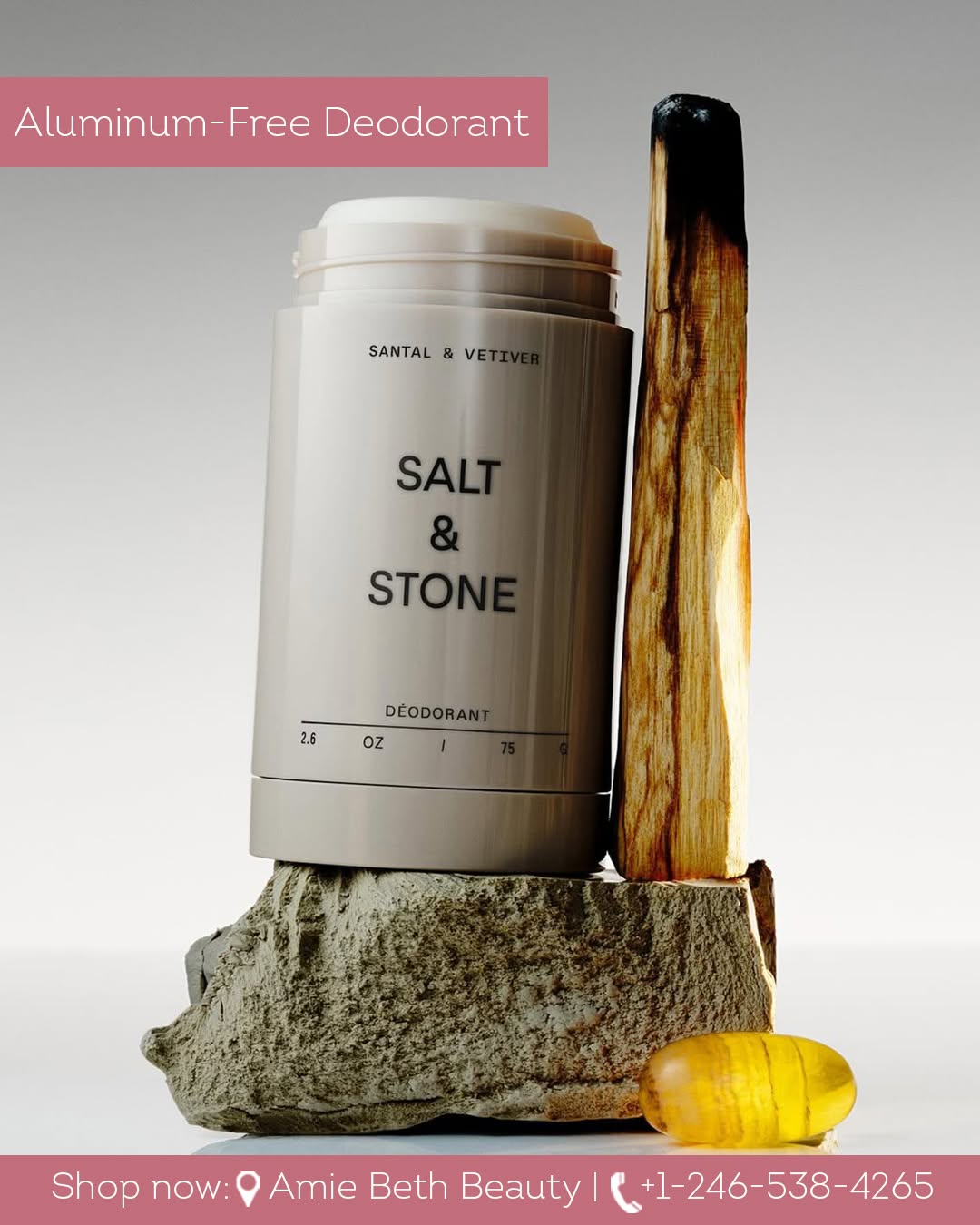
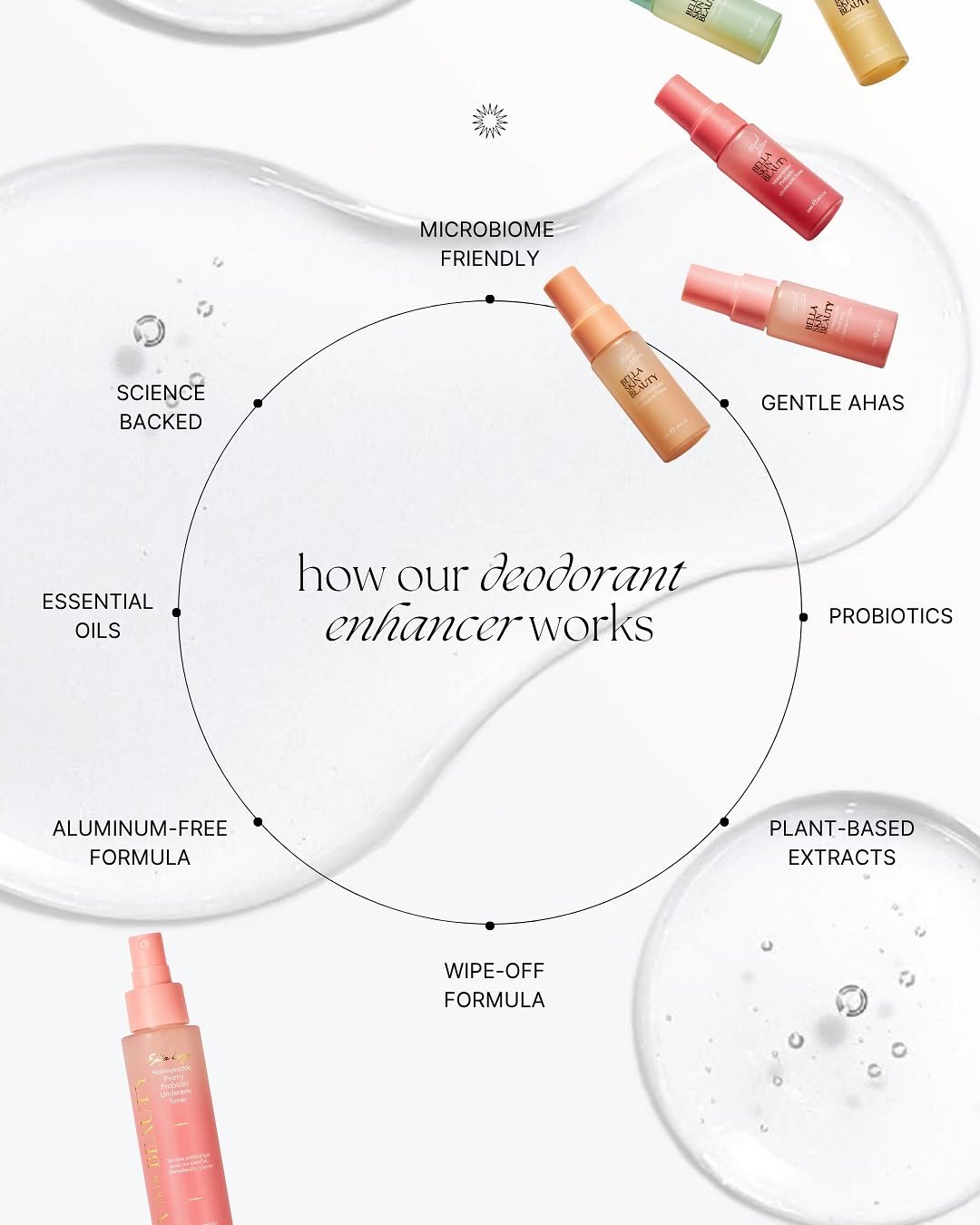
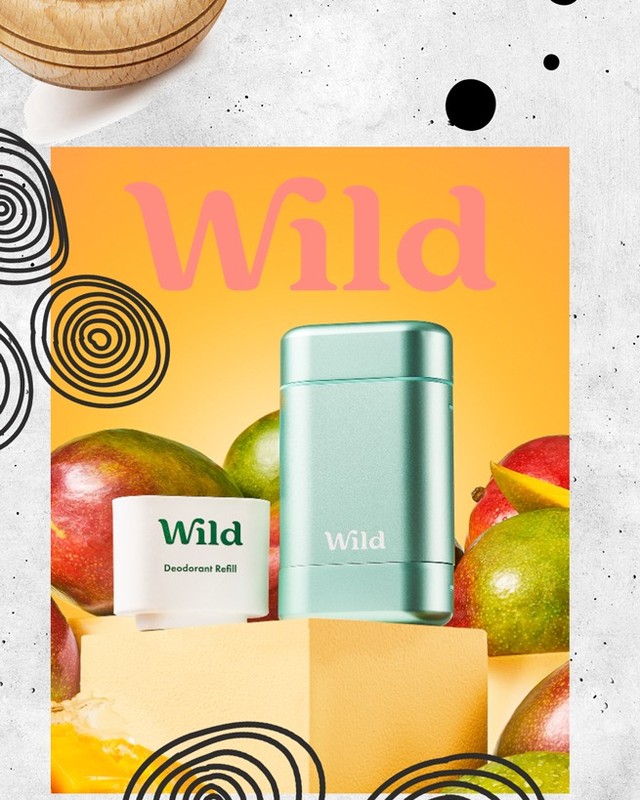
AI-generated product visualizations for Deodorant Pastes & Creams
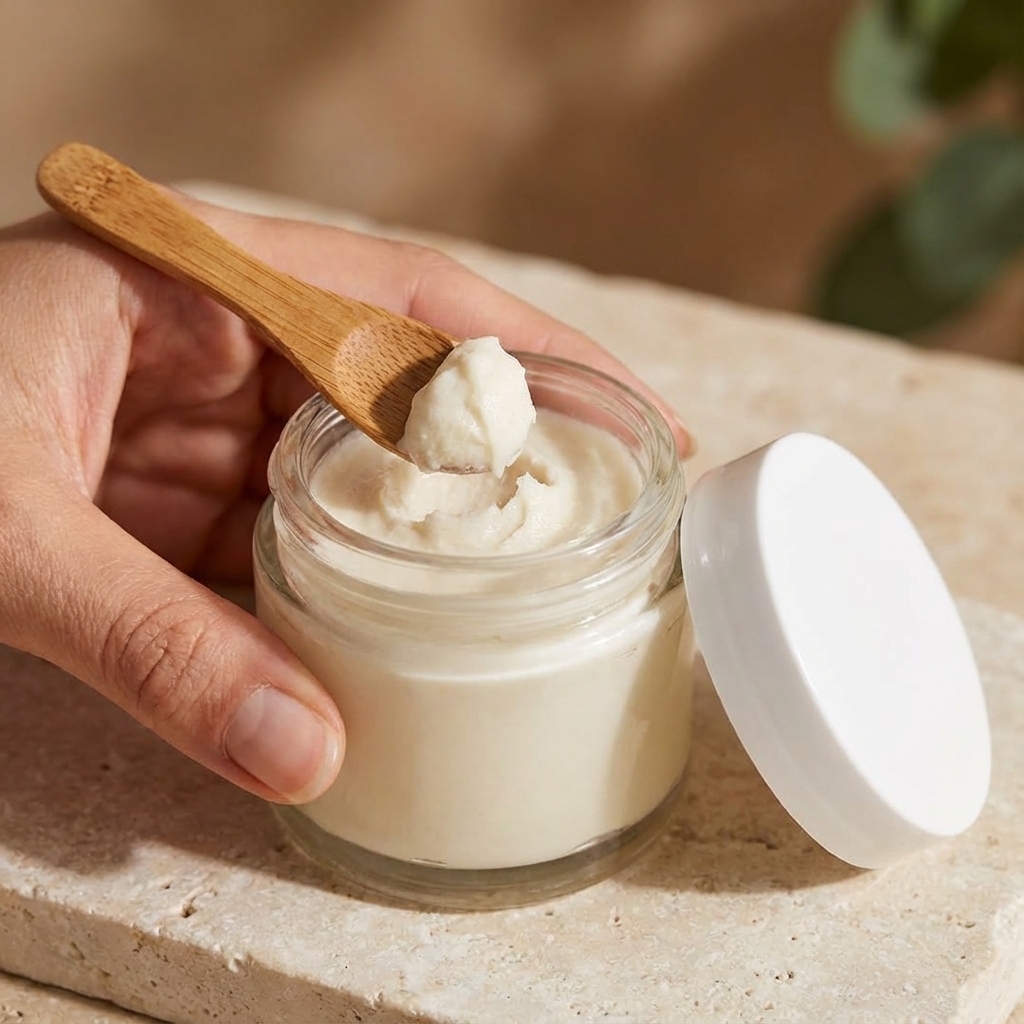
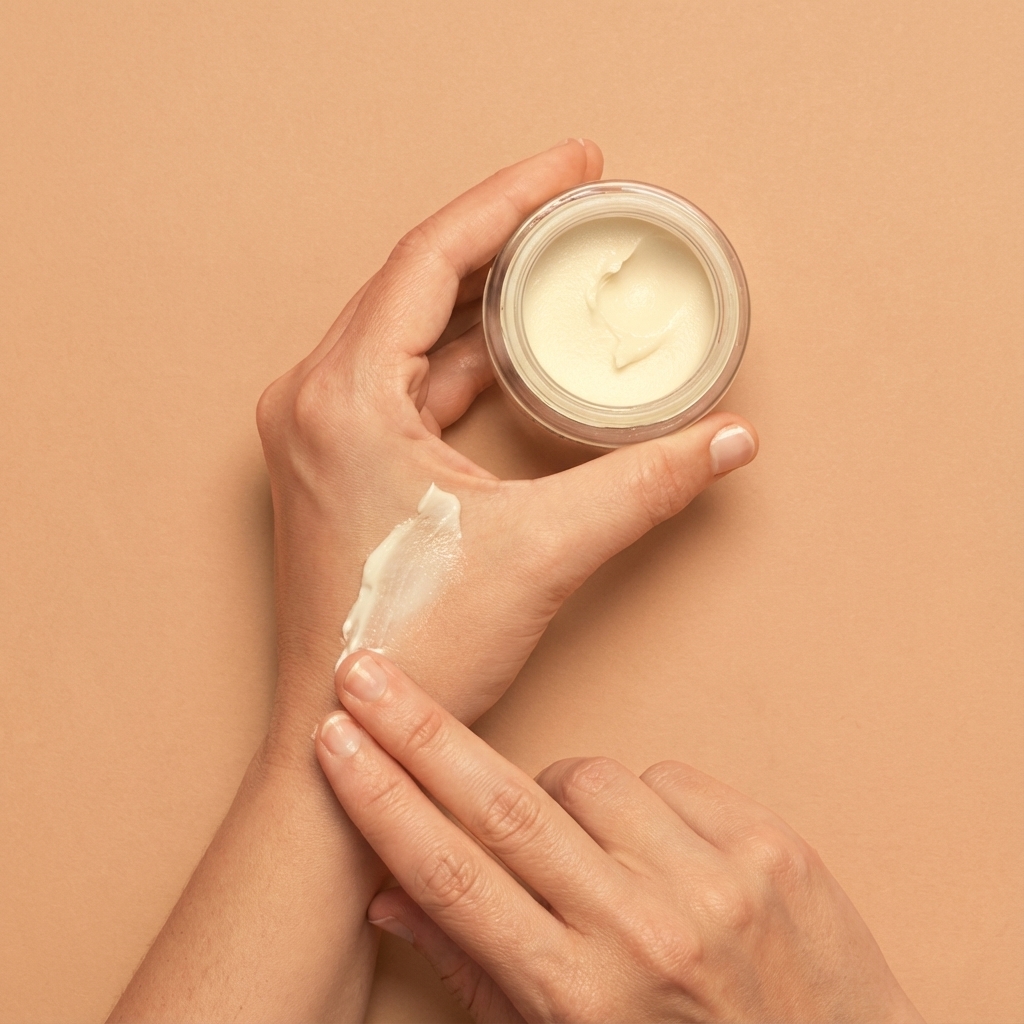
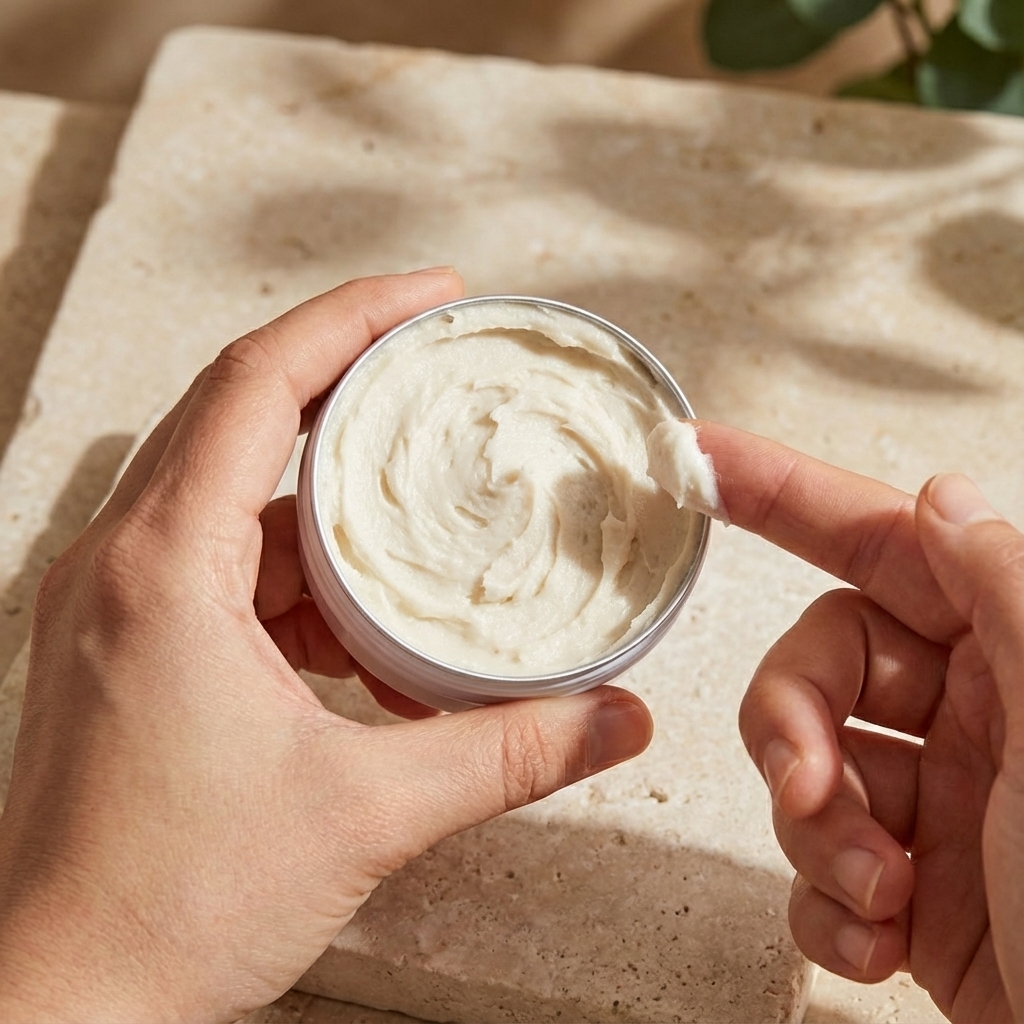
A quick preview of supplier standards, production requirements, and sourcing intelligence from our verified network.
Verified suppliers with years of experience and quality strengths
| Supplier | Images | Tier | Years | Response | Favorites | Key Strengths | Product Expertise | Shop Ratings | Contact |
|---|---|---|---|---|---|---|---|---|---|
Dongguan Dexin Tin Can Co., Ltd. Guangdong Province, Dongguan City, Qiaotou Town, Dazhou Changsheng Science and Technology Park, Building B3 | Tier 4 | 5+ | 0.89% | 688 | Excellent QualityLow ReturnsGood DisputeGood Service | Metal BoxMetal CanOther Metal Packaging | Quality 5.0 Returns 5.0 Logistics 4.1 Consult 2.0 Dispute 5.0 Overall 4.5 | View contact |
0 verified suppliers across 15 manufacturing hubs
Average Ratings Across All Suppliers
0.0
Quality
0.0
Logistics
0.0
Returns
0.0
Disputes
0.0
Support
0.0
Overall
FOB pricing by manufacturing cluster, compare costs across regions
| Region | Suppliers | Min FOB | Avg FOB | Max FOB |
|---|---|---|---|---|
| Unit 101, Building 1, No. 5, Riverside East 1st Road, Jiangbian, Qishi Town, Dongguan City, Dongguan City, Guangdong Province | 1 | ¥0 | ¥1 | ¥1 |
Top-tier verified manufacturers with quality ratings and capabilities
| Company | Tier | Years | Quality | Logistics |
|---|---|---|---|---|
| Dongguan Dexin Tin Can Co., Lt... | TIER 4 | 0+ | 5.0 | 4.1 |
| Supplier | Yrs | Rating ↓ | Actions |
|---|
Tip: Click on a supplier row to see detailed ratings breakdown. Ratings above 4.0 indicate reliable suppliers.
The most significant cost drivers are ingredient certifications (e.g., 'Certified Organic'), packaging material (glass vs. tin vs. plastic), and the choice of active odor-neutralizing ingredients. Optimizing these three areas will yield the largest cost savings.
Confidence: High| Pricing Lever | Cost Impact | Quality Risk | MOQ Impact | Lead Time | Notes |
|---|---|---|---|---|---|
| Downgrade from 'Certified Organic' to 'Made with Organic Ingredients' or conventional | ↓ High | Low | ↓ Low | ↓ Medium | Reduces raw material cost and avoids costly certification processes. Perceived quality may be affected. |
| Switch packaging: Glass/Bamboo → Metal Tin → PP Plastic Jar | ↓ High | Medium | - None | ↓ Low | Directly impacts brand perception. Glass is premium, tin is eco-value, plastic is budget. |
| Change active ingredient: Probiotic Ferment → Magnesium Hydroxide | ↓ Medium–High | Medium | - None | - None | Affects the 'science-backed' marketing story and potentially efficacy. Requires testing. |
| Remove included applicator spatula (sell separately) | ↓ Medium | Low | - None | - None | Reduces COGS but can negatively impact user experience and hygiene perception. |
| Use stock essential oil blends instead of custom artisanal scents | ↓ Low–Medium | Low | ↓ Low | ↓ Low | Reduces development time and cost, but offers less brand differentiation. |
| Reduce fill volume (e.g., 75g to 60g) | ↓ Low | Low | - None | - None | Reduces formula and component cost per unit but can affect perceived value for money. |
| Increase MOQ (to 3k-5k units) | ↓ Medium | Low | ↑ High | - None | Unlocks better pricing on both raw materials and packaging components. |
Ready to find the perfect balance between quality and cost? Submit a sourcing request and we'll help you configure a deodorant cream that meets your target price point.
The most critical quality risks are formula instability (melting in heat, hardening in cold), skin irritation, and staining on clothing. These issues are the most common causes of negative reviews and product returns.
Confidence: HighRoot Cause
Incorrect wax-to-oil ratio; insufficient stabilizer (e.g., Candelilla Wax); poor homogenization during production.
What to Specify / Ask Supplier
Specify required temperature stability (e.g., must remain solid up to 45°C). Request stability test data.
QC Check (What "Good" Looks Like)
Place a sample in a warm environment (e.g., 40°C oven) for 24h. Check for oil separation, melting, or sweating.
Root Cause
Certain butters (like Shea) can crystallize if not cooled properly; incorrect ingredient ratios.
What to Specify / Ask Supplier
Define acceptable texture ('smooth, creamy, easy to scoop'). Ask about their cooling process post-fill.
QC Check (What "Good" Looks Like)
Scoop product at room temperature. It should be firm but pliable, not brittle or gritty. Rub between fingers to feel for grains.
Root Cause
Undeclared baking soda (bicarb); high concentration of certain essential oils; microbial contamination.
What to Specify / Ask Supplier
Require a 'bicarb-free' formula and demand a full INCI ingredient list. Request safety data sheets (MSDS) for all ingredients.
QC Check (What "Good" Looks Like)
Conduct a simple patch test on a small, sensitive skin area. Wait 24h and check for any redness or irritation.
Root Cause
High percentage of oils/butters; certain powders or colorants; formula not absorbing quickly.
What to Specify / Ask Supplier
Clearly state 'non-staining formula' as a key requirement. Ask for test results on black, white, and colored fabrics.
QC Check (What "Good" Looks Like)
Apply a small amount to a black cotton swatch. Let it sit for an hour, then wipe off excess. Check for a visible white or oily mark.
Root Cause
Insufficient active ingredient (e.g., Magnesium Hydroxide); formula degradation over time; wrong active for the intended user.
What to Specify / Ask Supplier
Specify the primary active ingredient and require a minimum efficacy claim (e.g., '24-hour protection').
QC Check (What "Good" Looks Like)
This is difficult without user testing. The best proxy is to ensure the formula matches the approved sample and smells correct.
Root Cause
Unhygienic manufacturing environment (non-GMP); water contamination in an anhydrous formula.
What to Specify / Ask Supplier
Require manufacturing to be done in a GMP-certified facility. Request a Certificate of Analysis (COA) with microbial test results for each batch.
QC Check (What "Good" Looks Like)
Visually inspect for any discoloration or mold. Send a sample from each batch to a 3rd-party lab for a Total Viable Count (TVC) test.
Root Cause
Poor thread on jar/lid; incorrect liner material in the lid; cracks in the container.
What to Specify / Ask Supplier
Specify packaging material and require a leak test as part of the factory's internal QC process.
QC Check (What "Good" Looks Like)
Fill a few sample jars with product, tighten the lid, and place them on their side on a paper towel for 24 hours. Check for any oil seepage.
Don't leave quality to chance. Source with us and receive a comprehensive QC checklist tailored to deodorant creams to protect your brand and your customers.
Use this data to create your product specifications, reach out to suppliers, and validate your pricing strategy. Start with small sample orders to test quality.
Choose from 2 pricing strategies based on your target market
This sourcing playbook provides actionable guidance for importing Deodorant Pastes & Creamsproducts. Our data-driven approach combines supplier intelligence with market validation to help you make informed purchasing decisions and minimize sourcing risks.
First orders typically require 30-50% deposit with balance before shipment (T/T). As relationships develop, suppliers may offer 30/70 splits or even open terms for established buyers. Letter of Credit (L/C) is available for larger orders but involves additional fees.
Document issues with photos immediately upon receipt. Most suppliers offer replacement or credit for legitimate defects within agreed AQL limits. Having clear quality specifications in your purchase order strengthens your position in disputes.
Third-party inspection is recommended for first orders and orders over $10,000. Services like SGS or Bureau Veritas cost $200-400 per inspection and can prevent costly quality issues. Pre-shipment inspection is most common; in-line inspection adds additional assurance.
Navigation: All Categories → Deodorant → Deodorant Pastes & Creams → Sourcing